With stronger foundations and policy momentum, Vietnam’s industry enters 2026 aiming to expand development space through regional linkages and greater resilience.
Regional linkages for stronger resilience
Entering 2026, Vietnam’s industrial sector draws important momentum from a development foundation steadily reinforced through years of consistent implementation of the Party’s and State’s strategic orientations. While the global economy remains fraught with uncertainties, domestic industry continues to play a pillar role, making major contributions to growth, exports and macroeconomic stability.
The implementation of the Politburo’s Resolution No. 23-NQ/TW on orientations for national industrial development is widely seen as a turning point, fostering greater unity in both thinking and action across the entire industry and trade sector. This has helped reinforce awareness of industry’s central role in the country’s industrialization and modernization process, while providing a clear framework for foundational and spearhead industries to develop in a more structured manner.
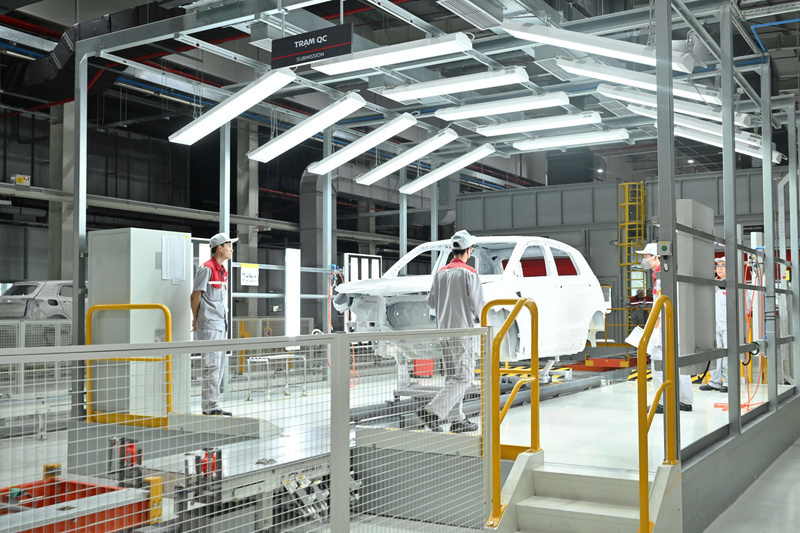
Vietnam’s automobile localization rate has shown encouraging signs. Photo: Can Dung
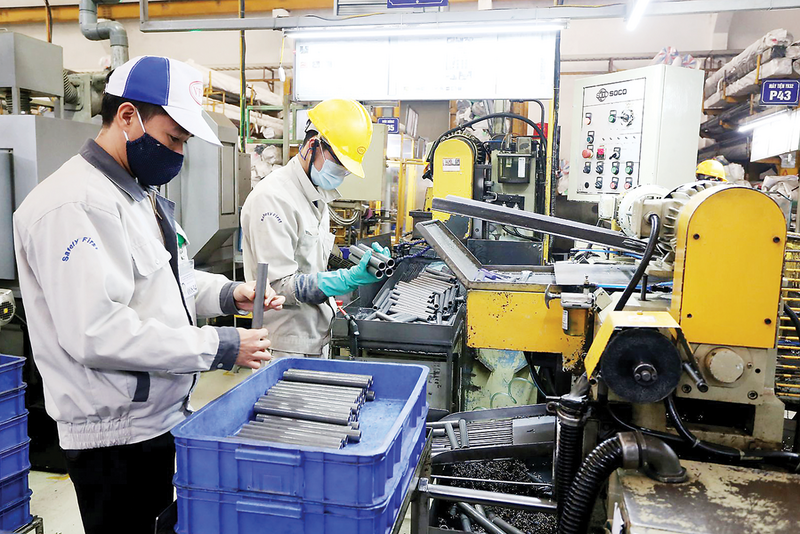
In 2025, industrial development delivered positive results. Vietnam has formed a number of large-scale mechanical engineering enterprises capable of participating in key national projects, ranging from energy and hydromechanical engineering to automobile and railway manufacturing. The localization rate reached 35-40%, underscoring steadily improving domestic production capacity.
The automobile manufacturing and assembly sector also recorded notable progress. Although localization rates remain modest, the emergence of enterprises bearing the National Brand label and their growing access to international markets have opened up new prospects. In particular, the strong shift toward environmentally friendly engines signals a transition toward greener and more sustainable development in Vietnam’s auto industry.
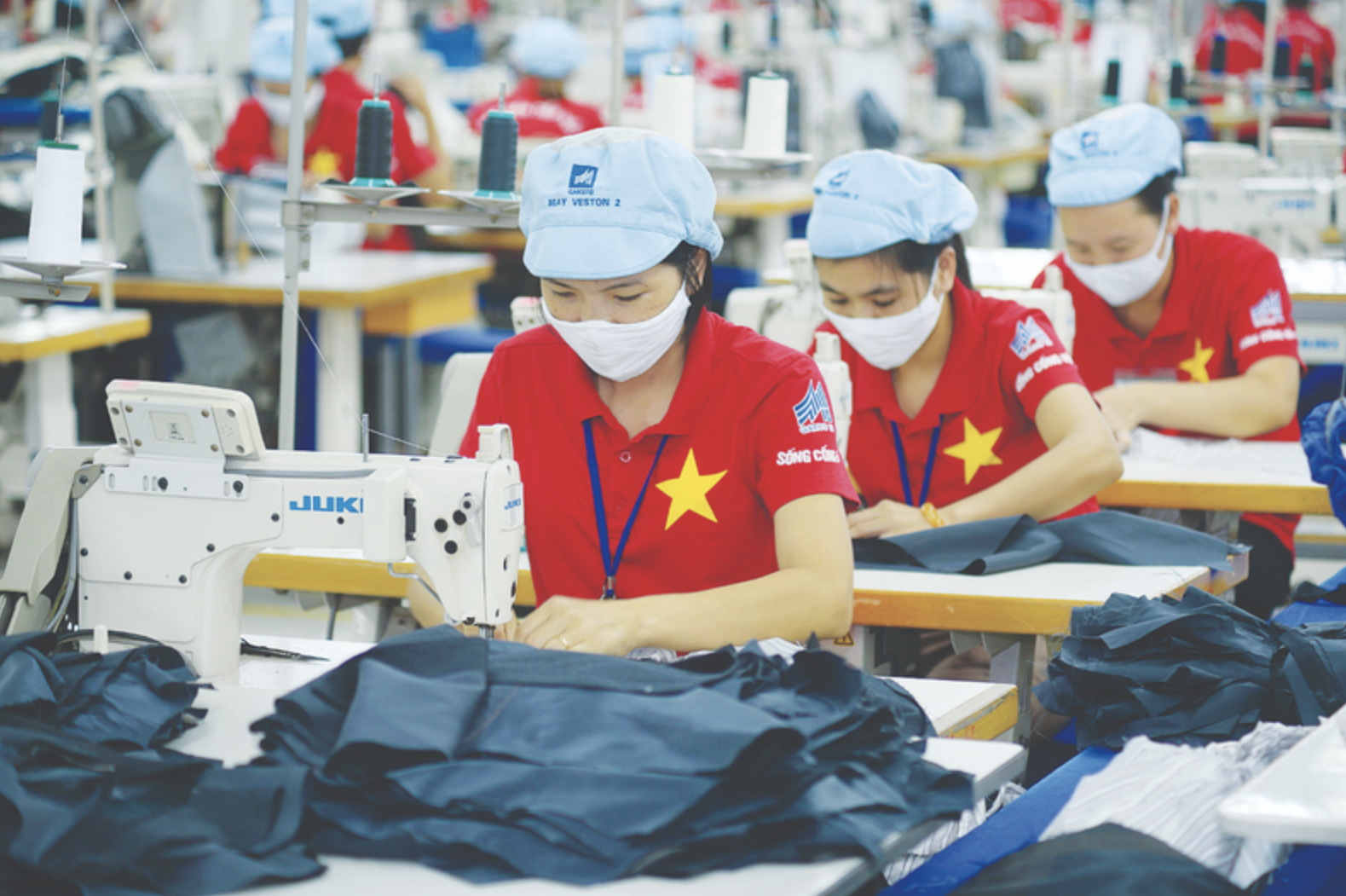
Meanwhile, metallurgy, mining, textiles and footwear have continued to play important roles in production and export chains despite pressures from the global market. These sectors have maintained growth, created jobs for millions of workers and contributed significantly to export turnover. Ongoing efforts in planning, restructuring and value-added enhancement are gradually helping traditional industries adapt more effectively to the new context.
Notably, the industrial production index (IIP) increased across 34 localities, indicating that production momentum is spreading more broadly rather than being concentrated in only a few major industrial hubs.
Expanding space, shaping expectations for 2026
Looking ahead to 2026, Vietnam’s industry stands before opportunities to expand its development space through broader scale and stronger linkages. Changes in institutions, organizational structures and governance methods are expected to generate fresh momentum for manufacturing, especially as global supply chains continue to restructure and regional connectivity becomes increasingly critical.
One particularly noteworthy development is the policy to reorganize and merge provincial- and commune-level administrative units in tandem with the rollout of a two-tier local government model. This move is opening new development space for industry by reorganizing localities toward larger scale, reduced fragmentation and stronger regional coordination capacity. Easing “soft barriers” posed by administrative boundaries is considered a key factor in improving investment and production efficiency.
In 2026, Vietnam’s industry is expected to gain wider development space through stronger regional linkages.
Commenting on this issue, Truong Thi Chi Binh, Secretary General of the Vietnam Association for Supporting Industries (VASI), said the merger of provinces and cities and the adoption of a two-tier local government model would reshape industrial development approaches. Localities would plan industrial development on a regional basis rather than in fragmented, province-by-province or district-by-district fashion. This is particularly significant for supporting industries, which rely heavily on close linkages among lead firms, suppliers and logistics systems.
She emphasized that stronger regional connectivity would facilitate the formation of industrial clusters and deeper production chains, replacing the previous model in which each locality developed small, disconnected industrial zones. When administrative borders no longer function as “soft barriers,” conditions become more favorable for attracting large-scale investment projects especially in manufacturing and supporting industries that demand scale and systemic coherence.
Another important benefit highlighted by Truong Thi Chi Binh is the positive impact of the two-tier local government model on administrative reform. With fewer intermediary layers, decisions related to investment, land, construction, environment and business support can be processed more quickly and transparently.
Within this broader picture, the development of industrial innovation centers, alongside efforts to accelerate digital transformation and core technology development, is seen as the next step in improving growth quality. In parallel, expectations are rising for the early drafting and adoption of a Law on Key industries, viewed as a long-term legal foundation to ensure that industrial development policies are implemented consistently, stably and with a longer-term vision.
At the start of the new year, Vietnam’s industrial landscape is taking shape with renewed optimism. Movements from policy to practice point to a clear direction: industrial development will no longer rely solely on expanding scale, but on linkages, efficiency and endogenous capacity. This foundation positions Vietnam’s industry to enter 2026 with greater initiative, confidence and aspirations for more sustainable development in the journey ahead.
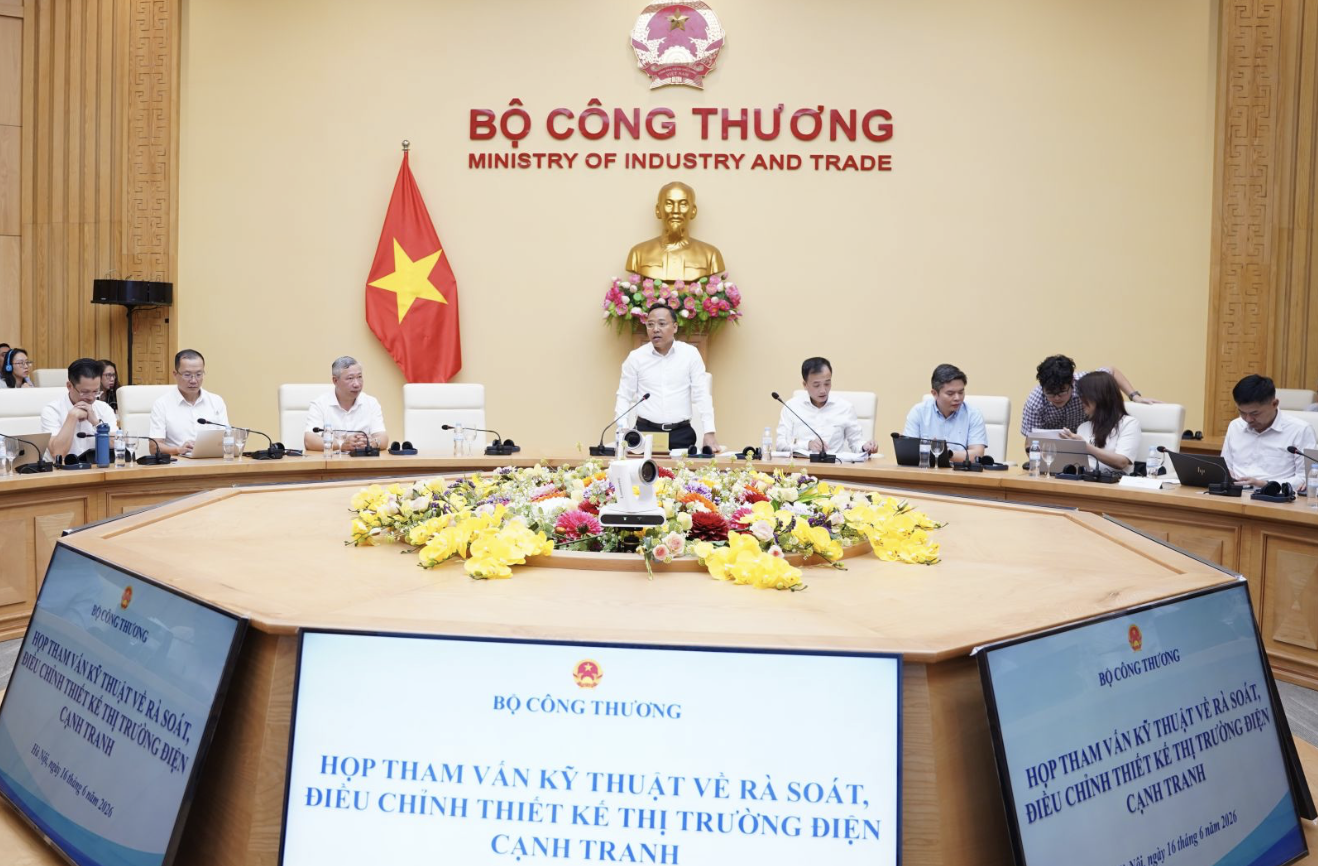
Ministry of Industry and Trade (MoIT) held a technical consultation in Hanoi on reviewing and adjusting the design of Vietnam’s competitive electricity market.
Textiles and garments continued to be one of Vietnam’s leading export categories to the Russian market in the first five months of 2026, generating export revenue of more than USD 106.99 million.
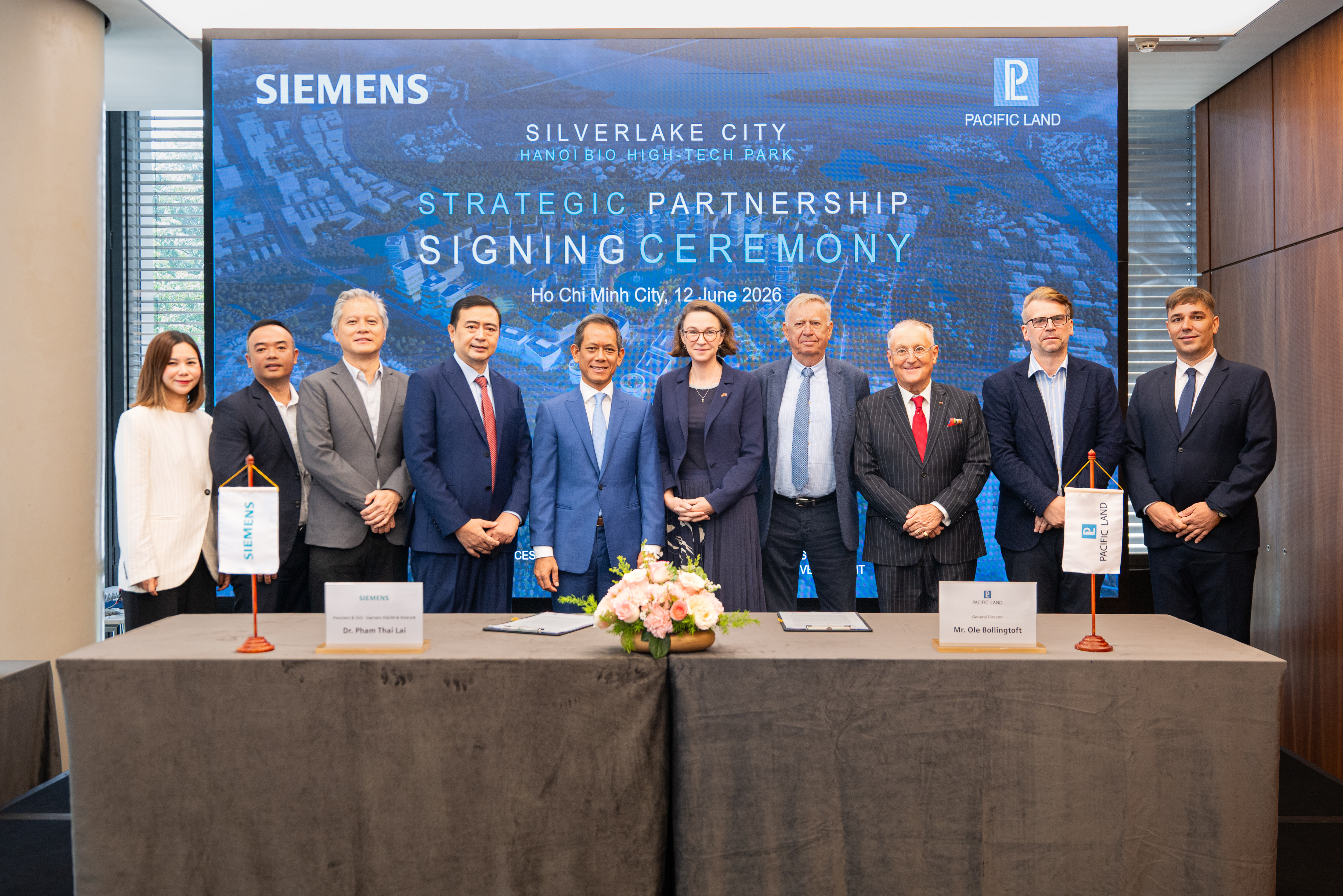
Siemens and Pacific Land will transform Silverlake Bio Hi-Tech Park into a smart, sustainable innovation hub supporting Vietnam’s high-tech growth ambitions.
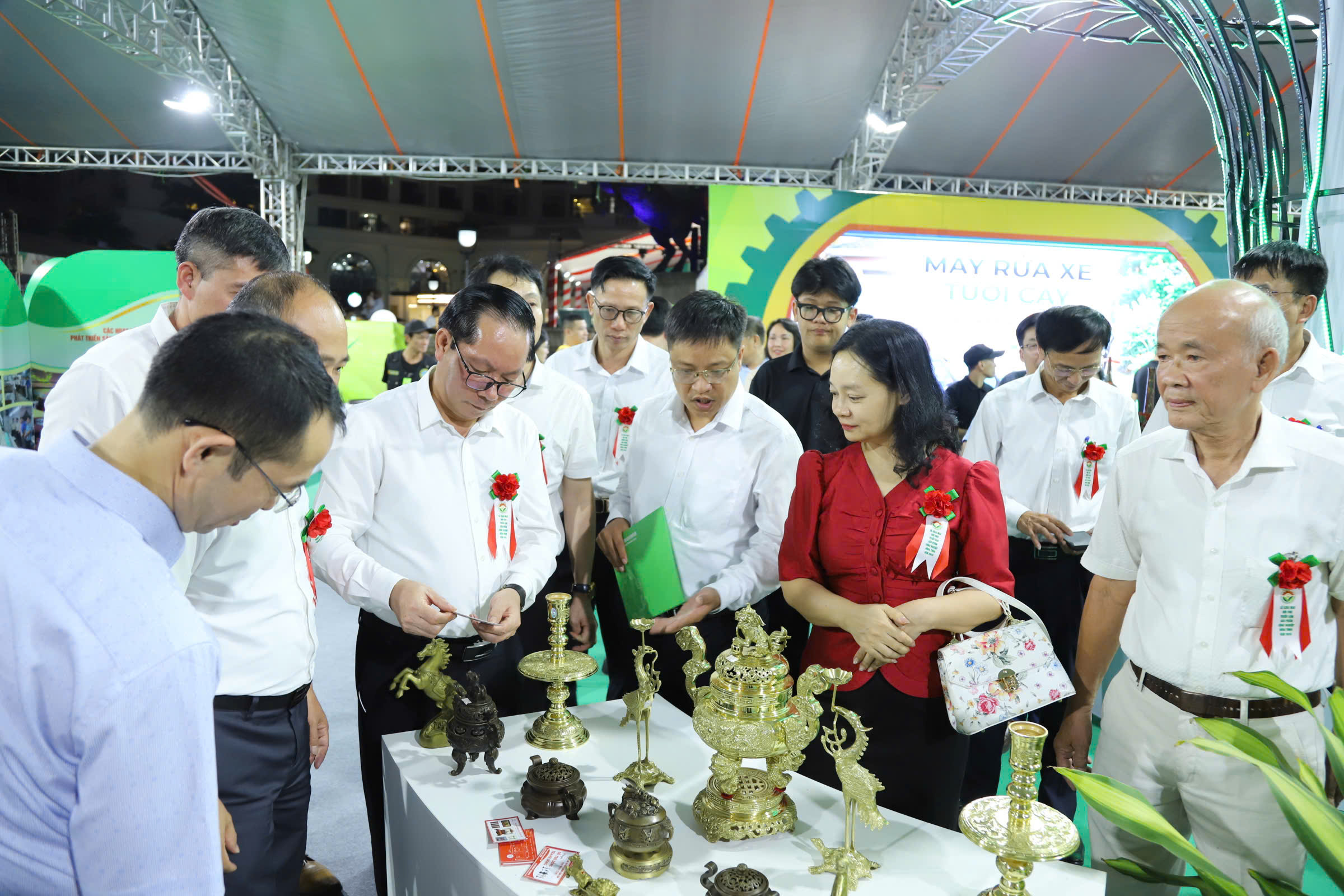
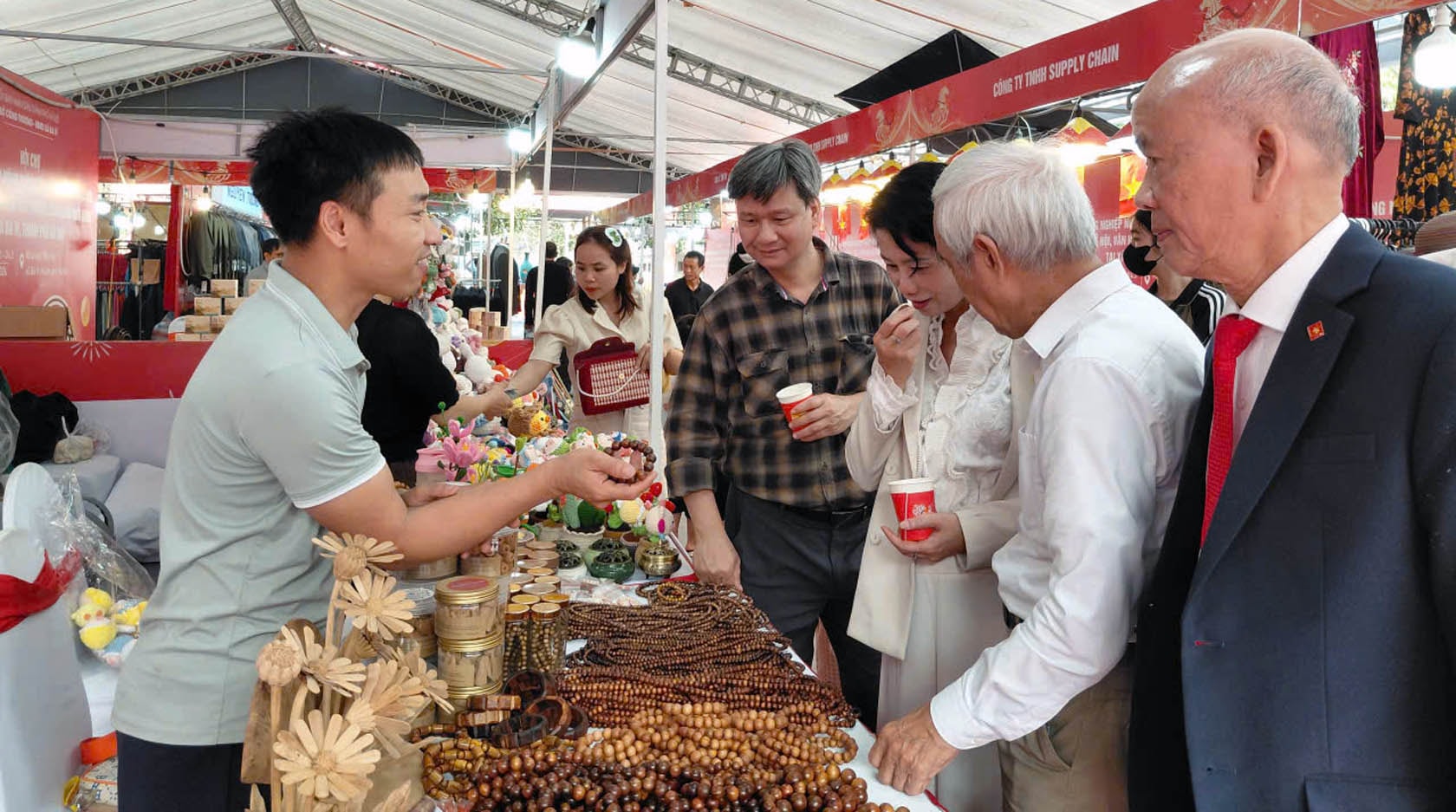
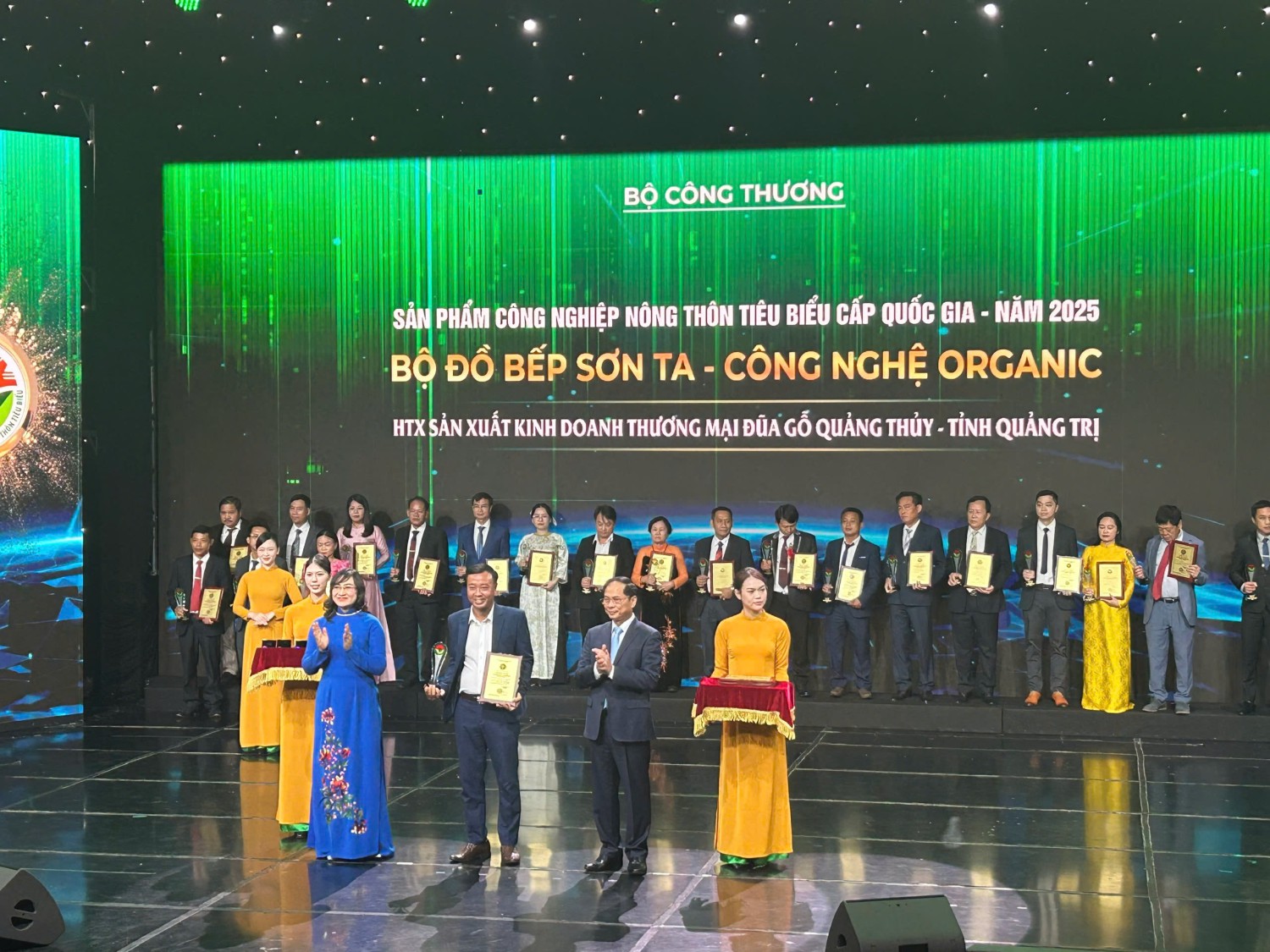
The Rural Industrial Products Fair and Exhibition 2026 has attracted more than 300 booths from provinces and cities across the country, helping promote outstanding rural industrial products, strengthen business connections, and expand consumer markets.
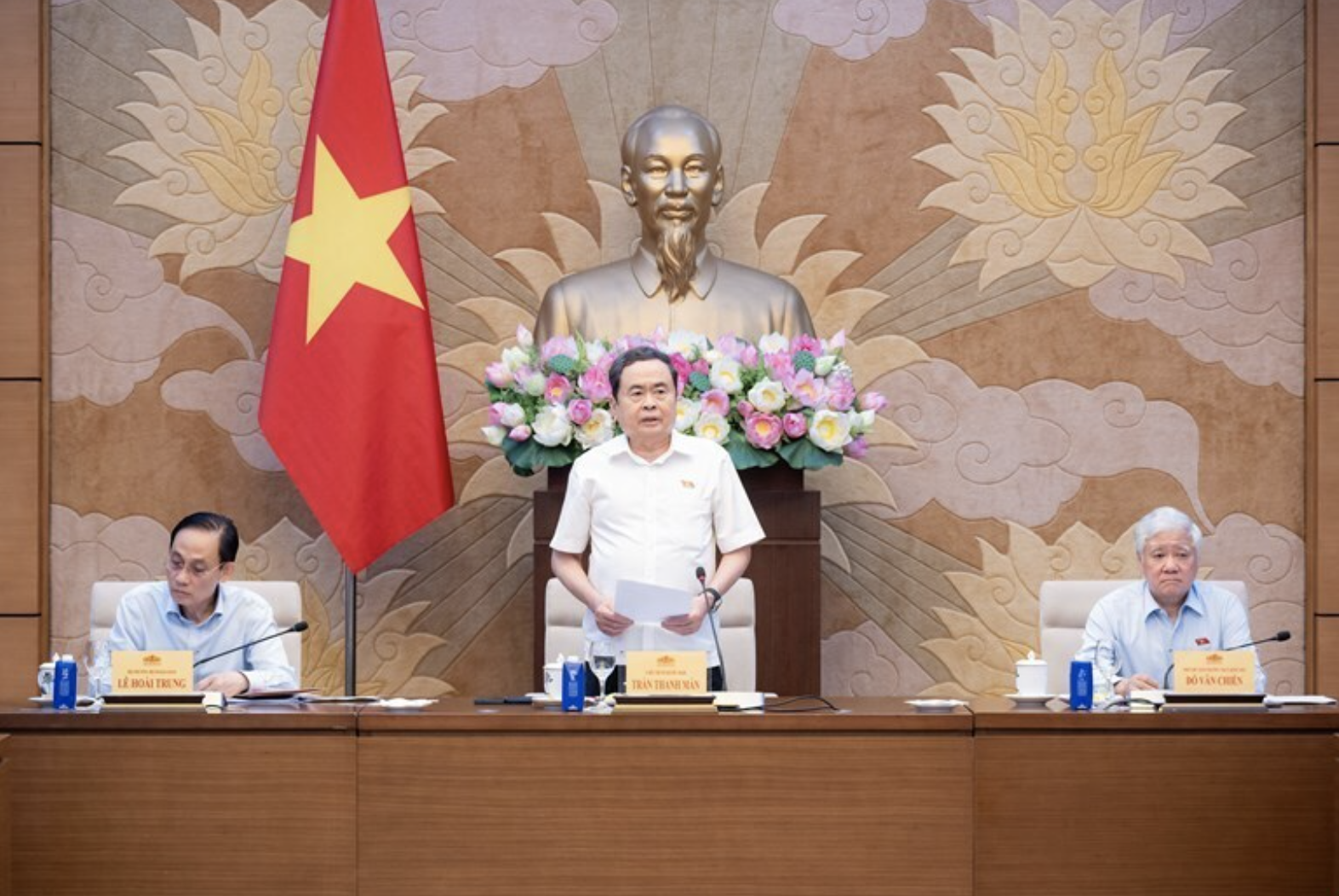
National Assembly Chairman Tran Thanh Man stressed that in the country's new stage of development, foreign affairs must not only contribute to safeguarding the nation from an early stage and from afar, but also serve as a key driver of development.
The Rural Industrial Products Fair and Exhibition 2026 has attracted more than 300 booths from provinces and cities across the country, helping promote outstanding rural industrial products, strengthen business connections, and expand consumer markets.
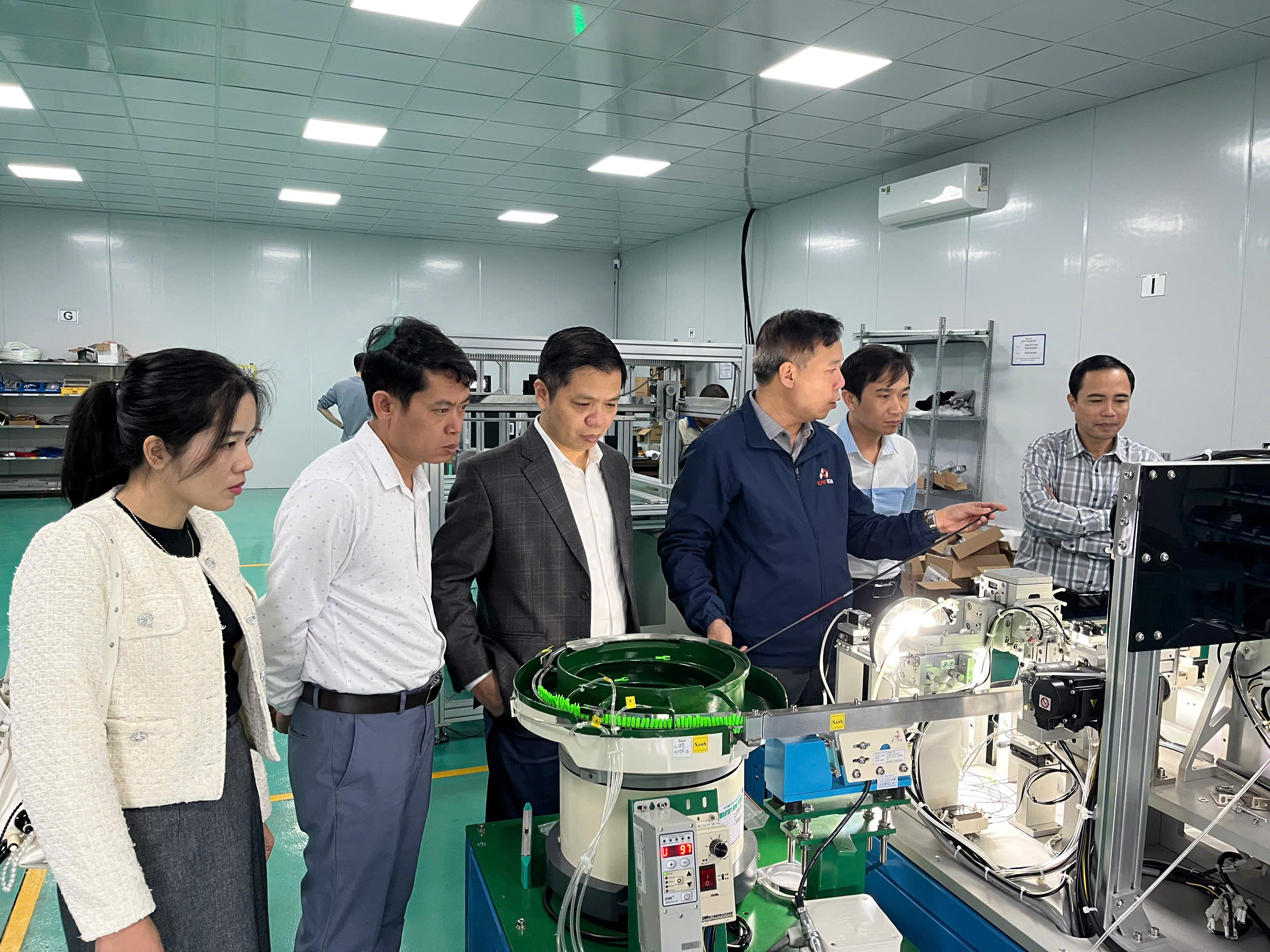
To further enhance the effectiveness of the national industrial promotion program, representatives from provincial Departments of Industry and Trade have proposed increasing support expenditures during the 2026-2030 period to align with the growing demands of digital transformation, green transition, and technological innovation at production facilities.
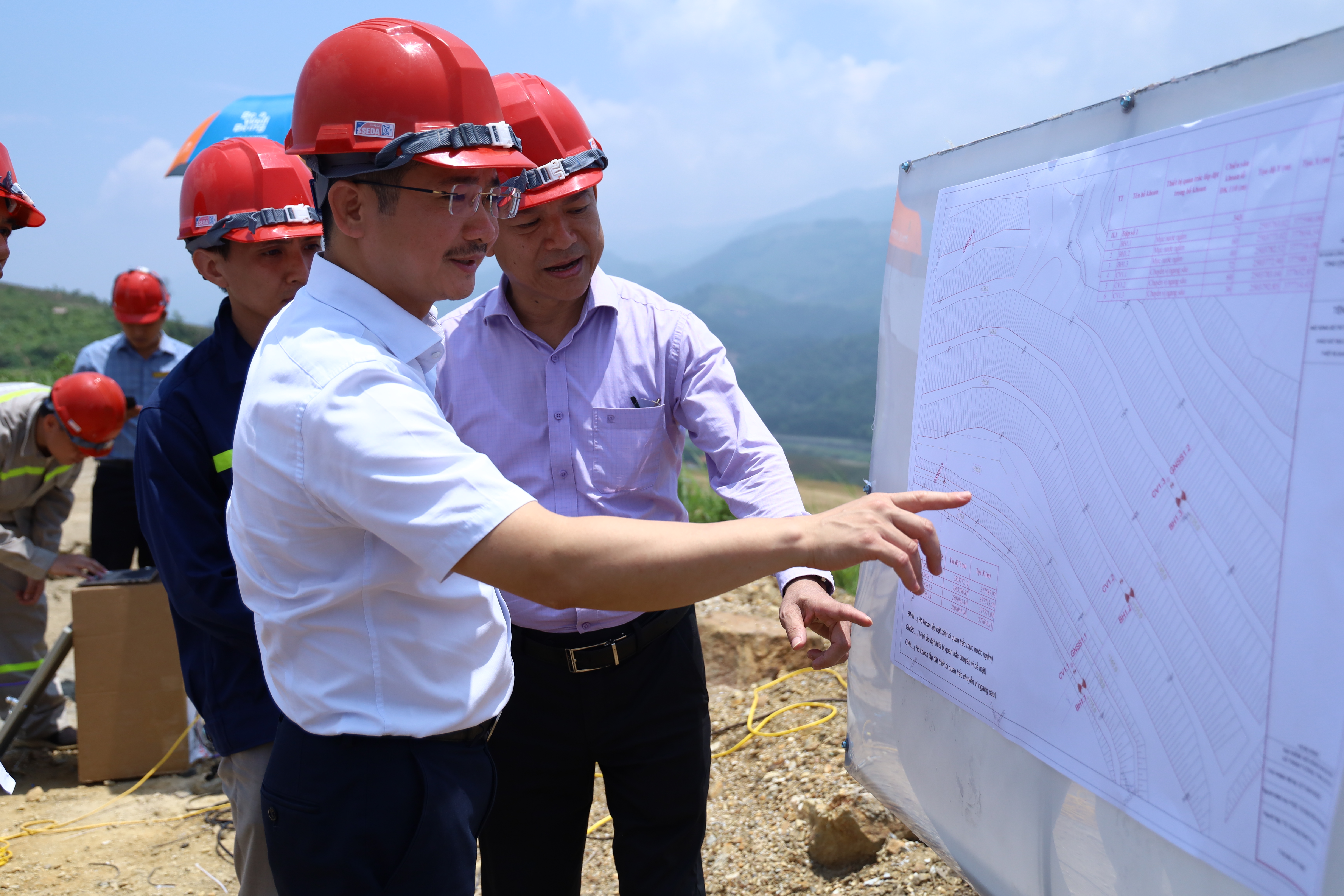
The Ministry of Industry and Trade (MoIT) delegation inspected TKV Minerals Corporation JSC (Vimico)’s 2026 storm-season preparations, highlighting AI-based monitoring and early warning systems to strengthen mine safety efforts