Vietnam seeks to boost localisation and strengthen Vietnam-Republic of Korea linkages, build deeper automotive ecosystem and enhance global value chain integration.
Momentum from capital inflows and the supporting industry ecosystem
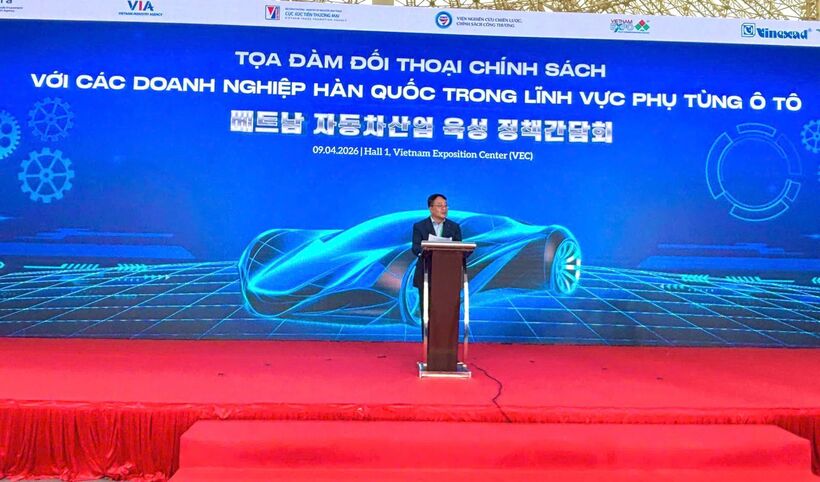
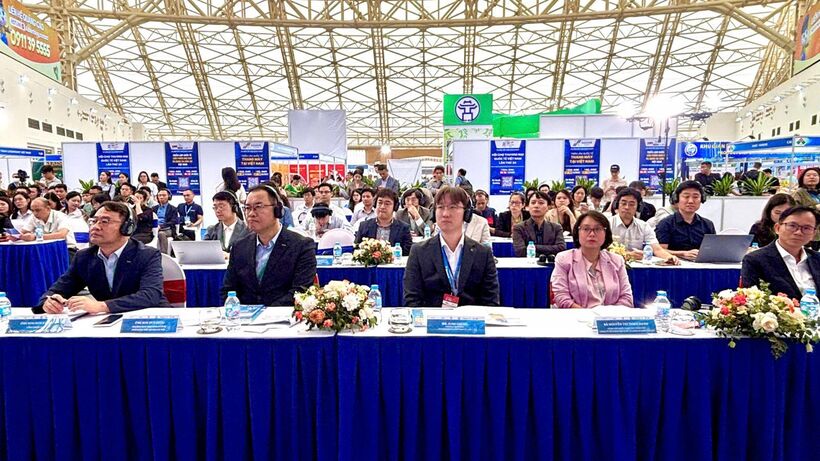
On April 9, the Ministry of Industry and Trade held a Policy Dialogue with enterprises from the Republic of Korea in the automotive parts sector, bringing together a wide range of regulators, associations, and business communities from both countries.
Attendees included Vu Ba Phu, Director of the Vietnam Trade Promotion Agency under the Ministry of Industry and Trade; Koo Bon Kyung, Chief Executive Officer of KOTRA Southeast Asia and Oceania; and Nguyen Khac Quyen, Deputy Director of the Institute for Industry and Trade Strategy and Policy under the ministry.
The event also drew representatives from local departments, associations, industrial parks, Vietnamese enterprises, as well as Korean businesses and investors.
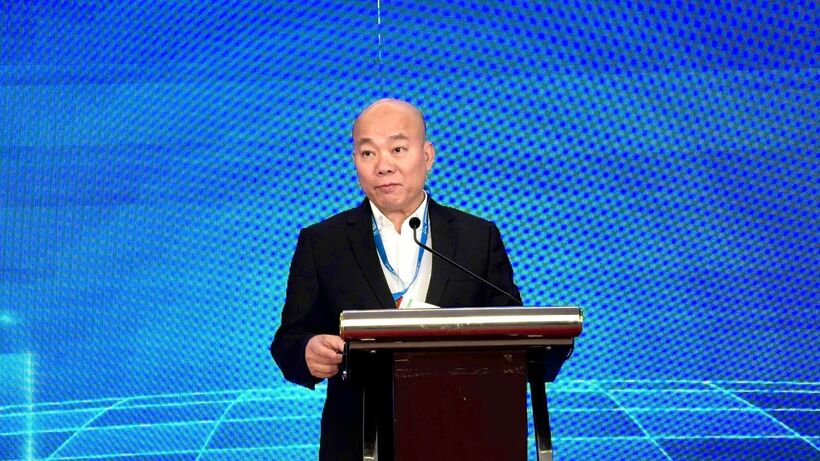
Vu Ba Phu, Director of the Vietnam Trade Promotion Agency, delivers remarks at the dialogue.
Speaking at the dialogue, Vu Ba Phu emphasised that economic, trade, and investment cooperation between Vietnam and the Republic of Korea has developed strongly and comprehensively in recent years. The Republic of Korea remains one of Vietnam’s leading partners, particularly in foreign direct investment.
As of the end of February 2026, the Republic of Korea was the largest foreign investor in Vietnam, with total registered capital exceeding USD 95.2 billion, accounting for around 18% of total investment. In the first two months of 2026 alone, Korean investment reached nearly USD 2 billion, representing 32.7% of total registered capital, reflecting strong confidence and a stable expansion trend.
“Notably, the processing and manufacturing sector accounts for a dominant share, with more than 73% of total investment from Korean enterprises. This is also a key foundation for developing supporting industries, including the production of automotive components and parts,” Vu Ba Phu said.
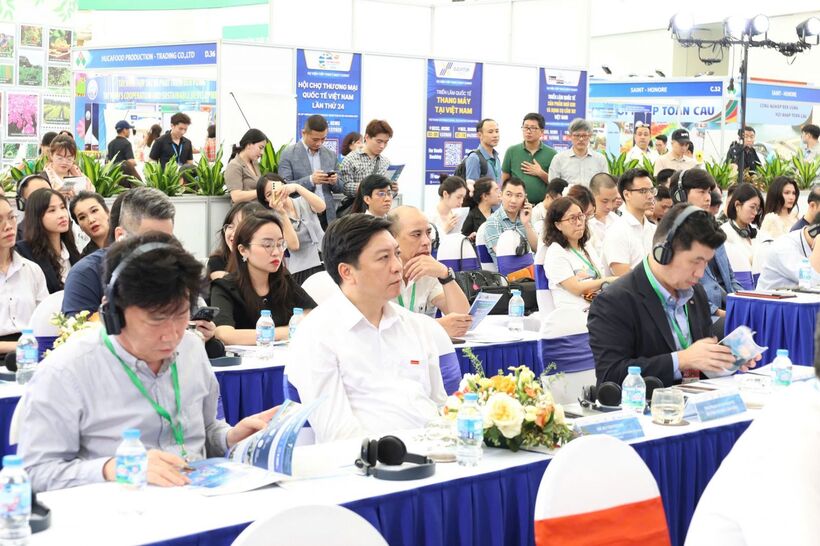
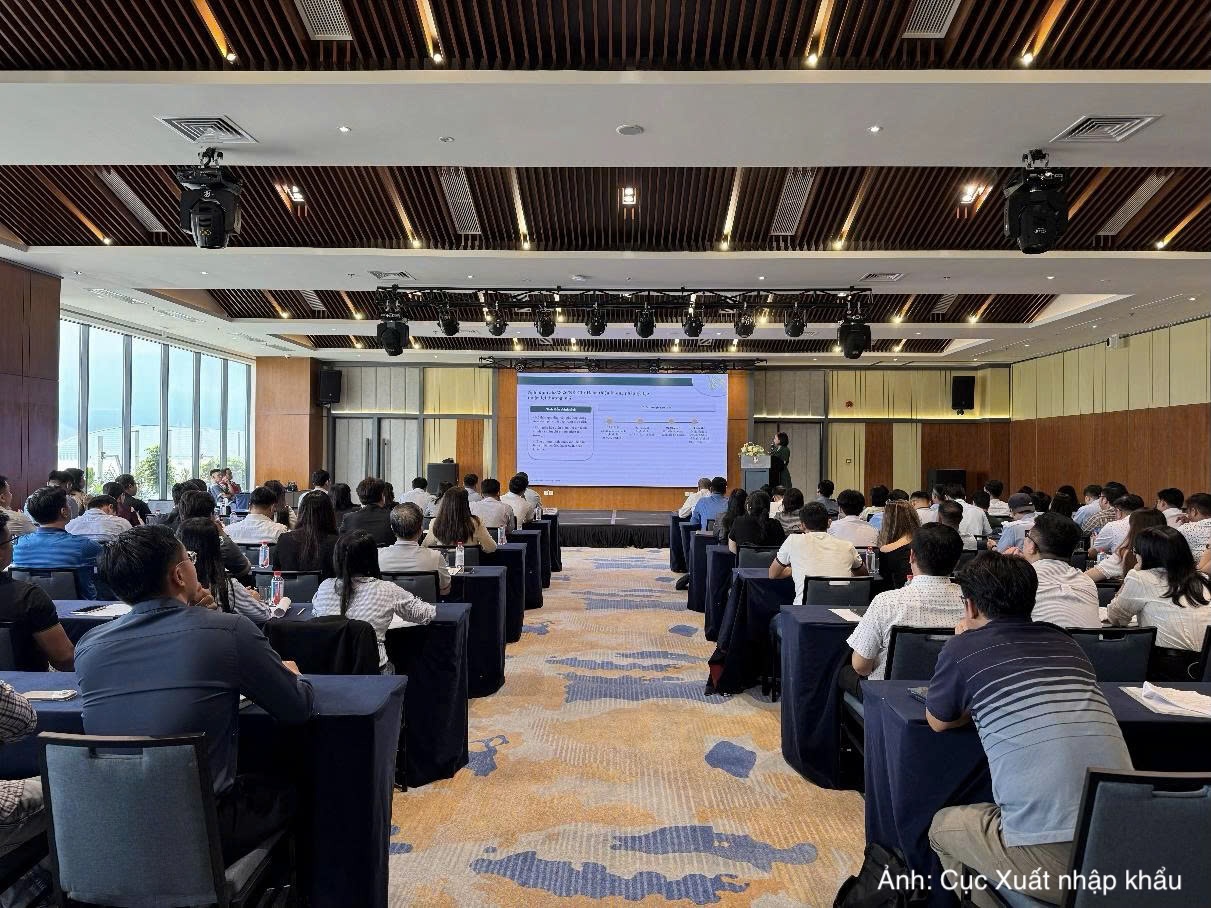
Delegates attend the dialogue.
In practice, the presence of Korean enterprises has helped enhance production capacity, promote technology transfer, and improve governance and quality standards in Vietnam. Many industrial clusters and supporting industry ecosystems have been formed in key localities such as Bac Ninh, Thai Nguyen, Hai Phong, Hung Yen, and Ho Chi Minh City.
Amid a strong global shift in the automotive industry toward green, electrified, and smart mobility, these investments not only carry economic significance but also help Vietnam strengthen its internal capabilities and gradually integrate more deeply into global value chains.
Despite these positive outcomes, Vu Ba Phu candidly pointed out the limitations of Vietnam’s automotive parts industry. The sector remains in a formative stage, with a low localization rate, limited technological capacity, and quality standards that have yet to meet higher requirements, constraining deeper participation in global supply chains.
In particular, linkages between Vietnamese enterprises and Korean FDI firms remain below potential. Many domestic companies are still outside major supply chains, mainly due to constraints in technology, management, and product standards.
Removing bottlenecks, enhancing linkages
From the Korean side, assessing Vietnam’s automotive market, Koo Bon Kyung noted that the market is experiencing strong growth, with sales in 2025 increasing by more than 10% year-on-year. Notably, the rise of domestic players such as VinFast, along with expanded production by global groups like Hyundai-Kia and Toyota, is contributing to positioning Vietnam as a new automotive production hub in Southeast Asia.
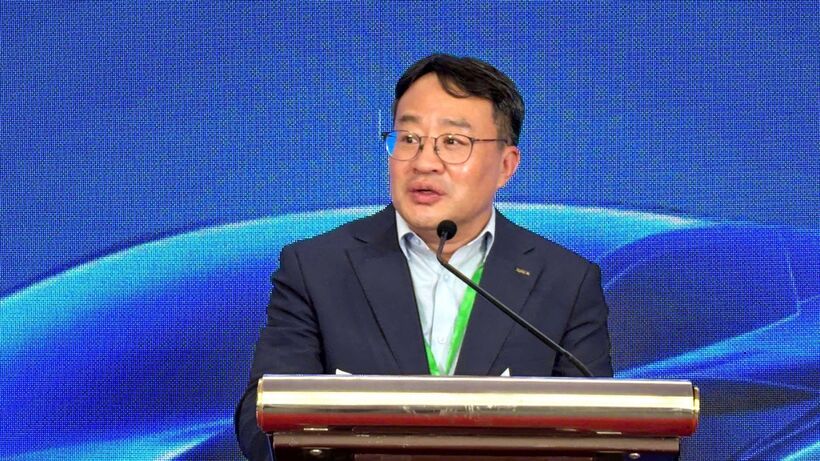
Koo Bon Kyung, Chief Executive Officer of KOTRA Southeast Asia and Oceania.
However, he also pointed out that alongside rapid growth in scale, Vietnam’s automotive industry still faces major challenges in localization rates and the completeness of supply chains for key materials and components.
“Building a sustainable industrial value chain, moving beyond assembly toward mastering the entire process from raw materials to finished products, will be key to enhancing the global competitiveness of Vietnam’s automotive industry,” Koo Bon Kyung stressed.
Within the framework of the workshop, KOTRA and VIETRADE focused on analysing the current state of Vietnam’s automotive value chain, while discussing necessary policies to develop domestic component industries and promote cooperation between enterprises of the two countries.
Koo Bon-kyung expresses hope that, through this workshop, economic cooperation between Vietnam and the Republic of Korea continues to reach new heights, becoming more substantive and effective.
Koo Bon Kyung highlighted that in recent years, KOTRA and VIETRADE have played an effective bridging role between Vietnamese and Korean business communities through the KOREA DESK initiative, launched in 2019. Going forward, the programme will continue to provide in-depth analyses of supply chains in key sectors, including the automotive industry.
This will create conditions for leading Korean component manufacturers to integrate more deeply into Vietnam’s production ecosystem, thereby enhancing the capacity of supporting industries.
“We expect that, through this workshop, economic cooperation between Vietnam and the Republic of Korea will continue to reach new heights, becoming more substantive and effective,” he added.
To address existing bottlenecks, participants at the dialogue discussed and proposed solutions to promote more practical cooperation. The focus is on strengthening connections between enterprises of the two countries within automotive parts supply chains, and encouraging investment in research and development (R&D), technological innovation, and knowledge transfer in Vietnam.
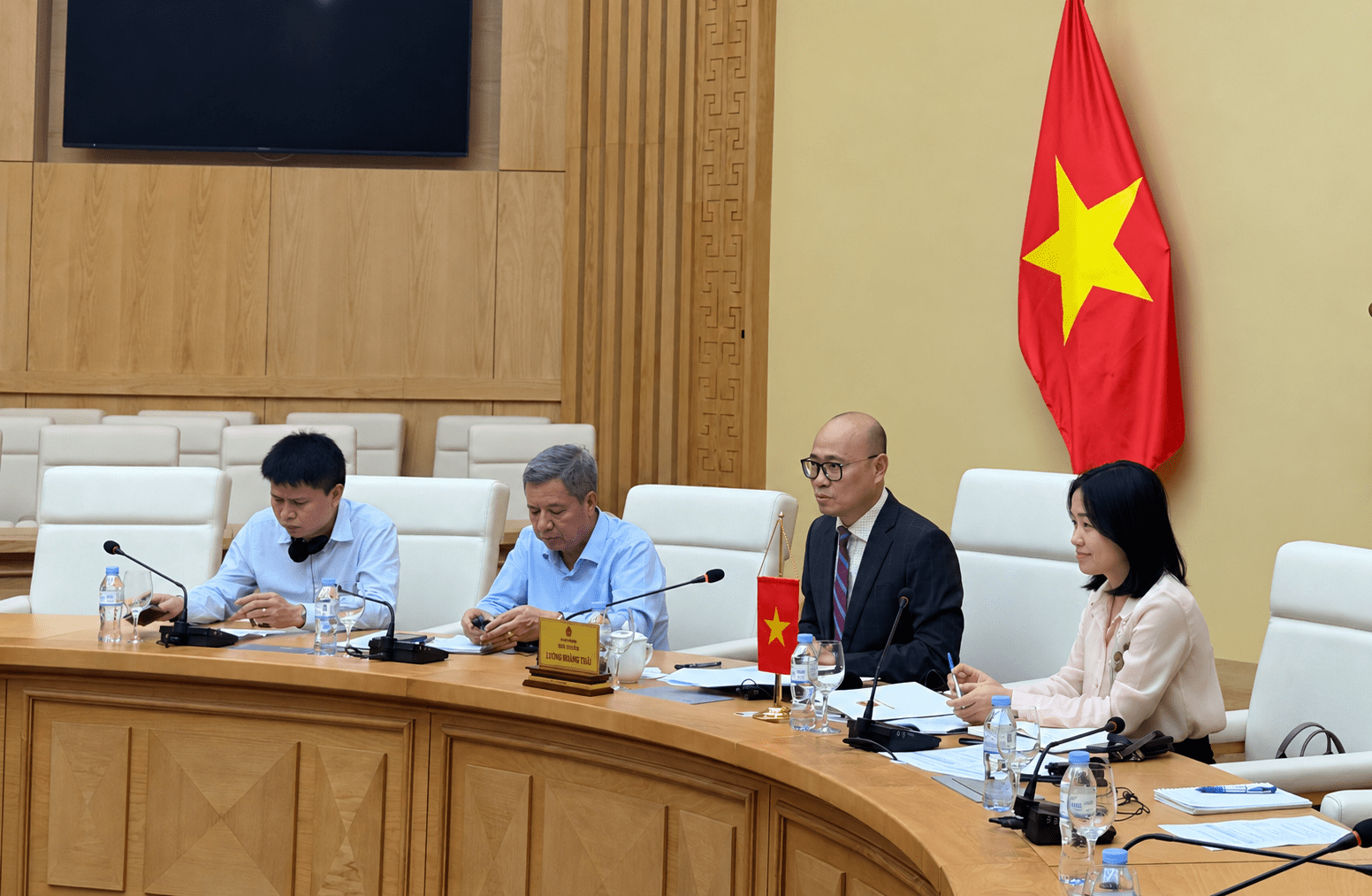
At the dialogue, the two sides exchange views and propose solutions to promote more substantive cooperation in the automotive sector between the two countries.
Vu Ba Phu also proposed that cooperation mechanisms and policies should be further improved toward greater transparency, stability, and convenience for investment and business activities. At the same time, industry development should align with green and sustainable criteria, in line with global supply chain transformation trends.
“With a strong foundation of bilateral cooperation and the proactive engagement of the business community, Vietnam - Republic of Korea cooperation in the automotive parts sector is expected to enter a new phase of deeper, more effective, and more sustainable development. Beyond attracting investment, the long-term goal is to build a deep manufacturing ecosystem, enhance self-reliance, and affirm Vietnam’s position in the global automotive value chain,” he said.
The Automotive Parts Value Chain Mapping Project is a collaborative initiative between KOTRA, the Vietnam Trade Promotion Agency, and the Industry Agency, aimed at providing a comprehensive view of supply chain structures. The project helps clarify the roles and levels of participation of enterprises at each stage, thereby supporting policymakers and the business community in identifying bottlenecks and gaps that need to be addressed. It is considered an important tool for shaping policies and development strategies for the sector in the coming period.
On October 13, the Agency of Foreign Trade under the Ministry of Industry and Trade (MoIT) held a conference in Dong Thap province to disseminate Government Decree No.365/2026/ND-CP dated September 23, 2026, on rice export and import business, and Circular No.65/2026/TT-BCT dated October 1, 2026, issued by the Minister of Industry and Trade, detailing certain provisions and measures for implementing Decree No.365/2026/ND-CP.
IEAE Hanoi 2026 will gather over 300 exhibitors, showcasing electronics, smart appliances and connecting businesses with sourcing and trade opportunities in Vietnam.
On October 13, Deputy Minister of Industry and Trade Luong Hoang Thai held a working session with MEDEF International, a French business organization, and representatives of French corporations operating in various sectors, including energy, industry, transport, construction and infrastructure development, food and beverages, and services, at the Ministry of Industry and Trade's headquarters.
On October 14, Deputy Minister of Industry and Trade Luong Hoang Thai received and held a working session with a delegation from Hamburg, Germany, led by the city's First Mayor Peter Tschentscher at the Ministry of Industry and Trade's headquarters.
The Copyright Office is working closely with relevant agencies to develop plans for inspections and enforcement action against copyright and related rights infringements in the digital environment.
The Vietnam Industry Agency under the Ministry of Industry and Trade and Samsung Vietnam continue to strengthen cooperation in developing supporting industries, enhancing the capabilities of domestic enterprises and expanding opportunities for their participation in global supply chains.
On October 9, the Viet Nam Department of Geology and Minerals, in coordination with the Thai Nguyen Department of Industry and Trade, held a conference in Thai Nguyen province to disseminate the Law on Geology and Minerals and its implementing regulations.
Northern localities are strengthening links in supporting industries, energy and logistics to build competitive value chains and create new growth drivers.
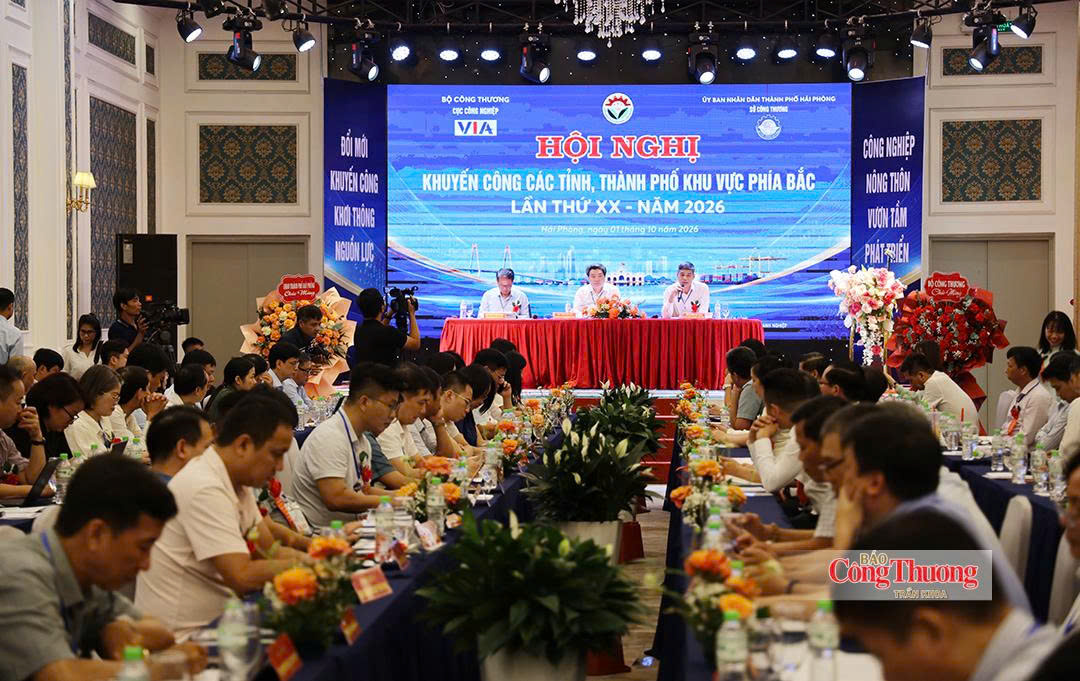
The 20th Industrial Promotion Conference for Northern Provinces and Cities in 2026 was held in Hai Phong City on October 1, with discussions focusing on renewing industrial promotion activities.
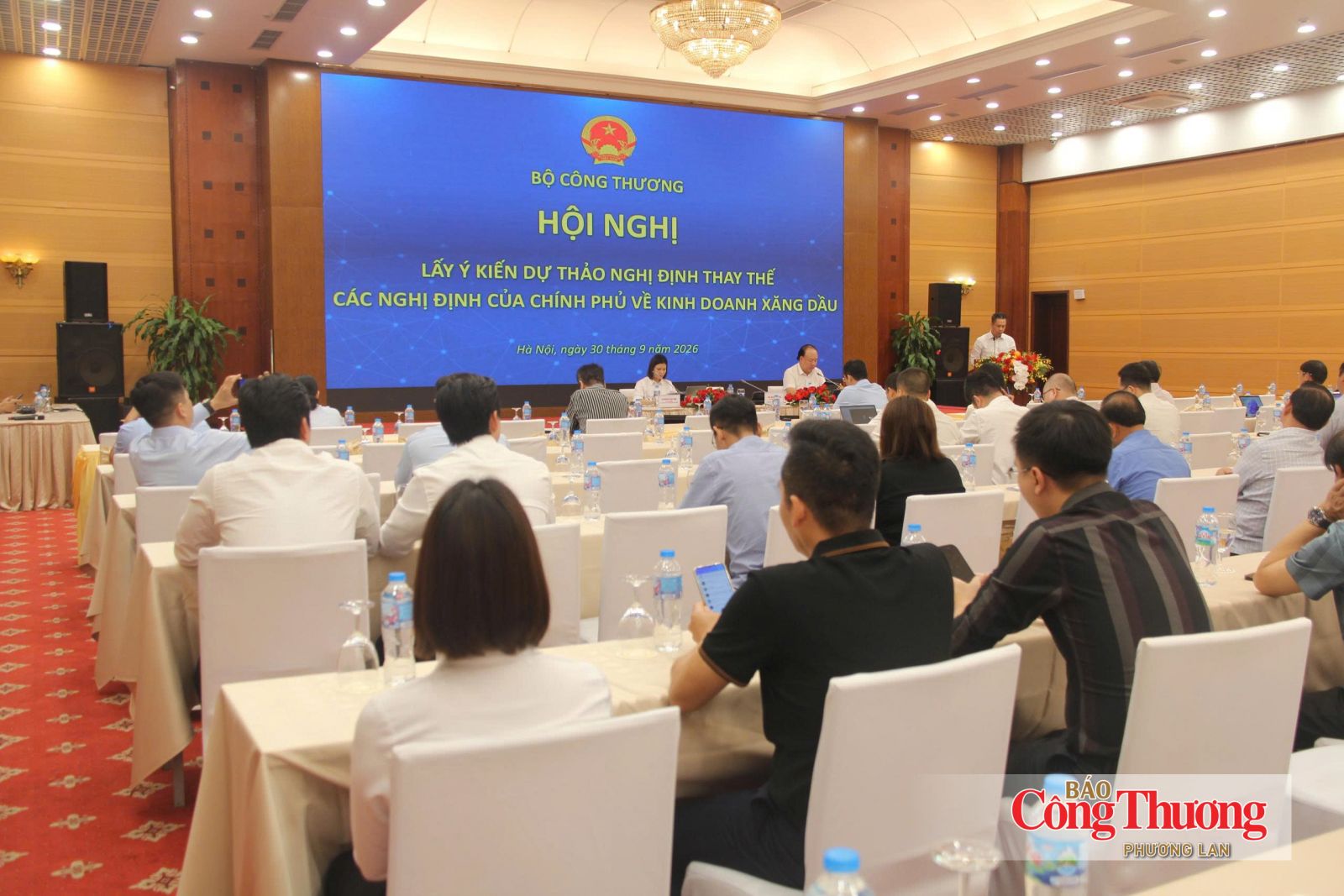
On September 30 in Ha Noi, the Ministry of Industry and Trade (MoIT) held a conference to gather broad feedback on a draft decree replacing the Government’s existing decrees on petroleum trading.