The “7+8” cooperation mechanism in the Red River basin is opening up substantial scope for stronger linkages between Vietnam and Yunnan (China), particularly in the aluminium sector, with a view to establishing a sustainable cross-border value chain.
From complementary advantages to a cross-border aluminium value chain
Within the framework of the Comprehensive Strategic Cooperative Partnership, economic and trade ties between Vietnam and China’s Yunnan province have consistently been given high priority. The Vietnam-Yunnan economic corridor is now shifting from purely border trade to deeper cooperation in industry and high-value services, an inevitable trajectory for sustainable development.
According to experts, the market outlook for the aluminium industry remains highly positive in the near term
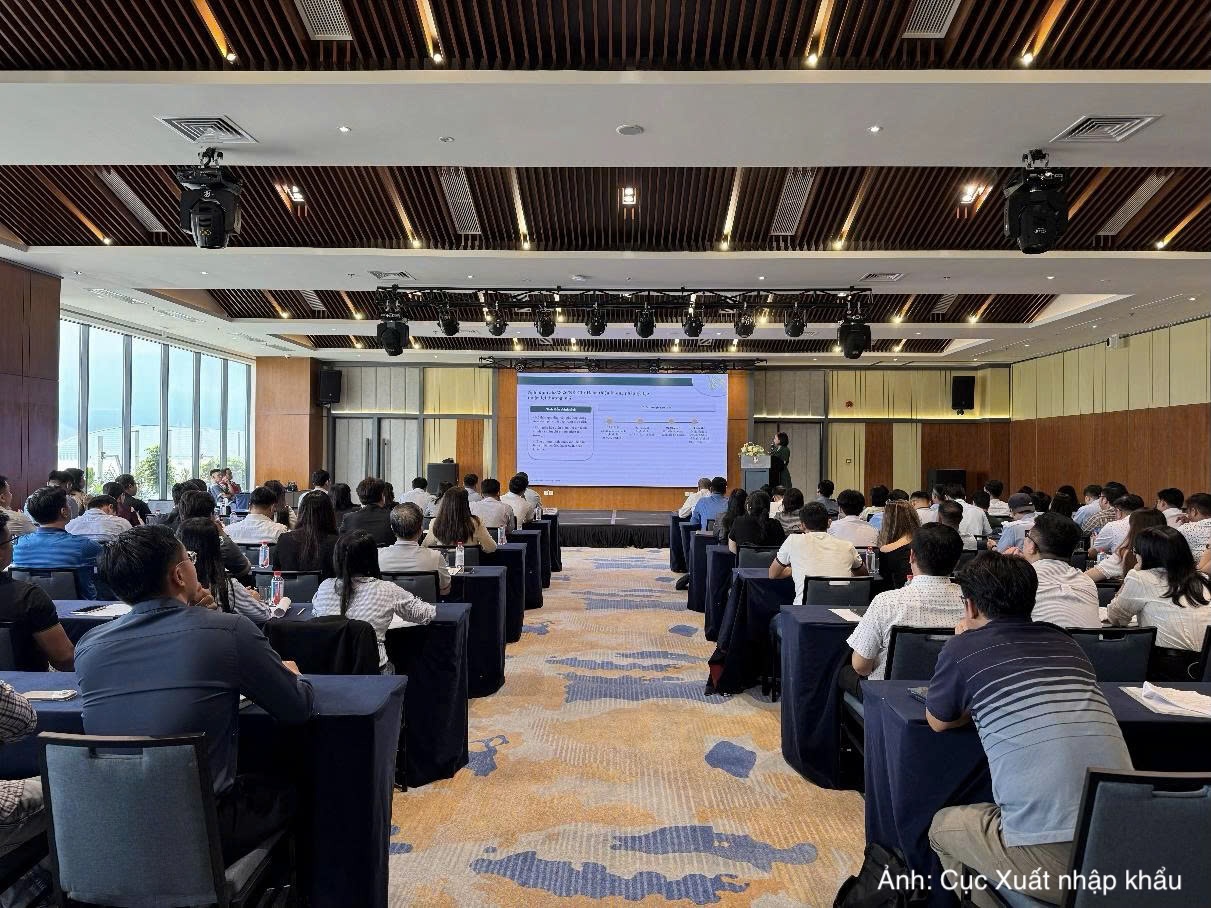
Assessing cooperation prospects at a recent Vietnam-China import-export business matching conference held under a Vietnam-Yunnan trade delegation, Nguyen Thi Thu Thuy, Deputy Director of the Trade and Investment Promotion Support Centre under the Trade Promotion Agency (Ministry of Industry and Trade), said Yunnan enterprises hold strengths in machinery, chemicals, construction materials and, notably, advanced processing technologies.
“The close alignment between the business communities on both sides will serve as a direct driver for sustainable growth in bilateral trade turnover, commensurate with each side’s potential and comparative advantages,” she noted.
In practice, Vietnam and Yunnan possess multiple strategic foundations for cooperation. Geographically, Yunnan borders Vietnam and is connected via the Red River system and multiple border gates, facilitating trade flows. Economically, their production structures and resource endowments are highly complementary.
Vietnam, in particular, has abundant bauxite reserves, a rapidly expanding domestic market, and a favourable geographic position. The Red River basin in northern Vietnam features a long-standing industrial base, strong construction demand, and a clear shift towards green transformation. Energy resources, strategic location, and the growth of supporting industries such as electronics and clean energy are creating momentum for the aluminium sector to accelerate.
From the Chinese side, Hoang Luc, General Director of Yunnan Aluminium Joint Stock Company under Aluminum Corporation of China, one of the province’s largest aluminium producers, highlighted opportunities for deeper cooperation. With Vietnam’s rich bauxite resources and Yunnan’s advanced production technology, the two sides could collaborate under a “Vietnamese resources - Yunnan technology” model to develop a cross-border aluminium industrial chain.
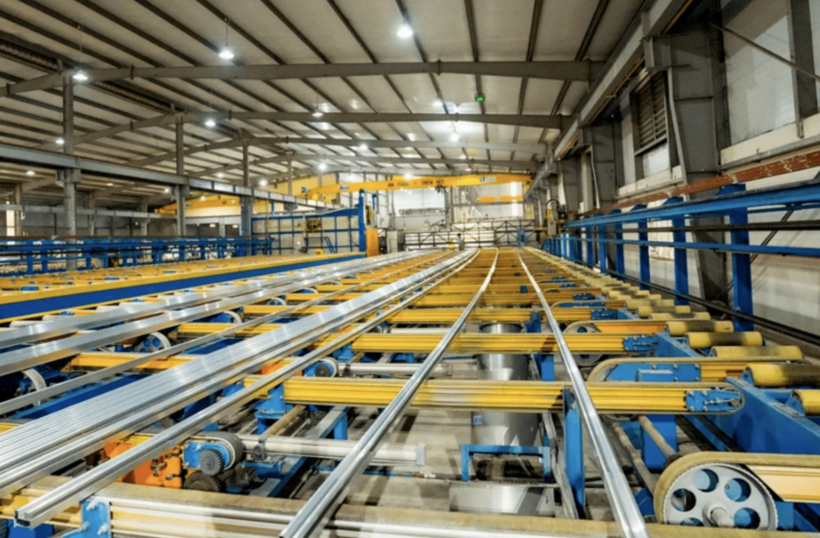
He noted that the company operates a fully integrated industrial chain from bauxite mining to deep processing, with eight industrial clusters, four modern mining sites, and advanced alumina production lines. Its annual capacity reaches 1.4 million tonnes of alumina, 3.08 million tonnes of aluminium, and 820,000 tonnes of electrolytic aluminium.
“We currently have facilities in Lancang and Honghe, near Vietnam’s Lao Cai and Lai Chau provinces, with access to three types of border gates, road, rail, and waterway, creating favourable conditions for cross-border supply chains,” he said.
“In Wenshan, adjacent to Lao Cai and Tuyen Quang, we operate integrated production complexes covering bauxite, alumina, electrolytic aluminium and alloys. As one of the region’s large-scale alumina producers, we are well positioned to support Vietnamese enterprises in terms of technology,” he added.
Despite strong potential, Vietnam’s aluminium industry continues to face constraints. While the country benefits from abundant bauxite reserves and comparatively low electricity costs, key conditions for long-term aluminium smelting development, several structural limitations remain.
Industry players point to shortages of capital, highly skilled technical labour, and modern metallurgical technology, as well as a limited share of high-value products. Domestic firms currently account for only about 20% of export value, with the majority of market share held by foreign-invested enterprises.
In addition, increasingly stringent requirements for green technology and sustainable development to minimise environmental impact are emerging as significant barriers. Without timely adjustments, Vietnam’s competitiveness in both domestic and international markets will remain constrained.
On solutions, Hoang Luc suggested that beyond cooperation in mining and processing, the two sides should expand collaboration in workforce training, digital transformation, smart factory development, and the application of big data and advanced control technologies, key foundations for enhancing the competitiveness of Vietnamese enterprises.
In the long term, cooperation should be deepened in areas such as bauxite exploration and extraction, alumina and electrolytic aluminium projects, aluminium recycling, circular economy development, and industry standards.
Experts assess that the outlook for the aluminium market remains highly positive. Global demand is projected to rise by around 25% by 2030. Domestically, a series of large-scale infrastructure projects is generating strong demand for aluminium products, particularly extrusions.
However, experts caution that businesses cannot rely solely on policy incentives to seize these opportunities. The decisive factor lies in strengthening internal capacity, including technological innovation, product quality improvement, and the development of a highly skilled workforce.
From a local perspective, Li Zhangwu, Vice Prefect of Honghe Prefecture in Yunnan, emphasised the need to enhance infrastructure connectivity, with border gates as focal points. He proposed upgrading clearance hubs such as Hekou and Jinshuihe, while addressing bottlenecks in cross-border transport.
At the same time, both sides should leverage their industrial complementarities and expand cooperation in manufacturing, cross-border e-commerce, agriculture, and tourism. As a “bridge”, Honghe Prefecture stands ready to facilitate deeper collaboration among localities in the Red River basin and translate agreements into tangible outcomes.
Experts note that the aluminium industry in the Red River basin is undergoing a transition towards higher product quality and more efficient production processes, playing an increasingly important role in the national industrial supply chain.
On October 13, the Agency of Foreign Trade under the Ministry of Industry and Trade (MoIT) held a conference in Dong Thap province to disseminate Government Decree No.365/2026/ND-CP dated September 23, 2026, on rice export and import business, and Circular No.65/2026/TT-BCT dated October 1, 2026, issued by the Minister of Industry and Trade, detailing certain provisions and measures for implementing Decree No.365/2026/ND-CP.
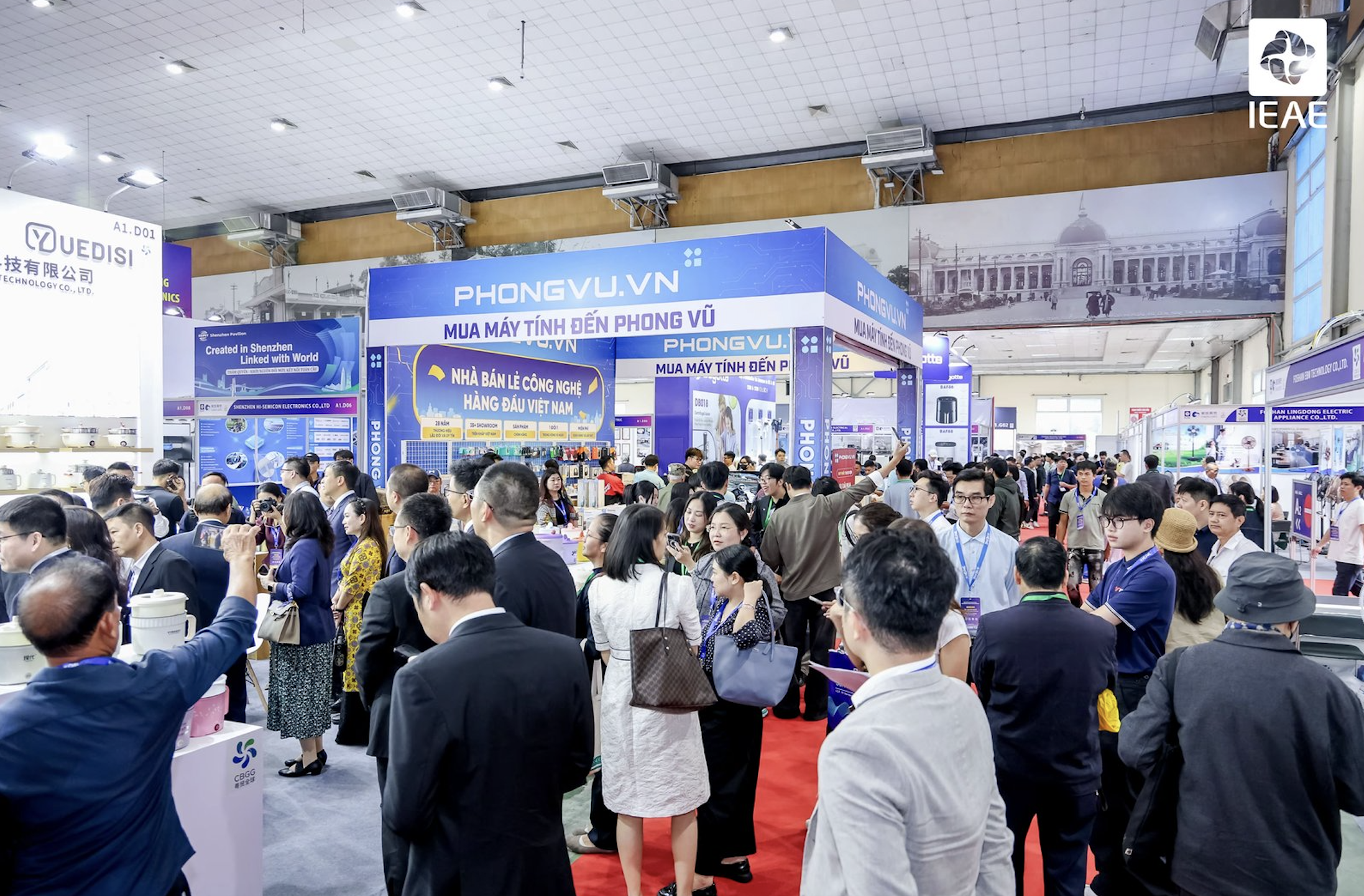
IEAE Hanoi 2026 will gather over 300 exhibitors, showcasing electronics, smart appliances and connecting businesses with sourcing and trade opportunities in Vietnam.
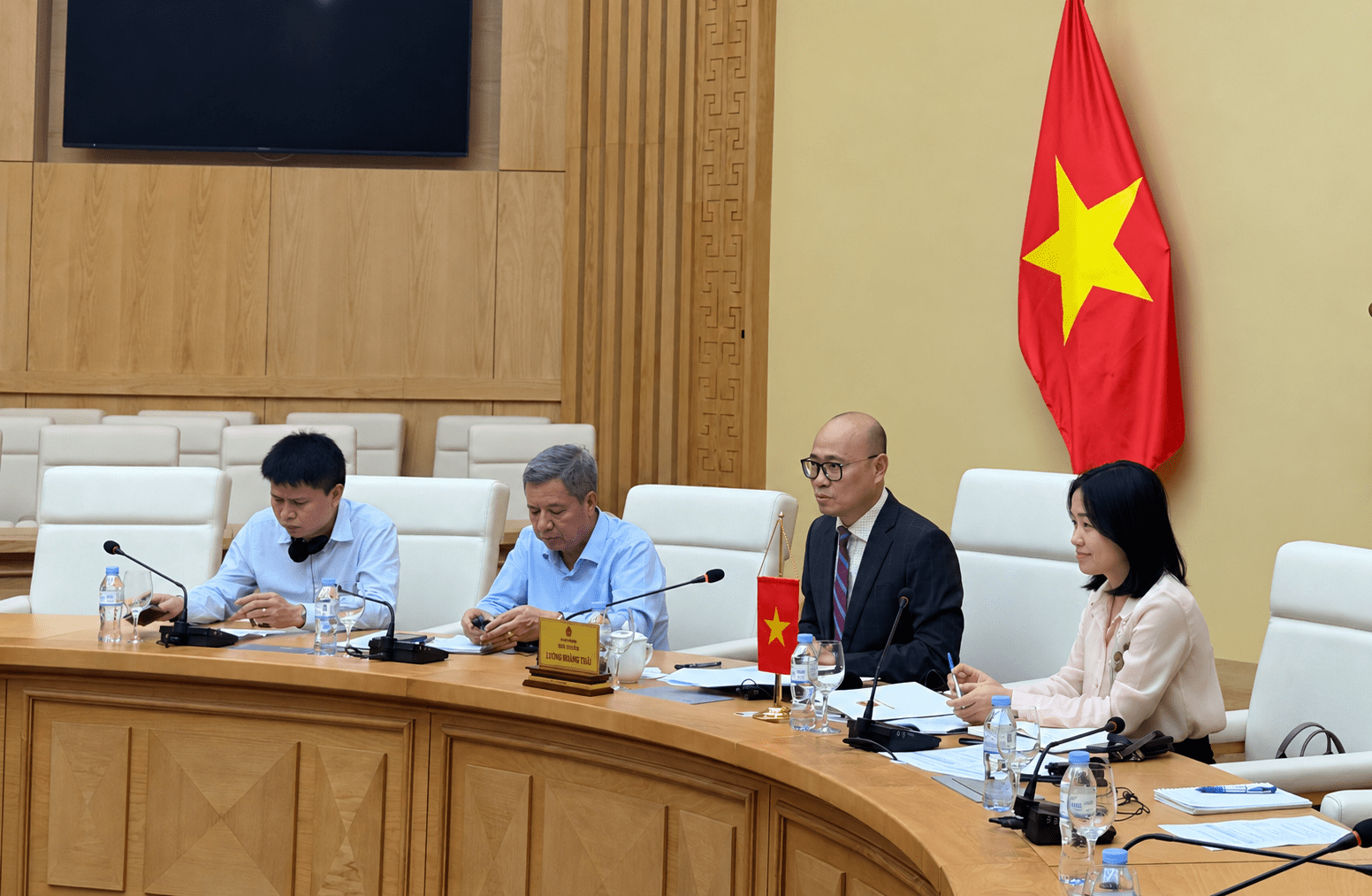
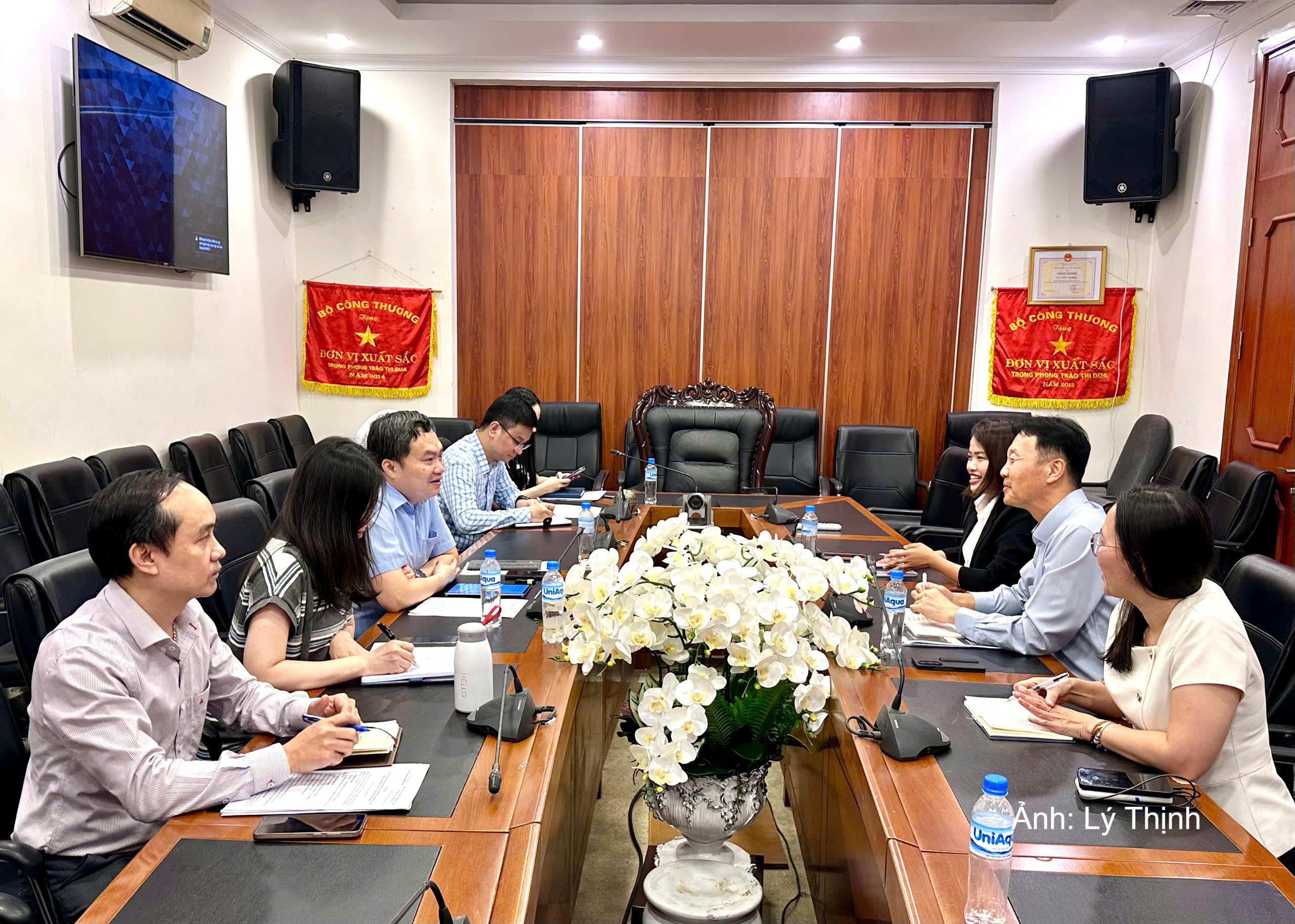
On October 13, Deputy Minister of Industry and Trade Luong Hoang Thai held a working session with MEDEF International, a French business organization, and representatives of French corporations operating in various sectors, including energy, industry, transport, construction and infrastructure development, food and beverages, and services, at the Ministry of Industry and Trade's headquarters.
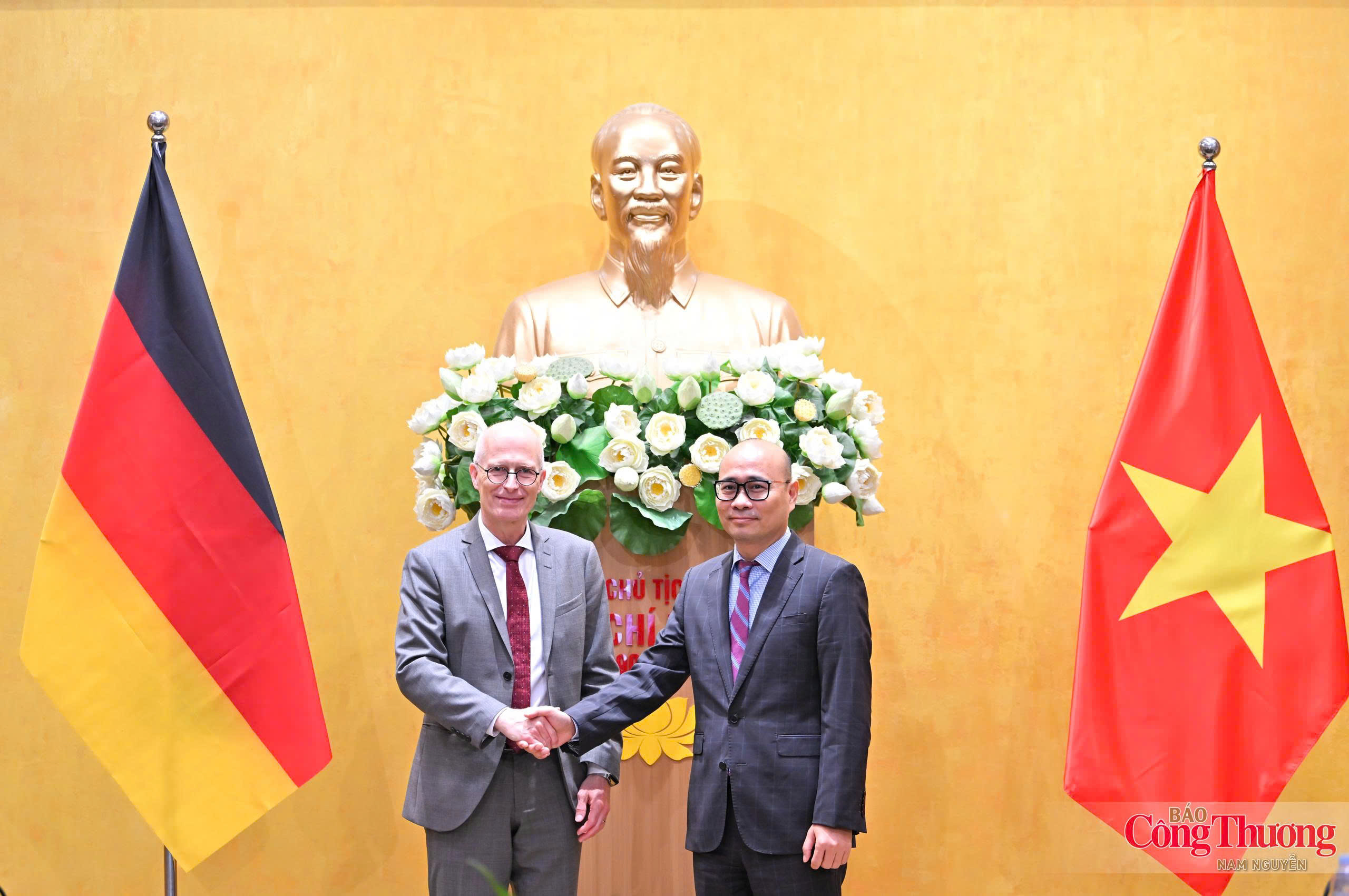
On October 14, Deputy Minister of Industry and Trade Luong Hoang Thai received and held a working session with a delegation from Hamburg, Germany, led by the city's First Mayor Peter Tschentscher at the Ministry of Industry and Trade's headquarters.
The Copyright Office is working closely with relevant agencies to develop plans for inspections and enforcement action against copyright and related rights infringements in the digital environment.
The Vietnam Industry Agency under the Ministry of Industry and Trade and Samsung Vietnam continue to strengthen cooperation in developing supporting industries, enhancing the capabilities of domestic enterprises and expanding opportunities for their participation in global supply chains.
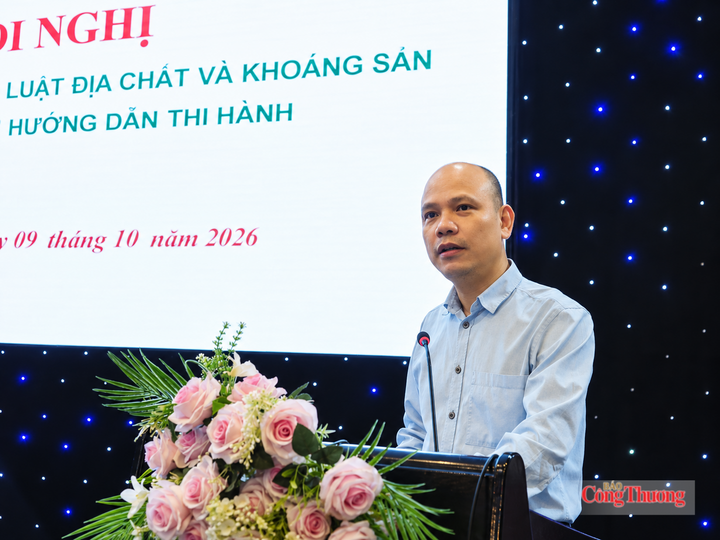
On October 9, the Viet Nam Department of Geology and Minerals, in coordination with the Thai Nguyen Department of Industry and Trade, held a conference in Thai Nguyen province to disseminate the Law on Geology and Minerals and its implementing regulations.
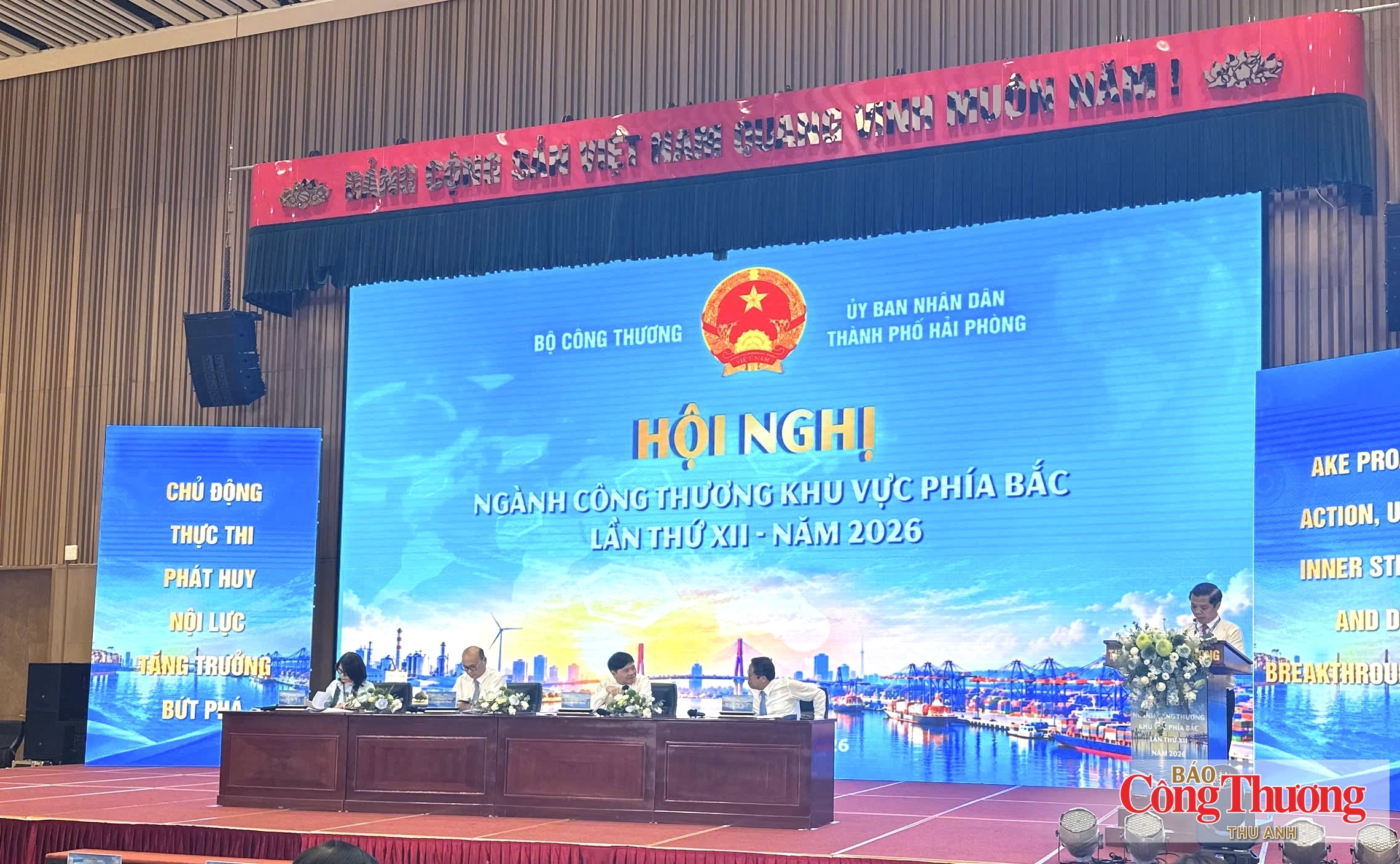
Northern localities are strengthening links in supporting industries, energy and logistics to build competitive value chains and create new growth drivers.
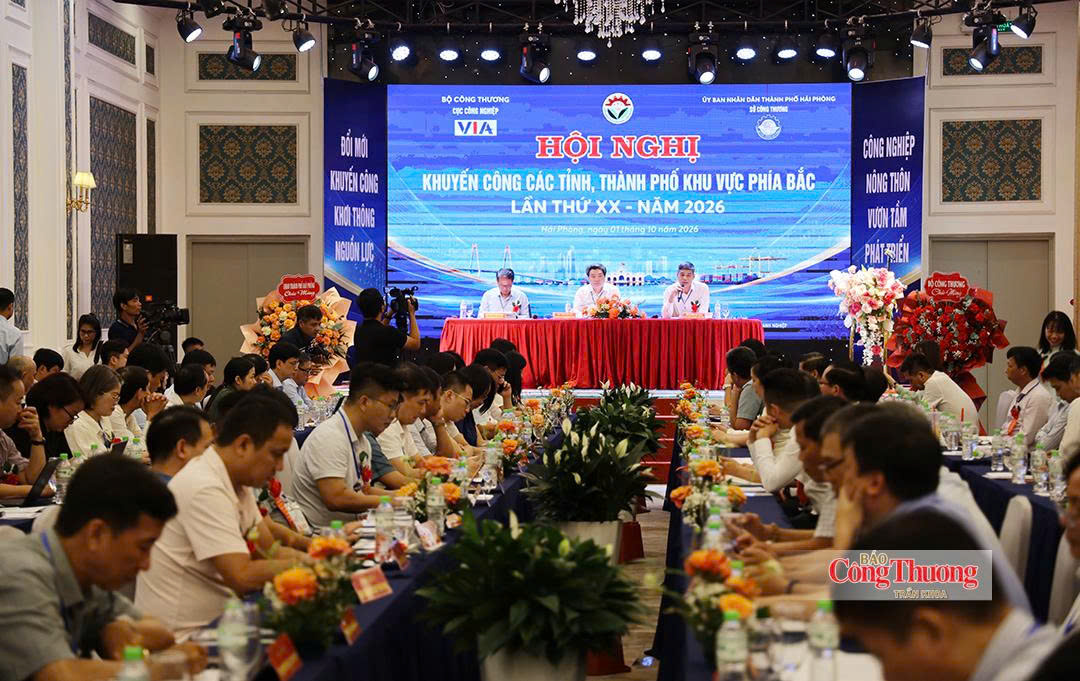
The 20th Industrial Promotion Conference for Northern Provinces and Cities in 2026 was held in Hai Phong City on October 1, with discussions focusing on renewing industrial promotion activities.
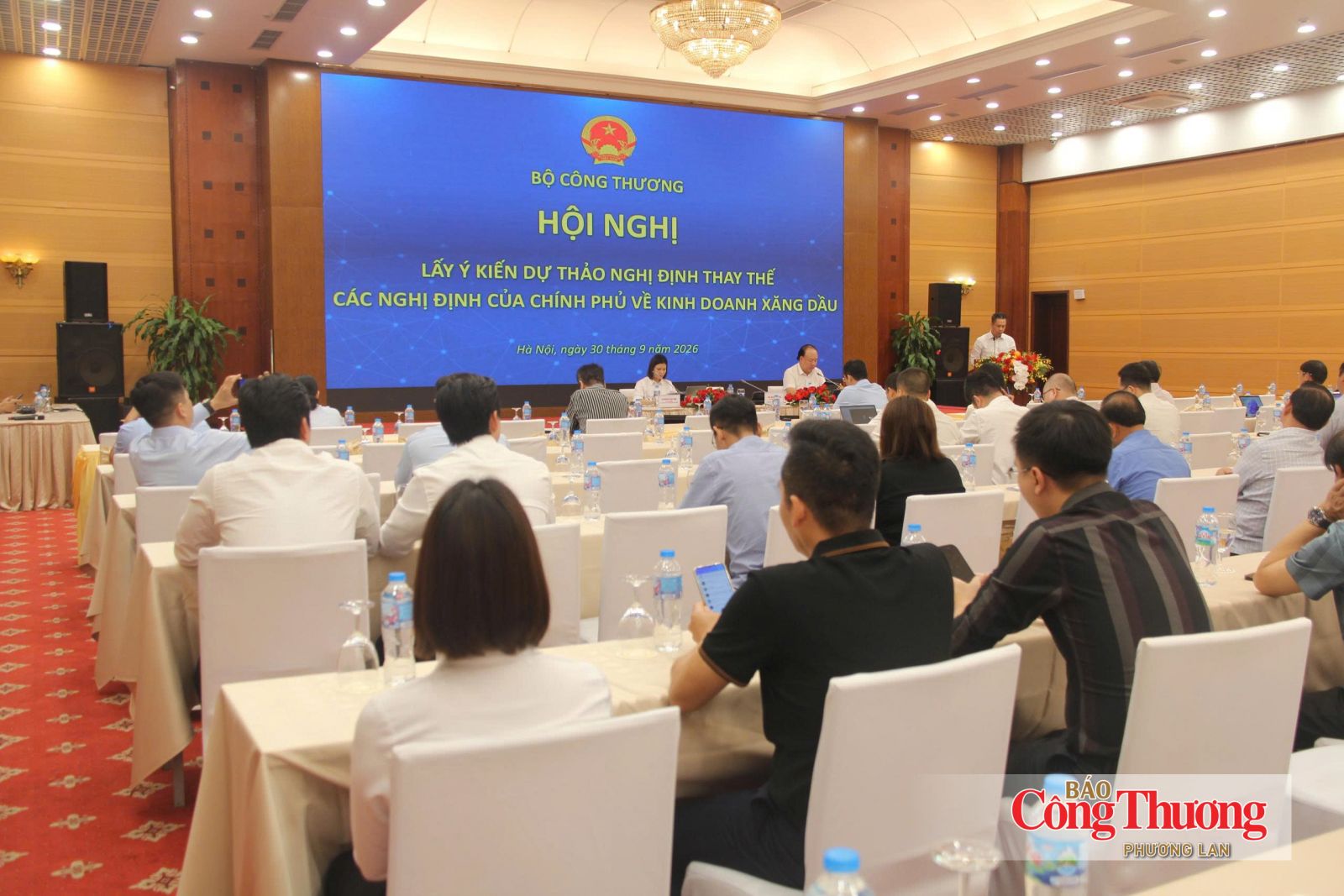
On September 30 in Ha Noi, the Ministry of Industry and Trade (MoIT) held a conference to gather broad feedback on a draft decree replacing the Government’s existing decrees on petroleum trading.