Vietnam’s industrial production rises 9% in Q1 2026, driven by strong gains in manufacturing and key sectors, signaling a broad-based recovery in output.
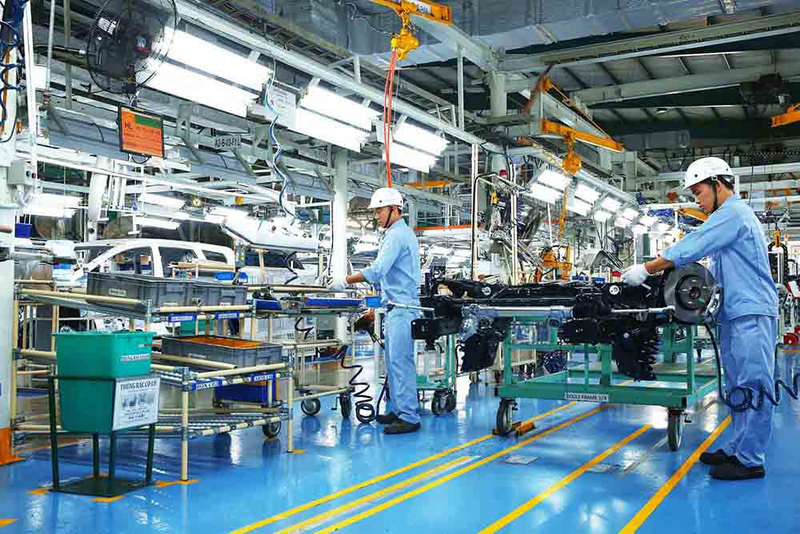
Vietnam’s industrial production index (IIP) is estimated to have risen by 9% year-on-year in the first quarter of 2026 (compared with 8.3% in the same period of 2025), with the manufacturing and processing sector expanding by 9.7% and contributing 7.6 percentage points to overall growth.
Industrial production accelerates
According to the first-quarter 2026 socio-economic report released by the Statistics Office under the Ministry of Finance on April 4, the IIP in March is estimated to have increased by 18.8% compared with the previous month and by 6.9% year-on-year.
By sector, water supply and waste and wastewater management rose by 12.1% year-on-year; manufacturing and processing increased by 7.5%; electricity production and distribution grew by 4.6%; and mining expanded by 2.6%.
Overall, the IIP in the first quarter of 2026 is estimated to have grown by 9% year-on-year (compared with 8.3% in the same period of 2025). Within this, manufacturing and processing rose by 9.7%, contributing 7.6 percentage points; water supply and waste management increased by 7.8%, contributing 0.1 percentage points; electricity production and distribution grew by 6.3%, contributing 0.6 percentage points; and mining rose by 4.7%, contributing 0.7 percentage points to the overall increase.
The industrial production index in Q1 2026 is estimated to increase by 9% year-on-year.
In addition, several level-two key industrial sectors recorded notable year-on-year growth in the first quarter of 2026: metal production surged by 22.9%; other non-metallic mineral products rose by 19.7%; chemicals and chemical products increased by 18.2%; motor vehicle production grew by 14.7%; beverages rose by 14.5%; furniture manufacturing increased by 13.9%; food processing grew by 12%; textiles rose by 8.6%; wearing apparel increased by 8.4%; paper and paper products as well as electronics, computers and optical products both grew by 8.3%; while wood processing and products made from wood, bamboo and rattan (excluding furniture), along with products from straw and plaiting materials, rose by 7.3%.
By contrast, some sectors posted modest growth or declines: fabricated metal products (excluding machinery and equipment) rose by 3.1%; coal mining declined by 4.8%; and the production of other transport equipment fell by 0.9%.
Key industrial products post strong gains
The Statistics Office also reported that the IIP increased across all 34 provinces and cities in the first quarter of 2026 compared with a year earlier. Several localities recorded strong growth driven by manufacturing and processing, as well as electricity production and distribution. Meanwhile, others saw slower growth due to weaker performance in manufacturing, mining, and electricity sectors.
A number of key industrial products recorded strong year-on-year increases in the first quarter of 2026: motorcycles rose by 31.6%; processed seafood increased by 23.4%; steel bars and angle steel grew by 21.1%; rolled steel rose by 20.3%; chemical paints increased by 19.2%; automobiles rose by 18.5%; powdered milk increased by 14.5%; and crude steel grew by 14.3%.
On the downside, several products declined compared with the same period last year: urea fertilizer fell by 9.6%; mobile phones dropped by 6.6%; NPK fertilizers declined by 5.4%; clean coal decreased by 4.9%; and fabric made from natural fibers fell by 3.5%.
According to the Statistics Office, the consumption index of the manufacturing and processing sector in March 2026 rose by 14.7% month-on-month and by 1.7% year-on-year. For the first quarter as a whole, the sector’s consumption index increased by 9.5% compared with the same period in 2025 (which recorded a 5.4% rise).
Inventories in the manufacturing and processing sector as of March 31, 2026 are estimated to have increased by 8.5% compared with the previous month and by 12.9% year-on-year. The average inventory ratio for the sector in the first quarter of 2026 stood at 84.8%, compared with 90% in the same period of 2025.
The number of employees working in industrial enterprises as of March 1, 2026 increased by 1.1% compared with the previous month and by 2.4% year-on-year. By ownership, employment in state-owned enterprises rose by 0.2% month-on-month but fell by 0.2% year-on-year; non-state enterprises saw a 1.1% monthly increase but a 0.4% annual decline; while foreign-invested enterprises recorded a 1.2% monthly increase and a 3.4% year-on-year rise.
By industry, employment in mining remained unchanged from the previous month and rose by 1.2% year-on-year; manufacturing and processing employment increased by 1.1% month-on-month and by 2.4% year-on-year; electricity, gas, steam and air conditioning supply rose by 0.4% and 3.3%, respectively; and water supply, waste and wastewater management edged up by 0.1% month-on-month and by 2.6% year-on-year.
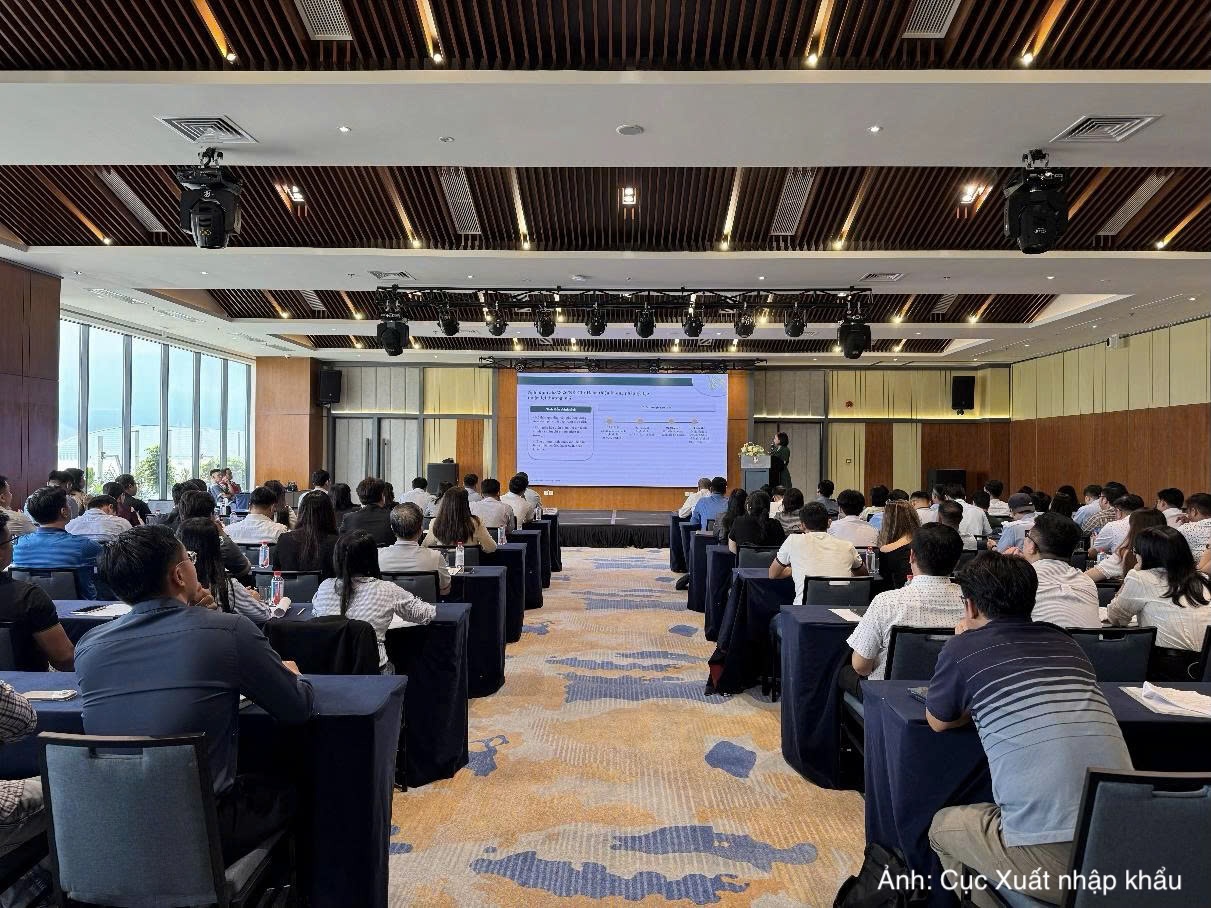
On October 13, the Agency of Foreign Trade under the Ministry of Industry and Trade (MoIT) held a conference in Dong Thap province to disseminate Government Decree No.365/2026/ND-CP dated September 23, 2026, on rice export and import business, and Circular No.65/2026/TT-BCT dated October 1, 2026, issued by the Minister of Industry and Trade, detailing certain provisions and measures for implementing Decree No.365/2026/ND-CP.
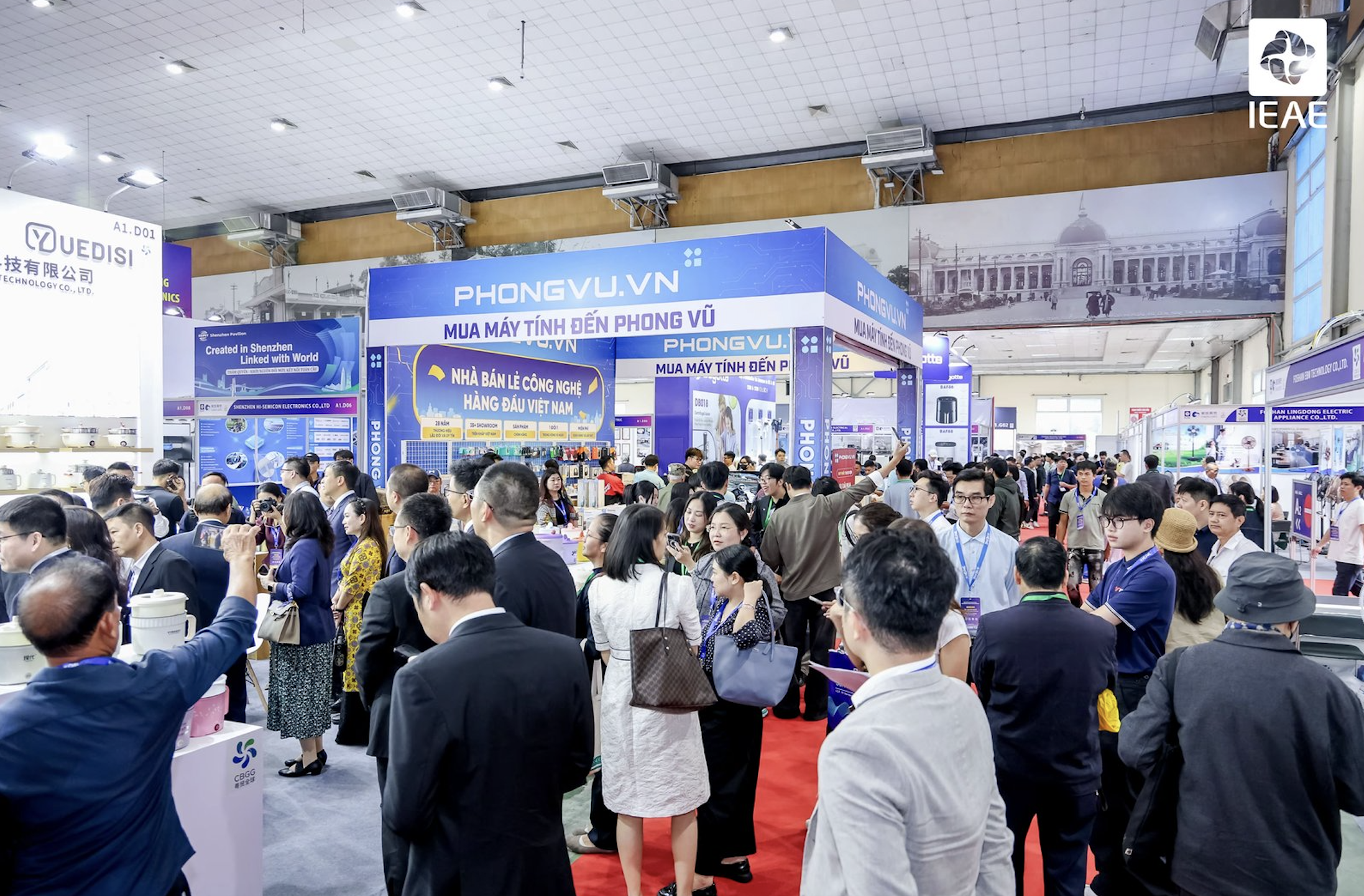
IEAE Hanoi 2026 will gather over 300 exhibitors, showcasing electronics, smart appliances and connecting businesses with sourcing and trade opportunities in Vietnam.
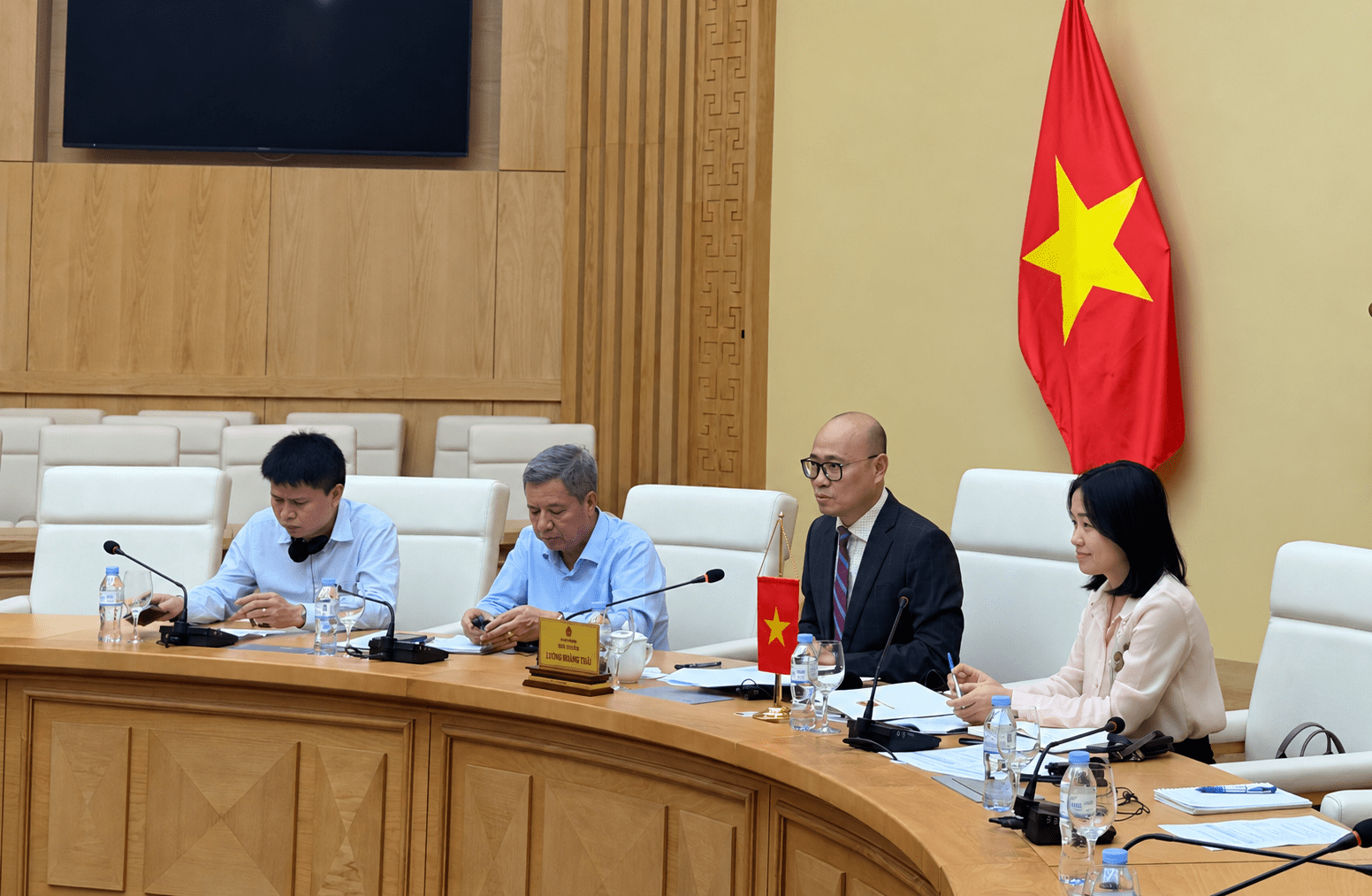
On October 13, Deputy Minister of Industry and Trade Luong Hoang Thai held a working session with MEDEF International, a French business organization, and representatives of French corporations operating in various sectors, including energy, industry, transport, construction and infrastructure development, food and beverages, and services, at the Ministry of Industry and Trade's headquarters.
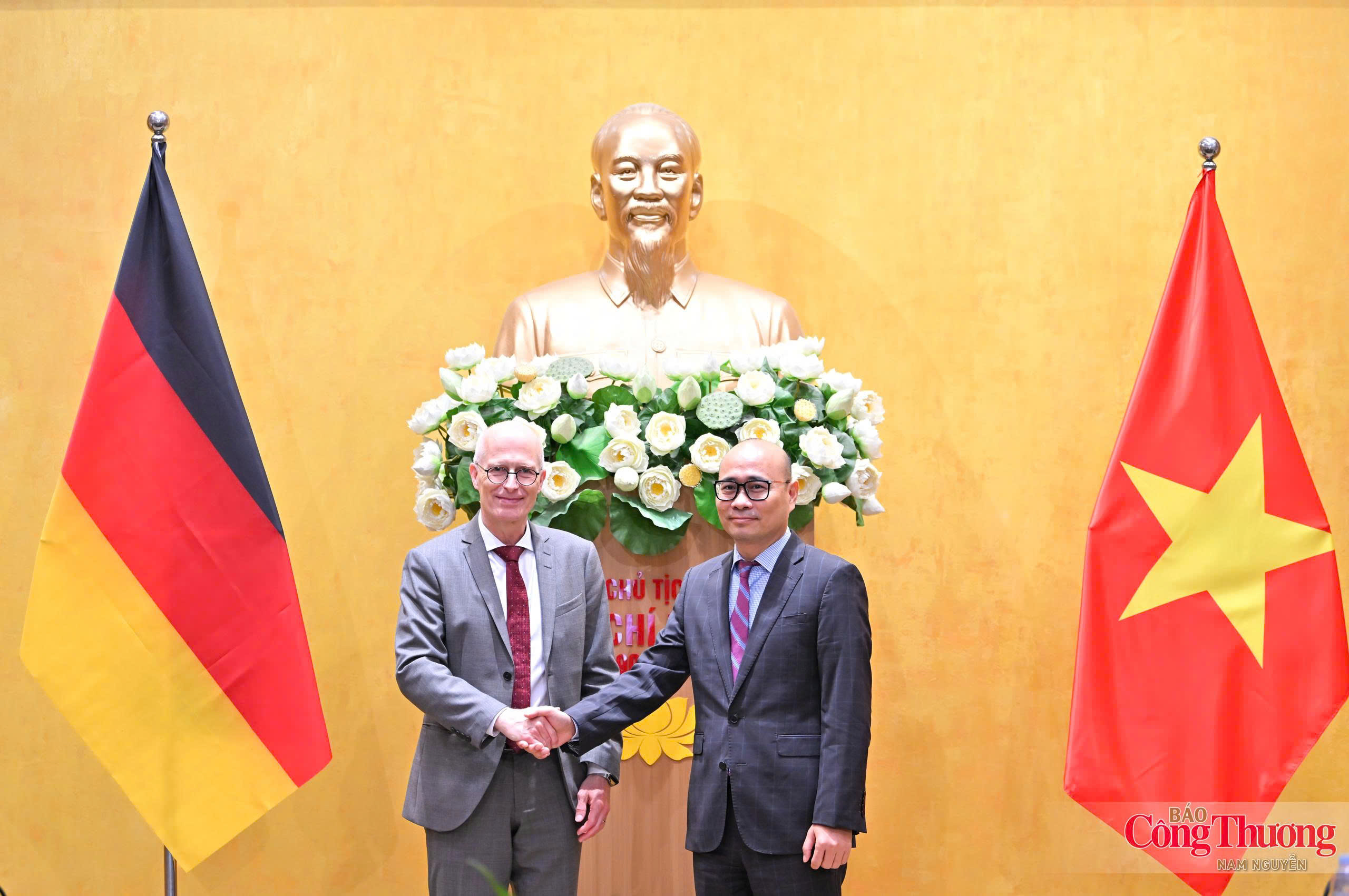
On October 14, Deputy Minister of Industry and Trade Luong Hoang Thai received and held a working session with a delegation from Hamburg, Germany, led by the city's First Mayor Peter Tschentscher at the Ministry of Industry and Trade's headquarters.
The Copyright Office is working closely with relevant agencies to develop plans for inspections and enforcement action against copyright and related rights infringements in the digital environment.
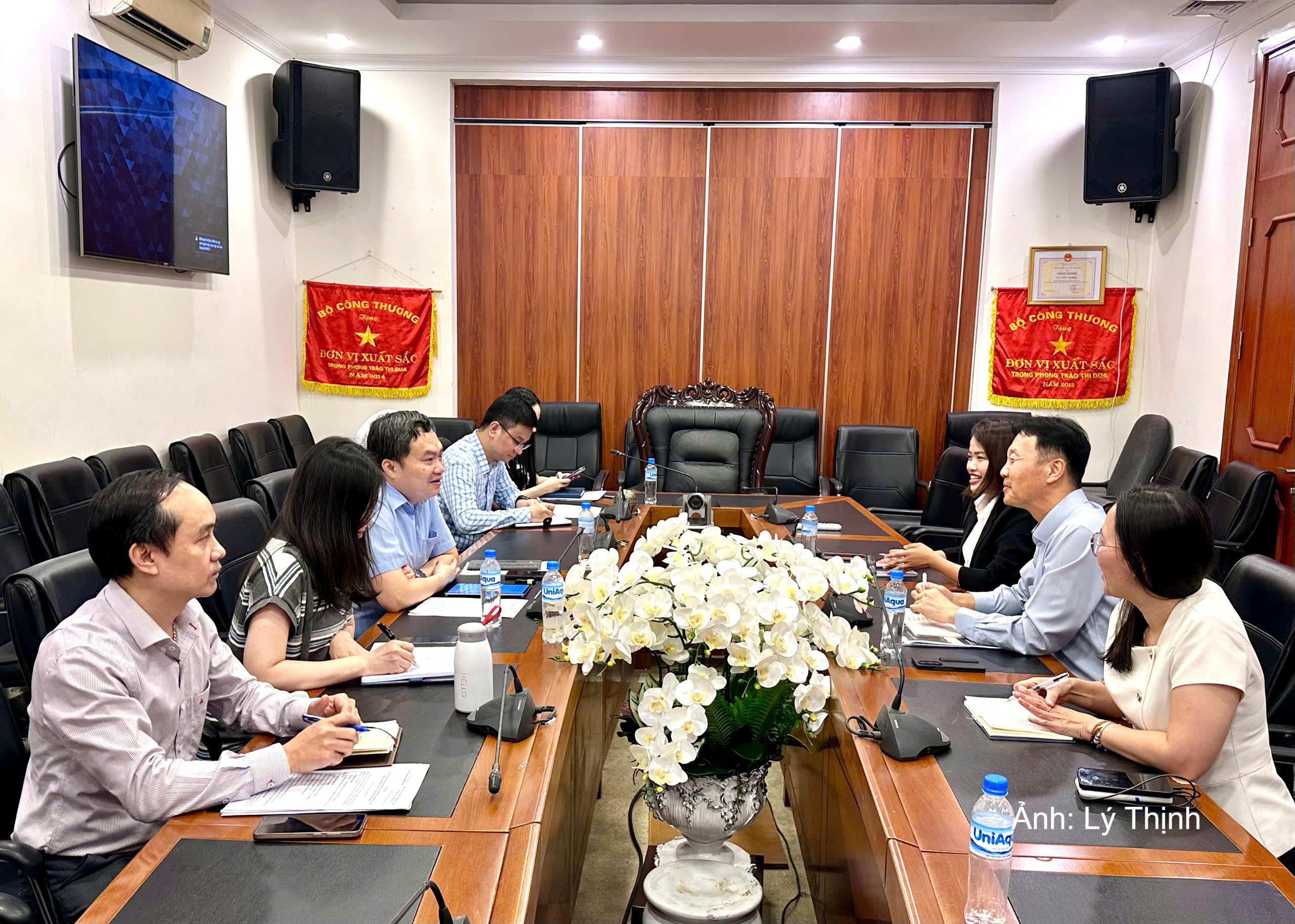
The Vietnam Industry Agency under the Ministry of Industry and Trade and Samsung Vietnam continue to strengthen cooperation in developing supporting industries, enhancing the capabilities of domestic enterprises and expanding opportunities for their participation in global supply chains.
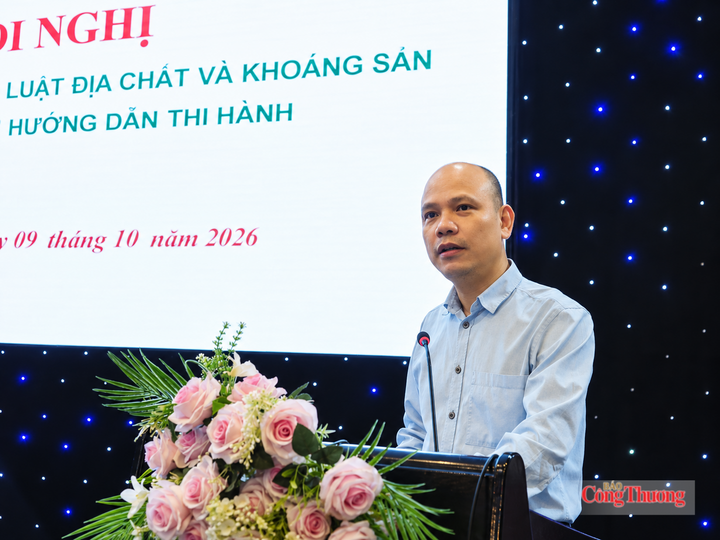
On October 9, the Viet Nam Department of Geology and Minerals, in coordination with the Thai Nguyen Department of Industry and Trade, held a conference in Thai Nguyen province to disseminate the Law on Geology and Minerals and its implementing regulations.
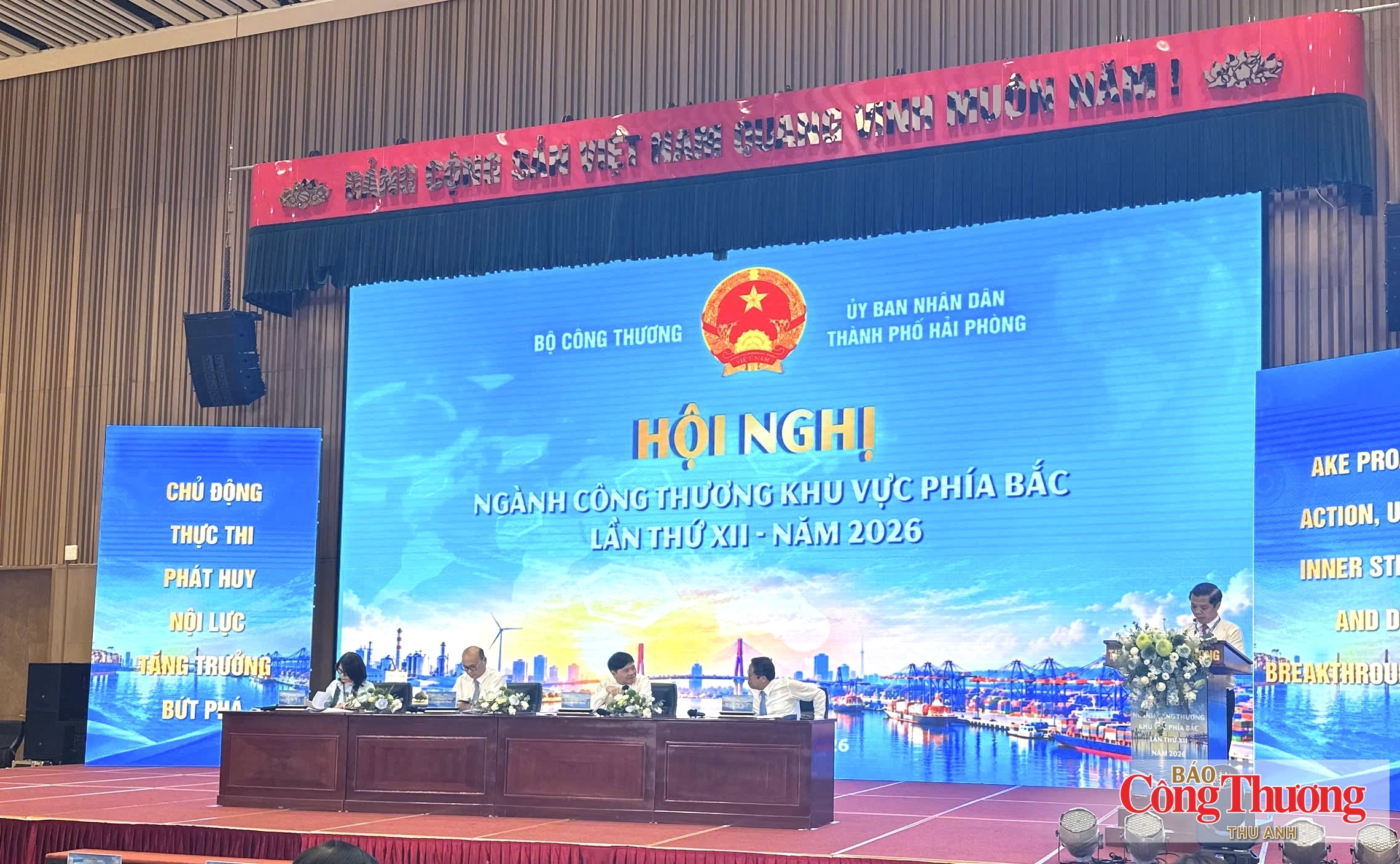
Northern localities are strengthening links in supporting industries, energy and logistics to build competitive value chains and create new growth drivers.
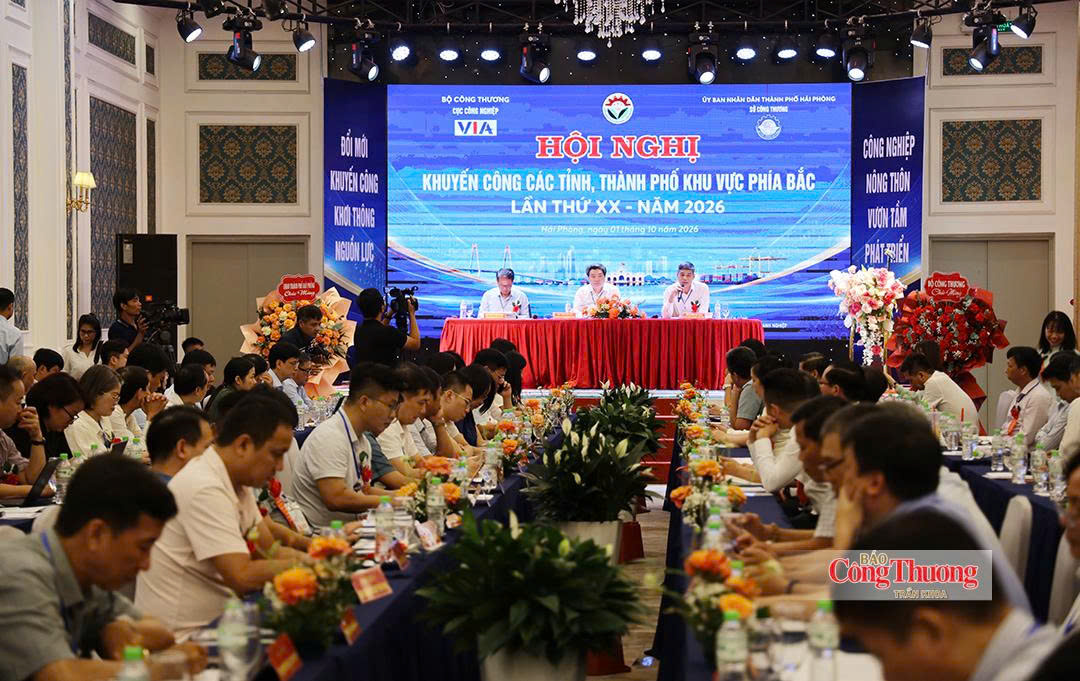
The 20th Industrial Promotion Conference for Northern Provinces and Cities in 2026 was held in Hai Phong City on October 1, with discussions focusing on renewing industrial promotion activities.
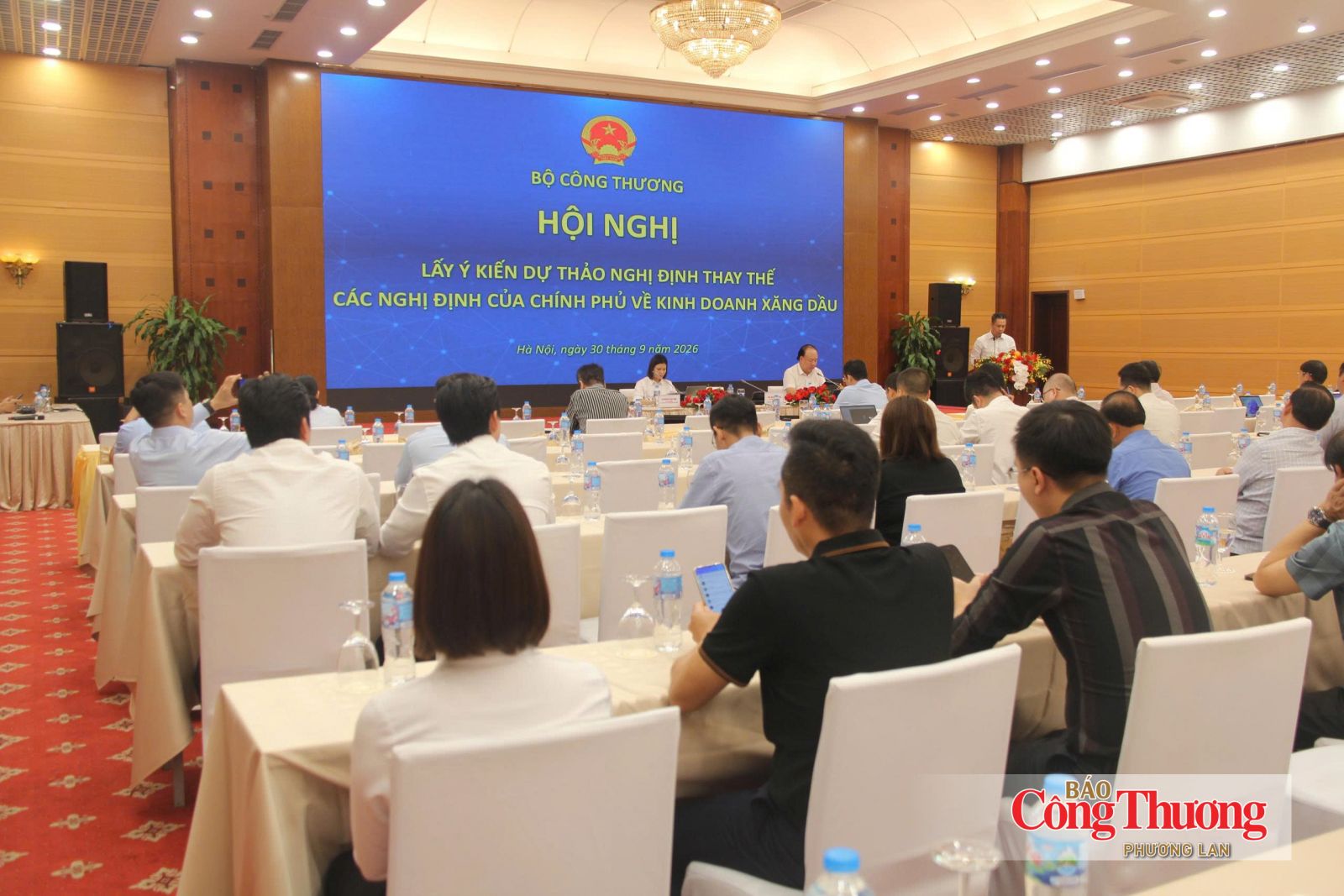
On September 30 in Ha Noi, the Ministry of Industry and Trade (MoIT) held a conference to gather broad feedback on a draft decree replacing the Government’s existing decrees on petroleum trading.