Vietnam’s rubber sector promotes circular economy, recycling waste into fertiliser and using biomass energy to cut emissions and improve production efficiency.
From policy orientation to practical resource regeneration
The promotion of circular economy development, alongside strengthened recycling and reuse of waste, has been identified by the Government as one of the key pillars in the National Green Growth Strategy. In Decision No. 1894/QD-TTg dated September 4, 2025, approving the Programme on the development of the environmental industry for the 2025 - 2030 period, clear objectives were set to establish recycling models, enhance waste treatment capacity, and gradually transform waste into resources. In particular, industrial production sectors, especially those generating large volumes of waste, are encouraged to proactively implement circular economy models, reduce emissions, and improve resource efficiency.
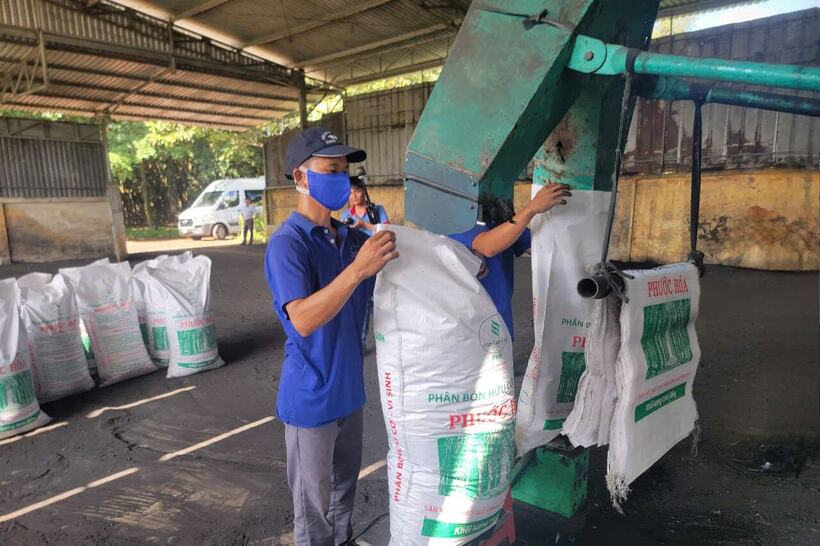
Phuoc Hoa Rubber Joint Stock Company has recycled sludge generated from rubber latex processing into organic and microbial fertiliser for reuse as fertiliser for rubber trees. Photo: Quang Phuong
Practical implementation at enterprises under the Vietnam Rubber Group shows that this orientation is gradually being embedded into production reality. From having to bear significant costs for waste treatment, many units have shifted toward proactive recycling and the formation of closed-loop production cycles.
At Phuoc Hoa Rubber Joint Stock Company, sludge generated during rubber latex processing, previously a significant environmental and cost burden, has now been utilised as a raw material for the production of organic and microbial fertiliser. Through microbial composting and the blending of organic components, the sludge is converted into a product directly serving plantation needs, enabling the enterprise to both reduce treatment costs and secure a proactive supply of input materials.
Following a similar approach, Binh Long Rubber One Member Limited Company has implemented a model using sludge for earthworm cultivation to produce organic fertiliser for production. The entire annual volume of sludge is channelled into this process, not only reducing environmental pressure but also improving resource efficiency. The stable growth of earthworms from treated sludge further indicates that environmental quality within production processes has been effectively controlled.
Beyond solid waste, the reuse of treated wastewater is also being strongly promoted across multiple units. At enterprises such as Binh Long Rubber, Phu Rieng Rubber, and Tay Ninh Rubber, treated wastewater that meets regulatory standards is reused in production processes. Notably, several units have adopted biological wastewater treatment technologies without the use of chemicals, thereby reducing operating costs while limiting secondary pollution risks.
From these concrete models, it is evident that the circular economy in the rubber industry is not merely a policy direction but has become a production reality, in which waste streams are reconnected into resource flows, contributing to reduced environmental impacts and improved economic efficiency for enterprises.
Emission reduction through energy transition and resource optimisation
While waste recycling helps to “close the loop” of material flows, energy transition is a key factor in reducing emissions across the entire production cycle of the rubber industry. Practical implementation at enterprises under VRG shows a growing trend of replacing fossil fuels with biomass energy, delivering dual benefits in both economic and environmental terms.
At Phu Rieng Rubber One Member Limited Company, the shift from gas to biomass in rubber drying processes was implemented in 2020. The fuel used is wood chips, a by-product of the wood processing industry, which are utilised to generate heat for production. According to actual calculations, the cost of drying one tonne of rubber using gas could reach approximately 440,000 VND, while using biomass reduces it to around 305,000 VND per tonne. With an average output of around 30,000 tonnes of rubber per year, this transition helps the enterprise save approximately 4 billion VND in annual fuel costs. Beyond cost reduction, the solution also contributes to lowering greenhouse gas emissions by reducing fossil fuel consumption.
Notably, this model does not stop at energy substitution but continues to generate a new circular loop. Ash generated from combustion is blended with sludge to produce organic fertiliser, which is then returned to plantations. Thus, from solid waste to energy by-products, all outputs are reused, maximising value across the production chain.
Alongside Phu Rieng, Loc Ninh Rubber One Member Limited Company has also maintained the use of biomass in rubber drying processes. The main fuel source is rubber stumps from plantation replanting activities. This readily available material helps reduce energy costs while effectively addressing waste disposal challenges. Ash from combustion is further used for soil improvement or blended with sludge to produce fertiliser, contributing to improved soil quality and sustained plantation productivity.
More broadly, the transition to biomass energy use in the rubber industry aligns with the Government’s orientation towards clean energy, renewable energy, and low-carbon energy development. This is also an important component of the Programme on the development of the environmental industry for the 2025 - 2030 period under Decision No. 1894/QD-TTg, which encourages the development of waste treatment technologies associated with energy recovery, emission reduction, and improved resource efficiency.
From practical implementation, it is evident that energy transition in the rubber industry is not merely a technical solution but a transformation in development model. As by-products are utilised as energy inputs and waste continues to be reused in subsequent processes, a circular production ecosystem is gradually taking shape. In doing so, enterprises not only reduce costs and improve production efficiency but also progressively meet increasingly stringent environmental standards in the process of international integration.
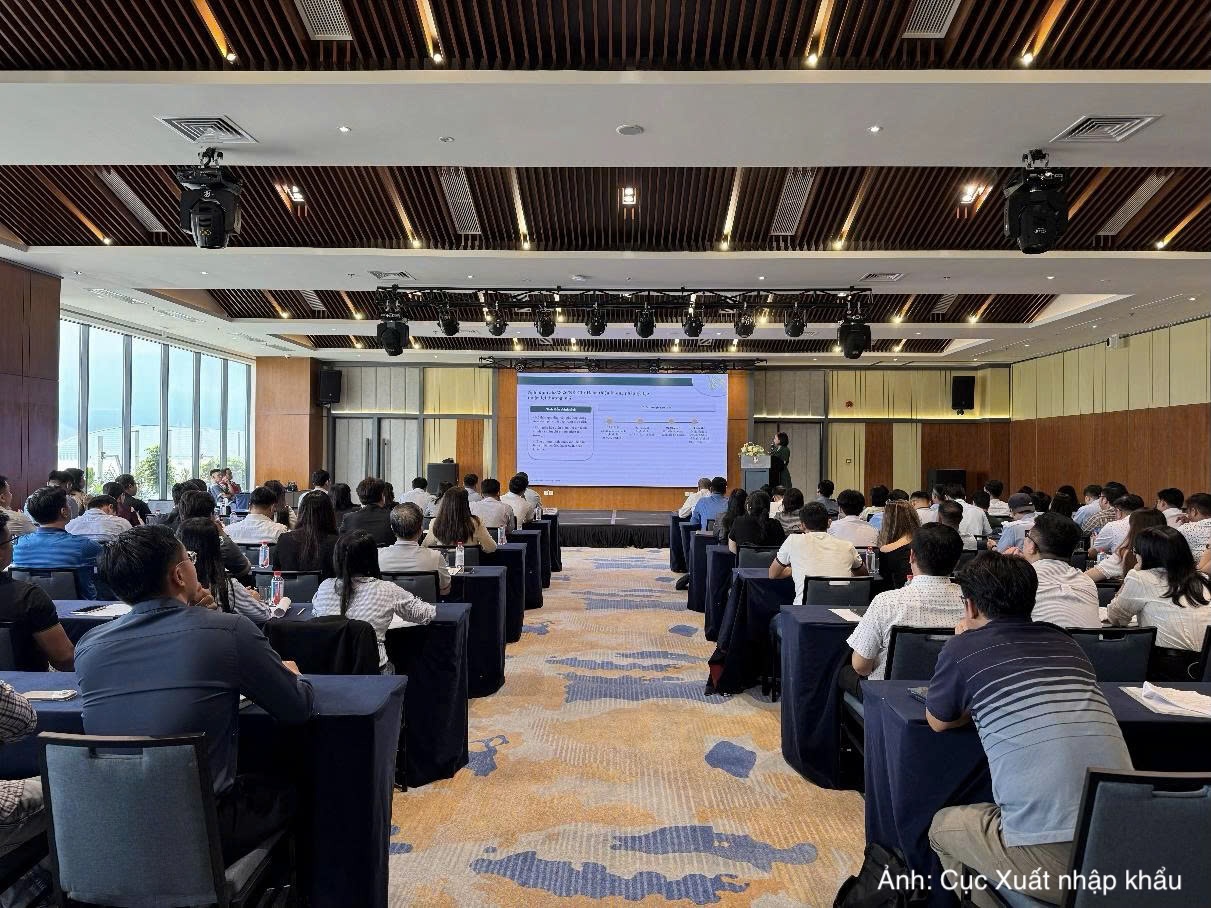
On October 13, the Agency of Foreign Trade under the Ministry of Industry and Trade (MoIT) held a conference in Dong Thap province to disseminate Government Decree No.365/2026/ND-CP dated September 23, 2026, on rice export and import business, and Circular No.65/2026/TT-BCT dated October 1, 2026, issued by the Minister of Industry and Trade, detailing certain provisions and measures for implementing Decree No.365/2026/ND-CP.
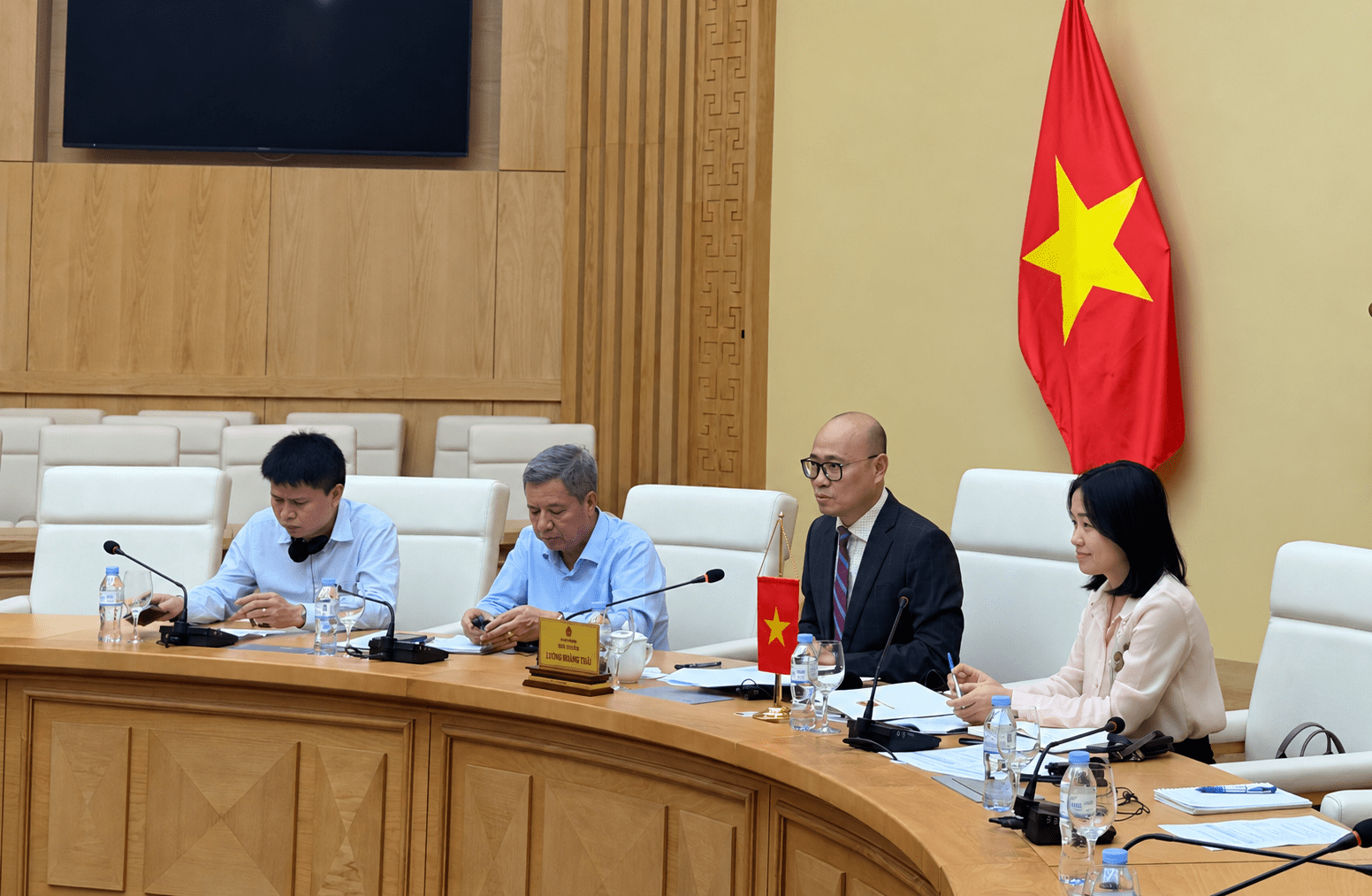
On October 13, Deputy Minister of Industry and Trade Luong Hoang Thai held a working session with MEDEF International, a French business organization, and representatives of French corporations operating in various sectors, including energy, industry, transport, construction and infrastructure development, food and beverages, and services, at the Ministry of Industry and Trade's headquarters.
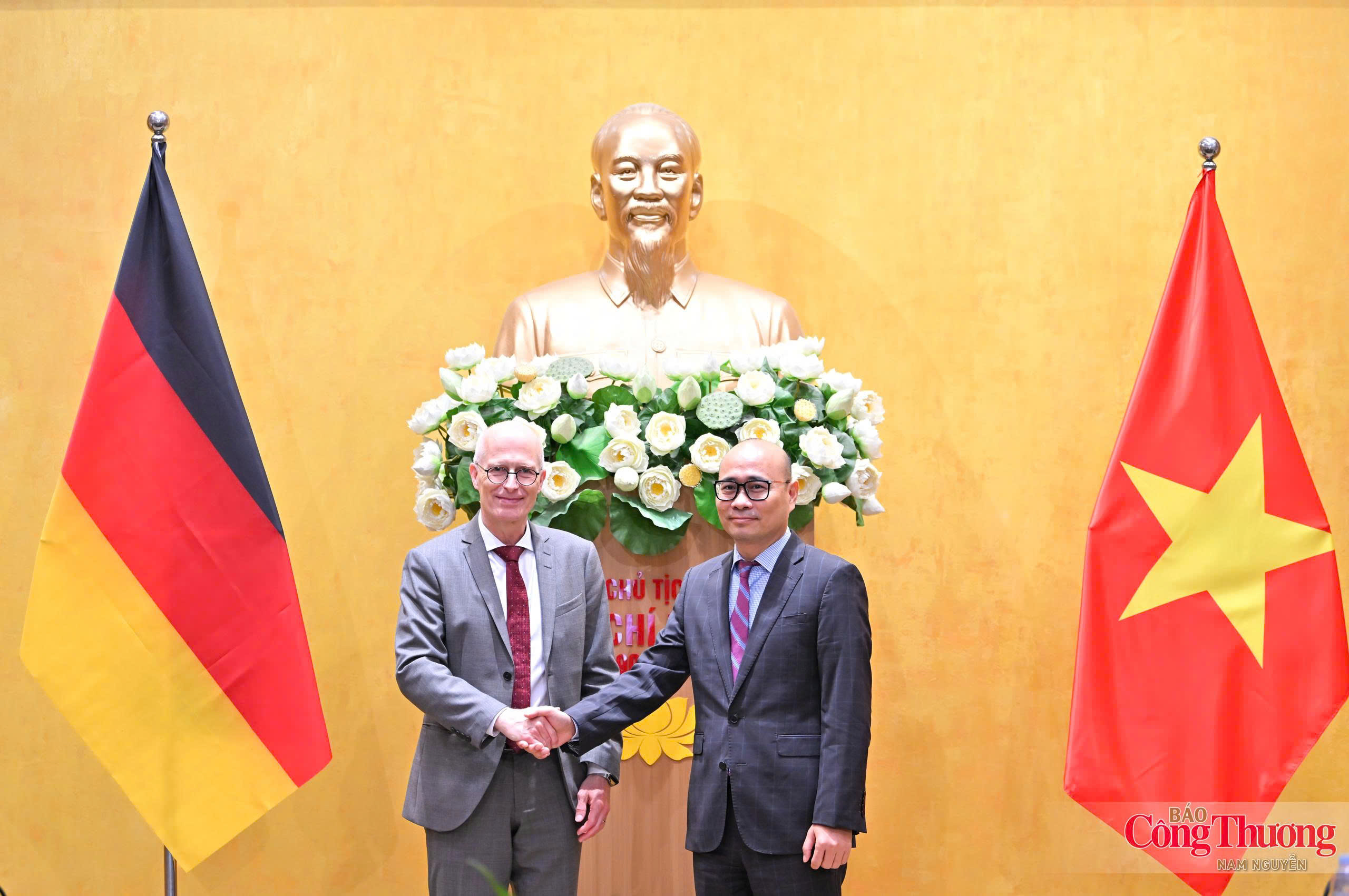
On October 14, Deputy Minister of Industry and Trade Luong Hoang Thai received and held a working session with a delegation from Hamburg, Germany, led by the city's First Mayor Peter Tschentscher at the Ministry of Industry and Trade's headquarters.
The Copyright Office is working closely with relevant agencies to develop plans for inspections and enforcement action against copyright and related rights infringements in the digital environment.
Viet Nam’s cultural industries are poised for growth as development targets become clearer, the digital content market expands and technology creates new ways.
Viet Nam, the EU, and Germany have launched a forestry project to restore and sustainably manage natural forests, advancing green growth and climate resilience.
From 29 June, Vietnam’s domestic carbon market officially entered its pilot phase, marking a transition from emissions management through administrative command-and-control measures to a market-based mechanism.