From policy to practice, Vietnam is stepping up efforts to cut plastic waste, with retail at the forefront, gradually promoting sustainable growth.
Redefining waste
In March 2026, the European Union (EU) adopted Regulation (EU) 2025/40 on packaging and packaging waste (Packaging and Packaging Waste Regulation, PPWR), replacing the previous Directive 94/62/EC. The regulation aims to harmonize rules among member states, reduce internal trade barriers, and strengthen environmental and public health protection by limiting excessive packaging, promoting reuse and recycling, and reducing reliance on virgin materials.
In March 2026, the European Union (EU) adopts Regulation (EU) 2025/40 on packaging and packaging waste (Packaging and Packaging Waste Regulation, PPWR), replacing the previous Directive 94/62/EC.
Under the new regulation, requirements apply to all types of packaging placed on the EU market, including packaging in direct contact with food, primary packaging (sales packaging), secondary packaging (grouped packaging), and transport packaging. This means that most common forms of packaging used in production and trade, such as plastic bags, plastic trays, boxes, cartons, plastic pallets, and wrapping films, fall within its scope.
Earlier, in 2024, governments of EU member states approved a new bill to cut packaging waste and gradually restrict single-use plastics across various sectors, including retail. The agreement sets targets to reduce packaging waste across all materials, from plastic, wood, and metals to glass, paper, and cardboard - by 5% by 2030, 10% by 2035, and 15% by 2040 compared with 2018 levels. Notably, by 2030, all packaging used in the EU must be recyclable, except in specific cases.
In the food service and retail sectors, single-use plastic products will be progressively phased out and replaced with more environmentally friendly materials such as paper or cardboard. While the use of fully reusable packaging is not yet mandatory, businesses are required to allow consumers to bring their own containers when purchasing takeaway items. Certain small businesses in the hospitality sector are granted specific exemptions to ensure feasibility during implementation.
Although the regulation still requires approval by the European Parliament to take full effect, its agreed provisions already signal a significant shift in waste management thinking. Beyond a regional policy update, it is considered a precursor to a comprehensive Circular Economy Act expected in 2026, creating spillover effects across other regions, including Asia and countries in the Global South.
At the same time, the EU is moving toward establishing a “single market for waste,” with unified criteria on when waste ceases to be waste, enabling recycled materials, particularly plastics, to circulate similarly to virgin materials.
Estimates suggest that by 2050, circular solutions could increase the EU’s trade surplus by 4% and cut approximately 200 million tonnes of CO₂ emissions, underscoring the growing link between environmental policy and economic strategy.
At the implementation level, Portugal has begun applying a deposit and refund system for beverage packaging. Previously, packaging costs were included in product prices, but since April 10, an additional deposit of around EUR 0.10 is charged for each bottle or can, listed separately on receipts. This amount is refunded when consumers return the packaging, encouraging collection and recycling.
The program, named “Volta,” aims to collect 90% of bottles and cans covered under the deposit return system by 2029. However, not all packaging types are included, as the scheme applies only to bottles and cans of up to three litres.
Alongside policy measures, retailers are also actively participating in the transition. Since March 2021, UK-based supermarket chain Tesco has collected plastic bags and soft packaging from customers for recycling, helping reduce waste generated at the point of sale.
In Asia, the Republic of Korea is emerging as a notable example with strict regulations on recycled plastic content. From 2026, manufacturers of clear PET bottles must use at least 10% post-consumer recycled (PCR) plastic, rising to 30% by 2030. At the same time, authorities have introduced a dual certification process to strictly control both recycling procedures and the chemical purity of final products, ensuring consumer safety.
These developments indicate that reducing plastic waste is no longer a voluntary effort but is increasingly becoming a mandatory requirement, reshaping supply chains and consumer behavior on a global scale.
In Vietnam, the National Action program on Sustainable Production and Consumption for the 2021 - 2030 period, approved by the Prime Minister, has laid an important foundation for transformation in the retail sector. The program sets a target that by 2030, the legal framework for sustainable production and consumption will be fully developed and effectively implemented, while 100% of supermarkets and shopping malls will use environmentally friendly packaging to replace single-use, non-biodegradable plastic bags.
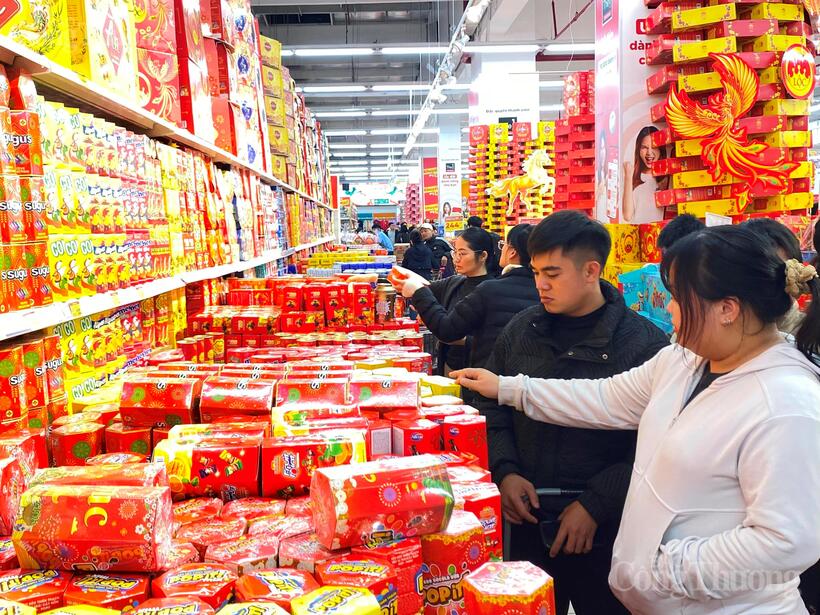
Many retailers in Vietnam have begun promoting reduced use of single-use plastic bags. Photo: Phuong Trang
In practice, many retailers have proactively introduced concrete initiatives, gradually reshaping consumer habits. AEON Vietnam is among the pioneers, identifying sustainable consumption as one of its three core strategic pillars. From 2020 to November 2025, the system recorded nearly 10 million transactions without the use of single-use plastic bags.
A notable aspect of AEON’s approach lies not only in its environmental goals but also in addressing everyday barriers in consumer behavior. In reality, many customers are willing to support green solutions but face inconveniences such as forgetting to bring personal bags. In response, the company has adopted a “convenience-driven” approach, making it easier for consumers to shift to sustainable choices without sacrificing comfort.
Initiatives such as eco-friendly bag rental services, priority checkout lanes for customers not using plastic bags (Greenline), and the “No Plastic Bag Day” program have helped foster new habits. Notably, a direct discount of VND 1,000 per transaction for customers who do not use plastic bags has proven to be a simple yet effective incentive influencing purchasing decisions.
Alongside AEON, other retail systems are also actively transitioning. At Lotte Mart, bagasse trays have been used since 2020 to replace plastic trays for packaging processed and fresh foods. The system has also introduced biodegradable plastic bags and is researching paper-based materials for packaging fruits and vegetables. In the coming period, incentive programs for customers using reusable bags are expected to be further expanded.
These developments show that Vietnam’s retail sector is gradually aligning with global trends. However, significant challenges remain, particularly in sustaining behavioral changes among consumers at scale. This requires coordinated efforts among policy frameworks, business initiatives, and public awareness.
In this process, each reduction in plastic bag use and each shift in consumer choice, though small, contributes to a broader transformation toward sustainable consumption and long-term economic development.
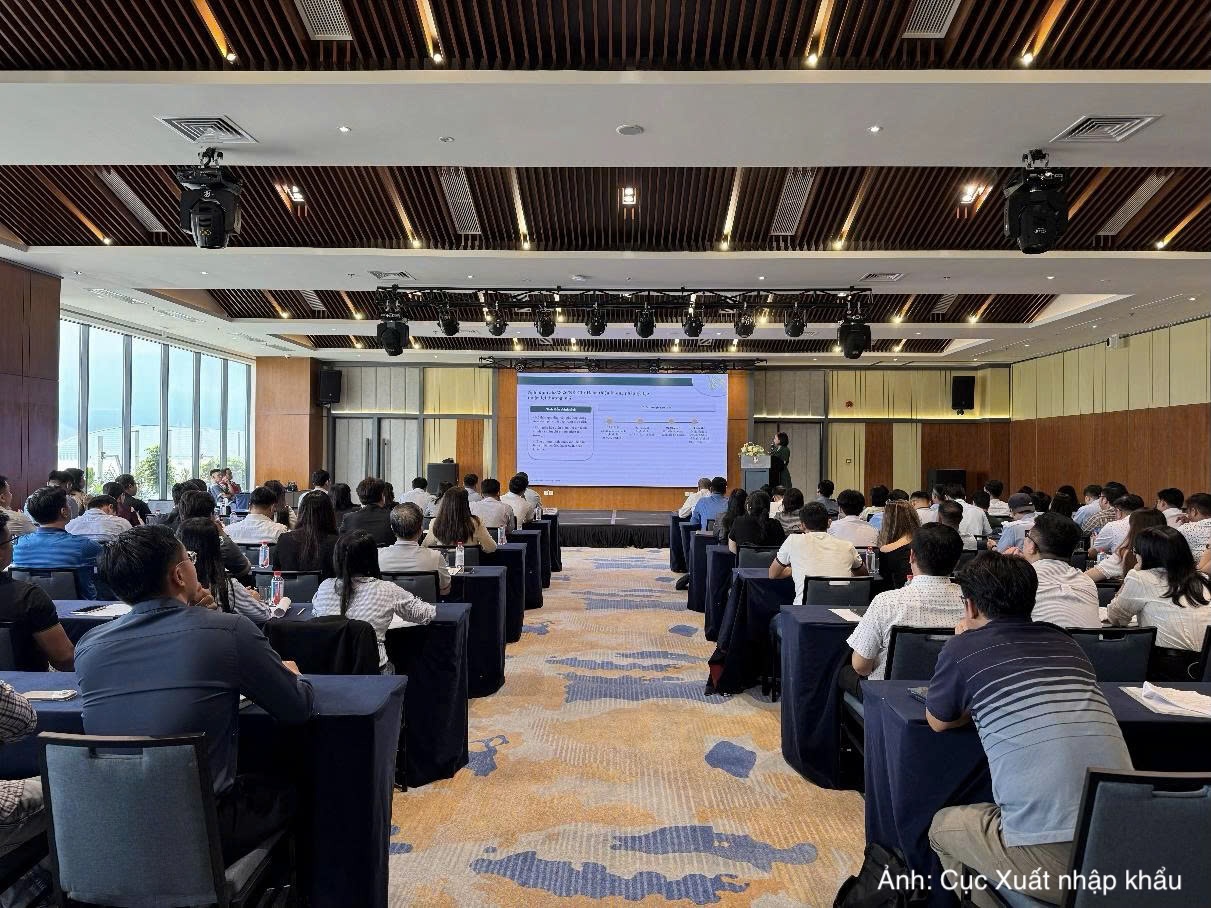
On October 13, the Agency of Foreign Trade under the Ministry of Industry and Trade (MoIT) held a conference in Dong Thap province to disseminate Government Decree No.365/2026/ND-CP dated September 23, 2026, on rice export and import business, and Circular No.65/2026/TT-BCT dated October 1, 2026, issued by the Minister of Industry and Trade, detailing certain provisions and measures for implementing Decree No.365/2026/ND-CP.
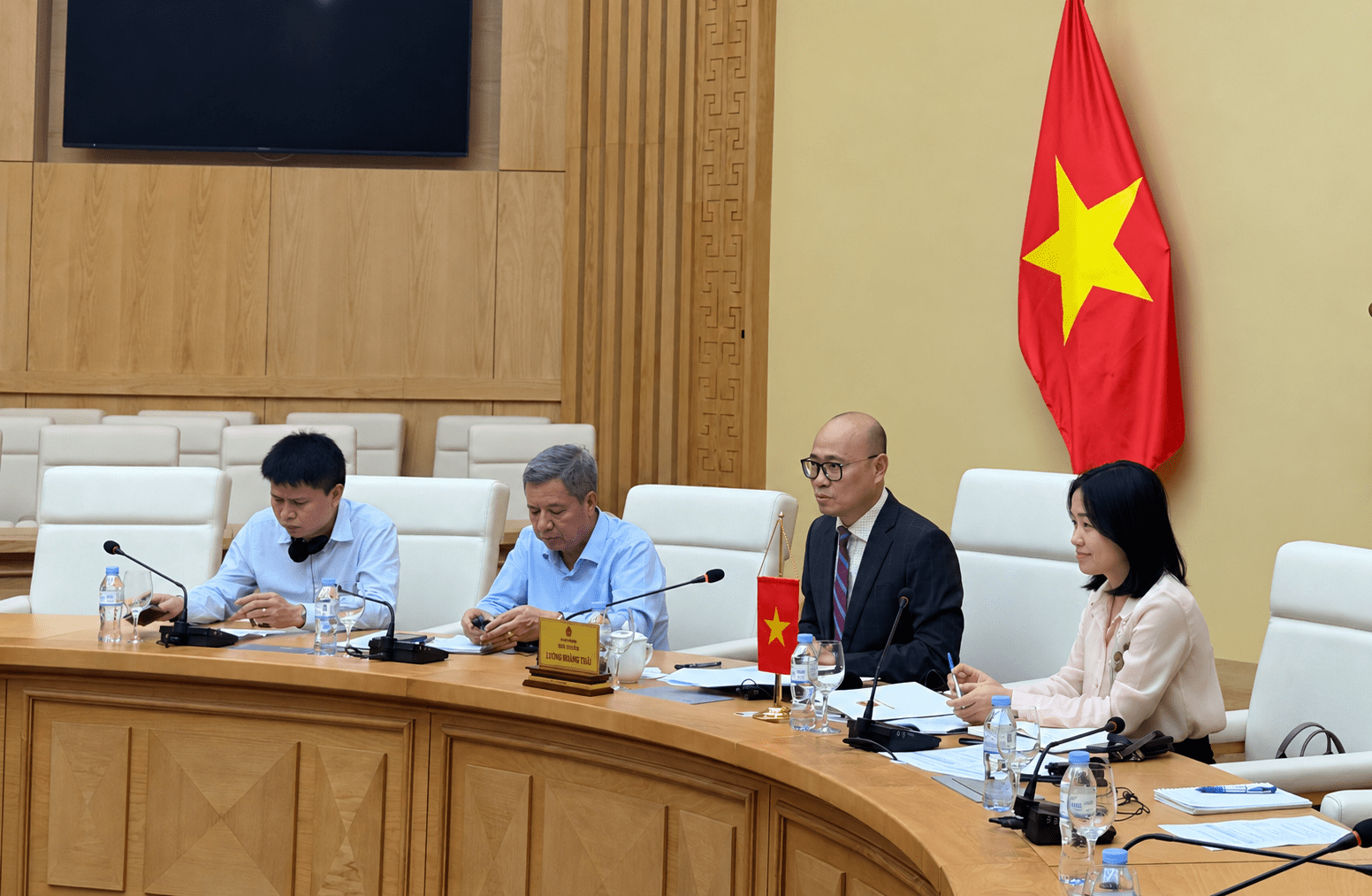
On October 13, Deputy Minister of Industry and Trade Luong Hoang Thai held a working session with MEDEF International, a French business organization, and representatives of French corporations operating in various sectors, including energy, industry, transport, construction and infrastructure development, food and beverages, and services, at the Ministry of Industry and Trade's headquarters.
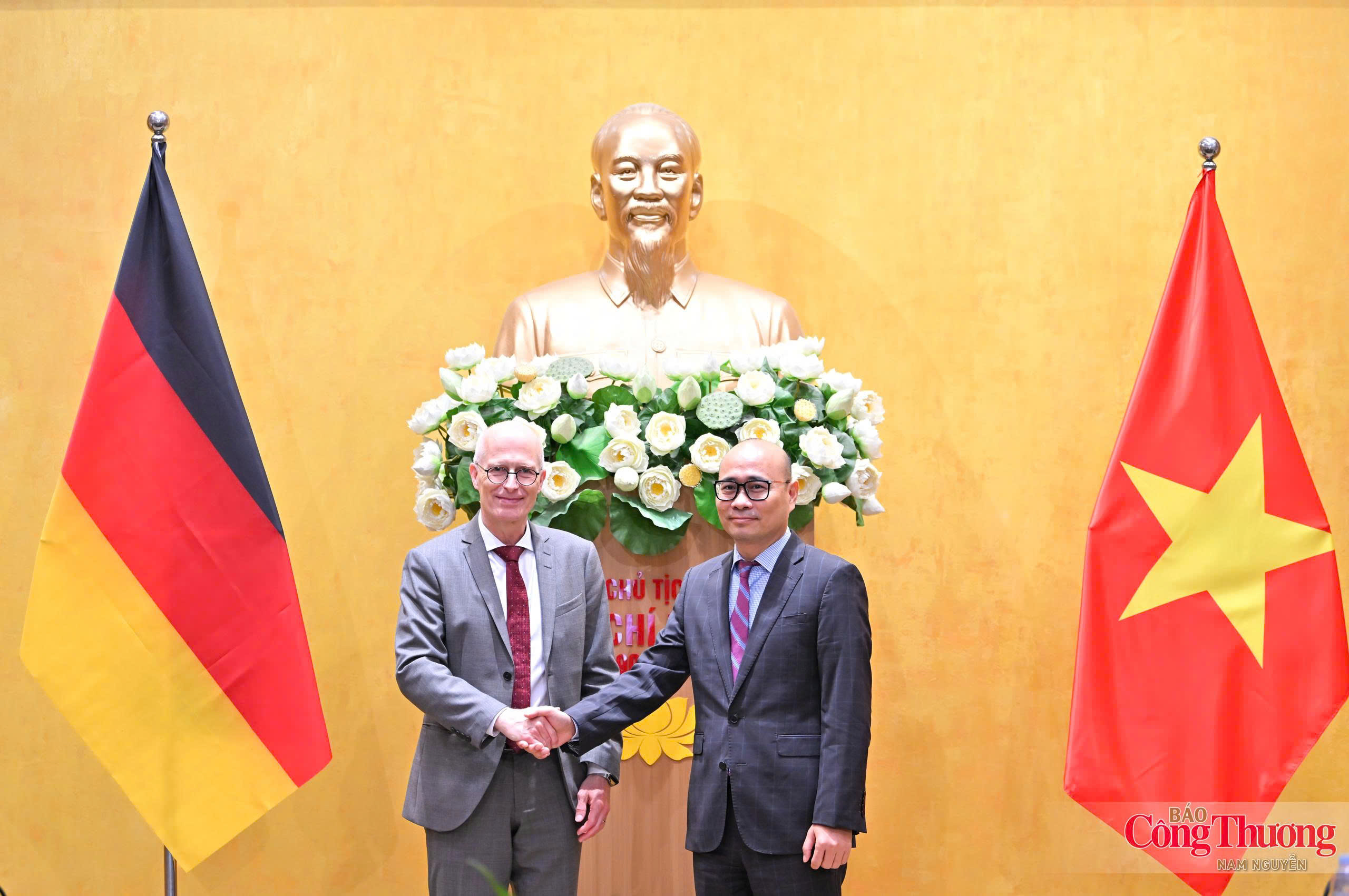
On October 14, Deputy Minister of Industry and Trade Luong Hoang Thai received and held a working session with a delegation from Hamburg, Germany, led by the city's First Mayor Peter Tschentscher at the Ministry of Industry and Trade's headquarters.
The Copyright Office is working closely with relevant agencies to develop plans for inspections and enforcement action against copyright and related rights infringements in the digital environment.
Viet Nam’s cultural industries are poised for growth as development targets become clearer, the digital content market expands and technology creates new ways.
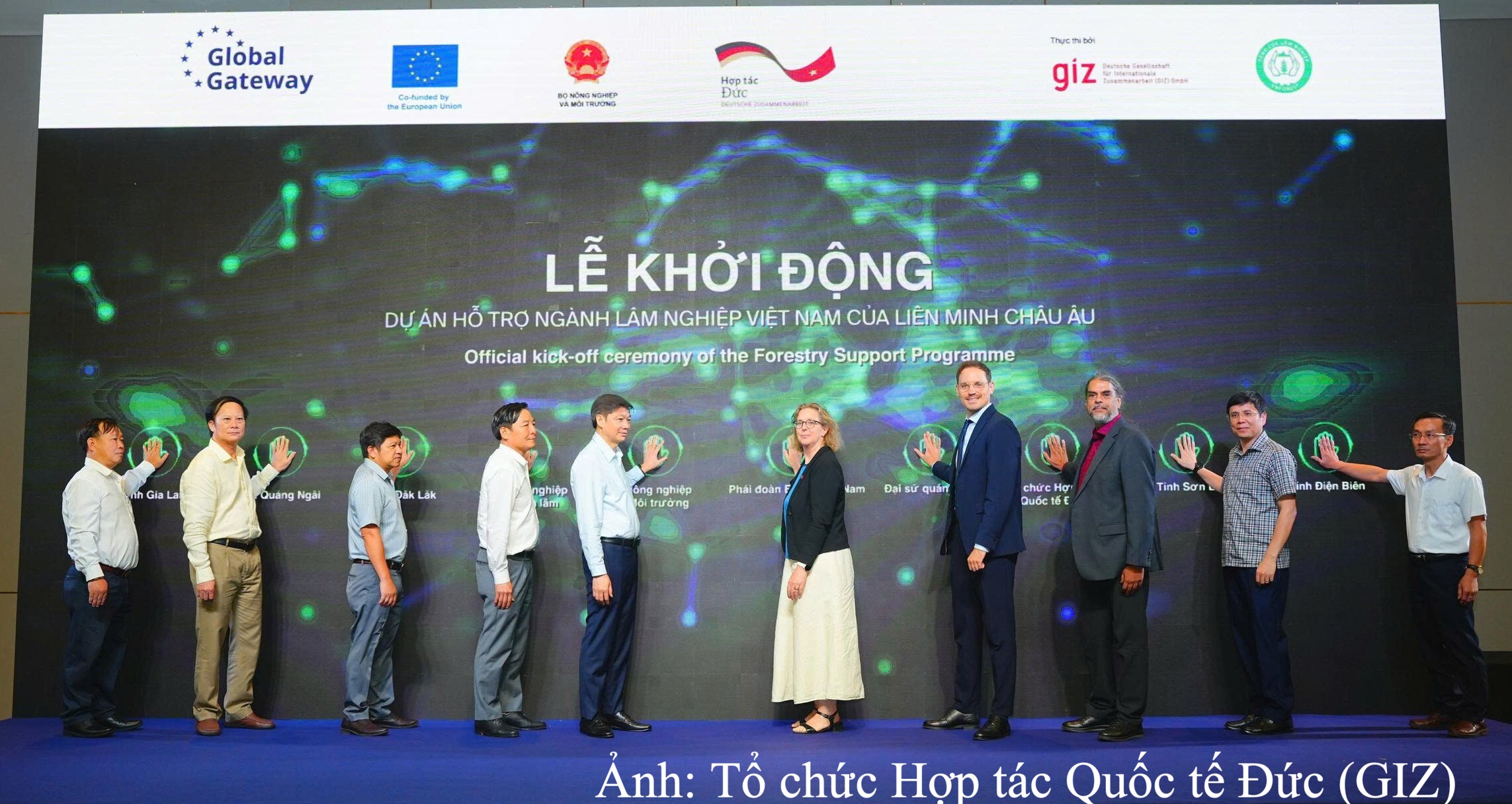
Viet Nam, the EU, and Germany have launched a forestry project to restore and sustainably manage natural forests, advancing green growth and climate resilience.
From 29 June, Vietnam’s domestic carbon market officially entered its pilot phase, marking a transition from emissions management through administrative command-and-control measures to a market-based mechanism.