Vietnam’s mining sector is shifting from reactive measures to proactive environmental risk control, guided by policy and practice.
Proactive approach from risk identification to response organization
In practice, mining activities have long been associated with systemic environmental risks, particularly under extreme weather conditions. Heavy rains, flash floods, waste dump landslides, and pit flooding not only threaten production safety but may also trigger large-scale environmental incidents, resulting in significant remediation costs and prolonged recovery periods.
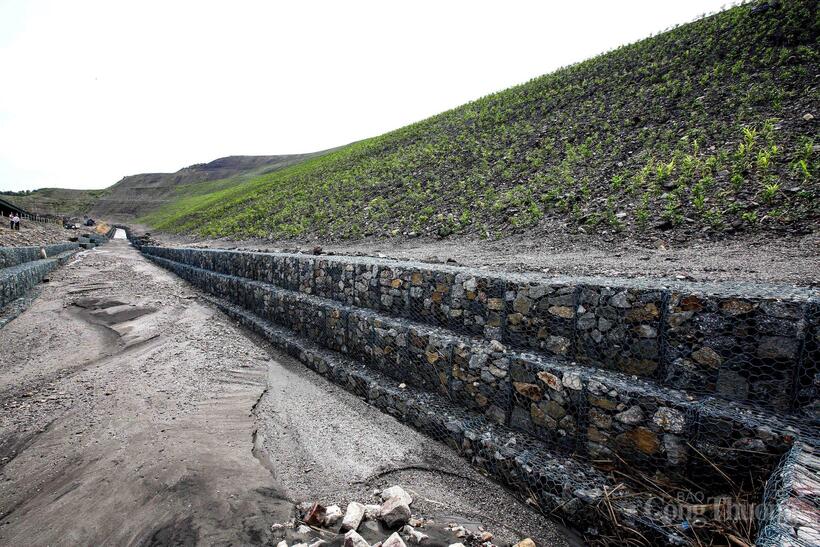
Protective retaining dams to prevent slope failures at mine waste dumps. Photo: Thu Huong
In 2025, natural disasters intensified in both frequency and severity, causing substantial damage globally and in Vietnam. In this context, the shift from passive response to proactive prevention and environmental risk control has become more urgent than ever.
This orientation has been institutionalized in Decision No. 1894/QD-TTg dated September 4, 2025 of the Prime Minister on the development of Vietnam’s environmental industry for the 2025 - 2030 period, along with Decision No. 3637/QD-BCT dated December 15, 2025 of the Ministry of Industry and Trade promulgating an action plan for implementation. These documents not only set targets for pollution treatment but also emphasize strengthening capacity for prevention and risk control across industrial activities.
On that basis, the mining sector has gradually shifted its environmental governance model towards integrating technology, data, and operational management. This orientation is also clearly reflected in practical implementation at enterprises. According to Nguyen Manh Chuyen, Deputy Head of Vietnam National Coal and Mineral Industries Group's Environmental Division, early identification of high-risk areas and the development of response plans based on risk levels are key factors in improving the effectiveness of environmental risk control in mining operations.
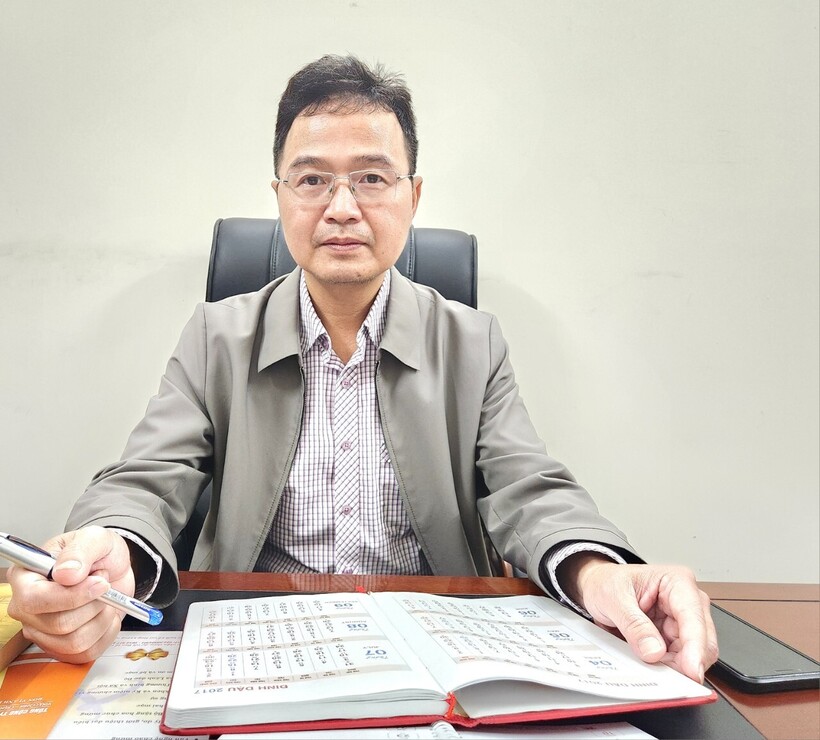
Nguyen Manh Chuyen, Deputy Head of TKV’s Environmental Division.
The principle of “early and remote preparedness” has been consistently applied across the system, in line with the “three in advance, four on-site” approach, thereby enhancing readiness in disaster response. Inspection and supervision have also been strengthened through dozens of official directives, helping to promptly rectify shortcomings in environmental protection and disaster prevention efforts.
Results show that despite being affected by multiple heavy rains and storms in 2025, TKV ensured human safety, maintained stable production, and avoided serious environmental incidents. This demonstrates the effectiveness of a proactive approach in risk control.
Enhancing environmental protection through technology and governance
A key highlight of the Ministry of Industry and Trade’s action plan is the development of the environmental industry in conjunction with core industrial sectors such as energy, mechanical engineering, chemicals, and materials. This orientation provides a foundation for technical solutions that directly support pollution control and environmental risk prevention in production.
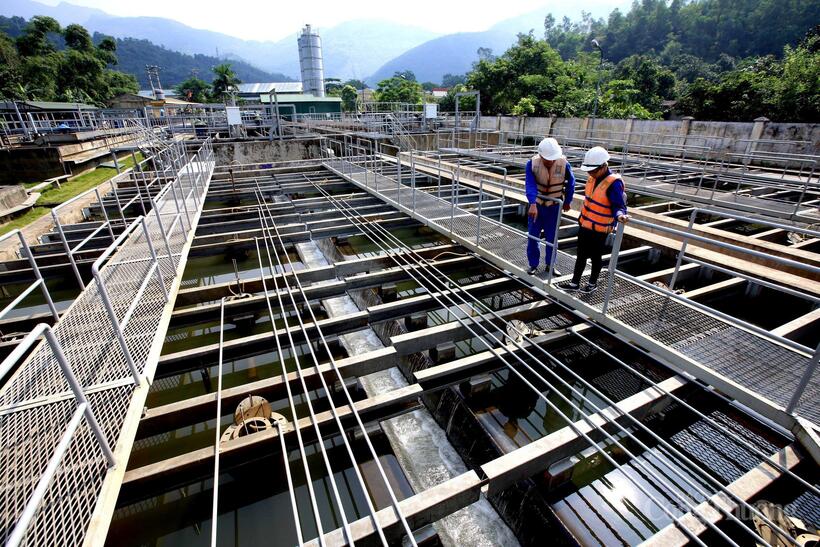
A wastewater treatment system at TKV, contributing to environmental pollution control during production. Photo: Thu Huong.
For the mining sector, where environmental risks are closely linked to geological conditions and weather patterns, mastering technology is of particular importance. Automated monitoring systems, early warning mechanisms, and data management not only enable real-time environmental supervision but also improve forecasting capacity, thereby reducing the likelihood of incidents.
According to Nguyen Manh Chuyen, Deputy Head of TKV’s Environmental Division, the application of technology and digital transformation has contributed to improving environmental management efficiency across the Group, especially in high-risk areas. Through environmental data systems and warning tools, operations have become more proactive, enabling timely decision-making in complex situations.
In practice, TKV has completed the development of its environmental database and deployed management software alongside disaster risk warning systems. Automated environmental monitoring systems have been connected to central data hubs, improving the effectiveness of environmental quality supervision. The installation of additional meteorological stations in key areas has further strengthened monitoring and early warning capacity.
At the same time, on-site technical solutions, including the implementation of comprehensive environmental protection plans at waste dumps, mining sites, and port areas, have helped improve environmental conditions while minimizing negative impacts on surrounding areas.
From a policy perspective, the six groups of tasks and solutions outlined in the Ministry’s action plan provide an important foundation for enhancing environmental protection across the sector. These measures serve not only the development of the environmental industry but also support high-risk production sectors, including mining, in strengthening monitoring, forecasting, and proactive disaster response capacity.
It can be seen that the combination of institutional improvement, technological advancement, and governance innovation is creating tangible progress in environmental risk control. This is not only an immediate requirement but also a prerequisite for the sustainable development of the mining industry in the long term.
Entering 2026, as weather conditions are expected to remain complex, improving the effectiveness of environmental protection in tandem with proactive disaster response will continue to be a central task. Maintaining and promoting implemented solutions, while accelerating the application of science, technology, and digital transformation, will be key for the mining sector to adapt effectively to climate change, contributing to economic development alongside environmental protection.
According to Nguyen Manh Chuyen, Deputy Head of TKV’s Environmental Division, following the enforcement of the Law on Environmental Protection 2020, TKV has actively implemented legal requirements across the Group. This includes the issuance of internal regulations, the revision of environmental protection procedures, and the development of a dedicated environmental protection scheme towards 2025 with a vision to 2030, ensuring compliance with updated standards and regulatory requirements.
On October 13, the Agency of Foreign Trade under the Ministry of Industry and Trade (MoIT) held a conference in Dong Thap province to disseminate Government Decree No.365/2026/ND-CP dated September 23, 2026, on rice export and import business, and Circular No.65/2026/TT-BCT dated October 1, 2026, issued by the Minister of Industry and Trade, detailing certain provisions and measures for implementing Decree No.365/2026/ND-CP.
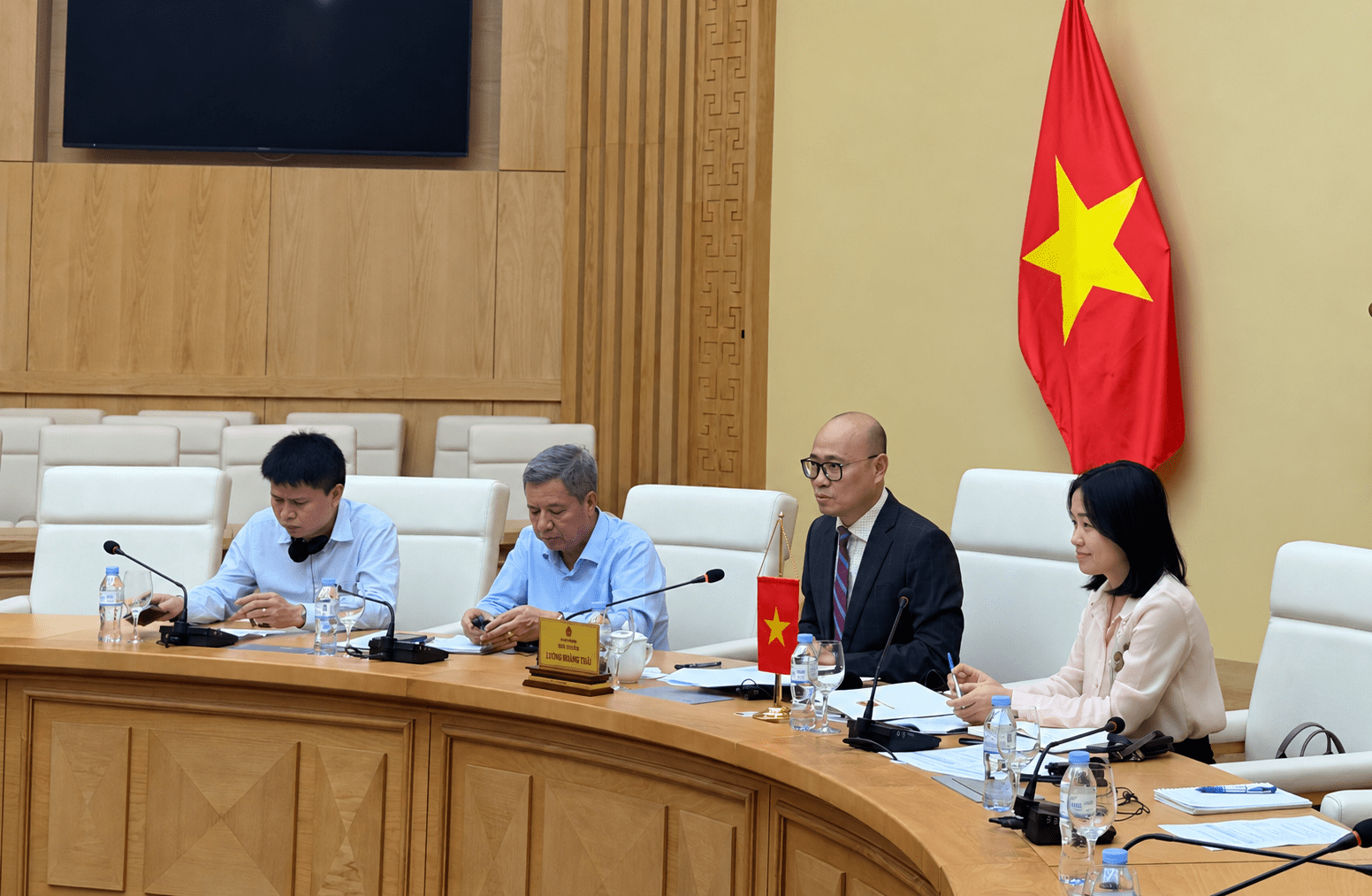
On October 13, Deputy Minister of Industry and Trade Luong Hoang Thai held a working session with MEDEF International, a French business organization, and representatives of French corporations operating in various sectors, including energy, industry, transport, construction and infrastructure development, food and beverages, and services, at the Ministry of Industry and Trade's headquarters.
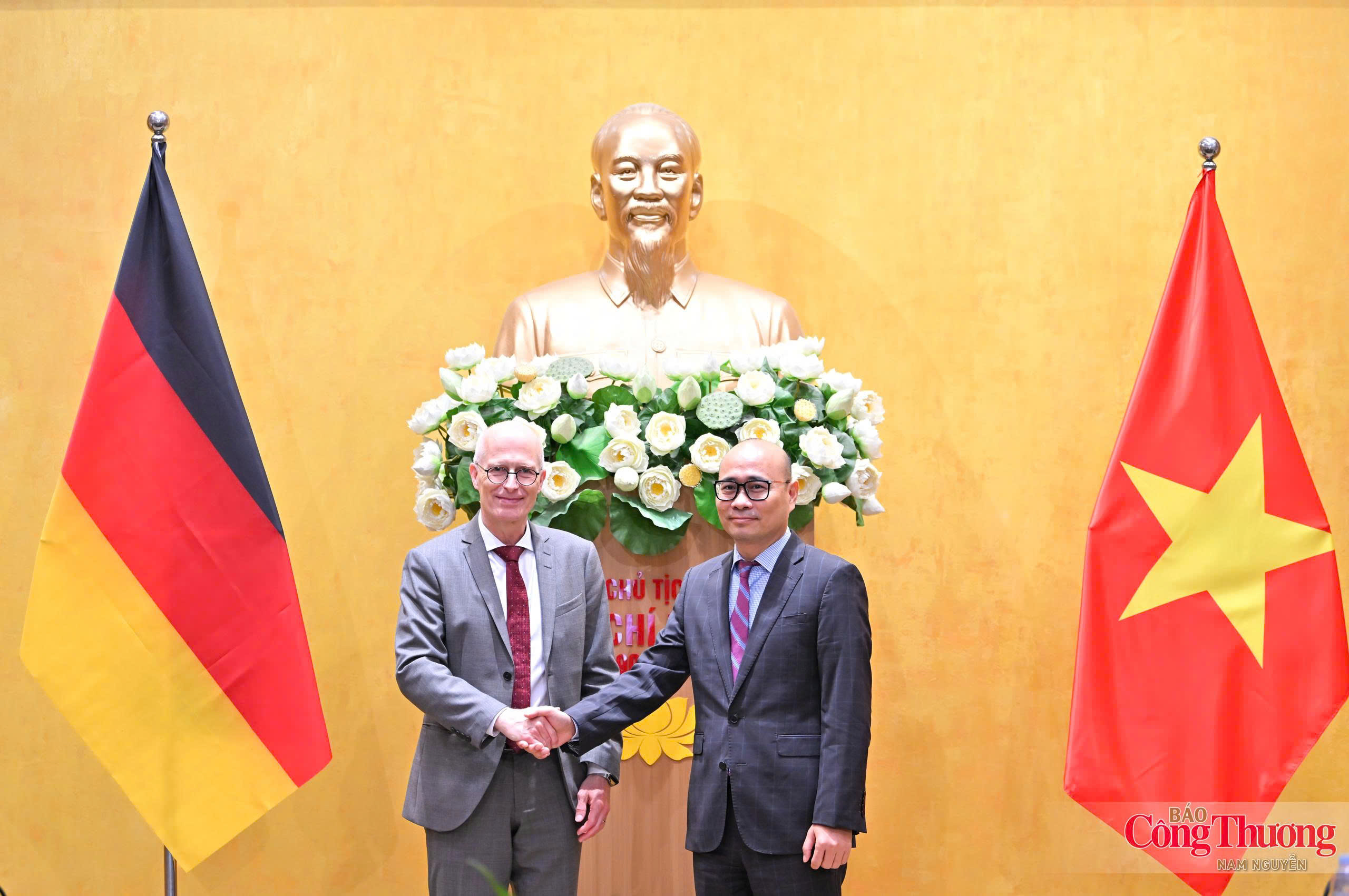
On October 14, Deputy Minister of Industry and Trade Luong Hoang Thai received and held a working session with a delegation from Hamburg, Germany, led by the city's First Mayor Peter Tschentscher at the Ministry of Industry and Trade's headquarters.
The Copyright Office is working closely with relevant agencies to develop plans for inspections and enforcement action against copyright and related rights infringements in the digital environment.
Viet Nam’s cultural industries are poised for growth as development targets become clearer, the digital content market expands and technology creates new ways.
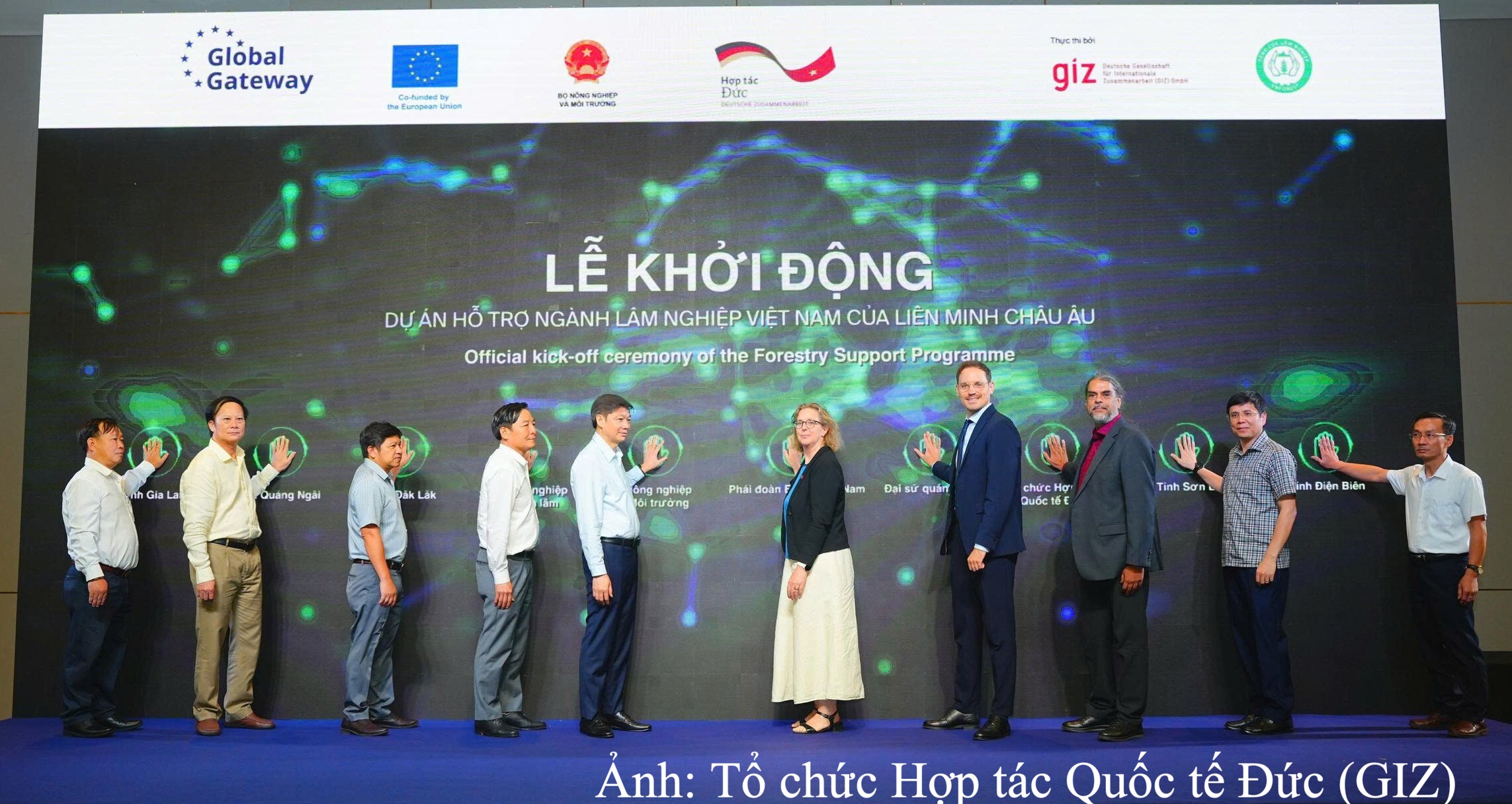
Viet Nam, the EU, and Germany have launched a forestry project to restore and sustainably manage natural forests, advancing green growth and climate resilience.
From 29 June, Vietnam’s domestic carbon market officially entered its pilot phase, marking a transition from emissions management through administrative command-and-control measures to a market-based mechanism.