Facing growing pressure to cut emissions and meet net-zero targets Vietnam's chemical sector is tightening environmental governance while advancing green transition.
Amid mounting pressure to protect the environment and fulfill commitments to achieve net-zero emissions, the Vietnam National Chemical Group is rolling out a series of synchronized solutions to enhance environmental governance, control emissions, and gradually align with green development standards in the new phase.
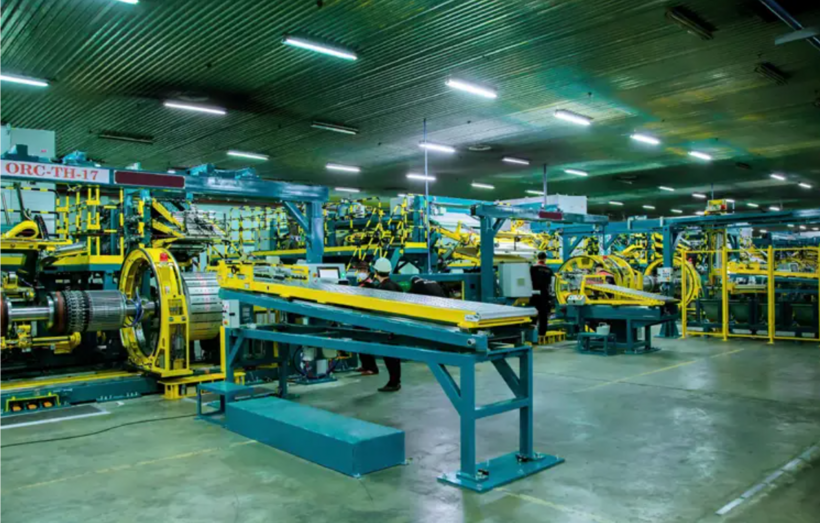
Tire and tube production line at Da Nang Rubber Joint Stock Company. Photo: Vinachem
Proactively completing legal frameworks, tightening environmental control
As environmental protection requirements become increasingly stringent, particularly with the Law on Environmental Protection 2020 (amended and supplemented in 2025) coming into force with many new provisions, the group has demonstrated strong determination to strengthen discipline and accountability across its entire system.
Under the group’s direction, member units, affiliated enterprises, and dependent entities are required to urgently review and update all environmental legal documentation, ensuring full compliance with prevailing regulations. This is not merely a procedural requirement but also a critical foundation for improving governance effectiveness and minimizing legal risks in production and business activities.
At the same time, the dissemination of policies and laws has been given special attention. New provisions of the law and its guiding documents have been promptly communicated to environmental personnel at the grassroots level. This step-by-step approach aims to enhance awareness, implementation capacity, and professionalism in environmental management.
Another key requirement is for units to maintain the stable operation of environmental treatment facilities, while carrying out maintenance and servicing in accordance with technical procedures. All waste generated during production must be collected, classified, and treated to meet standards before being discharged into the environment, ensuring no adverse impacts on ecosystems or local communities.
Notably, the preparation of dossiers for environmental permits has been identified as an urgent task. The group has instructed units to avoid delays that could affect production activities as well as corporate credibility.
In parallel with management measures, the group has also focused on investing in and upgrading emission treatment technologies to meet increasingly stringent standards, including QCVN 19:2024/BTNMT, which is expected to take effect in 2032. This is seen as a necessary step to anticipate new environmental benchmarks and move toward cleaner, more sustainable production.
Promoting green transition toward net-zero targets
Beyond regulatory compliance, the Vietnam National Chemical Group is gradually shifting toward a green development model in line with global trends and Vietnam’s commitments at COP26.
Facing growing pressure to cut emissions and meet net-zero targets Vietnam's chemical sector is tightening environmental governance while advancing green transition.
One of the key priorities is controlling and reducing greenhouse gas emissions. The group has required its units to develop emission inventory plans, train specialized personnel, and implement technical solutions to minimize emissions in production processes.
Significantly, several high-emission units, such as Ninh Binh Nitrogen Fertilizer Co., Ltd. and Ha Bac Fertilizer and Chemicals JSC, have invested in systems to capture CO2 in both solid and liquid forms for use in other industries. This approach is considered a breakthrough, not only reducing emissions but also utilizing secondary resources to improve economic efficiency.
At the same time, the group is gradually approaching the carbon market, an important economic instrument for emission control. Units have been instructed to prepare adequate financial, human, and technological resources to be ready to participate in this market by 2029. Engagement in the carbon market will not only ensure compliance but also open up opportunities to optimize costs and enhance competitiveness.
In the energy sector, the group is actively implementing renewable energy projects, particularly solar power. Several units have already put rooftop solar systems into operation or are conducting feasibility studies, making use of factory rooftops to generate clean electricity. In addition, the use of biomass fuels such as rice husks and sawdust in boiler operations is being promoted, contributing to reduced dependence on fossil fuels.
Measures to save energy, raw materials, and natural resources are also being implemented in a synchronized manner. The group regularly sets consumption norms, conducts inspections and supervision at member units, and cooperates with domestic and international science and technology organizations to research and apply production optimization solutions.
In addition to technical measures, the group has emphasized soft solutions such as digital transformation in environmental management, building databases on natural resources and the environment, and improving data collection and processing efficiency. These are considered essential foundations for enhancing governance capacity and decision-making in the long term.
Public communication and awareness-raising have also been strengthened through activities marking World Environment Day, Vietnam Sea and Islands Week, and environmental cleanup campaigns. Tree-planting programs at factories, aiming for green coverage exceeding 15% of total site areas, have contributed to improving landscapes and ecological conditions within production zones.
With the issuance of the Green Transformation Program for the 2025 - 2030 period, with a vision to 2050, the Vietnam National Chemical Group is steadily affirming its commitment to sustainable development, linking economic growth with environmental and social responsibility.
Initial results indicate that with decisive direction and synchronized implementation, the chemical sector can fully transition toward a greener and cleaner model. This is not only an inevitable requirement but also an opportunity to improve growth quality and contribute positively to the country’s sustainable development goals in the new era.
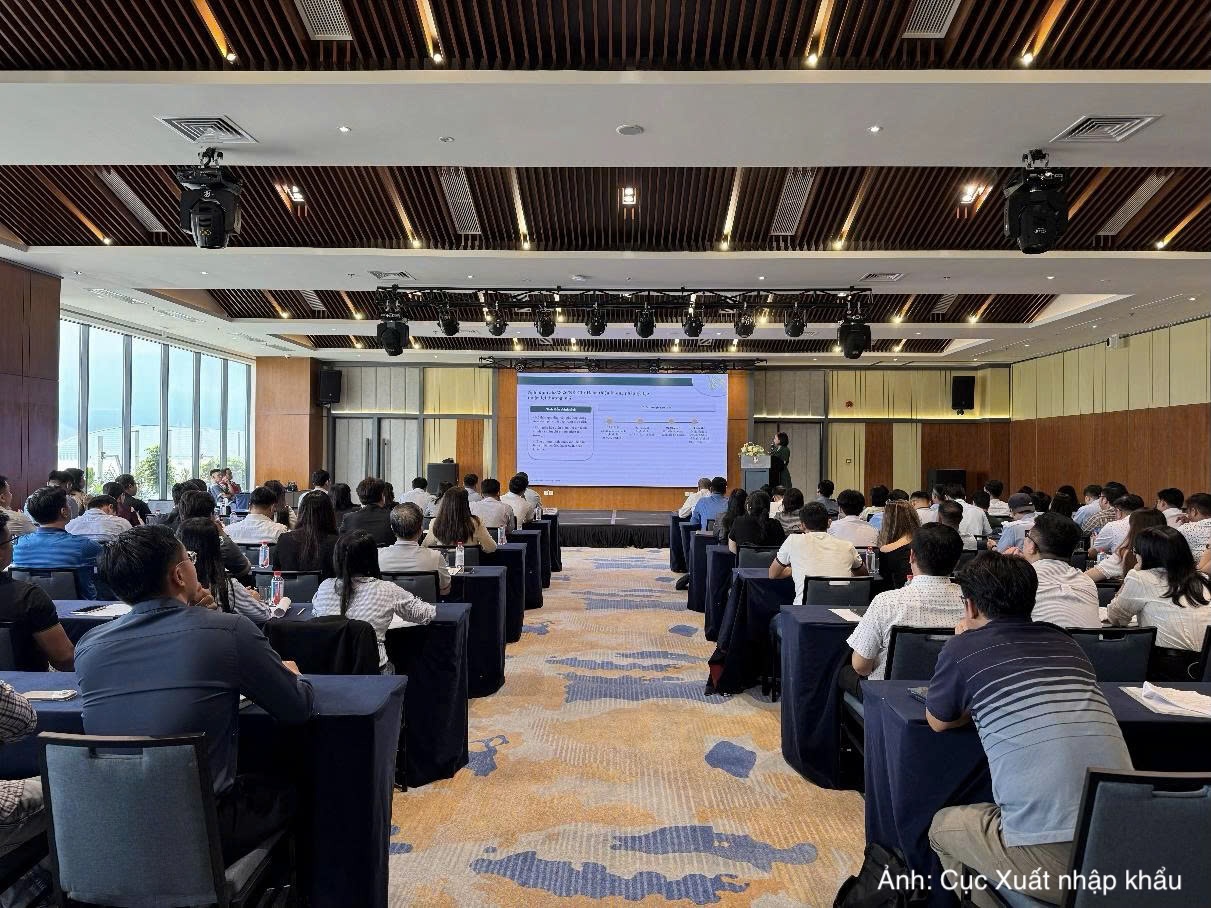
On October 13, the Agency of Foreign Trade under the Ministry of Industry and Trade (MoIT) held a conference in Dong Thap province to disseminate Government Decree No.365/2026/ND-CP dated September 23, 2026, on rice export and import business, and Circular No.65/2026/TT-BCT dated October 1, 2026, issued by the Minister of Industry and Trade, detailing certain provisions and measures for implementing Decree No.365/2026/ND-CP.
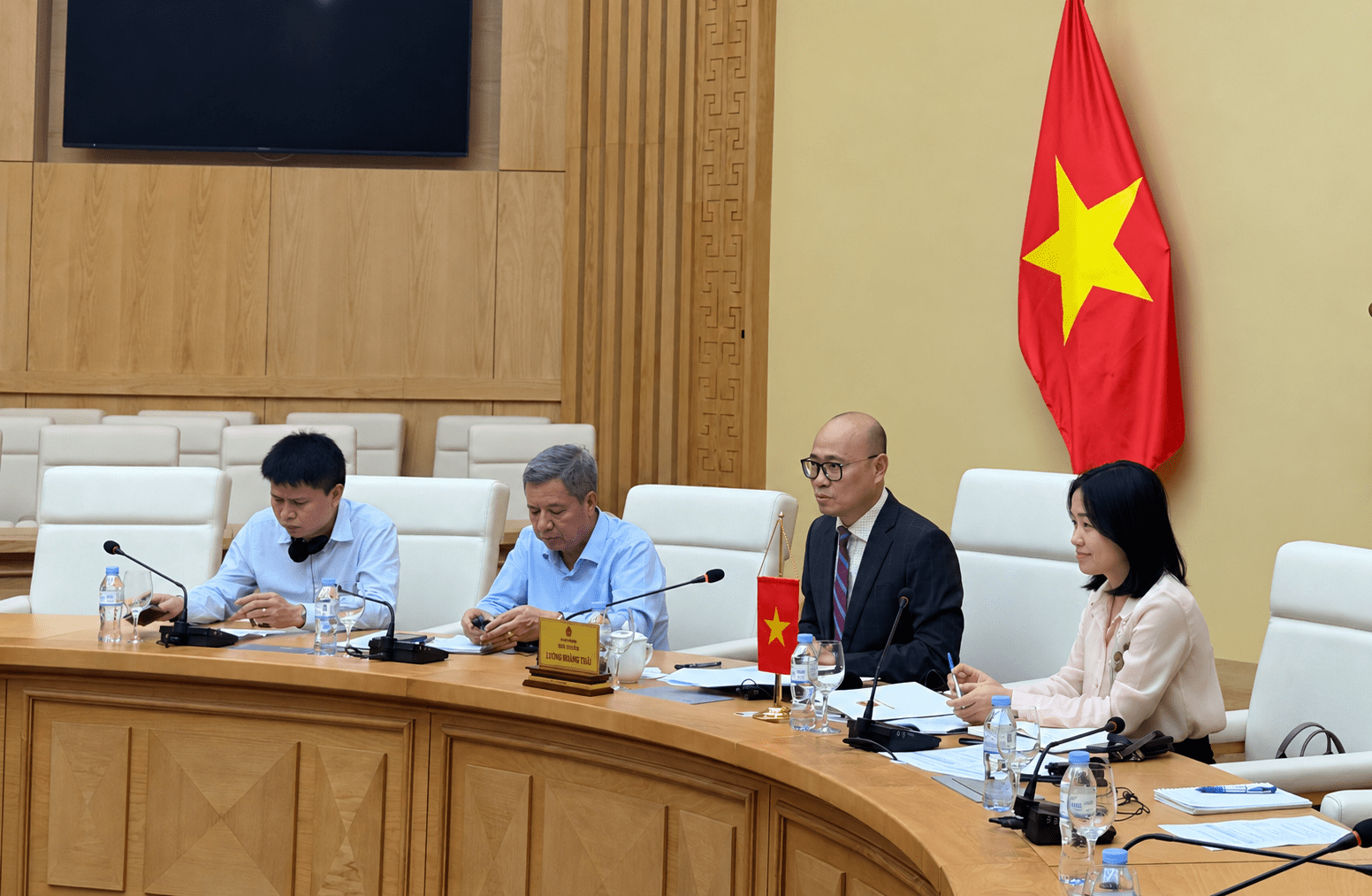
On October 13, Deputy Minister of Industry and Trade Luong Hoang Thai held a working session with MEDEF International, a French business organization, and representatives of French corporations operating in various sectors, including energy, industry, transport, construction and infrastructure development, food and beverages, and services, at the Ministry of Industry and Trade's headquarters.
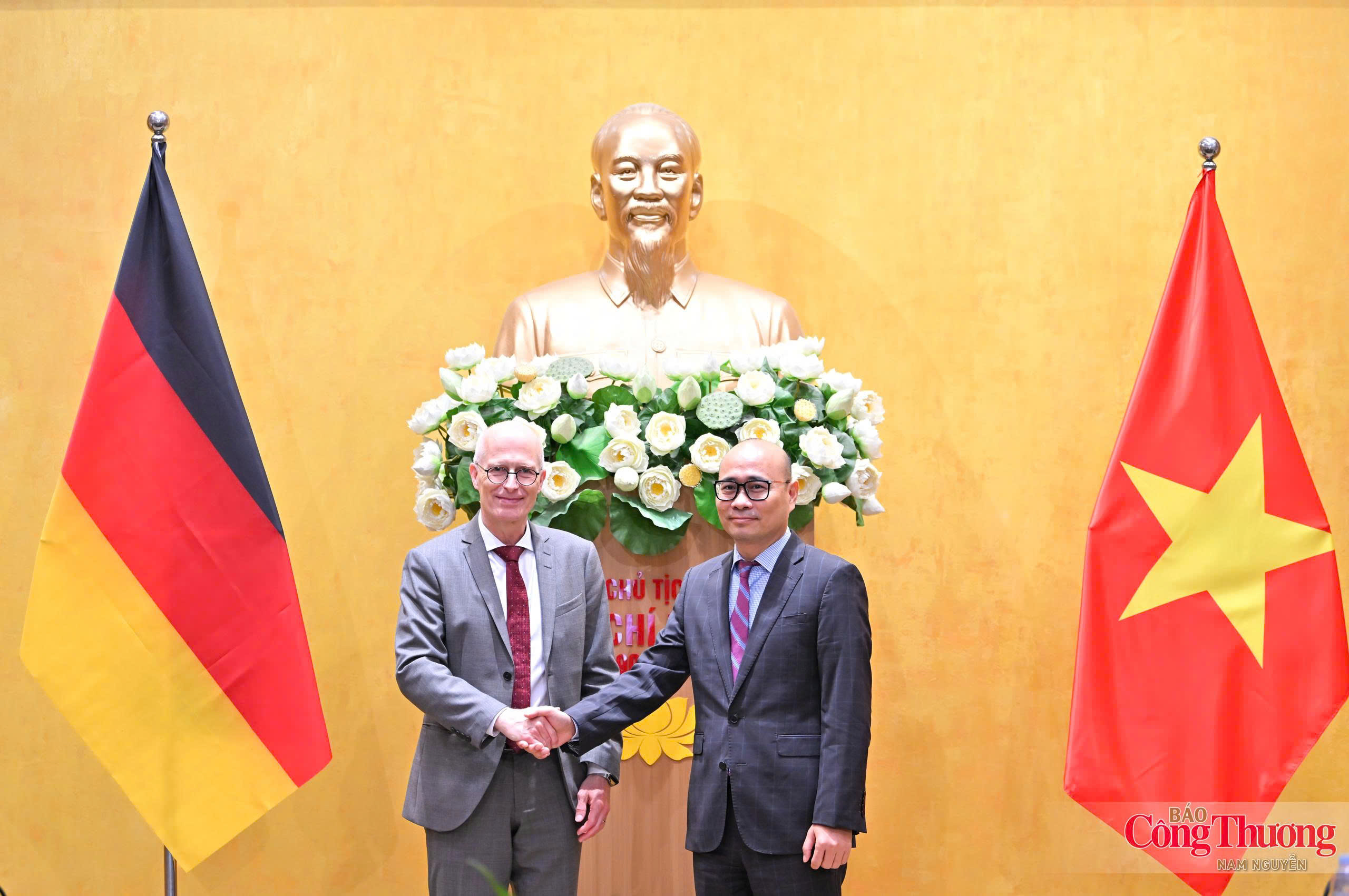
On October 14, Deputy Minister of Industry and Trade Luong Hoang Thai received and held a working session with a delegation from Hamburg, Germany, led by the city's First Mayor Peter Tschentscher at the Ministry of Industry and Trade's headquarters.
The Copyright Office is working closely with relevant agencies to develop plans for inspections and enforcement action against copyright and related rights infringements in the digital environment.
Viet Nam’s cultural industries are poised for growth as development targets become clearer, the digital content market expands and technology creates new ways.
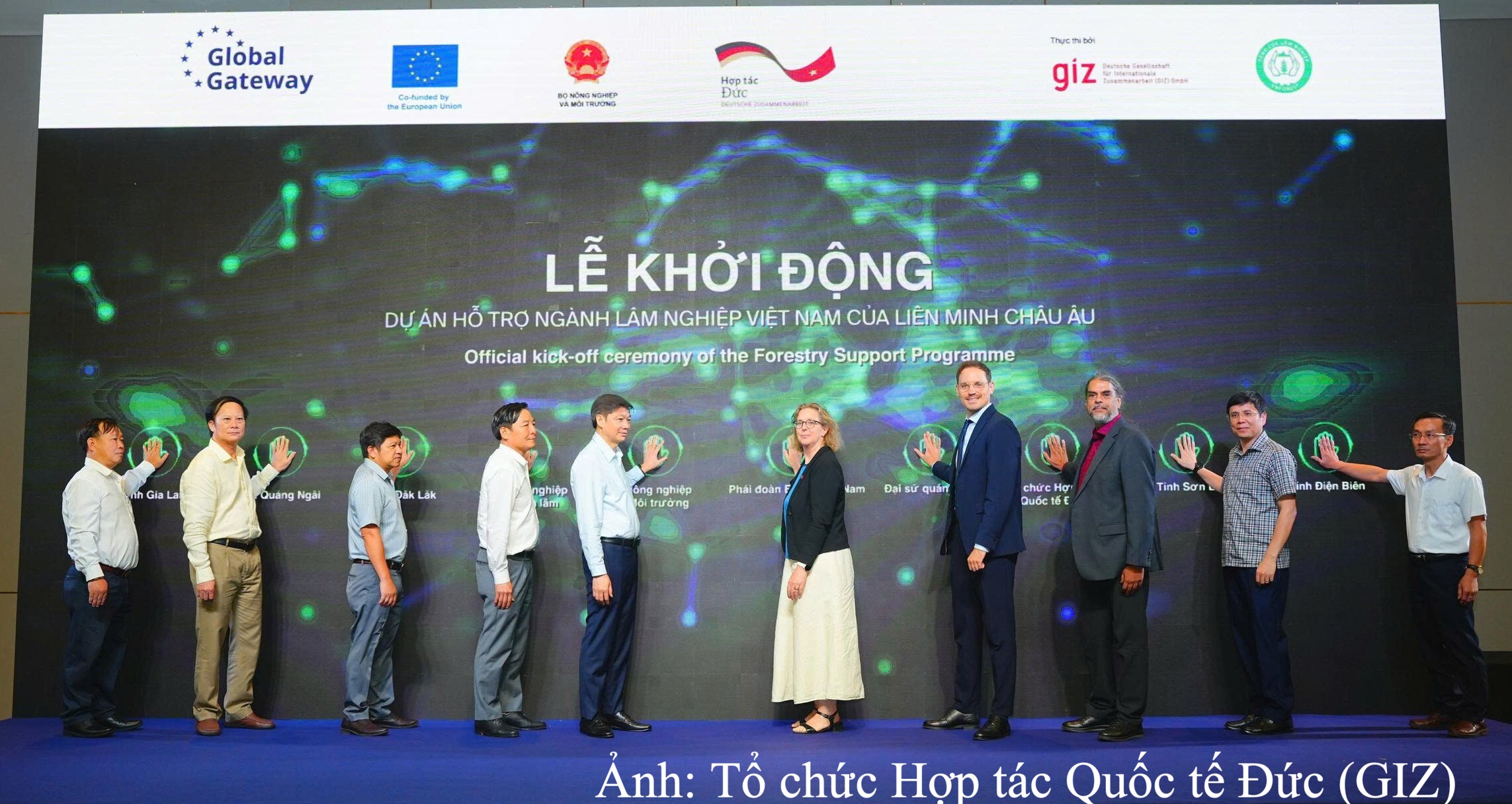
Viet Nam, the EU, and Germany have launched a forestry project to restore and sustainably manage natural forests, advancing green growth and climate resilience.
From 29 June, Vietnam’s domestic carbon market officially entered its pilot phase, marking a transition from emissions management through administrative command-and-control measures to a market-based mechanism.