The Asian Development Bank (ADB) said institutional reform, digital transformation and stronger domestic capacity are key for Vietnam to sustain growth in 2026 amid rising risks.
Positive momentum, but mounting challenges
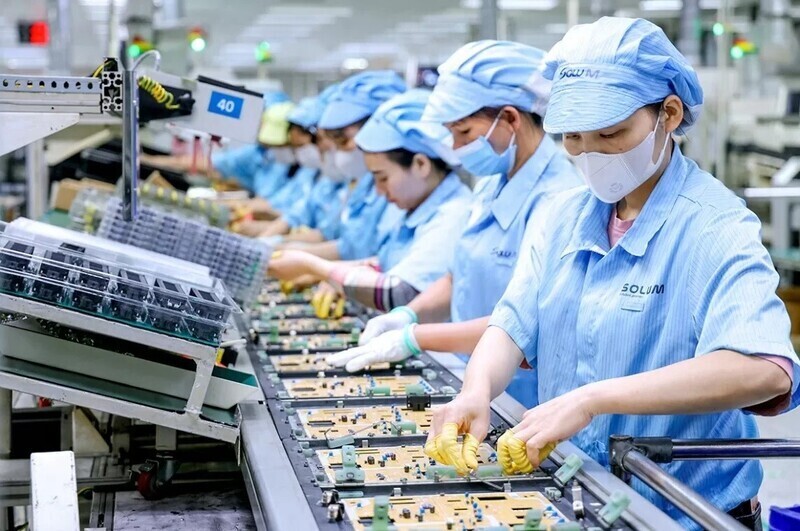
Data from the national statistics authority shows that Vietnam’s GDP grew by 7.83% year-on-year in Q1 2026. The industrial and construction sector expanded by 8.92%, while manufacturing and processing grew strongly at 9.73%, continuing to serve as the main growth engine. The industrial production index rose by 9.0% across a broad range of sectors, reflecting a relatively balanced recovery in production activity. However, macroeconomic pressures are also increasing.
According to projections by the International Monetary Fund (IMF), Vietnam’s GDP in purchasing power parity (PPP) terms could reach around USD 2,030 billion by 2026, surpassing Thailand and ranking second in Southeast Asia. However, experts note that PPP mainly reflects purchasing power and does not fully capture the quality of growth or living standards.
Citing data from the General Statistics Office under the Ministry of Finance, Vietnam’s GDP in Q1 2026 grew by 7.83% year-on-year.
At a national scientific workshop titled “Vietnam’s Economy in 2025 and Outlook for 2026,” Nguyen Ba Hung, Chief Economist of the Asian Development Bank (ADB), said that in 2025, Vietnam’s economy continued to perform positively with growth of around 8% and inflation controlled at 3.3%. Key drivers included exports, foreign direct investment, and accelerated public investment, which helped sustain growth in industry and services.
However, according to ADB’s assessment, domestic growth drivers such as consumption and private investment have yet to show a clear recovery. Although many reform policies have been issued, implementation has been slow, limiting the potential of the domestic economic sector.
Three recommendations to sustain long-term growth
Against a backdrop of mixed risks, Nguyen Ba Hung outlined several key policy directions to help Vietnam maintain stable and sustainable growth.
First, strengthening internal capacity through institutional reform and an improved business environment. This is a critical factor in enabling the private sector and consumption to become genuine domestic growth drivers, rather than relying excessively on exports and foreign direct investment.
Second, developing financial markets and diversifying capital mobilization channels. Vietnam’s financial system remains heavily dependent on bank credit, while the capital market, particularly the bond market has not developed in proportion. This limits businesses’ access to medium and long-term funding.
Third, enhancing resilience to external shocks through flexible macroeconomic policy management. Amid unpredictable global fluctuations in oil prices and inflation, policy must strike a balance between controlling inflation and supporting growth.
In addition, ADB emphasized the role of technology, particularly artificial intelligence (AI), in improving productivity and creating new growth space. As technological applications enter the stage of practical implementation, effective utilization will become a key competitive advantage.
In the long term, recommendations from AMRO also highlight the need to upgrade industry through stronger linkages between the FDI sector and domestic enterprises, improve the fiscal and monetary policy framework, and reform capital markets to enhance resource allocation efficiency.
Vietnam’s economy in 2026 is forecast to maintain positive growth momentum, although room for expansion is becoming more limited. Amid rising external risks and insufficient domestic breakthroughs, a balanced combination of institutional reform, digital transformation, and flexible macroeconomic management will determine the country’s ability to achieve high and sustainable growth in the coming years.
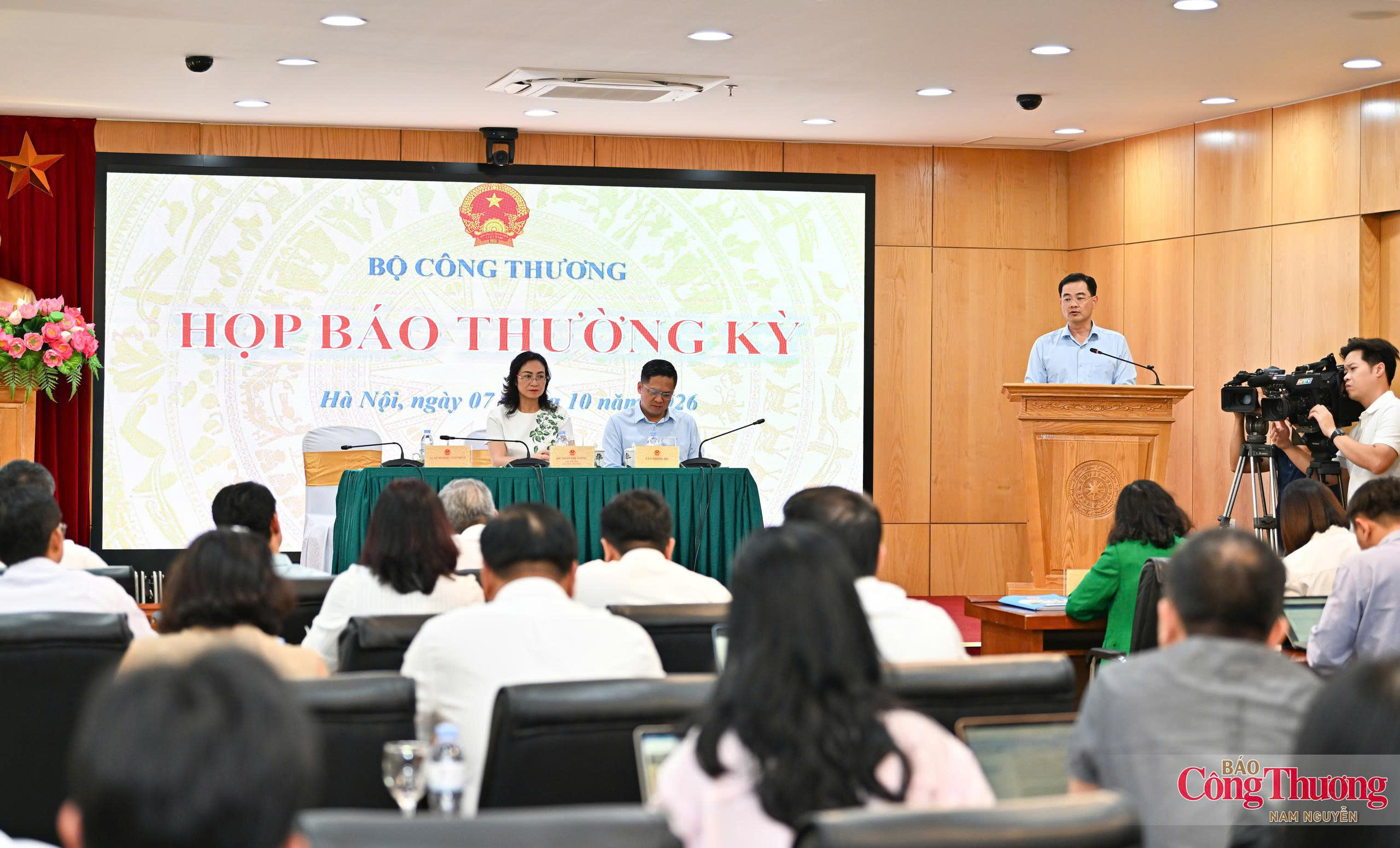
The Ministry of Industry and Trade (MoIT) held its regular press conference for the third quarter of 2026 in Ha Noi on the afternoon of October 7, chaired by Deputy Minister Phan Thi Thang.
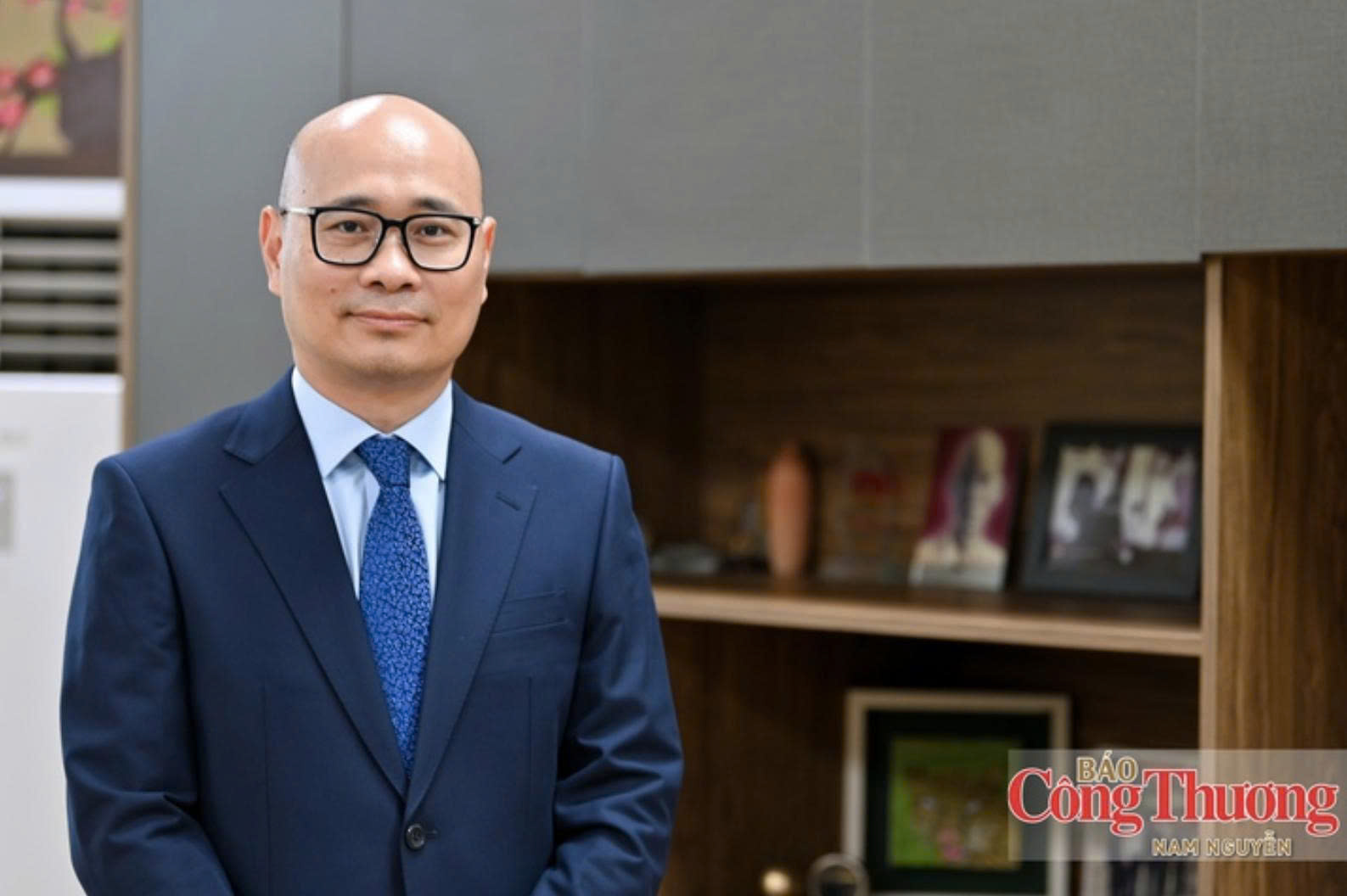
Deputy Minister of Industry and Trade Luong Hoang Thai emphasized that building the national brand is a driving force for improving Viet Nam’s competitiveness and international standing.
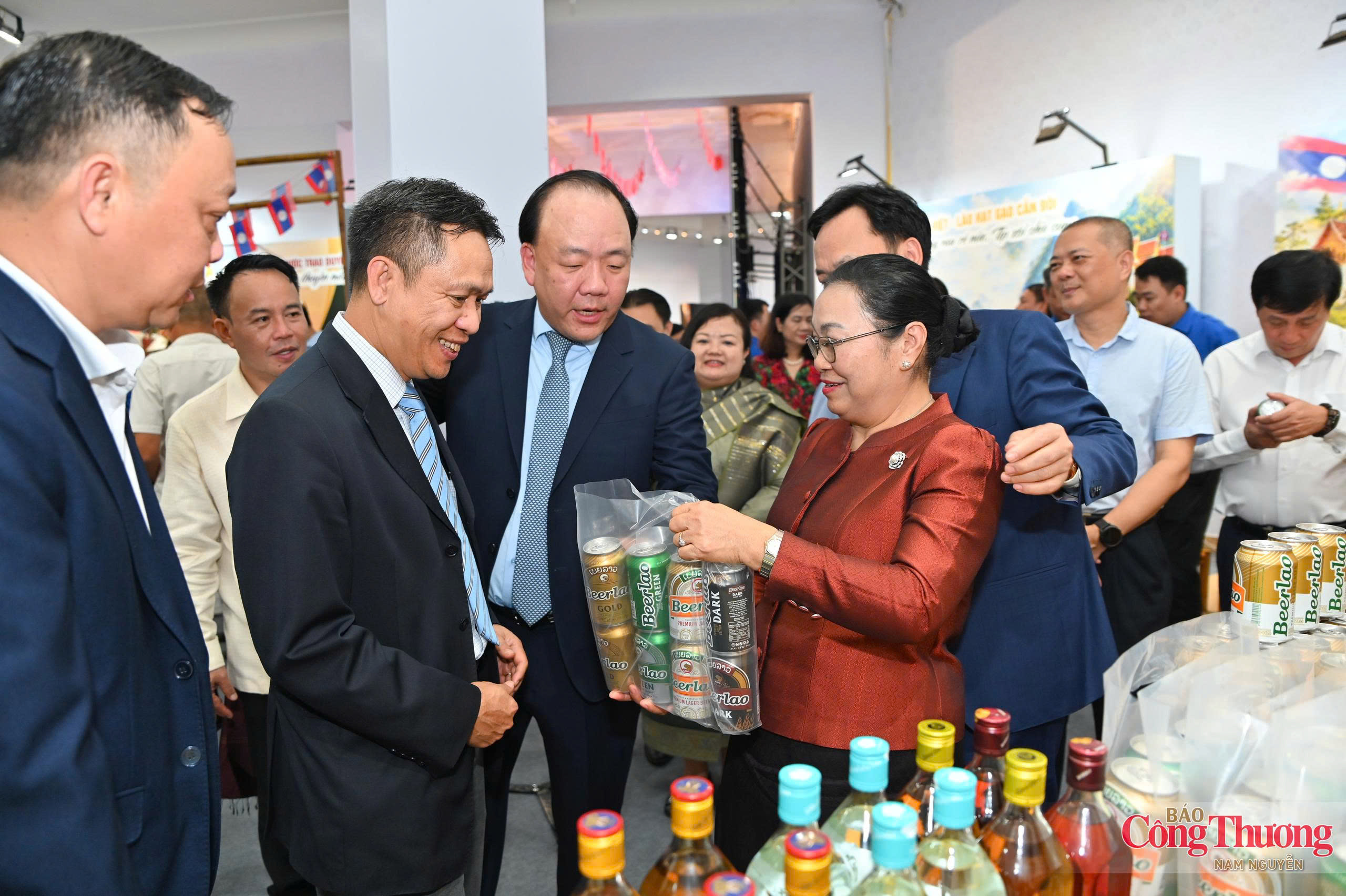
The official visit to Laos by Prime Minister Le Minh Hung is expected to inject fresh momentum into bilateral relations, with economic, trade and investment cooperation continuing to serve as a core pillar.
The Panamanian President’s visit is expected to contribute to further deepening and making the traditional friendship and cooperation between the two nations more substantive and effective.