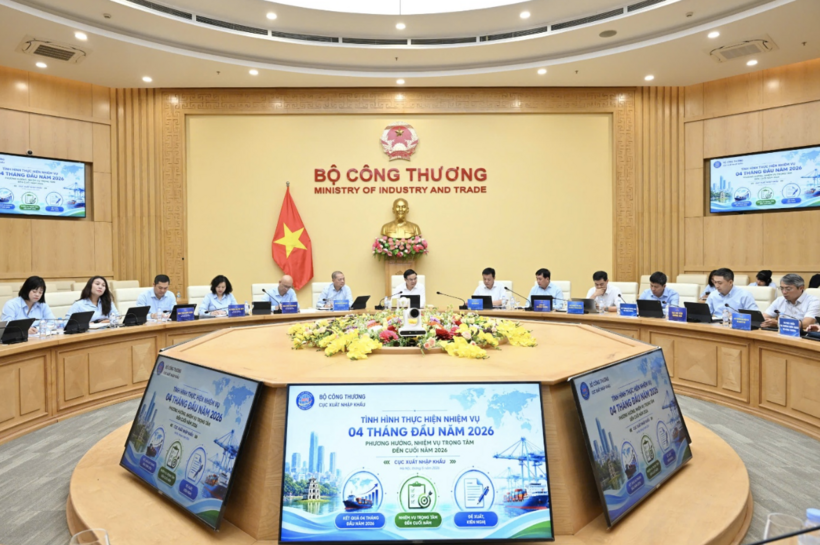
On the afternoon of May 20 in Hanoi, Minister of Industry and Trade Le Manh Hung held a working session with the Agency of Foreign Trade on the implementation of tasks in the first four months of the year and targets for 2026.
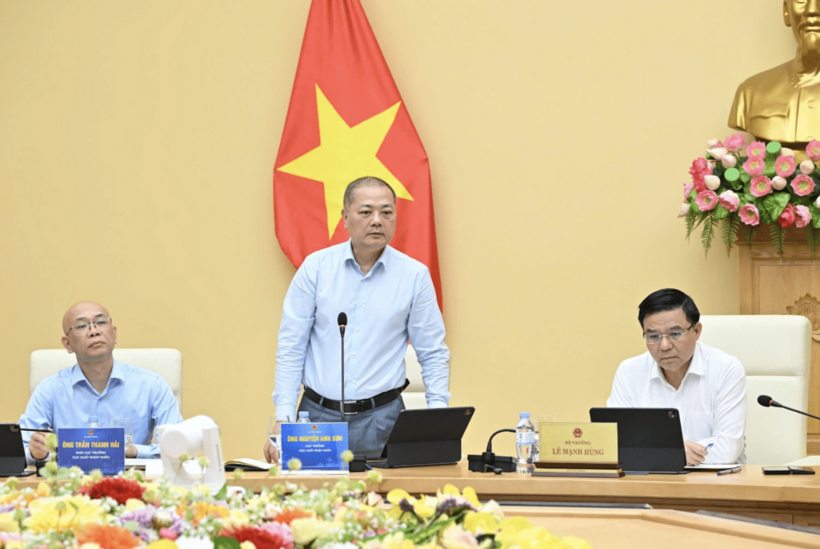
Reporting at the meeting, Nguyen Anh Son, Director General of the Agency of Foreign Trade, said total export turnover in the first four months of 2026 reached USD 169 billion, up 20% year-on-year. Among them, the processing and manufacturing sector continued to play a leading role with growth of 21.7%, while fuel and mineral exports rose 28.5%. Meanwhile, import turnover reached USD 176.7 billion, an increase of 29.4% compared to the same period last year.
Minister Le Manh Hung works with the Agency of Foreign Trade on the implementation of tasks in the first four months of the year and targets for 2026. Photo: Can Dung
According to Nguyen Anh Son, a positive point is that exports have continued to maintain strong growth momentum, surpassing the average growth target of 15-16% previously set. Growth drivers came from agricultural products, seafood and processing-manufacturing industries, while most major export markets also recorded encouraging growth.
The export structure continued to shift in a positive direction, with industrial goods accounting for 87.6% of total export turnover. Meanwhile, imports mainly consisted of raw materials, machinery and equipment serving production and consumption, accounting for around 89.7% of total import turnover.
Management and administration in the import-export sector have continued to be strengthened in a more transparent, modern and trade-facilitating direction.
During the first four months of the year, the Agency of Foreign Trade submitted seven circulars in the import-export sector for signing and promulgation by ministry leaders. At the same time, it continued drafting four decrees, one Prime Ministerial decision and eight additional circulars to further improve the legal framework for international trade activities.
The agency is also leading the development of the Import-Export Strategy to 2030, with a vision toward 2045. This is considered a major orientation aimed at restructuring import-export activities toward sustainability, enhancing added value and increasing deeper participation in global supply chains.
In the field of goods origin management, the issuance of certificates of origin (C/O) has continued to be promoted. To date, authorities and organizations authorized to issue C/O certificates have granted more than 811,000 C/O sets, while 32 out of 34 local Departments of Industry and Trade have implemented C/O issuance under the decentralization and delegation mechanism.
At the same time, the Agency of Foreign Trade has strengthened coordination with customs authorities and competent agencies of importing countries to inspect and verify the origin of goods, prevent trade fraud and support enterprises in effectively utilizing free trade agreements (FTAs).
In the logistics sector, the Ministry of Industry and Trade is implementing an action plan for the Vietnam Logistics Services Development Strategy for the 2025-2035 period, with a vision toward 2050. However, according to the Agency of Foreign Trade, Vietnam’s logistics costs currently remain at 16-18% of GDP, significantly higher than the global average of around 10-11%.
Director General of the Agency of Foreign Trade Nguyen Anh Son reports on the implementation of assigned tasks. Photo: Can Dung.
From now until the end of the year, the Agency of Foreign Trade aims to continue promoting sustainable export growth, striving to maintain average export growth of 15-16%, reasonably control imports and further enhance the utilization of new-generation FTAs.
At the meeting, delegates discussed and exchanged views on various issues related to implementing the agency’s key tasks in the coming period. They also proposed a number of specific solutions and coordination mechanisms between the agency and relevant units to improve operational efficiency.
Shaping a new governance model for the import-export sector
Concluding the meeting, Minister Le Manh Hung acknowledged and highly appreciated the efforts made by the Agency of Foreign Trade in carrying out assigned tasks, especially amid a global situation that still contains many potential difficulties.
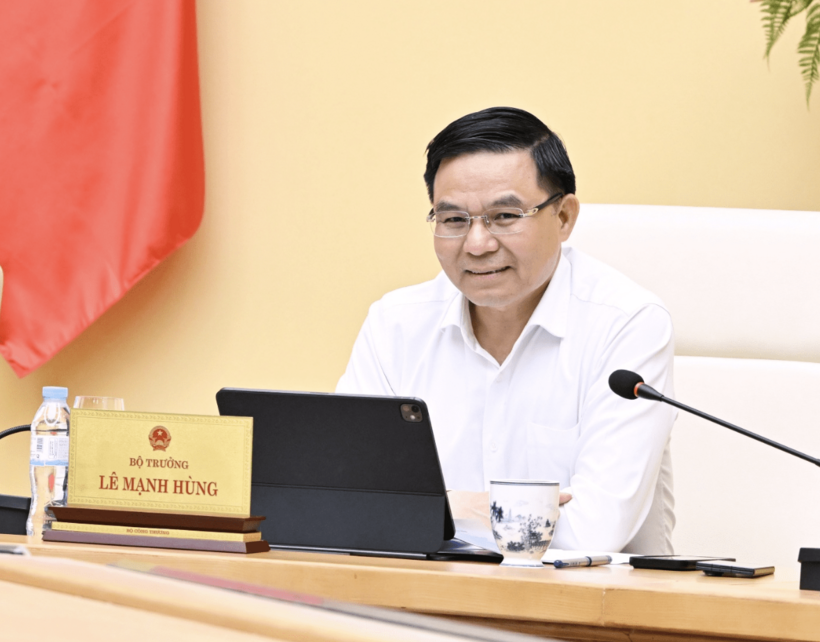
Minister of Industry and Trade Le Manh Hung delivers remarks at the working session. Photo: Can Dung.
Minister Le Manh Hung requested the agency to comprehensively review its role, functions and governance model under the new context, ensuring that foreign trade activities are managed in a synchronized and efficient manner and closely aligned with national economic development requirements.
One issue particularly emphasized by the Minister was the need to promote substantive digital transformation in the import-export sector. Accordingly, the Agency of Foreign Trade should coordinate with relevant units to develop and unify a shared data system, moving toward data-driven governance and administration.
The Minister also requested faster progress in developing the Import-Export Strategy, ensuring consistency with sectoral development strategies and the overall orientation of the Ministry of Industry and Trade. At the same time, the entire legal system, mechanisms and related policies need to be reviewed in order to promptly amend and supplement them in line with development realities.
Regarding management tasks for 2026, the Minister proposed that import-export activities should be assessed not only through statistical figures but also from a governance perspective by sector, industry and market. On that basis, flexible management solutions should be developed to expand new export markets and coordinate synchronously with production units in order to harmoniously address exports, imports and the trade balance.
Addressing the Myanmar - Viet Nam Business Forum, Deputy Prime Minister Nguyen Van Thang said the two sides should expand the space for cooperation and leverage their respective resources to support the self-reliant and resilient development of each country, contributing to the implementation of agreements reached by the senior leaders of the two countries.
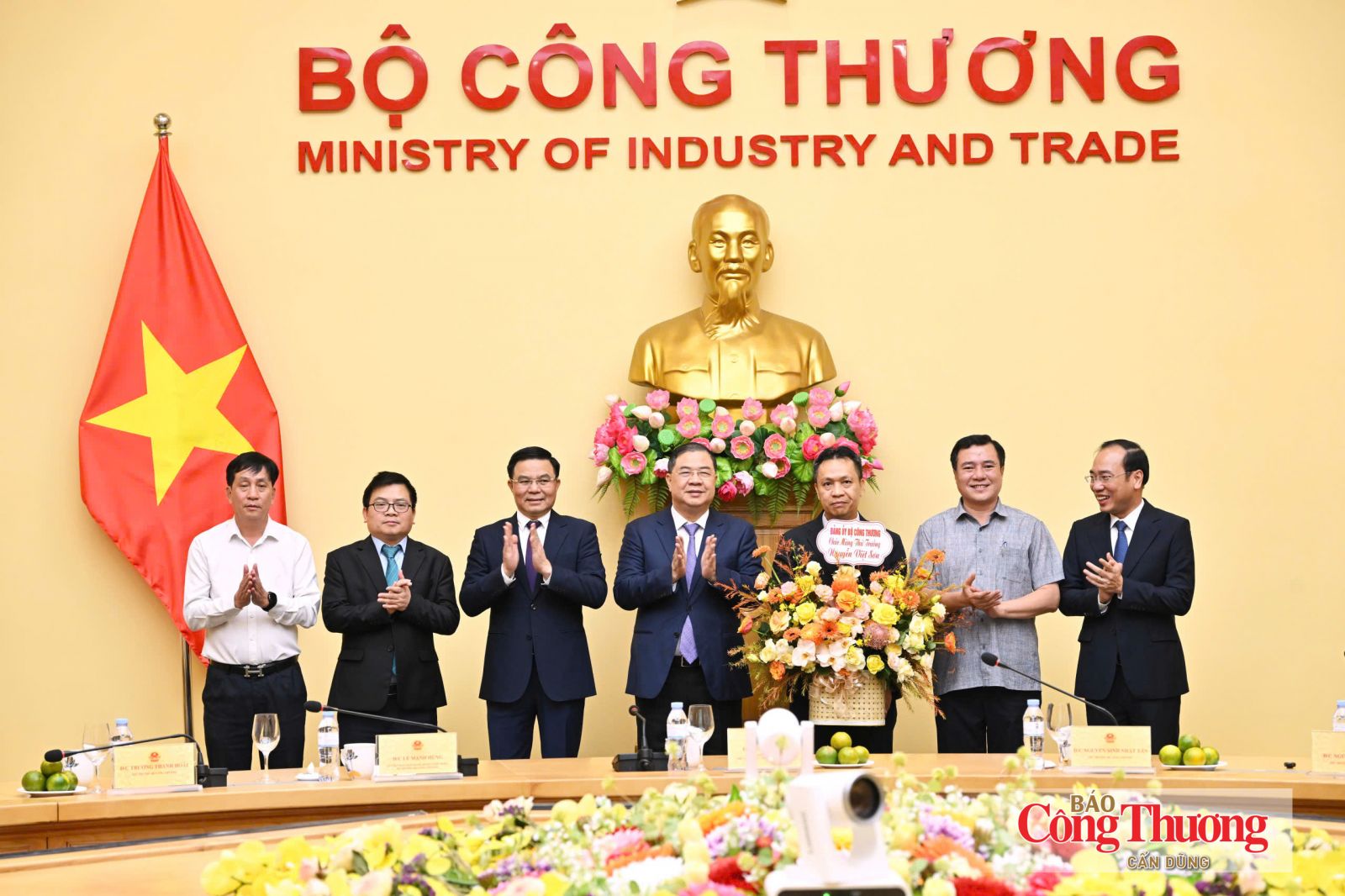
On the afternoon of September 6, at the headquarters of the Ministry of Industry and Trade (MoIT), Politburo member and Standing Deputy Prime Minister Pham Gia Tuc handed over the Prime Minister's decision appointing Nguyen Viet Son as Deputy Minister of Industry and Trade.
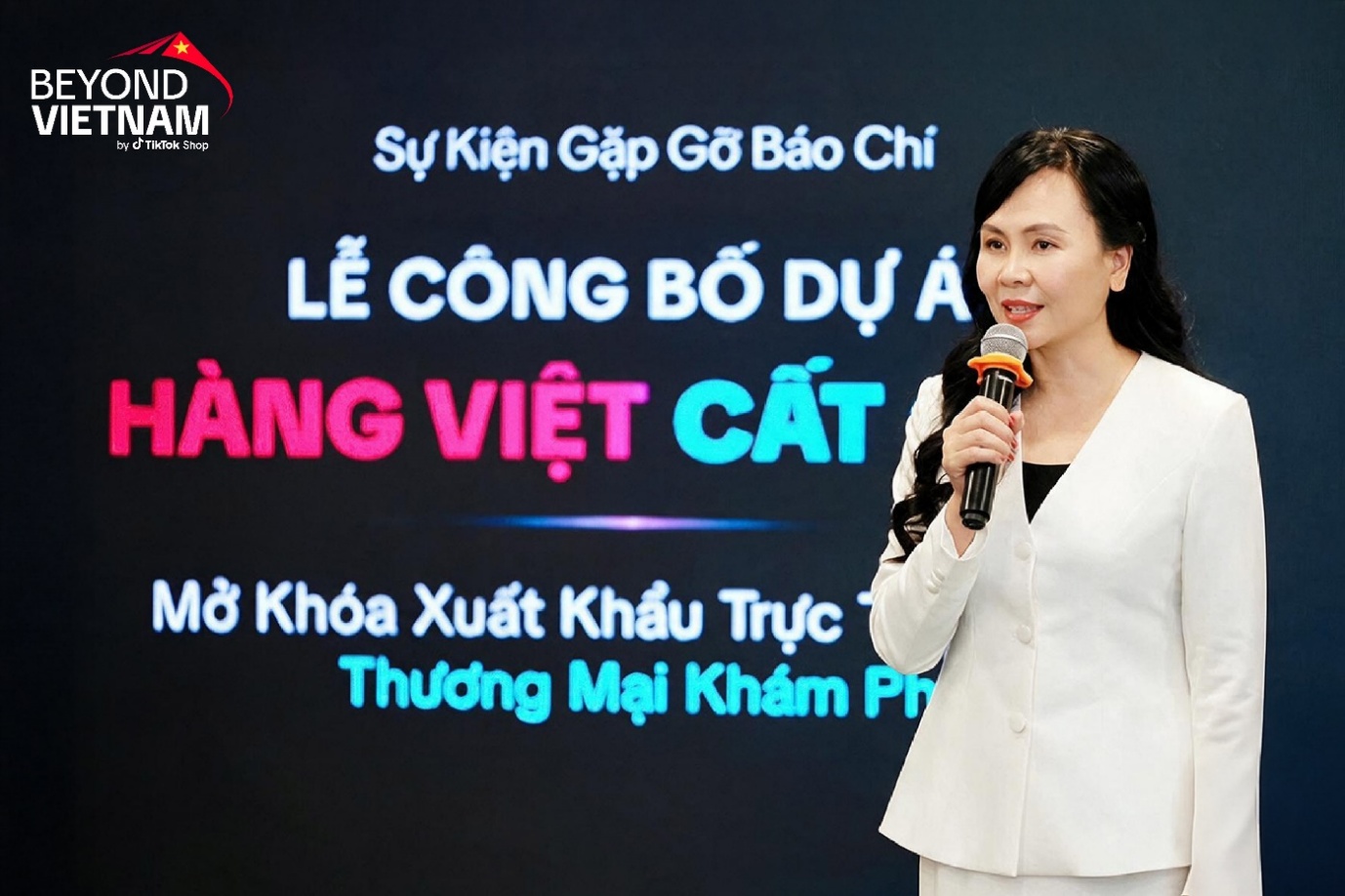
The iDEA and TikTok Shop launched the “Beyond Vietnam” initiative to help Vietnamese businesses build digital export capabilities and expand global market access.
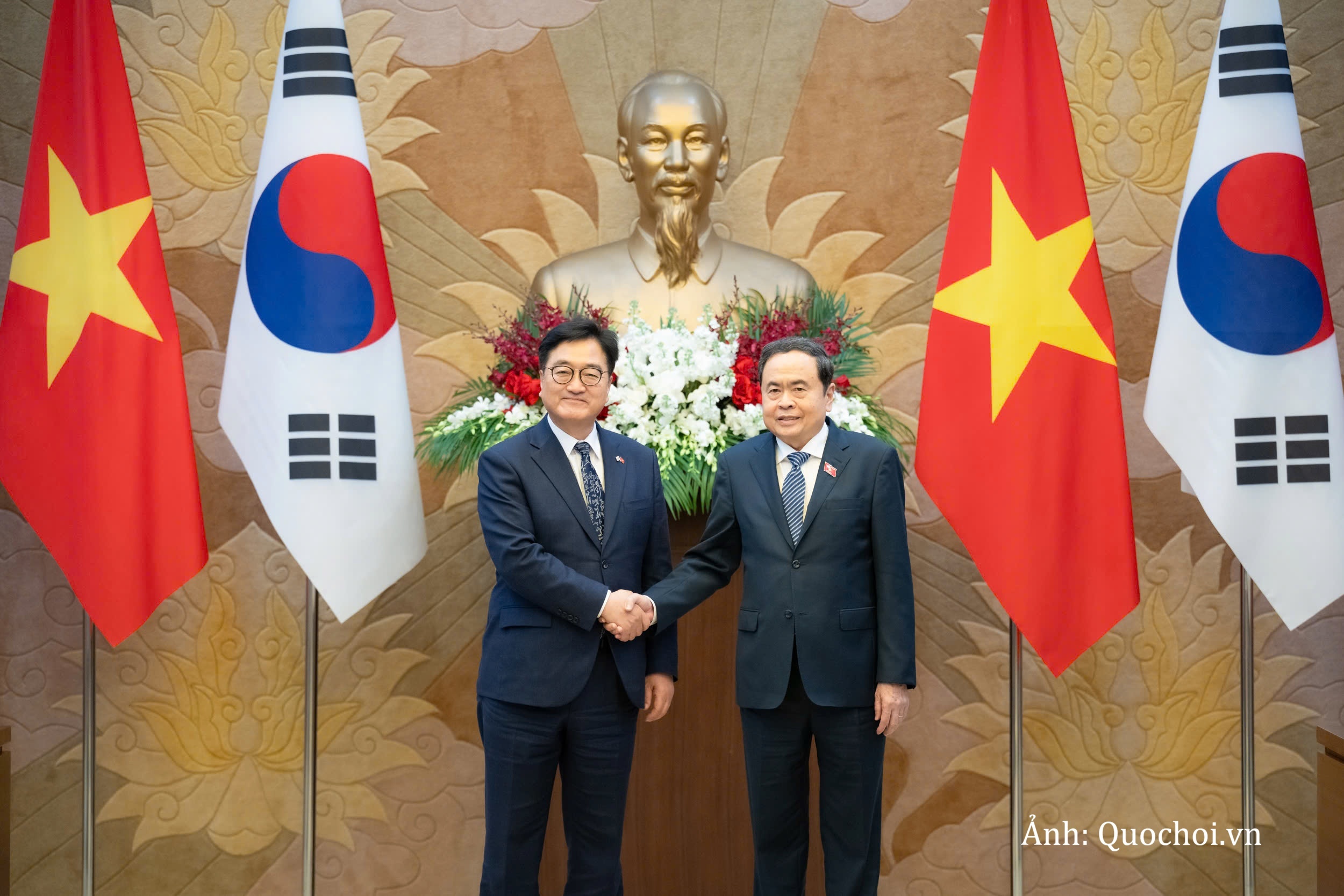
As Viet Nam and the Republic of Korea (RoK) work towards the goal of raising bilateral trade to USD 150 billion, the National Assemblies of the two countries have an important role to play in improving institutions and removing bottlenecks.
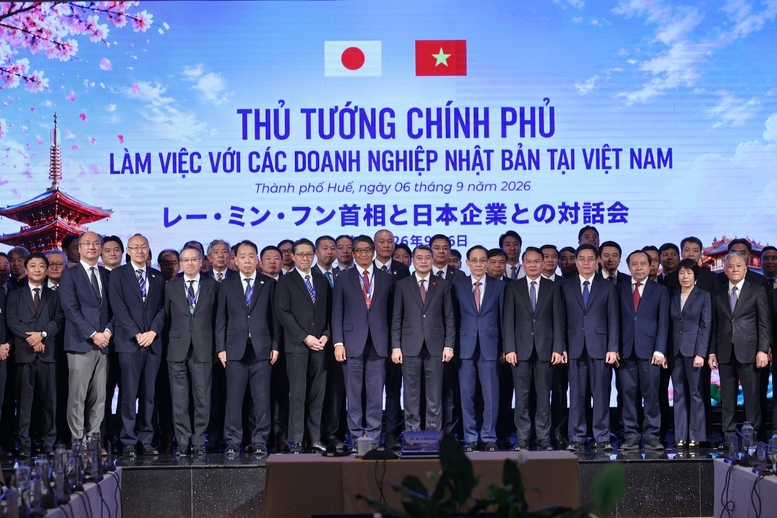
Chairing a meeting with Japanese businesses on the morning of September 6, Prime Minister Le Minh Hung called for Viet Nam - Japan investment ties to shift decisively from a relationship between “investors and investment destinations” toward a partnership for joint development and co-creation, involving joint research, innovation, production, and effective participation in and affirmation of their positions and roles in global value chains.
Addressing the Myanmar - Viet Nam Business Forum, Deputy Prime Minister Nguyen Van Thang said the two sides should expand the space for cooperation and leverage their respective resources to support the self-reliant and resilient development of each country, contributing to the implementation of agreements reached by the senior leaders of the two countries.
On the afternoon of September 6, at the headquarters of the Ministry of Industry and Trade (MoIT), Politburo member and Standing Deputy Prime Minister Pham Gia Tuc handed over the Prime Minister's decision appointing Nguyen Viet Son as Deputy Minister of Industry and Trade.
As Viet Nam and the Republic of Korea (RoK) work towards the goal of raising bilateral trade to USD 150 billion, the National Assemblies of the two countries have an important role to play in improving institutions and removing bottlenecks.
Chairing a meeting with Japanese businesses on the morning of September 6, Prime Minister Le Minh Hung called for Viet Nam - Japan investment ties to shift decisively from a relationship between “investors and investment destinations” toward a partnership for joint development and co-creation, involving joint research, innovation, production, and effective participation in and affirmation of their positions and roles in global value chains.
The Ministry of Industry and Trade Party Committee joined a nationwide conference to study and implement key resolutions and directives issued by the Politburo.