As competition for foreign direct investment (FDI) increasingly becomes tied to green standards, clean energy is emerging as a new benchmark for the attractiveness of an investment environment.
In an interview with the Newspaper of Industry and Trade, Vo Tri Thanh, President of the Institute for Brand and Competitiveness Strategy Research, analyzed the requirements for Vietnam to transform its green energy potential into a competitive advantage in attracting high-quality FDI.
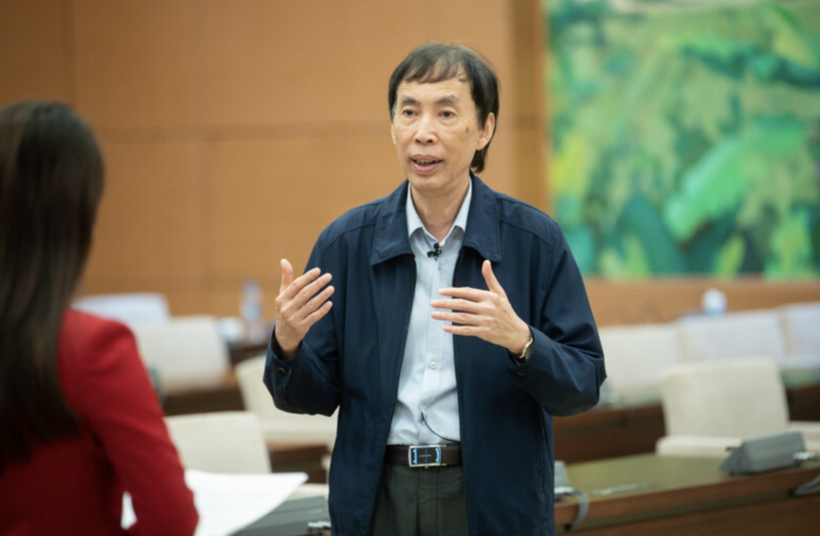
Dr. Vo Tri Thanh, President of the Institute for Brand and Competitiveness Strategy Research
A competitive advantage in FDI Attraction
- In the context of increasingly fierce competition for FDI linked to green standards, how is clean energy reshaping the competitive advantages of Vietnam’s investment environment?
Dr. Vo Tri Thanh: Green energy should be viewed within the broader picture of development competition. Previously, when discussing the attractiveness of an investment environment, people often referred to political stability, labor costs, tax incentives, geo-economic location, and market access. These factors remain important, but in the new landscape, they are no longer sufficient.
Today’s investors are assessing investment environments through a broader lens. Beyond production costs, land availability, and administrative procedures, they are paying particular attention to the stability of electricity supply, the share of clean energy, the ability to measure emissions throughout production chains, compliance with ESG standards, and opportunities for products manufactured in Vietnam to access markets with increasingly stringent green requirements. This represents a very clear shift in investment destination criteria, meaning green energy is evolving from an additional advantage into a competitive requirement, a true “selling point.”
Multinational corporations, especially in electronics, semiconductors, high technology, textiles, footwear, logistics, and supporting industries, are making demands for clean electricity increasingly explicit. A country with a reliable green energy supply, transparent mechanisms, and capable infrastructure gains a significant advantage in the eyes of investors.
Particularly after the issuance of Resolution No. 70-NQ/TW on ensuring national energy security through 2030 with a vision to 2045, foreign capital flows have clearly shifted toward high technology, green energy, and smart infrastructure, key pillars of a sustainable growth model.
Vietnam possesses enormous potential, including wind energy, solar energy, hydropower, and room for developing new energy models. Potential does not automatically become an advantage. Advantages only emerge when investors see stable supply capabilities, consistent policies, reasonable pricing mechanisms, and transmission systems with sufficient capacity. In other words, green resources must be transformed into green capabilities.
Moving beyond low-cost advantages toward green advantages
- In your view, what pressure are clean electricity requirements, ESG standards, and green supply chains placing on Vietnam in attracting international investment?
Dr. Vo Tri Thanh: This pressure should be viewed calmly. Certainly, there is pressure, indeed, very significant pressure, but in development, pressure can sometimes become the strongest driver of reform. If utilized effectively, it can become a catalyst for Vietnam to upgrade its growth model.
Green transition is no longer merely a matter of international commitments; it is now embedded in contracts, purchase orders, supply chains, and investment decisions. Consumers in developed markets are increasingly concerned about how products are manufactured; multinational corporations must report emissions, fulfill ESG commitments, monitor suppliers, and reduce carbon footprints throughout value chains. Therefore, investment destinations that better satisfy green requirements will enjoy clearer advantages.
Clearly, clean electricity lies at the center of this equation. Businesses may improve technologies, save energy, and manage emissions more effectively, but if input electricity still depends heavily on high-emission sources, their ability to meet green standards will remain limited. For international investors, the question is no longer merely, “Does Vietnam have sufficient electricity?” but rather, “Does Vietnam have sufficient clean, stable, competitive, and traceable electricity?”
ESG pressure is also forcing domestic enterprises to change. Previously, many businesses viewed green transformation as a cost; now they must think differently. Green standards are becoming a condition for survival in new markets. If businesses fail to meet green requirements, they may lose orders, lose opportunities to join supply chains, and lose access to capital. Conversely, those that perform well can access more demanding markets, deepen cooperation with major corporations, and enhance brand value.
For Vietnam, the challenge is very clear: institutions must be upgraded, energy markets developed, power grids expanded, renewable energy certification mechanisms established, green finance promoted, and businesses supported in transition efforts.
At the same time, it must be frankly acknowledged that this is also an opportunity for Vietnam to move beyond a development model based excessively on low costs. If competition continues to rely primarily on cheap land, low labor costs, and tax incentives, Vietnam will struggle to advance further. The new game requires higher-level capabilities: green energy, technology, governance, human resources, standards, and supply chain linkages. Pressure from clean electricity and ESG should not be regarded as a barrier, but rather as a development filter. That filter compels the country to select better-quality capital flows, stronger enterprises, and more sustainable growth models.
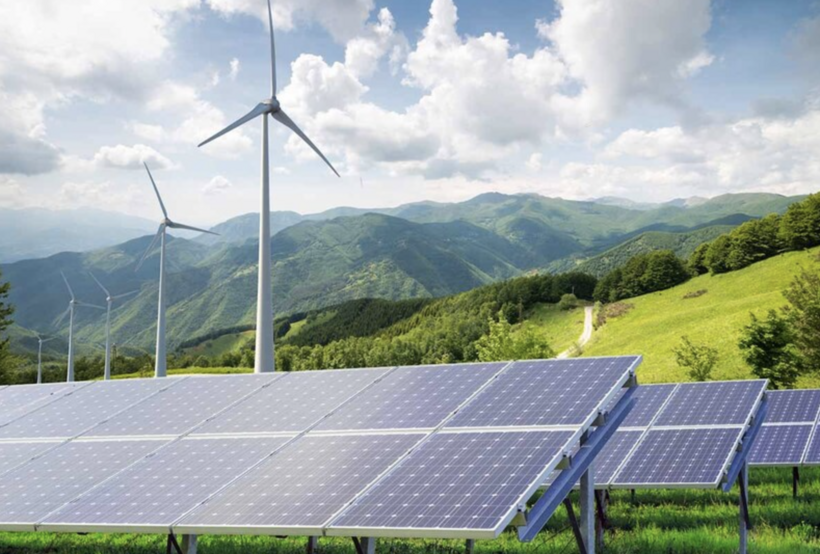
Green energy is becoming an important lever for enhancing competitiveness and attracting new investment flows. Illustrative photo.
Green energy determines a new position
- What should Vietnam do to turn energy transition into a driver for attracting high-quality FDI, enhancing national competitiveness, and participating more deeply in global value chains?
Dr. Vo Tri Thanh: Energy transition must be placed within the overall national development strategy. If it is viewed solely as an issue for the power sector, the perspective will be too narrow. Energy transition relates to industry, trade, investment, finance, science and technology, urban development, transportation, and even national branding.
First, next-generation FDI must be associated with new values. Vietnam must clearly define what types of investment it seeks to attract. It is no longer sufficient to simply pursue larger volumes of capital. The real issue is what technologies that capital brings, what management skills it transfers, how it connects with domestic enterprises, how it contributes to innovation, and whether it aligns with sustainable development goals.
Second, the energy foundation must be upgraded. High-quality investors require stable electricity, competitive prices, an increasing share of clean energy, and the ability to verify green electricity sources. This requires the development of renewable energy, investment in transmission grids, promotion of energy storage, completion of a competitive electricity market, and more transparent direct power purchase mechanisms. Without resolving the energy issue, it will be difficult to speak of green industry and green supply chains.
Third, green finance must be developed. Energy transition requires enormous resources, and the state budget alone cannot shoulder the burden. Vietnam needs to mobilize private capital, international capital, green credit, green bonds, and new financial instruments. However, such capital will only come when there are quality projects, clear legal frameworks, and reliable risk-control mechanisms.
Fourth, domestic enterprises must be upgraded. If green FDI flows into Vietnam but local businesses cannot participate in supply chains, the retained value will remain limited. Therefore, energy transition must go hand in hand with the development of supporting industries, technological innovation, workforce training, and improved governance standards. This is how Vietnam can become a higher-value link in global supply chains.
Finally, there is the issue of national branding. A greener country with stronger implementation capacity and a more reliable investment environment will possess a stronger national brand. In the new era, national branding is built upon many foundations: institutional quality, infrastructure quality, business capability, and growth quality.
Thank you very much!
FDI inflows continue to affirm their role as a leading growth driver of the Vietnamese economy. Despite complex fluctuations in the global economy, Vietnam has maintained strong appeal among international investors. In 2025, total registered FDI in Vietnam reached USD 38.42 billion, up 0.5% year-on-year. In the first four months of 2026, registered FDI totaled USD 18.24 billion, up 32% compared to the same period last year, while disbursed capital reached USD 7.4 billion, the highest level recorded in the past five years.
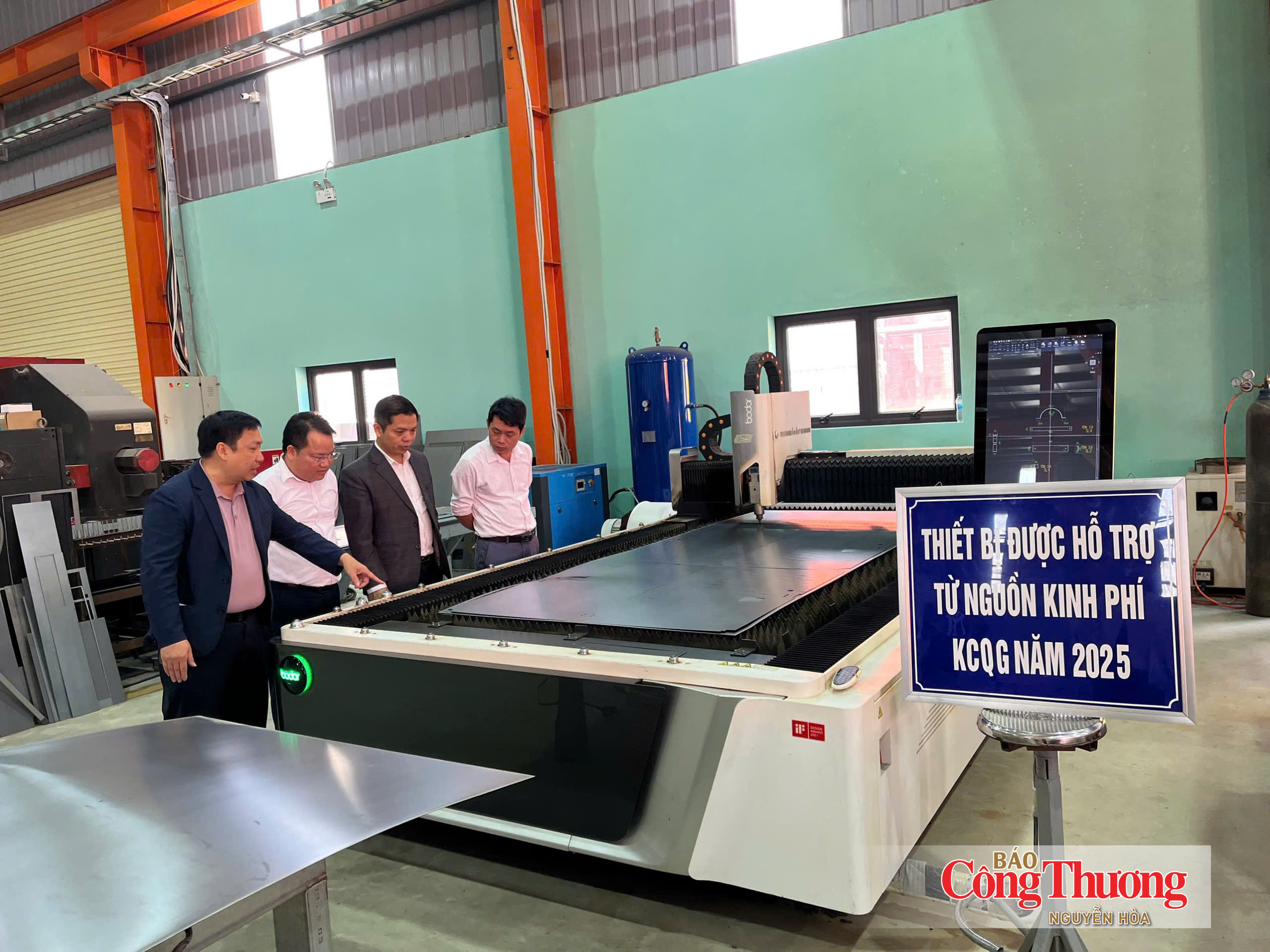
Technology innovation, resource and energy efficiency, and emissions reduction are becoming key priorities in many local industrial extension programs. From machinery support to the development of cleaner production models, industrial extension policies are helping bring sustainable production and consumption goals closer to rural industrial establishments.
The Grand Ho Tram has been named “Best Integrated Resort” at the 35th TTG Travel Awards 2026, marking its second consecutive win at the Asia-Pacific travel and hospitality awards.
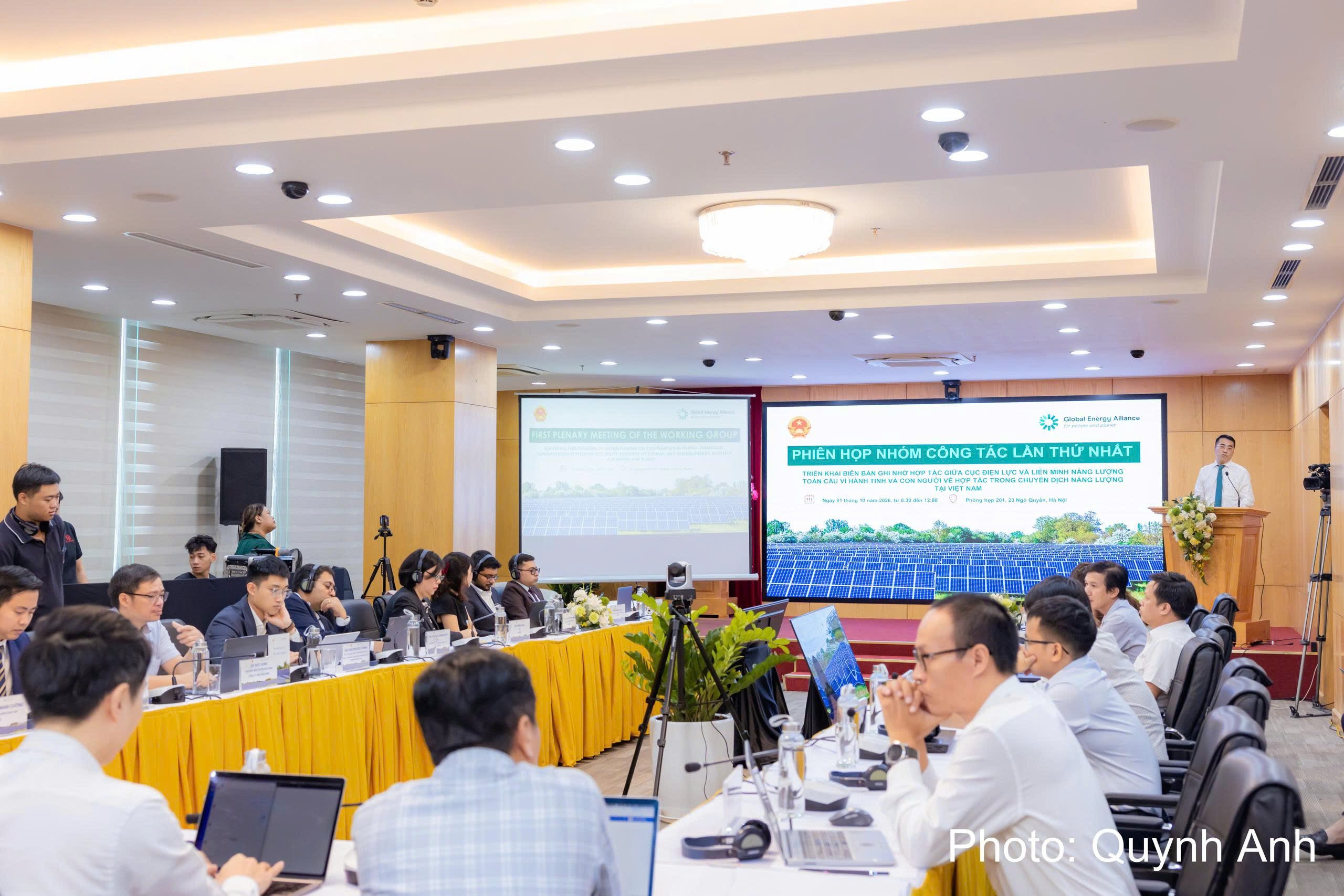
New cooperation initiatives on grid digitalization, battery energy storage systems (BESS), technical capacity building and applications at power utilities are helping lay the groundwork for modernizing Viet Nam’s power system while strengthening knowledge sharing across Southeast Asia.
Northern localities are strengthening links in supporting industries, energy and logistics to build competitive value chains and create new growth drivers.
As Vietnam attracts growing manufacturing investment, companies are placing greater emphasis on operational readiness to ensure new factories can begin production efficiently.