A national brand is a soft asset linking enterprises and the nation, strengthening competitiveness and elevating Vietnam’s global value.
From corporate brands to “national credibility”
In the context of deepening integration, where competition no longer revolves solely around price or quality but has expanded to encompass trust, image, and national credibility, the concept of a national brand is increasingly becoming central to economic development.
From the perspective of Nguyen Minh Phong, a PhD in economics, a national brand is not an abstract notion but the crystallization of thousands of corporate brands, products, and cultural - economic values accumulated over time.
According to Nguyen Minh Phong, in modern economic life, national brands and corporate brands exist in a tightly interlinked, mutually reinforcing relationship. Corporate brands not only reflect production capacity and product quality but also contribute to shaping a country’s image in international markets. Conversely, a strong national brand provides a “platform” that enables businesses to expand globally, enhancing both their credibility and the value of their products.
Nguyen Minh Phong, PhD in economics. Photo: Ai Van
In practice, many of Vietnam’s signature products, such as Buon Ma Thuot coffee, Phu Quoc fish sauce, Ha Dong silk, as well as rice, seafood, and tropical fruits are not merely commodities but have become symbols associated with the national image. These products carry within them the “story of Vietnam,” encompassing natural conditions, cultural identity, and levels of production and creativity.
However, it is important to note that a national brand is not simply the mechanical sum of corporate brands. It represents a system of overarching values that reflect the quality, credibility, and identity of the entire economy. When a business commits violations, engages in fraud, or delivers substandard products, the negative impact extends beyond that individual enterprise and can spread to affect the overall image of Vietnamese goods.
In an era of globalization, “made in” or “made by” is no longer just an indication of origin; it is a commitment to quality and credibility. Consumers are increasingly inclined to choose products based on their trust in the producing country. This explains why products under the same brand but manufactured in different countries can carry varying levels of trust in the marketplace.
One of the key points emphasized by Nguyen Minh Phong is that the national brand is a national asset, a shared asset of society and therefore must be built and protected with a strategic vision, rather than relying solely on the isolated efforts of individual enterprises.
Accordingly, the State should play an enabling role through a unified system of standards and technical regulations, providing a foundation for enterprises to build their brands. Selecting and supporting outstanding enterprises and products with international competitiveness to develop into “national representatives” is a necessary direction.
At the same time, mechanisms for brand protection need to be strengthened, particularly in the context of persistent challenges posed by counterfeit goods, imitations, and trade fraud. Acts that damage the credibility of Vietnamese products must be dealt with strictly, as this is not only an economic issue but also one that affects the national image.
From a business perspective, brand building cannot be treated as a short-term endeavor. Enterprises must clearly define their competitive advantages, invest systematically in quality, innovation, and the development of a distinct identity. More importantly, each enterprise must recognize its responsibility in contributing to the national brand, as it represents a crucial link within the broader value chain.
Notably, current branding trends are shifting from raw products to those with higher added value, associated with technology, knowledge, and emotional engagement. This is also the inevitable pathway for elevating Vietnamese brands on the global stage.
Building a brand ecosystem: a long-term strategic imperative
To ensure that the national brand truly becomes a “lever” for development, Nguyen Minh Phong stresses the need for close coordination among three pillars: the State, enterprises, and industry associations. Among these, associations play a connecting role, supporting businesses in market orientation, product strategy development, and the resolution of trade disputes.
International experience shows that countries with strong national brands all possess synchronized support ecosystems, ranging from policy frameworks and communications to intellectual property protection. This offers an important lesson for Vietnam in its efforts to elevate its national brand.
Particularly in the digital era, the role of communication and culture has become increasingly critical. A strong national brand is built not only through products but also through narratives, values, and the ways in which a country engages with the world.
More broadly, a national brand is not merely a tool for trade promotion but also a foundation for ensuring economic security and sustainable development. When the national brand is strengthened, Vietnamese goods will gain a higher standing, improved market access, and greater resilience in the face of global fluctuations.
In an increasingly competitive environment, the national brand serves as a “soft shield” with substantial power, helping to protect and elevate the value of Vietnamese products.
Nguyen Minh Phong believes that making Vietnamese brands shine in international markets is not only a goal but also a method of national development. It is a long-term journey that requires persistence, coordination, and strategic vision.
Ultimately, the national brand is a story of trust, an intangible asset that determines a country’s position on the global economic map.
In this context, the Vietnam National Brand Program (Vietnam Value) continues to affirm its role as a strategic instrument in enhancing the position of Vietnamese goods in international markets. Approved by the Government in 2003 and led by the Ministry of Industry and Trade, the program goes beyond product recognition, aiming to build a national brand ecosystem based on three core pillars: quality, innovation, and pioneering capability.
The year 2026 marks the program’s 10th evaluation cycle, a milestone of particular significance as it enters a new phase of development with higher requirements for standards, transparency, and global competitiveness among participating enterprises. The growing number of businesses registering for participation reflects a clear shift in awareness from “making good products” to “building strong brands.”
As such, the 10th evaluation cycle is not merely an exercise in recognition but also a process of screening and selecting exemplary enterprises capable of representing the national image. In doing so, it contributes to the formation of a group of “leading enterprises” that drive the dissemination of new standards of quality, responsibility, and credibility in the market.
At a broader level, according to Nguyen Minh Phong, the program is gradually transitioning from “brand building” to “national brand governance,” where the State, businesses, and society collectively participate, share responsibility, and benefit from the value of “Vietnamese credibility” on the global economic map.
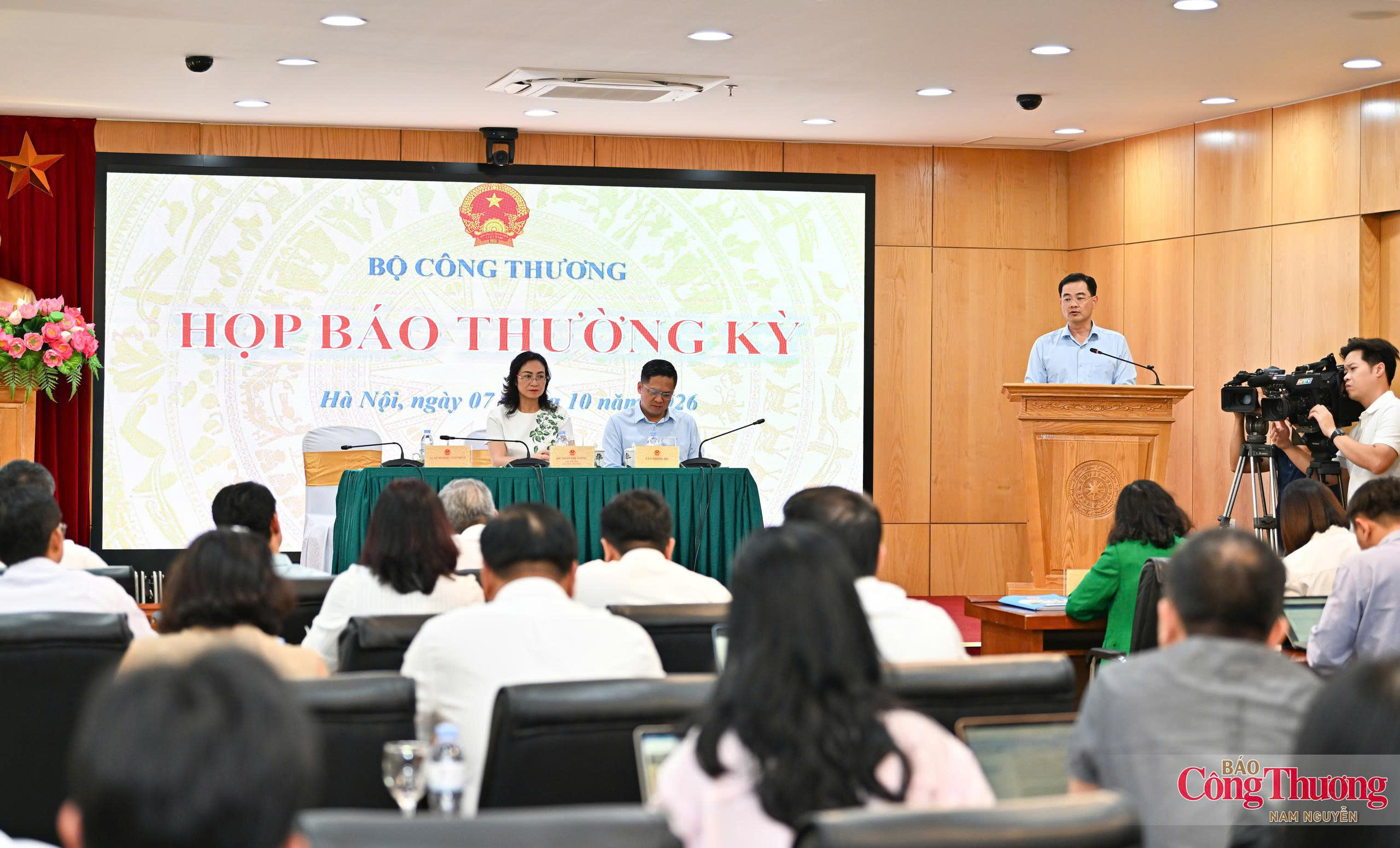
The Ministry of Industry and Trade (MoIT) held its regular press conference for the third quarter of 2026 in Ha Noi on the afternoon of October 7, chaired by Deputy Minister Phan Thi Thang.
Deputy Minister of Industry and Trade Luong Hoang Thai emphasized that building the national brand is a driving force for improving Viet Nam’s competitiveness and international standing.
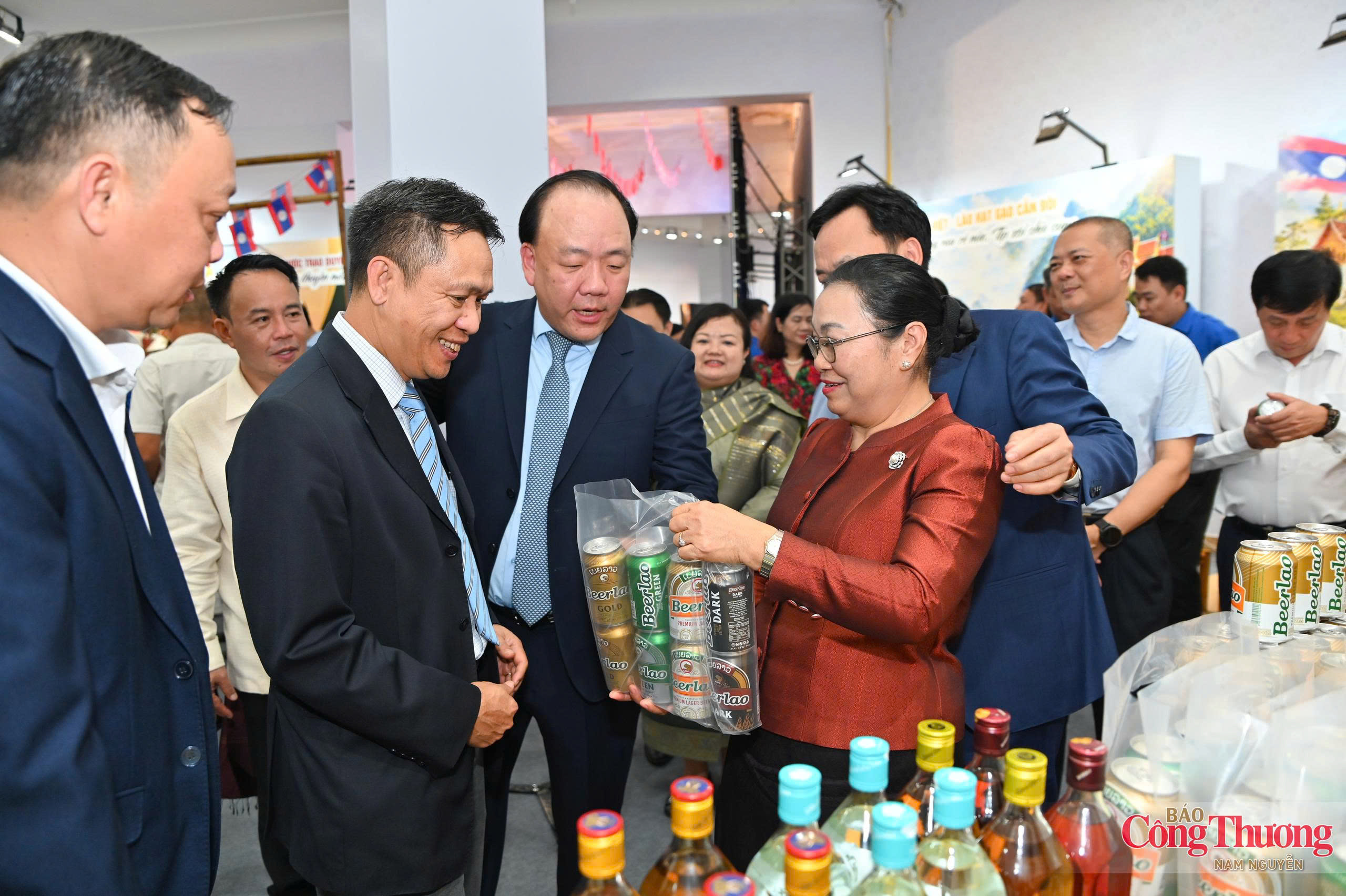
The official visit to Laos by Prime Minister Le Minh Hung is expected to inject fresh momentum into bilateral relations, with economic, trade and investment cooperation continuing to serve as a core pillar.
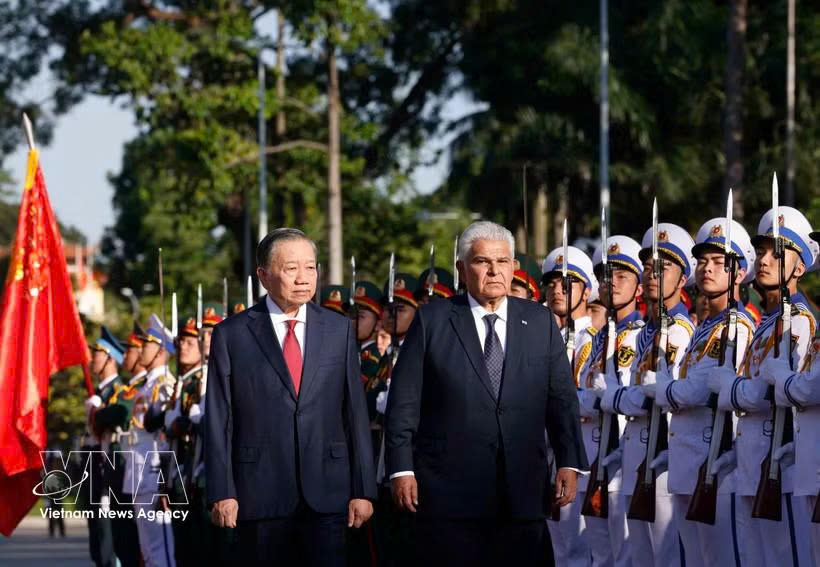
The Panamanian President’s visit is expected to contribute to further deepening and making the traditional friendship and cooperation between the two nations more substantive and effective.