The draft Law on Key Industries is expected to create an institutional breakthrough, remove bottlenecks for domestic production, and promote the autonomous and modern development of Vietnam’s industrial sector.
The Law on Key Industries is being developed to institutionalize the Party’s major policies on accelerating national industrialization and modernization toward 2030, with a vision to 2045, in line with the spirit of the 13th National Party Congress Resolution, Resolution No. 29-NQ/TW of the 13th Party Central Committee, and Resolution No. 23-NQ/TW of the Politburo on orientations for national industrial development policies.
This is not only a requirement for completing the legal framework, but also a necessary step toward establishing a sufficiently strong and synchronized legal foundation to prioritize all resources for the development of key industries, sectors regarded as the “backbone” of the economy.
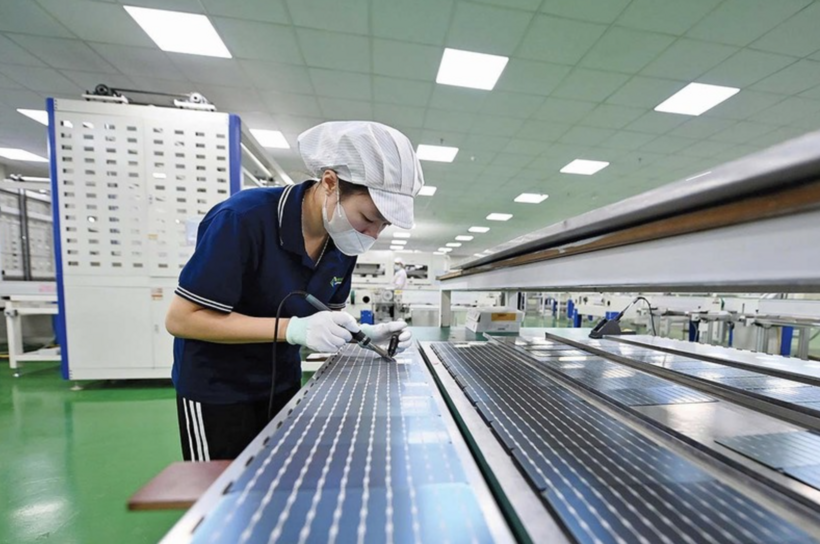
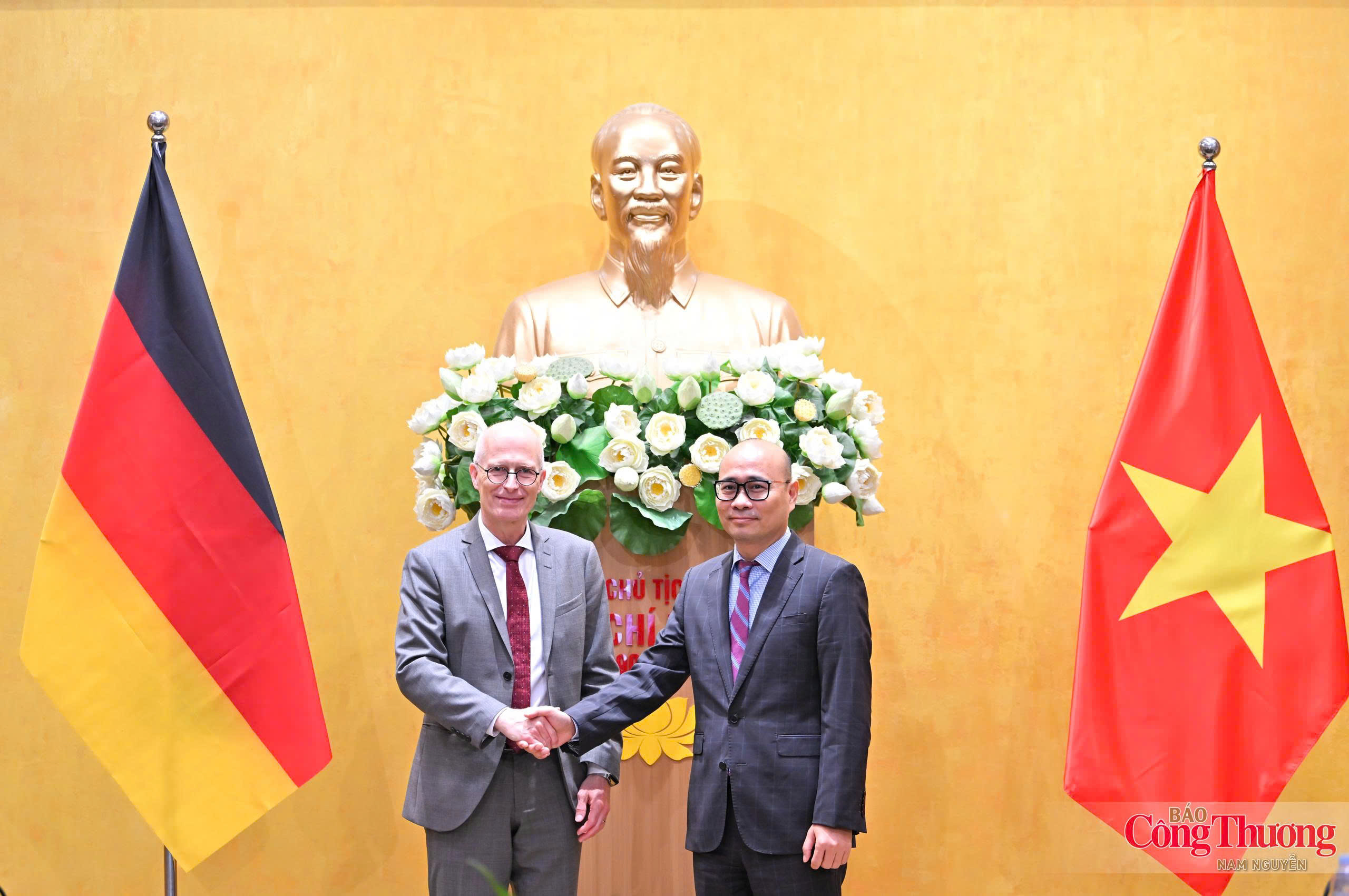
The draft law on key industries is expected to create an institutional breakthrough and remove bottlenecks for domestic production. Photo: CD
Support for key industries
According to the Vietnam Industry Agency under the Ministry of Industry and Trade, the draft Law on Key Industries codifies incentive and support policies for key industries. Incentives and support are designed to develop markets through regulations on self-reliance in the production and supply of key industrial products and services; ordering and bidding mechanisms for key industrial products and services; and incentives and support for projects involving the production, processing and utilization of important resources.
Particular focus is placed on strategic mineral processing projects and green fuel projects supplying new energy power generation, as well as promoting exports of key industrial products.
At a meeting of the drafting and editorial teams for the Law on Key Industries held on May 19, Phan Le Hoang Linh, Head of the Manufacturing Industry Division under Vietnam Industry Agency, said the law would also provide credit incentives and financial support for organizations, enterprises and individuals operating in key industries through financial institutions and funds such as the National Foundation for Science and Technology Development, the National Technology Innovation Fund, science and technology and innovation funds under ministries, ministerial-level agencies, government agencies and other central agencies, provincial People’s Committees, the National Venture Capital Fund, local venture capital funds, and the Investment Support Fund in accordance with investment laws.
The policy solutions on credit support in the draft law are also aligned with the Politburo’s orientations on promoting and diversifying capital sources for the private sector under Resolution No. 68-NQ/TW dated May 4, 2025 on private sector development.
These include policies such as: “allocating part of commercial credit sources on a priority basis for private enterprises, especially small- and medium-sized enterprises, ancillary industries, and innovative start-ups to invest in machinery, equipment, new technologies, green transition, digital transformation, export credit and supply chain financing”; “promoting green credit development; the State shall introduce interest rate support mechanisms and encourage credit institutions to lower lending rates for private enterprises implementing green and circular projects and applying environmental, social and governance (ESG) standards;” and “facilitating equity investment activities by investment funds in enterprises”...
Resolution No. 68 also sets out the orientation to “apply appropriate local content rates according to a roadmap in foundational and core industries, while requiring large-scale FDI projects to include plans for using domestic supply chains from the project approval stage.”
The law is expected to add provisions on attracting strategic foreign investment, including requirements for large foreign direct investment (FDI) projects to commit to transferring and developing key know-how and technical solutions, developing Vietnamese enterprise supply chains, expanding project scale and export commitments, increasing spending on research and development, and training domestic human resources.
This is intended to address previous shortcomings where no legal mechanism existed to require FDI enterprises to increase localization rates and transfer key technologies.
In addition, the law is expected to include provisions to promote exports of key industrial products, such as supporting enterprises in meeting international standards and participating in trade promotion activities.
Formation of key industrial complexes
The law on key industries also includes provisions on developing space and infrastructure for key industries and forming key industrial complexes, which can be considered an upgraded model beyond traditional industrial zones and economic zones in terms of scale, integration and economic spillover effects.
Key industrial complexes are designed to become “comprehensive industrial ecosystems” that foster innovation, supply chain linkages and the attraction of high-quality resources.
According to the Vietnam Industry Agency, key Industrial complexes will first allow the concentration of activities ranging from research and training to manufacturing and logistics services within a unified space led by an anchor enterprise in the supply chain. This creates synergy among different stages and enhances production efficiency.
The model is similar to successful industrial clusters around the world, such as Silicon Valley for technology and Detroit for automobiles in the past, where production, research and service linkages converge, helping boost productivity and innovation far beyond fragmented development models.
The law on key industries encourages lead enterprises, including major conglomerates, to serve as the core of Key Industrial Complexes, ensuring from the outset the presence of pillar enterprises capable of leading markets and technology development.
The key industrial complex model is also expected to attract large-scale investment capital and advanced technologies. This is because such complexes are entitled to the highest incentives in terms of taxation, land and infrastructure, factors highly sought after by industrial conglomerates.
It can be seen that the “red carpet” policy for key industrial complexes, including land auction exemptions, ready-built infrastructure and maximum tax incentives, is expected to attract mega projects from both domestic and foreign investors.
Previously, during the 2021-2025 period, Vietnam attracted billion-dollar FDI projects into industrial parks, including expansion projects by LG and Samsung. With the establishment of key industrial complexes, expectations are growing for the attraction of additional global lead-chain projects.
“When a multinational corporation joins a key industrial complex, it will bring along its supplier networks, technologies and markets. The economic impact will be to connect Vietnam more deeply with global value chains. Accordingly, goods produced within key industrial complexes will not only serve the domestic market but also be exported. The establishment of key industrial complexes will help increase exports of key industrial products and improve the trade balance,” the draft law on key industries states.
The draft Law on Key Industries is expected to create policy breakthroughs to remove long-standing bottlenecks in Vietnam’s industrial sector, shifting the development model from processing and assembly toward research, design and manufacturing in Vietnam with higher technological and knowledge content.
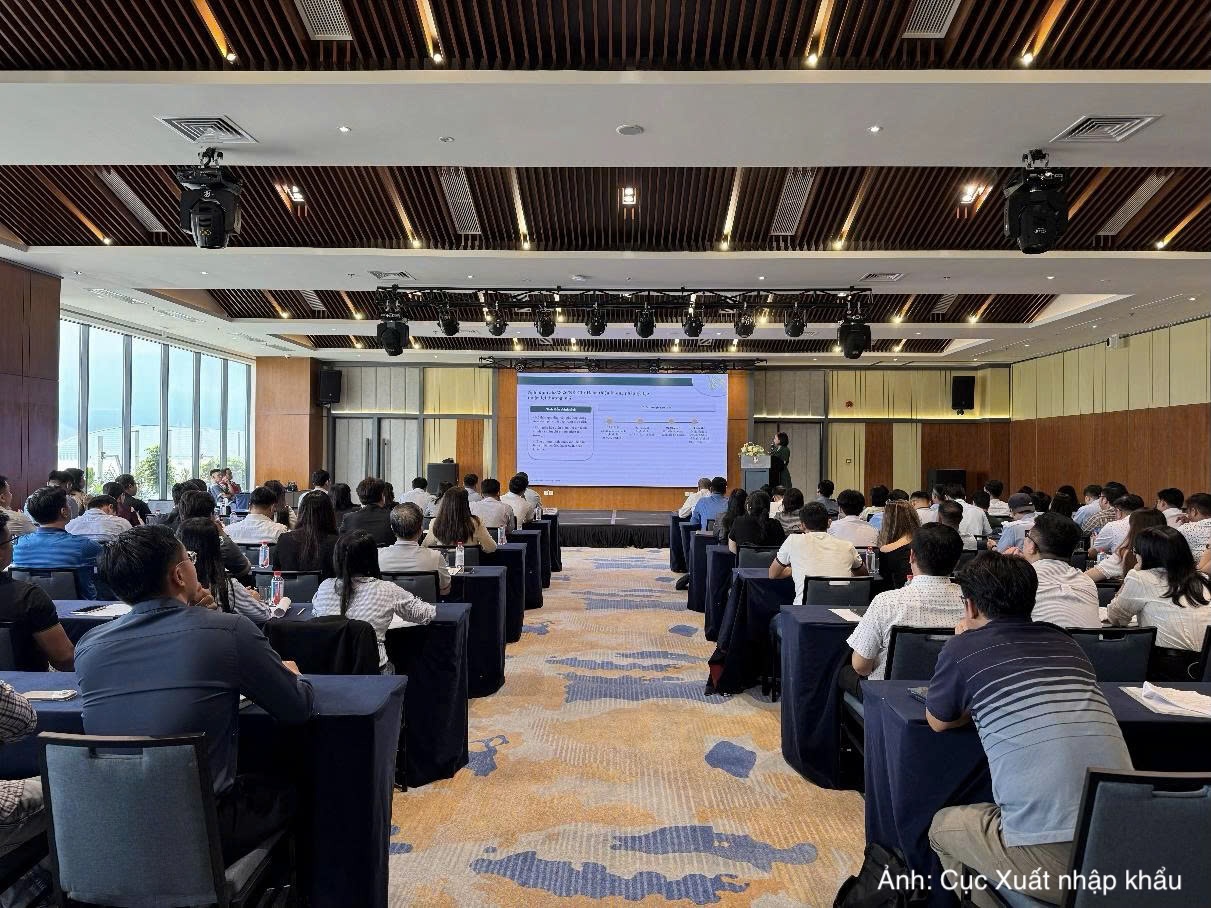
On October 13, the Agency of Foreign Trade under the Ministry of Industry and Trade (MoIT) held a conference in Dong Thap province to disseminate Government Decree No.365/2026/ND-CP dated September 23, 2026, on rice export and import business, and Circular No.65/2026/TT-BCT dated October 1, 2026, issued by the Minister of Industry and Trade, detailing certain provisions and measures for implementing Decree No.365/2026/ND-CP.
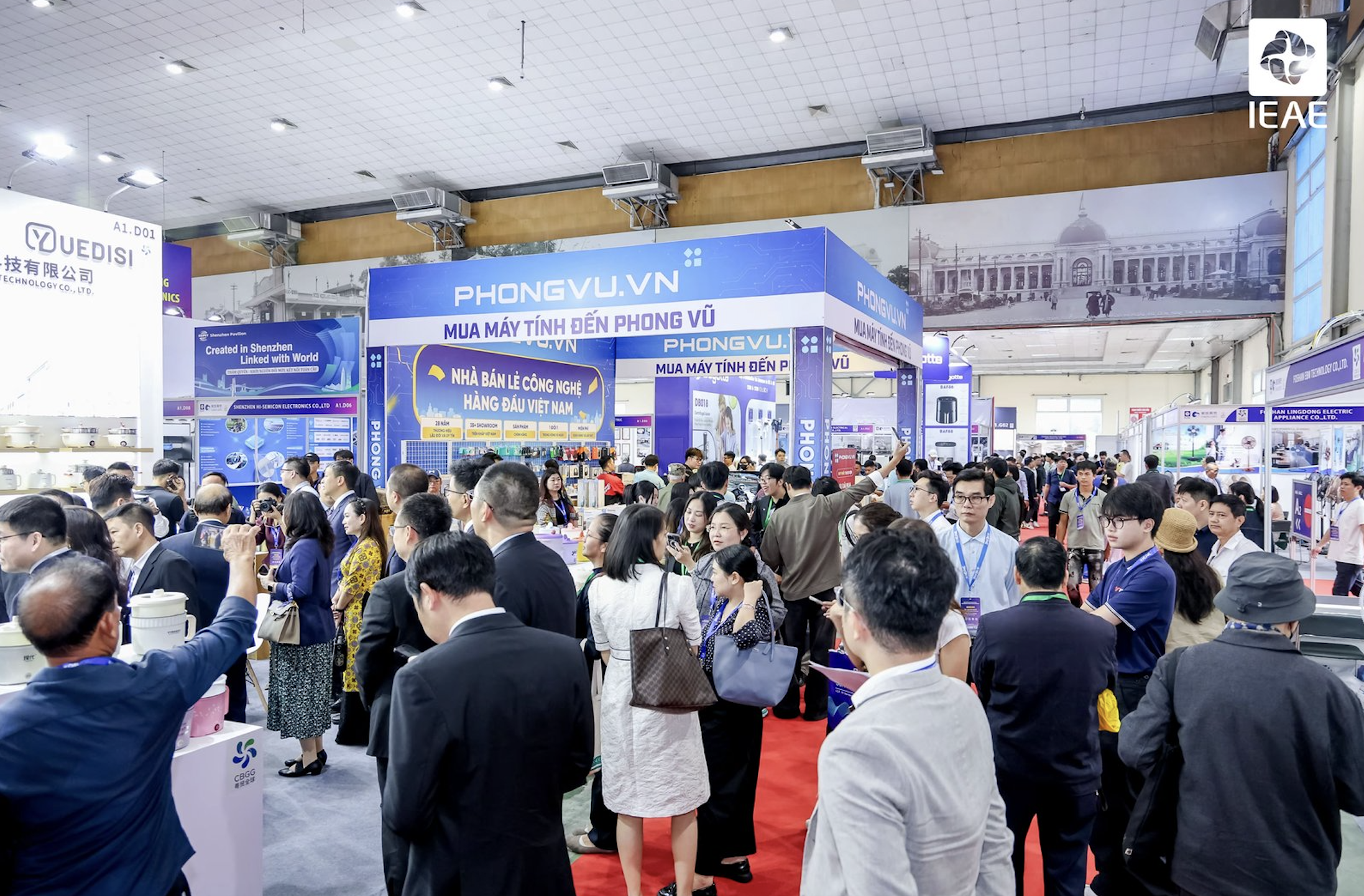
IEAE Hanoi 2026 will gather over 300 exhibitors, showcasing electronics, smart appliances and connecting businesses with sourcing and trade opportunities in Vietnam.
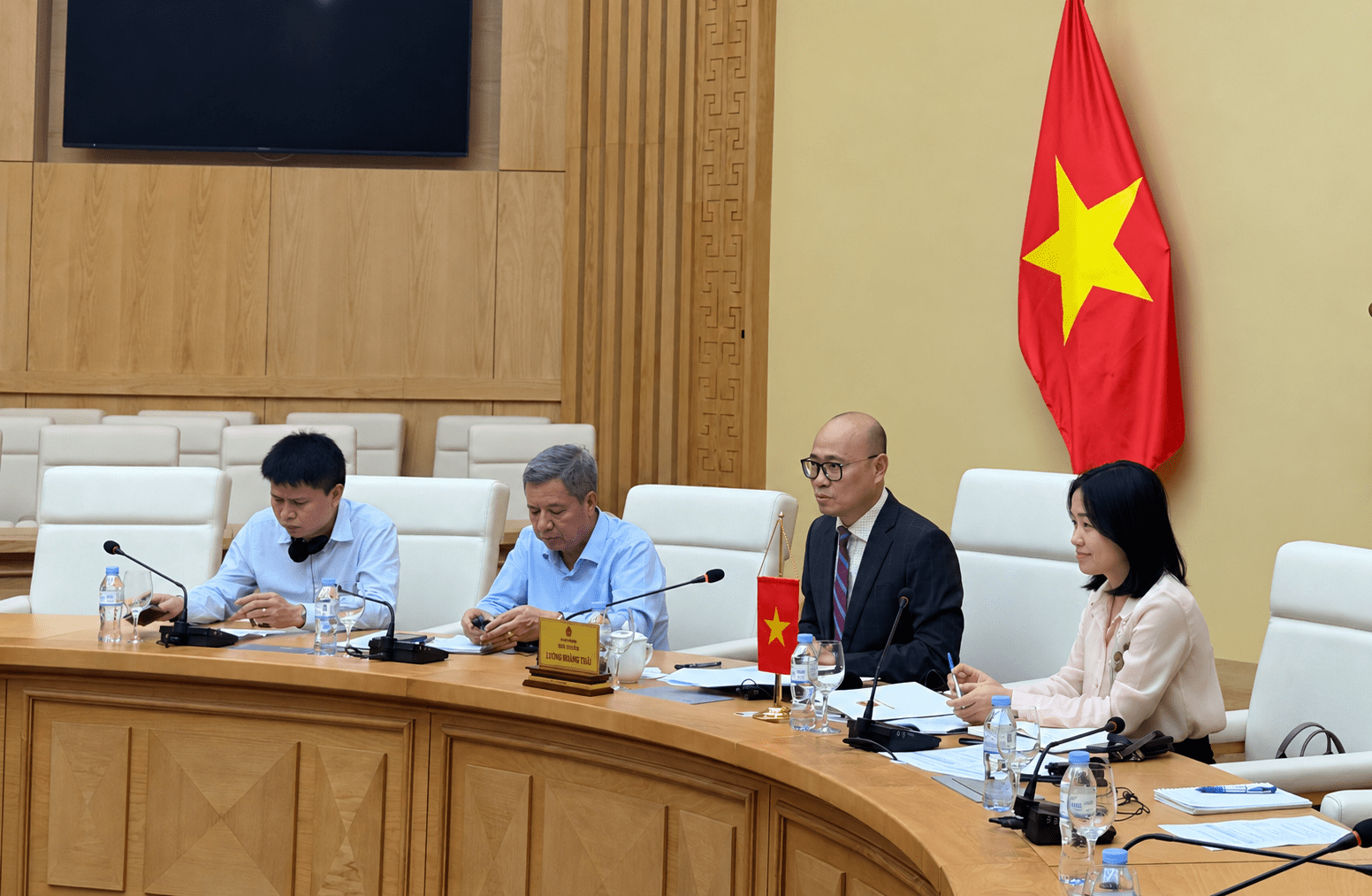
On October 13, Deputy Minister of Industry and Trade Luong Hoang Thai held a working session with MEDEF International, a French business organization, and representatives of French corporations operating in various sectors, including energy, industry, transport, construction and infrastructure development, food and beverages, and services, at the Ministry of Industry and Trade's headquarters.
On October 14, Deputy Minister of Industry and Trade Luong Hoang Thai received and held a working session with a delegation from Hamburg, Germany, led by the city's First Mayor Peter Tschentscher at the Ministry of Industry and Trade's headquarters.
The Copyright Office is working closely with relevant agencies to develop plans for inspections and enforcement action against copyright and related rights infringements in the digital environment.
On October 13, the Agency of Foreign Trade under the Ministry of Industry and Trade (MoIT) held a conference in Dong Thap province to disseminate Government Decree No.365/2026/ND-CP dated September 23, 2026, on rice export and import business, and Circular No.65/2026/TT-BCT dated October 1, 2026, issued by the Minister of Industry and Trade, detailing certain provisions and measures for implementing Decree No.365/2026/ND-CP.
IEAE Hanoi 2026 will gather over 300 exhibitors, showcasing electronics, smart appliances and connecting businesses with sourcing and trade opportunities in Vietnam.
On October 13, Deputy Minister of Industry and Trade Luong Hoang Thai held a working session with MEDEF International, a French business organization, and representatives of French corporations operating in various sectors, including energy, industry, transport, construction and infrastructure development, food and beverages, and services, at the Ministry of Industry and Trade's headquarters.
On October 14, Deputy Minister of Industry and Trade Luong Hoang Thai received and held a working session with a delegation from Hamburg, Germany, led by the city's First Mayor Peter Tschentscher at the Ministry of Industry and Trade's headquarters.
On October 12, in Tbilisi, Deputy Minister of Industry and Trade Phan Thi Thang held talks with Irakli Nadareishvili, Deputy Minister of Economy and Sustainable Development of Georgia, and attended and addressed the Viet Nam-Georgia Business Forum as part of Vice President Vo Thi Anh Xuan's official visit to Georgia.