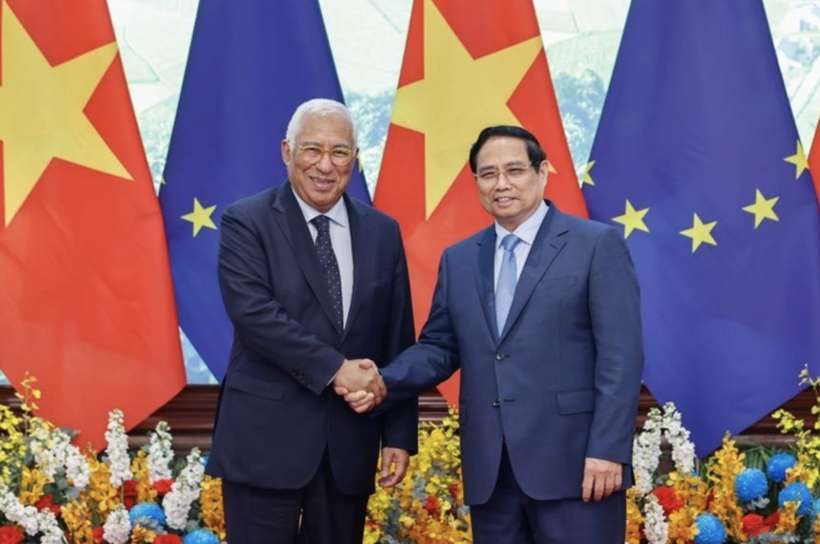
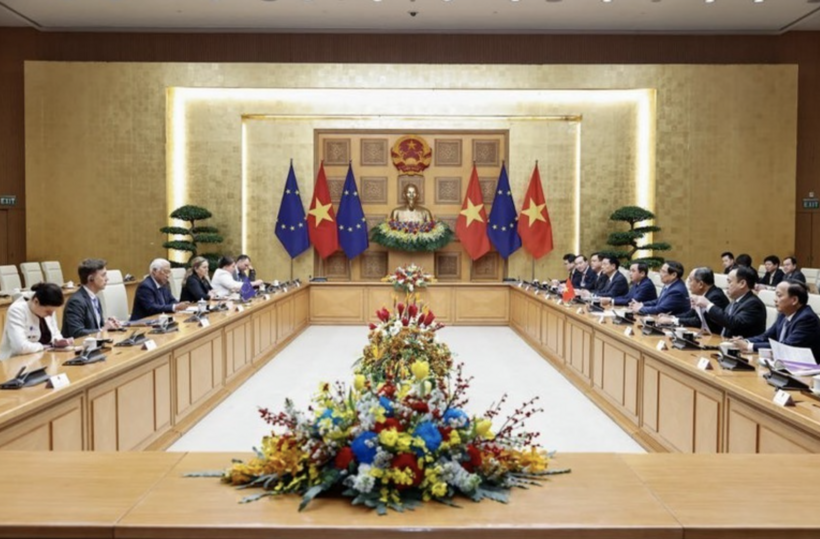
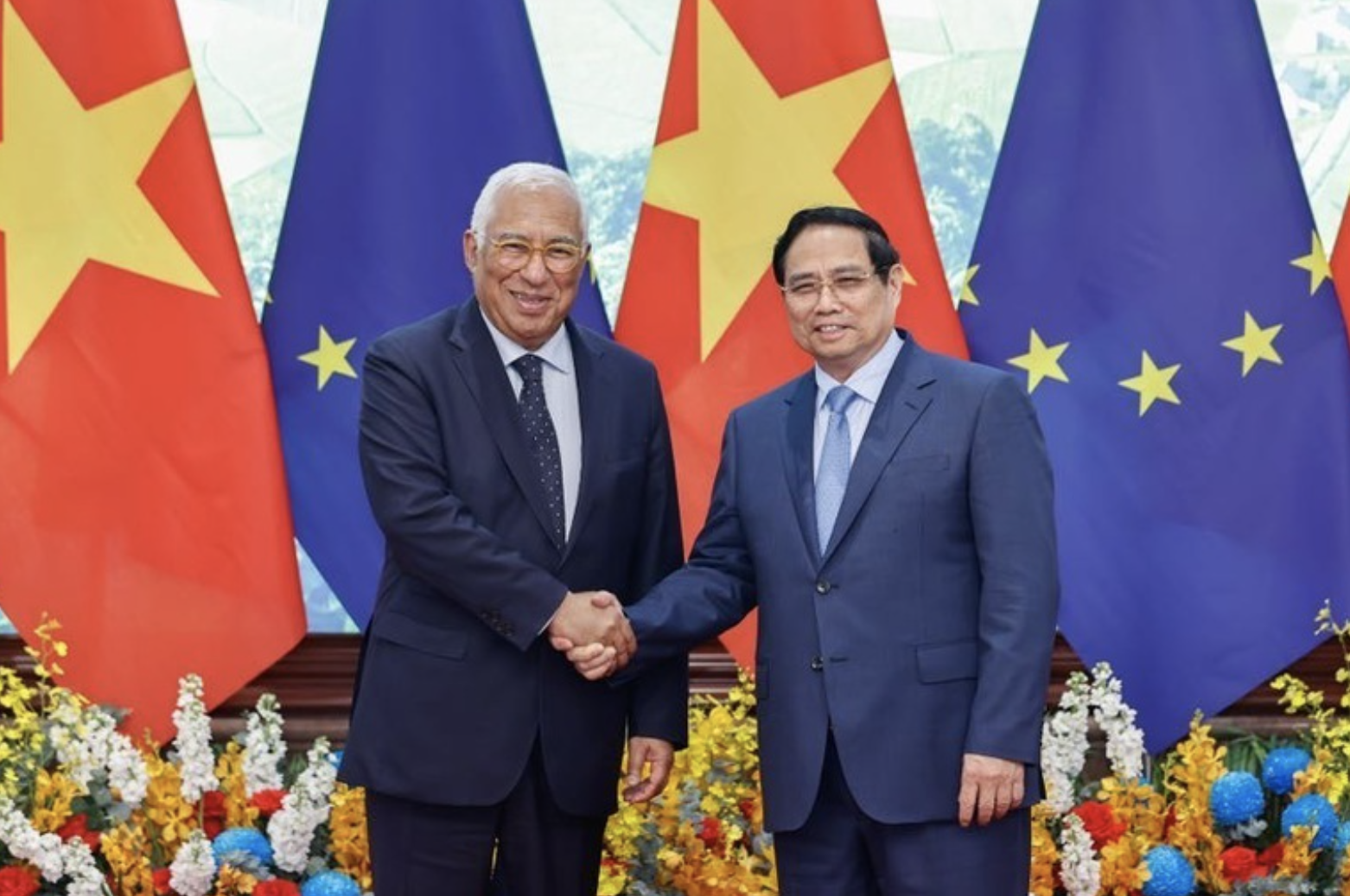
On January 29, Prime Minister Pham Minh Chinh held talks with European Council President Antonio Costa during the latter’s official visit to Vietnam.
At the meeting, Prime Minister Pham Minh Chinh affirmed that Vietnam attaches great importance to the European Union’s global role and standing, and seeks to further strengthen relations with the EU, one of Vietnam’s leading partners in economic, trade, and investment cooperation.
The Prime Minister noted that after 40 years of Doi Moi (Renewal), Vietnam has transformed from a poor, war-ravaged country into a developing economy with a GDP of approximately USD 510 billion, ranking 32nd globally.
Export turnover has reached nearly USD 500 billion, supported by a network of 17 free trade agreements with international partners. Vietnam is now among the world’s top 20 countries in terms of trade scale and investment attraction.
Prime Minister Pham Minh Chinh meets with European Council President Antonio Costa. Photo: VGP
In 2025 alone, Vietnam recorded GDP growth of over 8.02%, placing it among the fastest-growing economies in the region and worldwide. GDP per capita reached USD 5,026, marking Vietnam’s entry into the upper-middle-income group. Over the past five years, the national happiness index has risen by 37 places.
The Prime Minister said that following the 14th National Congress of the Communist Party of Vietnam, the country has entered a phase of acceleration and breakthrough in implementing socio-economic development tasks, promoting a new growth model, and building a socialist rule-of-law state. Vietnam remains steadfast in its foreign policy of independence, self-reliance, peace, cooperation and development, as well as the diversification and multilateralization of external relations, alongside its “Four No’s” national defense policy.
Regarding the implementation of the Comprehensive Strategic Partnership framework, the Prime Minister called on both sides to enhance high-level exchanges, make effective use of existing cooperation mechanisms, and soon implement the Joint Statement to deepen Vietnam-EU relations in a more substantive and results-oriented manner. He reaffirmed Vietnam’s commitment to further improving its investment climate to facilitate foreign investors, including EU enterprises.
The Prime Minister also urged the EU to soon dispatch an inspection mission to Vietnam to objectively assess the country’s efforts in combating illegal, unreported and unregulated (IUU) fishing, with a view to promptly lifting the “yellow card” imposed on Vietnamese seafood exports. He called for continued EU support for Vietnam’s transition toward a modern and sustainable fisheries sector, as well as favorable conditions for the Vietnamese community in Europe to contribute to host societies and to bilateral relations.
The establishment of the Comprehensive Strategic Partnership provides a major opportunity for both sides to boost trade and diversify markets and supply chains. Photo: VGP
For his part, European Council President Antonio Costa expressed his strong impression of Vietnam’s comprehensive development achievements amid a volatile global environment. He affirmed that Vietnam is an important EU partner in the Indo-Pacific region and within ASEAN, underscoring the EU’s desire to deepen cooperation across all areas.
The two leaders agreed to work closely to effectively implement the EU-Vietnam Free Trade Agreement (EVFTA), expedite the ratification of the EU-Vietnam Investment Protection Agreement (EVIPA), and promote cooperation in investment, trade, science and technology, green and digital transitions, the maritime economy, clean energy, and high-quality human resource development.
Both sides also reaffirmed their commitment to advancing cooperation within the ASEAN–EU framework, toward the eventual establishment of an ASEAN-EU Free Trade Agreement. They shared a common vision of maintaining peace and stability, upholding international law, and ensuring freedom of navigation and overflight in the East Sea (South China Sea) and the broader Indo-Pacific region.
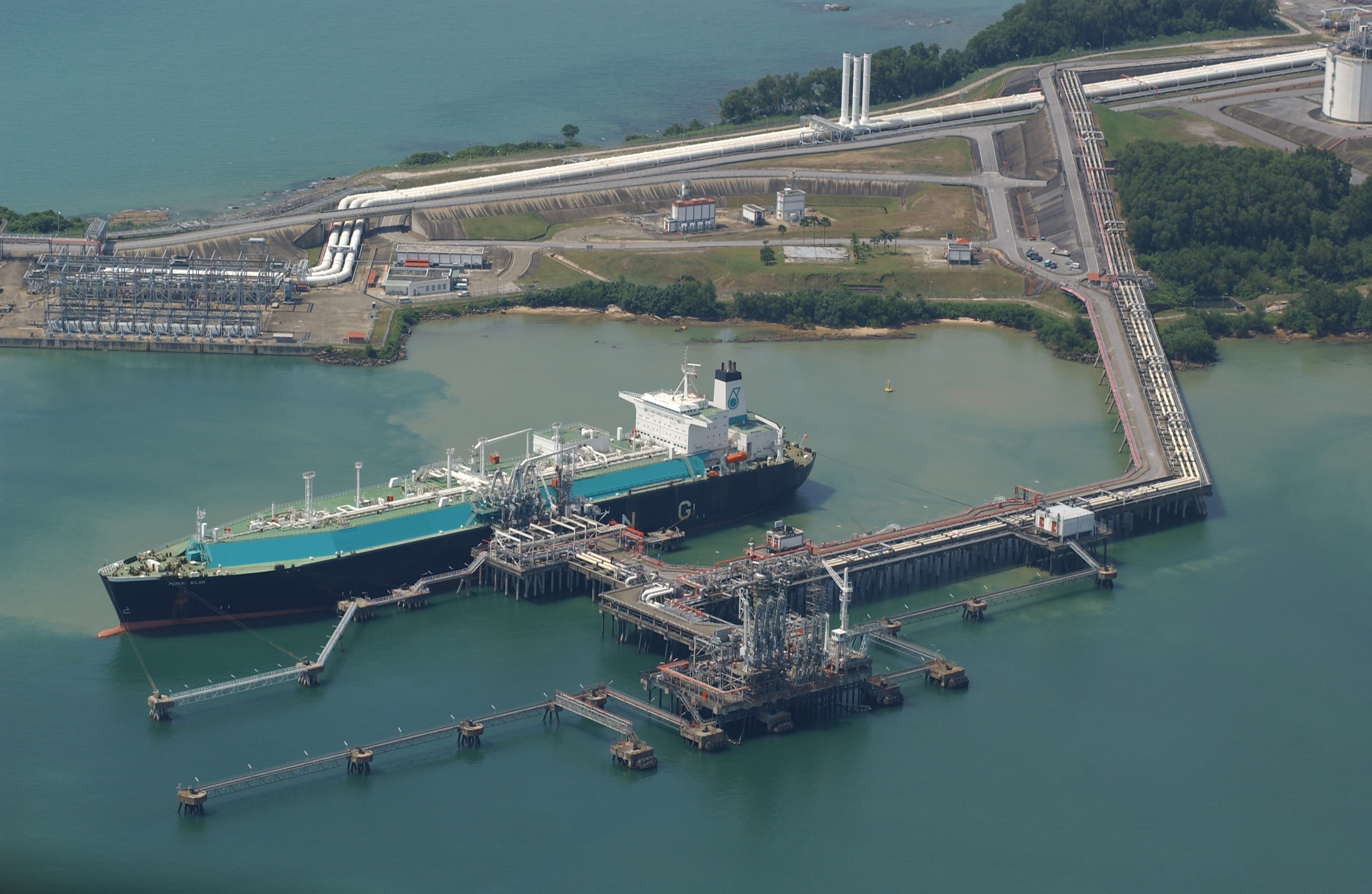
From Malaysia’s integrated liquefied natural gas (LNG) model to large-scale gas-fired power projects at home, the energy transition is ushering in a new spring for Vietnam’s energy security, anchored in long-term vision, modern technological foundations, and an ambition for green, sustainable growth.
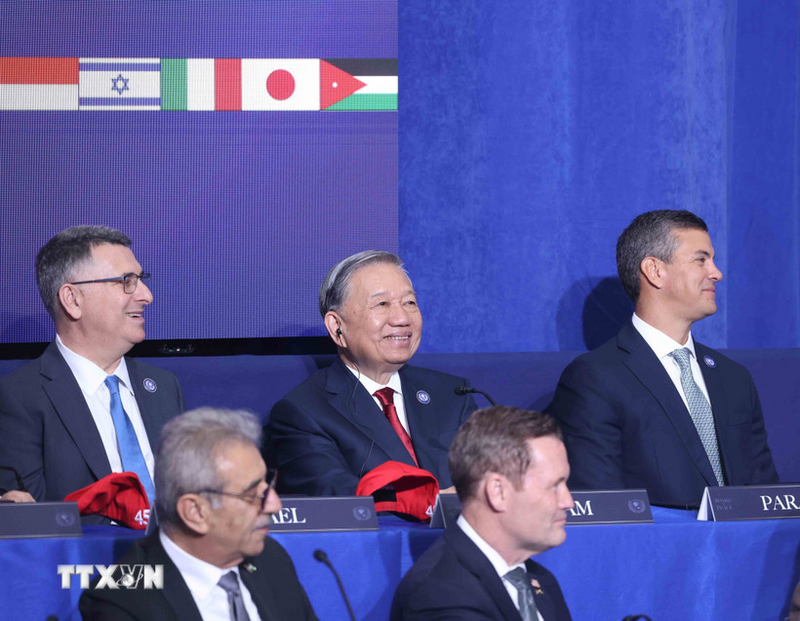
Vietnam’s General Secretary To Lam attended the Gaza Peace Council’s inaugural meeting in Washington, D.C., outlining commitments to peacekeeping and reconstruction.
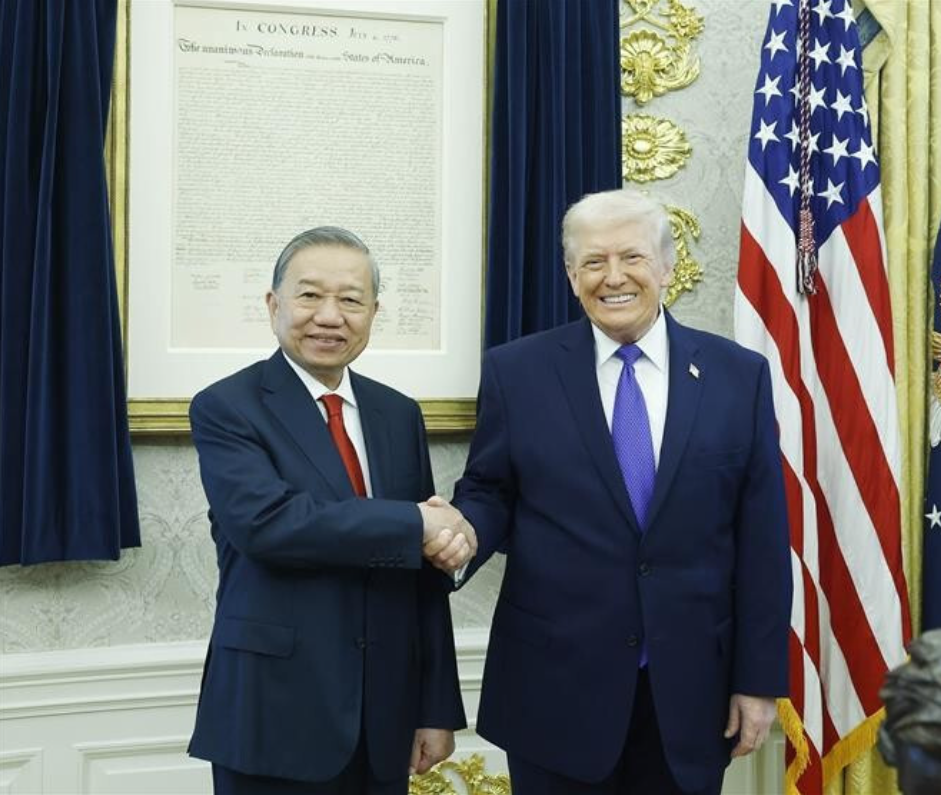
General Secretary To Lam held talks with US President Donald Trump at the White House on bilateral ties and regional and international issues of shared concern.
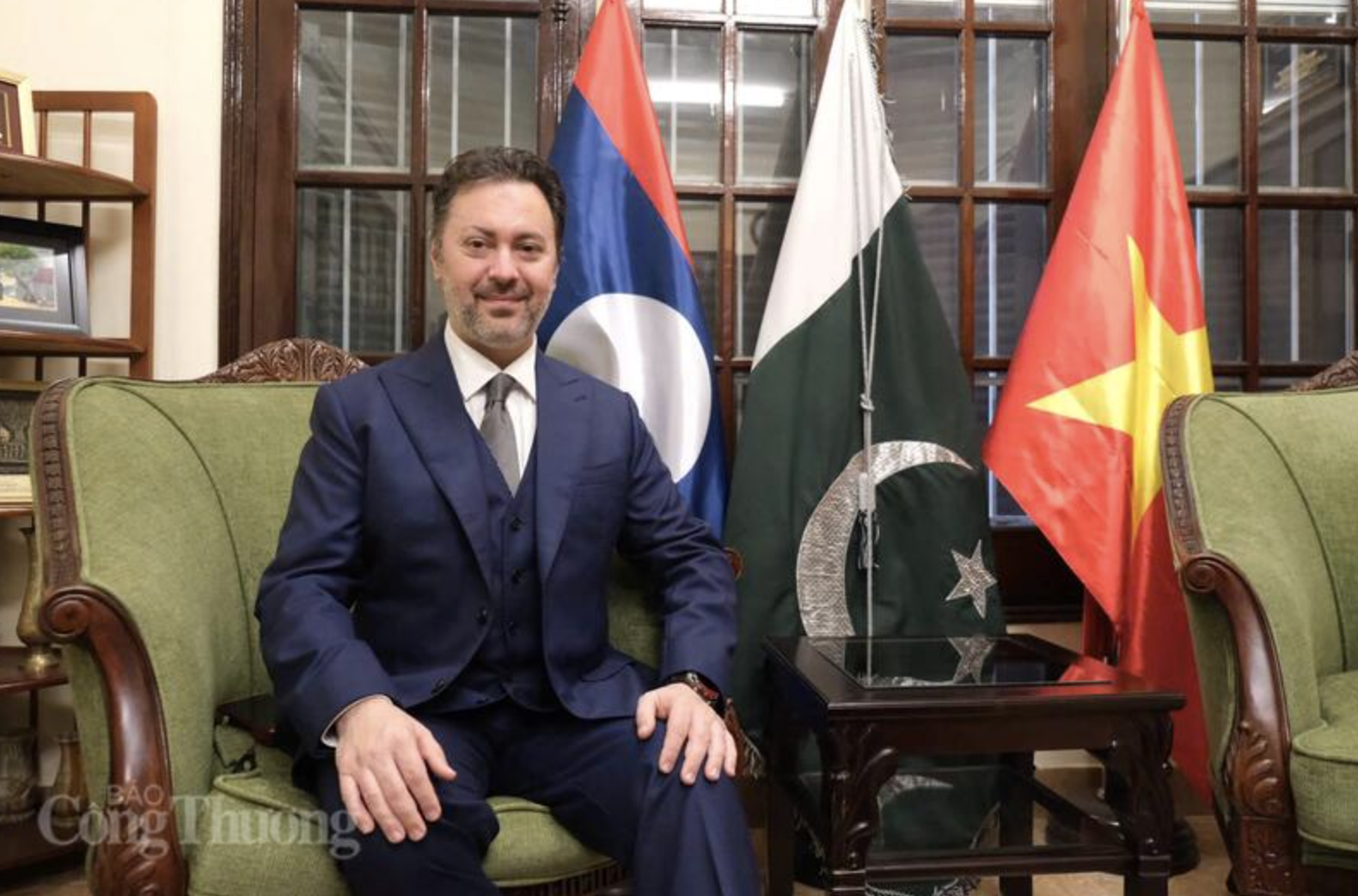
The Pakistani Ambassador has underscored that Vietnam is steadily consolidating its role as a connector in an increasingly multipolar world, opening up promising prospects for bilateral cooperation.
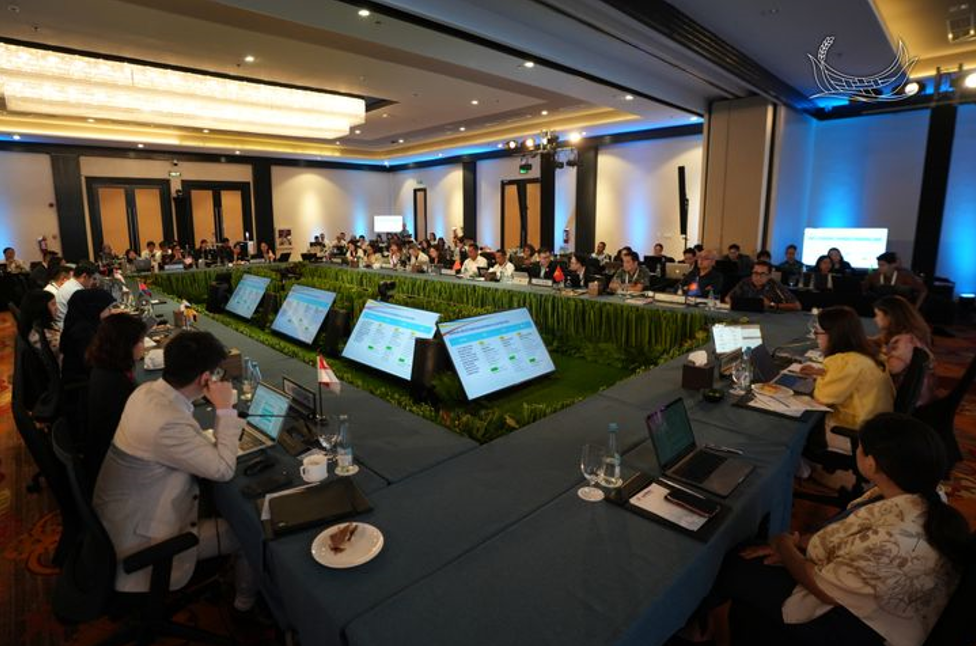
The 4th ASEAN FG-GVC meeting in the Philippines marked a shift toward selective, integrated value chain cooperation amid geoeconomic fragmentation as pressures rise.
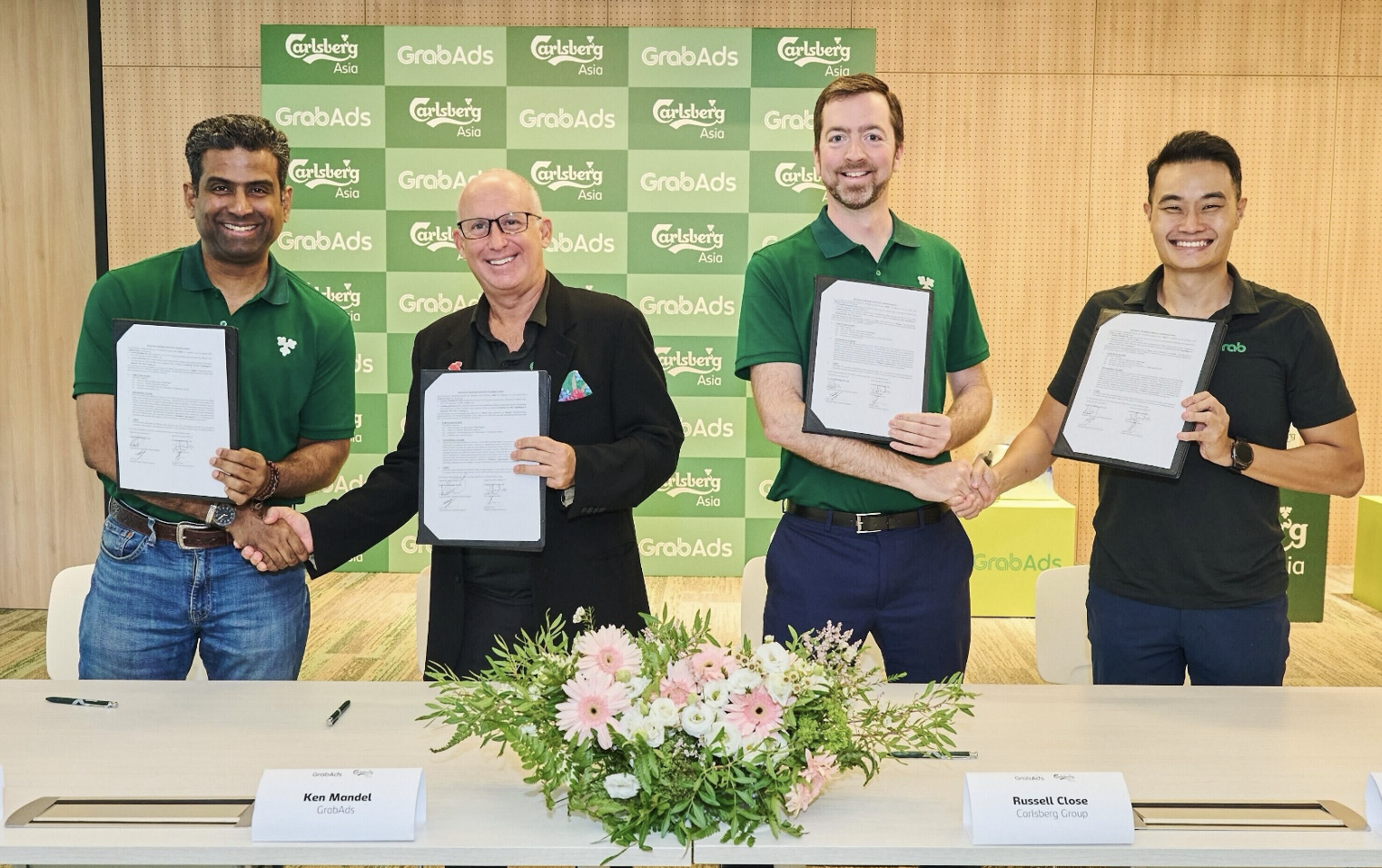
Carlsberg Vietnam and Grab Vietnam have officially signed a Memorandum of Understanding (MOU) to promote responsible drinking and safe mobility across Vietnam.