Digital technology is propelling Vietnam’s E-commerce sector to expand its market scale, enhance enterprise capabilities,....
Growth driver of E-commerce
Vietnam’s E-commerce sector is entering a new phase of development underpinned by digital technology, emerging as one of the key pillars of the digital economy. By 2025, market size reached USD 31 billion, representing a growth rate of approximately 25.5%, contributing to the national GDP growth target of 8.3 - 8.5% set by the Government for 2025.
Within Southeast Asia, Vietnam currently ranks third in terms of e-commerce market size and is among the fastest-growing markets globally, maintaining an annual growth rate of approximately 18 - 25%. The expansion of the internet economy, the rise of the middle class, and the shift from traditional retail to online platforms have created strong momentum for market development.
Beyond scale expansion, E-commerce plays a central role within the digital economy ecosystem. According to the latest data from Metric, total gross merchandise value (GMV) in 2025 across four major E-commerce platform: Shopee, TikTok Shop, Lazada and Tiki, reached approximately VND 429.7 trillion, marking a 34.75% increase compared to 2024. On average, Vietnamese consumers spend nearly VND 36 trillion per month on online shopping.
Digital technology paves the way for E-commerce growth
This growth is closely linked to technological advancement. E-commerce platforms are increasingly applying artificial intelligence (AI), big data analytics, and digital technologies to analyze consumer behavior, optimize logistics, enhance digital advertising, and streamline electronic payment systems. Digital infrastructure, broadband internet, and electronic payment solutions have facilitated easier access to online markets for consumers while enabling enterprises, particularly small and medium-sized enterprises (SMEs) to expand market reach at lower cost.
Promoting technology adoption
The growth of Vietnam’s e-commerce sector is inseparable from state-led policies promoting technology adoption, with the Ministry of Industry and Trade (MoIT) playing a central role. The Government has approved a national master plan for e-commerce development aimed at expanding technology application among enterprises and citizens, building a sustainable online marketplace and promoting cross-border E-commerce.
Technological infrastructure and online public services have been strongly advanced. Hundreds of public services within the industry and trade sector have been fully digitized, creating a data foundation to support digital transformation in commerce and industry. The connection of data systems to the ASEAN Single Window mechanism, facilitating the exchange of hundreds of thousands of electronic documents annually, has helped enterprises reduce costs and shorten transaction time.
The Ministry of Industry and Trade has also intensified support for enterprises in applying technology to online business operations. Numerous training programs, advisory services, digital storefront development initiatives, and cross-border e-commerce promotion programs have been implemented to help SMEs access digital platforms and international markets. At the same time, regulators are promoting digital platforms that support the distribution of Vietnamese goods, particularly local products and agricultural produce, thereby expanding the domestic market.
In parallel, the Ministry has refined the institutional framework and strengthened technology-based governance in e-commerce. In response to emerging models such as livestream commerce, cross-border platforms, and social commerce networks, the Law on E-commerce, drafted under the leadership of the Ministry of Industry and Trade has been promulgated to regulate information management, account authentication, anti-counterfeiting measures, and consumer protection.
Simultaneously, an electronic tax management system and an information portal for foreign service providers have been deployed to increase state budget revenues and enhance transparency in online business activities. This marks an important step toward placing e-commerce within a technology-enabled regulatory framework.
Amid comprehensive digital transformation, e-commerce has been identified as a key economic growth driver. The Ministry of Industry and Trade continues to promote data integration, develop digital platforms, support enterprises in adopting new technologies, and expand cross-border trade in order to enhance the overall competitiveness of the market.
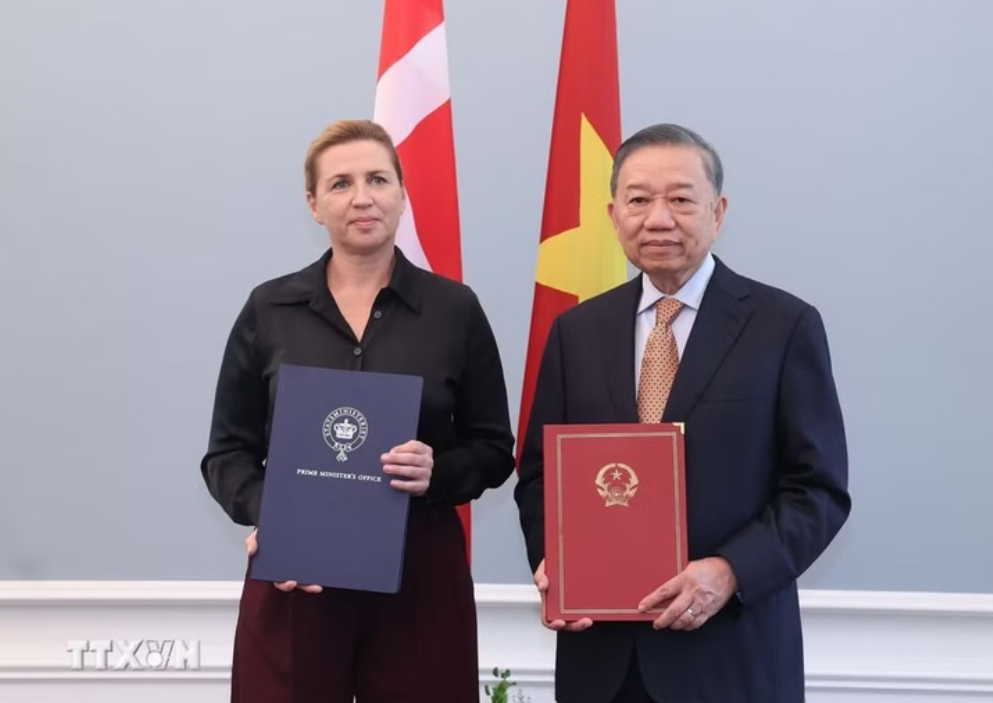
The Viet Nam Economic News respectfully presents the full text of the Joint Statement on the Establishment of a Comprehensive Strategic Partnership between Viet Nam and Denmark.
Prime Minister Le Minh Hung urged Electricity Law amendments to ensure consistency, balance state, public and investor interests, and mobilize resources.
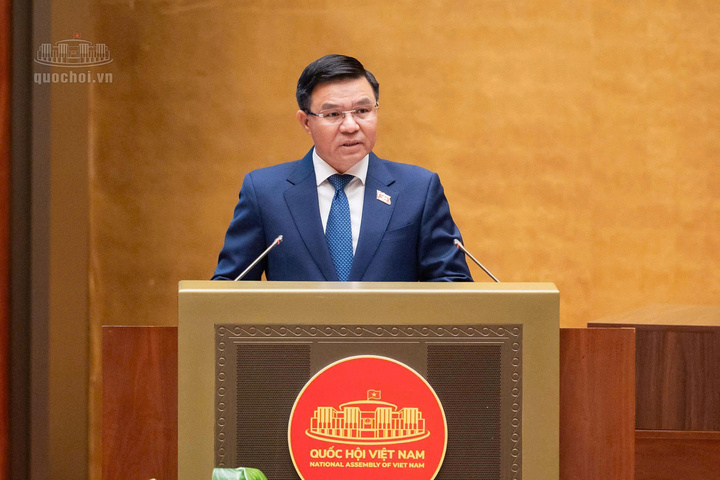
On October 20, at the second session of the 16th National Assembly, Minister of Industry and Trade Le Manh Hung presented the Government's submission on the draft Law amending and supplementing a number of articles of the Electricity Law.
Digital skills, AI adoption and online exports are expected to help young entrepreneurs transform their businesses and expand into international markets.
Norwegian Ambassador Stein Iversen said Viet Nam's economy could be twice the size of Norway's in 12 - 13 years if its current growth momentum continues.
Viet Nam - Malaysia trade hit USD 17.4 billion in the first nine months of 2026, exceeding the 2025 full-year total and signaling a stronger-than-expected year.
The official visit to Laos by Prime Minister Le Minh Hung is expected to inject fresh momentum into bilateral relations, with economic, trade and investment cooperation continuing to serve as a core pillar.