From Malaysia’s integrated liquefied natural gas (LNG) model to large-scale gas-fired power projects at home, the energy transition is ushering in a new spring for Vietnam’s energy security, anchored in long-term vision, modern technological foundations, and an ambition for green, sustainable growth.
LNG amid the rainforest and the energy transition story
In mid-June 2025, as the monsoon rains began to blanket the Malaysian state of Sarawak in lush green, a delegation of Southeast Asian journalists arrived in Bintulu, a city often described as the “heart of Malaysia’s LNG industry.”
Among them were reporters from Newspaper of Industry and Trade, alongside colleagues from Indonesia, Thailand, and the Philippines, stepping into the Petronas LNG Complex (PLC) in search of answers to the energy puzzle confronting one of the world’s fastest-growing regions.
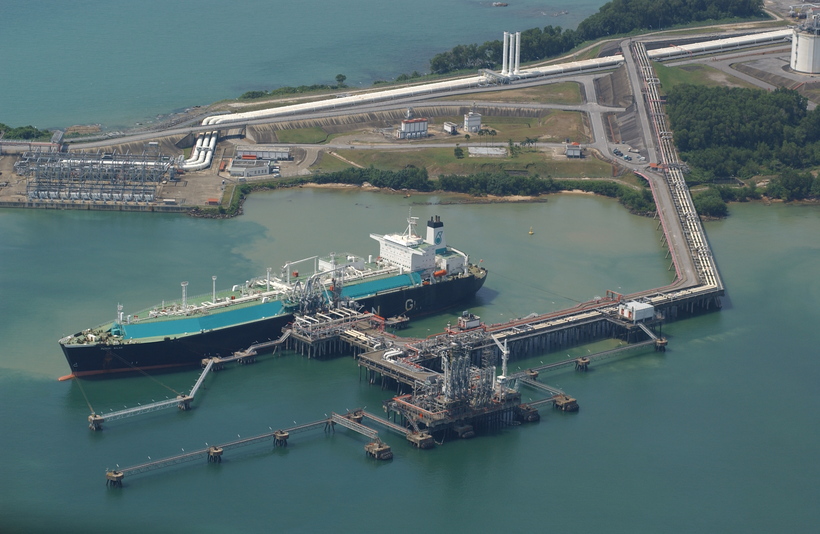
Overview of the Petronas LNG Complex (PLC). Photo: Le An
Spanning more than 300 hectares, the complex resembles a self-contained industrial city operating around the clock. Massive storage tanks rise above a dense network of pipelines, while specialized jetties accommodate large LNG carriers docking in steady succession. Every movement follows the disciplined rhythm of a world-class integrated energy hub.
Accompanying the delegation was Mohamed Syazwan Abdullah, President and CEO of Malaysia LNG Sdn Bhd (MLNG). In an open exchange, he underscored that over the past four decades, MLNG has not only become an industrial symbol of Malaysia but also a critical link in Asia’s cleaner energy supply chain.
From its first LNG export cargo in 1983, the complex has expanded to nine liquefaction trains with a combined capacity of nearly 30 million metric tons per year. Natural gas sourced offshore Sarawak is shipped to Japan, South Korea, China, and an expanding list of Southeast Asian markets.
“Geography allows us to optimize logistics, but what truly matters is our energy transition mindset,” Syazwan said.
Inside the operational areas, journalists were introduced to a suite of emissions-reduction initiatives implemented alongside production maintenance. These include eliminating routine flaring of boil-off gas during LNG loading, deploying artificial intelligence and machine learning to optimize energy consumption, and gradually electrifying operations with renewable power. The objective is not only to achieve net-zero emissions by 2050, but also to enhance long-term economic efficiency.
Notably, Petronas’ investment in a secure private 5G network across the entire complex has enabled a new approach, the digitalization of LNG operations. Real-time data analytics allow for predictive risk management, enhanced safety, and granular optimization of each processing unit, an ambition many regional economies, including Vietnam, are steadily pursuing.
Within this highly technical environment, the energy narrative felt anything but abstract. For the visiting journalists, the trip was more than a tour of a major LNG plant; it was an opportunity to witness how a traditional oil and gas nation is repositioning itself in the era of global energy transition. From Bintulu, an inevitable question emerged: what path will Vietnam choose in the evolving global energy landscape?
A new spring for Vietnam’s Energy transition
As the new year unfolds, Vietnam’s energy security debate has moved beyond the question of “having enough electricity.” The agenda now centers on ensuring adequate supply that is cleaner and more sustainable.
In August 2025, the Politburo issued Resolution No. 70-NQ/TW, establishing a long-term vision that places energy security at the core of Vietnam’s national development strategy through 2045.
A key feature of the resolution is its integrated and comprehensive approach. Beyond expanding supply capacity, Vietnam aims to raise per capita primary energy consumption into the leading tier of ASEAN countries. The strategy also calls for the formation of national energy-industrial hubs linking natural gas, LNG, power generation, refining and petrochemicals, and renewable energy in provinces with comparative advantages.
This direction was swiftly institutionalized. In December 2025, the National Assembly adopted a resolution outlining mechanisms and policies for national energy development during 2026–2030. Alongside these policy moves, tangible infrastructure projects are reinforcing the national power system.
In mid-December 2025, in Dong Nai Province, the Prime Minister attended the inauguration of the Nhơn Trạch 3 và 4 power plants, large-scale LNG-to-power projects developed by PV Power. With a combined capacity exceeding 1,600 megawatts, the plants not only add critical baseload supply for southern Vietnam but also function as system stabilizers as the share of wind and solar power continues to rise.
According to Dr. Trinh Quoc Vinh, a member of the Scientific Council at the Institute for Industry and Trade Strategy and Policy Research under the Ministry of Industry and Trade, the revised Power Development Plan VIII clearly defines new pillars for Vietnam’s energy sector. LNG-fired power, wind power, pumped-storage hydropower, and rooftop solar are advancing in parallel with a roadmap to fully phase out coal-fired generation by 2050. Looking further ahead, emerging sectors such as green hydrogen, green ammonia, and nuclear power after 2035 are being considered as potential clean baseload sources for the future.
Yet major opportunities invariably come with significant challenges. Energy transition is not solely a matter of technology; it is equally a test of institutional reform, financing capacity, and human capital. Strengthening the legal framework, resolving delayed projects, improving the financial health of power-sector enterprises, and investing in science and technology will determine both the pace and quality of the transition.
Viewed through the lens of Malaysia’s integrated LNG model, Vietnam can draw several lessons: policy consistency, long-term infrastructure investment, and, above all, treating energy transition not merely as an environmental obligation but as a strategic development opportunity.
From Bintulu’s rainforest-fringed LNG hub to Vietnam’s expanding network of gas-fired and renewable power projects, the contours of a new energy chapter are coming into focus, one defined by security, sustainability, and a forward-looking vision that extends well beyond immediate supply concerns.
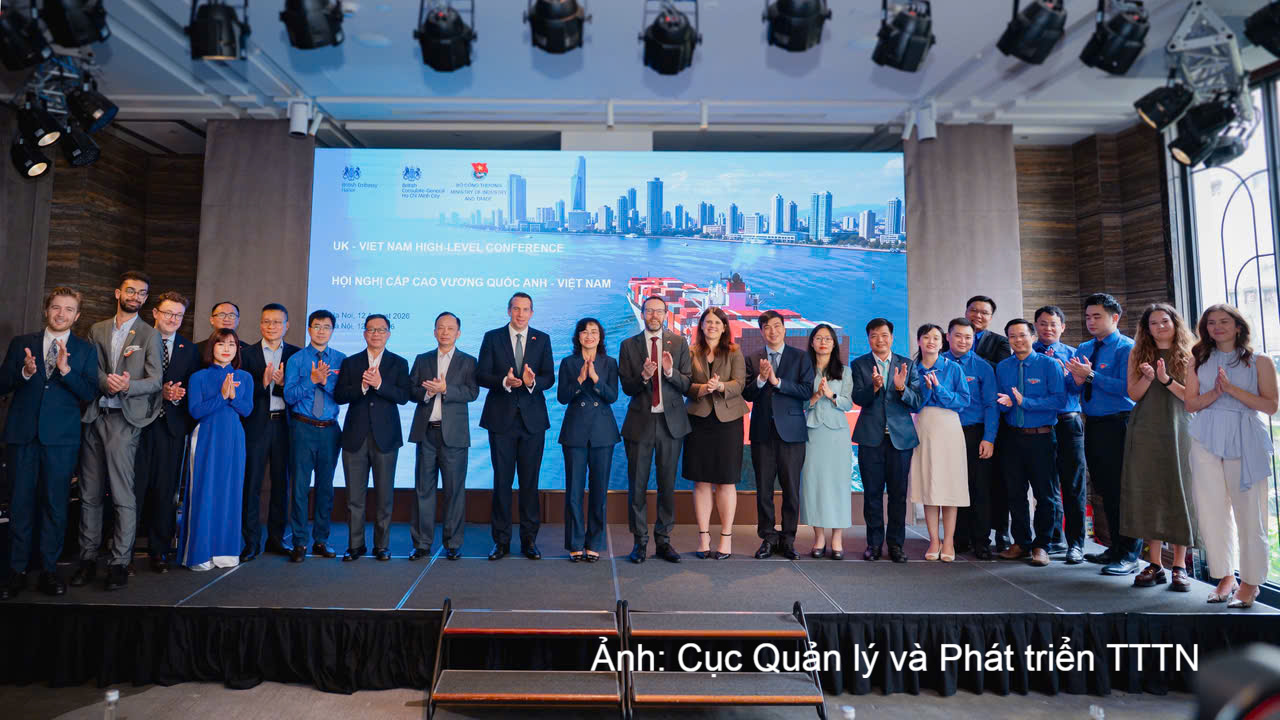
The 2026 UK - Viet Nam Summit was held in Ha Noi on August 12, focusing on fields that are creating new momentum for growth, including artificial intelligence (AI), financial technology, crypto assets, commodity derivatives markets and logistics.
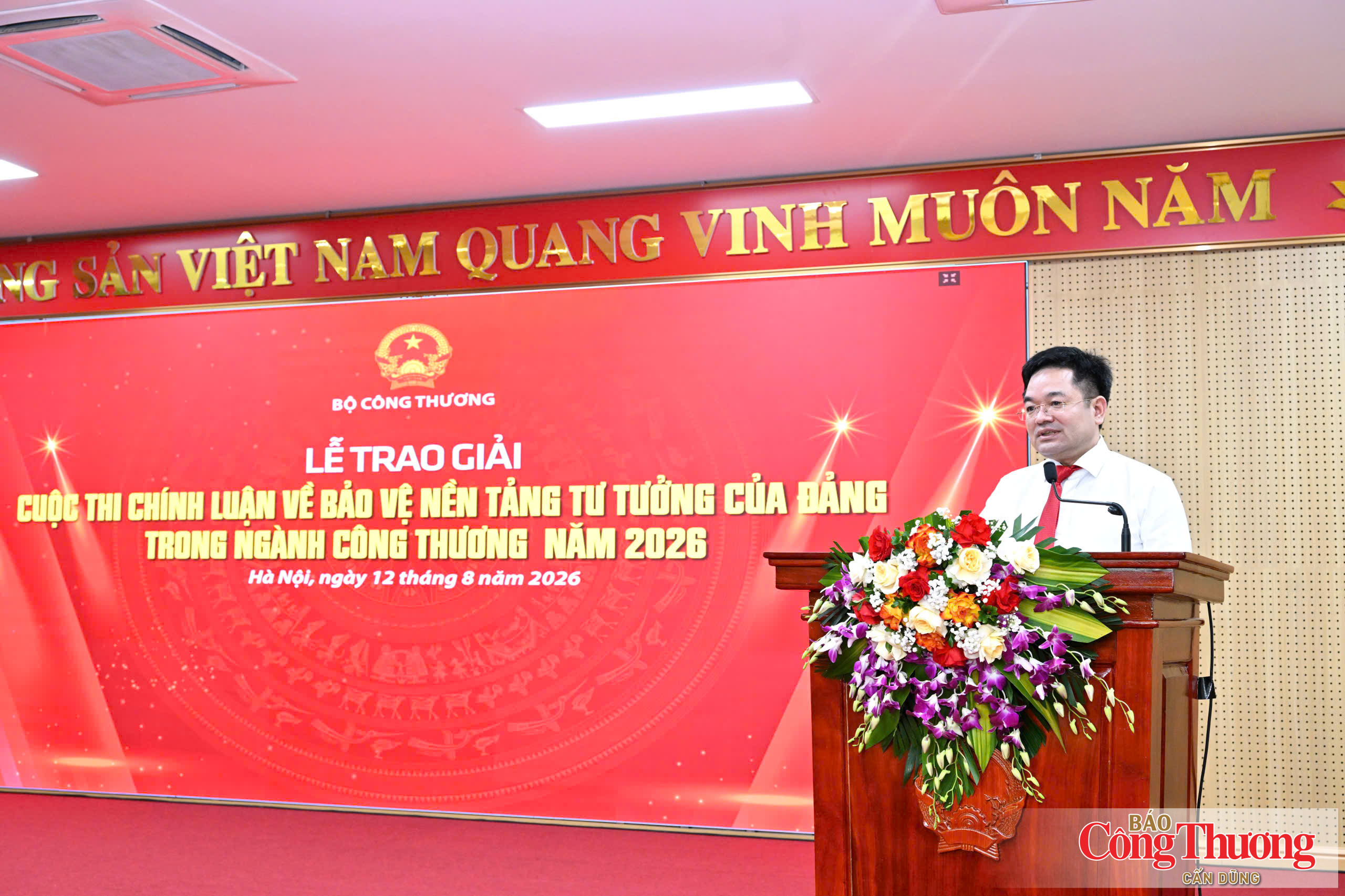
Editor-in-Chief of the Industry and Trade Newspaper Nguyen Van Minh said distorted narratives are defeated by counterarguments and undeniable realities when Party members perform their duties well too.
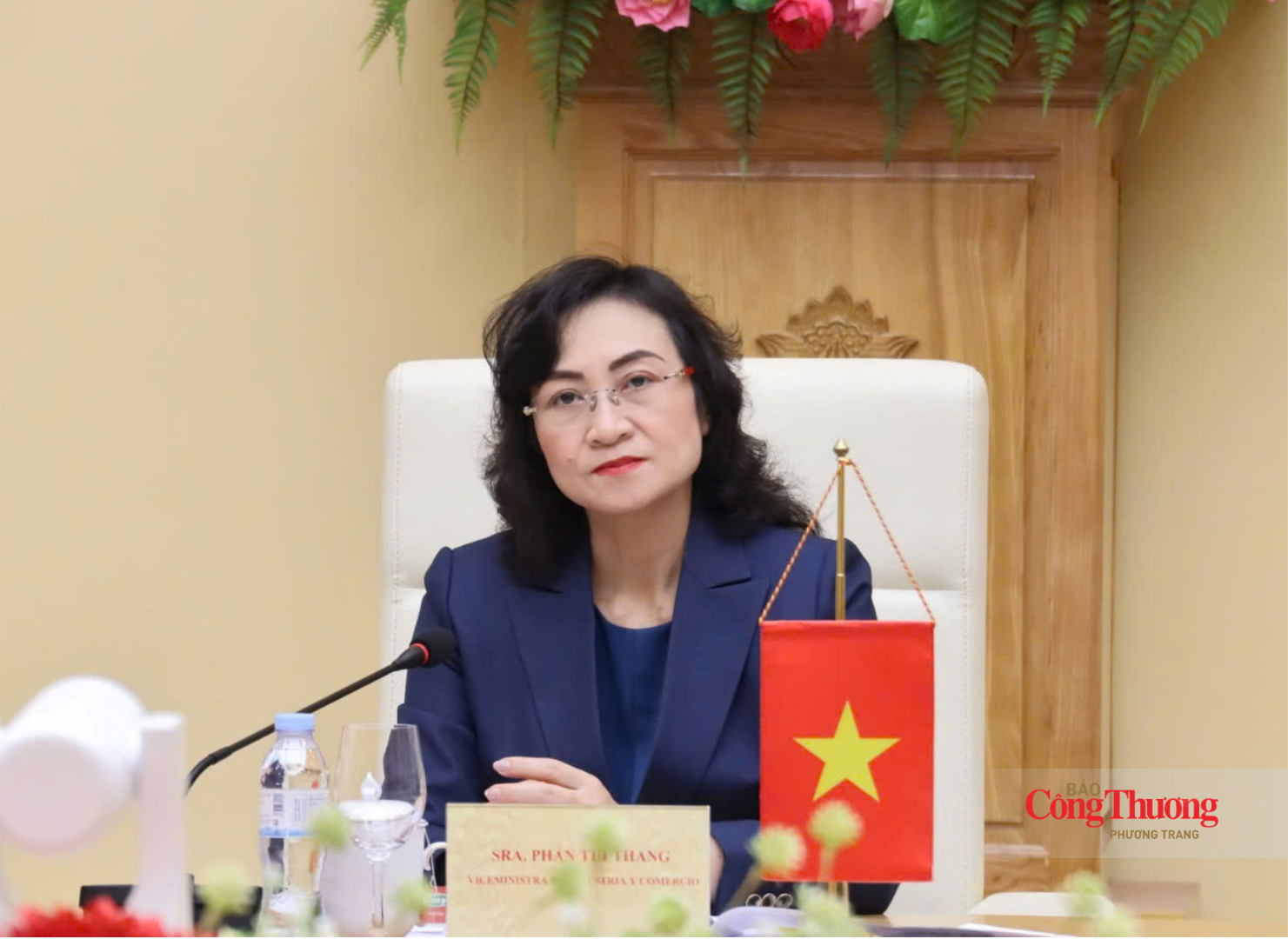
On August 12, Deputy Minister of Industry and Trade Phan Thi Thang held an online working session with Andrea Corao Faria, Venezuela's Deputy Minister for Asia, the Middle East and Oceania at the Ministry of Foreign Affairs and Foreign Trade.
Viet Nam and Australia are deepening energy and minerals cooperation strengthening supply chains, investment and support for the energy transition in both countries.
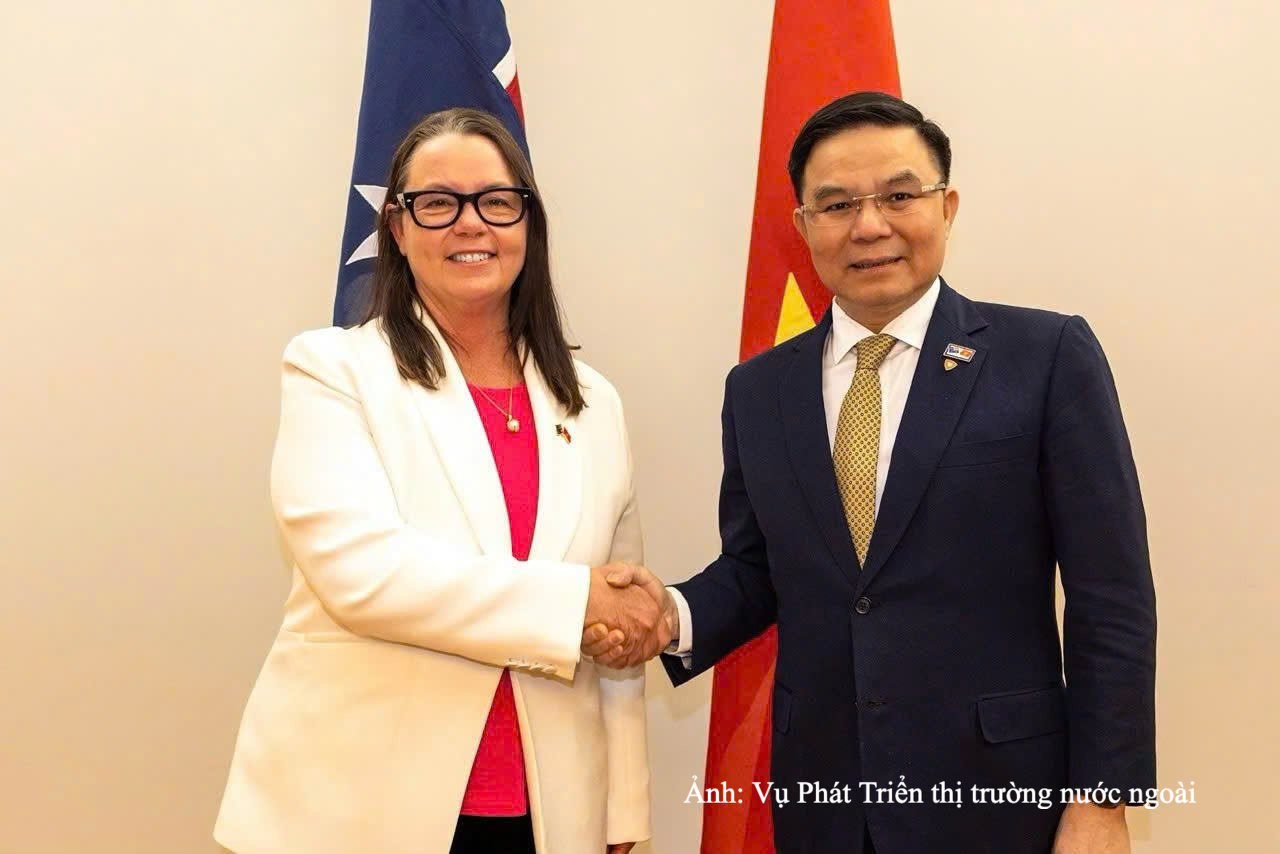
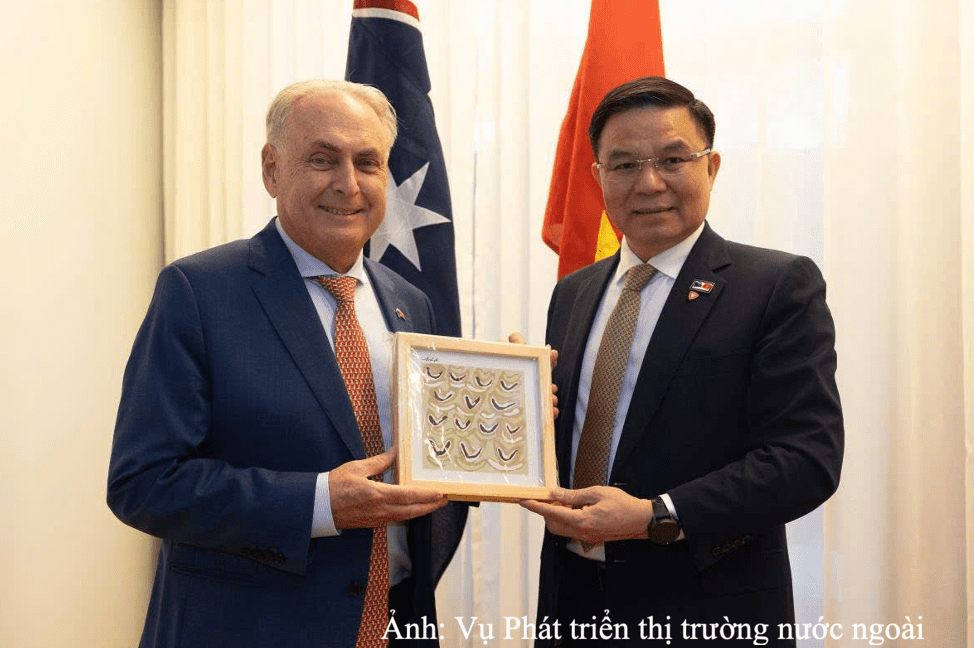
During his working trip accompanying Party General Secretary and State President To Lam on a State visit to Australia, Minister of Industry and Trade Le Manh Hung held a bilateral meeting with Australian Minister for Trade and Tourism Don Farrell in Canberra on August 11 (local time), to discuss measures to promote economic and trade relations between the two countries.
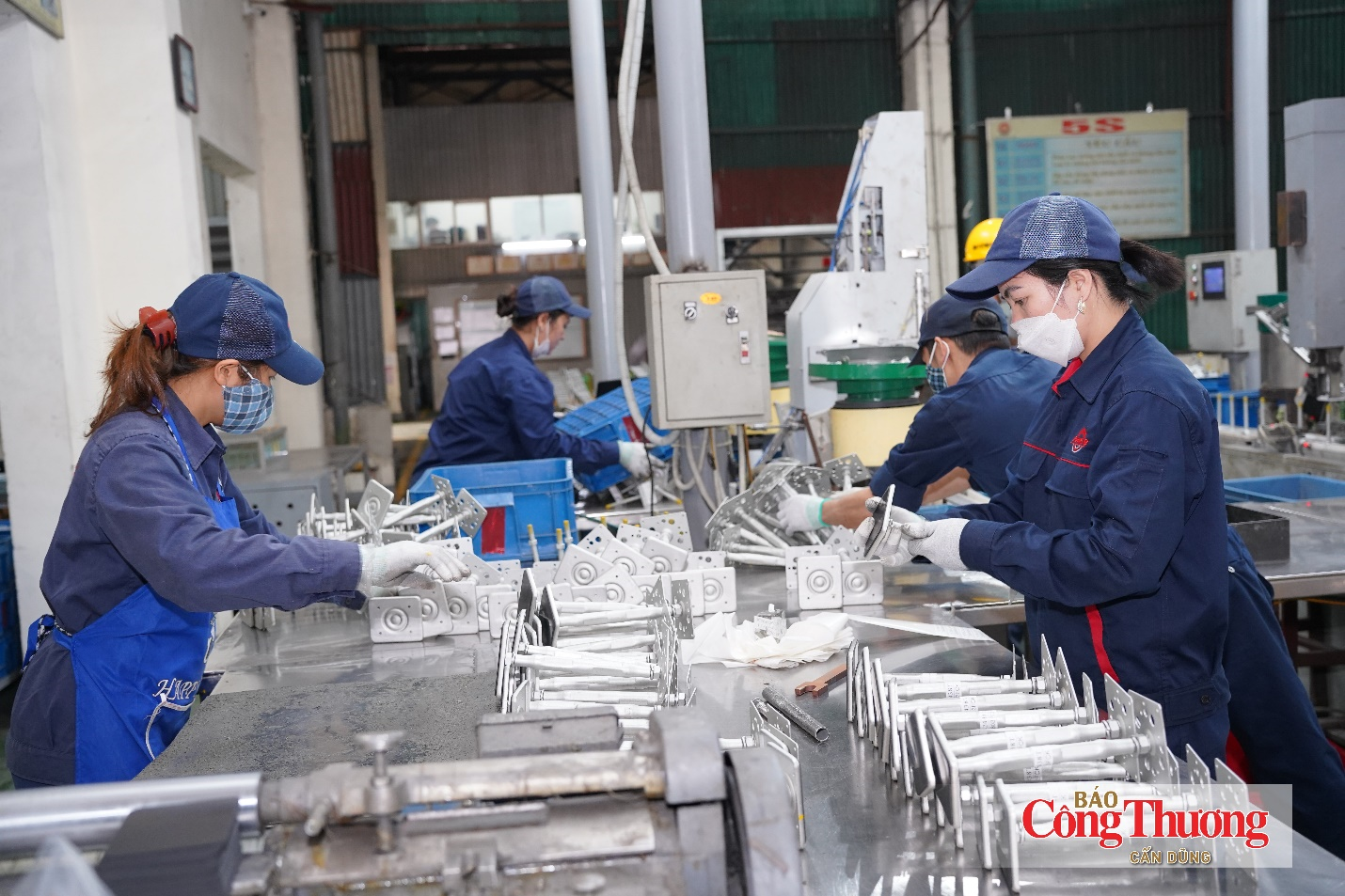
Viet Nam’s manufacturing industry must move beyond processing and assembly, master technology, raise localization and generate higher value across production chains.
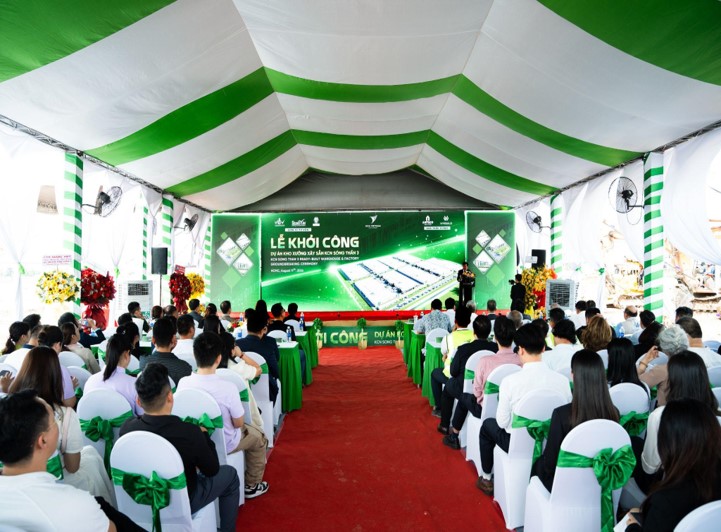
KCN Vietnam has broken ground on its 21.9-hectare Song Than 3 project in Ho Chi Minh City, adding over 130,000 sqm of LEED-standard industrial space to the market.
MoIT leader Le Manh Hung clarified major issues in the revised Petroleum Law, including decentralisation, investment incentives, CCS and offshore energy development.
The Netherlands offers strong opportunities for Vietnamese firms to enter manufacturing supply chains, but meeting strict market standards remains a major challenge.
As Vietnam advances its energy transition, battery energy storage systems (BESS) are emerging as a key solution for enhancing grid flexibility, increasing the integration of renewable energy and strengthening energy security.