As spring ushers in a new business cycle, Vietnam’s supporting industries are entering 2026 with expansion plans and long-term ambitions.
Preparing for 2026: Neither rushing nor galling behind
In the first days of 2026, as machinery hums across industrial parks, many supporting industry enterprises are doing more than restarting production lines. They are reviewing strategies, recalibrating resources, and preparing for the year ahead. After a period of market turbulence, “hot” growth targets have given way to greater caution, more rigorous calculations, and a longer-term outlook.
Nguyen Hong Phong, Chairman of An Mi Tools Co., Ltd. (An Mi Tools), said that in 2026 the company will focus on strengthening its production foundation and enhancing competitiveness. Key priorities include expanding factory space, investing in additional machinery and equipment, and progressively improving product quality to meet higher technical standards and more sophisticated orders.
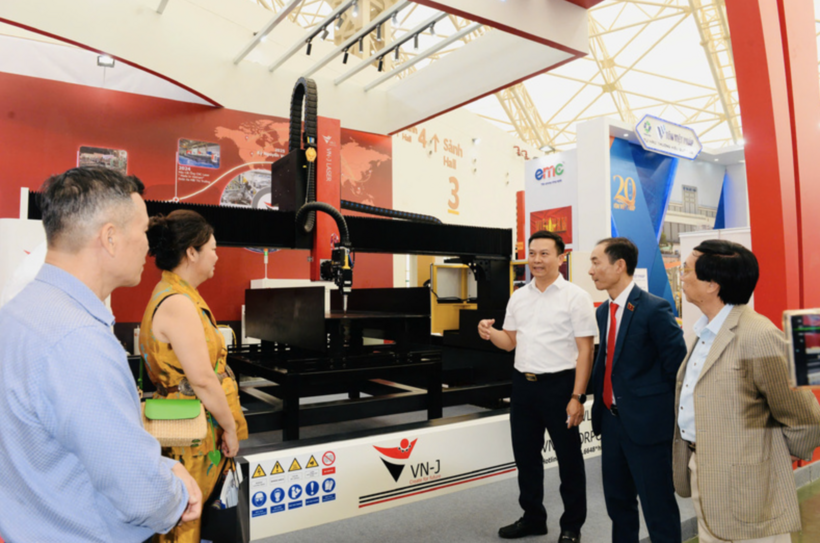
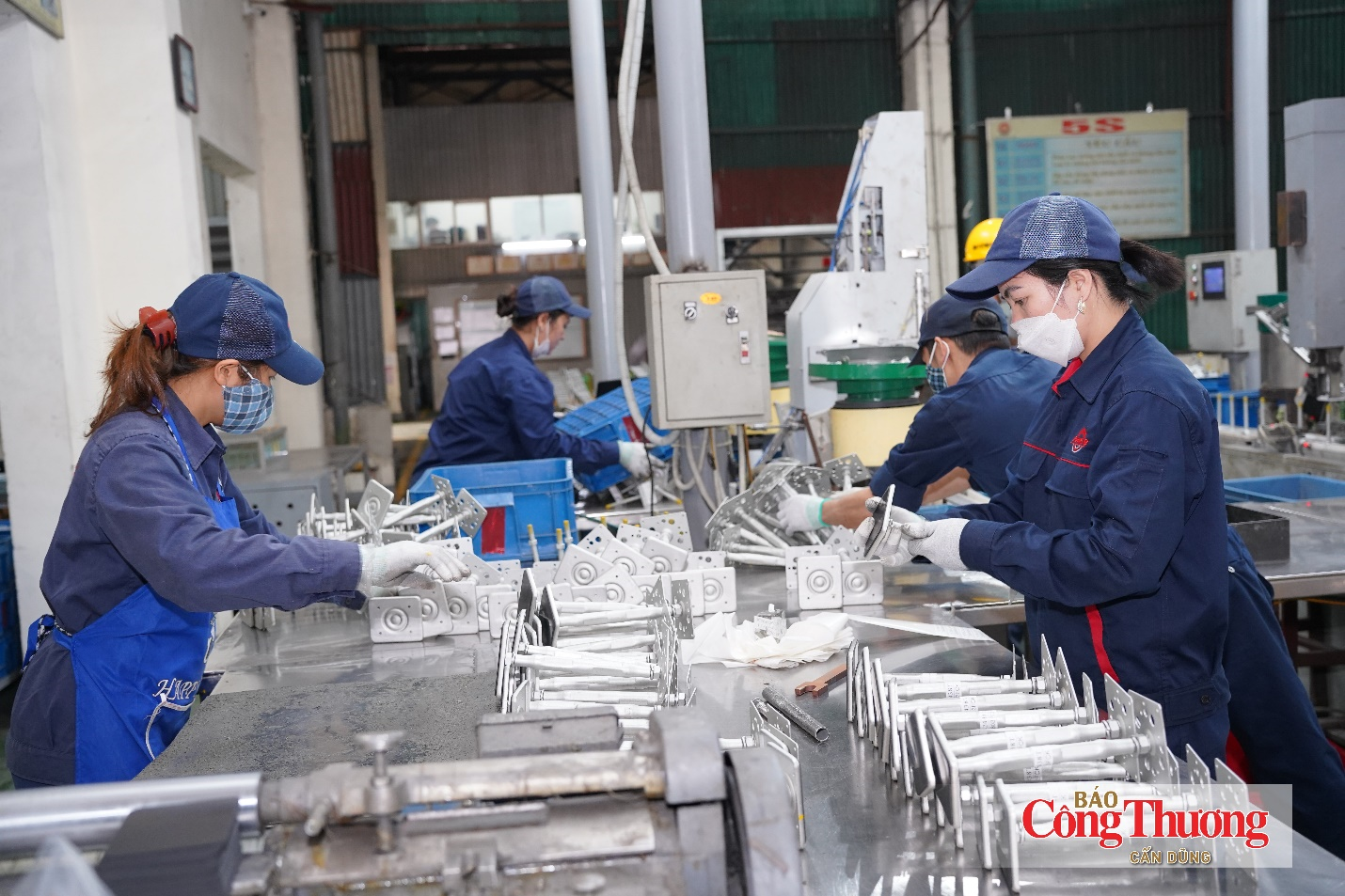
Hanoi’s industrial enterprises participate in the Exhibition of National Achievements marking the 80th anniversary of National Day (1945–2025). Photo: Khac Kien.
Notably, An Mi is developing a new plant in Bac Ninh Province, approximately 1.5 times larger than its existing facility in Hung Yen. Construction is scheduled for completion in July 2026, followed by a trial run before full-scale operations by year’s end. According to company leadership, the project is not merely a one-year plan but a strategic step for the next development cycle spanning several years.
Sharing a similar expansion trajectory, Nguyen Quang Thang, CEO of Bao Minh Chau Industrial JSC, said the company is moving forward with plans for a new factory in Vinh Phuc Province. The decision reflects steadily rising demand, particularly from infrastructure, energy, industrial, and automation projects. The new facility will enable more synchronized investment in infrastructure, technology, and management processes, laying the groundwork to meet increasingly stringent domestic and international technical standards.
In the field of importing and distributing technical equipment and solutions, Nguyen Thanh Hai, Chairman and CEO of EMIN Vietnam JSC, said the company will continue to pursue a high-growth strategy in 2026, coupled with expanding its branch network both domestically and internationally, with the aim of deepening its footprint across Asia.
“EMIN has established branches in Laos, Cambodia, Myanmar, Indonesia, and Singapore, with the goal of building a broad presence throughout Asia. In 2026, we aim to sustain growth of over 40 percent, while expanding our partner ecosystem and diversifying our product portfolio,” Hai noted.
These plans are grounded in the realities of a volatile 2025. For supporting industry enterprises, the year was not only about growth figures but also a test of resilience amid both domestic and external economic headwinds.
According to Phong, An Mi had targeted approximately 35 percent growth in 2025 compared to the previous year but ultimately achieved around 20 percent. While below initial expectations, this performance was still considered positive given market instability and the company’s already sizable revenue base.
The shortfall stemmed largely from market volatility. Domestically, policies related to taxation and business operations underwent adjustments, while implementation required time to achieve consistency. Internationally, disruptions in logistics chains and fluctuations in raw material prices, particularly superalloys used in high-tech industrial manufacturing—directly affected production costs and planning.
By contrast, EMIN Vietnam recorded growth of over 40 percent in 2025 compared to 2024. The company expanded its branch network to 11 units, six domestic and five overseas, while broadening its product range, strengthening its partner ecosystem, and increasing its workforce to more than 200 employees.
In textiles and garments, a sector closely linked to supporting industries, Than Duc Viet, CEO of May 10 Corporation, described 2025 as a challenging year due to tariff shifts and global economic uncertainty. Nevertheless, backed by a long-standing corporate foundation and flexible adaptability, May 10 fulfilled its export targets and maintained growth in the domestic market.
A new spring, new expectations for 2026-2030
As 2026 unfolds, the global economic landscape remains fraught with uncertainties. Geopolitical competition, regional conflicts, supply chain volatility, and raw material price swings continue to pose tangible risks. Yet amid these challenges, many businesses see long-term opportunities.
Phong noted that Vietnam continues to be viewed as an attractive destination on the global manufacturing and supply chain map, thanks to its strategic location, port infrastructure, and trade connectivity. A young, agile workforce with strong adaptability remains a significant advantage.
The ongoing refinement of the legal framework for supporting industries and defense and security industries is also opening new avenues for development. In particular, the dual-use industrial model is expected to enable enterprises to better leverage production capacity and integrate more deeply into domestic value chains.
Business leaders emphasize that while policy shapes the operating environment, internal strength ultimately determines success. Leadership vision, development strategy, and execution capability account for much of an enterprise’s performance. When companies can effectively leverage supportive mechanisms, these become additional competitive advantages.
Looking beyond 2026, many supporting industry firms regard the 2026-2030 period as pivotal. This is not a time to pursue growth at any cost, but rather a phase of consolidation, upgrading, and gradual repositioning within value chains.
For manufacturers, the goal is to move progressively into higher value-added segments such as design, research and development, automation, and smart manufacturing. For service providers and distributors, priorities include expanding product ecosystems, enhancing service quality, and strengthening their presence in regional markets.
Viet said May 10 is targeting double-digit growth in 2026, alongside a long-term strategy centered on green production, digital transformation, and sustainable development, an approach increasingly embraced by major global corporations.
A new spring brings both heightened expectations and more exacting demands for the business community. Yet, as in industrial production itself, steady accumulation and persistence remain the most reliable path forward. The plans being laid today will form the foundation for Vietnam’s supporting industries to enter a new phase of development, more resilient, more deeply integrated, and more sustainable.
After a year marked by volatility, the supporting business community is stepping into the new spring with caution but not pessimism. Production and business plans for 2026 are being prepared early, reflecting a deliberate effort to build internal strength for the long journey ahead.
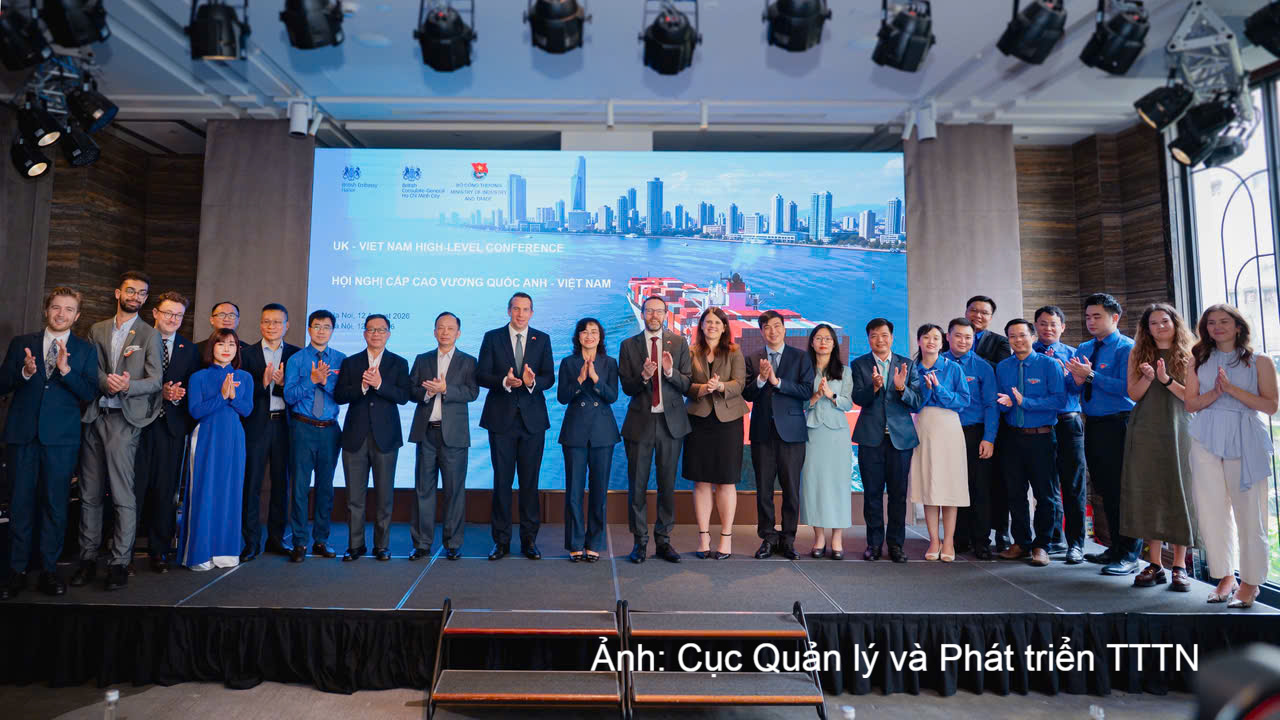
The 2026 UK - Viet Nam Summit was held in Ha Noi on August 12, focusing on fields that are creating new momentum for growth, including artificial intelligence (AI), financial technology, crypto assets, commodity derivatives markets and logistics.
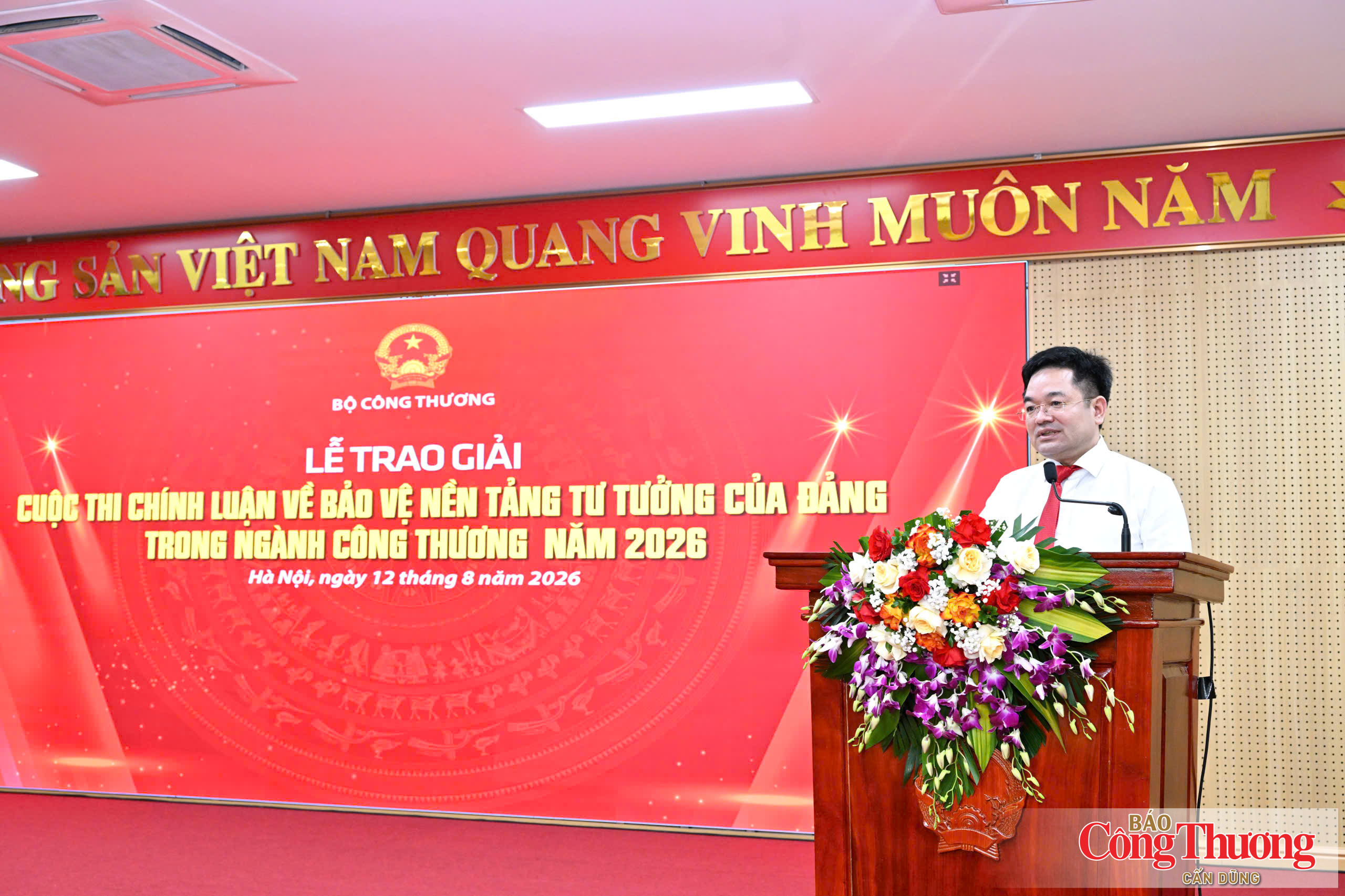
Editor-in-Chief of the Industry and Trade Newspaper Nguyen Van Minh said distorted narratives are defeated by counterarguments and undeniable realities when Party members perform their duties well too.
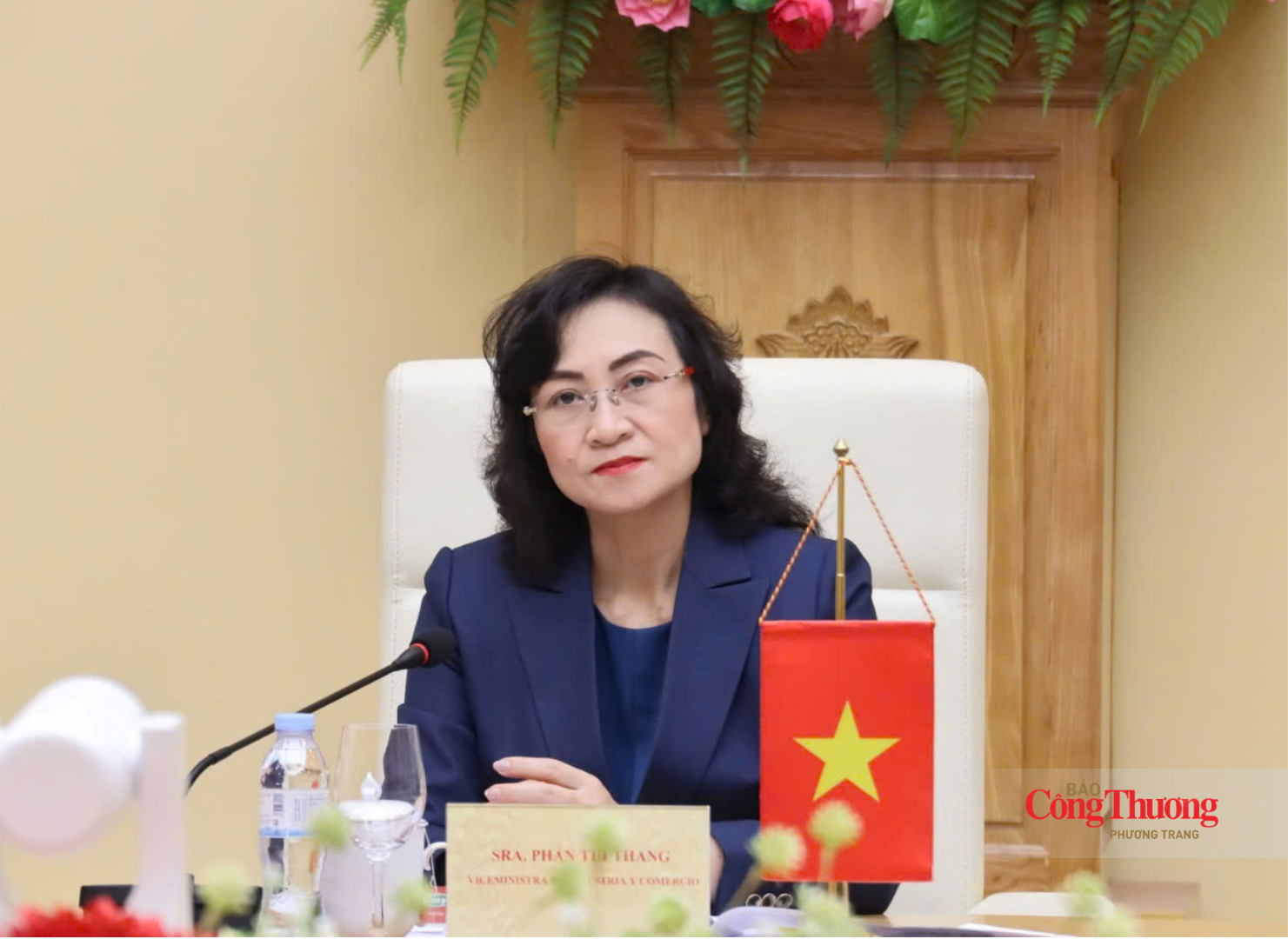
On August 12, Deputy Minister of Industry and Trade Phan Thi Thang held an online working session with Andrea Corao Faria, Venezuela's Deputy Minister for Asia, the Middle East and Oceania at the Ministry of Foreign Affairs and Foreign Trade.
Viet Nam and Australia are deepening energy and minerals cooperation strengthening supply chains, investment and support for the energy transition in both countries.
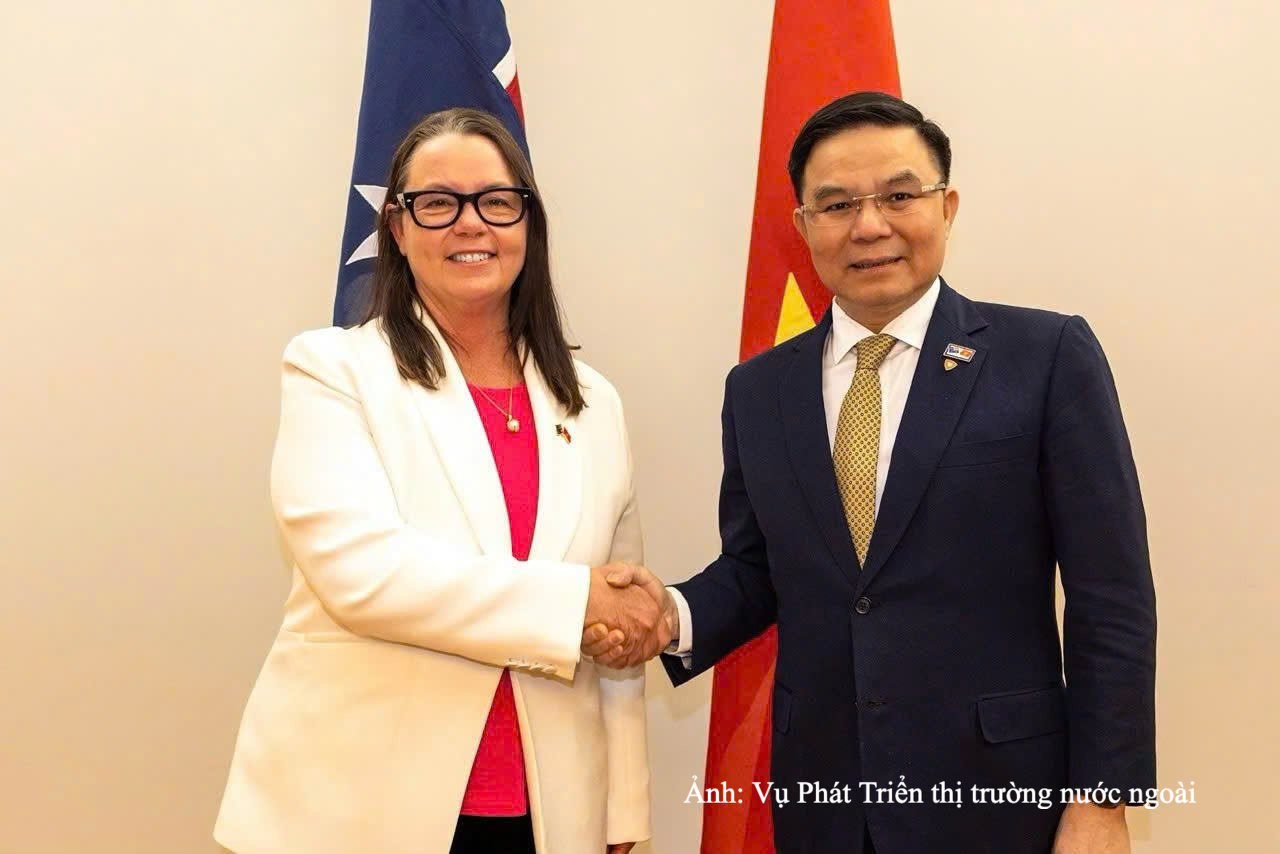
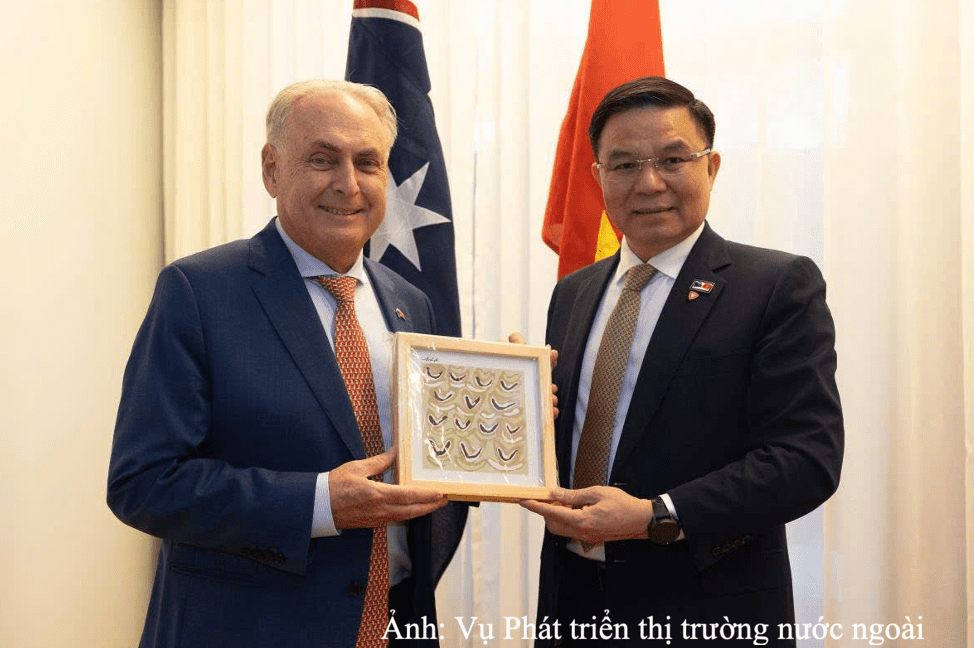
During his working trip accompanying Party General Secretary and State President To Lam on a State visit to Australia, Minister of Industry and Trade Le Manh Hung held a bilateral meeting with Australian Minister for Trade and Tourism Don Farrell in Canberra on August 11 (local time), to discuss measures to promote economic and trade relations between the two countries.
Viet Nam’s manufacturing industry must move beyond processing and assembly, master technology, raise localization and generate higher value across production chains.
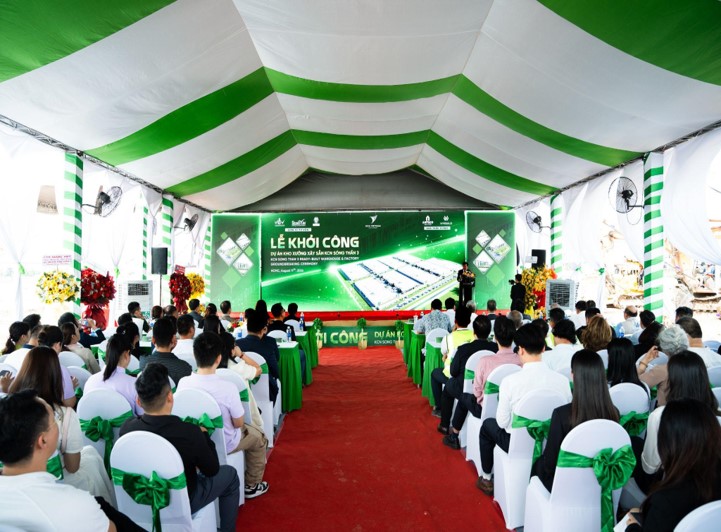
KCN Vietnam has broken ground on its 21.9-hectare Song Than 3 project in Ho Chi Minh City, adding over 130,000 sqm of LEED-standard industrial space to the market.
MoIT leader Le Manh Hung clarified major issues in the revised Petroleum Law, including decentralisation, investment incentives, CCS and offshore energy development.
The Netherlands offers strong opportunities for Vietnamese firms to enter manufacturing supply chains, but meeting strict market standards remains a major challenge.
As Vietnam advances its energy transition, battery energy storage systems (BESS) are emerging as a key solution for enhancing grid flexibility, increasing the integration of renewable energy and strengthening energy security.