The 4th ASEAN FG-GVC meeting in the Philippines marked a shift toward selective, integrated value chain cooperation amid geoeconomic fragmentation as pressures rise.
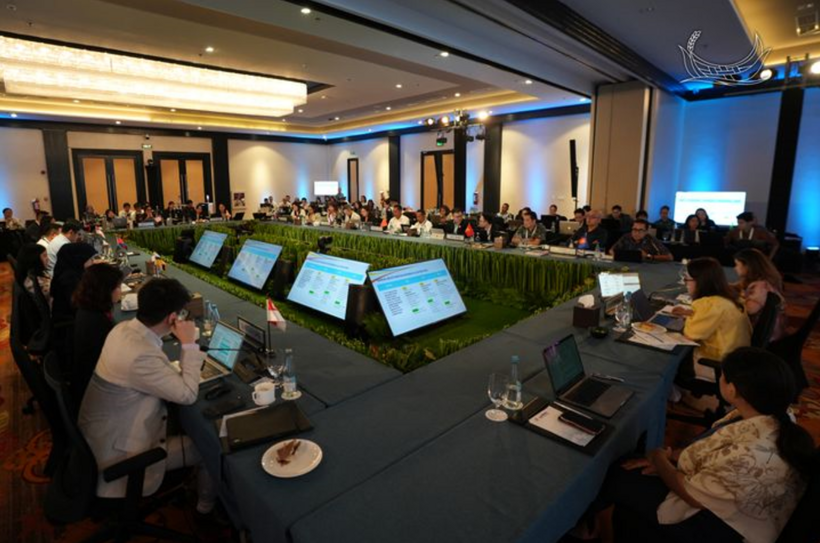
On January 24, the 4th meeting of the Focal Group for Global Value Chain (FG-CGV) took place in Bohol, Philippines. Taking place against the backdrop of global value chains (GVCs) continuing to be impacted by the intertwined effects of geoeconomic fragmentation, shifts in industrial policy, and the demands of sustainable development, the 4th FG-GVC is considered a key highlight in ASEAN's economic agenda for early 2026.
As one of the first specialized meetings in the Philippines' ASEAN Chairmanship Year 2026, the 4th FG-GVC not only reviewed the implementation of the GVC work plan for the 2016-2025 period but also laid the foundation for a new ASEAN approach to value chain cooperation in the 2026-2030 period, repositioning value chain cooperation in the new geoeconomic context.
The 4th meeting of the Focal Group for Global Value Chain (FG-CGV) in Bohol, Philippines.
From summarizing a period to designing a new action framework
One of the key agenda item of the 4th FG-GVC was to review the implementation of the ASEAN Work Plan on Enhancing Participation in and Upgrading Global Value Chains for the 2016-2025 period. According to the ASEAN Secretariat report, by early 2026, 27 out of 34 planned activities had been completed, with the remainder continuing to be implemented and transitioning to the next phase. These results demonstrate ASEAN's significant efforts in improving the policy environment for value-added industries, promoting trade facilitation, enhancing the role of small and medium-sized enterprises (MSMEs), and preparing for new value chains in the digital age.
Discussions at the 4th FG-GVC also indicated that many achievements remain foundational, while the level of deep involvement and substantive upgrading of ASEAN in high value-added stages of GVC is uneven among member states. This highlights the need for a new action framework, focusing more on quality, efficiency, and adaptability to geoeconomic shocks.
Against this backdrop, the draft ASEAN GVC Work Plan 2026-2030 was discussed as a shift from a broad to a selective approach. Instead of spreading initiatives thinly, ASEAN aims to streamline and prioritize activities with significant spillover effects, closely aligned with the ASEAN Economic Community (AEC) Strategic Plan 2026-2030.
Improving coordination mechanism: FG-GVC in the AEC institutional structure
The meeting devoted considerable time to discussing and finalizing the revised Terms of Reference (ToR) of the FG-GVC Group. Extending the term and clarifying the scope of activities of the FG-GVC reflects ASEAN's growing awareness of the interdisciplinary and cross-pillar nature of value chain issues.
According to the revised ToR, the FG-GVC not only plays a role in monitoring and evaluating the progress of GVC-related initiatives, but is also expected to become a focal point for promoting coordination among sectoral bodies within the AEC, as well as a channel for connecting with partners and research institutions. This approach aims to overcome policy fragmentation, which has been one of the major limitations in the implementation of regional value chain cooperation in the past.
Maintaining the current structure of the FG-GVC, while leaving open the possibility of expanding it into a higher-level mechanism in the future, shows that ASEAN is choosing a cautious approach: ensuring flexibility while avoiding creating additional institutional layers in the context of an already complex economic cooperation apparatus.
Value chains in the new geoeconomic context: From risks to opportunities for cooperation
A key highlight of the 4th FG-GVC was the discussion session on value chains and the geoeconomic context. The discussion shows that most recommendations of the ASEAN Geoeconomic Task Force have been integrated into existing initiatives or the AEC Strategic Plan 2026-2030. This reflects ASEAN's efforts to proactively "internalize" geoeconomic challenges into the integration agenda, rather than merely reacting passively.
Notably, discussions at the 4th FG-GVC emphasized the role of regional industrial policy in strengthening the resilience of ASEAN supply chains. In the context of supply chain restructuring trends, investment shifts, and increasing technological controls, ASEAN is seen not only as a manufacturing destination but also as a space for cooperation to develop complementary regional value chains.
Repositioning ASEAN industrial cooperation: From fragmented initiatives to an integrated policy package
ASEAN industrial cooperation is the agenda item that attracted much in-depth discussion. Analyses presented at the 4th FG-GVC indicate that the ASEAN industrial sector is expected to grow at a high rate in the coming period, contributing increasingly to the region's GDP and employment. However, to harness this potential, ASEAN needs to move beyond an approach based on isolated, uncoordinated initiatives.
The proposal to reposition ASEAN industrial cooperation in a clearer direction, through frameworks such as the ASEAN Industrial Platform for Resilience and Sustainability, is considered a noteworthy direction. Instead of creating new initiatives, ASEAN aims to streamline and integrate existing tools (from trade and investment facilitation to standards, logistics, and skills development) into a unified policy package that is more accessible to businesses.
This approach not only enhances the visibility of ASEAN industrial cooperation but also contributes to increased policy coordination among member states in the context of increasingly fierce competition for investment.
Semiconductors and strategic value chains: A test for regional cooperation
Discussions on the ASEAN Semiconductor Roadmap, one of the Philippines' priority economic deliverables during its 2026 chairmanship, clearly showed the challenges and opportunities in promoting strategic value chains. Exchanges at the 4th FG-GVC indicated that ASEAN has the potential to participate more deeply in the global semiconductor value chain, but this requires closer coordination in policy, human resource development, and selective investment attraction.
From a GVC perspective, semiconductors are not just a single industry but a key input for many other value chains. Therefore, building a regional roadmap is seen as a test of ASEAN's ability to implement industrial cooperation in high-tech and strategically sensitive sectors.
The 4th FG-GVC successfully concluded on January 24, demonstrates ASEAN's gradual shift from an expansive to a selective and integrated approach to value chain cooperation. The focus is no longer on creating new initiatives, but on the ability to connect, coordinate, and effectively implement existing tools.
For member states, including Vietnam, this new approach opens up opportunities to proactively position their roles in regional value chains, while requiring closer coordination among domestic agencies to effectively utilize ASEAN cooperation frameworks. In the long term, the success of the ASEAN GVC program for the period 2026-2030 will depend on its ability to translate regional policy frameworks into concrete benefits for businesses and economies, in the context of the ongoing profound restructuring of global value chains.
The 4th FG-GVC, therefore, is not only a technical meeting, but also a milestone demonstrating ASEAN's efforts to reposition itself on the reshaping global value chain map.
Industry and Trade Newspaper would like to introduce a podcast series on the implementation of the Politburo's Resolution No. 57 in the Industry and Trade sector.
GREENTECH HA NOI 2026 showcases green technologies and energy-efficient solutions that help businesses cut emissions, optimize costs, promote sustainable production.
The programme connects Vietnamese businesses with Chinese investors, expanding opportunities for investment, technology cooperation and supply chain links.
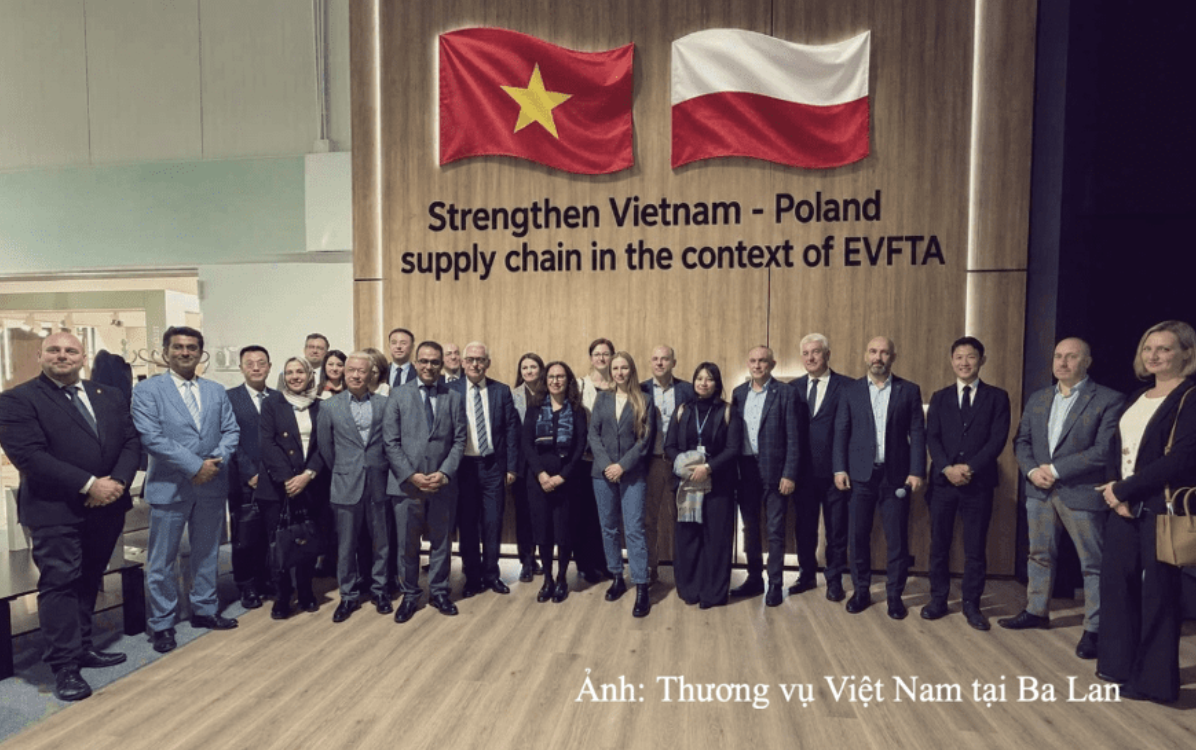
Viet Nam and Poland are exploring complementary strengths in furniture manufacturing, machinery, raw materials and technology to develop regional supply chains.
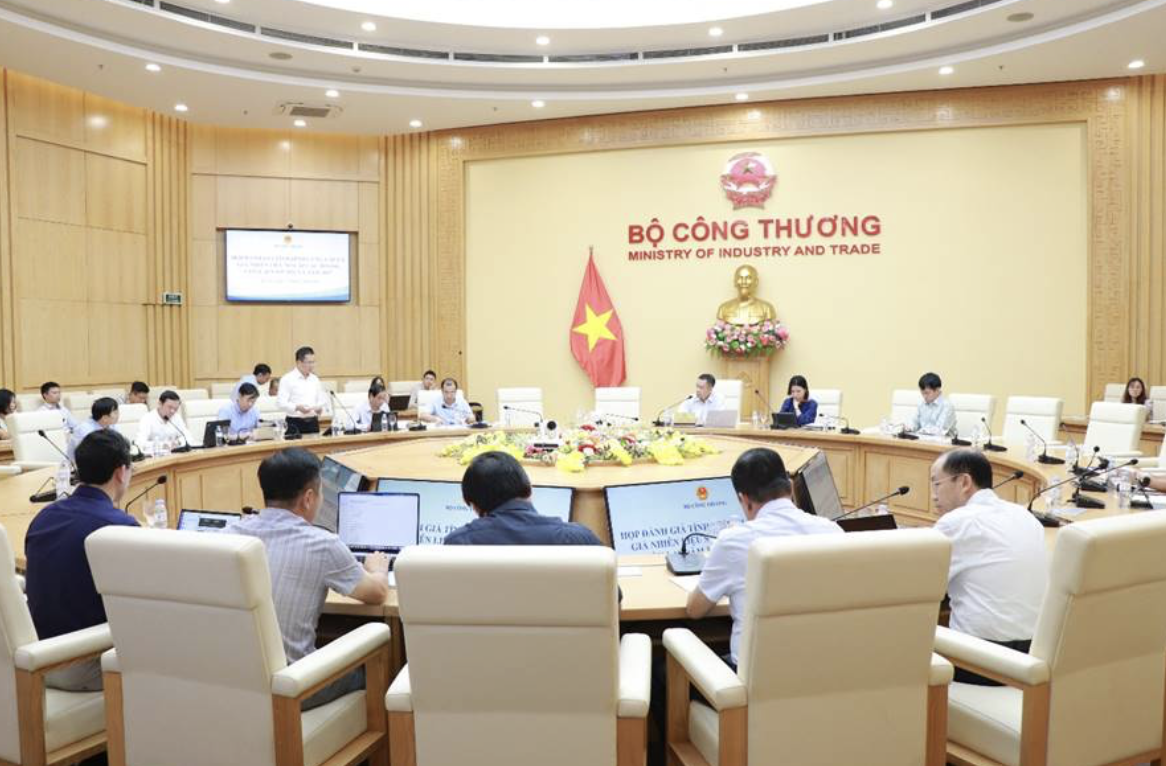
The MoIT calls for proactive risk management and supply diversification to prevent energy supply disruptions amid global geopolitical and market uncertainties.
GREENTECH HA NOI 2026 showcases green technologies and energy-efficient solutions that help businesses cut emissions, optimize costs, promote sustainable production.
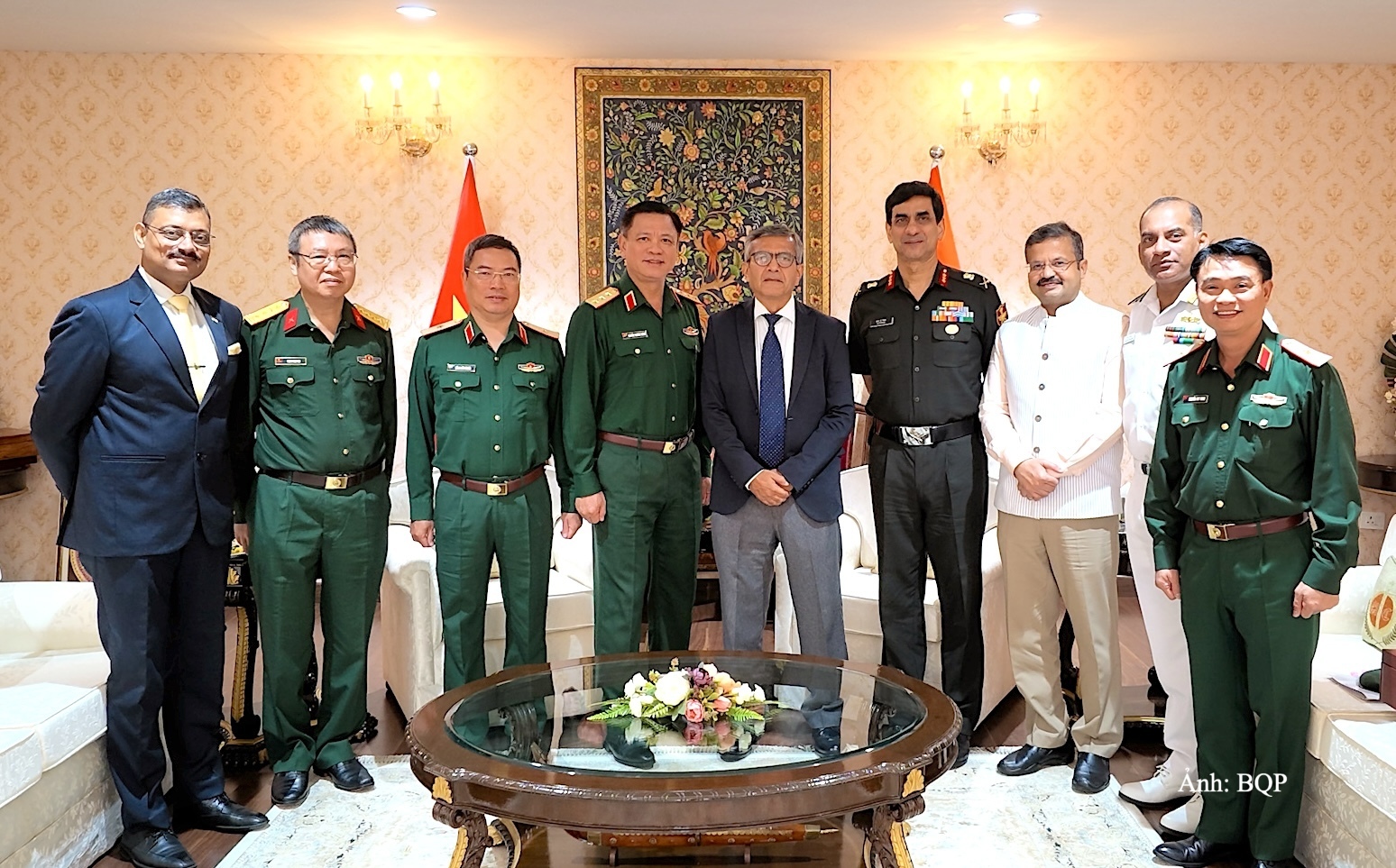
On the sidelines of the BRICS Summit in New Delhi, Senior Lieutenant General Nguyen Truong Thang held a meeting with Indian Defence Secretary Rajesh Kumar Singh, agreeing to expand defence cooperation.
Viet Nam has identified strengthening energy security and resilience, accelerating a clean and just energy transition, and promoting innovation, investment and regional connectivity as three strategic priorities in responding to profound changes in the global energy landscape.
The Viet Nam-Japan Business Forum 2026 will take place in Hanoi, bringing together around 250 delegates for trade and investment matchmaking and business networking.