Vietnam’s business community looks to the 14th National Party Congress for policy breakthroughs to improve the legal framework and boost private sector growth.
Emphasizing the role of the private economy
As the economy enters a new phase marked by both opportunities and challenges, the business community as a whole, and small and medium-sized enterprises in particular, are closely watching the 14th National Party Congress with high expectations. In particular, resolutions issued in 2025 have been widely described as a “four-pillar framework,” opening up new development space and creating strong momentum for the private economic sector.
A reporter from Newspaper of Industry and Trade held an exchange with Trinh Thi Ngan, head of the advisory board of the Hanoi Small and Medium Enterprises Association, on these expectations.
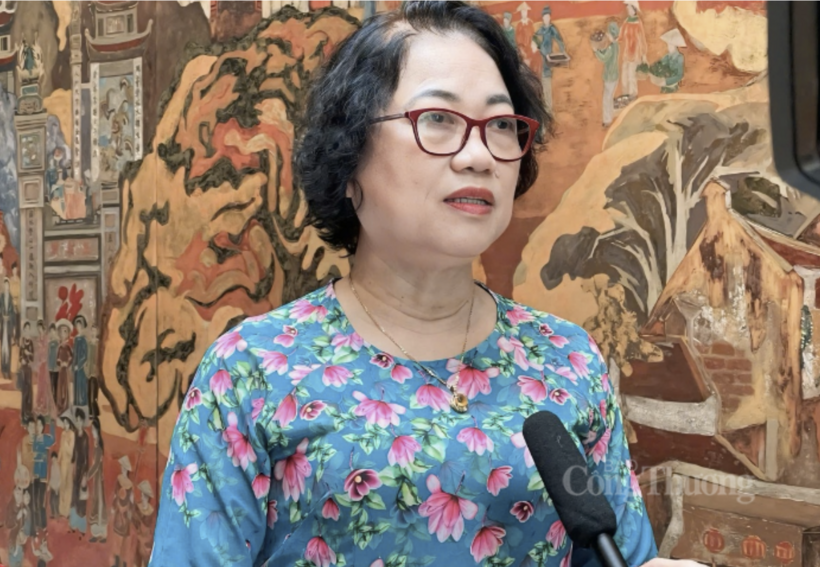
Trinh Thi Ngan, Head of the Advisory Board of the Hanoi Small and Medium Enterprises Association.
In 2025, many important resolutions were issued. How do you assess the significance of these resolutions for businesses, and what does the 14th Party Congress mean for the country in this new development phase?
Trinh Thi Ngan: 2025 can be regarded as a particularly significant year, marked by the issuance of several strategic resolutions that are considered a “four-pillar framework” for a new development stage. These include Resolution No. 57-NQ/TW on breakthroughs in the development of science and technology, innovation and national digital transformation; Resolution No. 59-NQ/TW on international integration in the new context; Resolution No. 66-NQ/TW on renewing the work of law-making and law enforcement; and Resolution No. 68-NQ/TW on private sector development.
These resolutions have direct and far-reaching impacts on the country’s socio-economic development strategy. Beyond orientations related to science and technology, institutions or international integration, all four resolutions underscore and elevate the role of the private sector as a key driver of sustainable development in the new era. From the perspective of the business community, these represent timely and necessary policy impulses, opening up a more favorable legal corridor for enterprises to develop in a more solid and confident manner as the nation enters a new phase of growth.
In addition to the “four-pillar framework,” Resolution No. 79-NQ/TW on state economic development and Resolution No. 80-NQ/TW on the development of Vietnamese culture also merit attention. These are long-term, forward-looking resolutions that not only emphasize economic factors but also highlight foundational values such as culture and human development, which are indispensable to sustainability. The complementarity among economic, cultural, institutional and technological pillars is expected to provide a firm foundation for enterprises to expand with greater confidence in an increasingly globalized environment.
The 14th National Party Congress is expected to open a breakthrough phase of reform, laying the groundwork for the country’s sustainable development. In this process, science and technology, innovation and institutional improvement are set to play a central role in translating long-term development objectives into reality.
Driving strong improvements in the business environmentWithin the 2026 - 2030 development strategy, what concrete directions have small and medium-sized enterprises identified?
Trinh Thi Ngan: Three key development pillars have been clearly identified for the coming period. The first is the economic pillar, with the objective of ensuring stable and efficient growth while strengthening adaptability to market conditions. The second is the corporate culture pillar, focusing on inheriting and promoting ethical values, identity and credibility built over nearly eight decades of formation and development. The third is the political pillar, reflected in closely aligning business operations with Party-building activities, ensuring sound orientation, transparency and consistency in enterprise operations.
With these three pillars, the business community expects the 14th National Party Congress to continue serving as a forum for crystallizing collective wisdom and issuing strategic decisions that enable effective implementation of major resolutions. There is strong anticipation that these resolutions will be swiftly translated into concrete measures, implemented in a coordinated manner and embedded deeply in practice, generating substantive and tangible improvements in the investment and business environment.
A double-digit growth target has been set for the coming period. In your view, does this pose a challenge under current conditions?
Trinh Thi Ngan: A double-digit growth target, meaning annual growth of over 10%, represents a significant challenge. At the same time, it reflects strong determination to move the country into a more prosperous and dynamic stage of development.
For enterprises in Hanoi in particular, the challenges are evident. The global economic environment remains fraught with uncertainties, geopolitical tensions persist, and competition among major economies continues to intensify. Global consumption markets are volatile and increasingly difficult to predict. To achieve growth of more than 10% per year, enterprises are required to fundamentally renew their mindset, enhance productivity, accelerate the application of technology, expand markets and strengthen risk management. However, with timely policy support, transparent institutions and a stable legal environment, the benefits of such growth ambitions are expected to extend beyond enterprises to society as a whole.
With trade hitting USD 930 billion in 2025, Vietnam’s economic integration enters a new phase focused on quality, green exports and deeper global positioning.
Vietnam’s canned tuna exports fell 8% in 2025 as the EU dropped sharply, while the US held steady and Middle East - North Africa markets posted strong growth.
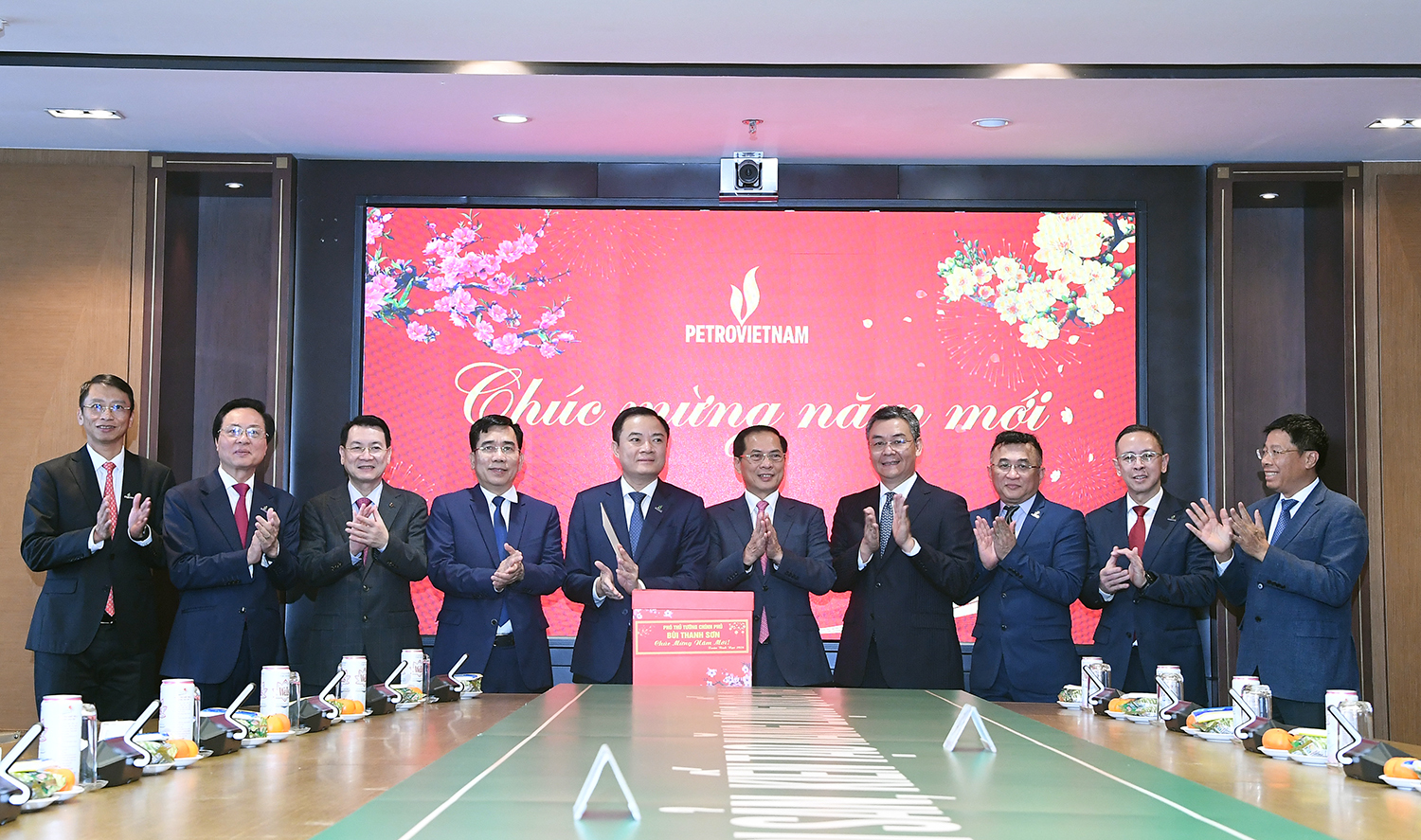
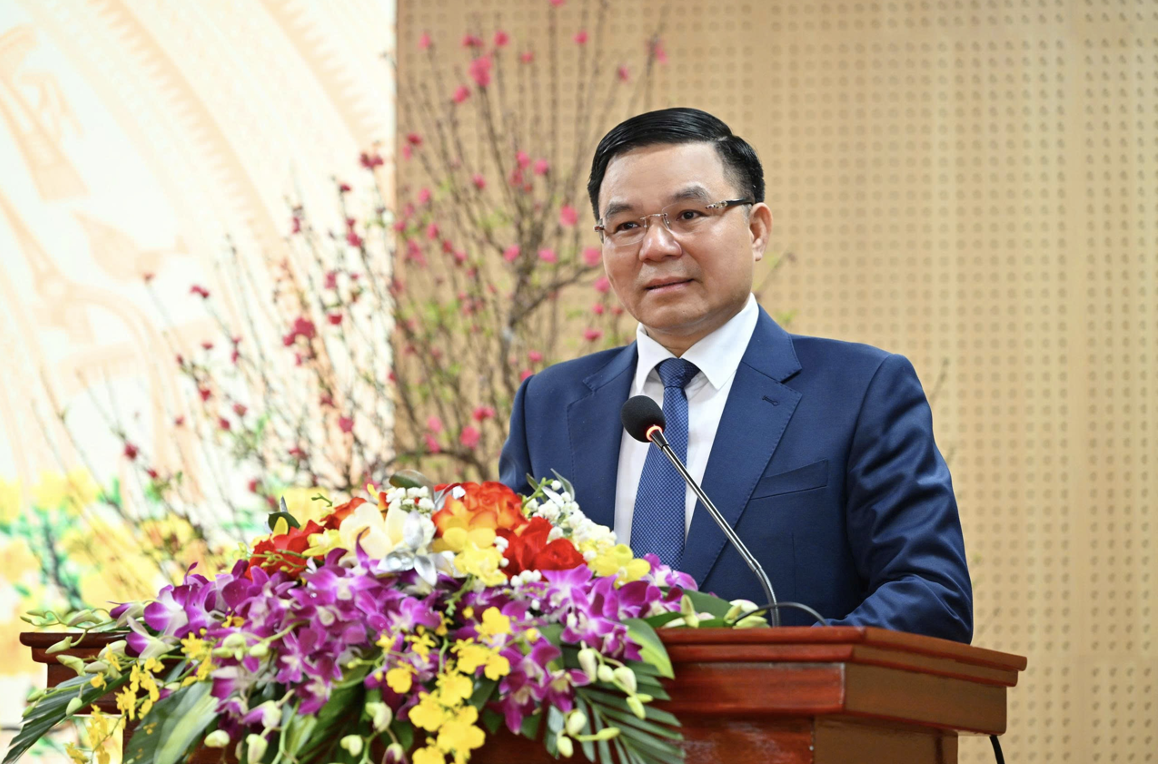
Deputy Prime Minister Bui Thanh Son set growth targets for four energy pillars, urging double-digit breakthroughs and 14th National Congress Resolution execution
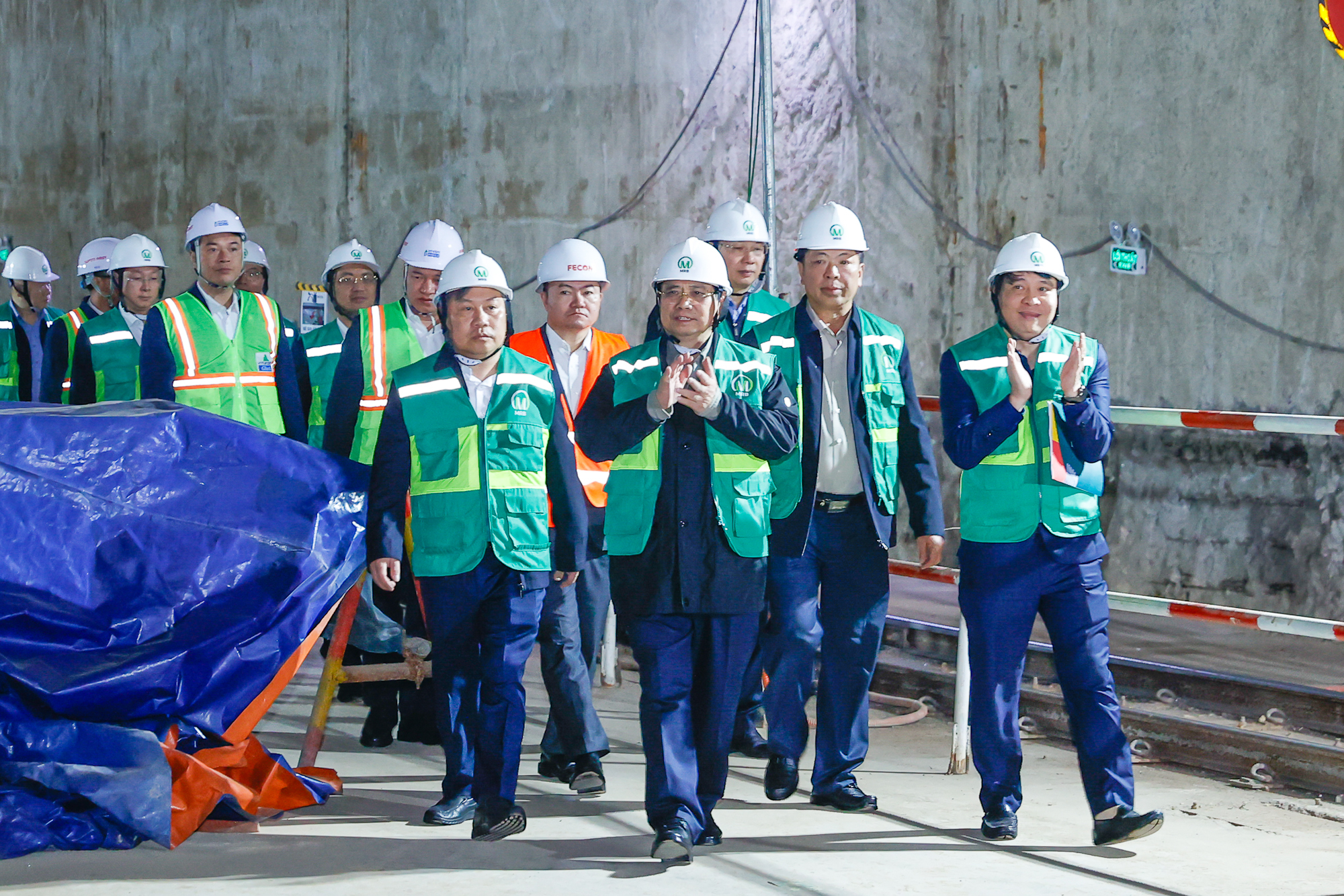
Prime Minister Pham Minh Chinh urged sweeping reforms to accelerate Hanoi’s urban railway projects, targeting over 600km by 2045, while ensuring quality and safety.
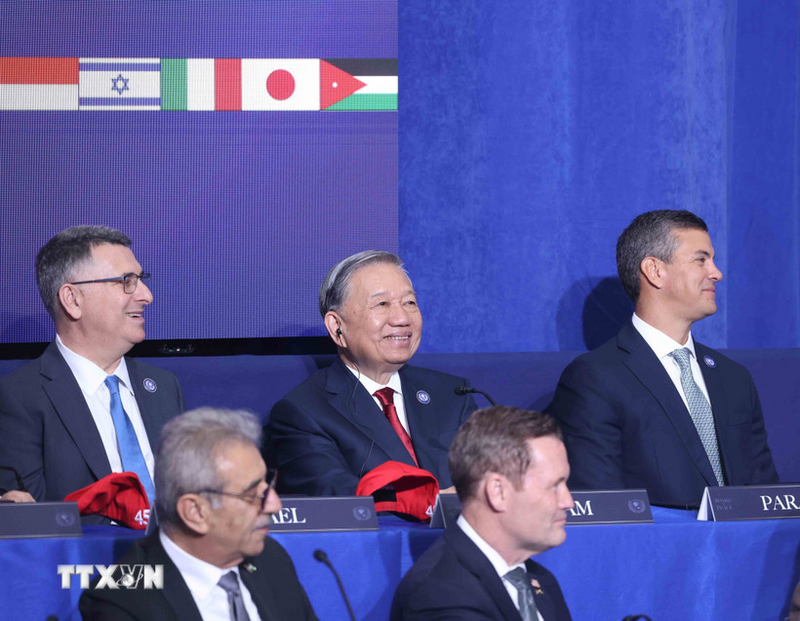
Vietnam’s General Secretary To Lam attended the Gaza Peace Council’s inaugural meeting in Washington, D.C., outlining commitments to peacekeeping and reconstruction.
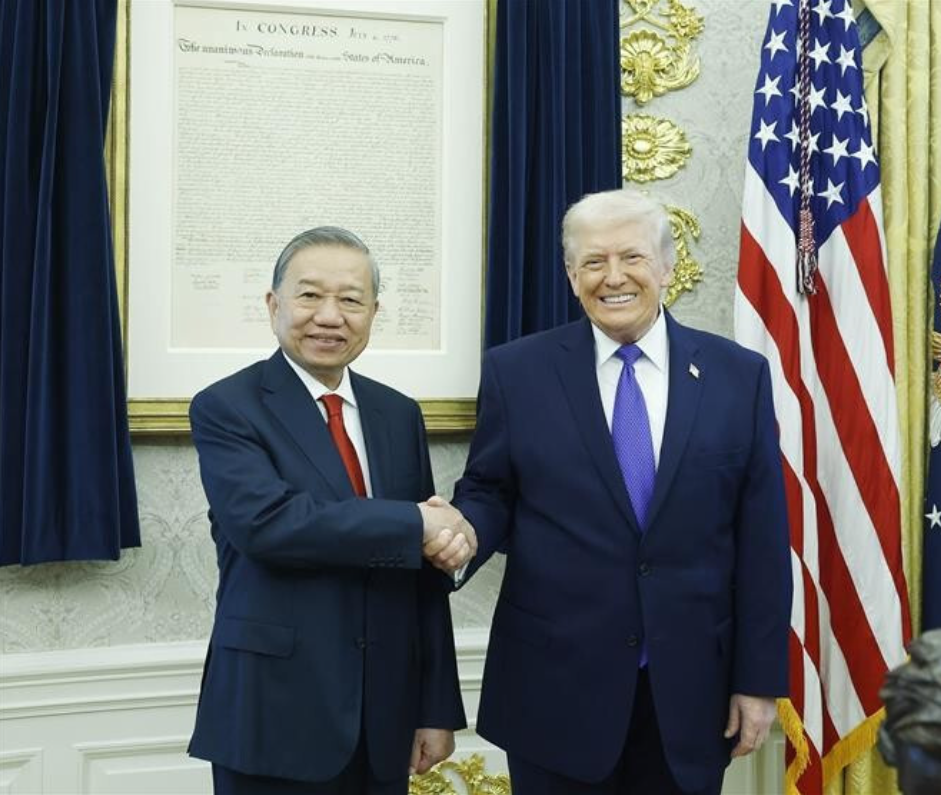
General Secretary To Lam held talks with US President Donald Trump at the White House on bilateral ties and regional and international issues of shared concern.