Vietnam’s laptop market is entering a new growth cycle, driven by the mainstream adoption of AI and rising demand for professional creative solutions.
AI becomes the new Standard in Vietnam’s PC Market
At CES 2026, ASUS delivered a clear message: “Ubiquitous AI. Incredible Possibilities.” The theme reflects a broader transformation in the global PC industry, where artificial intelligence is no longer an optional add-on but is becoming a core component of everyday computing.
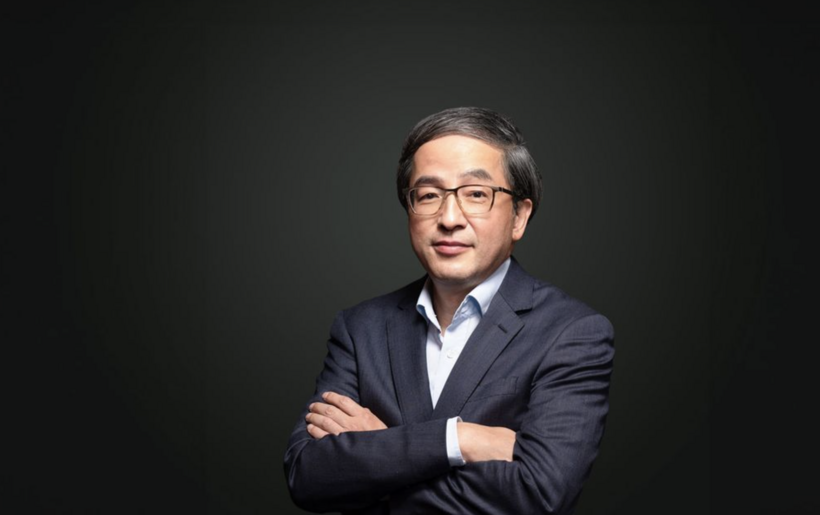
Insights shared by Eric Chen, Senior Vice President of ASUS, indicate that not only the global market but also Vietnam’s domestic market is entering a new cycle of laptop consumption, in which AI and the growing demand for advanced creative capabilities are emerging as the primary driving forces.
Eric Chen, Senior Vice President of ASUS
Compared to one or two years ago, AI on PCs has evolved significantly. Previously, AI capabilities were often experimental or limited to isolated features such as voice assistants or image recognition. Today, AI is deeply embedded in the user experience. It automates repetitive tasks, optimizes workflows, and provides real-time assistance across a range of applications.
For office users, AI can summarize documents, enhance virtual meetings, manage schedules more efficiently, and improve productivity. For creators, AI tools enable faster photo editing, video post-production, and design processes, lowering technical barriers and expanding creative possibilities. Tasks that once required advanced professional skills can now be executed more efficiently with AI-powered support.
Another important, though less visible, improvement lies in power management. New-generation AI laptops are capable of intelligently balancing performance and energy consumption in real time, depending on workload intensity. While this advantage may not stand out on a technical specification sheet, users can clearly experience longer battery life, improved thermal control, and more stable performance during demanding tasks.
From a business perspective, the biggest challenge in popularizing AI on laptops is not a single factor such as hardware cost or software maturity. Instead, it is the need for synchronized development across hardware, software ecosystems, and user readiness. AI software is advancing rapidly, but for users to fully benefit, they must understand how AI can concretely simplify their work, enhance efficiency, and support creativity.
Education and awareness therefore play a crucial role. When users recognize tangible benefits, they are more willing to adopt AI-powered devices. While pricing remains an important consideration in a price-sensitive market like Vietnam, it also drives manufacturers to develop flexible AI PC offerings that deliver strong value at different price tiers.
In the enterprise segment, the opportunity is equally significant. Businesses require AI solutions that integrate seamlessly with existing security systems, management frameworks, and IT infrastructure. This creates demand for comprehensive, secure, and scalable solutions rather than isolated AI features. As Vietnamese enterprises continue their digital transformation journey, AI-enabled PCs are increasingly viewed as practical tools to accelerate smarter and more efficient working models.
Overall, AI is emerging as a new baseline expectation in the Vietnamese laptop market. Consumers are moving beyond traditional metrics such as processor speed or graphics performance, focusing instead on intelligent functionality that delivers real-world productivity gains.
Rising demand for professional creative solutions
Alongside the AI wave, Vietnam’s rapidly growing creative industry is shaping a second major consumption trend. From graphic design and filmmaking to animation and digital content production, a young and dynamic workforce is driving demand for powerful computing devices tailored to professional creative workflows.
In the past, many Vietnamese content creators opted for high-end gaming laptops to meet their performance needs, largely because these models offered early access to the latest CPU and GPU platforms. However, the market is gradually shifting toward devices designed specifically for creative professionals, machines that prioritize not only performance but also color accuracy, display calibration, and compatibility with specialized software.
ASUS previously introduced the ProArt lineup in Vietnam in 2022, marking the beginning of a long-term strategy to build connections within the local creative ecosystem. At that time, the company invested in workshops, seminars, and community programs covering 2D and 3D design, animation, filmmaking, and the practical application of emerging technologies such as AI in creative workflows.
What distinguishes ProArt from general-purpose or gaming devices is its design philosophy. Rather than focusing solely on raw power, the series emphasizes precise color reproduction, professional-grade displays, optimized drivers for creative applications, and an overall workflow-oriented user experience. This approach reflects the maturation of Vietnam’s market, where users increasingly seek specialized tools tailored to their professions instead of all-purpose machines.
Although certain ProArt models have not been widely distributed in Vietnam in recent years, demand for professional creative solutions is becoming more evident. As the Vietnamese economy continues to expand and the creative industry gains sophistication, the appetite for specialized hardware is expected to grow further.
ASUS has indicated plans to introduce the next generation of ProArt products to the Vietnamese market in the near future. If implemented, this move could signal a new phase in the local PC market, one characterized by greater segmentation based on professional needs rather than mass-market consumption alone.
Taken together, two major forces are shaping Vietnam’s computer consumption trends: the mainstream adoption of AI and the rising demand for professional creative tools. Users are no longer looking solely for high specifications; they are seeking devices that function as intelligent companions, enhancing productivity and enabling creativity.
In the coming years, competition is likely to intensify in the mid-range and high-end AI PC segments, while specialized product lines for creators may gain stronger traction. This evolution requires manufacturers to align hardware innovation, software ecosystems, and community engagement strategies to create sustainable value.
Vietnam’s laptop market is thus undergoing a structural transformation. PCs are shifting from being simple task-processing tools to becoming intelligent platforms that support smarter work and more advanced creative output. This shift mirrors broader changes in consumer behavior and the ongoing development of Vietnam’s digital economy.
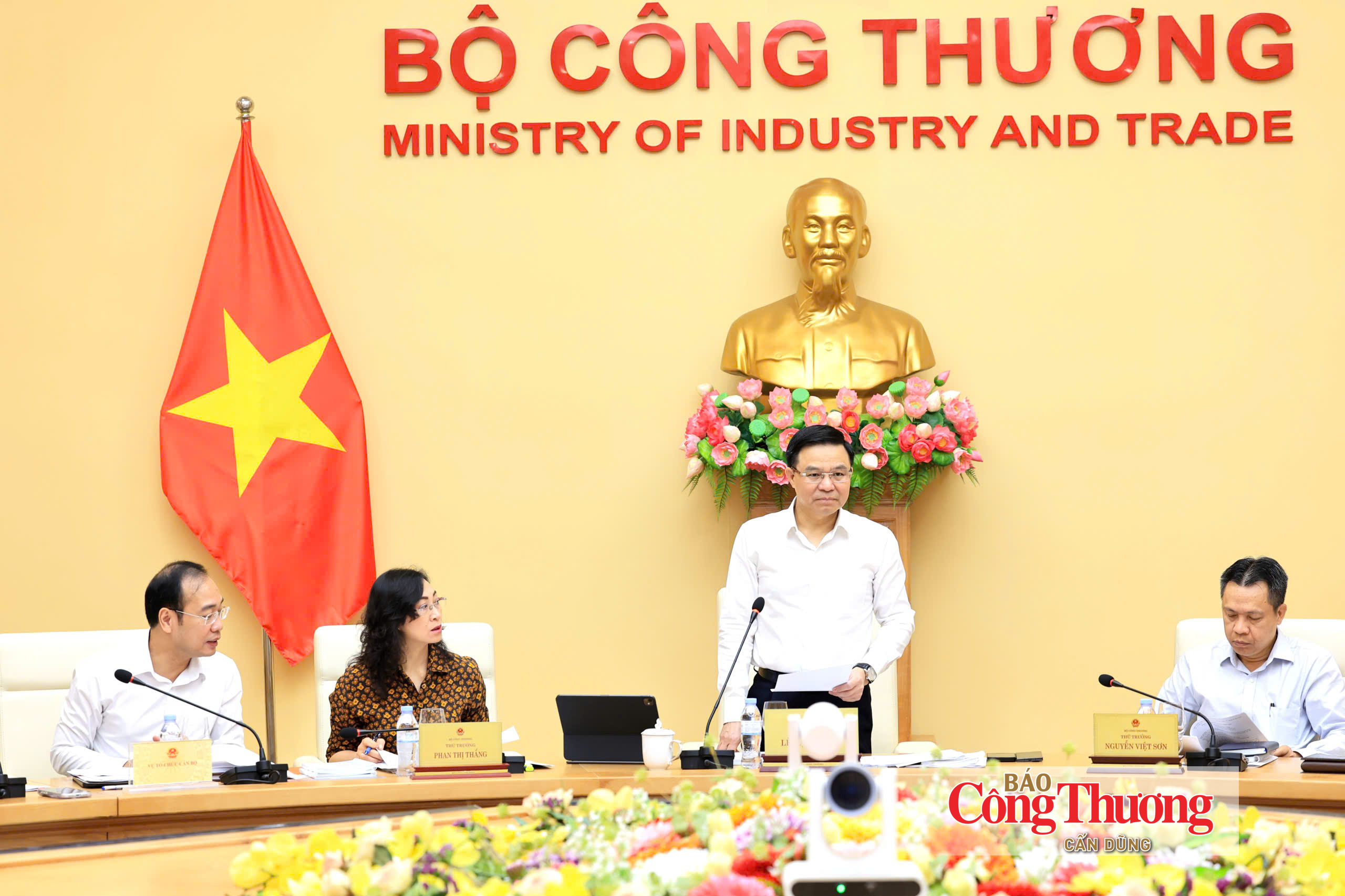
Deputy Minister of Industry and Trade Luong Hoang Thai emphasized that building the national brand is a driving force for improving Viet Nam’s competitiveness and international standing.
The official visit to Laos by Prime Minister Le Minh Hung is expected to inject fresh momentum into bilateral relations, with economic, trade and investment cooperation continuing to serve as a core pillar.
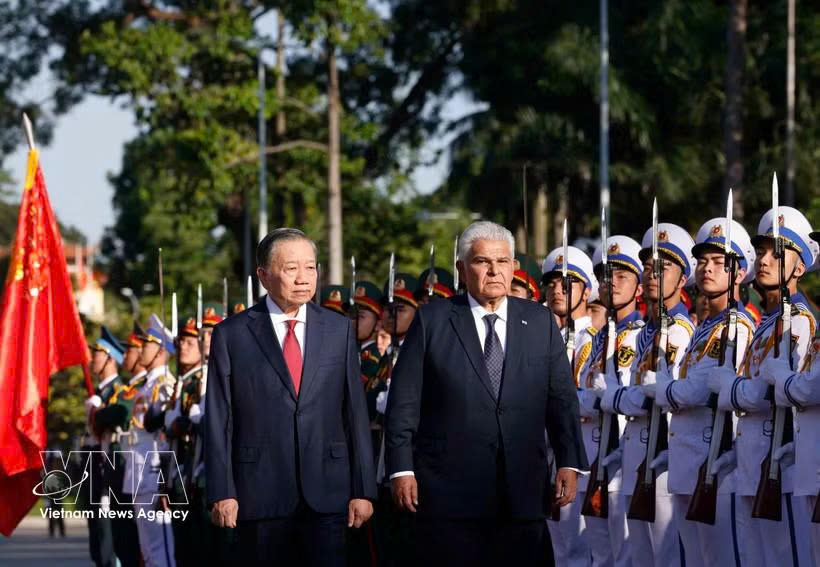
The Panamanian President’s visit is expected to contribute to further deepening and making the traditional friendship and cooperation between the two nations more substantive and effective.
On October 2, the Ministry of Industry and Trade (MoIT) held a working session between Minister of Industry and Trade Le Manh Hung and research institutes, universities and colleges under the Ministry to review their recent operations and identify solutions to better harness the potential, advantages and collective strengths of the Ministry’s education and research institutions. Minister of Industry and Trade Le Manh Hung chaired the meeting.
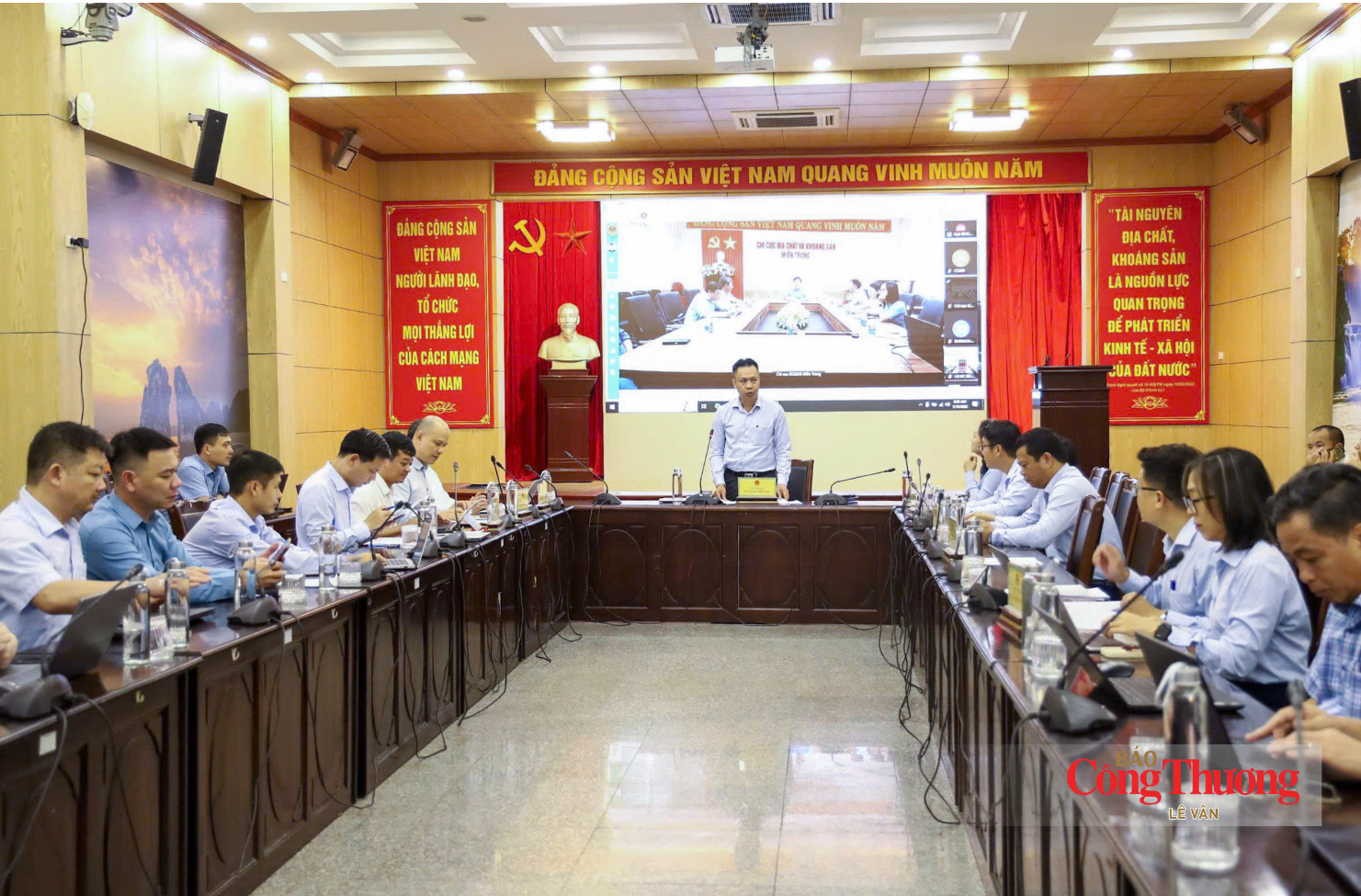
On October 5 in Ha Noi, Deputy Minister of Industry and Trade Nguyen Viet Son held a working session with the Viet Nam Department of Geology and Minerals.
On October 2, the Ministry of Industry and Trade (MoIT) held a working session between Minister of Industry and Trade Le Manh Hung and research institutes, universities and colleges under the Ministry to review their recent operations and identify solutions to better harness the potential, advantages and collective strengths of the Ministry’s education and research institutions. Minister of Industry and Trade Le Manh Hung chaired the meeting.
Industry and Trade Newspaper would like to introduce a podcast series on the implementation of the Politburo's Resolution No. 57 in the Industry and Trade sector.
The Industry and Trade Newspaper introduces a podcast series on the implementation of Politburo Resolution No. 57-NQ/TW dated December 22, 2024, on breakthroughs in the development of science, technology, innovation and national digital transformation in the Industry and Trade sector.
The Ministry of Industry and Trade is accelerating digital transformation to modernise management, improve public services, strengthen the competitiveness of businesses.
The Ministry of Industry and Trade is expanding international cooperation in science and technology, focusing on research, innovation and technology transfer.