Prime Minister Pham Minh Chinh urged sweeping reforms to accelerate Hanoi’s urban railway projects, targeting over 600km by 2045, while ensuring quality and safety.
Prime Minister Pham Minh Chinh urged a fundamental shift in mindset, methodology, approach, and organization to accelerate the implementation of urban railway projects in Hanoi, ensuring quality and safety while striving toward a target of more than 600km by 2045.
On the morning of February 22 (the sixth day of the 2026 Lunar New Year), the Prime Minister inspected the construction site of the Nhon - Hanoi Railway Station urban railway line and held a working session with ministries, sectors, local authorities, and relevant agencies to promote this project as well as other urban railway developments. He also examined transport services during the Tet holiday at Hanoi Railway Station.
Accelerating implementation of Hanoi’s urban railway projects
At the working session, after listening to reports and opinions from delegates, the Prime Minister stated that through inspections, meetings, exchanges, and efforts to remove difficulties and obstacles in recent years, work related to the implementation of urban railway projects in Hanoi has recorded progress in design, construction, management, capital mobilization, and technology.
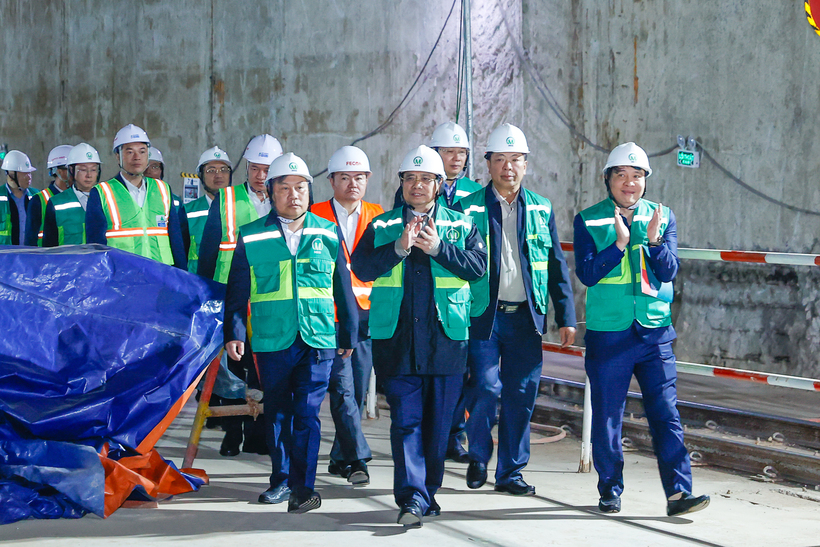
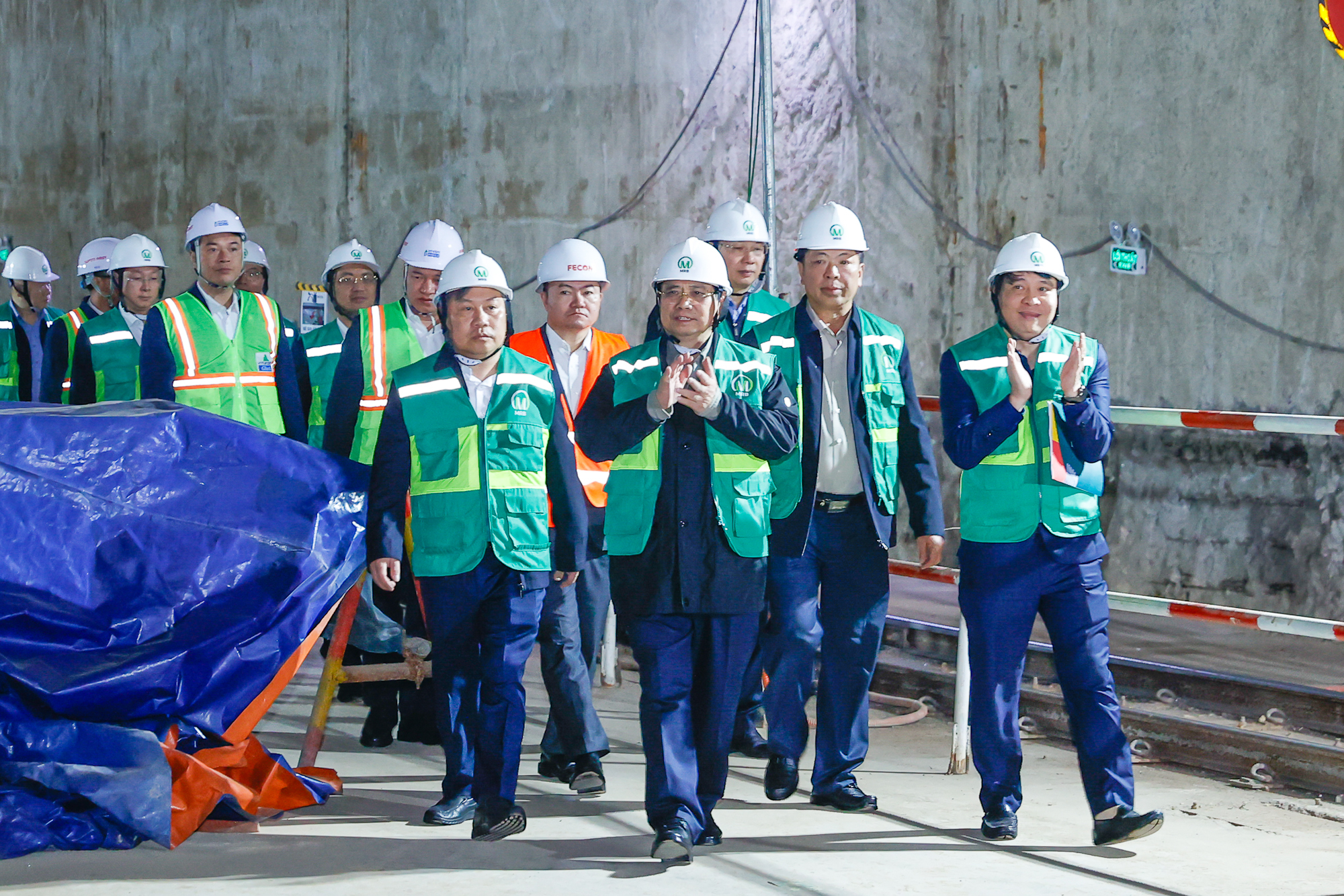
Prime Minister Pham Minh Chinh inspects the construction site of the Nhon - Hanoi Railway Station urban railway line. Photo: VGP
However, he emphasized the need to continue implementing projects while drawing lessons from practice, improving technologies, reforming working methods, and further removing bottlenecks in order to accelerate the progress of the Nhon - Hanoi Railway Station project. At the same time, it is necessary to ensure quality, technical and aesthetic standards, labor safety, environmental sanitation, and the prevention of corruption and waste, thereby contributing to the completion of Hanoi’s urban railway system, including both underground and elevated transport networks.
From the reality that this project has experienced prolonged implementation, as well as the broader context in which Hanoi has only put into operation around 21km of urban railway over the past 17 years, while the target is more than 600 km by 2045, Prime Minister Pham Minh Chinh stressed that the pace of implementation in the coming years must be increased by dozens of times to meet requirements. This, he said, requires changes in thinking, methodology, approach, organization, and execution, enabling the country to advance rapidly and sustainably.
Eight immediate and long-term tasks
Pointing out eight key tasks and solutions that are both urgent and long-term, the Prime Minister requested the development and completion of Vietnam’s standards and regulations for urban railways; route planning with a century-long vision; planning for modern and optimized technologies; planning for self-reliant maintenance and repair; and planning for human resource development.
He emphasized the need to avoid wasting time, effort, capital, and land resources, while maintaining a clean, green, bright, and beautiful environment. The guiding principle, he noted, is to think long-term, act boldly, develop underground space and expand upward, and economize on land use.
Along with this, Prime Minister Pham Minh Chinh called for the transfer of advanced and modern technologies in a unified and standardized manner, as well as the rapid development of supporting industries for the railway sector to meet practical demands. Human resource training must be carried out in accordance with plans but in a faster and stronger manner, striving for 90% of personnel in the sector to be Vietnamese.
He also highlighted the need to mobilize diverse financial resources, including public investment, public-private partnerships, loans, and bond issuance such as project bonds, government bonds, and local bonds. Viettel, VNPT, and other Vietnamese enterprises should be assigned to localize operational systems.
The management, operation, and exploitation of railway systems must be modern, smart, digitalized, green, and adapted to Vietnam’s conditions, while drawing on international experience where appropriate.
The Prime Minister required central ministries and agencies to coordinate closely, effectively, and in a unified manner with the Hanoi People’s Committee in implementing these projects. Within the first quarter, the Hanoi People’s Committee is tasked with coordinating with the Ministry of Finance to study and implement bond issuance for railway development.
He also instructed preparations for the 145th anniversary of Vietnam’s railway sector, drawing lessons for future development. Railway and urban railway systems should be built with a century-long vision, developed comprehensively, with internal resources serving as the fundamental, strategic, long-term, and decisive factor, while external resources are important and provide breakthroughs.
Cost reduction, work process improvement, and enhanced competitiveness of the railway sector were also emphasized, with the ultimate goal of benefiting the people.
The Prime Minister called for the implementation of the principles of “one goal,” “two assurances,” “three participations,” “four no’s,” “five transformations,” and “six clarities” in the execution of railway projects. The “one goal” is independence, freedom, and prosperity and happiness for the people. The “two assurances” are ensuring development for stability and stability for development, as well as ensuring security and safety for the people. The “three participations” include the involvement of the State, the people, and enterprises. The “four no’s” refer to no delay by a day, no delay by a week, no missed opportunities in a month, and no passivity in a year. The “five transformations” include digitalization, greening, efficiency optimization, smart governance, and harmonization of interests among the State, people, and businesses. The “six clarities” refer to clear assignment of personnel, tasks, timelines, responsibilities, authority, and outcomes.
The Nhon - Hanoi Railway Station urban railway line, for which the Hanoi People’s Committee is the managing authority, has a total length of 12.5km, including 8.5km of elevated track and about 4km underground. The total investment is VND 34,826 billion, funded by ODA loans from four donors along with counterpart capital from the Hanoi budget. The project is divided into nine construction and equipment packages and one consultancy package.
Prime Minister Pham Minh Chinh urged sweeping reforms to accelerate Hanoi’s urban railway projects, targeting over 600km by 2045, while ensuring quality and safety.
Resolution 79 reshapes state sector’s role, prioritizing strategic areas, modern governance and fair competition to improve efficiency and drives sustainable growth.
From Malaysia’s integrated liquefied natural gas (LNG) model to large-scale gas-fired power projects at home, the energy transition is ushering in a new spring for Vietnam’s energy security, anchored in long-term vision, modern technological foundations, and an ambition for green, sustainable growth.
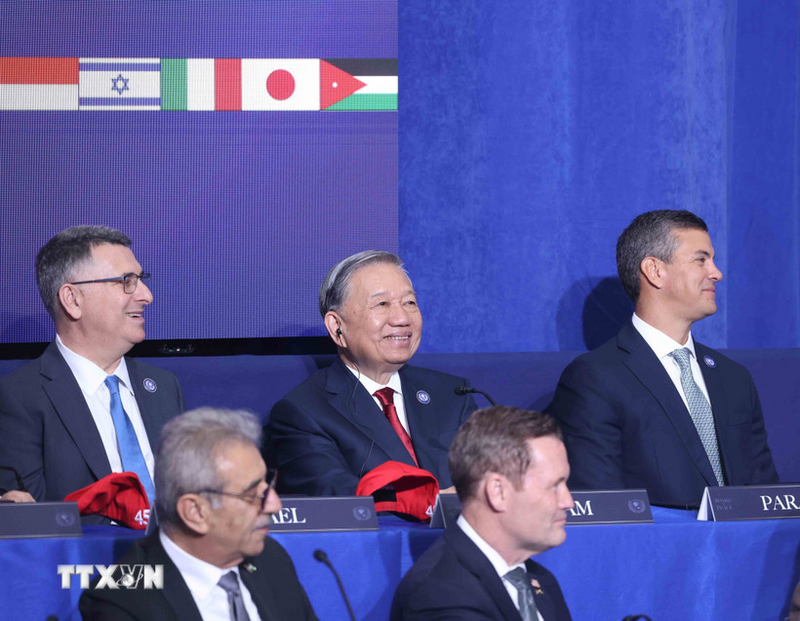
Vietnam’s General Secretary To Lam attended the Gaza Peace Council’s inaugural meeting in Washington, D.C., outlining commitments to peacekeeping and reconstruction.
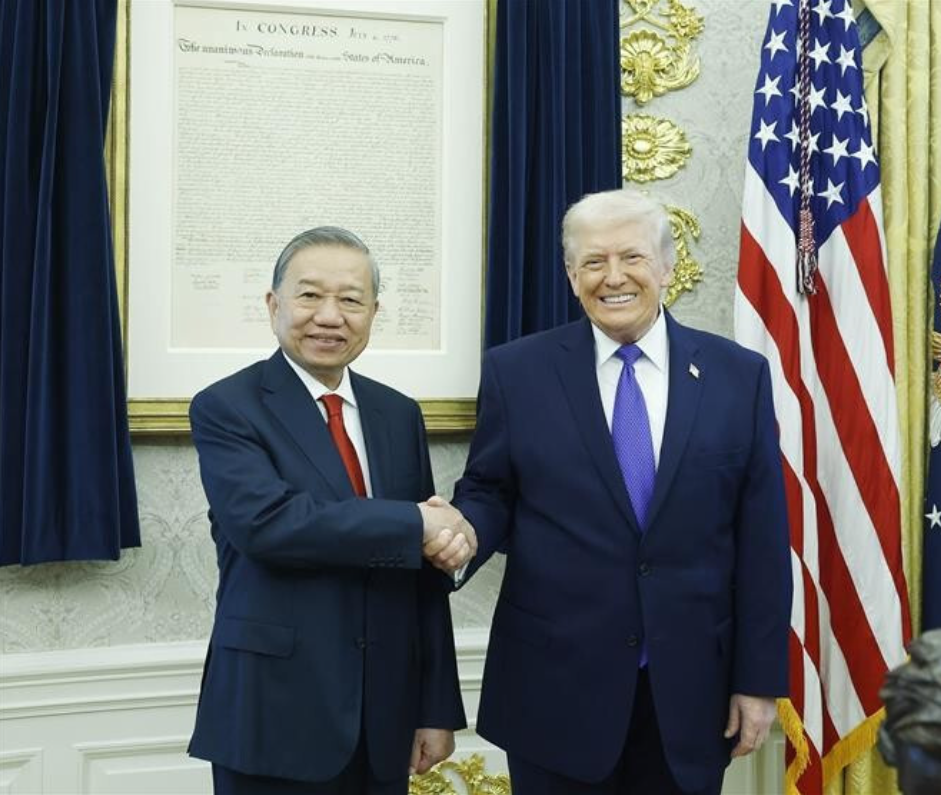
General Secretary To Lam held talks with US President Donald Trump at the White House on bilateral ties and regional and international issues of shared concern.
Prime Minister Pham Minh Chinh urged sweeping reforms to accelerate Hanoi’s urban railway projects, targeting over 600km by 2045, while ensuring quality and safety.
Vietnam’s General Secretary To Lam attended the Gaza Peace Council’s inaugural meeting in Washington, D.C., outlining commitments to peacekeeping and reconstruction.
General Secretary To Lam held talks with US President Donald Trump at the White House on bilateral ties and regional and international issues of shared concern.
Vietnam becomes an IEA associate country, marking a step in its green energy transition, strengthening a cooperation and advancing its carbon neutrality commitments.
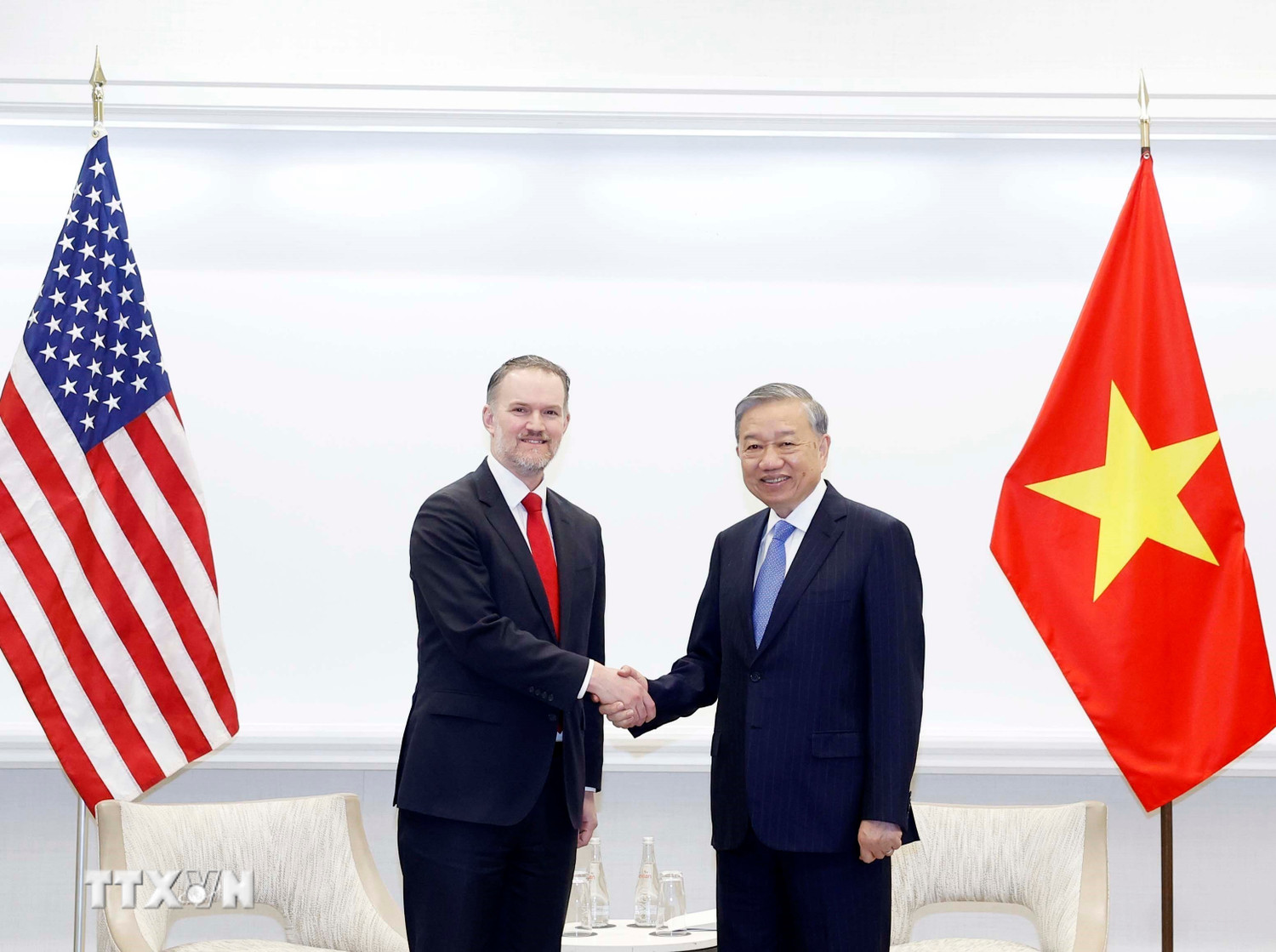
General Secretary To Lam received US Trade Representative Jamieson Greer, as Vietnam-US trade talks on reciprocal, fair and balanced agreement enter decisive stage.