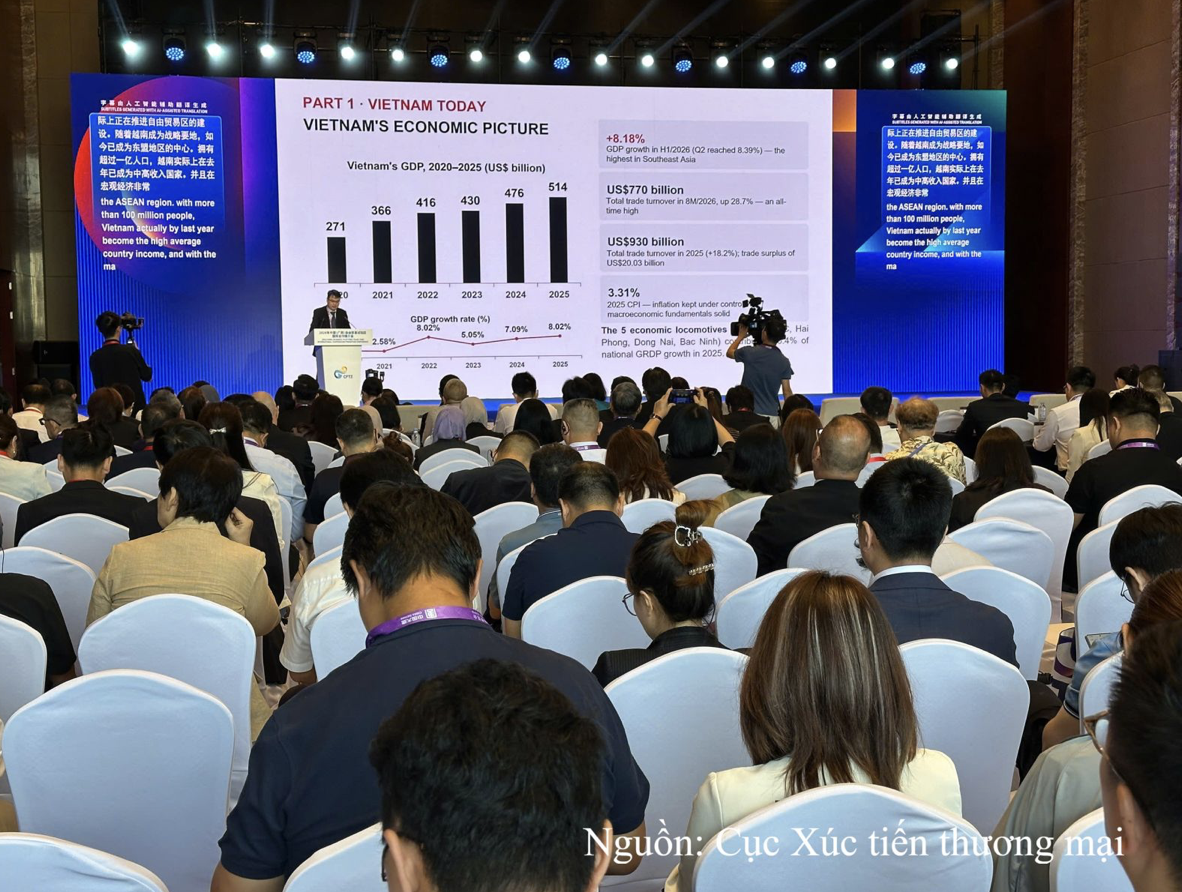
With trade hitting USD 930 billion in 2025, Vietnam’s economic integration enters a new phase focused on quality, green exports and deeper global positioning.
Driving force of economic integration
The year 2025 is considered a pivotal year of special significance as Vietnam completes its 2021-2025 socio-economic development plan and prepares to enter a new development cycle with higher requirements for growth quality.
It also marks a turning point in economic integration and overseas market expansion, as total import-export turnover reached USD 930 billion for the first time, returning Vietnam to the group of the world’s 15 largest trading economies. This result reflects a long-term strategy and well-designed “integration highways” operated through a comprehensive policy system.
Looking back at 2021-2025, economic integration and foreign market development were promoted in a proactive, flexible and focused manner. According to the Department of Foreign Market Development under the Ministry of Industry and Trade, in 2025 Vietnam not only consolidated traditional markets such as the United States, China, the Republic of Korea and the EU, but also expanded access to emerging regions including South Asia, the Middle East and Africa.
Hundreds of trade promotion programs were implemented, focusing on Vietnam’s key export sectors such as agricultural products, food, textiles and garments, footwear, wood furniture, electronics and telecommunications, and science and technology.
Through trade promotion and business matchmaking programs, many Vietnamese products entered major global distribution systems for the first time, including Amazon, Walmart, Carrefour, E.Leclerc and Monoprix.
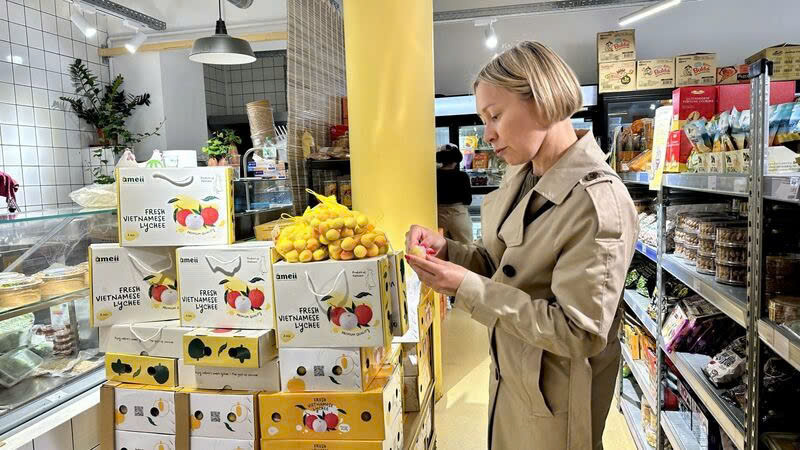
In June 2025, the first batches of fresh Vietnamese lychees officially entered the French market, opening new prospects for agricultural exports to demanding markets. Photo: Anh Sơn
According to the Department of Foreign Market Development, the increasing presence of Vietnamese goods in global retail chains not only expands market access but also compels enterprises to raise standards in quality, packaging, traceability and brand storytelling. This marks a shift from “exporting goods” to “exporting value.”
Alongside trade promotion, negotiations and cooperation agreements continued to advance. Memoranda on establishing a Vietnam–Brazil trade promotion working group, a letter of intent on digital economy cooperation with Indonesia, and trade–industry cooperation with Chongqing (China) have helped open new market spaces, reduce access costs and enhance connectivity for enterprises.
Another important highlight in economic integration and overseas market development has been the effective utilization of new-generation free trade agreements such as the EVFTA, CPTPP, UKVFTA and RCEP. The Ministry of Industry and Trade, together with other ministries and agencies, has supported enterprises in rules of origin, green standards and customs procedures. This assistance has enabled many product groups from processed agricultural products and green textiles to wood and electronics to maintain double-digit growth in the EU market.
Amid increasingly stringent standards, this demonstrates the improved compliance and adaptability of Vietnamese enterprises. Economic integration has also positively impacted foreign direct investment inflows into Vietnam.
Analyzing the driving forces behind Vietnam’s international economic integration and foreign market development, Trinh Minh Anh, former Chief of the Office of the Inter-sectoral Steering Committee for International Economic Integration, highlighted three main pillars: orientation, action and enterprise-level implementation.
He emphasized the guiding role of the Party, State and Government. Since 1986, Vietnam has pursued integration for development, focusing on market opening and negotiations with partners. The former Ministry of Trade, now the Ministry of Industry and Trade along with the National Committee for International Economic Cooperation, now the Inter-sectoral Steering Committee for International Economic Integration, and other ministries, have conducted numerous negotiations and market-opening initiatives.
Economic integration has had a positive impact on attracting FDI inflows into Vietnam.
The combination of Party and State orientations, practical actions by ministries and agencies, and effective enterprise implementation has created a comprehensive integration landscape, strengthening Vietnam’s position internationally.
At the seminar “Enhancing the Effectiveness of Economic Integration,” Nguyen Anh Duong, Head of the General Research and International Integration Department at the Institute for Policy and Strategy Studies, also underscored the positive impact of economic integration on sustainable growth and Vietnam’s global standing.
According to him, foreign market development and economic integration have positively influenced foreign investment attraction. In 2025, total FDI inflows reached approximately USD 38 billion, the highest level in the past five years. Beyond capital, FDI brings technology, governance standards and market networks, generating spillover effects for domestic enterprises.
Leading the way, opening new export space
Entering 2026, the global economic and trade landscape remains unpredictable. In this context, leaders of the Department of Foreign Market Development believe that foreign market development and economic integration must play a “guiding” role, opening new growth spaces and reinforcing the foundation for Vietnam’s exports.
The immediate focus is to maintain growth momentum in markets accounting for over 70% of export turnover, including the United States, China, the EU, ASEAN and Japan, while expanding into the Middle East, South Asia, Africa and Latin America regions with untapped potential.
A consistent priority is promoting green exports. Major markets are applying carbon border adjustment mechanisms and tightening labor and supply chain traceability standards. Without transitioning to circular production models, energy efficiency and emission reduction, enterprises risk being excluded from the market. The Ministry of Industry and Trade has intensified advisory, training and support activities to help enterprises adapt to these new requirements.
From a policy perspective, Trịnh Minh Anh emphasized that building transparent and predictable institutions is fundamental. As global markets fluctuate rapidly, timely forecasting and policy responses will determine enterprise resilience.
At the same time, trade promotion must undergo fundamental reform. Instead of being broad-based, support should be tailored to specific sectors and markets from traditional promotion to digital and green transformation with the ultimate goal of enabling enterprises to fully access and absorb policy benefits.
Finally, and perhaps most importantly, is the human factor. Integration is not merely about signing agreements or organizing trade fairs; it depends on the capacity of officials, trade offices and local enterprises to gather information, manage risks, negotiate and adapt. Sending officials to localities to provide hands-on guidance for enterprises facing market volatility is essential.
As 2026 marks the first year of implementing the Resolution of the 14th National Party Congress, economic integration efforts must shift from “expanding relations” to “enhancing quality and depth,” from “participating” to “leading and shaping,” with a proactive and dynamic spirit, while continuously adapting flexibly and effectively to rapid and complex global developments.
Industry and Trade Newspaper would like to introduce a podcast series on the implementation of the Politburo's Resolution No. 57 in the Industry and Trade sector.
GREENTECH HA NOI 2026 showcases green technologies and energy-efficient solutions that help businesses cut emissions, optimize costs, promote sustainable production.
The programme connects Vietnamese businesses with Chinese investors, expanding opportunities for investment, technology cooperation and supply chain links.
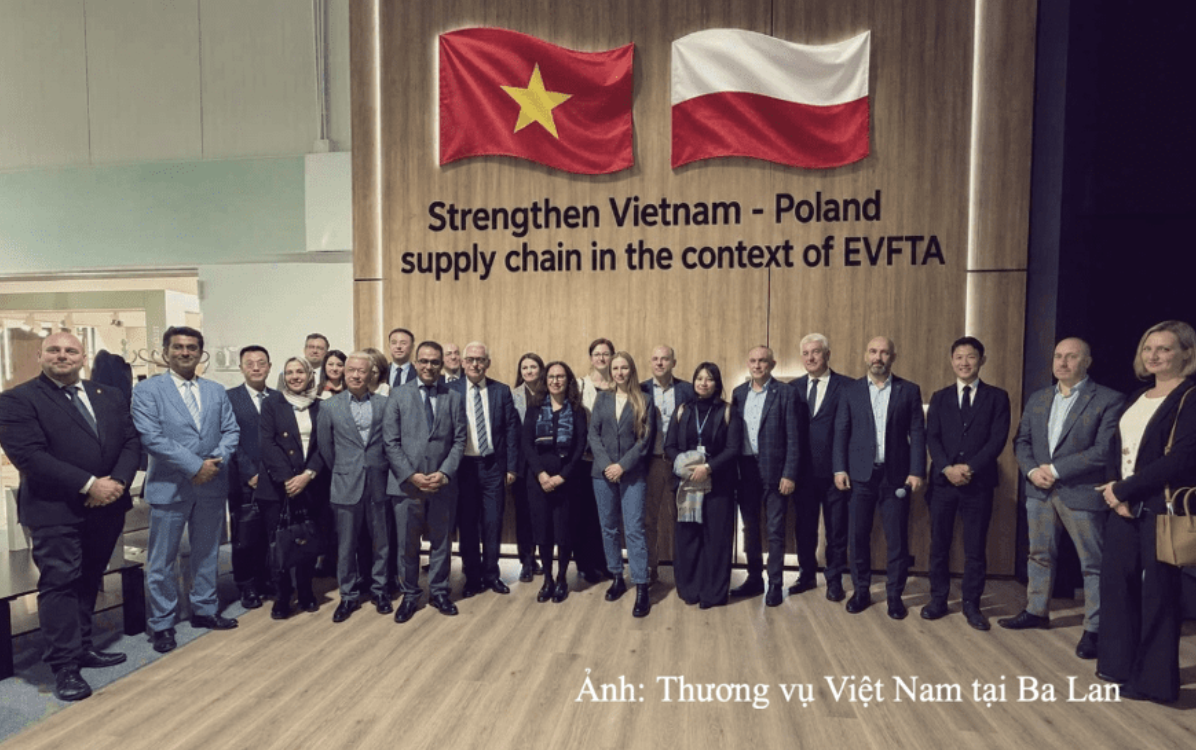
Viet Nam and Poland are exploring complementary strengths in furniture manufacturing, machinery, raw materials and technology to develop regional supply chains.
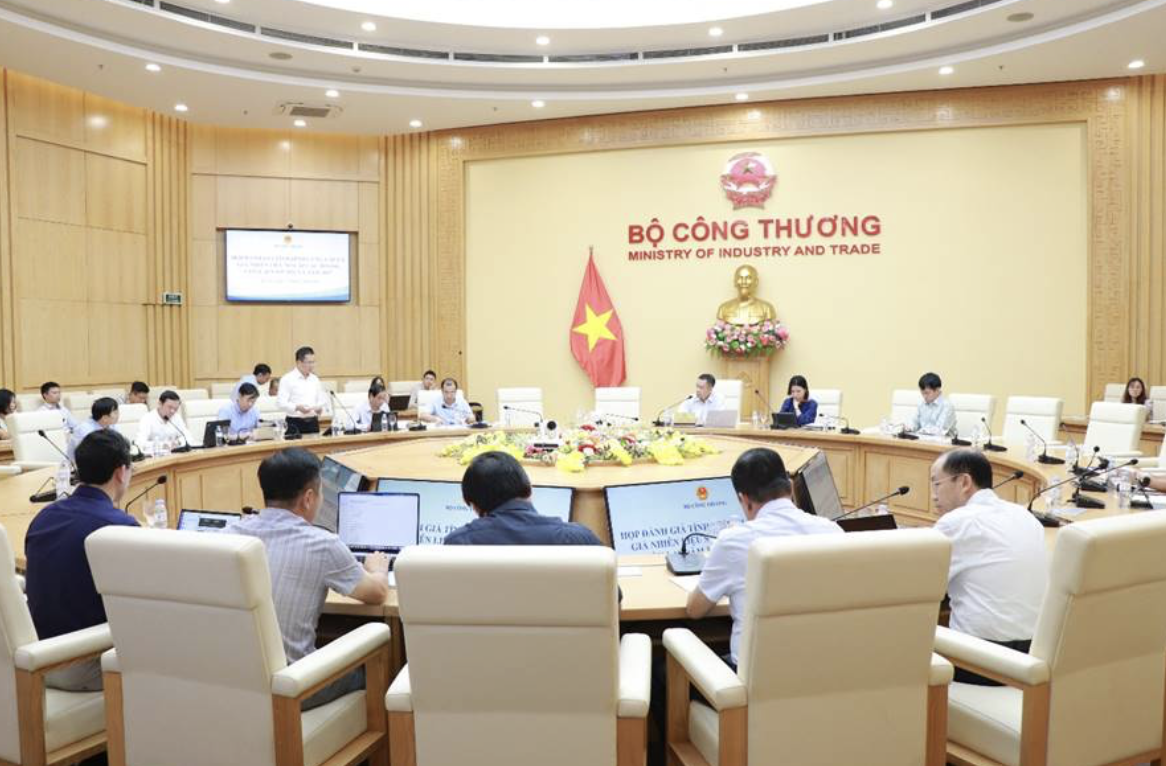
The MoIT calls for proactive risk management and supply diversification to prevent energy supply disruptions amid global geopolitical and market uncertainties.
GREENTECH HA NOI 2026 showcases green technologies and energy-efficient solutions that help businesses cut emissions, optimize costs, promote sustainable production.
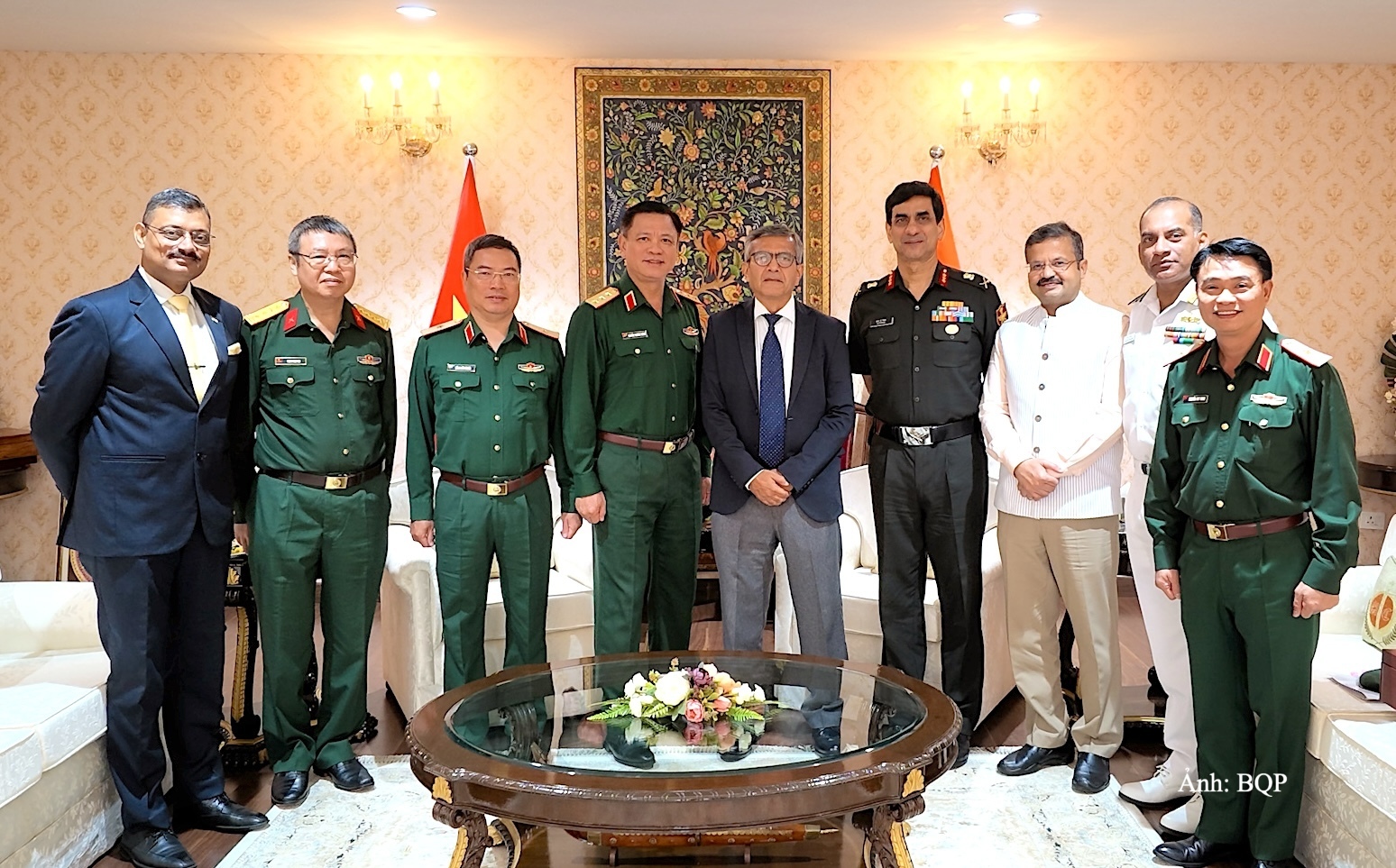
On the sidelines of the BRICS Summit in New Delhi, Senior Lieutenant General Nguyen Truong Thang held a meeting with Indian Defence Secretary Rajesh Kumar Singh, agreeing to expand defence cooperation.
Viet Nam has identified strengthening energy security and resilience, accelerating a clean and just energy transition, and promoting innovation, investment and regional connectivity as three strategic priorities in responding to profound changes in the global energy landscape.
The Viet Nam-Japan Business Forum 2026 will take place in Hanoi, bringing together around 250 delegates for trade and investment matchmaking and business networking.