Resolution 79 reshapes state sector’s role, prioritizing strategic areas, modern governance and fair competition to improve efficiency and drives sustainable growth.
Resolution No. 79-NQ/TW of the Politburo redefines the role of the state sector, emphasizing modern governance, efficiency and fair competition in a new stage of development.
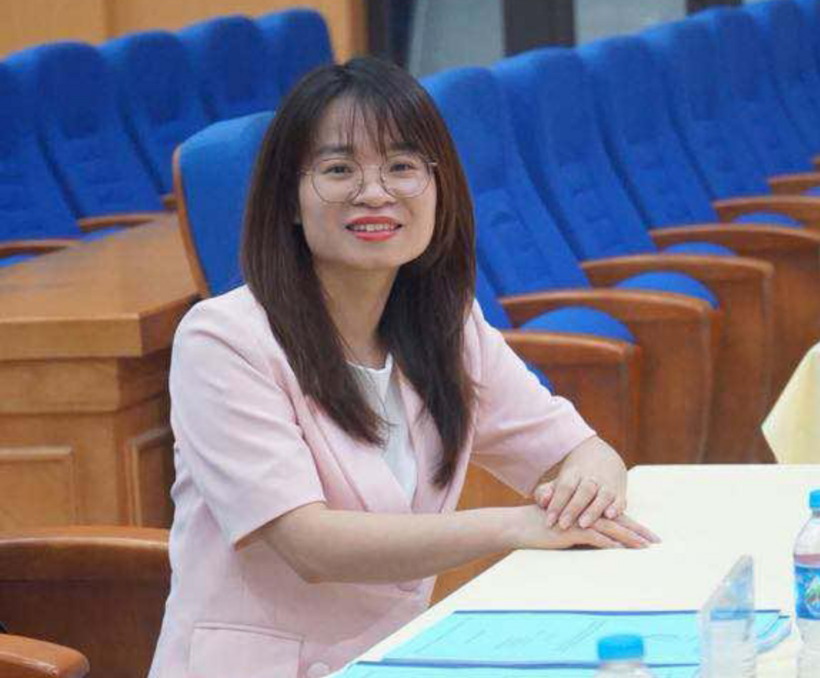
Putting Resolution No. 79-NQ/TW on developing the state sector into practice requires concrete, synchronized and feasible solutions, especially as the domestic economy faces the need to improve the efficiency of resource use. To clarify priority areas as well as key solutions for tangible changes, a reporter from the Newspaper of Industry and Trade conducted an interview with PhD. Nguyen Thi Thu Huong, Deputy Head in charge of the Logistics Department, University of Transport Technology.
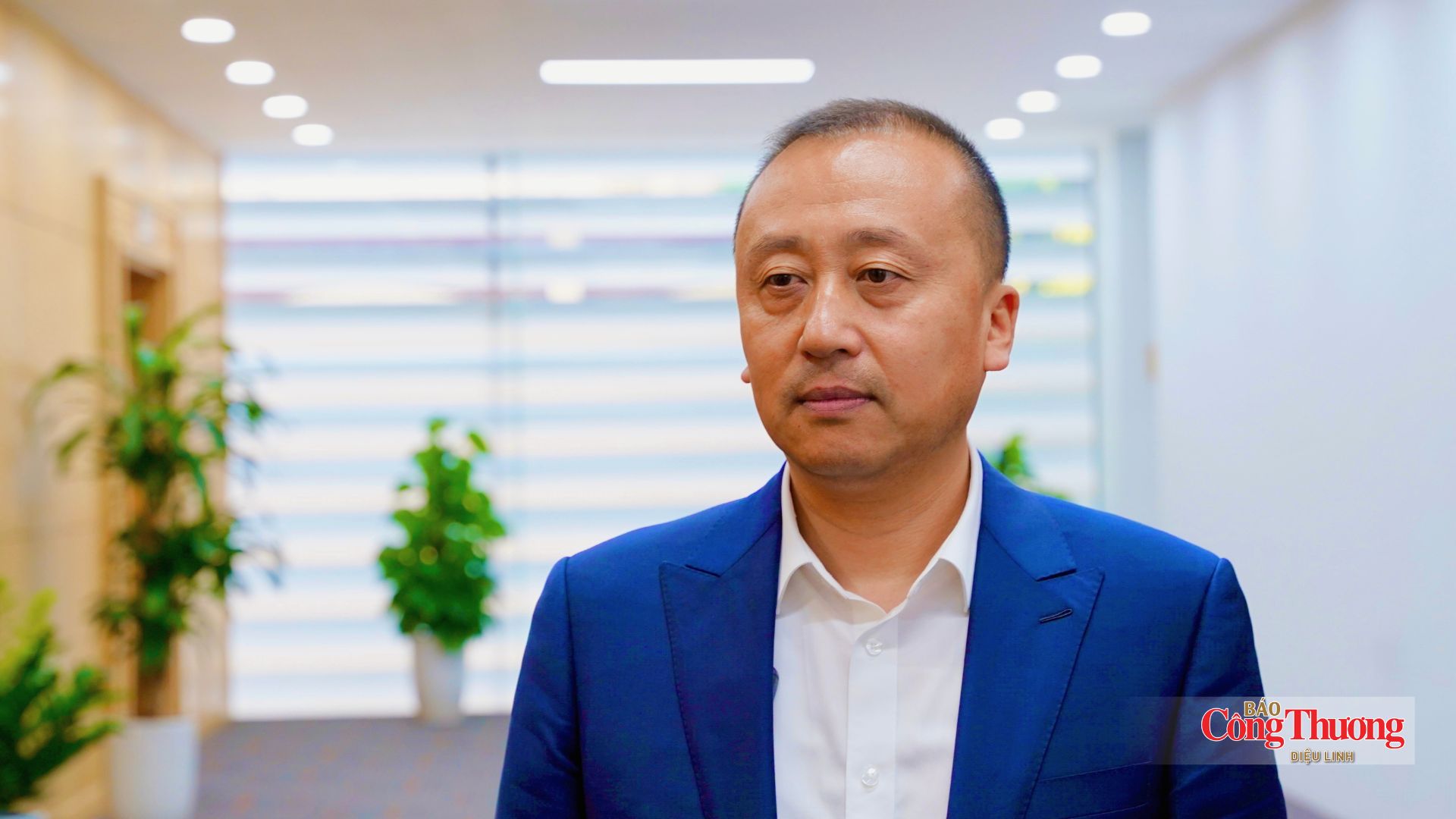
PhD. Nguyen Thi Thu Huong, Deputy Head in charge of the Logistics Department, University of Transport Technology.
Charting a roadmap to elevate the state sector
How do you assess the significance of Resolution No. 79-NQ/TW for the development of the state sector at present?
PhD. Nguyen Thi Thu Huong: In my view, Resolution No. 79-NQ/TW marks an important turning point in both thinking and action toward the state sector. It not only reaffirms the leading role of the state sector in the socialist-oriented market economy, but also broadens the understanding of state resources, encompassing not only enterprises but also land, natural resources, strategic infrastructure and state financial institutions. This helps create a more unified and comprehensive awareness, thereby guiding mechanisms, policies and modern governance tools.
In the current context, as the economy faces significant external fluctuations and rising demands for domestic competitiveness, Resolution 79 provides a clear legal framework for the state sector to adjust and improve its operational efficiency, moving toward greater transparency and accountability. At the same time, it stresses that the state sector must compete on an equal footing with other economic sectors, removing unjustified preferences to ensure the effective functioning of the market. More broadly, the resolution aims to promote innovation and enhance the quality of growth through better governance and more efficient use of social resources.
Resolution 79 serves as an important strategic roadmap for the state sector to transform in line with new development requirements, including macroeconomic stability, sustainable development, high-quality growth and deeper international integration.
Defining key priority areas
Which areas of the state sector should be prioritized in the coming period?
PhD. Nguyen Thi Thu Huong: Resolution 79 clearly states that priorities should focus on key and strategic sectors with strong spillover effects across the economy. First are areas related to energy security, food security, transport infrastructure, logistics, as well as core sectors such as finance, banking, telecommunications and high technology. Although the private sector participates in these fields, the role of the State remains essential to ensure balance, safety and long-term autonomy.
With Resolution 79, the state sector is set on a transformation roadmap, focusing on strategic sectors and improving the quality of growth.
In the coming period, priority should also be given to building state-owned groups and corporations with international competitiveness, capable of leading domestic supply chains and participating deeply in global value chains. This will not only create jobs and contribute to the state budget, but also enhance scientific and technological capacity, governance and innovation for the entire economy.
In addition, the development of digital infrastructure and digital transformation is an indispensable priority, as it forms the foundation for improving labor productivity and governance efficiency across the state sector. Promoting investment in these areas will help foster a healthy, fair and transparent competitive environment, creating favorable conditions for both state-owned and private enterprises to grow.
What key solutions do you propose to ensure the resolution is effectively implemented and delivers clear results?
PhD. Nguyen Thi Thu Huong: To bring the resolution into practice and achieve visible outcomes, several key solutions should be prioritized.
First, policies must be translated into concrete actions by improving legal frameworks related to the state sector, ensuring clarity, transparency and alignment with international practices. This includes administrative reform and the simplification of procedures to enable state-owned enterprises to operate under market mechanisms. At the same time, it is necessary to develop public, measurable performance indicators to monitor progress and ensure accountability.
Second, enhancing governance capacity and promoting innovation within state-owned enterprises is decisive. This requires recruiting competitive management personnel, fostering an environment that encourages creativity and applying digital technologies in management, production and business activities. It is also important to establish mechanisms that incentivize investment in research and development, international cooperation and high-quality human resource training.
Third, to generate strong impact, close coordination among ministries, sectors and localities is essential during implementation. Consistency in policy execution, along with regular monitoring and evaluation, will help promptly identify and address bottlenecks. Effective communication to clearly explain the objectives and benefits of the resolution to the business community and society is also key to creating broad support.
Thank you very much!
Resolution 79 not only reaffirms the leading role of the state sector, but also sets out requirements for strong reforms in governance, transparency and efficient use of resources. The focus is not on expanding scale, but on improving quality, competitiveness and the capacity to lead key sectors of the economy. When implemented in a synchronized manner, the resolution will contribute to strengthening macroeconomic stability, ensuring major balances and laying the foundation for sustainable growth in the new development phase.
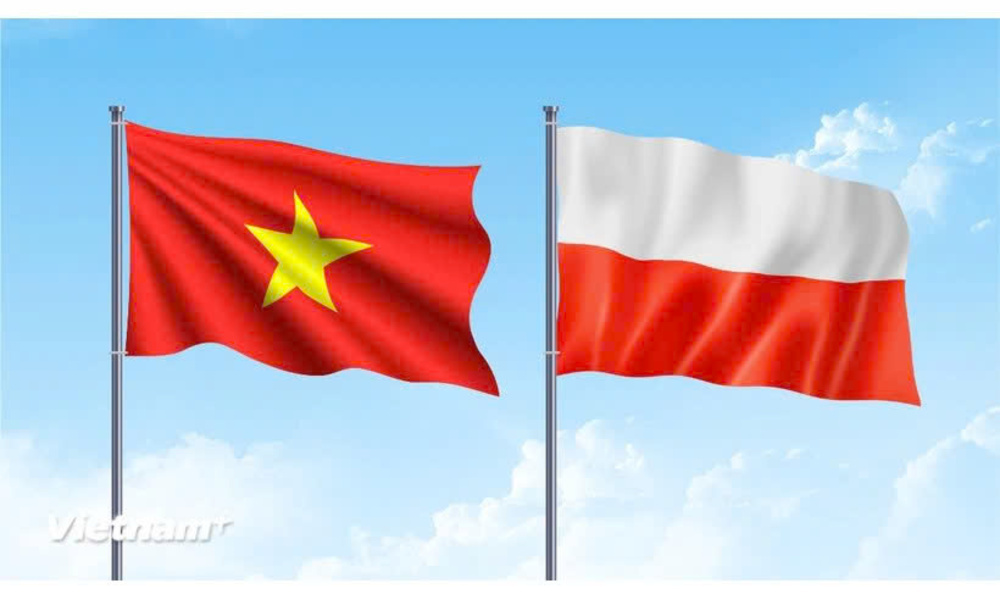
Polish Prime Minister Donald Tusk will pay an official visit to Viet Nam from October 24 to 26 as the bilateral trade continues to grow, creating opportunities for deeper cooperation.
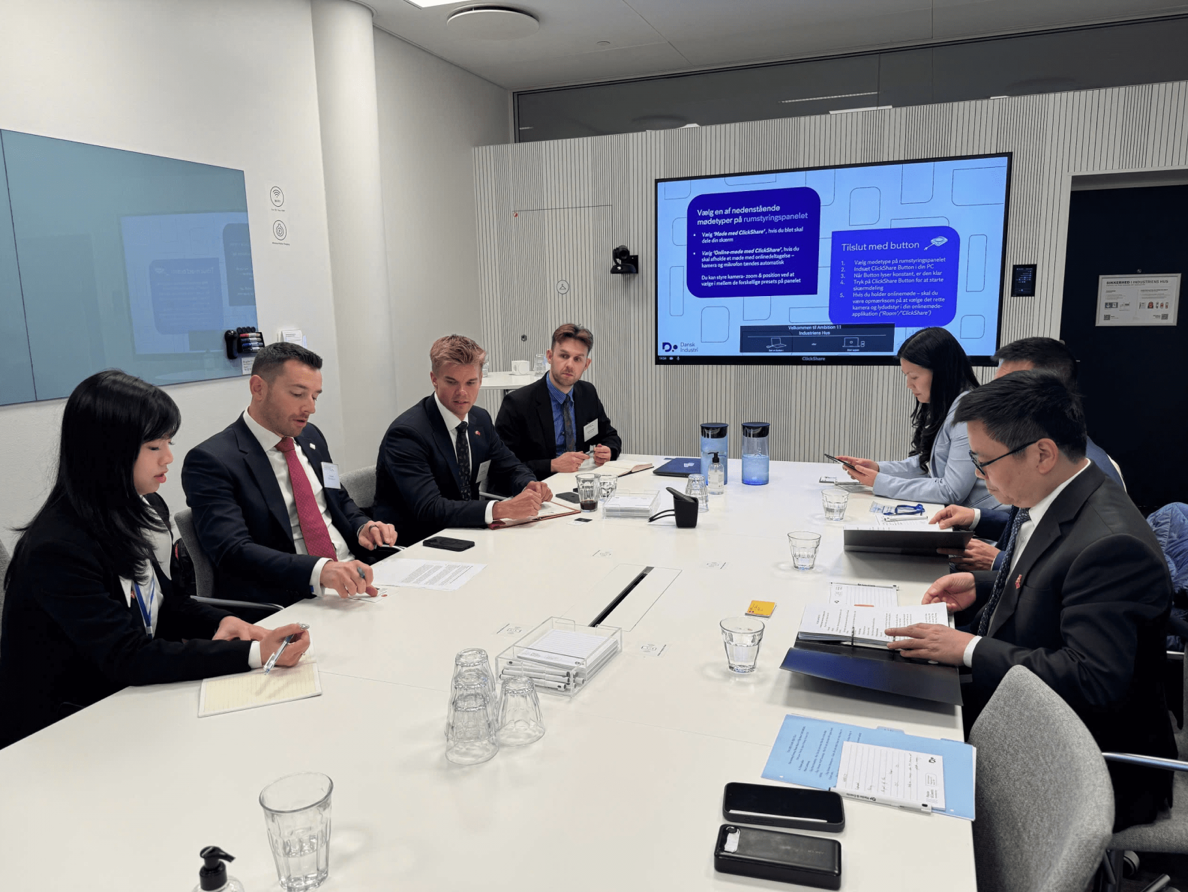
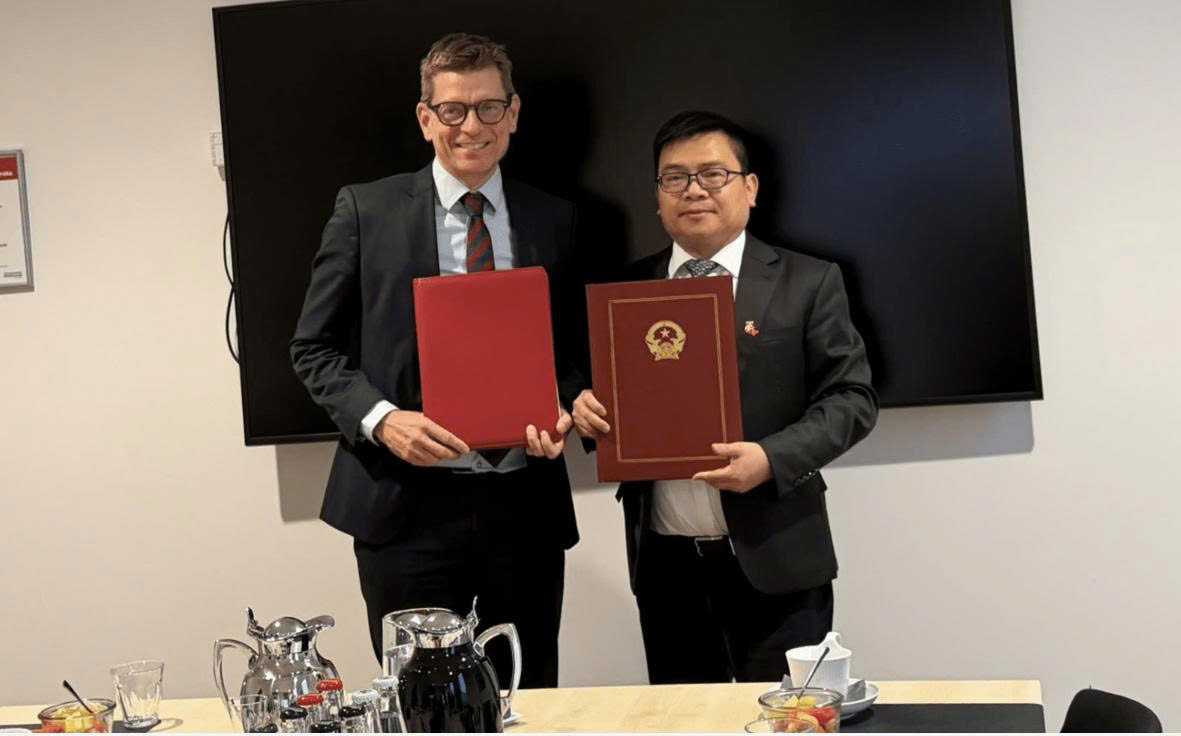
Deputy Minister Truong Thanh Hoai met with LEGO and Carlsberg in Denmark on October 20 to discuss green investment and sustainable manufacturing in Viet Nam.
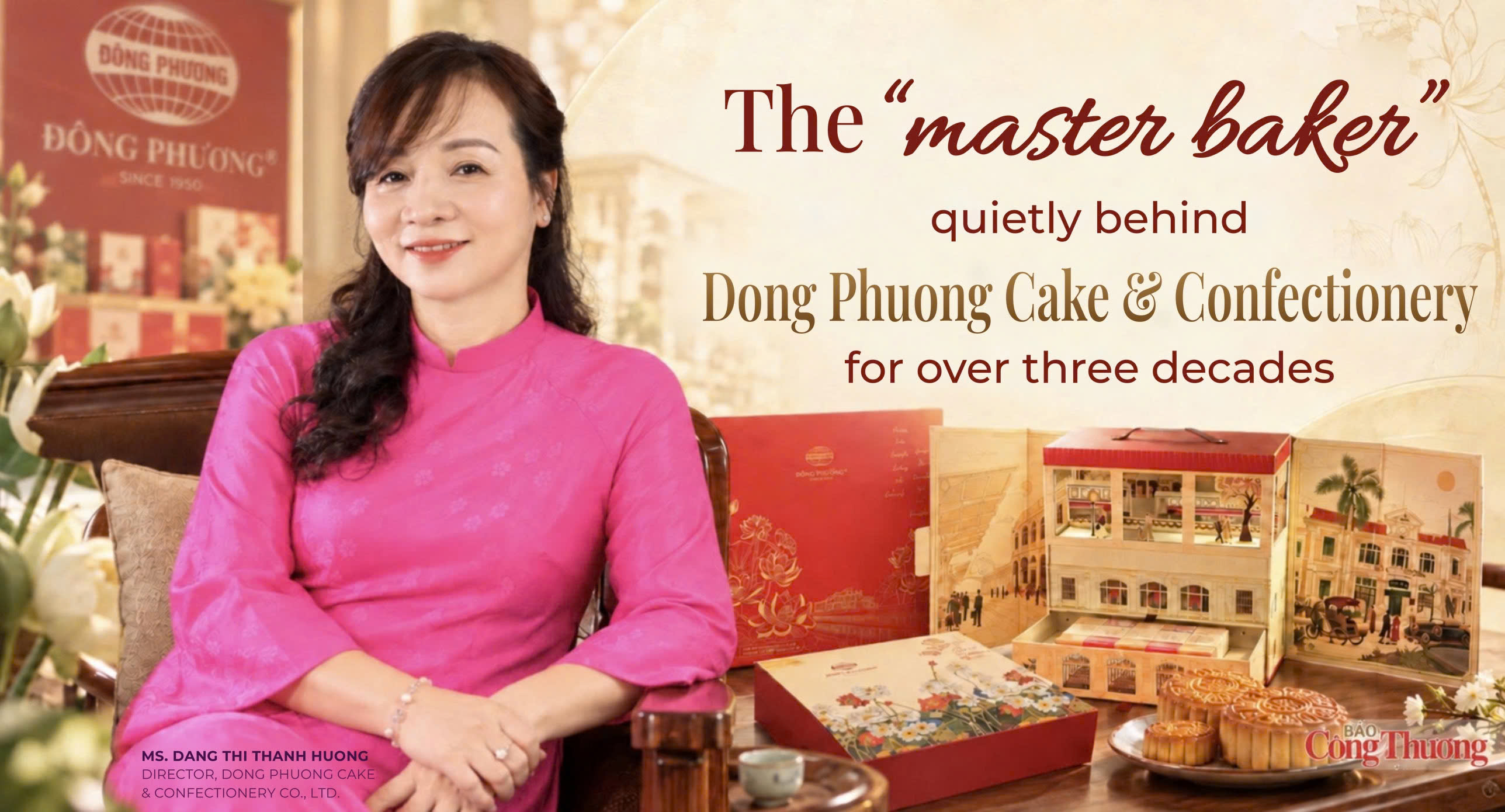
For more than three decades, Ms. Dang Thi Thanh Huong has quietly shaped the legacy of Dong Phuong Cake & Confectionery, a brand rooted in tradition, craftsmanship.
Viet Nam and Denmark have signed an MoU on energy cooperation to strengthen bilateral ties and advance collaboration in renewable energy and the green transition.
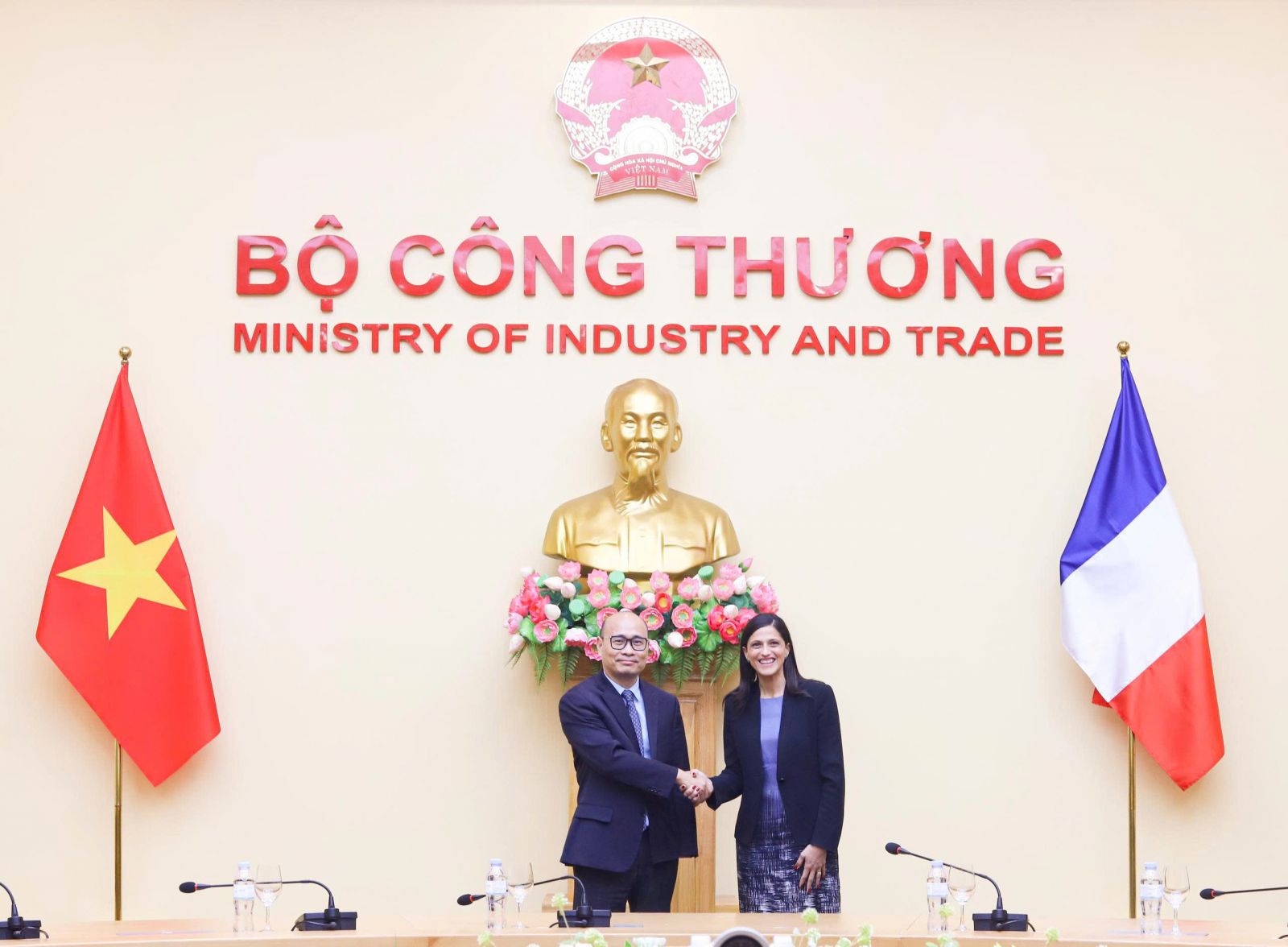
Deputy Minister Luong Hoang Thai met French Minister Delegate Eleonore Caroit on October 19 to discuss ways to strengthen Viet Nam - France cooperation.
Facing the challenges of renewable energy transmission, CWEA suggests off-grid consumption approaches and opportunities for global supply chain cooperation.
In the seven months of 2026, industry, retail sales and imports and exports all posted strong growth. The Ministry of Industry and Trade (MoIT) continues to roll out solutions to contribute to achieving the double-digit growth target.
In the first six months of 2026, Viet Nam’s total merchandise import and export turnover reached USD 549.69 billion, up 27.1% year on year. Exports increased by 21%, while imports rose by 33.4%. The country recorded a merchandise trade deficit of USD 16.65 billion. These figures underscore Viet Nam’s determination to further expand the presence of Vietnamese goods and brands in international markets.
Moonfolks has officially entered the Vietnamese market, aiming to connect the country’s rapidly growing digital economy with broader opportunities across Southeast Asia and support Vietnamese businesses in expanding internationally.