Despite mounting global uncertainties and unprecedented challenges, Vietnam’s economy remains resilient and continues its steady advance.
Impressive growth momentum
Rarely in history has a Vietnamese government begun its term under such extraordinary and unpredictable circumstances as those seen in the 2021-2025 period. The Covid-19 pandemic reached its peak, global supply chains were severely disrupted, the world economy slid into recession, climate change intensified, and geopolitical conflicts made energy security and food security pressing global concerns.
Vietnam has entered a new phase of consolidation and acceleration after a period of intense pressure.
Yet it was precisely under these daunting conditions that the nation’s mettle was tested. Under the direct and comprehensive leadership of Central Committee of the Communist Party of Vietnam (CPV), the Politburo and the Secretariat of the CPV Central Committee, with the coordinated engagement of the entire political system, the support of the people and the business community, and the cooperation of international partners and friends, Vietnam demonstrated remarkable national resolve and governance capacity.
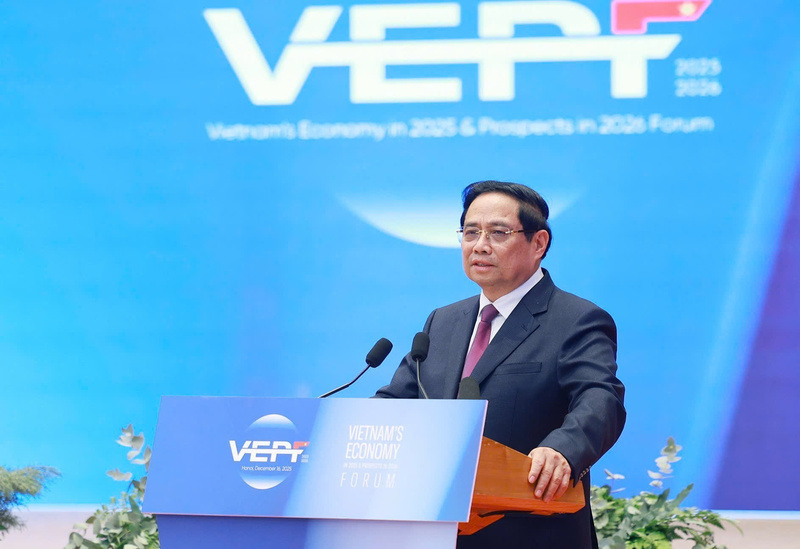
Prime Minister Pham Minh Chinh addresses the Vietnam Economy in 2025 and Prospects in 2026 Forum. Photo: Duong Giang
Thanks to flexible and creative thinking, combined with an ability to seize emerging opportunities, many difficulties were resolved and even transformed into drivers of growth. As a result, the economy maintained a recovery and expansion trajectory in which “each month outperformed the previous one, each quarter surpassed the last, and each year exceeded the one before”.
Vietnam stood out for its strong economic resilience, recording growth rates among the highest in the region and the world. Gross domestic product expanded from USD 346 billion in 2020 to USD 510 billion in 2025, lifting the country five places to 32nd globally and fourth in ASEAN. GDP per capita rose from USD 3,552 to around USD 5,000, placing Vietnam in the upper-middle-income group. Average inflation was kept at about 4 percent per year, well below many regional peers, while public debt declined sharply from 44.3 percent to around 35 percent of GDP, a record achievement in fiscal discipline.
Notably, amid the volatile global trade environment of 2025, Vietnam’s total import-export turnover reached a historic high of approximately USD 920 billion. A key factor underpinning this performance was the network of 17 free trade agreements linking Vietnam with more than 60 developed economies worldwide. Speaking at the Vietnam Economic Forum 2025: Outlook for 2026 in mid-December 2025, Prime Minister Pham Minh Chinh affirmed that the current term had proven Vietnam’s ability to withstand major external shocks.
Turning aspirations into reality
According to Vo Tri Thanh, Director of the Institute for Brand and Competitiveness Strategy and a member of the Prime Minister’s Policy Advisory Council, the 2021 - 2025 period marked a breakthrough in Vietnam’s transport infrastructure development, characterised by large-scale implementation, rapid progress and decisive execution.
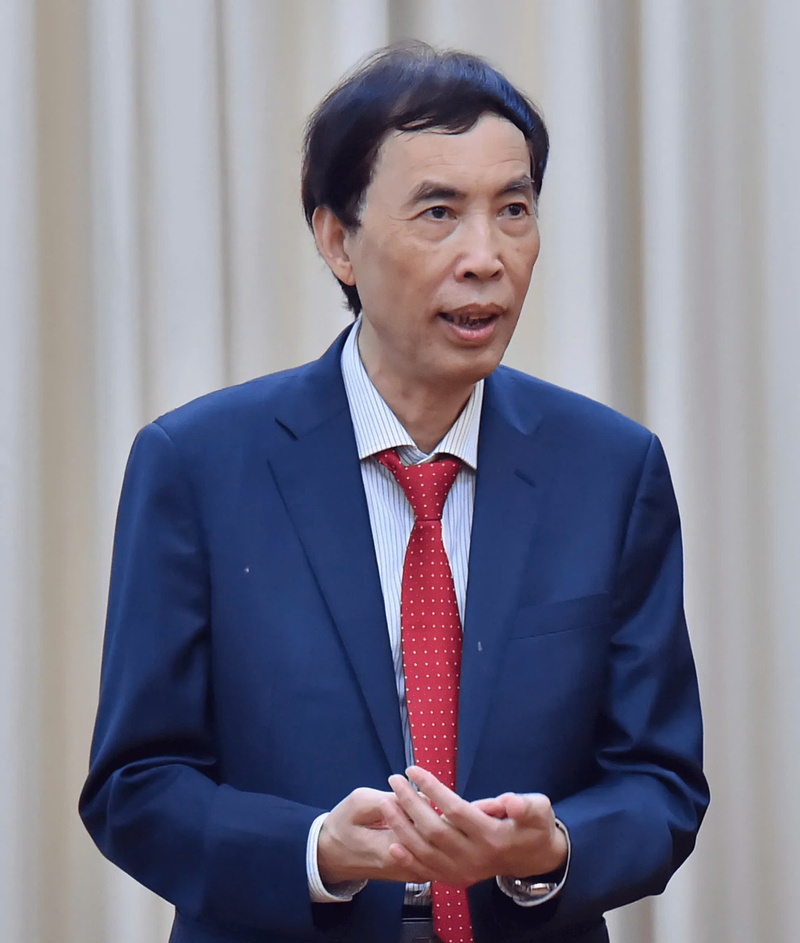
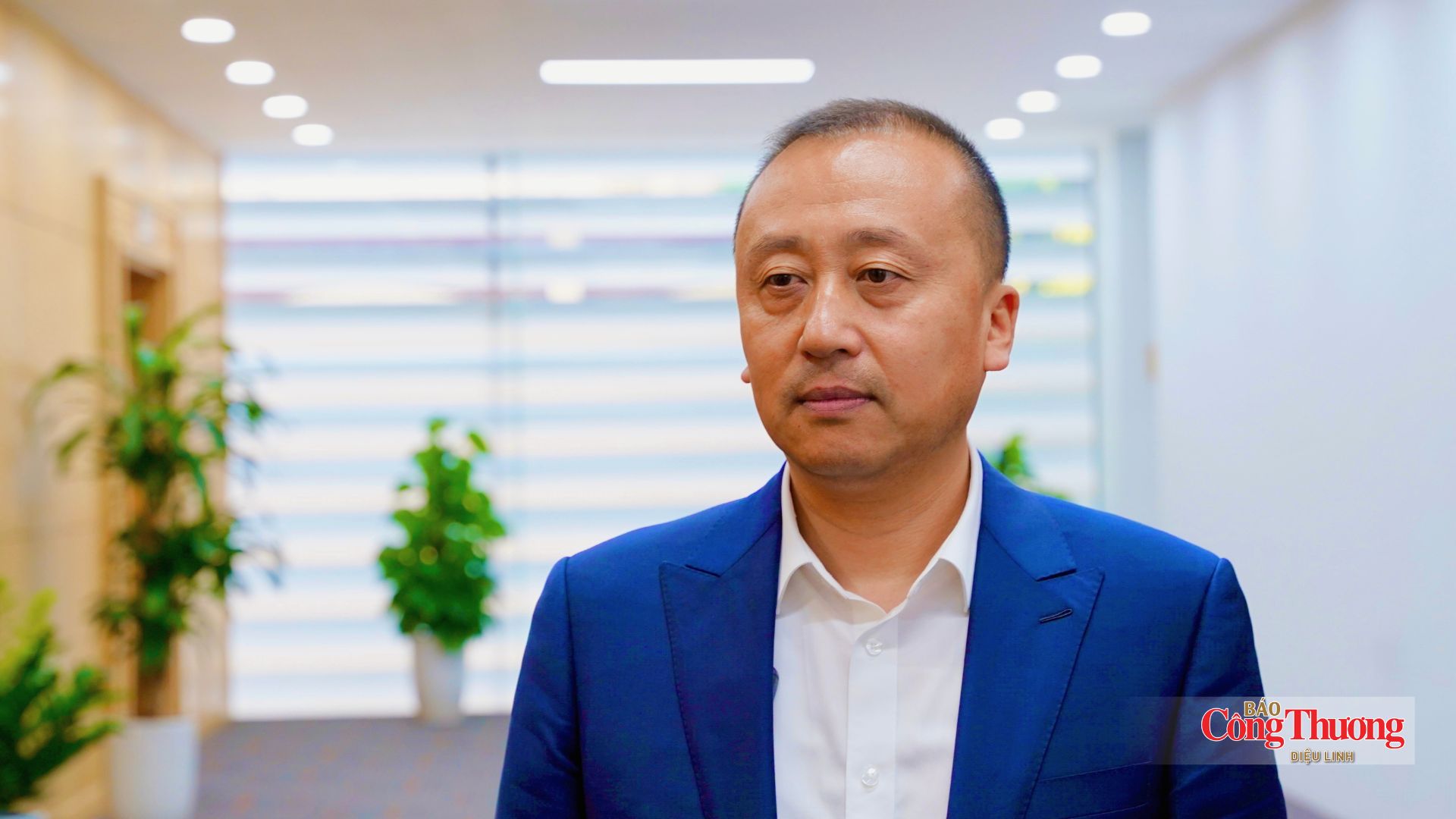
Vo Tri Thanh, Director of the Institute for Brand and Competitiveness Strategy.
Within five years, the national expressway network expanded dramatically from around 900 kilometres before 2020 to more than 3,200 kilometres along the North-South axis, in addition to hundreds of kilometres of connecting routes and access roads. The term also witnessed hundreds of public investment projects achieving high disbursement rates. Urban ring roads, airports, seaports and regional connectivity projects were launched or completed ahead of schedule.
This strong infrastructure push has helped cut logistics costs, strengthen regional linkages, create jobs, expand development space and lay a solid foundation for long-term growth. More importantly, it has provided a critical basis for economic restructuring, gradually shaping a growth model that prioritises quality, efficiency and sustainability in the coming decade.
Alongside large-scale infrastructure investment, Vietnam has seen a strong shift in foreign direct investment flows towards high-technology industries and supporting sectors. For the first time in more than two decades, the share of high-tech FDI has surpassed that of traditional processing and assembly industries such as textiles, footwear and basic electronics.
“This trend reflects growing investor confidence in Vietnam’s development prospects, while also underscoring the country’s strategic transition from growth driven by scale expansion to a development model centred on productivity gains and innovation,’’ Vo Tri Thanh noted.
Assessing Vietnam’s macroeconomic fundamentals, Mariam J. Sherman, World Bank Country Director for Vietnam, described the country as an inspiring development success story. Vietnam has transformed itself from one of the world’s poorest nations into a dynamic and vibrant economy, demonstrating how determined reforms combined with the perseverance of a nation can deliver extraordinary results.
Vietnam is pursuing two strategic centennial goals: by 2030, becoming a developing country with a modern industrial base and upper-middle income; and by 2045, achieving developed-country status with high income. According to Sherman, while the 2045 target is ambitious, it is entirely achievable if Vietnam continues to address challenges through decisive policies and strong, consistent action.
She stressed that optimism must go hand in hand with urgency. Success, she argued, requires clear objectives, well-defined roadmaps and unwavering commitment to reform, coupled with courage and determination to confront, rather than avoid, obstacles and difficulties.
Vietnam’s ambition to achieve double-digit growth in the 2026 - 2030 period rests on solid foundations, ample policy space and clear feasibility. With strong political will and resolute action, the country is well positioned to turn its aspiration for rapid and sustainable development into tangible outcomes, advancing towards the overarching goal of a prosperous nation and a people enjoying warmth, well-being and happiness.
Polish Prime Minister Donald Tusk will pay an official visit to Viet Nam from October 24 to 26 as the bilateral trade continues to grow, creating opportunities for deeper cooperation.
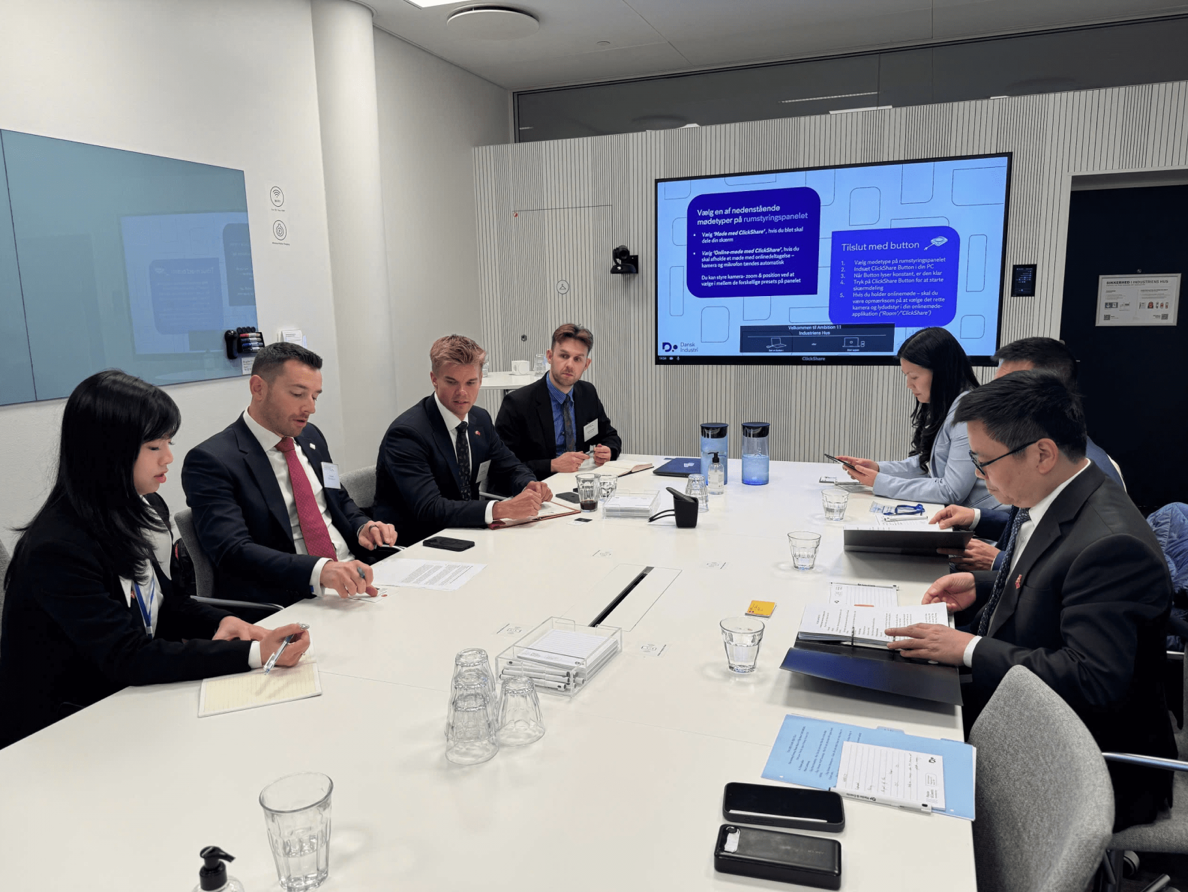
Deputy Minister Truong Thanh Hoai met with LEGO and Carlsberg in Denmark on October 20 to discuss green investment and sustainable manufacturing in Viet Nam.
For more than three decades, Ms. Dang Thi Thanh Huong has quietly shaped the legacy of Dong Phuong Cake & Confectionery, a brand rooted in tradition, craftsmanship.
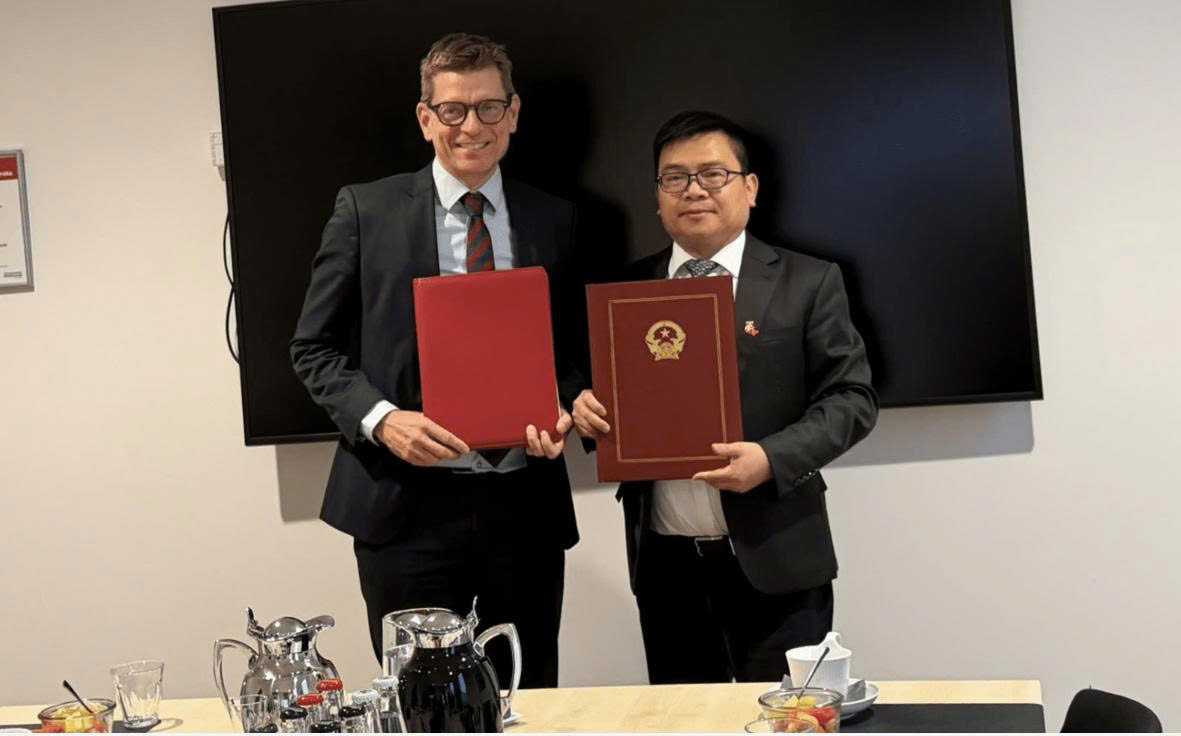
Viet Nam and Denmark have signed an MoU on energy cooperation to strengthen bilateral ties and advance collaboration in renewable energy and the green transition.
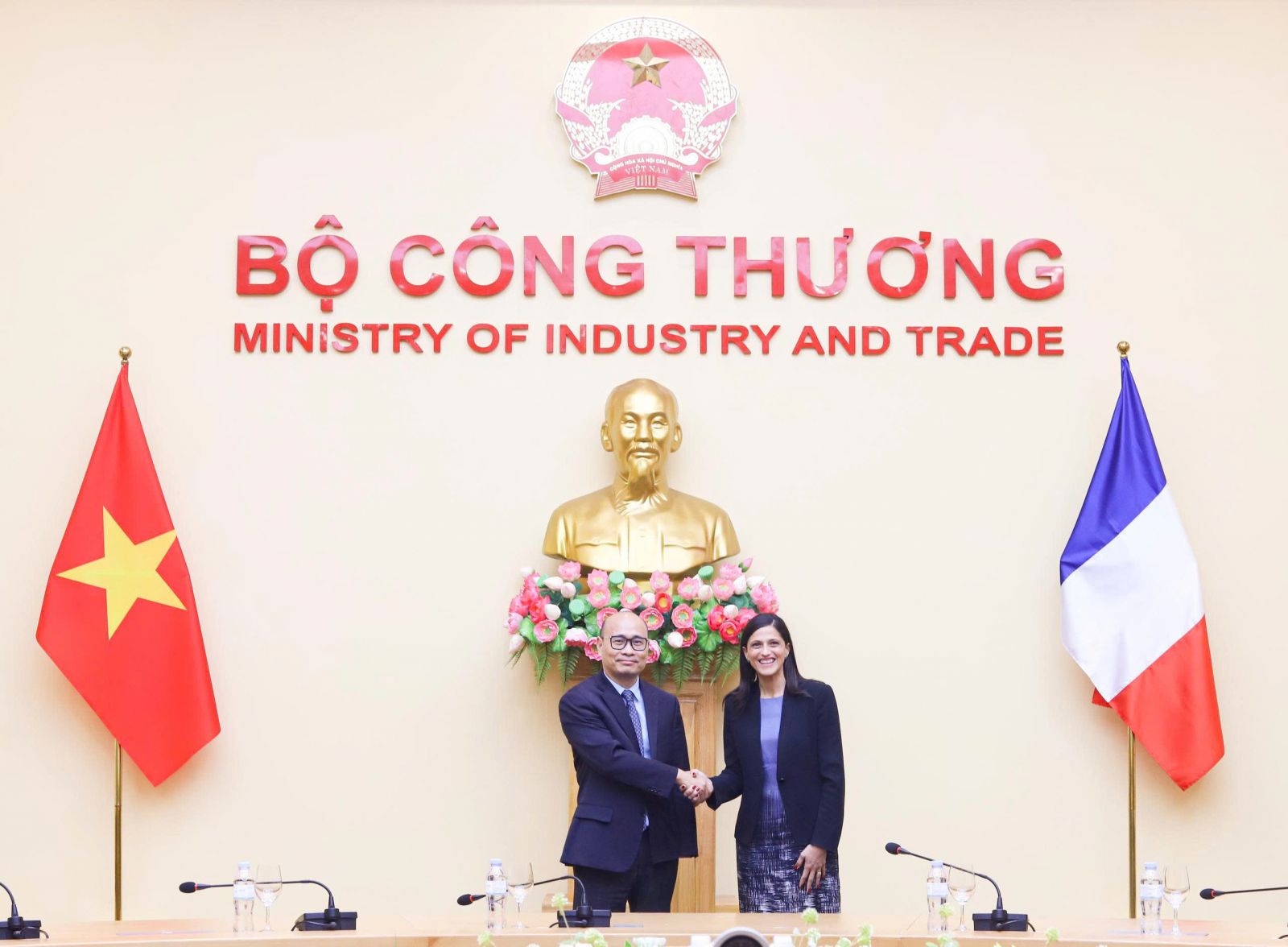
Deputy Minister Luong Hoang Thai met French Minister Delegate Eleonore Caroit on October 19 to discuss ways to strengthen Viet Nam - France cooperation.
Facing the challenges of renewable energy transmission, CWEA suggests off-grid consumption approaches and opportunities for global supply chain cooperation.
In the seven months of 2026, industry, retail sales and imports and exports all posted strong growth. The Ministry of Industry and Trade (MoIT) continues to roll out solutions to contribute to achieving the double-digit growth target.
In the first six months of 2026, Viet Nam’s total merchandise import and export turnover reached USD 549.69 billion, up 27.1% year on year. Exports increased by 21%, while imports rose by 33.4%. The country recorded a merchandise trade deficit of USD 16.65 billion. These figures underscore Viet Nam’s determination to further expand the presence of Vietnamese goods and brands in international markets.
Moonfolks has officially entered the Vietnamese market, aiming to connect the country’s rapidly growing digital economy with broader opportunities across Southeast Asia and support Vietnamese businesses in expanding internationally.