ASEAN economic ministers met in Taguig on March 13 for the 32nd AEMR to discuss regional economic resilience, FTAs and the digital economy amid global uncertainty.
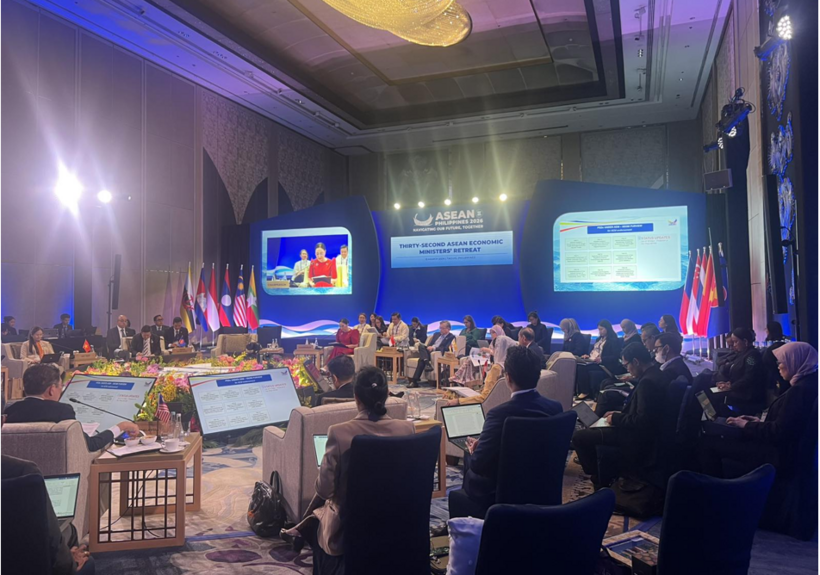
On the morning of March 13, the 32nd ASEAN Economic Ministers' Retreat (AEMR 32) took place in Taguig, the Philippines, chaired by the Philippine Secretary of Trade and Industry, Cristina A. Roque, with the participation of the Economic Ministers of ASEAN member countries and ASEAN Secretary-General Kao Kim Hourn.
Overview of the meeting.
Vietnam delegation attending the meeting was led by Head of the Multilateral Trade Policy Department, Ministry of Industry and Trade, and participated by representatives from the Ministry of Industry and Trade (Multilateral Trade Policy Department, Department of Foreign Market Development) and the Ministry of Foreign Affairs.
At the Meeting, regarding intra-ASEAN cooperation, Ministers discussed and adopted 9 Priority Economic Deliverables (PEDs) under the purview of AEM (out of 19 PEDs across all sectors) as proposed by the Philippines under the theme “Navigating our Future, Together,” which includes several important PEDs such as substantial conclusion of the ASEAN-Canada Free Trade Agreement (ACAFTA), signing of the ASEAN Digital Economy Framework Agreement (DEFA), etc.
Ministers also noted the completion of the ASEAN Economic Community (AEC) Master Plan 2025 and the development of the Monitoring, Evaluation, Accountability and Lessons Learned (MEAL) Framework for the implementation of the AEC Community until 2045; and reviewed the implementation of ASEAN sustainability initiatives (ASEAN Circular Economy Framework, ASEAN Carbon Neutrality Strategy, ASEAN Blue Economy). and noted the progress of negotiations on the DEFA Agreement and the recommendations of the 49th ASEAN High-Level Task Force on Economic Integration to the AEM.
Ministers also spent time discussing the regional and global economic outlook, noting that, in the context of increasing global geoeconomic uncertainty, US tariff policies, tensions in the Middle East, the need to strengthen cooperation to ensure regional energy security and sustainable energy development, and changes in the international trade environment reducing the predictability of policies impacting exports, supply chains, and investment decisions of ASEAN countries, the region's average GDP growth is still estimated to reach 4.4% (2025), inflation being controlled at 2.4% (2025).
Economic security is increasingly becoming a priority for the region, with strategies focusing on strengthening resilience through strategic sectors such as semiconductors, critical minerals, energy, digital infrastructure, healthcare, and food systems; and policy tools such as promoting intra-regional integration, strategic trade management, enhancing industrial cooperation, and expanding economic relations with external partners. Based on these discussions, Ministers adopted the “Joint Statement of the ASEAN Economic Ministers on Strengthening ASEAN’s Economic Resilience in response to Recent Global Economic and Geopolitical Developments,” reflecting ASEAN’s collective position on complex economic and geopolitical developments and enhancing ASEAN’s standing in the international community.
Regarding ASEAN’s external cooperation, Ministers discussed and provided guidance for the review, upgrade, and new negotiation of ASEAN FTA with partners, including the ACAFTA negotiation, the review and upgrade of the ASEAN-India Goods Trade Agreement (AITIGA), the upgrade negotiation of the ASEAN-Korea Free Trade Agreement (AKFTA). They also discussed the further implementation of ASEAN-Gulf Cooperation Council (GCC) economic cooperation based on the guidance of ASEAN Leaders at the Second ASEAN-GCC Summit in May 2025 in Malaysia, including the possibility of conducting a joint feasibility study on an ASEAN-GCC FTA as well as sectoral cooperation activities. Ministers also noted the update from Vietnam on the progress of discussions of the non-legally binding set of Digital Trade Principles between ASEAN and the European Union (EU), and preparations for the second Ministerial-level Trade and Investment Dialogue of the Comprehensive and Progressive Trans-Pacific Economic Partnership Agreement (CPTPP) - ASEAN in 2026.
Furthermore, in the context of 2026 being identified as a pivotal year, marking the 25th anniversary of the establishment of the ASEAN Business Council (ASEAN-BAC), and the first year of implementation of the AEC Strategic Plan 2026 - 2030, the initial roadmap towards the ASEAN Vision 2045, Ministers noted the presentation from the ASEAN-BAC Council, in which it positioned the role as a strategic bridge between policy and businesses, promoting inclusive growth, digital transformation, and green transition throughout the region.
The Meeting also noted presentations from the Economic Research Institute of ASEAN and East Asia (ERIA) on recommendations for developing an ASEAN Industrial Policy Framework and presentation from the Asian Development Bank (ADB) on the proposal “Strengthening ASEAN’s capacity to mobilize and finance towards the ASEAN Vision 2045 - Promoting the ASEAN-ADB Strategic Partnership”. These engagements demonstrate ASEAN's appreciation for the contributions of the private sector and its partners, including research and financial institutions, in its efforts to implement the AEC Strategic Plan 2026-2030 in the coming time.
Vietnam delegation actively participated in discussions at the AEMR 32, impressed with the role of coordinating country for ASEAN-EU economic cooperation and Chair of the CPTPP in 2026. The delegation also contributed many ideas on issues related to ASEAN economic cooperation, thereby demonstrating Vietnam's strong commitment to regional economic integration, maintaining an active role in driving regional and global economic growth, and strengthening regional supply chains.
The AEMR 32 concluded successfully on the afternoon of March 13, marking the beginning of activities at Economic Minister and Leader levels, scheduled to take place in May, September, and November 2026.
Industry and Trade Newspaper would like to introduce a podcast series on the implementation of the Politburo's Resolution No. 57 in the Industry and Trade sector.
GREENTECH HA NOI 2026 showcases green technologies and energy-efficient solutions that help businesses cut emissions, optimize costs, promote sustainable production.
The programme connects Vietnamese businesses with Chinese investors, expanding opportunities for investment, technology cooperation and supply chain links.
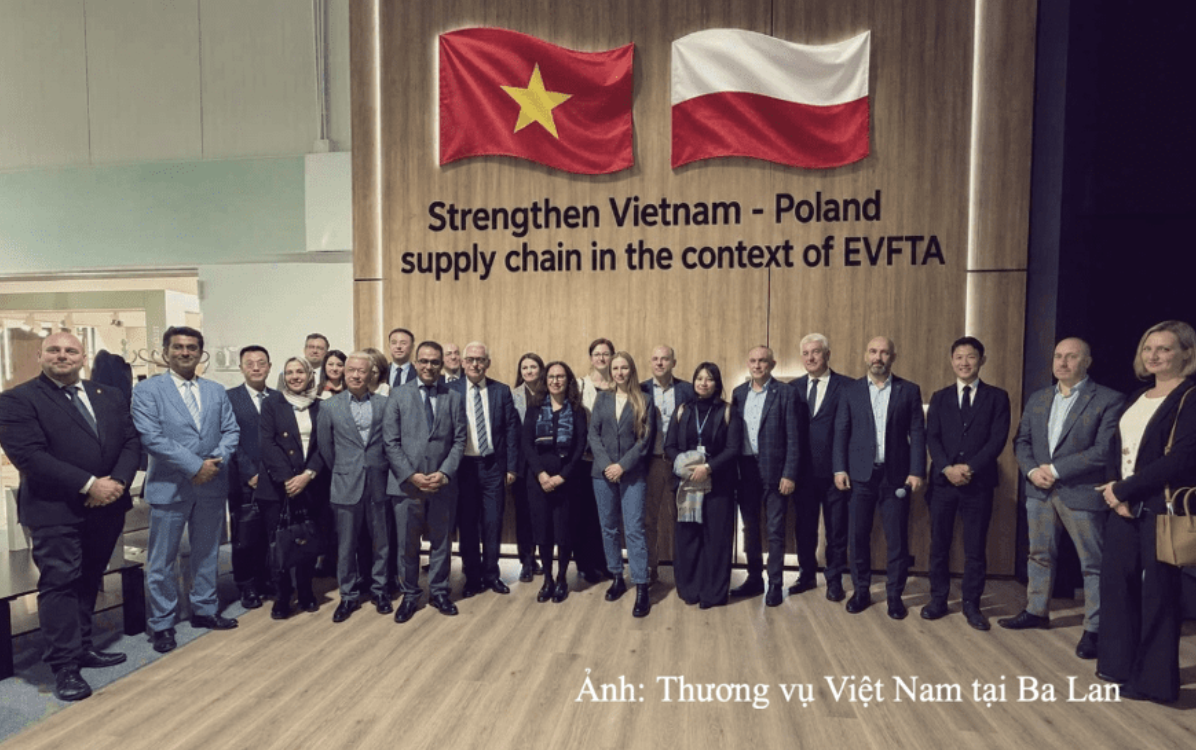
Viet Nam and Poland are exploring complementary strengths in furniture manufacturing, machinery, raw materials and technology to develop regional supply chains.
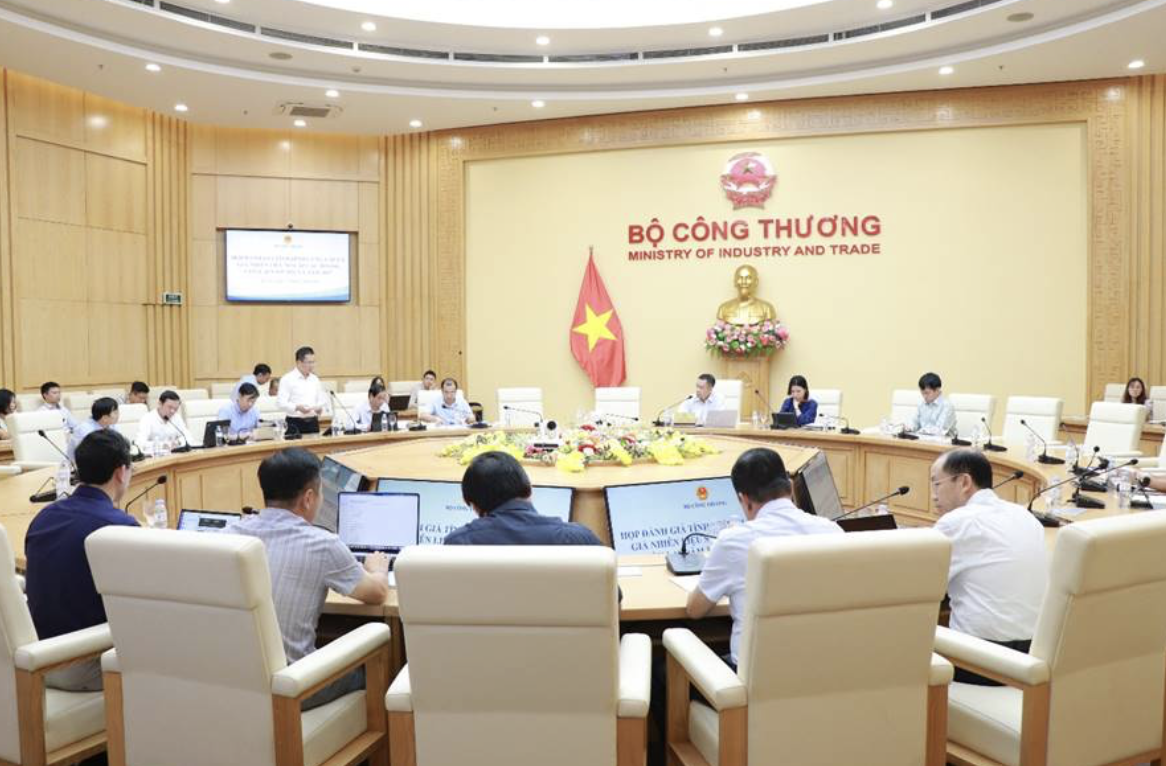
The MoIT calls for proactive risk management and supply diversification to prevent energy supply disruptions amid global geopolitical and market uncertainties.
GREENTECH HA NOI 2026 showcases green technologies and energy-efficient solutions that help businesses cut emissions, optimize costs, promote sustainable production.
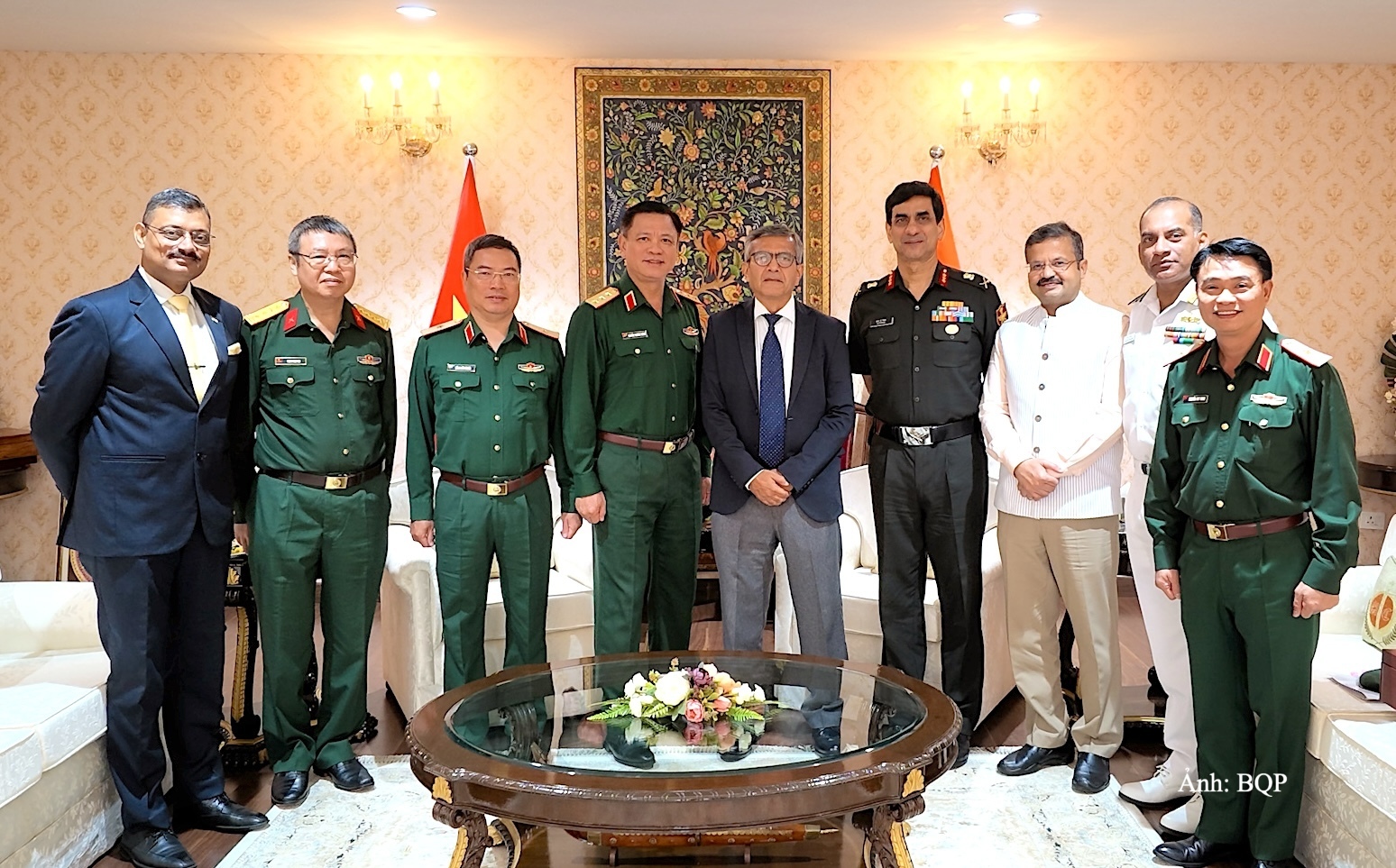
On the sidelines of the BRICS Summit in New Delhi, Senior Lieutenant General Nguyen Truong Thang held a meeting with Indian Defence Secretary Rajesh Kumar Singh, agreeing to expand defence cooperation.
Viet Nam has identified strengthening energy security and resilience, accelerating a clean and just energy transition, and promoting innovation, investment and regional connectivity as three strategic priorities in responding to profound changes in the global energy landscape.
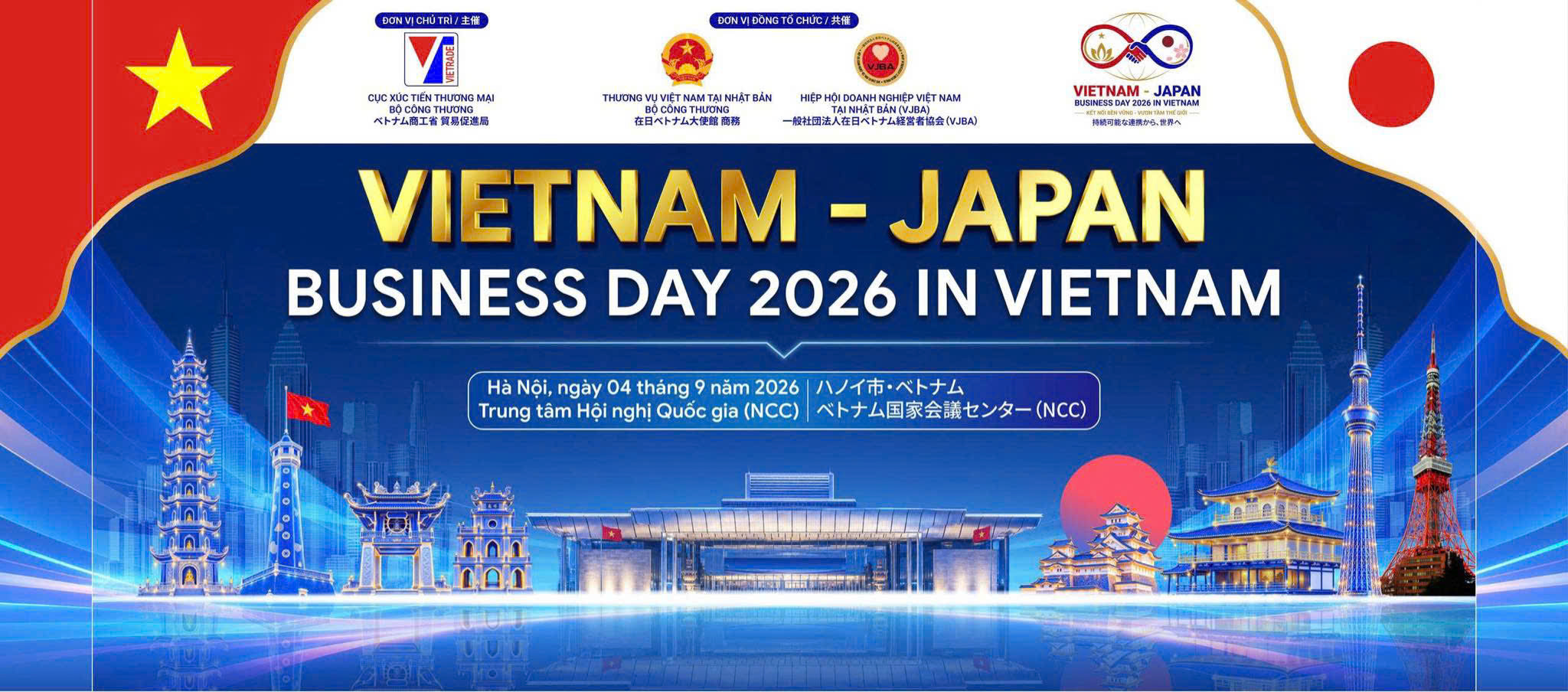
The Viet Nam-Japan Business Forum 2026 will take place in Hanoi, bringing together around 250 delegates for trade and investment matchmaking and business networking.