GDP growth of 8.02% in 2025 reflected Vietnam’s macroeconomic recovery and stability while creating new momentum and space for higher growth targets ahead.
Strong GDP growth in 2025 and the need to renew the growth model
According to the General Statistics Office under the Ministry of Finance, Vietnam’s GDP in 2025 is estimated to have increased by 8.02% compared to the previous year, the second-highest growth rate in the 2011 - 2025 period, after 2022. In the fourth quarter of 2025 alone, GDP rose by 8.46%, the highest among fourth quarters in comparable years, continuing the trend of each quarter outperforming the previous one and clearly demonstrating a strengthening recovery momentum.
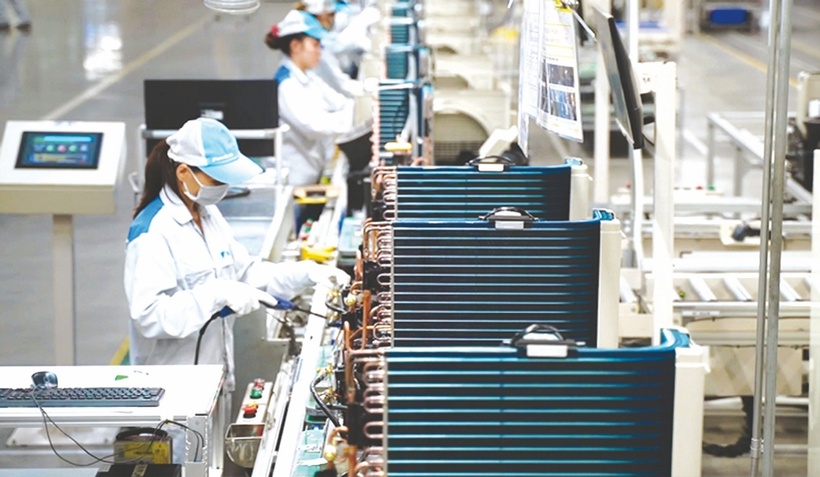
By economic sector, services expanded by 8.62%, contributing the largest share at 51.08% to overall growth; industry and construction grew by 8.95%, contributing 43.62%; while agriculture, forestry and fisheries increased by 3.78%, accounting for 5.30%. Notably, manufacturing and processing surged by nearly 10%, reaffirming its role as the primary growth engine of the economy.
Despite complex fluctuations in the global geopolitical landscape and challenges posed by natural disasters, Vietnam’s economy in 2025 records a strong breakthrough, with GDP growth reaching 8.02%.
Overall, Vietnam’s economy in 2025 remained relatively stable amid heightened global volatility. Alongside these achievements, experts note that the greatest challenge in the next phase lies not in maintaining high growth rates, but in renewing existing growth drivers.
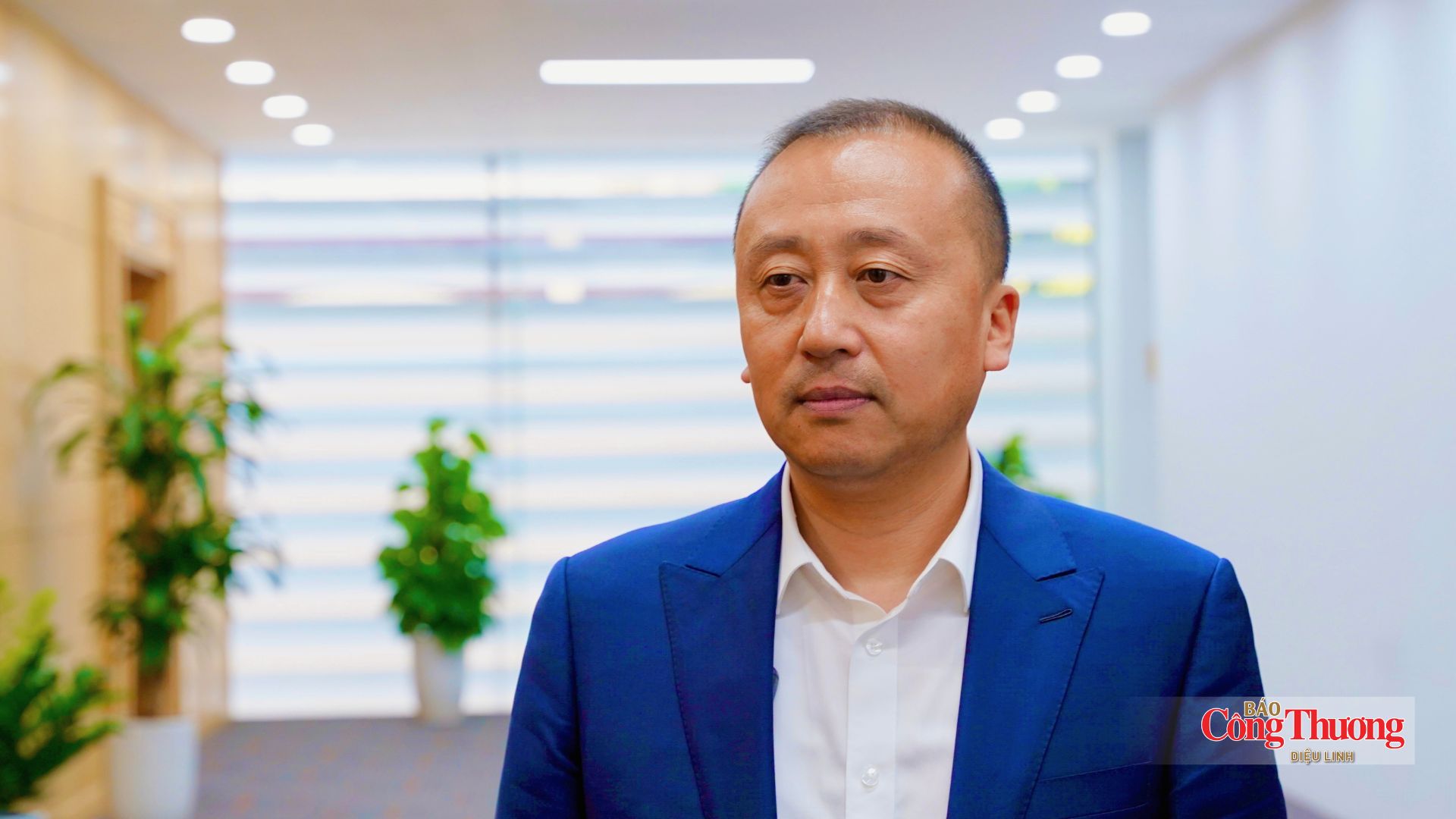
At the Vietnam Economic Forum, Tran Du Lich, Chairman of the Advisory Council for the implementation of National Assembly Resolution No. 98/2023/QH15, noted that recent recovery and growth have largely relied on three pillars: the domestic market, exports and public investment. This approach has delivered positive results, helping the economy overcome a difficult period.
However, structural constraints are becoming increasingly apparent. In terms of exports, despite rising turnover and an expanding global market share, the localization rate in exported products remains low, limiting the actual value added retained by the domestic economy.
Data show that in 2007, Vietnam accounted for around 1.3% of the world’s population but only 0.3% of global export value. By 2024, its export market share had risen to approximately 1.6%, exceeding its population share. Nevertheless, the current export-driven growth model is gradually approaching its limits, underscoring the need for restructuring toward higher domestic value creation.
Regarding public investment, the launch of 234 major projects at the end of 2025 with total capital of about VND 3.4 quadrillion, more than 80% of which came from public investment, highlights its continued “leading” role. The key question, however, concerns the spillover effects and efficiency of public investment in serving as effective “seed capital” for the private sector. Without qualitative changes in the three existing pillars, achieving double-digit growth in the medium and long term will remain a formidable challenge.
New drivers for sustainable growth
According to Tran Du Lich, Vietnam’s new growth momentum should rest on two core pillars: advances in science and technology, innovation linked with the digital economy; and institutional reform aimed at enhancing competition, transparency and efficiency. These are prerequisite conditions for improving productivity and creating new growth space.
The year 2026 is identified as a pivotal year following the 14th National Party Congress, posing a dual challenge for economic management: maintaining macroeconomic stability amid rising inflationary pressures, while simultaneously pushing for higher growth. At the same time, the implementation of numerous new laws along with guiding decrees and circulars also carries the risk of bottlenecks if coordination mechanisms are insufficient.
From a longer-term perspective, at the Forum on the Credit Market and Macroeconomic Issues held on December 24, 2025, Can Van Luc, a member of the Prime Minister’s Policy Advisory Council, emphasized that Vietnam needs a sustainable and inclusive development model based on four pillars: high growth coupled with sustainability; transformation of the growth model driven by science and technology, innovation and institutional reform; flexible development strategies informed by international experience; and the effective mobilization, allocation and use of economic resources.
According to the World Bank, among 142 middle-income economies, only 34 have successfully escaped the middle-income trap. These successful cases share a common feature: the effective combination of increased investment, technology absorption and innovation. For Vietnam, experts argue that all three pillars must be pursued simultaneously rather than through a rigid, sequential approach.
Capital availability will be one of the decisive issues in the next phase. Can Van Luc noted that his research team has developed two growth scenarios for the 2026 - 2030 period: a target scenario of 10% or higher, and a more cautious scenario at around 9%, reflecting escalating risks.
In reality, natural disasters and global turbulence could reduce GDP growth by up to 0.8 percentage points annually, equivalent to around VND 100 trillion. Under these scenarios, total social investment by 2030 would need to reach approximately 38 - 39% of GDP, compared with just 33.5% in 2025. This implies that Vietnam must mobilize an additional USD 250 - 260 billion, a very demanding task.
Experts also warn that for many years, policy discussions have focused heavily on the scale of capital mobilization, while insufficient attention has been paid to capital allocation and efficiency. Yet these factors ultimately determine the quality and sustainability of growth.
In this context, macroeconomic stability must go hand in hand with growth objectives. It is not a matter of choosing one over the other, but of ensuring close coordination between fiscal and monetary policies, with credit directed toward production and business activities, particularly small and medium-sized enterprises.
According to economist Vo Tri Thanh, Vietnam is pursuing highly ambitious development goals, in which economic growth must be rapid but cannot be separated from the requirements of sustainability and inclusiveness. Growth must be associated with green growth, balancing economic, environmental and social factors, on the foundation of maintaining macroeconomic stability.
Macroeconomic stability entails not only keeping inflation under reasonable control, but also ensuring the soundness of the financial and banking system, balance among major economic pillars, and the country’s credibility and standing in the international arena. This is a comprehensive and multidimensional issue, requiring a synchronized approach rather than a narrow focus on individual policy instruments.
With GDP growth reaching 8.02% in 2025, the second-highest level in the 2011 - 2025 period, Vietnam has demonstrated strong recovery efforts and macroeconomic stability amid global uncertainties. However, as the country moves into 2026, the challenge lies not merely in achieving higher growth figures, but in improving growth quality, renewing growth drivers and strengthening policy implementation capacity to realize higher and more sustainable growth targets.
Polish Prime Minister Donald Tusk will pay an official visit to Viet Nam from October 24 to 26 as the bilateral trade continues to grow, creating opportunities for deeper cooperation.
Deputy Minister Truong Thanh Hoai met with LEGO and Carlsberg in Denmark on October 20 to discuss green investment and sustainable manufacturing in Viet Nam.
For more than three decades, Ms. Dang Thi Thanh Huong has quietly shaped the legacy of Dong Phuong Cake & Confectionery, a brand rooted in tradition, craftsmanship.
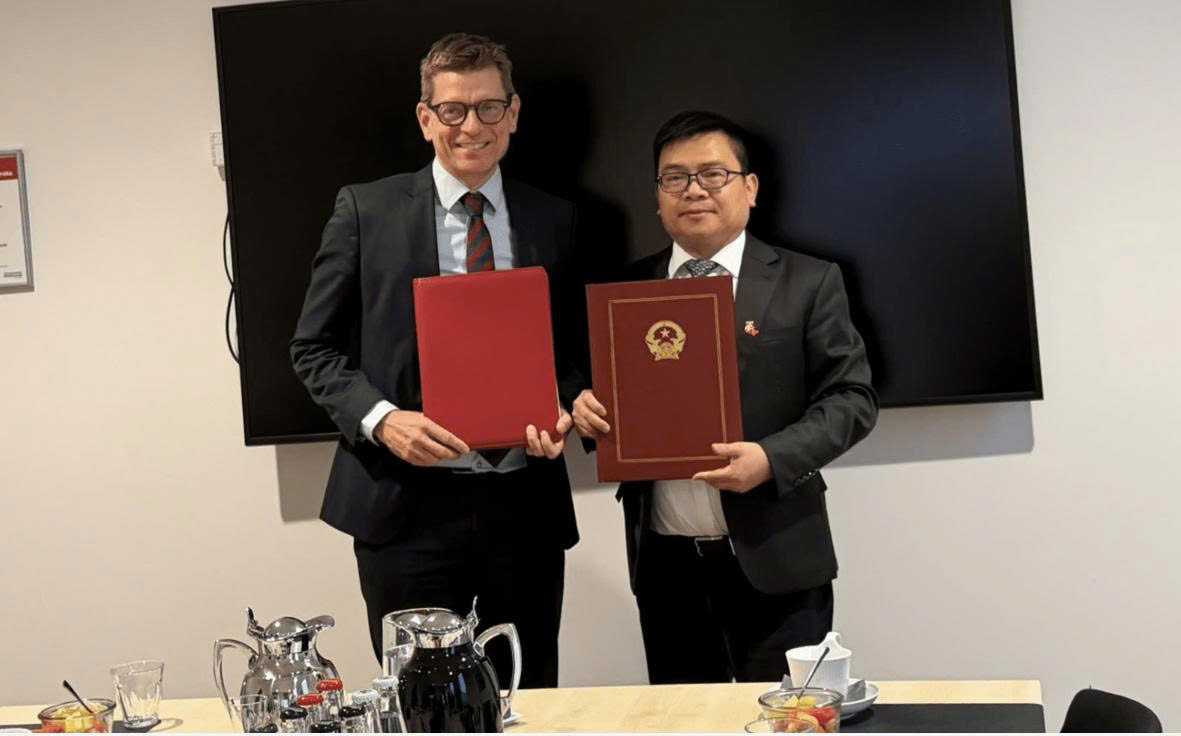
Viet Nam and Denmark have signed an MoU on energy cooperation to strengthen bilateral ties and advance collaboration in renewable energy and the green transition.
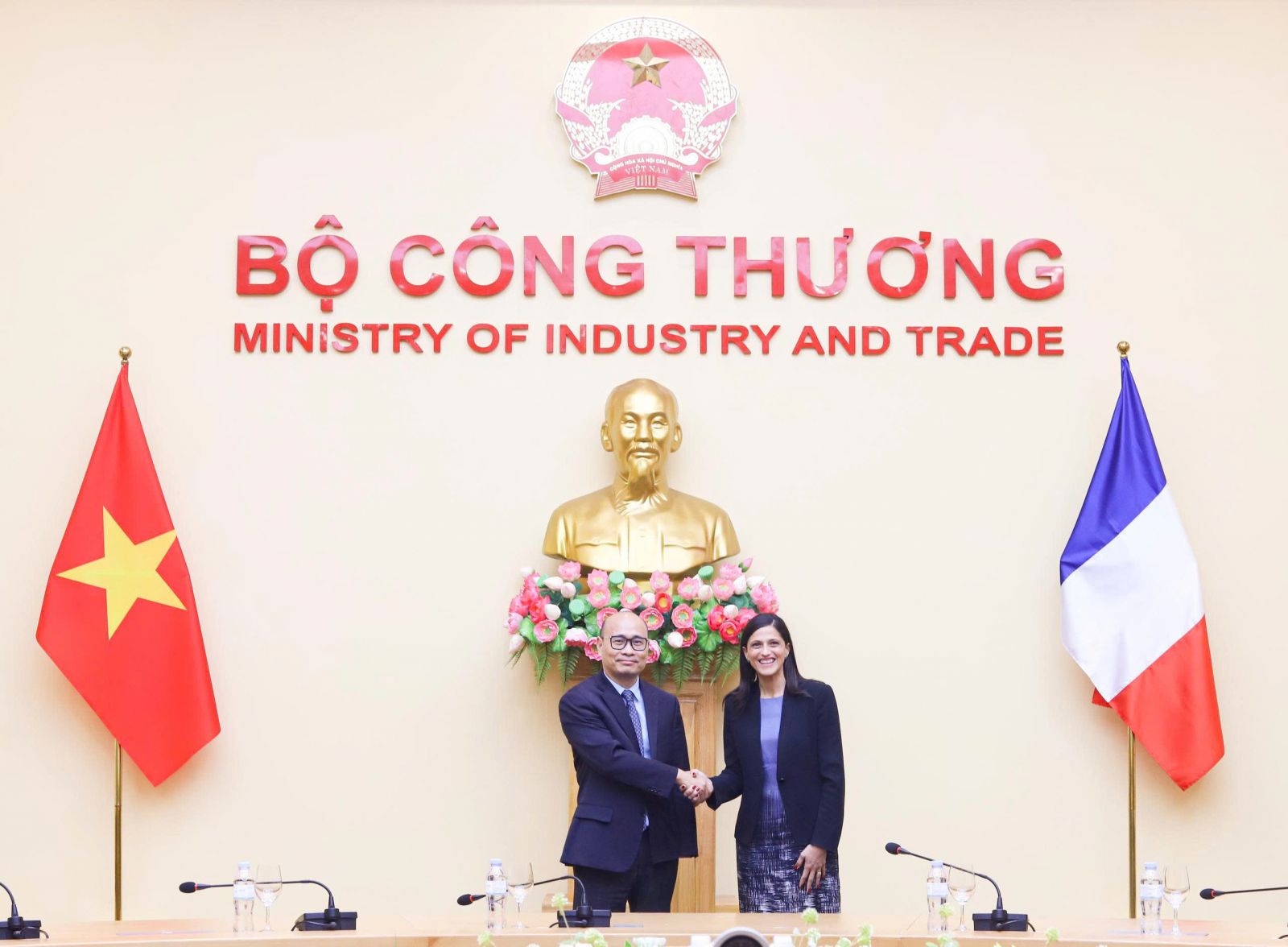
Deputy Minister Luong Hoang Thai met French Minister Delegate Eleonore Caroit on October 19 to discuss ways to strengthen Viet Nam - France cooperation.
Facing the challenges of renewable energy transmission, CWEA suggests off-grid consumption approaches and opportunities for global supply chain cooperation.
In the seven months of 2026, industry, retail sales and imports and exports all posted strong growth. The Ministry of Industry and Trade (MoIT) continues to roll out solutions to contribute to achieving the double-digit growth target.
In the first six months of 2026, Viet Nam’s total merchandise import and export turnover reached USD 549.69 billion, up 27.1% year on year. Exports increased by 21%, while imports rose by 33.4%. The country recorded a merchandise trade deficit of USD 16.65 billion. These figures underscore Viet Nam’s determination to further expand the presence of Vietnamese goods and brands in international markets.
Moonfolks has officially entered the Vietnamese market, aiming to connect the country’s rapidly growing digital economy with broader opportunities across Southeast Asia and support Vietnamese businesses in expanding internationally.