President Ho Chi Minh’s 1945 letter to business circles laid an early foundation for industry and trade as key drivers of Vietnam’s prosperity.
President Ho Chi Minh’s forward-looking thinking on Vietnam’s industry and trade community
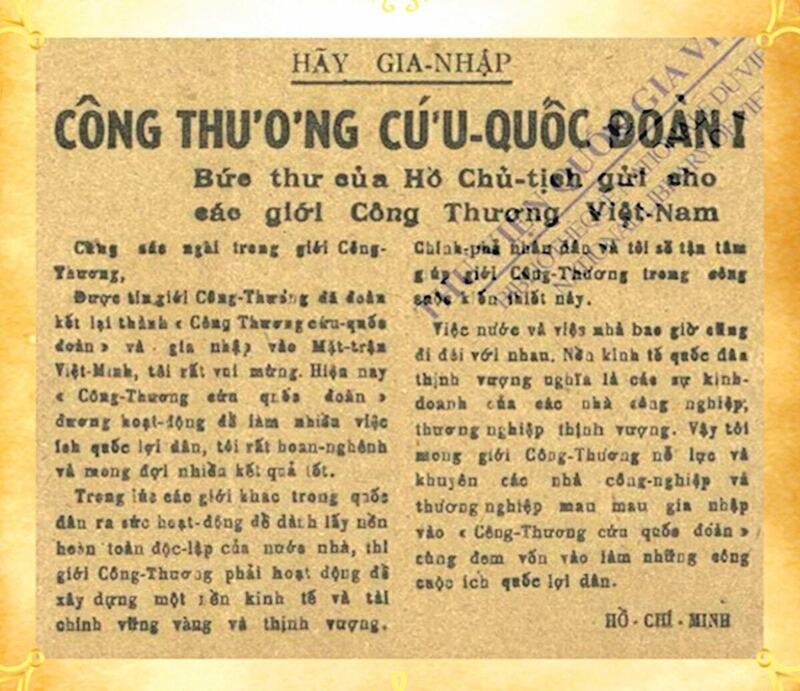
On October 13, 1945 just over one month after the founding of the Democratic Republic of Vietnam President Ho Chi Minh sent a letter to Vietnam’s industry and trade circles. The letter was published in the Cuu Quoc Newspaper, Issue No. 66, dated October 13, 1945.
This letter reflected a consistent line of thinking that President Ho Chi Minh had embraced much earlier. As far back as 1919, in the Petition of the Annamite People, revolutionary leader Nguyen Ai Quoc had already called for the development of industry and the establishment of trade.
As the leader of both the Party and the State, President Ho Chi Minh delivered nearly 100 speeches, articles, telegrams and letters addressed to agencies responsible for industry and trade, as well as factories, enterprises and Vietnamese entrepreneurs. Among them, the October 13, 1945 letter holds particularly profound significance.
President Ho Chi Minh’s letter to Vietnam’s industry and trade circles, published in the Cuu Quoc Newspaper on October 13, 1945.
In 1945, Vietnam was still a backward agricultural country, deeply influenced by Confucian ideology. Under traditional Confucian social hierarchy, scholars ranked first, followed by farmers, artisans and merchants. Yet, from the very early days of the new republic, President Ho Chi Minh highly valued the role of Vietnamese entrepreneurs. This can be regarded as a forward-looking vision well ahead of its time.
Regarding the position of business circles, he wrote: “I am pleased to learn that the industry and trade circles have united to form the Industry and Trade National Salvation Association and joined the Viet Minh Front. At present, the Association is actively carrying out many activities for the benefit of the nation and the people, which I warmly welcome and from which I expect positive results.”
Thus, from an early stage, President Ho Chi Minh affirmed that entrepreneurs were an indispensable part of the great national unity bloc. He called on industrialists and traders to “quickly join the Industry and Trade National Salvation Association and contribute capital to undertakings that serve national interests and public welfare.”
For the first time, the role of industry and trade circles was placed in its rightful position, as clearly stated in the letter:“While other sectors of the nation strive to secure full independence for the country, the industry and trade sector must work to build a strong and prosperous economy and financial system.”
Perhaps for the first time, Vietnamese entrepreneurs were entrusted with a new role. As the President emphasized:“National affairs and family affairs always go hand in hand. A prosperous national economy means prosperous business activities for entrepreneurs.”
This logic has remained a fundamental principle for Vietnam’s industry and trade sector not only in that historical context, but also for generations to come.
Industry and trade achievements in a new era of growth
From President Ho Chi Minh’s letter to Vietnam’s industry and trade circles, his concise and simple words not only assigned responsibilities to the sector but also conveyed profound inspiration for business development, economic growth and state governance. Those aspirations and expectations have since become a powerful source of spiritual strength.
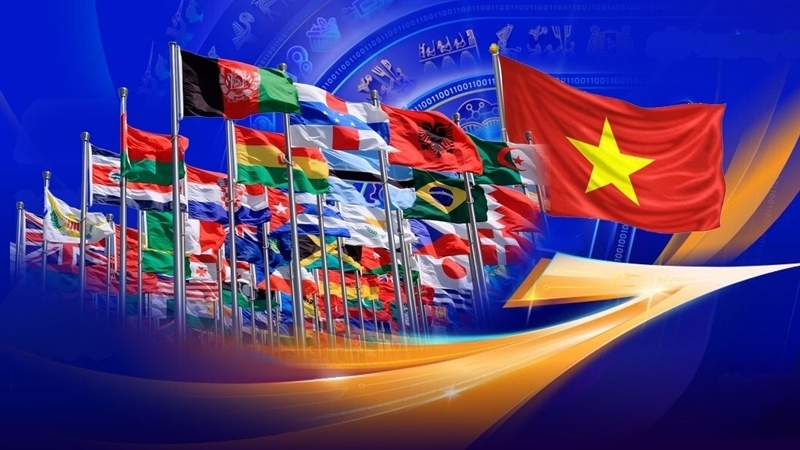
Over more than 80 years, guided by the President’s teachings, Vietnam’s industry and trade sector has made tireless efforts, building remarkable achievements. Particularly during the period of economic opening and international integration, the sector has demonstrated resilience and dynamism, contributing significantly to the nation’s rise.
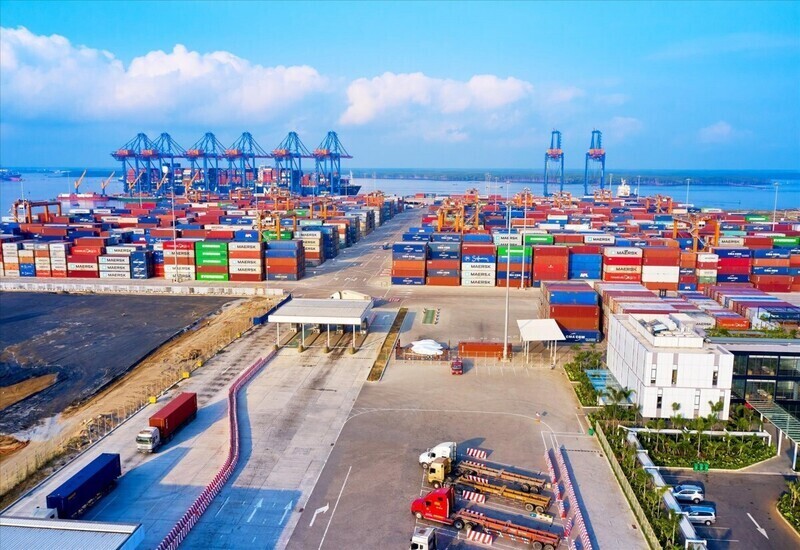
In 2025, Vietnam’s total import-export turnover reached a record high of over USD 930.05 billion. Photo: Hung Duong
The 2021-2025 period was a challenging journey for the industry and trade sector, marked by global economic turbulence from the COVID-19 pandemic and supply chain disruptions to geopolitical conflicts, inflationary pressures and rising protectionism. Amid these headwinds, the sector reaffirmed its role as a key pillar of the economy, gradually overcoming difficulties, recovering and making breakthroughs. These sustained efforts culminated most clearly in 2025, the final year of the period.
One of the most notable achievements was the sector’s role in shaping institutions and improving the policy framework. The industry and trade authorities led the development and submission of important laws, strategies, plans and mechanisms covering industry, trade, energy and international economic integration. These institutional foundations created long-term development space, with many policies proving effective by 2025 and becoming strong drivers for production, business and investment.
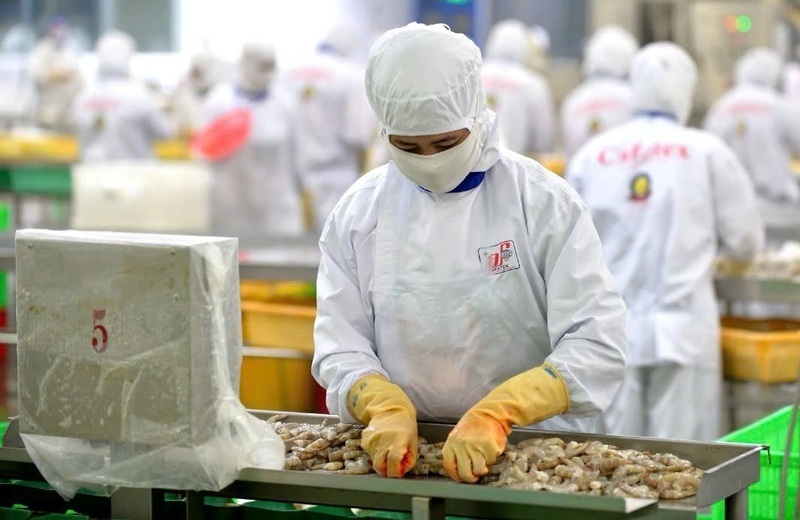
On that institutional basis, industrial production steadily recovered and accelerated. While the early years focused on addressing the aftermath of the pandemic, by 2025 the industrial sector achieved a real breakthrough, with total value added rising by about 9.5%. The processing and manufacturing industry grew by over 10%, the highest level in many years. More importantly, domestic enterprises enhanced their internal capacity and increasingly integrated into global supply chains, strengthening economic autonomy and value creation.
Alongside industry, import-export activities remained a consistent bright spot throughout the period, with 2025 marking a historic milestone. Total trade turnover surpassed USD 930 billion, placing Vietnam among the world’s top 15 trading economies. This reflected sustained efforts to expand markets, diversify partners and effectively utilize new-generation free trade agreements. Notably, Vietnam recorded trade surpluses for ten consecutive years, contributing to macroeconomic stability, foreign exchange reserve accumulation and greater economic resilience.
Amid global uncertainties, the domestic market continued to serve as a crucial pillar. Over the years, domestic consumption recovered strongly, supported by demand-stimulus programs, supply-demand linkages and distribution network development. By 2025, total retail sales of goods and consumer services exceeded VND 7 quadrillion, ranking Vietnam among the world’s 32 largest consumer markets. Domestically produced goods accounted for 90-95% of market share in modern distribution systems, affirming the strong position of Vietnamese products and the effectiveness of domestic market policies.
At the same time, e-commerce and trade promotion underwent significant innovation, emerging as new growth engines. Throughout the period, e-commerce maintained annual growth of 20-25%. By 2025, market size exceeded USD 31 billion, accounting for about 10% of total retail sales. In energy and infrastructure, many key projects were implemented and completed, contributing to national energy security.
It can be affirmed that these achievements represent the crystallization of renewed thinking, institutional reform and persistent efforts to overcome challenges laying a solid foundation for the industry and trade sector to enter a new phase of development that is more demanding, sustainable and deeply integrated, alongside the nation’s broader rise.
More than 80 years on, the forward-looking ideas articulated in President Ho Chi Minh’s letter to Vietnam’s industry and trade circles remain a guiding compass especially at this historic moment as the country enters a new era of growth. Together with the nation, the industry and trade sector has fulfilled many of the President’s aspirations and is fully confident in realizing them at an even higher level.
With trade hitting USD 930 billion in 2025, Vietnam’s economic integration enters a new phase focused on quality, green exports and deeper global positioning.
Vietnam’s canned tuna exports fell 8% in 2025 as the EU dropped sharply, while the US held steady and Middle East - North Africa markets posted strong growth.
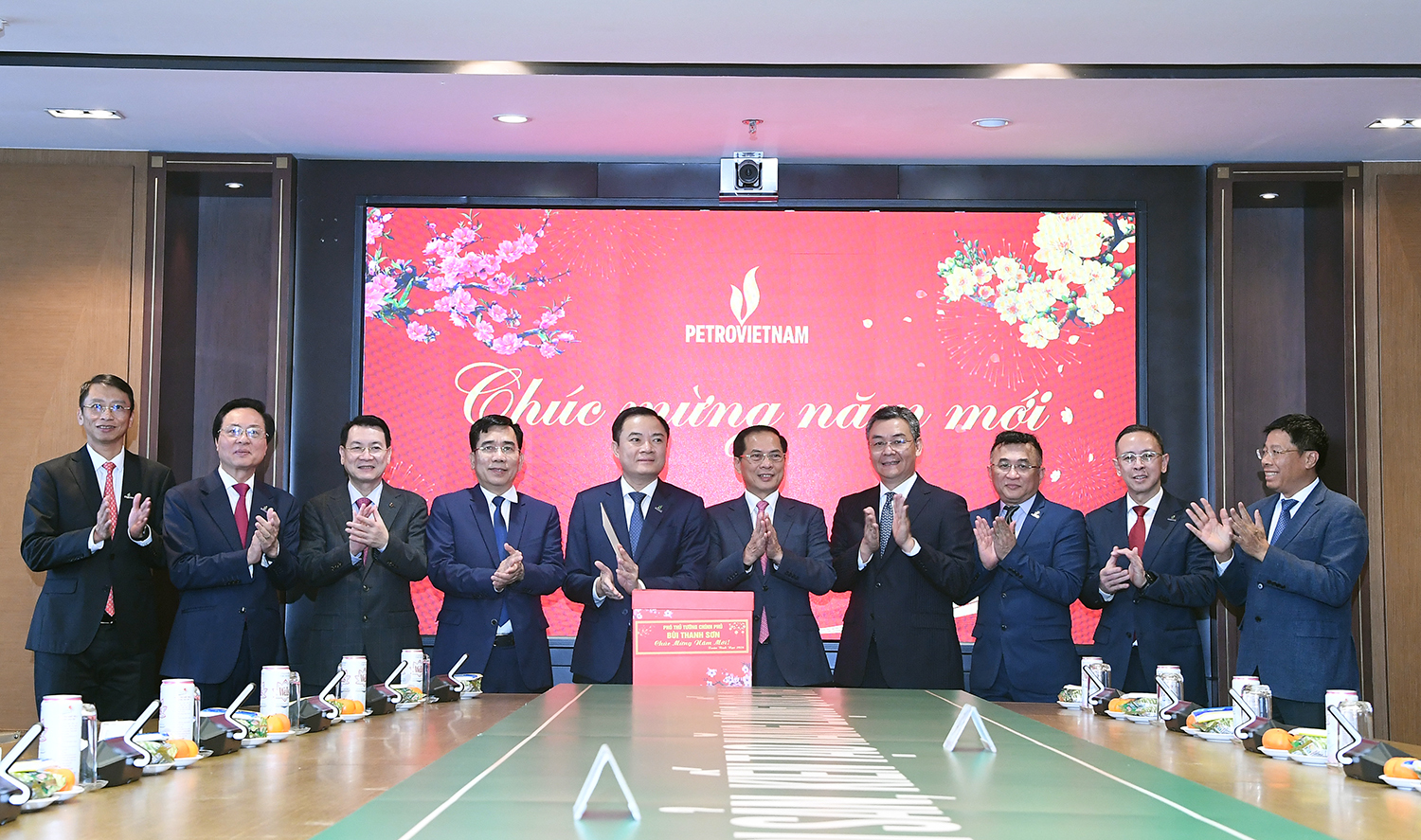
Deputy Prime Minister Bui Thanh Son set growth targets for four energy pillars, urging double-digit breakthroughs and 14th National Congress Resolution execution
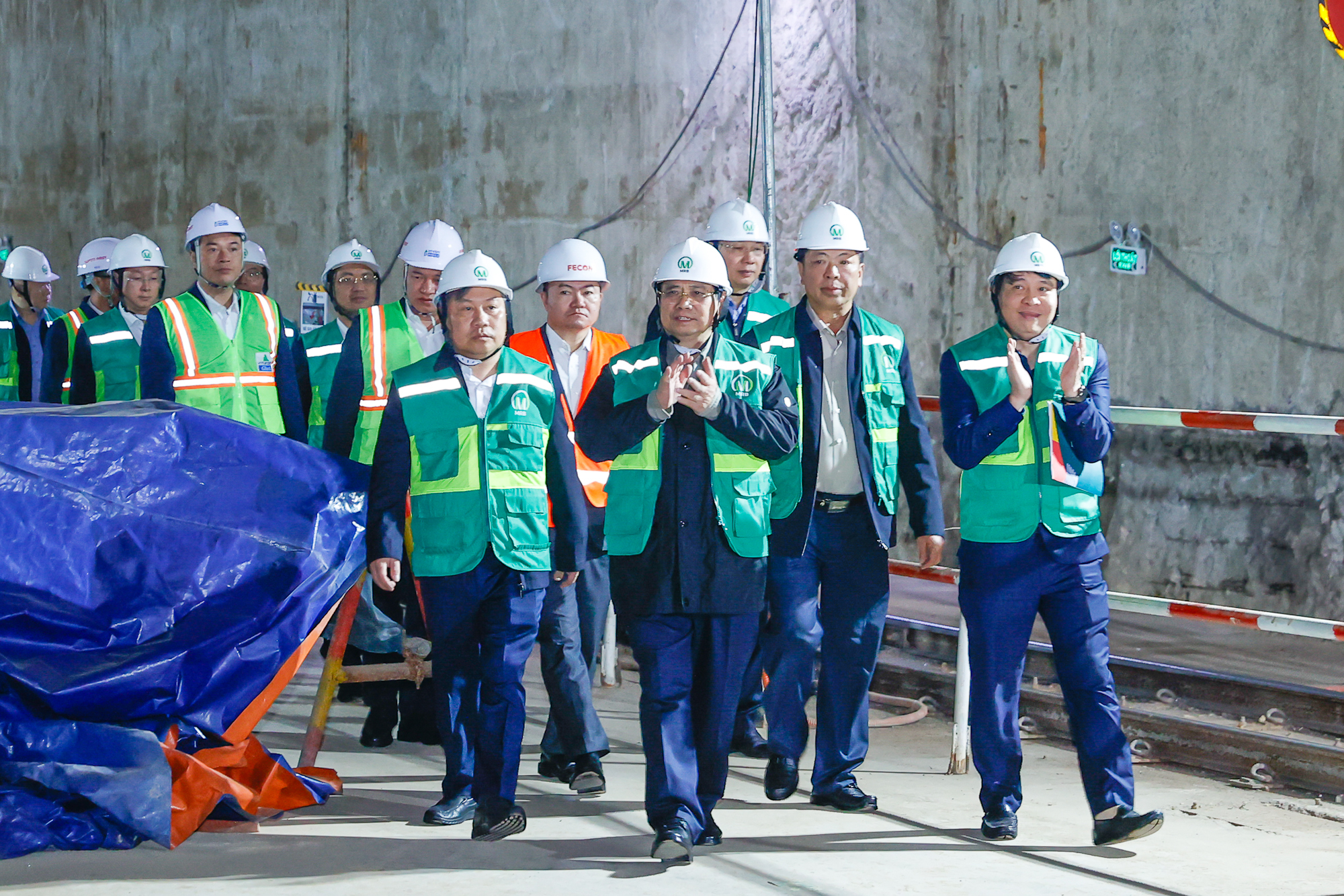
Prime Minister Pham Minh Chinh urged sweeping reforms to accelerate Hanoi’s urban railway projects, targeting over 600km by 2045, while ensuring quality and safety.
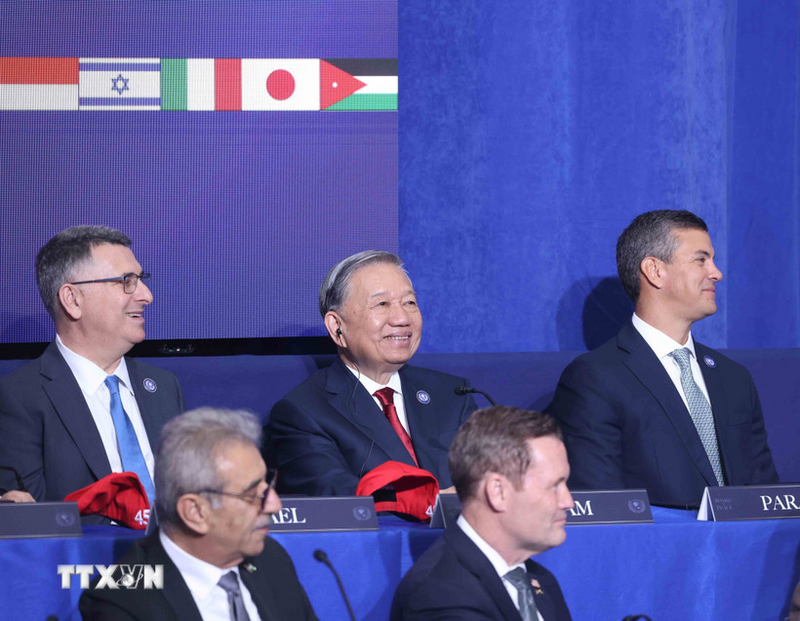
Vietnam’s General Secretary To Lam attended the Gaza Peace Council’s inaugural meeting in Washington, D.C., outlining commitments to peacekeeping and reconstruction.
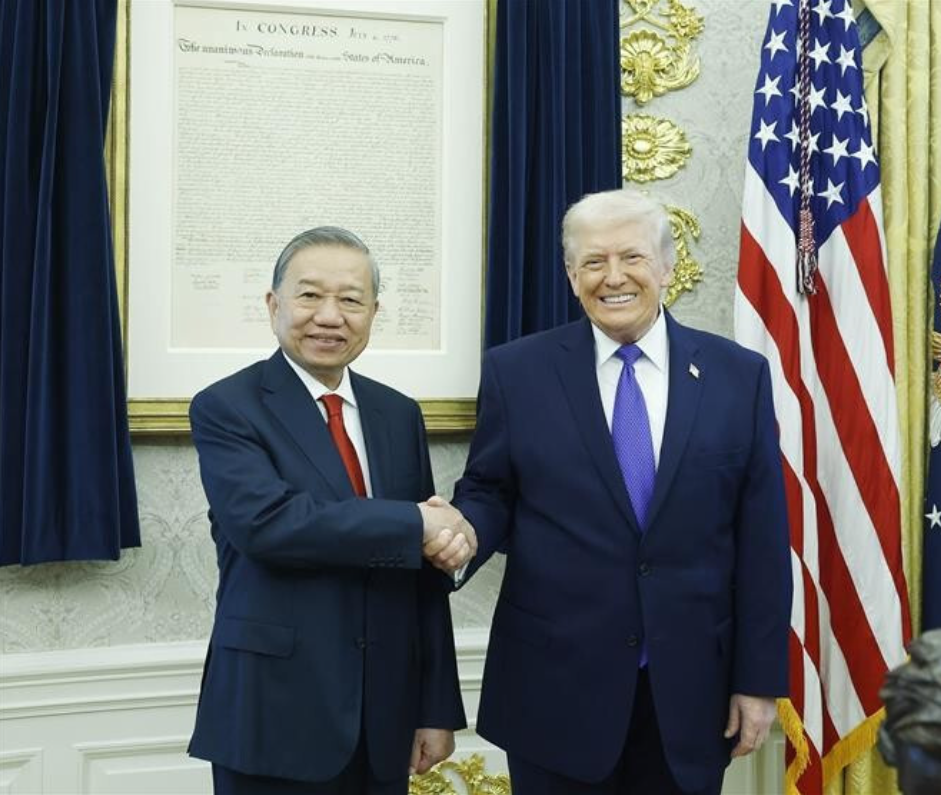
General Secretary To Lam held talks with US President Donald Trump at the White House on bilateral ties and regional and international issues of shared concern.