The 14th National Party Congress shows Vietnam’s strong political resolve to improve growth quality and shape national standing amid intensifying global competition.
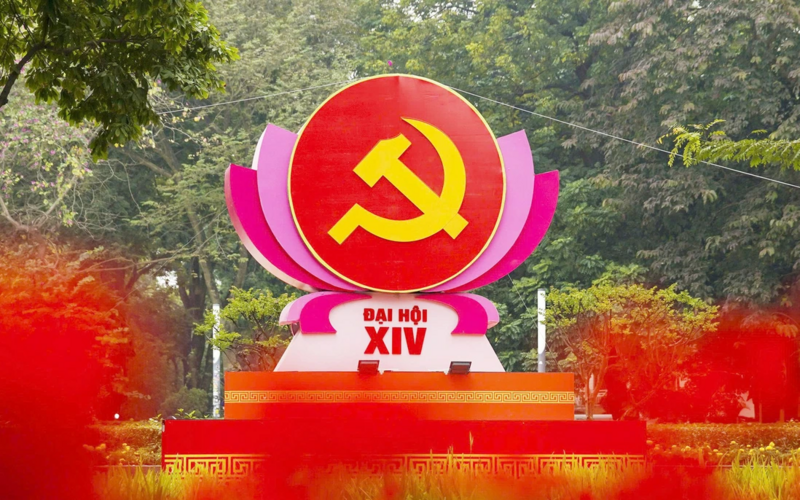
The 14th National Congress of the Communist Party of Vietnam is a particularly significant political event, marking a strategic transition in the country’s development trajectory. The Congress has drawn close attention from the Vietnamese public and has also become a focal point for international experts and scholars, as the decisions adopted are expected to define Vietnam’s development path and position in the new stage.
The 14th National Party Congress has drawn close attention from international experts
Breaking through with people and technology
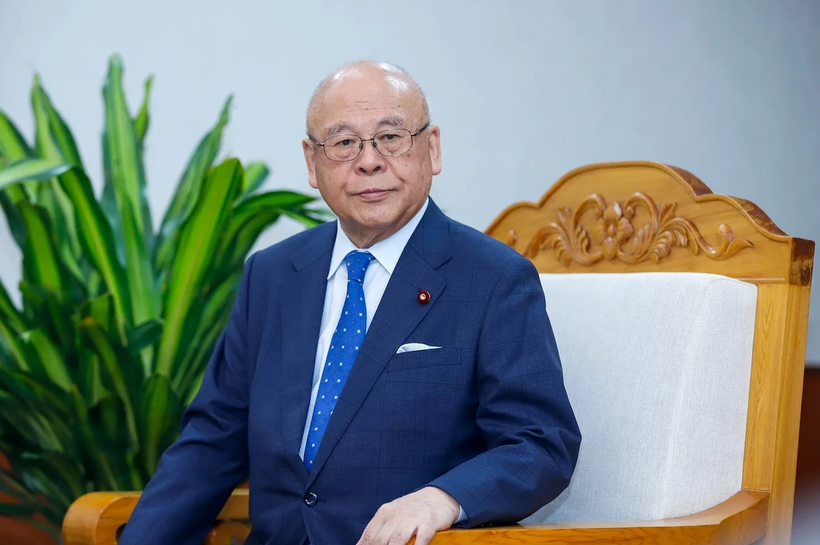
In an interview with the Newspaper of Industry and Trade, Takebe Tsutomu, Special Advisor to the Japan - Vietnam Parliamentary Friendship Alliance, said that the 14th National Party Congress carries the significance of a historical turning point, opening opportunities for Vietnam to achieve a qualitative leap in development in pursuit of its strategic goals for 2030 and 2045.
According to Takebe Tsutomu, after a period of growth largely driven by labor advantages and the expansion of production scale, Vietnam is now facing an urgent need to reposition its development model toward one based on knowledge, technology and people.
Takebe Tsutomu, Special Advisor to the Japan - Vietnam Parliamentary Friendship Alliance
To realize this aspiration, education reform and the promotion of science and technology are indispensable pillars. He emphasized that education must shift decisively from knowledge transmission to the development of critical thinking, practical skills and creativity, thereby forming a highly skilled workforce capable of rapidly adapting to technological change and the global market.
At the same time, science and technology must truly become the central driver of growth, closely linked with innovation and practical application in production, governance and social life.
He expressed his expectation that the 14th National Party Congress will clearly declare the determination to move away from the traditional labor-intensive industrial model, while transparently defining a national strategy for the development of high-quality human resources.
“This strategy should focus on training and fostering a workforce with strong knowledge and high-level practical skills, creating conditions for each individual to fully realize their potential. When people are placed at the center of development and given opportunities to advance through knowledge and creativity, human resources can be transformed into a sustainable driving force for the country’s long-term development,” he said.
From the “miracle on the Han River” to a “miracle on the Red River”
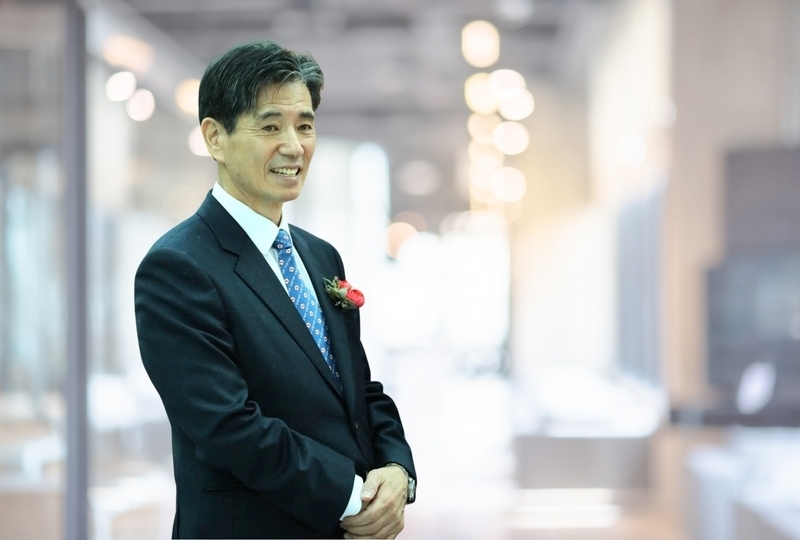
Kwon Sung Teak, Executive Chairman of the Korea - Vietnam Economic and Cultural Exchange Association, said he expects the 14th National Congress of the Communist Party of Vietnam to create more favorable institutional conditions and development momentum for Vietnam - Republic of Korea relations to fully realize the potential of their comprehensive strategic partnership.
According to Kwon Sung Teak, amid a global economic slowdown and rising supply chain risks driven by intensifying economic competition among major powers, Vietnam has gradually affirmed its position as a safe and reliable alternative destination. This image has been built on a foundation of strong political stability, an improving and increasingly predictable policy environment, and an open trade structure associated with deep international integration.
Executive Chairman of the Korea - Vietnam Economic and Cultural Exchange Association Kwon Sung Teak.
These factors help Vietnam maintain its attractiveness in the eyes of international businesses and investors seeking safety and sustainability. Market confidence is further reinforced as Vietnam demonstrates flexible adaptability to external shocks and a long-term commitment to accompanying the business community throughout its development process.
Kwon Sung Teak also noted that Vietnam and the Republic of Korea are facing an opportunity to form a highly complementary shared growth model. Drawing on the Republic of Korea’s development experience embodied in the “miracle on the Han River,” the two countries can work together to create a “miracle on the Red River” suited to Vietnam’s new conditions.
This model is not merely about the transfer of experience or investment capital, but rather a process of strategic partnership in industrial development, science and technology, innovation and human resource upgrading. As Vietnam accelerates institutional reform and strengthens its endogenous capacity, cooperation with the Republic of Korea will gain further room to deepen and generate sustainable added value.
Bilateral relations are expected to evolve from a traditional strategic partnership framework toward a community of shared action. The focus of cooperation will move beyond investment attraction alone to a new structure based on joint strategic design, joint participation in value chains, and shared development responsibilities.
Enterprises of the two countries will expand their roles from investment relationships to innovation partnerships and joint development. On that basis, the Vietnam - Republic of Korea business community will work together to address long-term development challenges, with a focus on green-oriented industrialization, digital transformation in production and governance, and the building of sustainable growth models linked to social responsibility.
“With a solid foundation of political trust and deep economic interlinkages, the Vietnam - Republic of Korea axis has the potential to become one of the most stable and substantive diplomatic pillars. This is a bilateral relationship that goes beyond economic interests to become a partnership sharing vision, responsibility and long-term commitment to peace, stability and development in the region,” Kwon Sung Teak affirmed.
The political report of the 13th Party Central Committee presented at the 14th National Party Congress clearly states the goal of becoming a developing country with modern industry and upper-middle income by 2030, and realizing the vision of becoming a developed, high-income country by 2045, for a Vietnam that is peaceful, independent, democratic, prosperous, civilized and happy, steadily advancing toward socialism.
With trade hitting USD 930 billion in 2025, Vietnam’s economic integration enters a new phase focused on quality, green exports and deeper global positioning.
Vietnam’s canned tuna exports fell 8% in 2025 as the EU dropped sharply, while the US held steady and Middle East - North Africa markets posted strong growth.
Deputy Prime Minister Bui Thanh Son set growth targets for four energy pillars, urging double-digit breakthroughs and 14th National Congress Resolution execution
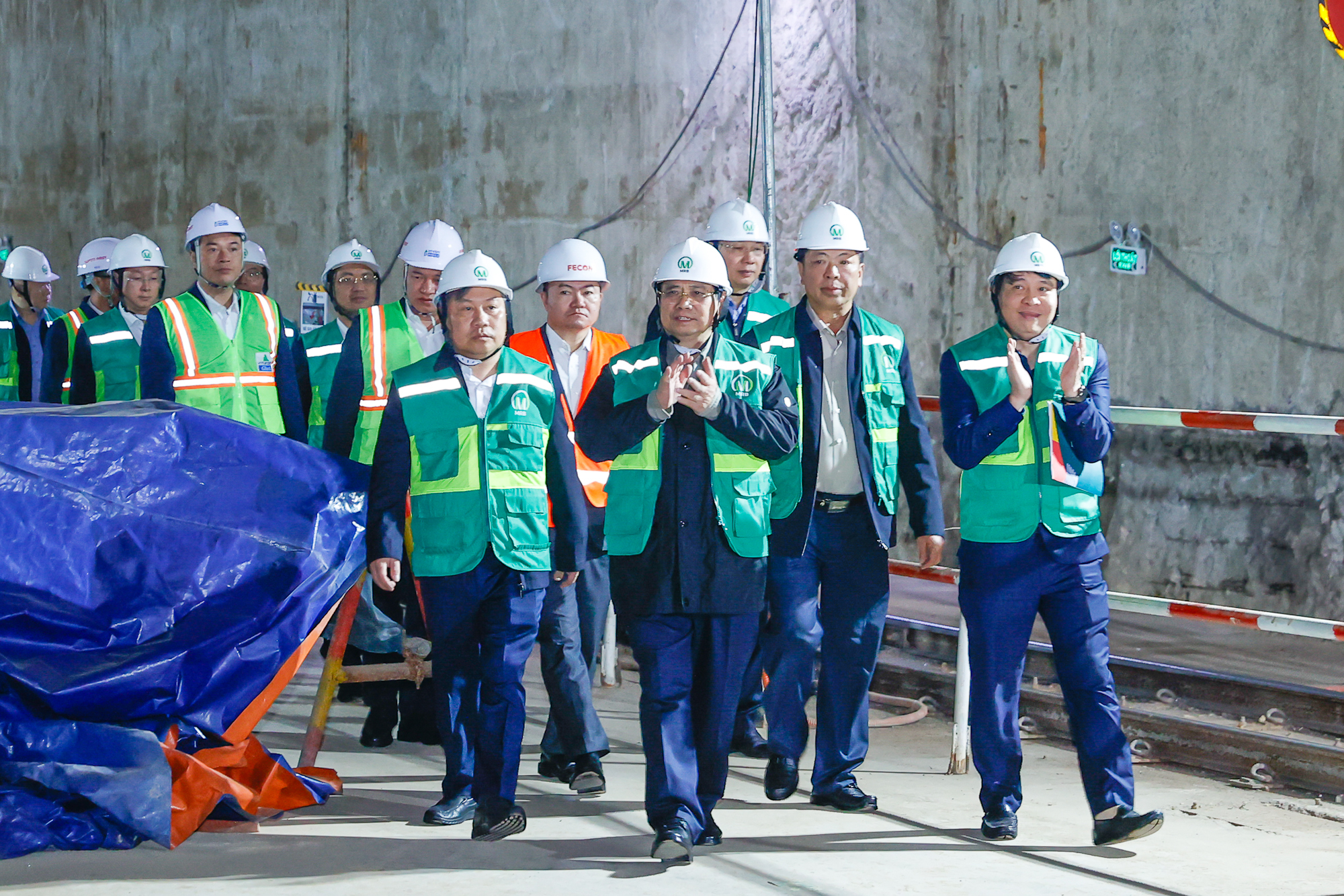
Prime Minister Pham Minh Chinh urged sweeping reforms to accelerate Hanoi’s urban railway projects, targeting over 600km by 2045, while ensuring quality and safety.
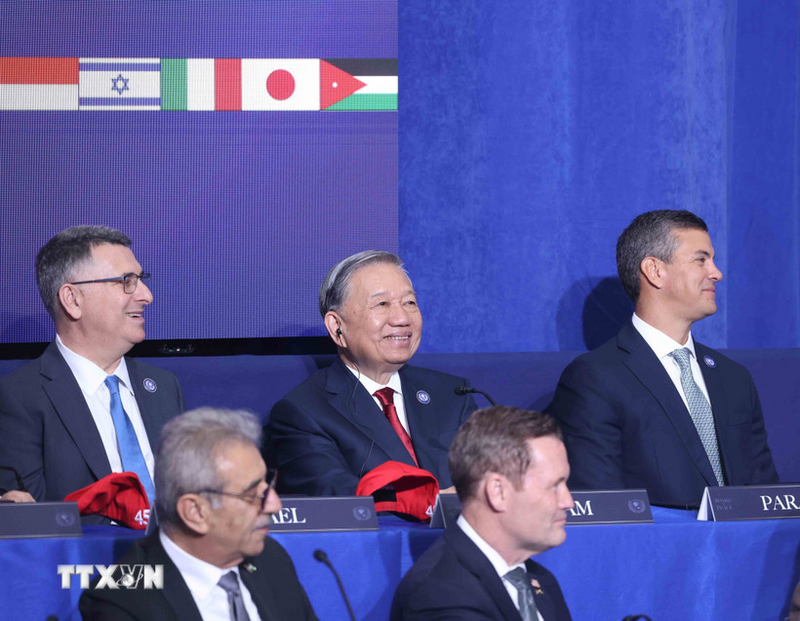
Vietnam’s General Secretary To Lam attended the Gaza Peace Council’s inaugural meeting in Washington, D.C., outlining commitments to peacekeeping and reconstruction.
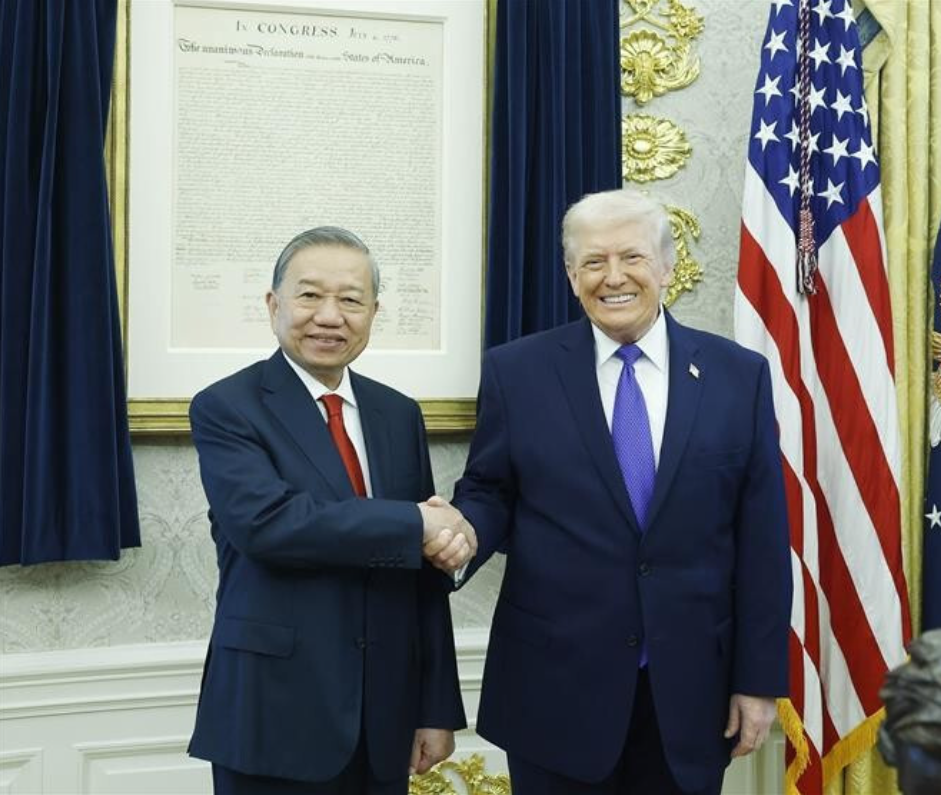
General Secretary To Lam held talks with US President Donald Trump at the White House on bilateral ties and regional and international issues of shared concern.