Ho Chi Minh City maintains its role as Vietnam’s economic engine, driven by strong industry, expanding services, robust trade and a growing digital economy.
Looking back on more than 51 years since the liberation of Ho Chi Minh City, the southern metropolis has undergone a profound transformation from a war-torn urban area to the country’s largest economic center.
Throughout this journey, industry and commerce have consistently played a core role, serving as key growth drivers and shaping the city’s status as Vietnam’s leading economic engine.
Affirming its role as the nation’s economic locomotive
Following national reunification, Ho Chi Minh City entered a period of economic recovery, focusing on stabilizing livelihoods and rebuilding its urban economy. Amid significant challenges, the city rapidly restored industrial facilities, commercial systems, and service networks, gradually laying the groundwork for the development of a modern industrial and commercial hub. It was also among the earliest localities to pilot flexible economic management mechanisms, establishing an important foundation for later, more comprehensive reforms.
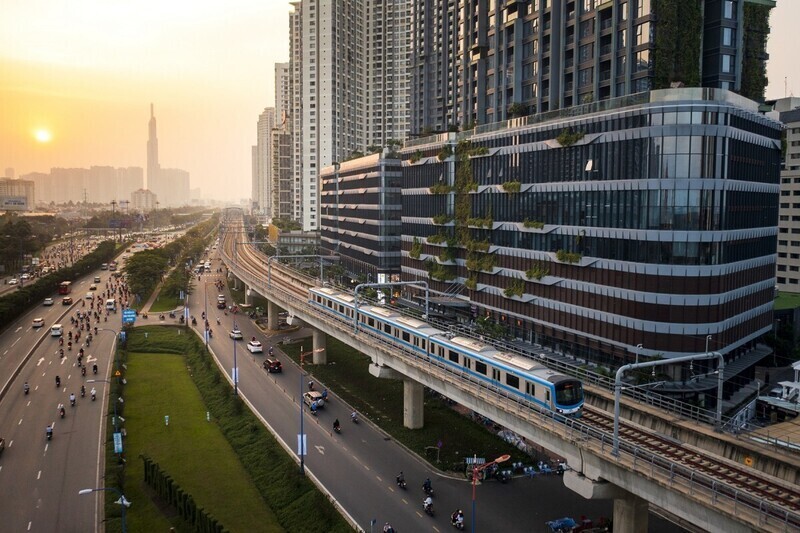
Ho Chi Minh City, with rapidly upgraded infrastructure, serves as the country’s leading economic growth engine. Photo: Phuc Ha.
A major turning point came with Vietnam’s Renewal policy initiated at the 6th National Party Congress. From that moment, Ho Chi Minh City emerged as a pioneer in economic restructuring, attracting foreign direct investment and fostering the development of the private sector. In particular, the establishment and expansion of export processing zones and industrial parks provided a strong boost to industrial production, export growth, and positioned the city as the country’s largest center for manufacturing, commerce, and international trade.
With continuous infrastructure upgrades, Ho Chi Minh City has strengthened its role as the nation’s economic locomotive. Over many years, the city’s GRDP has accounted for approximately 22 - 23% of national GDP, while its budget revenue has contributed around 25 - 27% of total state revenue. From 2000 onwards, the city’s economy maintained strong and stable growth. During the 2001 - 2010 period, GRDP expanded by an average of 11 - 12% per year, before moderating to around 7 - 8% annually between 2011 and 2019 still higher than the national average.
Rapid urbanization and structural economic shifts have steadily improved growth quality. The services sector now accounts for more than 60% of GRDP, while industry and construction make up roughly 30%.
Another defining feature of Ho Chi Minh City’s economy is its pioneering role in international integration. The city has consistently been Vietnam’s largest recipient of foreign direct investment, with cumulative FDI reaching tens of billions of USD. Numerous multinational corporations have chosen Ho Chi Minh City as their production and business hub in Vietnam, contributing to industrial capacity enhancement, technology transfer, and export market expansion.
Strong momentum heading into 2026 from a solid foundation
Entering a new development phase following administrative restructuring, Ho Chi Minh City’s economy in 2025 continued to record positive results, reaffirming its position as the country’s leading industrial, commercial, and service center. GRDP was estimated to grow by 7.53 - 8.03%, with an economic scale of approximately VND 3.03 quadrillion. GRDP per capita reached USD 8,700 - 8,800, with more than 500,000 active enterprises.
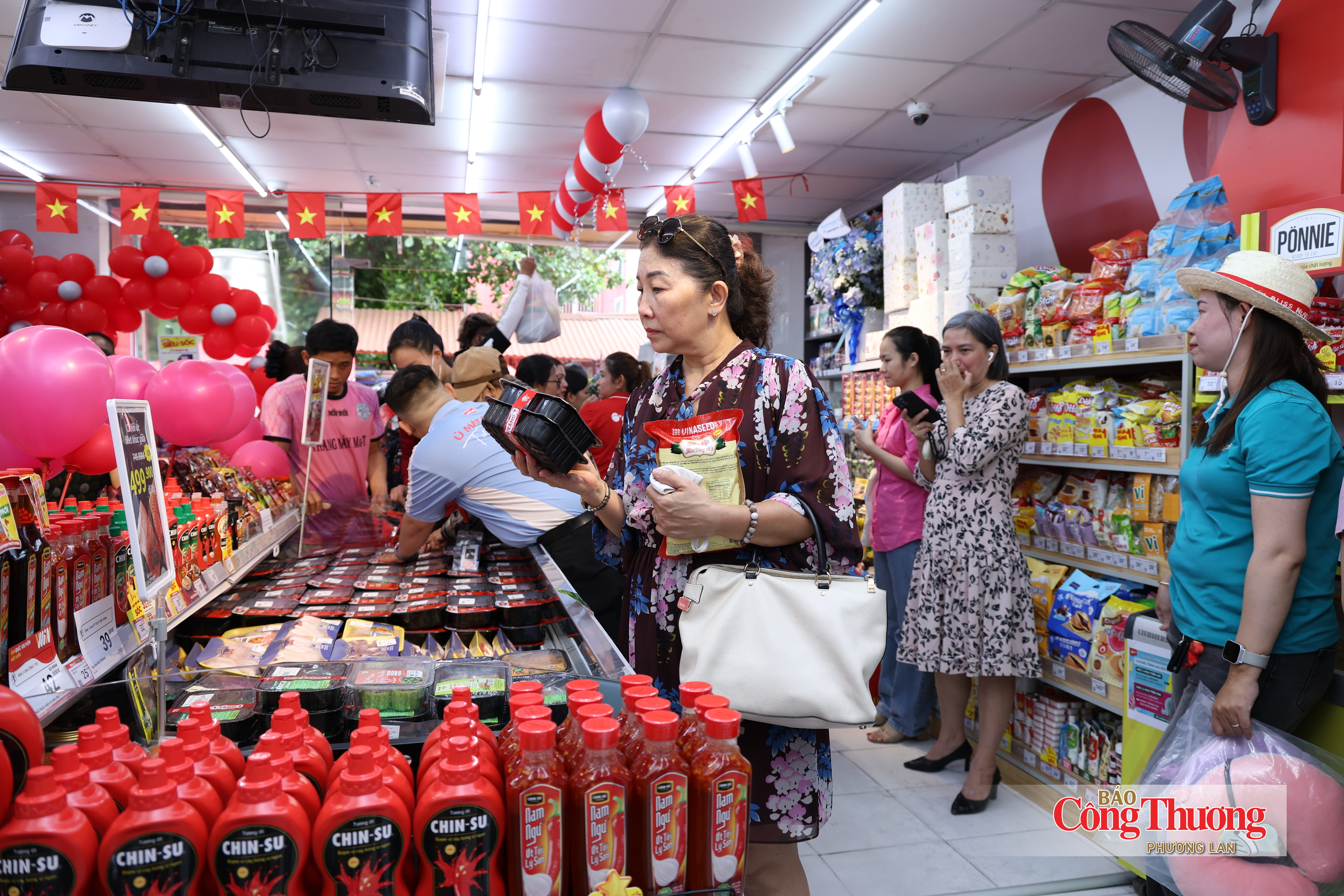
Industry remained a key growth driver, with industrial production index (IIP) rising by around 8.9%. Trade and services posted strong growth, as total retail sales reached approximately VND 1.94 quadrillion, up 15 - 16%. Import-export turnover continued to account for 15 - 18% of the national total, with exports reaching USD 95 - 96 billion and imports around USD 98 billion. State budget revenue was estimated at about VND 785 trillion, while the digital economy accounted for 13 - 14% of GRDP, emerging as a new growth engine.
Economic growth in Ho Chi Minh City in Q1/2026 also recorded notable highlights. GRDP increased by an estimated 8.27% year-on-year the highest level in the past five years `providing an important foundation to achieve full-year targets.
In parallel, state budget revenue in Q1/2026 reached approximately VND 242.8 trillion, equivalent to more than 30% of the annual estimate, indicating continued fiscal stability and reaffirming its role as a key pillar of the city’s economy. In trade and services, total retail sales of goods and consumer service revenue in Q1/2026 were estimated at VND 474.556 trillion, up more than 13% year-on-year, reflecting a strong recovery in domestic demand.
Notably, Ho Chi Minh City is prioritizing the development of its digital economy and innovation-driven growth in the coming period. According to the city’s socio-economic development plan, the digital economy is expected to account for at least 30% of GRDP in 2026, gradually becoming the primary growth driver of a modern urban economy.
With determination and ambition, Ho Chi Minh City continues to accelerate its development, affirming its position as a leading industrial, commercial, and service hub in the region. The city’s role as an economic locomotive is being further strengthened, making a significant contribution to Vietnam’s overall economic development in the new phase.
Polish Prime Minister Donald Tusk will pay an official visit to Viet Nam from October 24 to 26 as the bilateral trade continues to grow, creating opportunities for deeper cooperation.
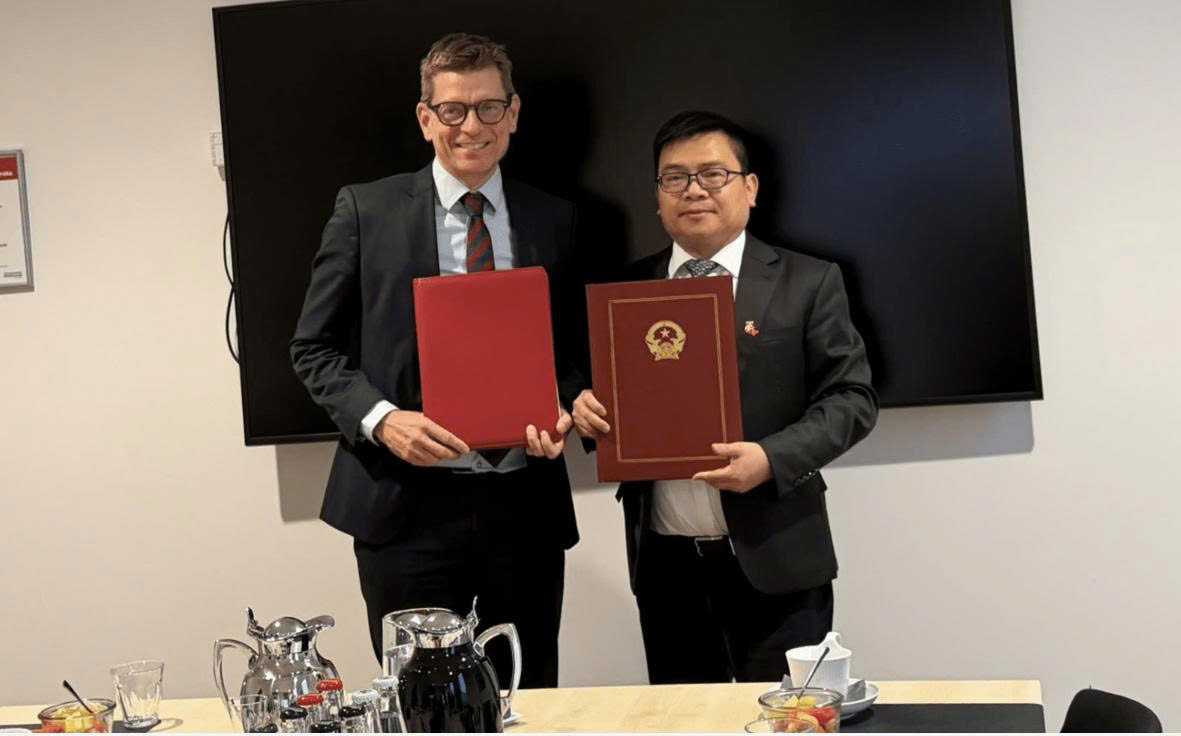
Deputy Minister Truong Thanh Hoai met with LEGO and Carlsberg in Denmark on October 20 to discuss green investment and sustainable manufacturing in Viet Nam.
For more than three decades, Ms. Dang Thi Thanh Huong has quietly shaped the legacy of Dong Phuong Cake & Confectionery, a brand rooted in tradition, craftsmanship.
Viet Nam and Denmark have signed an MoU on energy cooperation to strengthen bilateral ties and advance collaboration in renewable energy and the green transition.
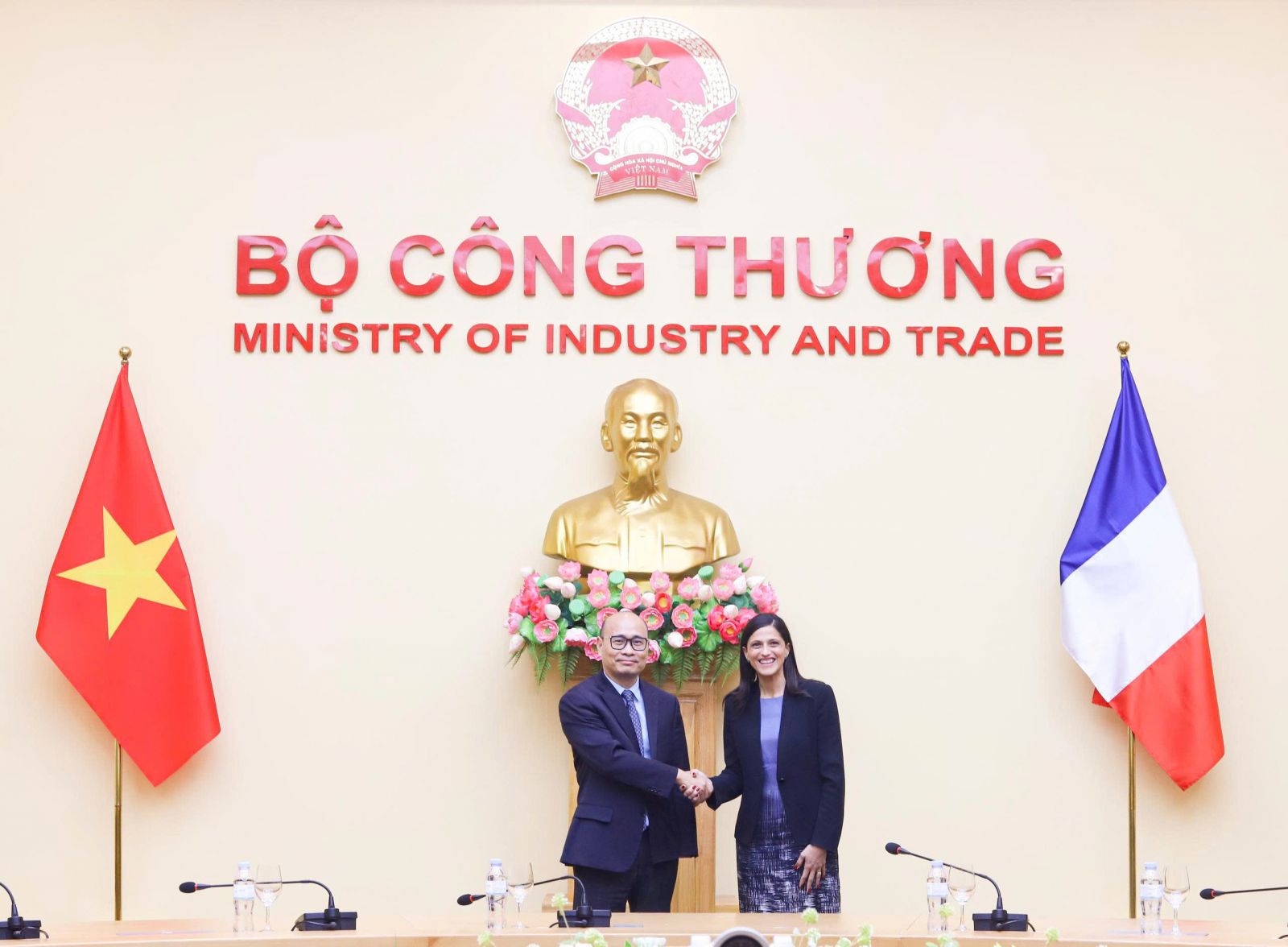
Deputy Minister Luong Hoang Thai met French Minister Delegate Eleonore Caroit on October 19 to discuss ways to strengthen Viet Nam - France cooperation.
Facing the challenges of renewable energy transmission, CWEA suggests off-grid consumption approaches and opportunities for global supply chain cooperation.
In the seven months of 2026, industry, retail sales and imports and exports all posted strong growth. The Ministry of Industry and Trade (MoIT) continues to roll out solutions to contribute to achieving the double-digit growth target.
In the first six months of 2026, Viet Nam’s total merchandise import and export turnover reached USD 549.69 billion, up 27.1% year on year. Exports increased by 21%, while imports rose by 33.4%. The country recorded a merchandise trade deficit of USD 16.65 billion. These figures underscore Viet Nam’s determination to further expand the presence of Vietnamese goods and brands in international markets.
Moonfolks has officially entered the Vietnamese market, aiming to connect the country’s rapidly growing digital economy with broader opportunities across Southeast Asia and support Vietnamese businesses in expanding internationally.