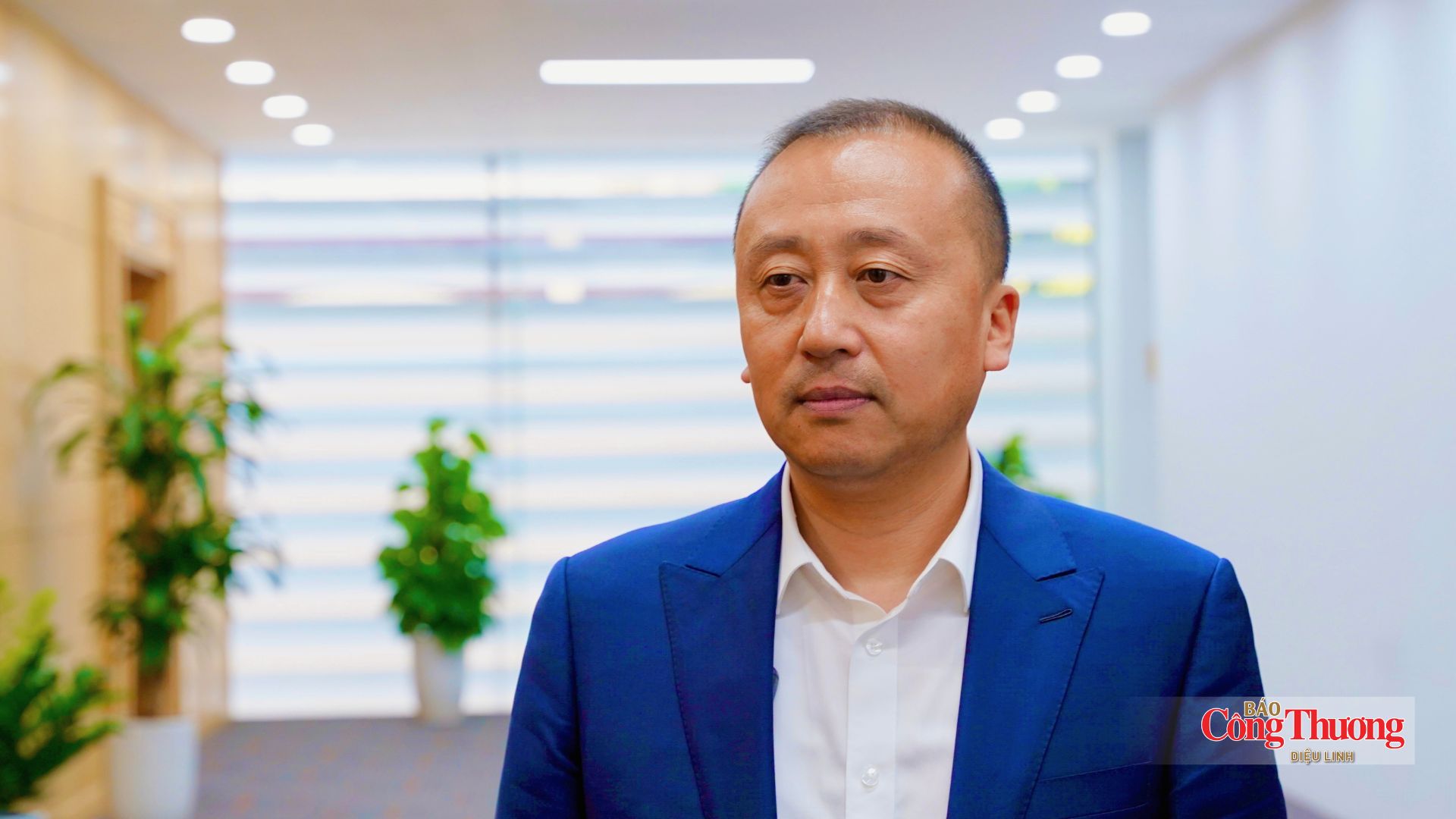
According to Dr. Can Van Luc, achieving 10% growth in 2026 amid uncertainties requires joint efforts from the State and the business community.
A dual challenge for growth
The target of over 10% growth in 2026 poses a “dual challenge” for Vietnam’s economy, as it must both effectively capitalize on recovery drivers and overcome increasingly complex external risks. Opportunities are significant, but pressures are equally substantial.
Overall, Vietnam’s GDP growth in recent years has been relatively positive. After expanding by 2.77% in 2021 due to the impact of the COVID-19 pandemic, the economy rebounded strongly with growth of 8.02% in 2022, then maintained momentum at 5.05% in 2023, reaching 7.09% in 2024 and 8.02% in 2025.
Vietnam’s FDI attraction shows positive signs.
Inflation during the 2021 - 2025 period was also kept under control, at 1.84%, 3.15%, 3.25%, 3.63%, and 3.4%, respectively, with the 2026 target set at around 4%. This provides important policy space and creates opportunities for Vietnam to pursue higher growth in 2026.
However, focusing solely on these positive figures while overlooking the global context may lead to unrealistic assessments. Analyzing factors affecting Vietnam’s economic growth at the recent 7th Congress of the Vietnam Beer-Alcohol-Beverage Association, Dr. Can Van Luc pointed out key influences, including uneven recovery among economies, rising geopolitical risks, supply chain shifts, green and digital transformation trends, and pressure from population aging. These are not short-term issues but long-term trends that Vietnam must adapt to in pursuing its objectives.
More notably, risks stemming from geopolitical conflicts, particularly in the Middle East and Ukraine, along with increasing trade protectionism, are directly affecting global growth. As major economies such as the US, China, the EU, and Japan slow down, the room for export growth, one of Vietnam’s key economic drivers, may be narrowed.
Meanwhile, foreign direct investment, considered an important driver of Vietnam’s economy, is also facing intense competition, not only from host countries but also from capital-exporting nations.
Seeking opportunities amid challenges
A report by the Statistics Office under the Ministry of Finance shows that GDP growth in the first quarter of 2026 reached 7.83%. Although this result is lower than the target set in Resolution No. 01/NQ-CP of the Government, experience in recent years indicates that in the final months of the year, factors such as recovering consumption demand, strong import-export growth, positive FDI inflows, and accelerated public investment disbursement can generate encouraging signals for achieving double-digit growth. However, to translate these drivers into actual GDP growth, joint efforts from the Government, ministries, sectors, and the business community are required.
From the Government’s perspective, Dr. Can Van Luc stressed the need to maintain macroeconomic stability while remaining flexible in policy management. Measures such as renewing the growth model, stimulating investment and consumption, sustaining exports, promoting service exports, and tapping new drivers such as digital and green transformation must be implemented more vigorously.
Dr. Can Van Luc.
In addition, efforts should be made to upgrade the stock market classification, operate international financial centers in Ho Chi Minh City and Da Nang, develop a carbon market, and stabilize asset markets. These are not merely technical solutions but structural steps that can elevate the economy.
From the business side, the role is no longer limited to “benefiting from policies” but requires proactive adaptation. Amid persistent risks related to tariffs, geopolitical volatility, and supply chain disruptions, enterprises must enhance forecasting capacity, risk management, and flexibility in business strategies. Leveraging free trade agreements, diversifying export markets, partners, and capital sources, and participating in new markets such as carbon trading and commodity exchanges are no longer optional but imperative, especially as import policies in many global markets continue to evolve.
Notably, the trend of “dual transformation,” combining greening and digitalization, is becoming a new standard. Failure to keep pace may result not only in a loss of competitive advantage but also the risk of being excluded from global supply chains. This represents both the greatest challenge and an opportunity to restructure and improve growth quality.
Achieving double-digit GDP growth in 2026 will not be easy. However, with a stable foundation and emerging new growth drivers, Vietnam can attain its target. The key lies in correctly assessing pressures, avoiding complacency, and acting with sufficient speed and determination.
High GDP growth is not merely about numbers but a test of governance capacity, business adaptability, and the resilience of the economy. If challenges are overcome and opportunities effectively seized, Vietnam will not only achieve its short-term goals but also lay a solid foundation for longer-term development.
Polish Prime Minister Donald Tusk will pay an official visit to Viet Nam from October 24 to 26 as the bilateral trade continues to grow, creating opportunities for deeper cooperation.
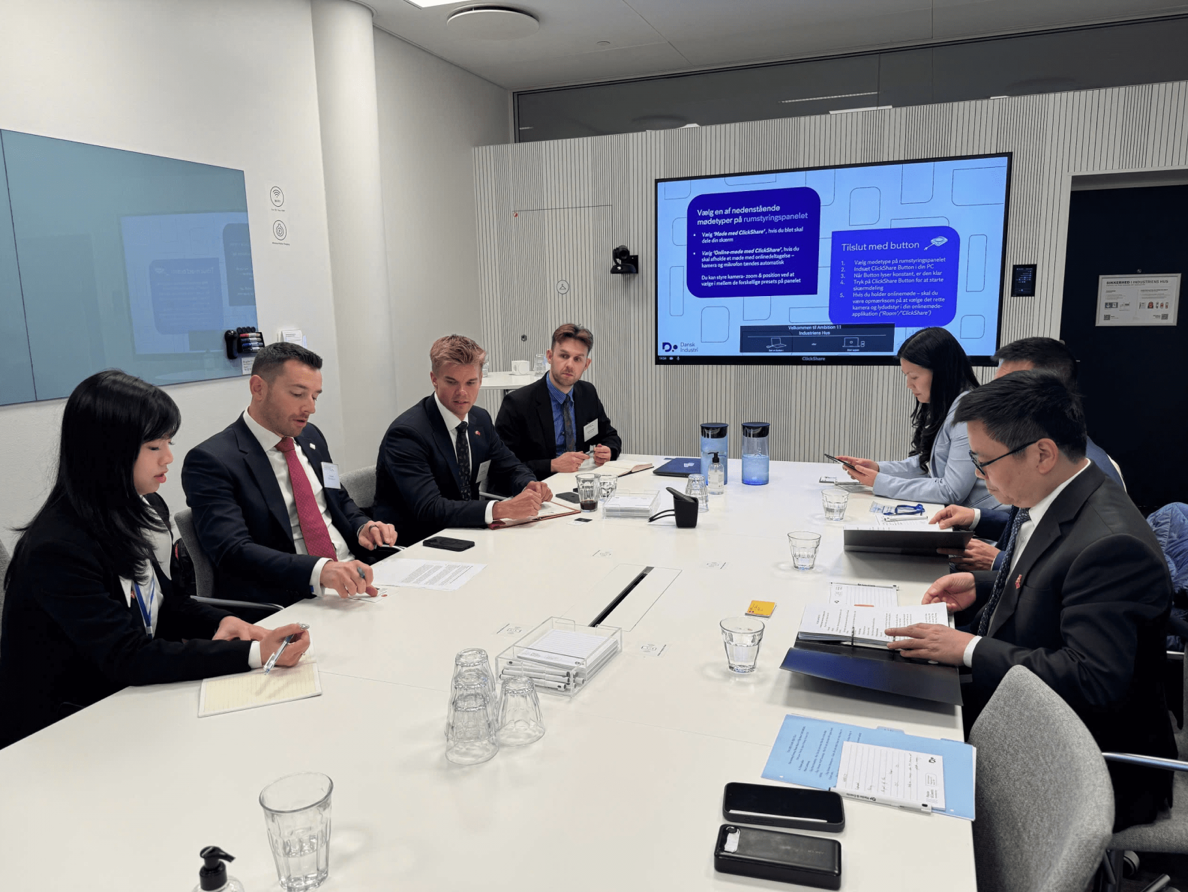
Deputy Minister Truong Thanh Hoai met with LEGO and Carlsberg in Denmark on October 20 to discuss green investment and sustainable manufacturing in Viet Nam.
For more than three decades, Ms. Dang Thi Thanh Huong has quietly shaped the legacy of Dong Phuong Cake & Confectionery, a brand rooted in tradition, craftsmanship.
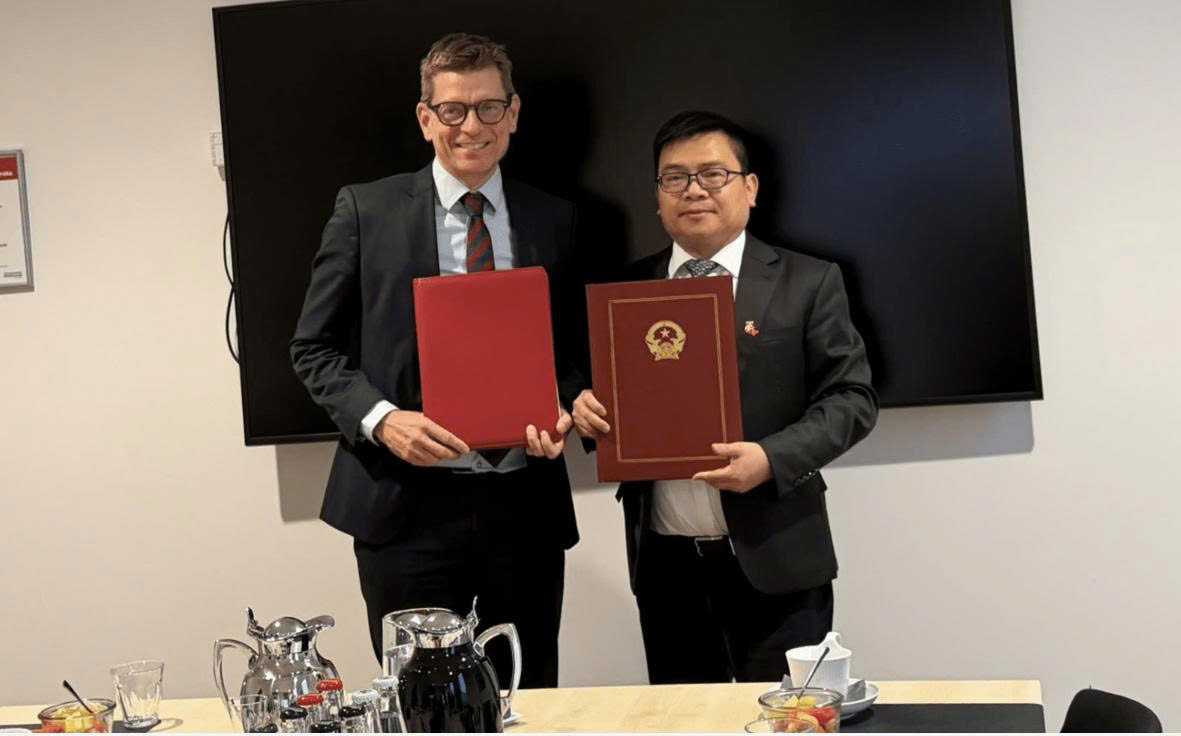
Viet Nam and Denmark have signed an MoU on energy cooperation to strengthen bilateral ties and advance collaboration in renewable energy and the green transition.
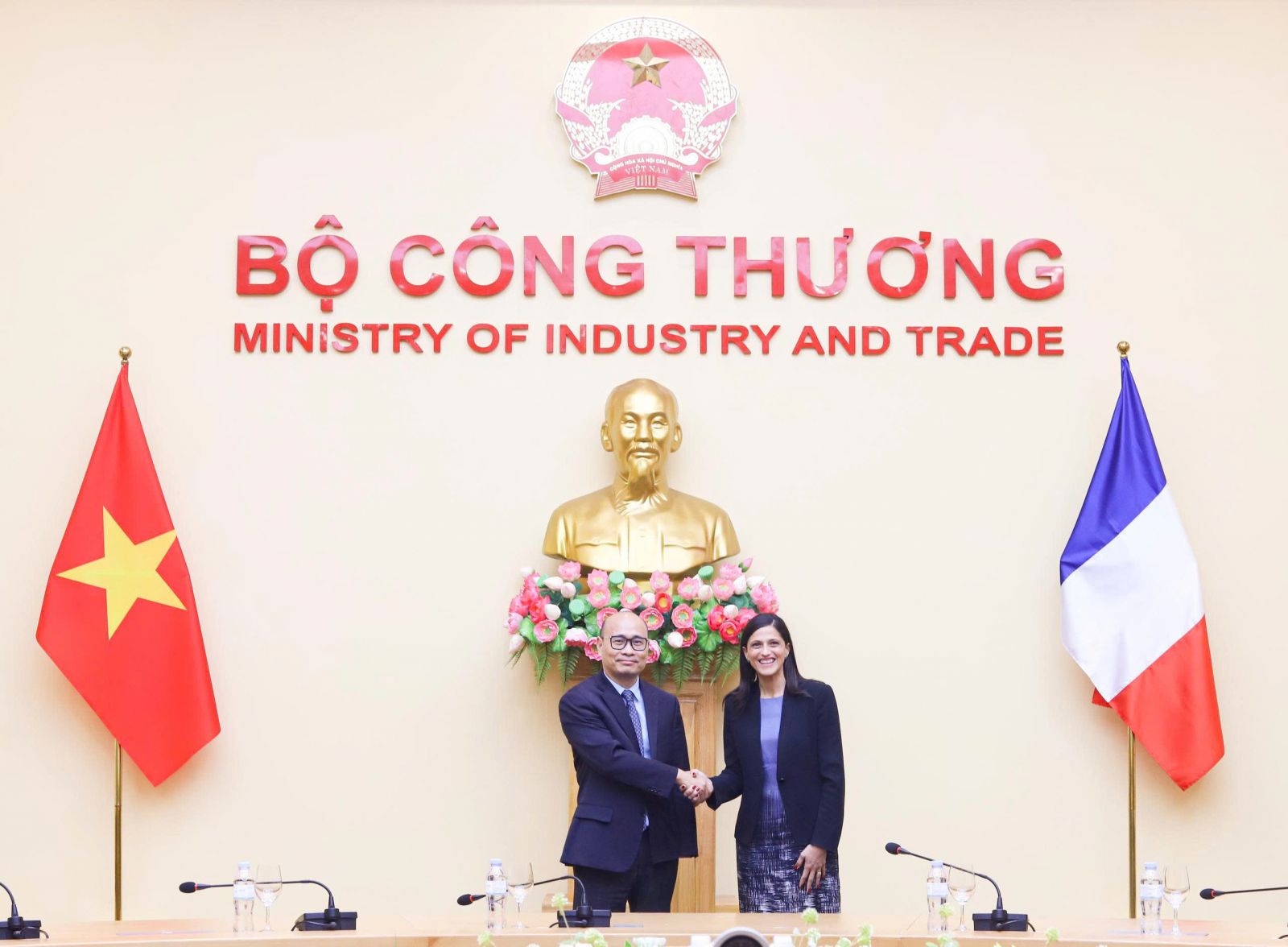
Deputy Minister Luong Hoang Thai met French Minister Delegate Eleonore Caroit on October 19 to discuss ways to strengthen Viet Nam - France cooperation.
Facing the challenges of renewable energy transmission, CWEA suggests off-grid consumption approaches and opportunities for global supply chain cooperation.
In the seven months of 2026, industry, retail sales and imports and exports all posted strong growth. The Ministry of Industry and Trade (MoIT) continues to roll out solutions to contribute to achieving the double-digit growth target.
In the first six months of 2026, Viet Nam’s total merchandise import and export turnover reached USD 549.69 billion, up 27.1% year on year. Exports increased by 21%, while imports rose by 33.4%. The country recorded a merchandise trade deficit of USD 16.65 billion. These figures underscore Viet Nam’s determination to further expand the presence of Vietnamese goods and brands in international markets.
Moonfolks has officially entered the Vietnamese market, aiming to connect the country’s rapidly growing digital economy with broader opportunities across Southeast Asia and support Vietnamese businesses in expanding internationally.