As businesses navigate increasingly complex market conditions, the conversation around high performance is also evolving. Beyond speed and execution, organizations today are under growing pressure to remain agile, resilient, and people-centered at the same time.
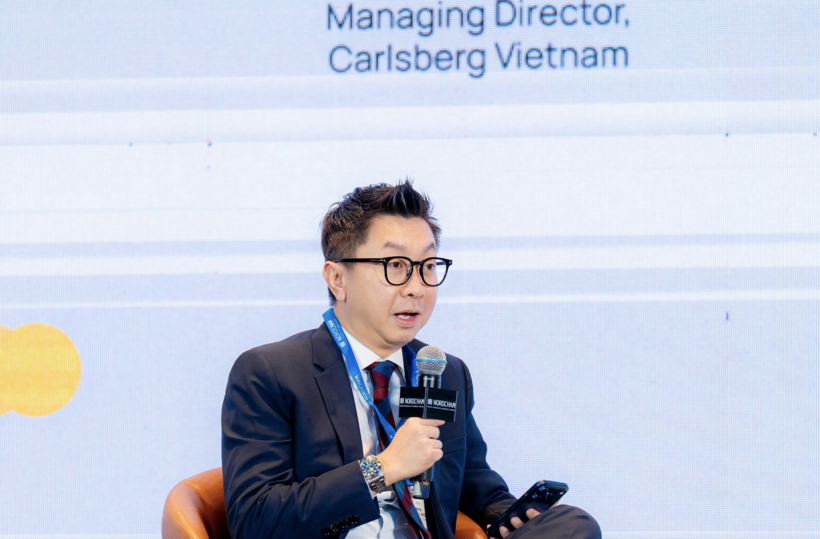
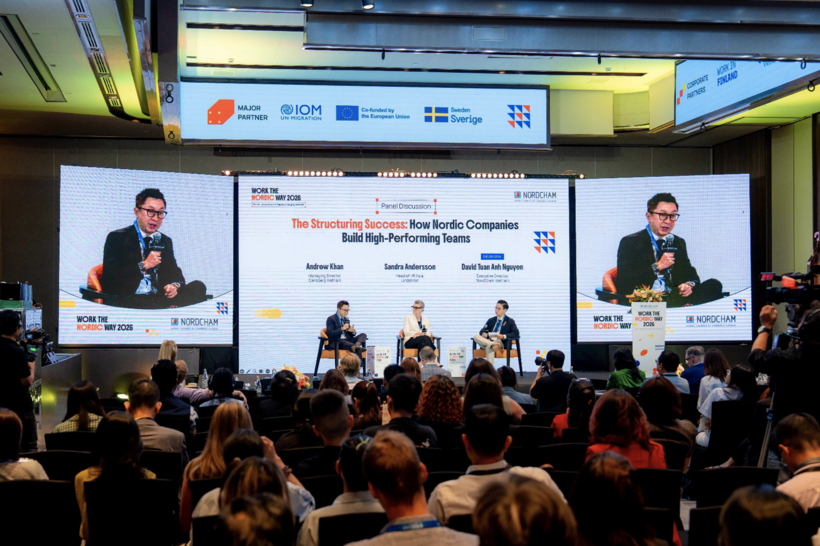
At the Work the Nordic Way 2026 conference hosted by NordCham Vietnam on May 21, during the panel discussion “The Structuring Success: How Nordic Companies Build High-Performing Teams,” Andrew Khan, Managing Director of Carlsberg Vietnam, shared perspectives on how organizations can build stronger teams through trust, empowerment, flatter structures, and “Growth Culture”, and why sustainable performance today depends less on hierarchy, and more on whether people feel trusted to contribute and grow.
Andrew Khan, Managing Director of Carlsberg Vietnam, shared at the Work the Nordic Way 2026 conference hosted by NordCham Vietnam
-You’ve led businesses across different markets and periods of transformation. From your experience, what leadership approaches help organizations improve execution speed and accountability without creating unnecessary complexity?
Andrew: One important lesson I’ve learned is that organizations do not become more efficient by adding more control and layers. In many cases, excessive complexity actually slows decision-making down.
In fast-moving markets, businesses need teams that can move with speed, stay close to consumers, and make decisions quickly. That requires clarity, trust, and enough room to operate. We are building a culture of high-trust, people-first leadership where all leaders are expected to be accessible, transparent and collaborative rather than overly directive.
At Carlsberg Vietnam, we have focused heavily on simplifying ways of working, digitizing processes, and reducing unnecessary bureaucracy so teams can focus on what truly creates impact.
I’ve consistently seen that when people understand priorities clearly and feel trusted to act, they move faster, solve problems earlier, and take stronger ownership of outcomes. Very often, organizations already have capable people; the bigger challenge is whether leaders create the conditions for those capabilities to surface.
-Carlsberg Vietnam is often recognized for its strong “Growth Culture.” What does Growth Culture actually mean inside the organization?
Andrew: Growth Culture is embedded in Carlsberg Group and here in Carlsberg Vietnam’s DNA. At Carlsberg Vietnam, you can see it in how teams operate – staying passionate about consumers, deciding fast, delivering with excellence, and continuously empowering our people to grow.
Just as importantly, we believe strong performance should also be supported by positive energy and compassion, especially during periods of uncertainty and transformation. Organizations usually move faster when people trust each other, stay aligned behind common goals, and feel supported through change. High performance without compassion eventually burns people out and that is something we want to avoid.
Another thing we have learned is that transformation cannot be driven only from the top. People need to feel involved in the journey. They need to understand why change is happening, how they contribute, and where the organization is heading together. Because of that we spend more effort and time to ensure everyone understand the ‘why’ and strategic priorities clearly.
You can see this mindset across many parts of our business today. For example, during the expansion of Phu Bai Brewery into the largest beer production site in Carlsberg Asia, the focus was not only on scaling operations, but also on building stronger capabilities and productivity across teams. Today, the brewery operates with some of the highest productivity levels within the Carlsberg Group.
Ultimately, Growth Culture is built through daily behaviors and leadership consistency over time.
He shared perspectives on how trust, empowerment and people-first leadership help build high-performing teams
-DE&I is also becoming an increasingly important conversation across organizations globally. Why does DE&I matter for Carlsberg Vietnam?
Andrew: For us, DE&I is about building stronger teams, broader perspectives, and ultimately better decision-making.
In fast-changing markets, organizations perform better when they are able to challenge assumptions, encourage broader viewpoints, and stay close to increasingly diverse consumers and customers. The best ideas rarely come from environments where everyone thinks the same way.
Across the Carlsberg Group, strengthening women leadership continues to be an important long-term priority, with the ambition of reaching 42% women in senior leadership roles by 2032. Earlier this year, Carlsberg Vietnam also launched SHELeads - a women leadership community focused on supporting future-ready female leaders. Alongside this, we officially signed the Women’s Empowerment Principles established by UN Women and the UN Global Compact in 2025, reinforcing our long-term commitment toward inclusive leadership development.
At the same time, inclusion is equally important as diversity itself. High-performing organizations are not built by having the loudest voices in the room. They are built by creating environments where people feel heard, valued, and confident contributing from different perspectives.
-If you could give one practical piece of advice to Vietnamese business leaders trying to build stronger teams tomorrow morning, what would it be?
Andrew: We want to build a high performance-resilient organization and trust not only becomes a cultural advantage but an organizational resilience advantage. We need to trust our people more. Sometimes organizations do not fully realize how capable teams can become when they are given clarity, ownership, and enough room to operate. High-performing organizations are not built through pressure or hierarchy. They are built when people feel trusted to contribute and grow.
Build a culture where problems can surface faster than they spread because resilient teams solve early, adapt quickly and move forward together with a clear purpose.
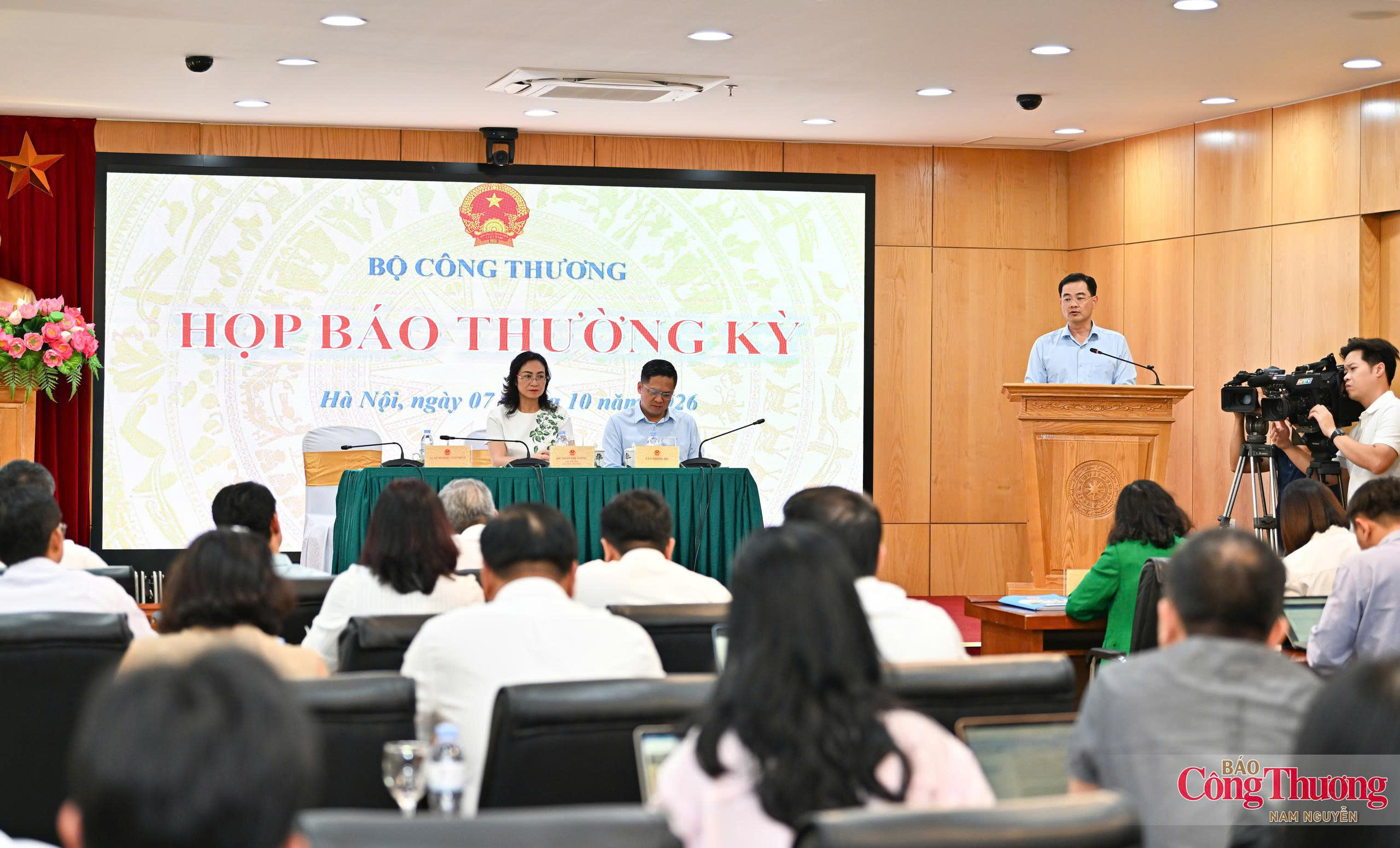
The Ministry of Industry and Trade (MoIT) held its regular press conference for the third quarter of 2026 in Ha Noi on the afternoon of October 7, chaired by Deputy Minister Phan Thi Thang.
Deputy Minister of Industry and Trade Luong Hoang Thai emphasized that building the national brand is a driving force for improving Viet Nam’s competitiveness and international standing.
The official visit to Laos by Prime Minister Le Minh Hung is expected to inject fresh momentum into bilateral relations, with economic, trade and investment cooperation continuing to serve as a core pillar.
The Panamanian President’s visit is expected to contribute to further deepening and making the traditional friendship and cooperation between the two nations more substantive and effective.
Experts warn that RSV can hospitalize even healthy infants under one, with severe cases linked to long-term respiratory problems and no specific treatment available.
Vietnamese and international experts call for routine influenza vaccination to better protect older adults from severe complications and preventable deaths.
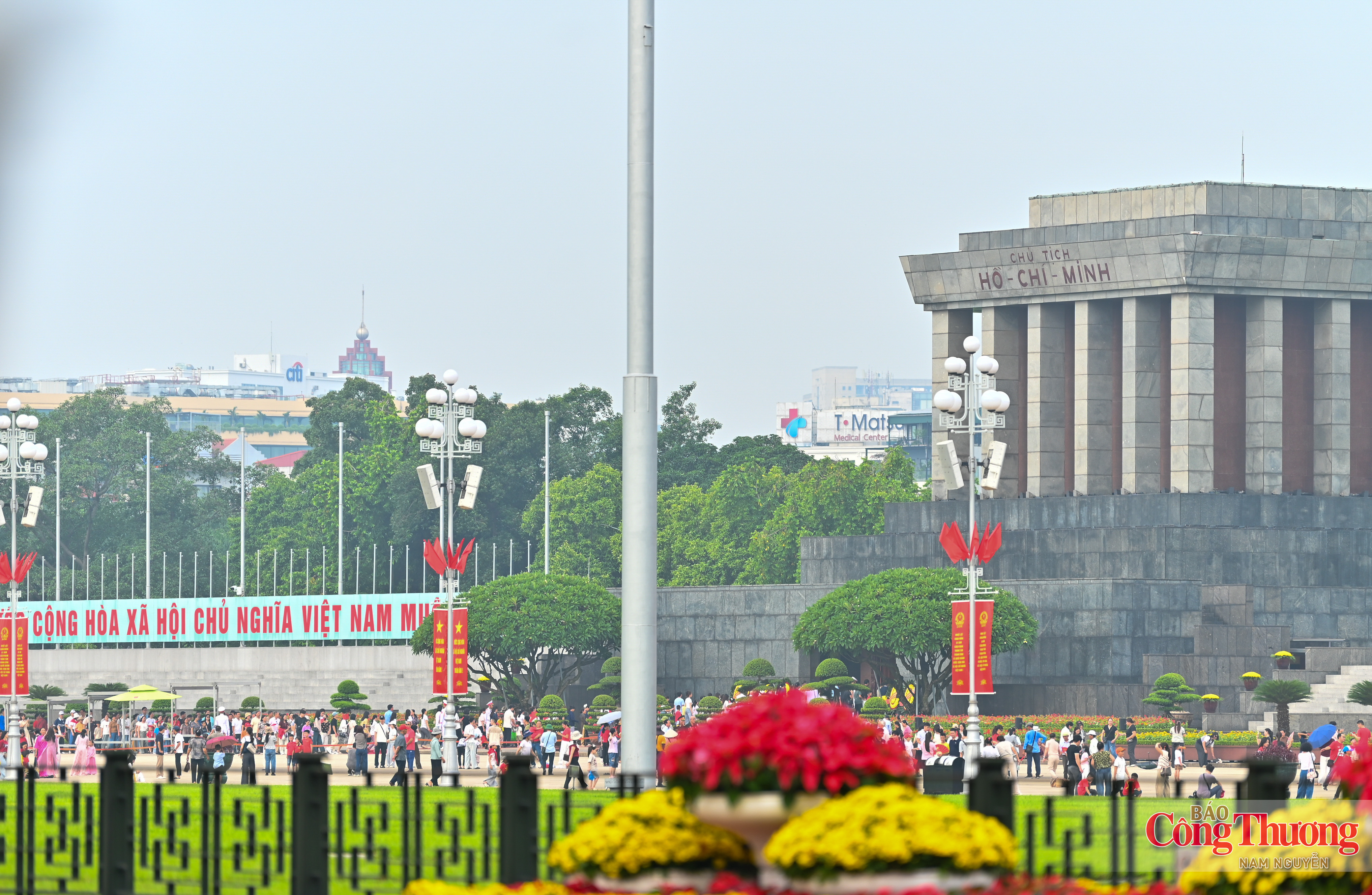
On the morning of September 1, tens of thousands of people nationwide flocked to Ba Dinh Square in Ha Noi to visit Ho Chi Minh Mausoleum and pay tribute.
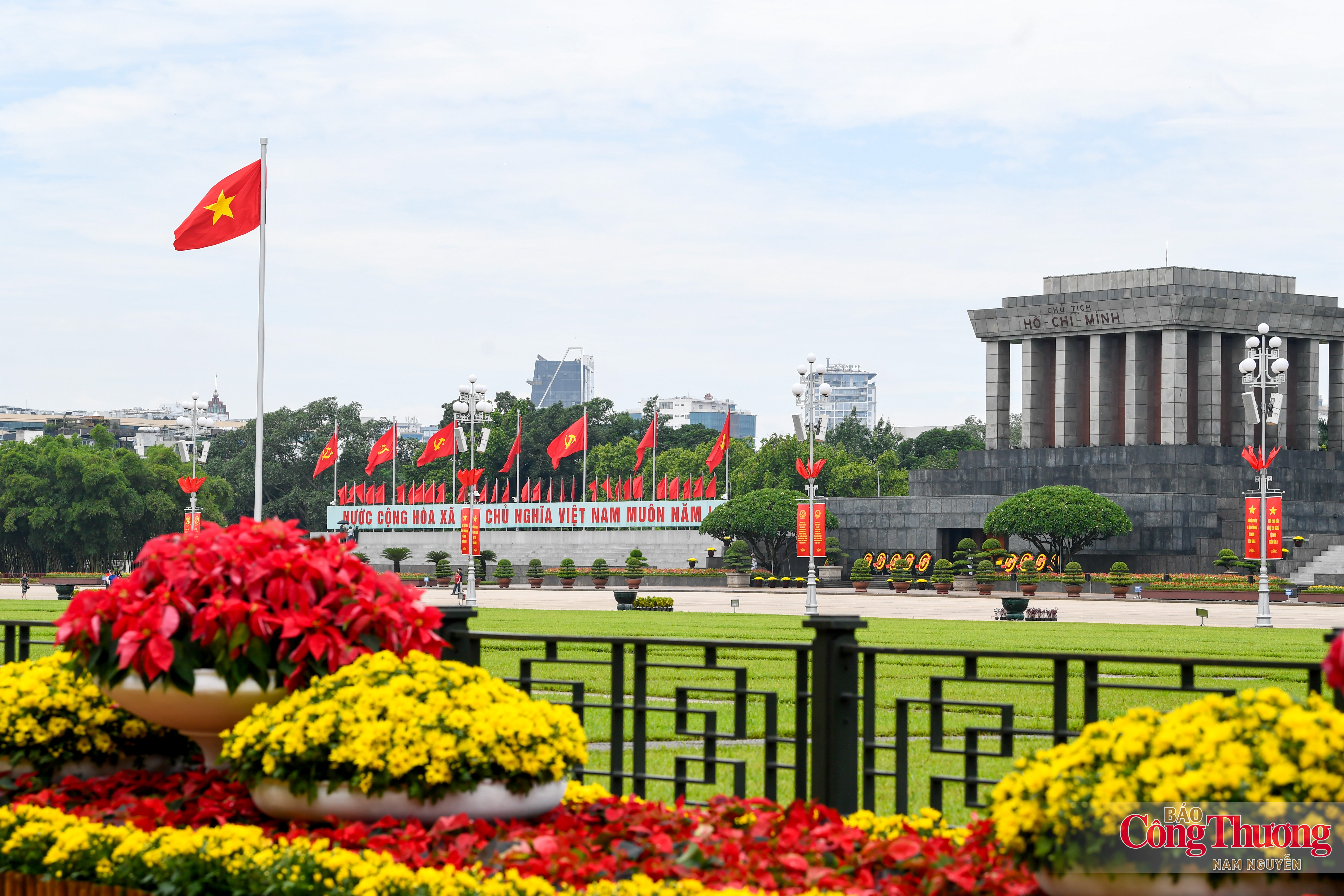
In the lead-up to National Day on September 2, Ha Noi is awash in red flags and festive decorations, creating a vibrant atmosphere and stirring national pride.
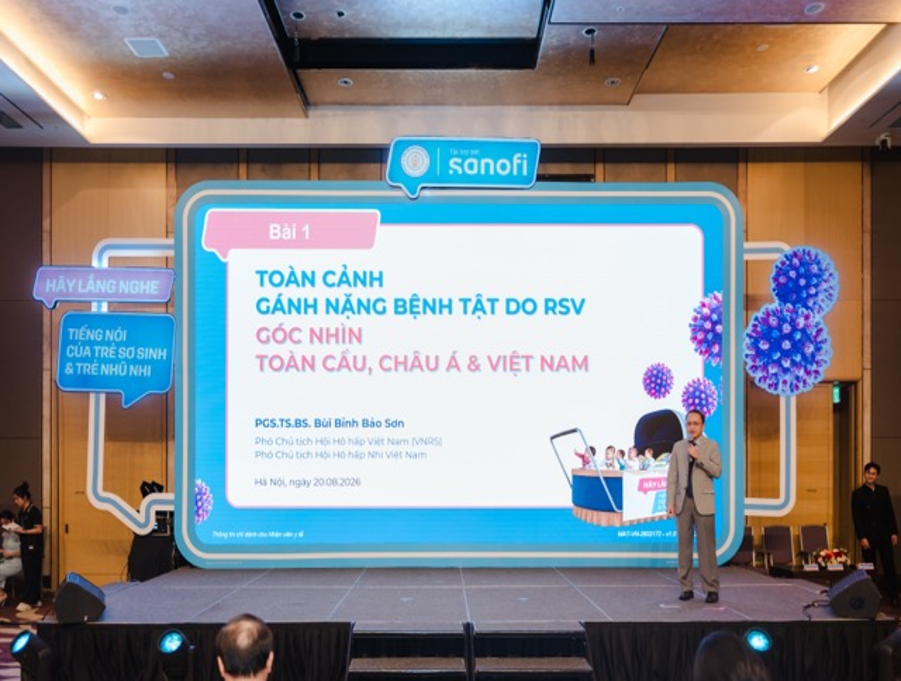
Nearly 1,000 healthcare professionals attended RSV workshops in Hanoi and Ho Chi Minh City organized by the Vietnam Pediatric Association and sponsored by Sanofi-Aventis Vietnam.