President Ho Chi Minh’s thought on independence, self-reliance and self-strengthening serves not only as an ideological foundation, but also as a direct guide for all actions in national economic development.
An increasingly robust economy
In his article titled “The Light of Ho Chi Minh Illuminates Our Path”, Party General Secretary and State President To Lam emphasized: “President Ho Chi Minh’s thought on independence, self-reliance and self-strengthening continues to illuminate the country’s development path amid strategic competition, supply chain shifts, the Fourth Industrial Revolution and profound global changes. During his lifetime, he always stressed that national independence must go hand in hand with self-reliance and self-strengthening; that the country must primarily rely on its own strength while also making use of international support and cooperation; and that national strength must be combined with the strength of the times. Today, that thought is further developed through the requirement to build an independent and self-reliant economy with high resilience and international competitiveness, capable of proactive and deep integration without dependence; to strongly develop science, technology, innovation and digital transformation; to master strategic technologies; and to form new productive forces and new modes of production...”
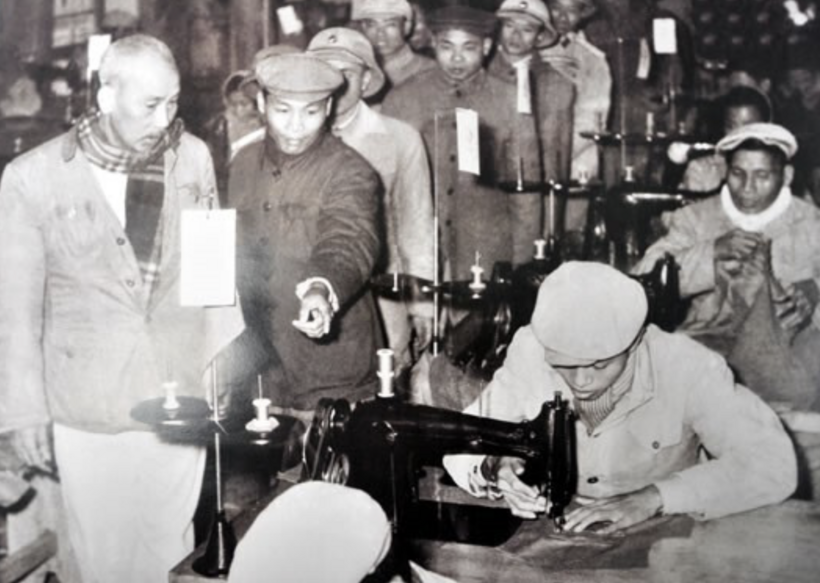
President Ho Chi Minh visits the X10 Garment Factory (predecessor of May 10 Corporation) in 1959. Archive photo
Looking back at Ho Chi Minh’s thought on national independence reveals its distinctive depth: independence is always associated with self-reliance and self-strengthening, based on combining national strength with the strength of the times. “Primarily relying on one’s own strength” does not mean separating from international cooperation; “self-reliance” does not mean rejecting integration; and “independence” does not mean opposing development. It is precisely this dialectical combination that has created the enduring vitality of Ho Chi Minh Thought, making it increasingly valuable in the context of deep globalization and intensifying competition.
After 40 years of the 1986 Doi Moi reforms (rejuvenation), Vietnam has gradually built an increasingly robust economy, deeply and extensively integrated into the regional and global economy.
Building an independent and self-reliant economy is reflected in maintaining independence and autonomy in determining development guidelines, policies and strategies, while promoting the country’s potential and advantages. The Party’s viewpoints and policies have been institutionalized into laws, policies, strategies, master plans and socio-economic development plans, generating many positive outcomes. Macroeconomic stability has been maintained, inflation kept under control at a low level, economic growth and growth quality improved, and major economic balances strengthened.
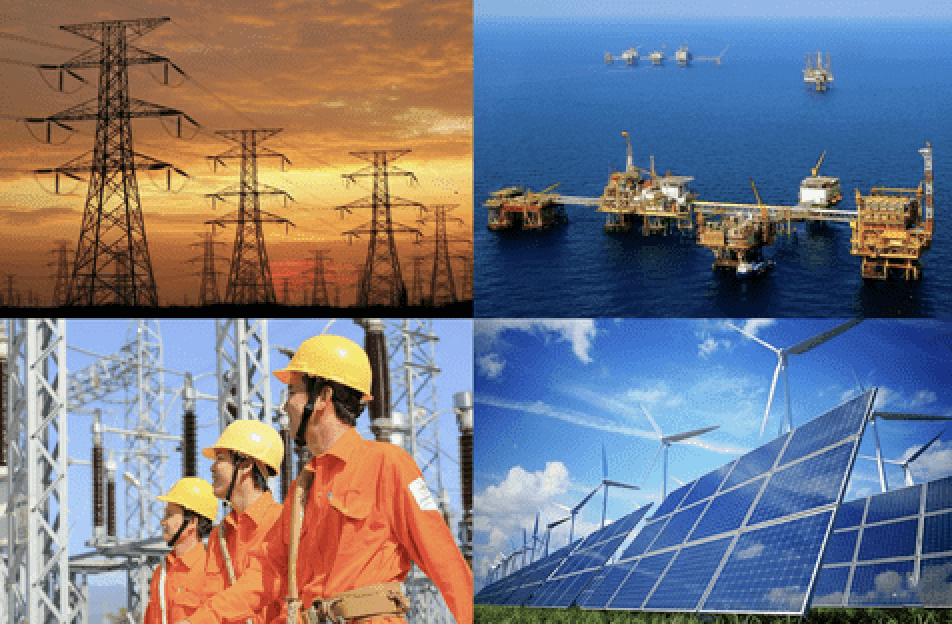
The national energy system has developed strongly, with the scale of the power system rising into the world’s top 20 and ranking first in Southeast Asia. The energy structure is shifting toward a greener and more sustainable direction, in line with global trends.
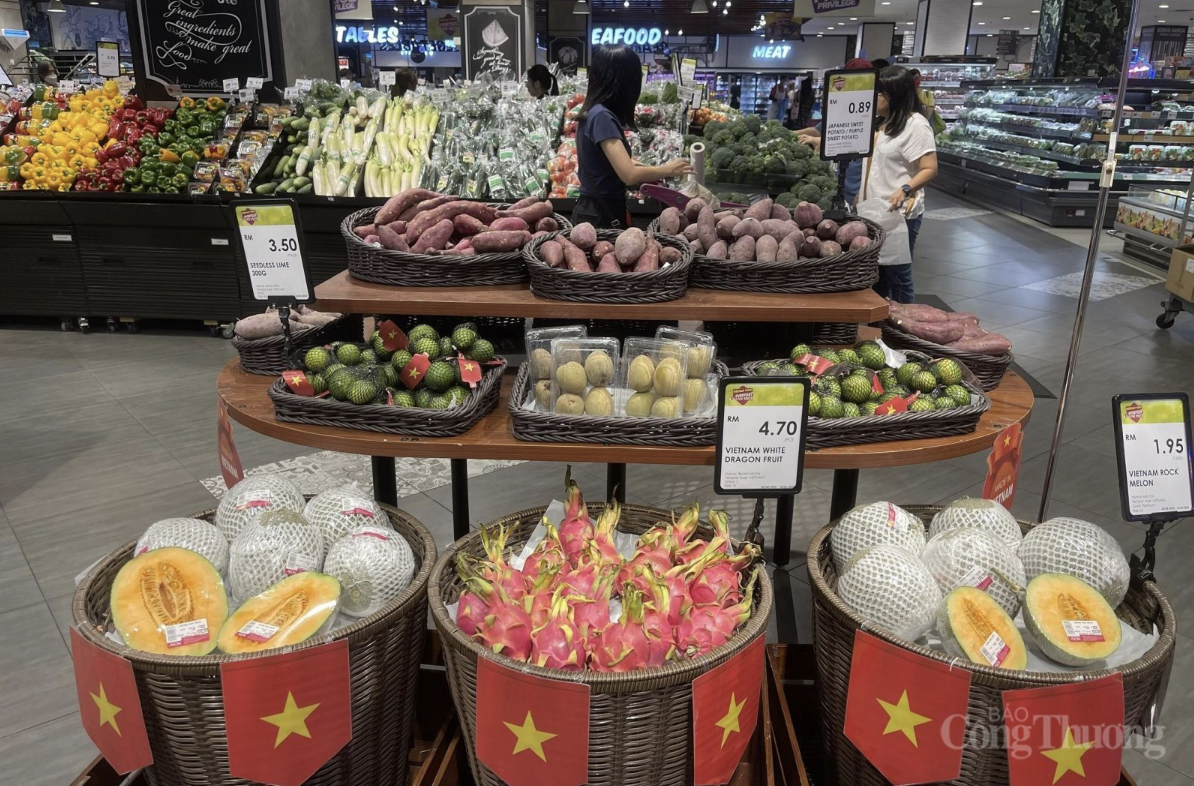
Import-export activities continue to stand out as a bright spot of the economy, recording an average annual growth rate of 10.9%. Trade turnover has continuously set new records, reaching more than USD 930 billion in 2025 alone. Trade surplus has remained high, contributing positively to macroeconomic balance, foreign exchange reserves and market confidence.
The domestic market has continued to develop steadily, with an average annual growth rate of around 7.7%, truly becoming a major pillar of the economy. At the same time, e-commerce has grown by more than 20% annually, placing Vietnam among the world’s top 10 fastest-growing markets and creating an important driver for the digital economy and business digital transformation.
International economic integration has been implemented comprehensively, substantively and increasingly effectively. Participation in 17 free trade agreements (FTAs) has opened access to a market of nearly 6 billion consumers, helping diversify export markets, attract foreign investment, enhance national competitiveness and promote economic restructuring toward a modern and sustainable direction.
Establishing a new growth model
The Resolution of the 14th National Party Congress on national development orientations for the 2026–2030 period states: “To establish a new growth model aimed at improving productivity, quality, efficiency, added value and economic competitiveness; taking science, technology, innovation and digital transformation as the main driving forces; creating new productive forces and high-quality production methods, with a focus on the data economy, digital economy, green economy and circular economy; accelerating digital transformation, green transition, energy transition and transformation of human resource structure and quality. To identify new growth drivers and take science and technology as the core factor to promote and renew traditional growth drivers. To form strong growth poles, key economic regions, urban centers and next-generation special economic zones on par with regional and global standards.”
According to economic experts, “establishing a new growth model” focused on improving productivity, quality and added value directly addresses a long-standing limitation of the economy: growth based on extensive expansion, dependence on capital, cheap labor and processing activities. When added value remains low and positioning in global value chains remains limited, the economy cannot truly be self-reliant because profits, technologies and decision-making power remain outside the country. Transitioning toward a model based on productivity and added value is therefore not merely an upgrade, but a condition for escaping dependency.
Another key point lies in identifying science, technology, innovation and digital transformation as core drivers. As long as core technologies must still be imported, the economy cannot truly achieve mastery even if production expands. The formation of new production methods and the development of the digital economy, data economy, green economy and circular economy represent the pathway toward gradually occupying high value-added segments and thereby enhancing substantive self-reliance.
The Resolution also sets the requirement to form strong growth poles, key economic regions, urban centers and next-generation special zones with regional and global stature. This represents a reorganization of development space to create sufficiently strong domestic growth engines capable of leading the economy forward. An economy cannot become self-reliant if development remains fragmented and scattered. On the contrary, it requires sufficiently strong centers in technology, finance, industry and services to create spillover effects and elevate the entire system.
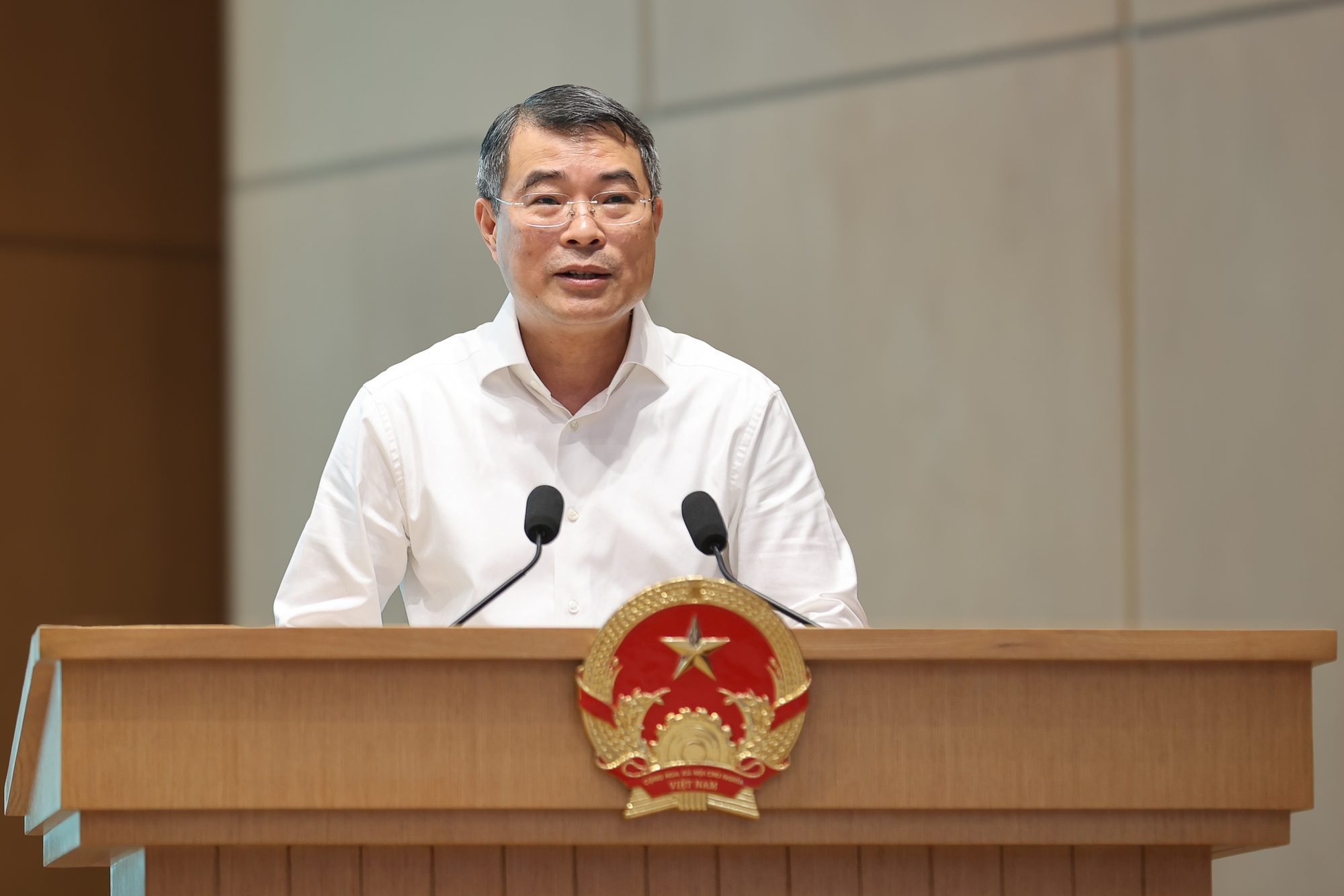
Notably, this mindset does not remain confined to policy documents. On April 29, 2026, under the chairmanship of Prime Minister Le Minh Hung, a working session with the Ministry of Finance set out a highly specific requirement: to formulate and implement a project on building an independent and self-reliant economy associated with international integration, to be completed in the third quarter of 2026. At the same time, ministries were tasked with coordinating the drafting of a Resolution on a national development model based on science, technology, innovation and digital transformation for submission to the third plenum of the Party Central Committee. This is no longer merely an orientation, but a command for action, with clear deadlines, clear focal points and clear responsibilities.
Enhancing resilience against shocks
Vietnam’s economy has a high degree of openness and deep integration with international markets on both the supply and demand sides. Any external fluctuation can quickly translate into internal pressure, directly affecting macroeconomic stability, production and business activities, and social life. Meanwhile, the self-reliance capacity of many manufacturing industries remains limited, while dependence on imported technologies, equipment and raw materials remains high, exposing the economy to real risks whenever global supply chains are disrupted or restructured.
Building an independent and self-reliant economy has emerged as an urgent requirement directly linked to the goal of rapid and sustainable development. An independent and self-reliant economy strengthens the country’s position in a global economic order being reshaped by new rules.
Economic independence and self-reliance must be fully understood. The economy must be capable of operating stably on the basis of internal strength, sufficiently adaptable to external fluctuations, able to maintain normal operations under all circumstances, and capable of ensuring socio-economic development associated with national defense and security without passivity or dependence on external factors.
At a higher level, economic self-reliance is closely tied to institutional capacity and national governance capability. An economy can only be self-reliant if it possesses the ability to design, operate and adjust policy systems suited to its own development conditions. At the same time, it must proactively participate in the global economic system with a firm grasp of the rules, flexibility in adjustment and effective use of international commitments in service of national interests.
The foundation of self-reliance is first reflected in economic potential, resilience, recovery and development capacity in the face of shocks, as well as the competitiveness of enterprises and products. However, the decisive factor remains people, the central resource and the subject of all development processes. An economy lacking a workforce capable of mastering science and technology and lacking modern governance capacity will find it difficult to achieve genuine long-term self-reliance.
Globally, countries that have risen strongly have all chosen the path of systematic and long-term investment in education, science and technology, and talent development strategies. For Vietnam, the requirement to build an independent and self-reliant economy demands improving the quality of education, strengthening research capacity, promoting the application of science and technology, and building a high-quality workforce through a systematic, synchronized and consistent approach.
To build an independent and self-reliant economy, it is necessary to inspire the aspiration for a prosperous and happy nation, while promoting the intelligence, courage, ethics, talents and qualities of the Vietnamese people in the new era.
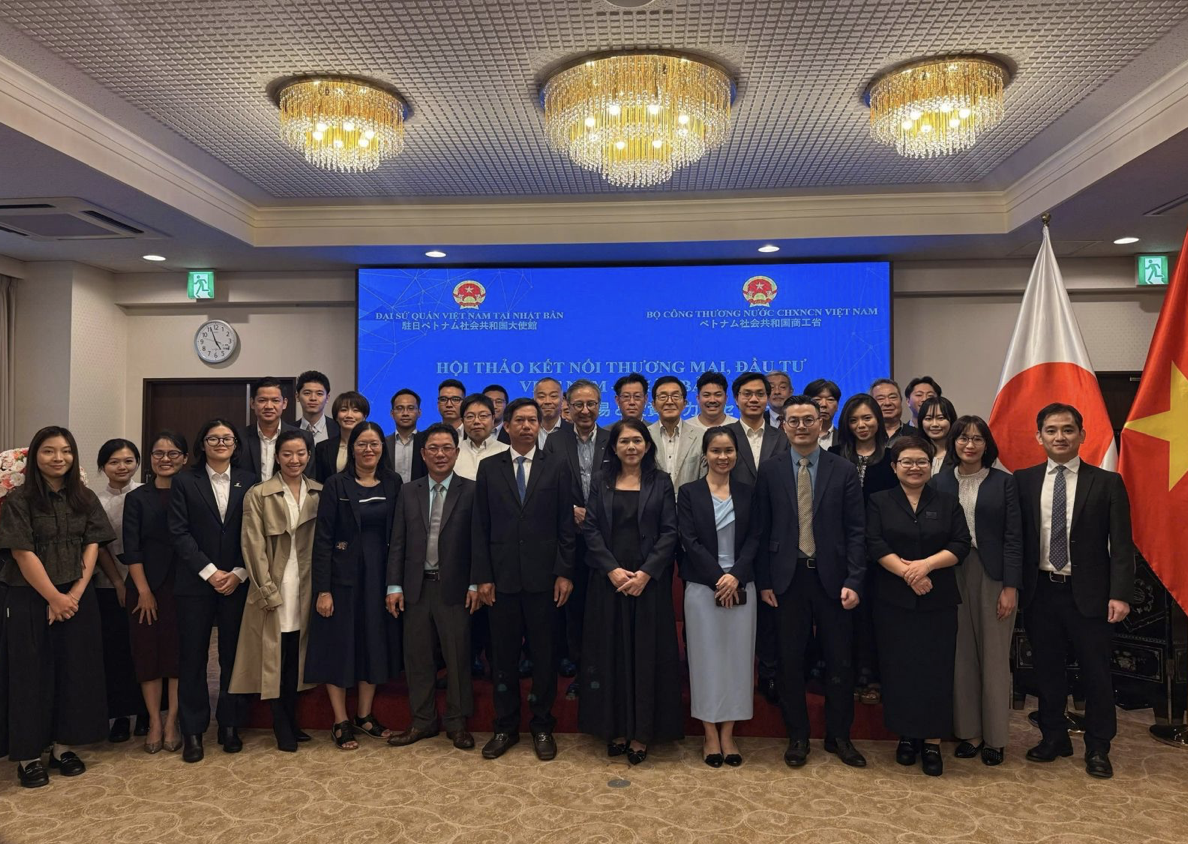
A seminar in Tokyo connected Vietnamese and Japanese businesses, providing market insights and promoting trade, investment and supply chain cooperation.
Prime Minister Le Minh Hung chairs thematic meeting on Resolution 57, urging breakthrough mechanisms, decentralisation and innovation-led growth reforms in Vietnam.
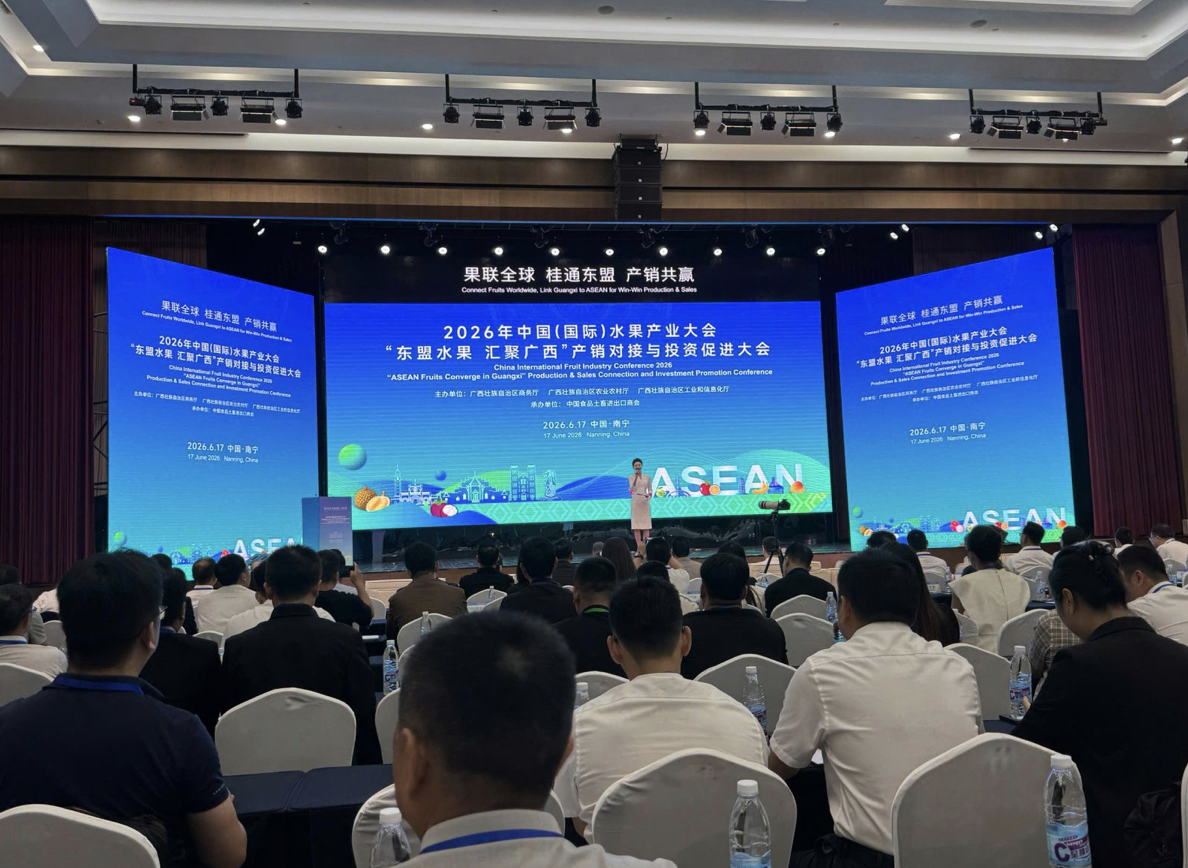
A trade mission to Guangxi (China) helped Vietnamese fruit enterprises strengthen business ties, explore export opportunities and connect with Chinese partners.
A seminar in Tokyo connected Vietnamese and Japanese businesses, providing market insights and promoting trade, investment and supply chain cooperation.
Prime Minister Le Minh Hung chairs thematic meeting on Resolution 57, urging breakthrough mechanisms, decentralisation and innovation-led growth reforms in Vietnam.
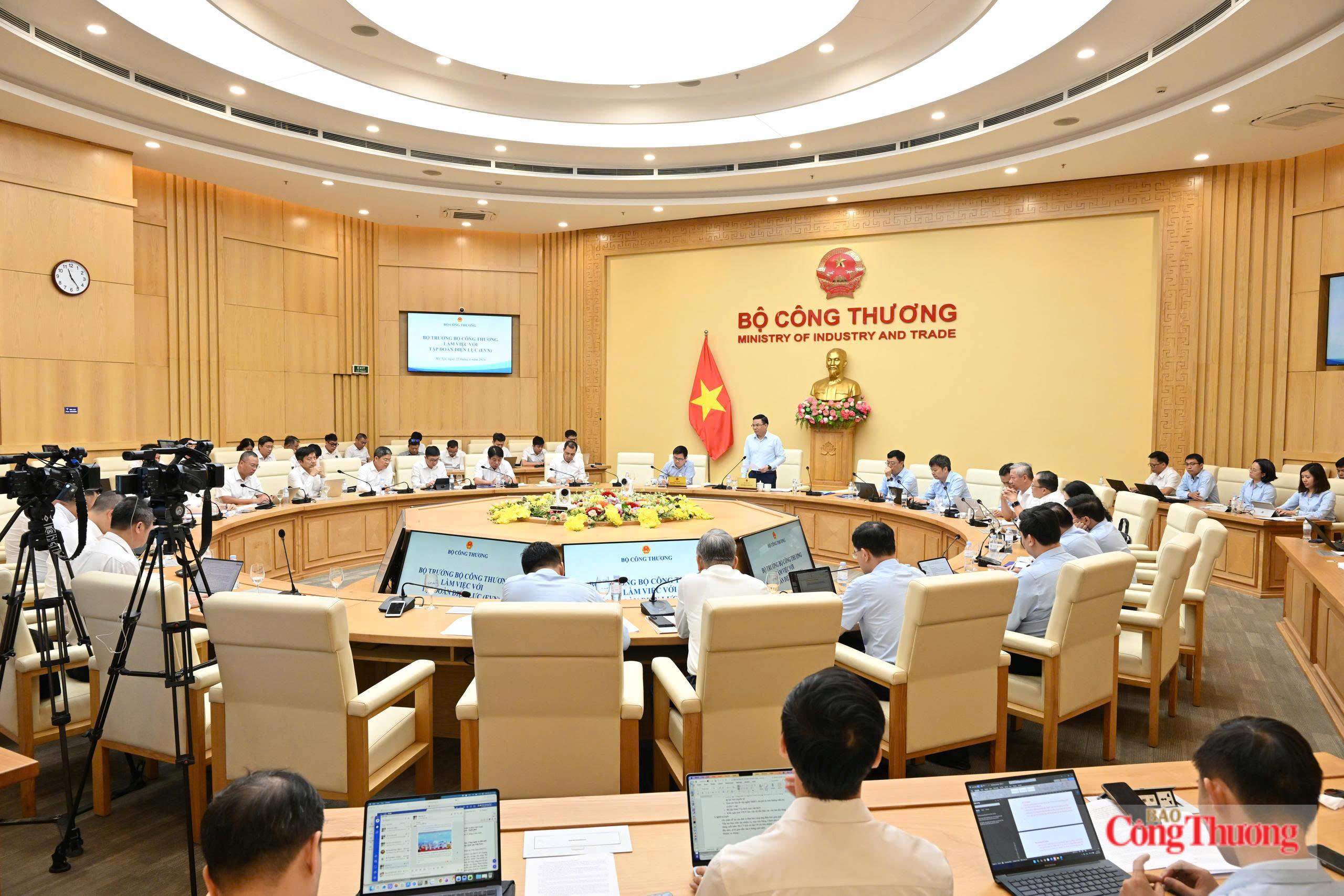
Amid rising electricity demand and increasingly complex weather conditions, Vietnam is stepping up efforts to ensure a stable power supply for economic growth.
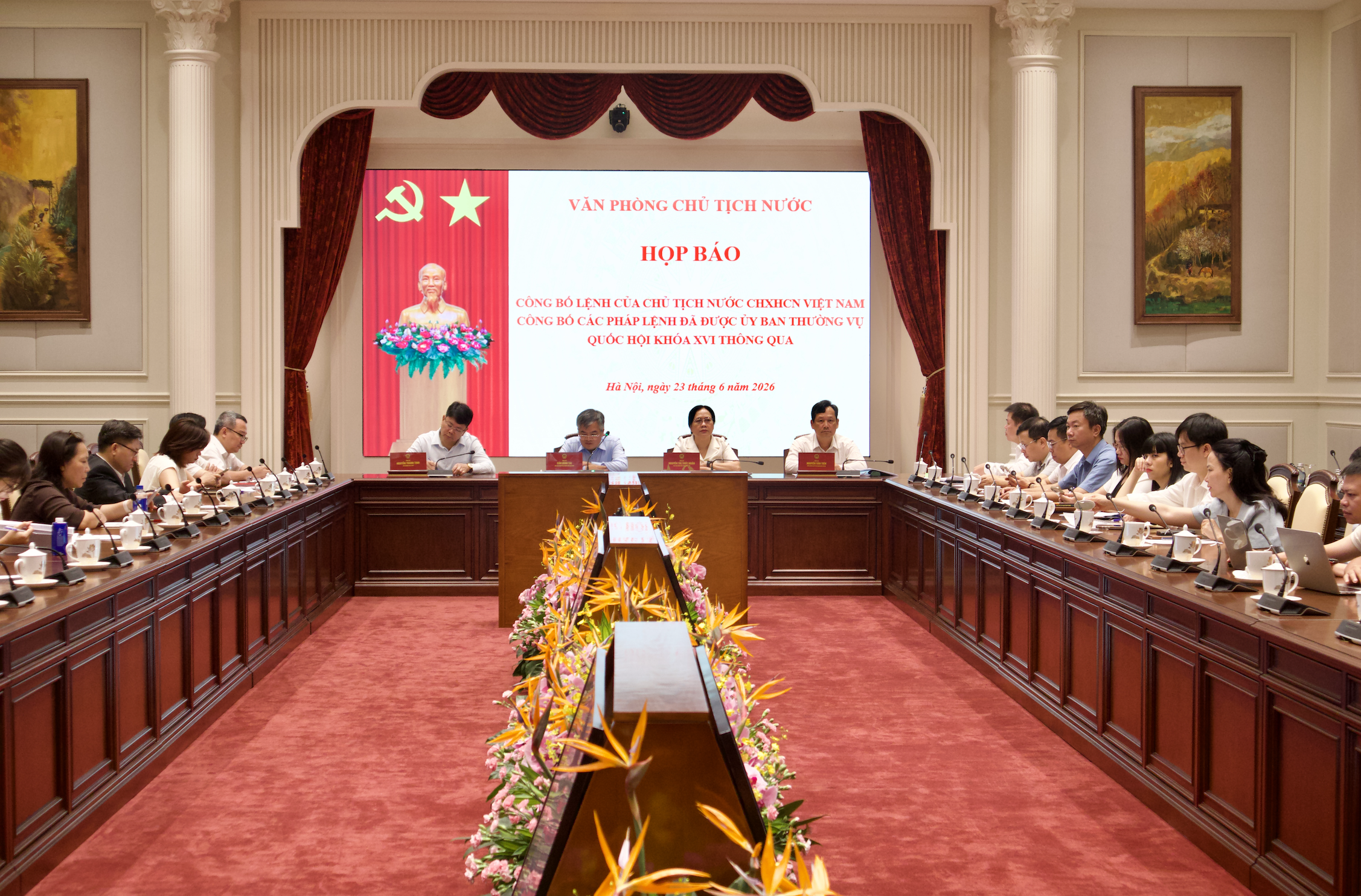
Vietnam has promulgated two new ordinances to improve judicial procedures, accelerate digital transformation and enhance the consistency and accessibility of laws.
Argentina is accelerating customs digitalization and easing foreign exchange controls, creating new trade opportunities while also introducing fresh compliance requirements for Vietnamese enterprises.