As the Halal market is no longer a niche segment, Vietnamese businesses need to build clean supply chains early to avoid missing major growth opportunities.
Halal no longer a "niche market"
The global Halal market is emerging as one of the most promising growth spaces in international trade. While Halal standards were once primarily associated with products for Muslim consumers, the concept has now expanded into a broader consumption standard linked to safety, transparency, and sustainable development.
This trend means Halal is no longer a "niche market" limited to food products. The Halal economy has expanded into cosmetics, pharmaceuticals, fashion, logistics, tourism, and e-commerce, creating substantial room for growth across many Vietnamese industries.
Vietnamese enterprises are considered to have strong potential for growth in the Halal market
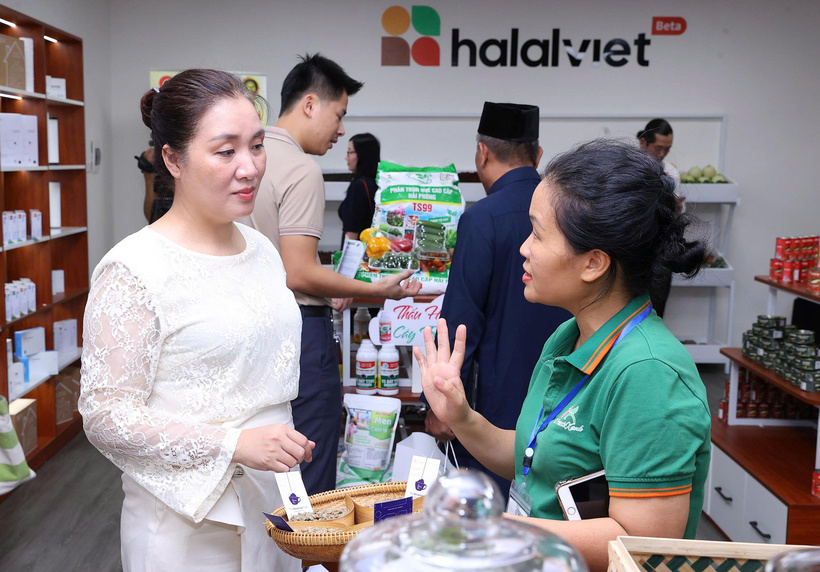
At the launch ceremony of the HALALVIET Promotion and Experience Center, recently organized by Vietnam Institute of Strategy and Policy for Industry and Trade under the Ministry of Industry and Trade, Dinh Thi Nga, Deputy Director of the Institute for Socio-Economic and Environmental Studies under the Ho Chi Minh National Academy of Politics, said the Halal product market is shifting toward standards associated with cleanliness, green production, health safety, and sustainable development.
According to Nga, consumers today are no longer concerned solely with whether products meet Halal standards. They are also paying greater attention to transparency, social responsibility, and environmental factors throughout the production chain. As a result, competition in the Halal market is increasingly driven not by price, but by consumer trust.
This also creates opportunities for Vietnamese businesses. As Vietnam accelerates green agriculture, circular economy models, and digital transformation, many emerging development standards are becoming increasingly aligned with the requirements of the global Halal market.
Not only large corporations, but also small businesses, cooperatives, and local production facilities can participate in this market if they receive proper support. The growth of e-commerce and cross-border logistics now allows small enterprises to directly access international buyers instead of relying entirely on traditional export channels.
However, major opportunities do not mean Vietnamese businesses can easily penetrate the Halal market. In reality, many companies are still struggling with standards, certification requirements, and supply chain compliance.
Building a Halal ecosystem is essential for long-term growth
According to experts, the biggest bottleneck today lies not in market potential, but in Vietnam’s ability to organize a comprehensive Halal ecosystem.
One major barrier is the complexity of Halal standards and certification systems. Different countries and certification bodies may apply different standards, while many Vietnamese businesses, particularly small and medium-sized enterprises, still lack market information and practical experience.
Most of Vietnam’s exports remain raw or semi-processed products with limited added value. Meanwhile, the Halal market increasingly requires transparency throughout the entire supply chain, from raw materials and manufacturing processes to storage, logistics, and traceability.
According to Dinh Thi Nga, Vietnam needs to develop a synchronized ecosystem covering production, logistics, certification, and trade promotion in order to fully tap into the potential of the Halal economy. In particular, improving certification capacity and standardizing supply chains are considered critical requirements.
She said future Halal product development is no longer simply about having good products, but about building a stronger ecosystem with coordinated support in policy, trade promotion, and market connectivity.
Sharing a similar view, Nguyen Van Hoi, Director General of the Institute for Industry and Trade Strategy and Policy Studies, said the Halal economy is not only an opportunity to expand exports, but also a driver for upgrading Vietnam’s manufacturing and trade capabilities.
According to the Director General, if Vietnam can effectively capitalize on the potential of the global Halal market, the country will not only expand export markets but also create new growth momentum for manufacturing, processing, logistics, and service industries. This could also contribute to Vietnam’s goal of achieving double-digit economic growth in the coming period.
He noted that if businesses have to independently approach each market and certification system, costs will become extremely high and long-term competitiveness will be difficult to sustain. Therefore, it is essential to strengthen the connecting role of trade promotion organizations, business support centers, and the domestic Halal ecosystem.
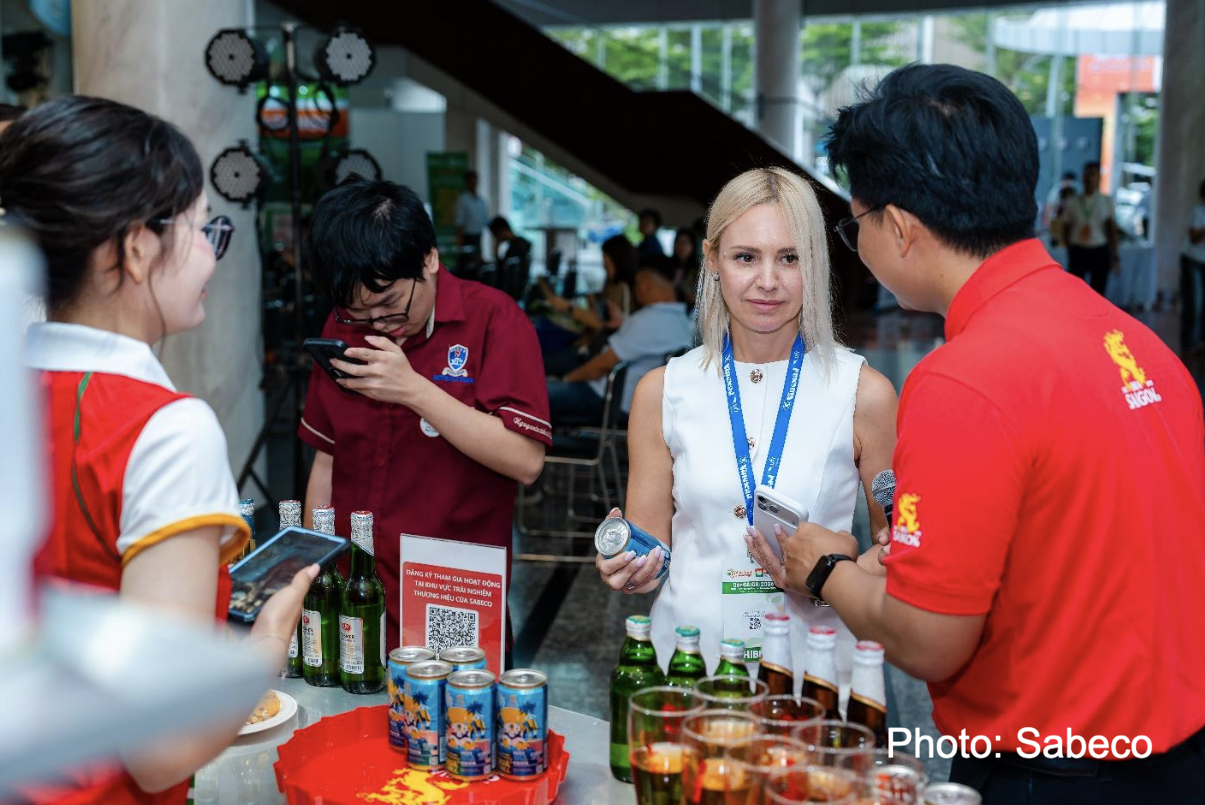
This is also why the establishment of the HALALVIET Promotion and Experience Center is expected to help businesses promote products, connect with partners, and access international markets more effectively.
The Halal economy is no longer dominated solely by Muslim countries. Many non-Muslim nations are also treating Halal as a long-term trade development strategy aimed at expanding exports and upgrading production standards.
This means competitive pressure will continue to intensify. If Vietnamese businesses want to fully capitalize on the growth potential of this market, they cannot focus only on short-term exports. Instead, they need long-term investment in standards, traceability, green production, and brand building.
The Halal economy therefore not only opens new market opportunities for Vietnamese goods, but also requires a comprehensive upgrade of production chains toward greater transparency, sustainability, and stronger global competitiveness.
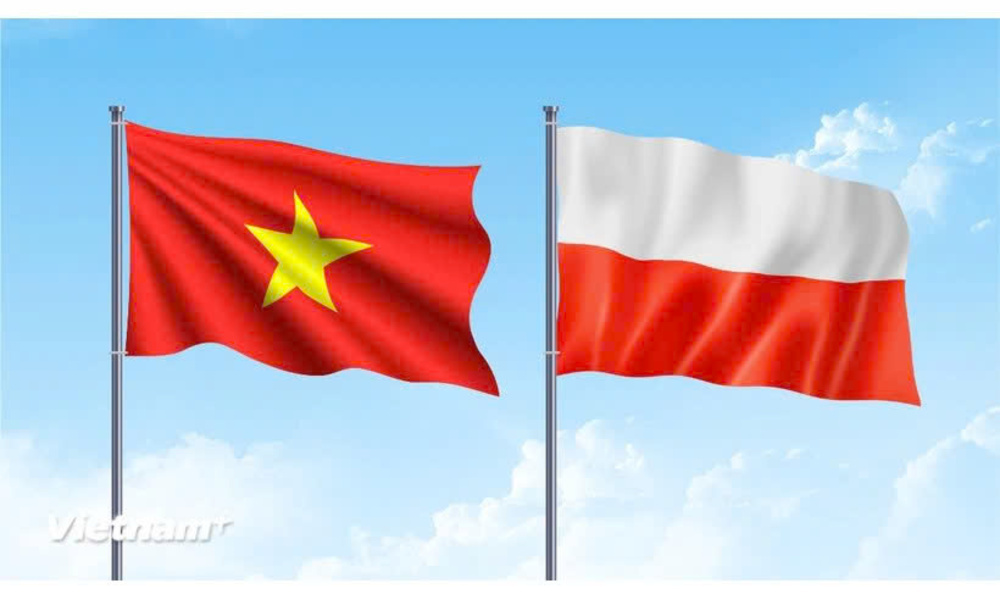
Polish Prime Minister Donald Tusk will pay an official visit to Viet Nam from October 24 to 26 as the bilateral trade continues to grow, creating opportunities for deeper cooperation.
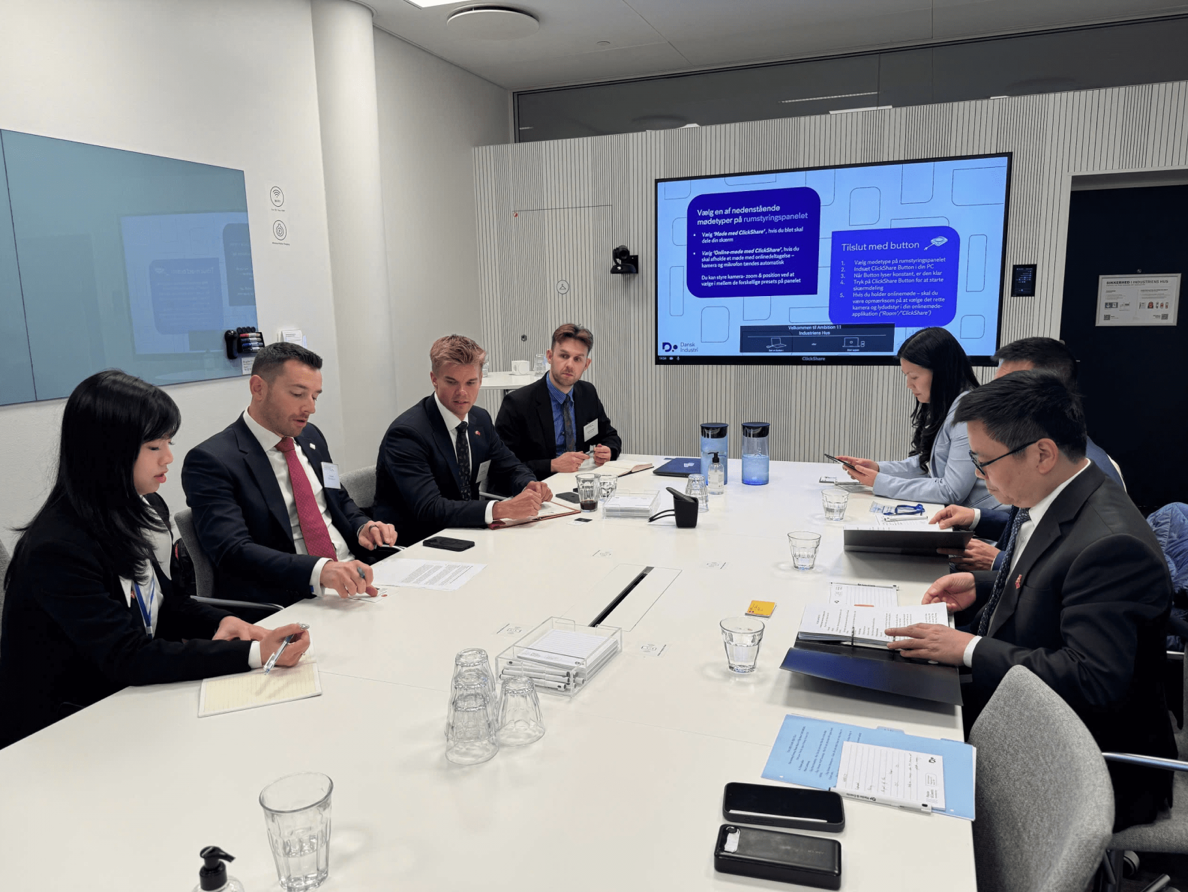
Deputy Minister Truong Thanh Hoai met with LEGO and Carlsberg in Denmark on October 20 to discuss green investment and sustainable manufacturing in Viet Nam.
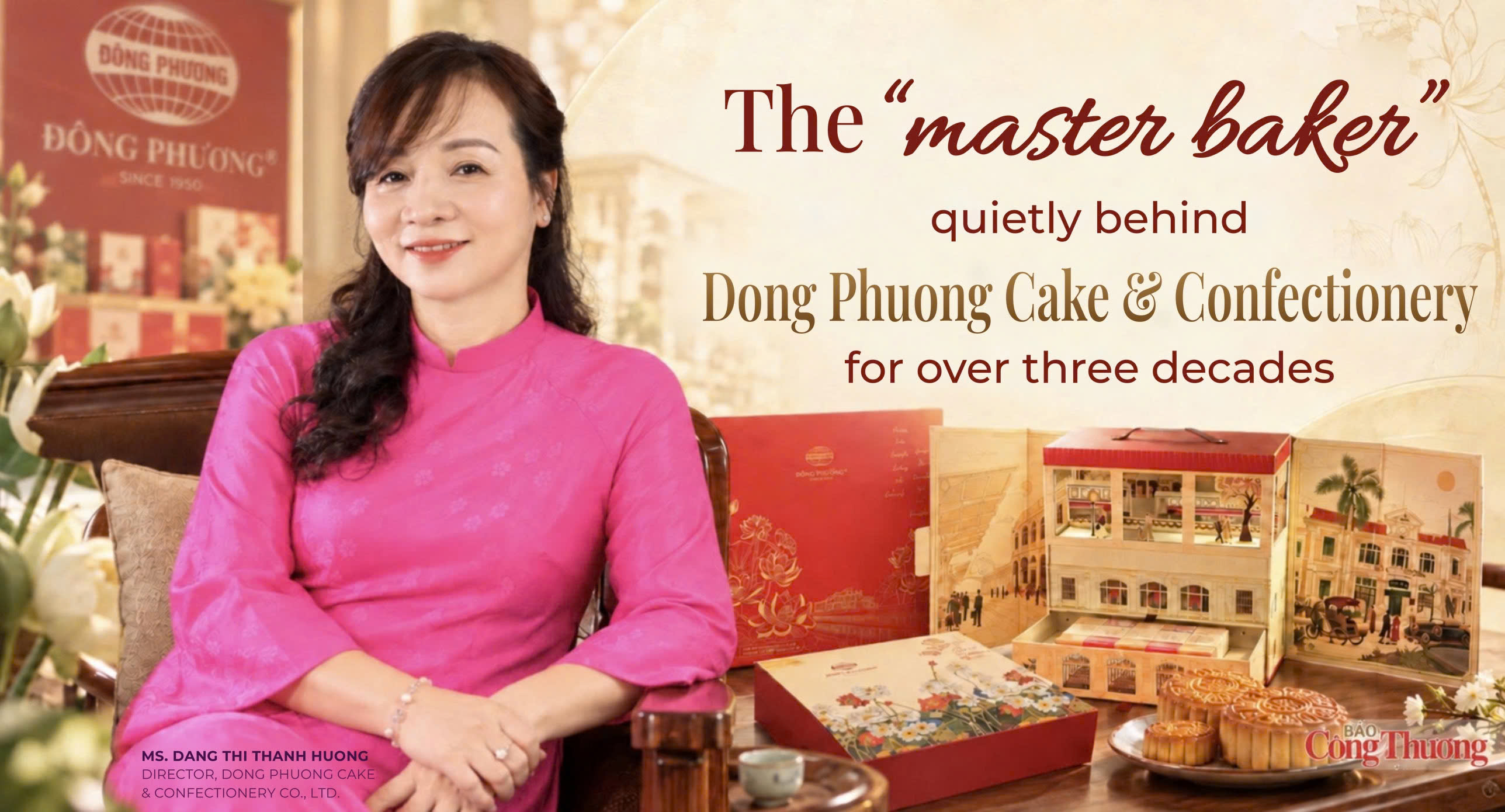
For more than three decades, Ms. Dang Thi Thanh Huong has quietly shaped the legacy of Dong Phuong Cake & Confectionery, a brand rooted in tradition, craftsmanship.
Viet Nam and Denmark have signed an MoU on energy cooperation to strengthen bilateral ties and advance collaboration in renewable energy and the green transition.
Deputy Minister Luong Hoang Thai met French Minister Delegate Eleonore Caroit on October 19 to discuss ways to strengthen Viet Nam - France cooperation.
Facing the challenges of renewable energy transmission, CWEA suggests off-grid consumption approaches and opportunities for global supply chain cooperation.
In the seven months of 2026, industry, retail sales and imports and exports all posted strong growth. The Ministry of Industry and Trade (MoIT) continues to roll out solutions to contribute to achieving the double-digit growth target.
In the first six months of 2026, Viet Nam’s total merchandise import and export turnover reached USD 549.69 billion, up 27.1% year on year. Exports increased by 21%, while imports rose by 33.4%. The country recorded a merchandise trade deficit of USD 16.65 billion. These figures underscore Viet Nam’s determination to further expand the presence of Vietnamese goods and brands in international markets.
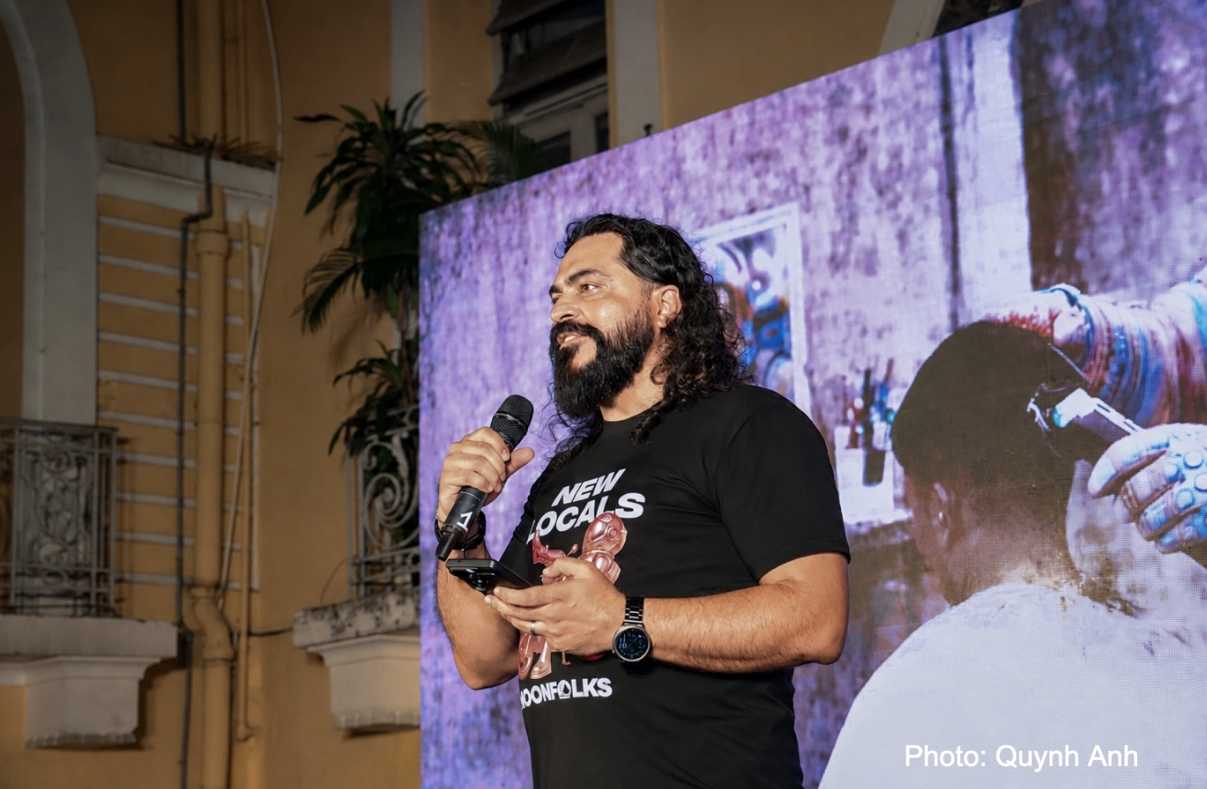
Moonfolks has officially entered the Vietnamese market, aiming to connect the country’s rapidly growing digital economy with broader opportunities across Southeast Asia and support Vietnamese businesses in expanding internationally.