ASEAN is no longer merely a consumer market. It is increasingly evolving into an integrated production, logistics and technology ecosystem, creating new requirements for trade promotion strategies.
As ASEAN evolves beyond fragmented markets
For many years, trade promotion in ASEAN was commonly associated with business missions, trade fairs, exhibitions and business matching activities aimed at helping Vietnamese products reach consumers across the region. Success was often measured by the number of contracts signed, participating enterprises and annual export growth rates.
However, regional trade is entering a new phase of development. Global geopolitical shifts, supply chain restructuring, green development requirements and the rapid rise of digital technologies are reshaping how ASEAN economies connect and cooperate.
Where ASEAN was once viewed as a collection of separate markets, the region is now increasingly operating as an integrated production and supply ecosystem. Within this ecosystem, each country plays a distinct role, ranging from industrial manufacturing and logistics hubs to suppliers of raw materials, financial services, technology and innovation.
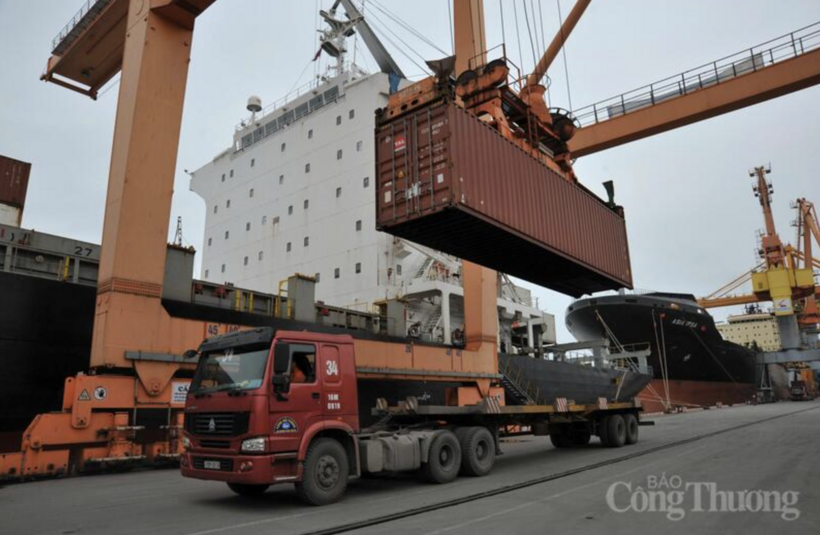
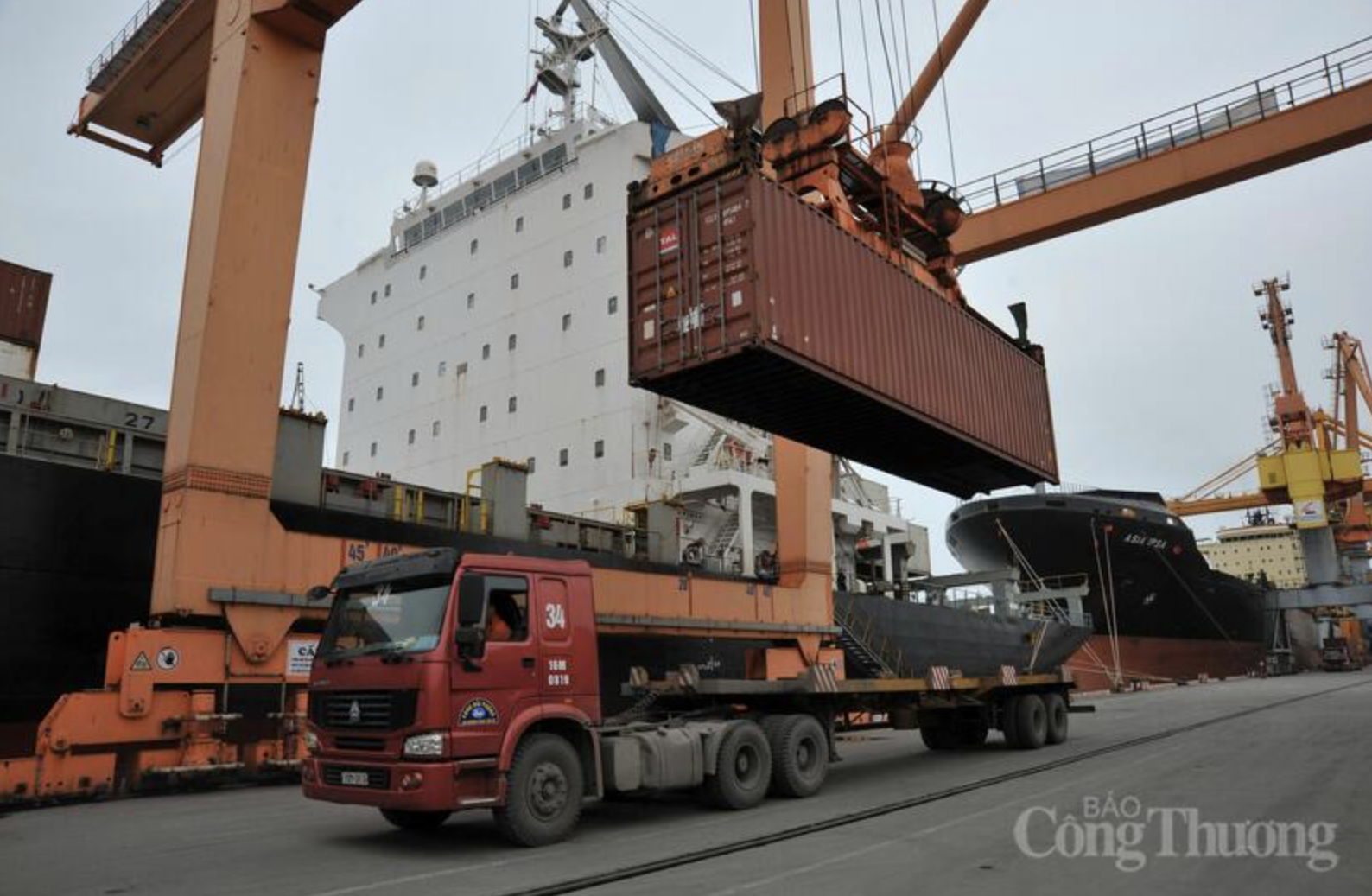
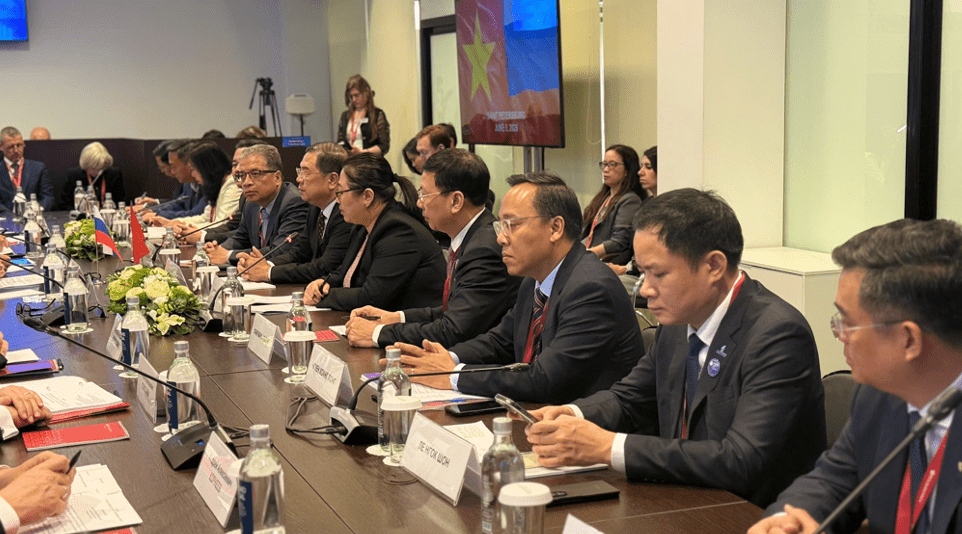
ASEAN economies are becoming increasingly complementary, creating favorable conditions for Vietnamese enterprises to participate more deeply in intra-regional supply chains. Photo: Can Dung
This transformation is also driving a shift in trade promotion thinking. The objective is no longer simply to help businesses sell more products. Instead, it is about helping enterprises secure a position within regional value chains, participate in higher value-added stages of production and establish a sustainable presence in ASEAN‘s manufacturing networks.
In an interview with Newspaper of Industry and Trade, Vu Ba Phu, Director General of the Trade Promotion Agency under Ministry of Industry and Trade, said ASEAN economies are becoming increasingly complementary, creating favorable conditions for Vietnamese enterprises to participate more deeply in intra-regional supply chains.
”This presents an opportunity for Vietnamese businesses to move further into processing and manufacturing industries, supporting industries, electronics and automotive components,” Phu emphasized.
Current trade patterns clearly reflect this transition. In Thailand, Vietnam’s largest trading partner within ASEAN, technology-related exports have recorded strong growth. In 2025 alone, Vietnam’s exports of computers, electronic products and components to Thailand reached approximately USD 1.8 billion, up more than 102 percent from the previous year. Meanwhile, exports of machinery, equipment, vehicles and spare parts also maintained double-digit growth.
”The two economies are highly complementary and increasingly interconnected, creating favorable conditions for Vietnamese enterprises to integrate more deeply into ASEAN‘s intra-regional supply chains,” Vu Ba Phu noted.
These figures indicate that Vietnamese businesses are no longer relying solely on traditional export products. Instead, they are gradually becoming more deeply embedded in the region‘s industrial production networks. This trend is expected to accelerate as ASEAN continues to attract investment flows and global manufacturing chains, with many multinational corporations seeking stable and well-connected production locations.
Beyond manufacturing, new areas of cooperation are emerging in sectors such as high-tech agriculture, Halal food, cross-border e-commerce, digital transformation, green industries, carbon credits and environmentally friendly products. These sectors are expected to become new growth drivers for intra-ASEAN trade in the coming years.
A new competition centered on logistics, green standards and the digital economy
In the past, businesses primarily competed on cost and production capacity. Today, the landscape has changed. Green standards, traceability, supply chain management, smart logistics and digital transformation have become critical factors determining participation in regional value chains.
This helps explain why Vietnam’s trade promotion strategy in ASEAN is undergoing significant changes. Rather than focusing solely on trade matchmaking activities, promotion programs are increasingly aimed at enhancing business competitiveness, helping enterprises meet evolving market standards and integrating more deeply into regional production and distribution ecosystems.
According to Vu Ba Phu, Thailand is not only a major consumer market but also an important logistics and distribution hub within global supply chains. Vietnam exports large volumes of electronic components and industrial parts to Thailand while importing computers, fully built automobiles and various industrial products from the country. This reflects the growing integration of the two economies within regional production networks.
To capitalize on these opportunities, Trade Promotion Agency is strengthening cooperation with major Thai retail groups to expand the presence of Vietnamese products in modern distribution channels while helping businesses meet increasingly stringent requirements related to quality and sustainable development.
”We will continue deepening cooperation mechanisms with major Thai retail groups to support Vietnamese enterprises in bringing their products into retail chains, supermarkets and shopping centers. At the same time, we will help businesses improve compliance with technical standards, green requirements, environmentally friendly packaging standards and quality certification requirements from the production stage onward,” Phu said.
From another perspective, the Philippines, Vietnam’s largest rice import market for many years, also illustrates the changing requirements of ASEAN trade. Beyond stable supply, the market is placing increasing emphasis on product quality, quarantine standards, traceability, packaging, labeling and supplier capabilities.
This demonstrates that trade promotion in ASEAN is no longer about securing short-term orders. It has become a long-term process of building credibility, strengthening brands and meeting increasingly demanding market standards.
One of the most notable shifts is the transition from a market-by-market approach to a strategy focused on connecting with ASEAN’s key value centers. While Thailand serves as a major manufacturing hub, Singapore is widely regarded as the region‘s center for finance, logistics, innovation and digital transformation. As a result, Singapore is increasingly viewed not only as an export market but also as a gateway to global value chains.
According to Vu Ba Phu, the Trade Promotion Agency‘s strategy is not limited to supporting direct exports to Singapore. It also seeks to leverage the city-state‘s role as a regional hub for trade, finance, logistics and innovation.
”Vietnamese enterprises need to shift from the mindset of ‘selling into a market’ to that of ‘connecting with a regional hub.’ This will help enhance their position within both ASEAN and global value chains,” the Director General said.
Against this backdrop, new areas of cooperation between Vietnam and ASEAN are expanding rapidly. Alongside traditional merchandise trade, promotion activities are increasingly focusing on technology-intensive sectors such as artificial intelligence (AI), semiconductors, data centers, smart logistics, cross-border e-commerce, financial technology, renewable energy and the circular economy.
These industries are expected not only to drive ASEAN‘s economic growth over the next decade but also to determine the position of individual countries within regional value chains.
”The role of trade promotion in the coming period is to connect the right partners, the right industries, the right localities and the right projects. Through business forums, trade and investment promotion conferences and specialized networking activities, we hope to facilitate more substantive cooperation projects in AI, semiconductors, data centers, e-commerce, green supply chains and modern logistics,” Vu Ba Phu stressed.
ASEAN is entering a new stage of development in which competitive advantages are no longer determined solely by market size or labor costs. In this new race, trade promotion is no longer simply about finding markets for products. It is becoming a strategic tool that helps enterprises identify their place within supply chains, connect with regional value centers and strengthen their role in the regional economic network.
This is also the pathway through which Vietnamese products can not only expand their presence across ASEAN but also participate more deeply in the segments that generate the highest value added within the region‘s future economy.
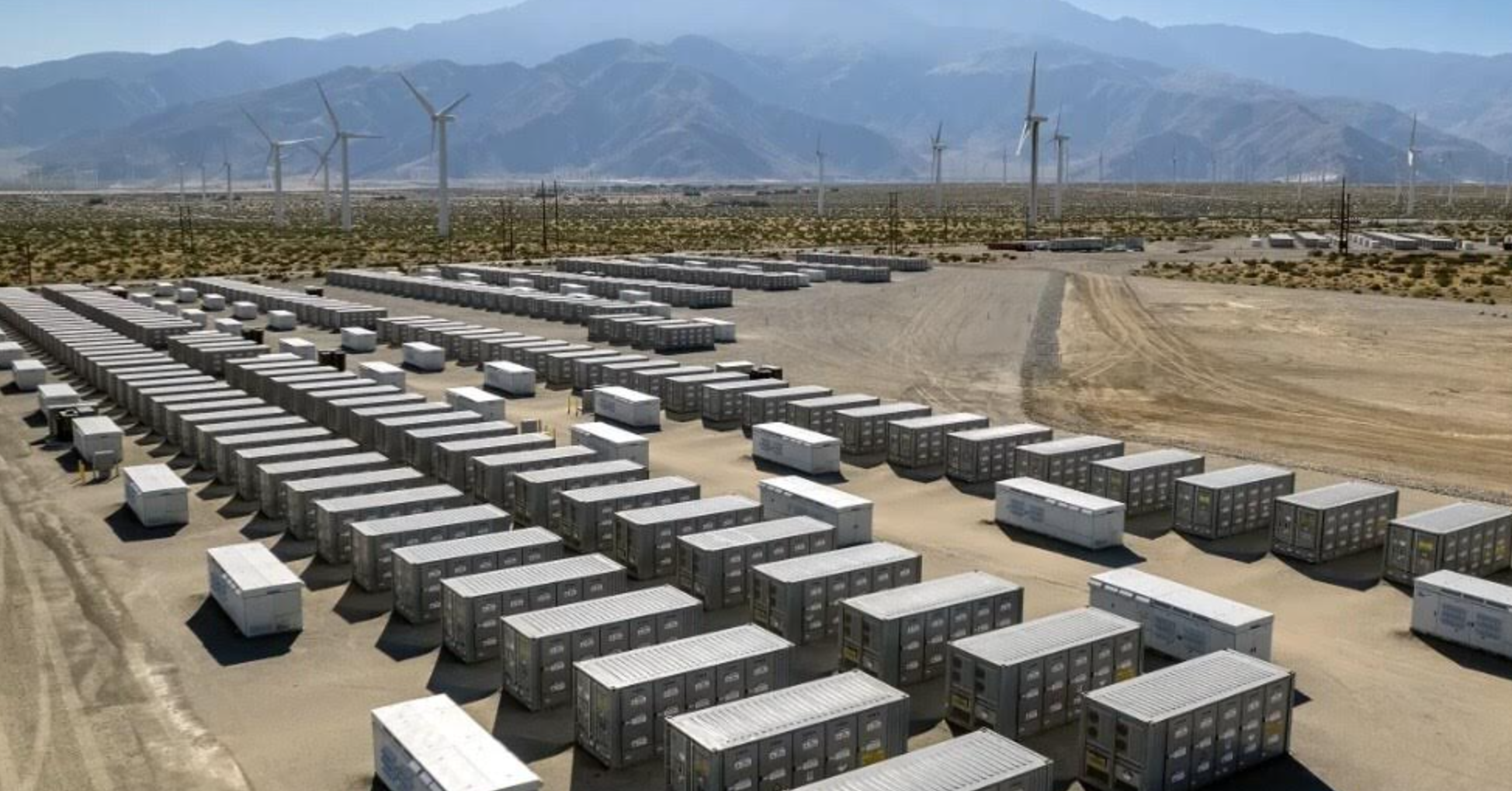
Over the past decade, Vietnam has rapidly scaled its renewable energy capacity, particularly in solar and wind. This expansion has reshaped the country's energy mix and positioned Vietnam as a reference point for clean energy development across Southeast Asia.
ASEAN is no longer merely a consumer market. It is increasingly evolving into an integrated production, logistics and technology ecosystem, creating new requirements for trade promotion strategies.
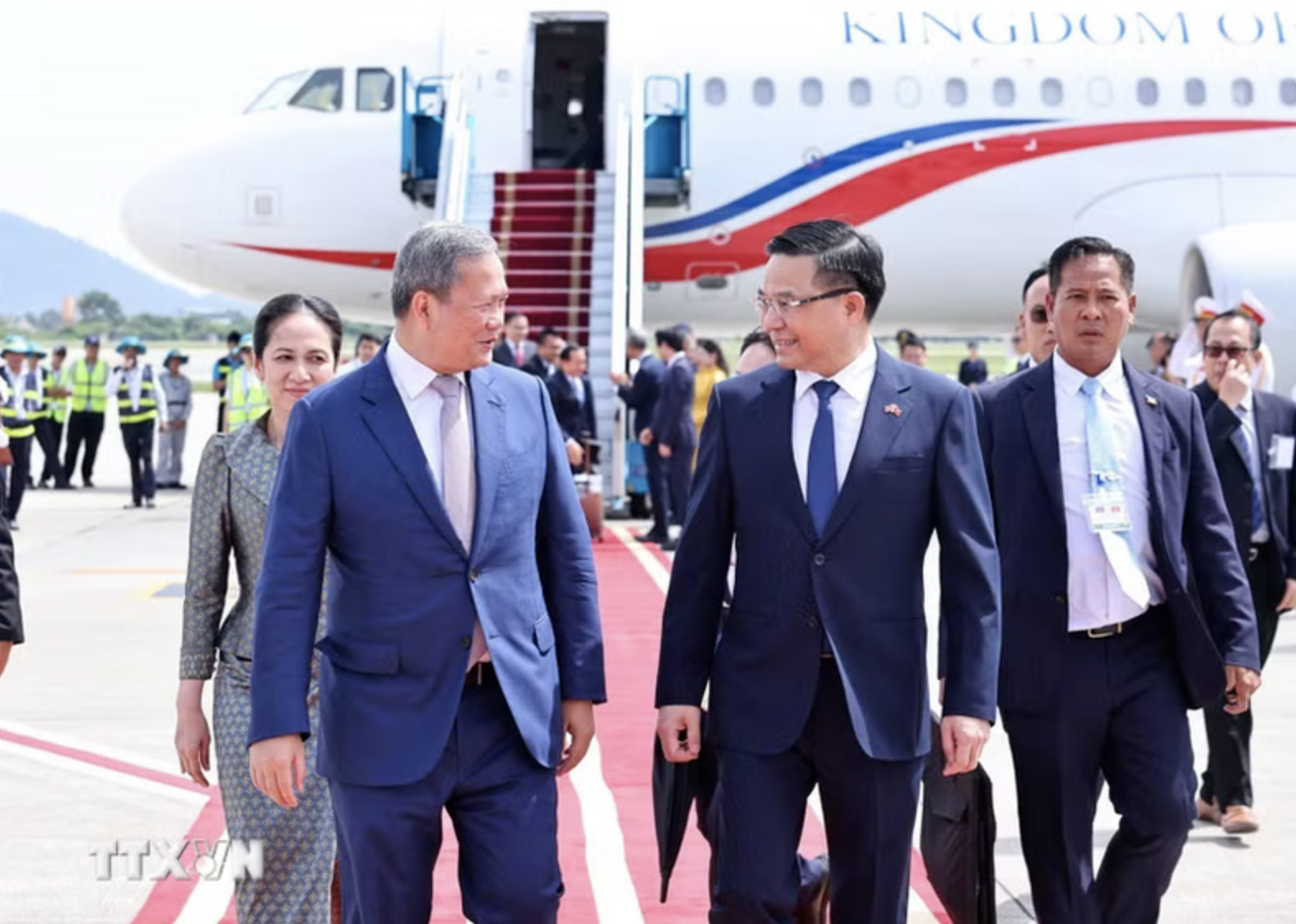
The official visit to Vietnam and participation in the third ASEAN Future Forum (AFF) by Cambodian Prime Minister Samdech Moha Borvor Thipadei Hun Manet takes place as both countries are actively implementing strategic orientations agreed upon by their senior leaders.
Over the past decade, Vietnam has rapidly scaled its renewable energy capacity, particularly in solar and wind. This expansion has reshaped the country's energy mix and positioned Vietnam as a reference point for clean energy development across Southeast Asia.
ASEAN is no longer merely a consumer market. It is increasingly evolving into an integrated production, logistics and technology ecosystem, creating new requirements for trade promotion strategies.
The official visit to Vietnam and participation in the third ASEAN Future Forum (AFF) by Cambodian Prime Minister Samdech Moha Borvor Thipadei Hun Manet takes place as both countries are actively implementing strategic orientations agreed upon by their senior leaders.