After two days of intensive and productive discussions, the ASEAN Future Forum (AFF) 2026 officially concluded in Hanoi on June 10, achieving broad strategic consensus on key regional and global issues.
Held under the theme "Shaping a Shared Future: Peace, Prosperity and People-Centred Development," the forum brought together more than 1,200 participants from around the world, making it the largest edition since the initiative was launched.
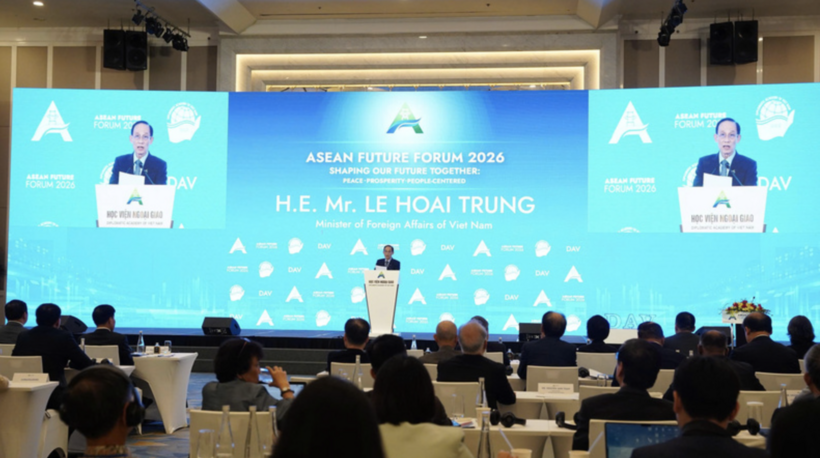
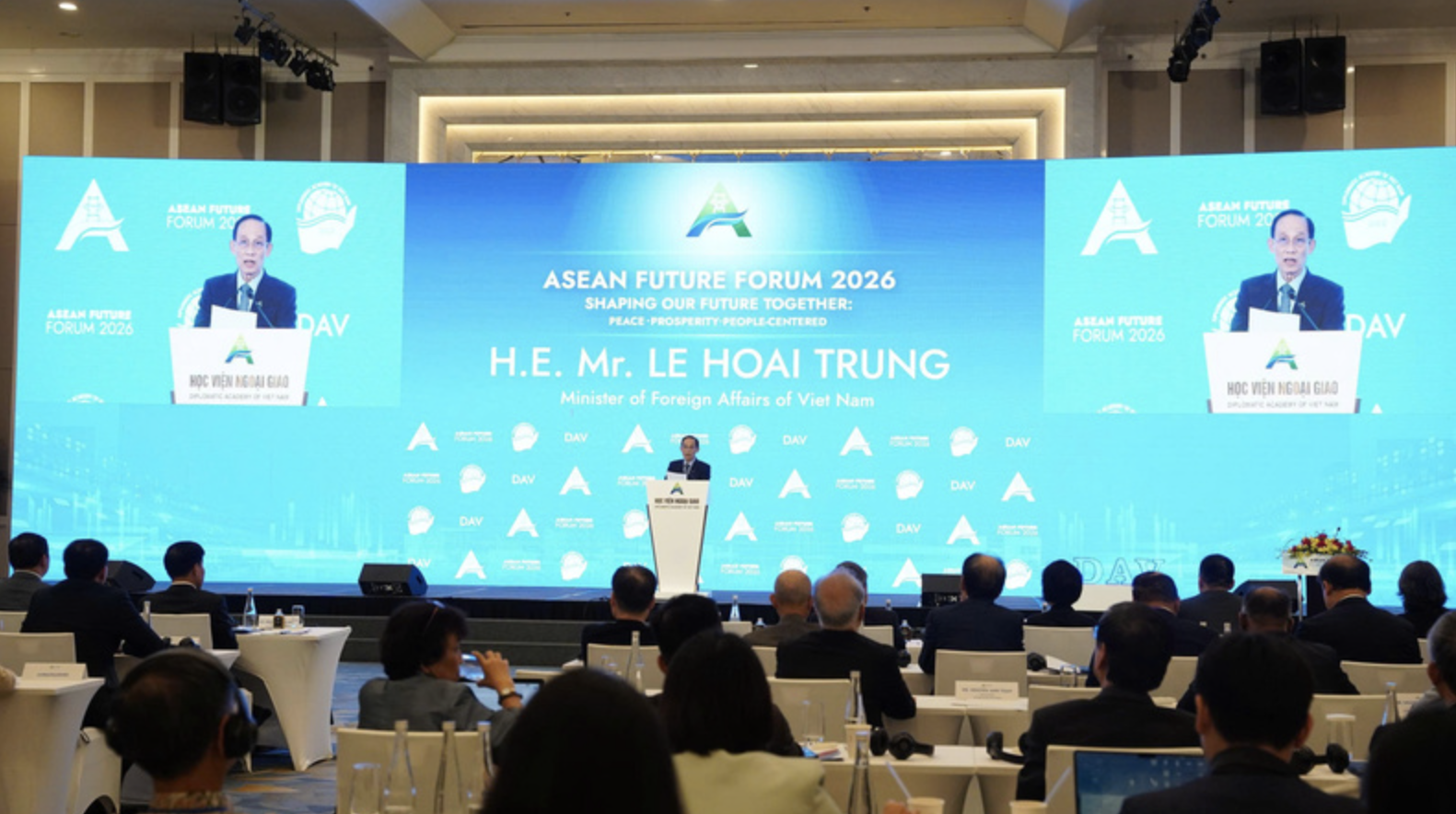
In his closing remarks, Minister of Foreign Affairs Le Hoai Trung said the forum had successfully fulfilled its agenda and generated a number of significant outcomes.
Foreign Minister Le Hoai Trung delivers remarks at the closing session.
First, discussions focused on issues of critical importance to ASEAN member states and their partners. The third edition of the forum was designed to address both emerging and long-term challenges facing the region. Minister Le Hoai Trung noted that the topics covered over the two-day event reflected the priorities of ASEAN member states, the ASEAN Community and its dialogue partners. He also highlighted the alignment between the forum’s agenda and the Philippines’ ASEAN Chairmanship theme for 2026, as underscored by Philippine President Ferdinand Romualdez Marcos Jr. in his remarks.
Second, AFF 2026 introduced several new initiatives, including the ASEAN City Leaders Meeting, a dialogue among representatives of political parties from ASEAN member states, youth engagement sessions and discussions focused on the Mekong sub-region.
According to the minister, these activities are expected to strengthen people-to-people connectivity and contribute to building an inclusive, sustainable and people-centred ASEAN Community.
Third, participants engaged in substantive and innovative discussions on a wide range of strategic issues, including ASEAN’s resilience and unity, conflict prevention and development models. Urgent challenges such as the application of artificial intelligence (AI) and regional energy security were also high on the agenda.
Fourth, the discussions reinforced a stronger sense of regional community. Statements delivered by leaders, scholars and young participants reflected a shared commitment to peace, regional security and respect for international law as essential foundations for sustainable development.
Fifth, delegates reaffirmed their commitment to ASEAN’s future, its core values and its strategic role in the regional architecture. The United Nations Deputy Secretary-General also highlighted ASEAN’s achievements over recent decades and the importance of sustaining its progress. AFF 2026 attracted a record number of participants, including senior leaders from ASEAN member states and representatives of ASEAN’s dialogue partners.
Sixth, participants expressed broad agreement that ASEAN must enhance its resilience and adaptability in response to increasingly complex challenges. Speakers emphasized the need to build a long-term strategic environment rather than focus solely on short-term responses. They also stressed the importance of deeper regional integration and stronger collective action, while reaffirming ASEAN Centrality as a cornerstone of the regional architecture.
Finally, Minister Le Hoai Trung welcomed the strong interest shown by international partners and participants, describing it as a reflection of the friendship, cooperation and goodwill extended to Vietnam.
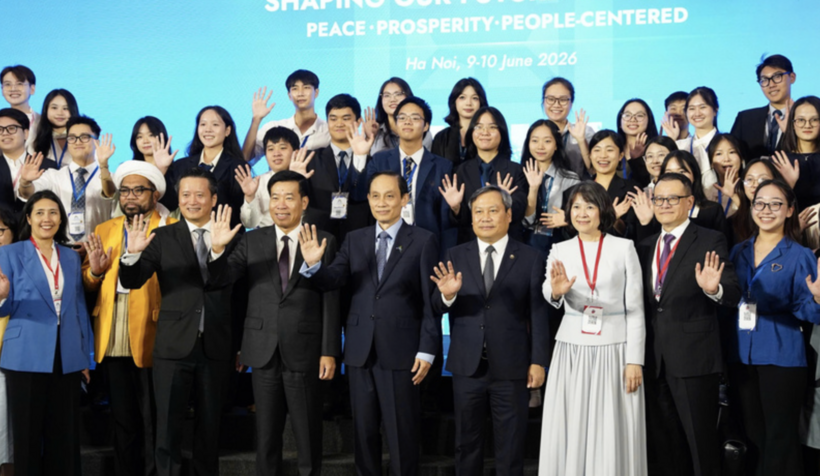
Delegates at the closing ceremony.
He noted that after three consecutive years, the ASEAN Future Forum has evolved into an increasingly important platform for advancing ASEAN Community-building efforts and strengthening the bloc’s relations with key international partners.
Expressing confidence in the forum’s future, Minister Le Hoai Trung said AFF 2026 had left participants with a strong sense of optimism about ASEAN’s prospects.
The ASEAN Future Forum was launched as an initiative of the Vietnamese Government and announced at the ASEAN Summit in 2023. It aims to provide an open platform where ASEAN leaders, dialogue partners, scholars, businesses and other stakeholders can exchange views, propose initiatives and contribute ideas for the region’s future development.
After two days of intensive and productive discussions, the ASEAN Future Forum (AFF) 2026 officially concluded in Hanoi on June 10, achieving broad strategic consensus on key regional and global issues.
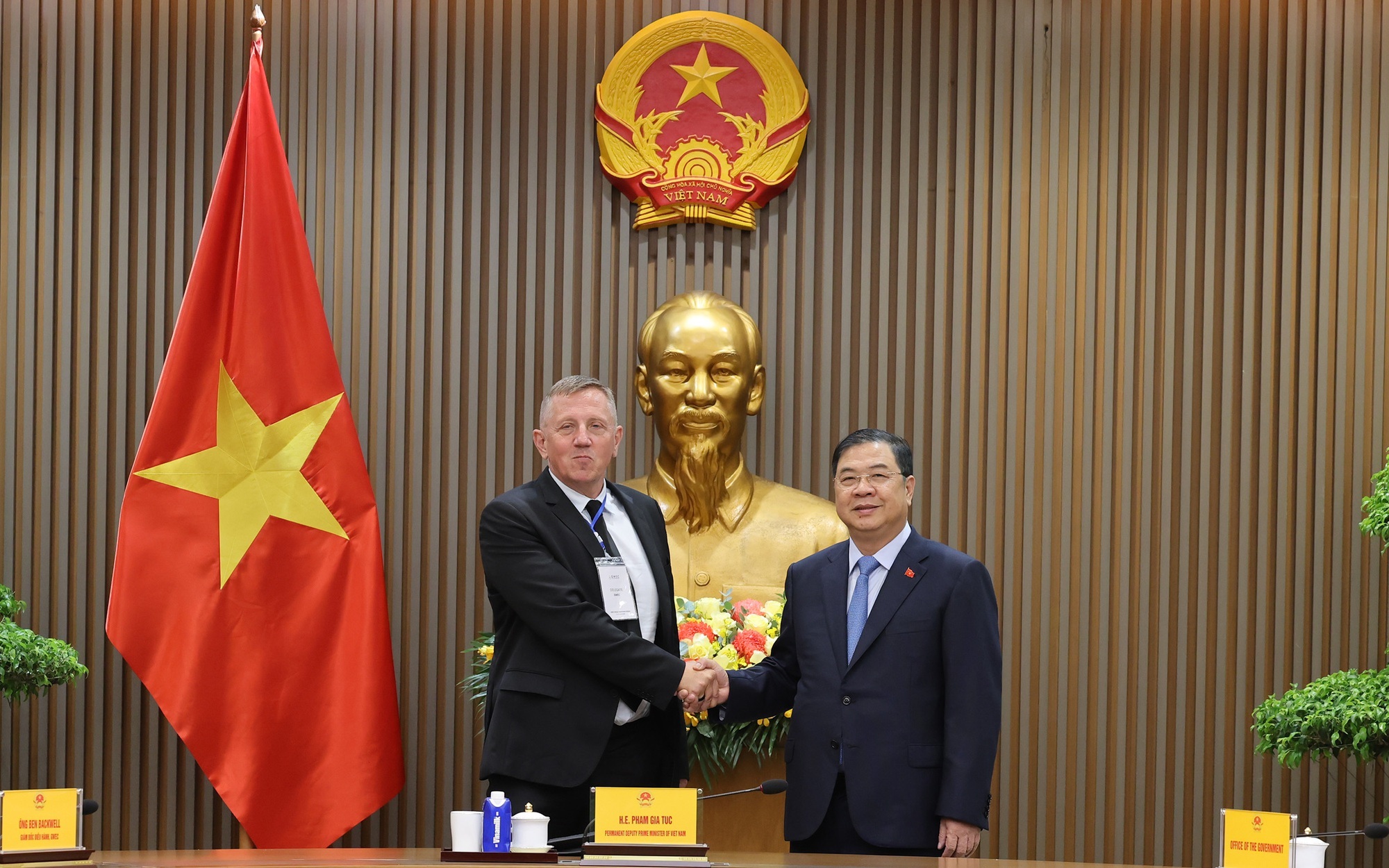
On the morning of June 9, Politburo member and Permanent Deputy Prime Minister Pham Gia Tuc held a meeting with a delegation from the Global Wind Energy Council (GWEC), led by GWEC Chief Executive Officer Ben Backwell.
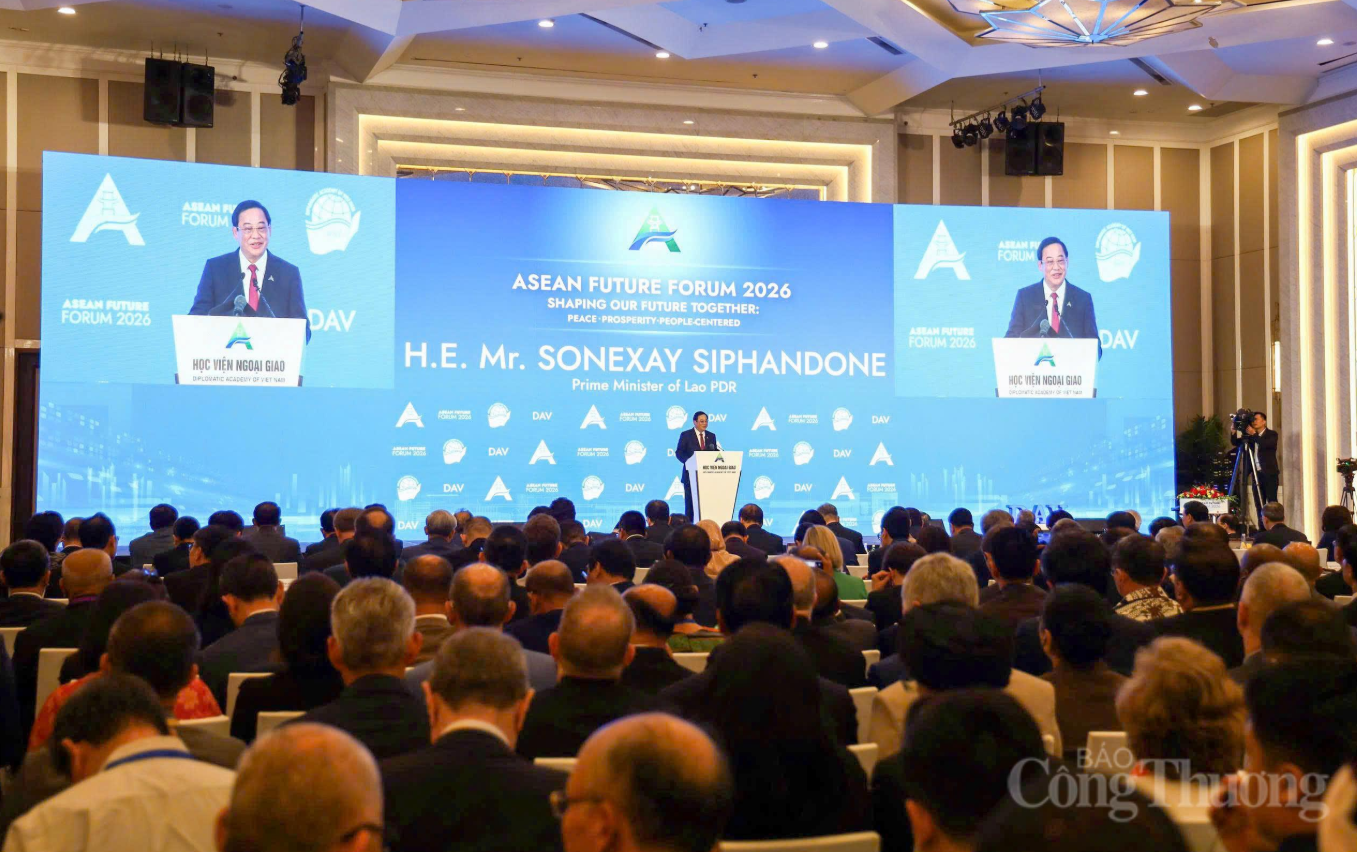
Leaders of Cambodia, Thailand, Laos, Timor-Leste and the Philippines shared their visions for peace, integration, resilience and people-centred development.
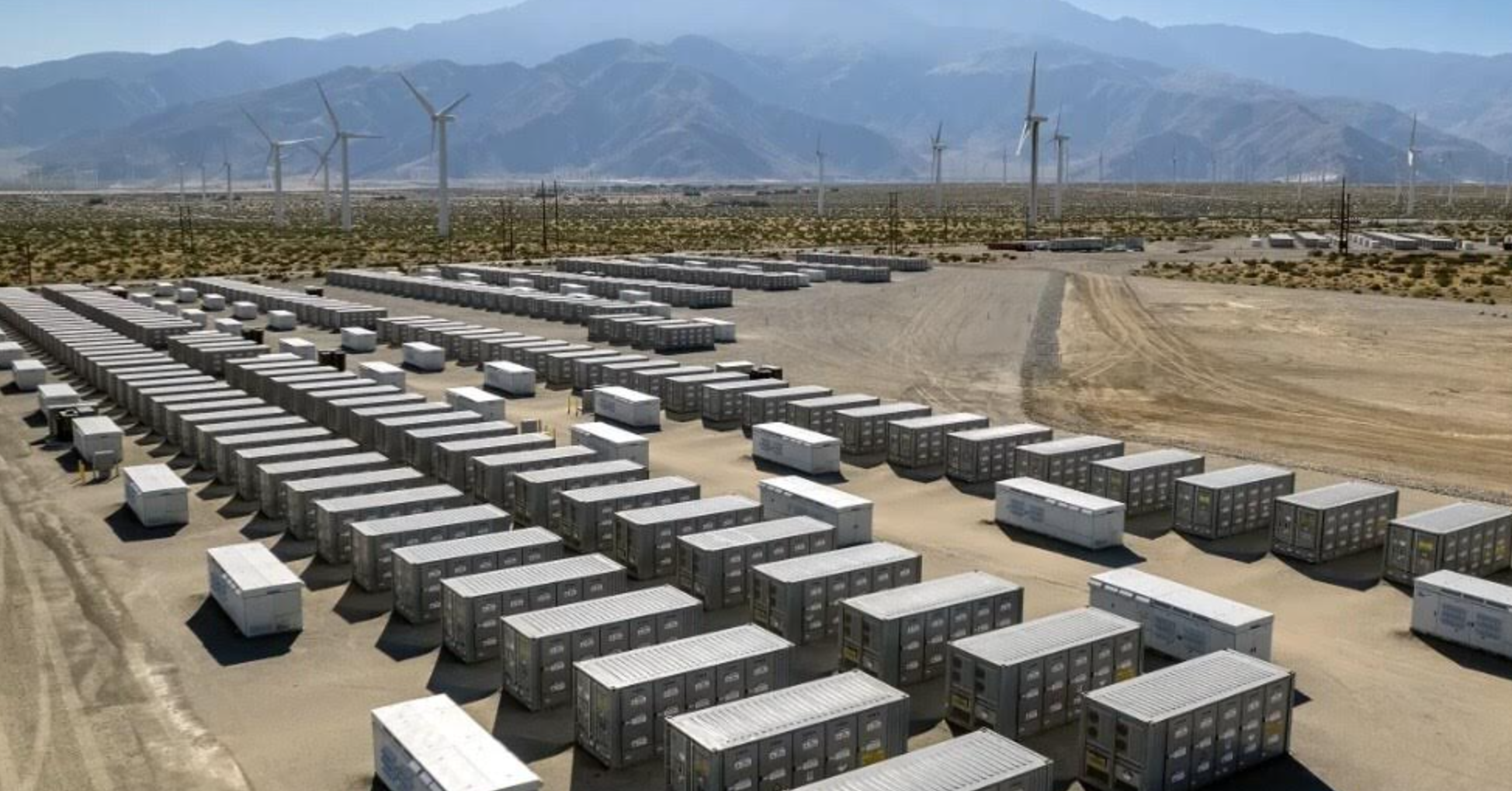
Over the past decade, Vietnam has rapidly scaled its renewable energy capacity, particularly in solar and wind. This expansion has reshaped the country's energy mix and positioned Vietnam as a reference point for clean energy development across Southeast Asia.
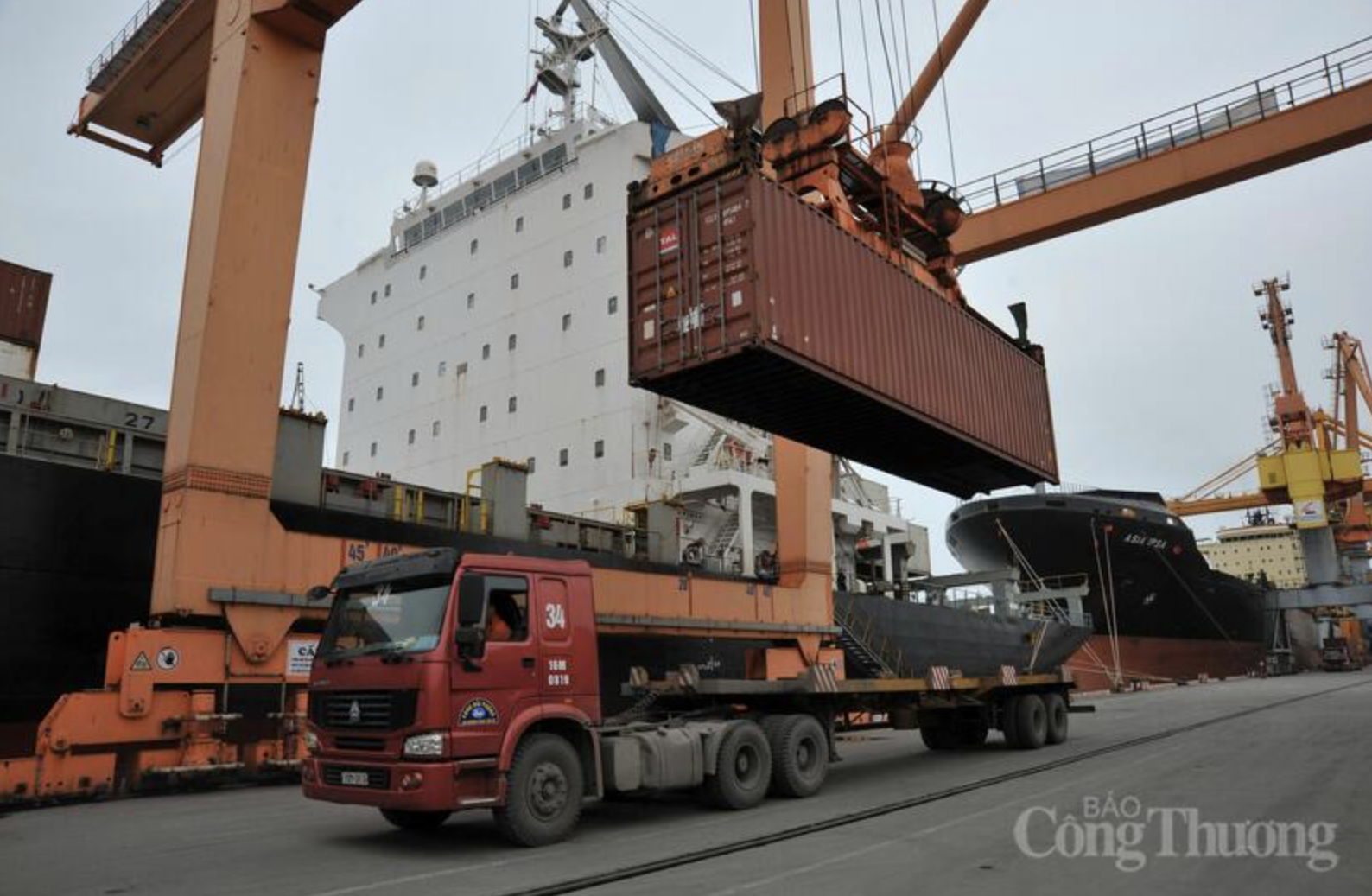
ASEAN is no longer merely a consumer market. It is increasingly evolving into an integrated production, logistics and technology ecosystem, creating new requirements for trade promotion strategies.
On the morning of June 9, Politburo member and Permanent Deputy Prime Minister Pham Gia Tuc held a meeting with a delegation from the Global Wind Energy Council (GWEC), led by GWEC Chief Executive Officer Ben Backwell.
Leaders of Cambodia, Thailand, Laos, Timor-Leste and the Philippines shared their visions for peace, integration, resilience and people-centred development.
Over the past decade, Vietnam has rapidly scaled its renewable energy capacity, particularly in solar and wind. This expansion has reshaped the country's energy mix and positioned Vietnam as a reference point for clean energy development across Southeast Asia.
ASEAN is no longer merely a consumer market. It is increasingly evolving into an integrated production, logistics and technology ecosystem, creating new requirements for trade promotion strategies.
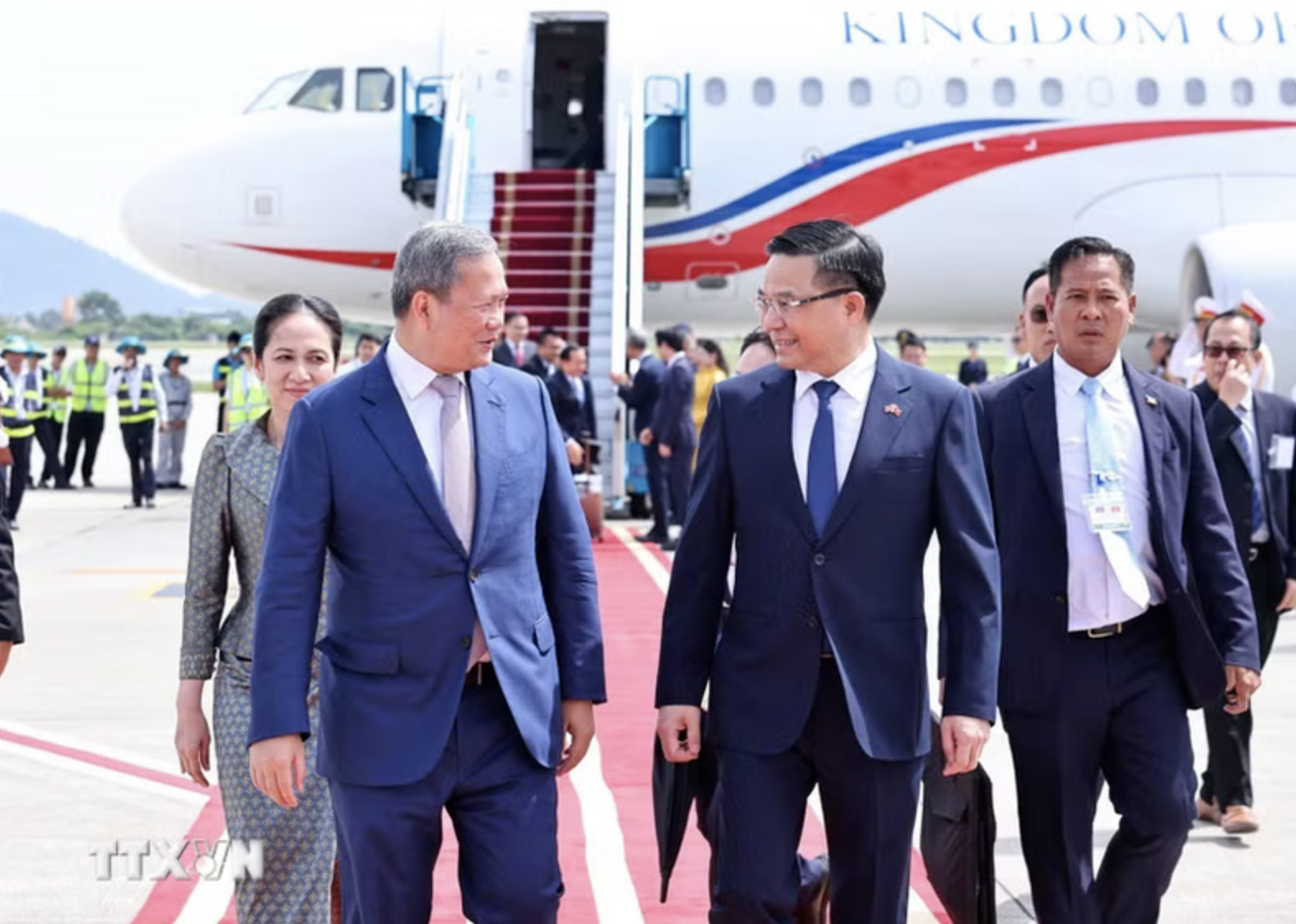
The official visit to Vietnam and participation in the third ASEAN Future Forum (AFF) by Cambodian Prime Minister Samdech Moha Borvor Thipadei Hun Manet takes place as both countries are actively implementing strategic orientations agreed upon by their senior leaders.