Expert Nguyen Canh Cuong emphasized that Directive No. 11/CT-TTg not only helps Vietnamese products enter international markets but also enables them to stay, grow, and enhance their position globally.
The Prime Minister has issued Directive No. 11/CT-TTg dated April 3, 2026, on promoting the mobilization of overseas Vietnamese to participate in introducing, distributing, and developing distribution channels for Vietnamese goods abroad in the 2026-2030 period.
One of the key objectives set out in the Directive is to mobilize overseas Vietnamese to play a strategic role as an on-the-ground force in promoting, consuming, and distributing Vietnamese products; maintaining traditional markets; bringing Vietnamese goods into reputable distribution systems, supermarkets, and major shopping centers; and participating more deeply in supply chains, especially in markets where Vietnam has advantages and large Vietnamese communities. Priority will also be given to supporting small and medium-sized enterprises and effectively leveraging free trade agreements (FTAs).
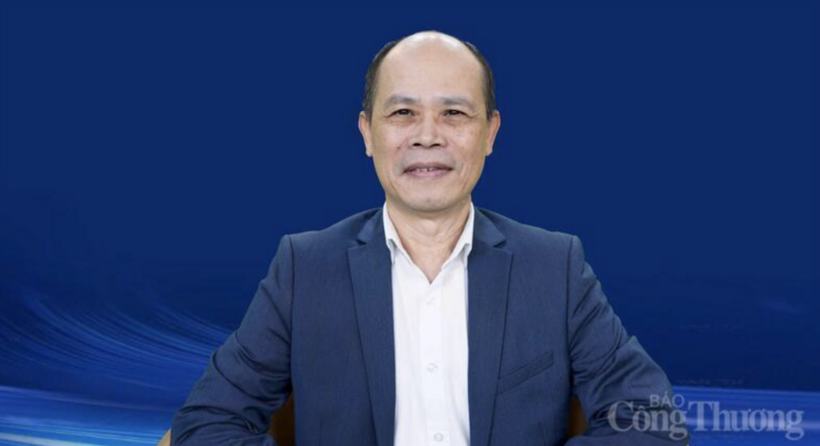
Nguyen Canh Cuong, an expert in economics and international trade and former vietnam trade counselor in france, the eu and the united kingdom. Photo: Quoc Chuyen
A reporter from cong thuong newspaper spoke with nguyen canh cuong, an expert in economics and international trade and former Vietnam trade counselor in France, the EU, and the United Kingdom, about the significance of the Directive and solutions to develop overseas distribution channels for Vietnamese goods in the 2026-2030 period.
Timely policy decision
-In the current phase of deep international integration, what is the significance of Directive No. 11/CT-TTg for market expansion and enhancing the position of Vietnamese goods?
Nguyen Canh Cuong: In my view, Directive No. 11 on mobilizing overseas Vietnamese to promote, distribute, and develop distribution channels for Vietnamese goods abroad in the 2026–2030 period is a timely policy decision, reflecting an important shift in market development thinking.
Notably, a key highlight is the emphasis on the role of more than five million overseas Vietnamese as a strategic resource. Instead of focusing solely on exports, the Directive aims to build a distribution ecosystem for Vietnamese goods abroad. This is a long-term approach that allows Vietnamese products not only to penetrate markets but also to establish a firm foothold, achieve sustainable growth, and gradually enhance their position in international markets.
-The Directive sets a target of establishing a distribution network for Vietnamese goods in all countries and territories with Vietnamese communities by 2030. What is your view on this goal?
Nguyen Canh Cuong: This is a foundational objective for building a sustainable consumption ecosystem for Vietnamese goods. Once a distribution network is established, Vietnamese products will gain stable market presence and reduce dependence on short-term orders.
More importantly, this network will not only serve Vietnamese communities but also act as a bridge to local consumers. Overseas Vietnamese will not just be consumers but also distributors, investors, and trade promoters, naturally and effectively spreading the Vietnamese goods brand.
- As the lead agency, how should the Ministry of Industry and Trade and Vietnam’s overseas trade offices contribute to connecting businesses, developing distribution channels, and supporting deeper market penetration?
Nguyen Canh Cuong: The Ministry of Industry and Trade and the trade office system should play a central coordinating role, but in a more practical, market-oriented manner. First is precise and effective connection—bringing businesses directly to distribution systems and potential partners, especially networks of overseas Vietnamese enterprises.
They should also provide in-depth market information, including technical standards, legal regulations, consumer trends, and specific market segments, and accompany businesses throughout the market entry process—from product testing and standards compliance to integration into distribution systems.
Importantly, overseas trade offices must truly become “on-site hubs,” helping businesses reduce risks and shorten time to market.
Creating momentum for overseas Vietnamese as strategic partners
– Based on your experience in market promotion and bringing Vietnamese goods to Europe, what are the key solutions to realize the Directive’s goals? What should Vietnamese businesses prepare to seize opportunities through overseas Vietnamese networks?
Nguyen Canh Cuong: From practical experience in supporting market development in Europe, several key directions can be identified. First is developing on-site distribution channels through partnerships with retail systems, overseas Vietnamese enterprises, or by establishing product showcase points.
Next is improving quality, standards, and traceability, mandatory requirements in developed markets. At the same time, businesses must invest in brand building tailored to local tastes and consumption culture. They also need to shift strongly toward a market-oriented mindset, proactively researching demand, committing to long-term cooperation, and making structured investments in exports.
In today’s competitive environment, for Directive No. 11 to be effectively implemented, it is essential to innovate approaches, with market performance as the ultimate benchmark.
From practical operations of several trade offices, I suggest focusing on the following directions and solutions:
First, provide targeted support by key markets and product sectors, selecting priority markets and industries, establishing clear market entry criteria, and offering lists of suitable partners and distribution systems. This helps businesses directly access target markets while reducing costs and risks.
Second, help businesses build a “market foothold” abroad by connecting with overseas Vietnamese enterprises, supporting the establishment of warehouses, showrooms, or product display points, and encouraging shared use of logistics and distribution infrastructure to reduce costs.
Third, promote mechanisms for sharing costs and risks with overseas Vietnamese enterprises, encouraging co-investment and joint market development models where initial costs and benefits are distributed based on actual results. This creates incentives for overseas Vietnamese to become long-term strategic partners.
Fourth, strengthen the role of trade offices in implementation, not only providing information but also participating deeply in partner matching, due diligence, negotiation support, and monitoring the integration of goods into distribution systems.
Fifth, prioritize scalable models, focusing resources on effective models such as Vietnamese goods retail chains, overseas distribution centers, or partnerships with local retail systems, and then rapidly expanding them.
– Thank you.
According to Nguyen Canh Cuong, achieving the 2030 goals depends not only on sound policies but also on practical, market-oriented implementation that delivers tangible results. When businesses have a foothold, reliable partners, and real revenue, the overseas distribution ecosystem for Vietnamese goods can develop sustainably.
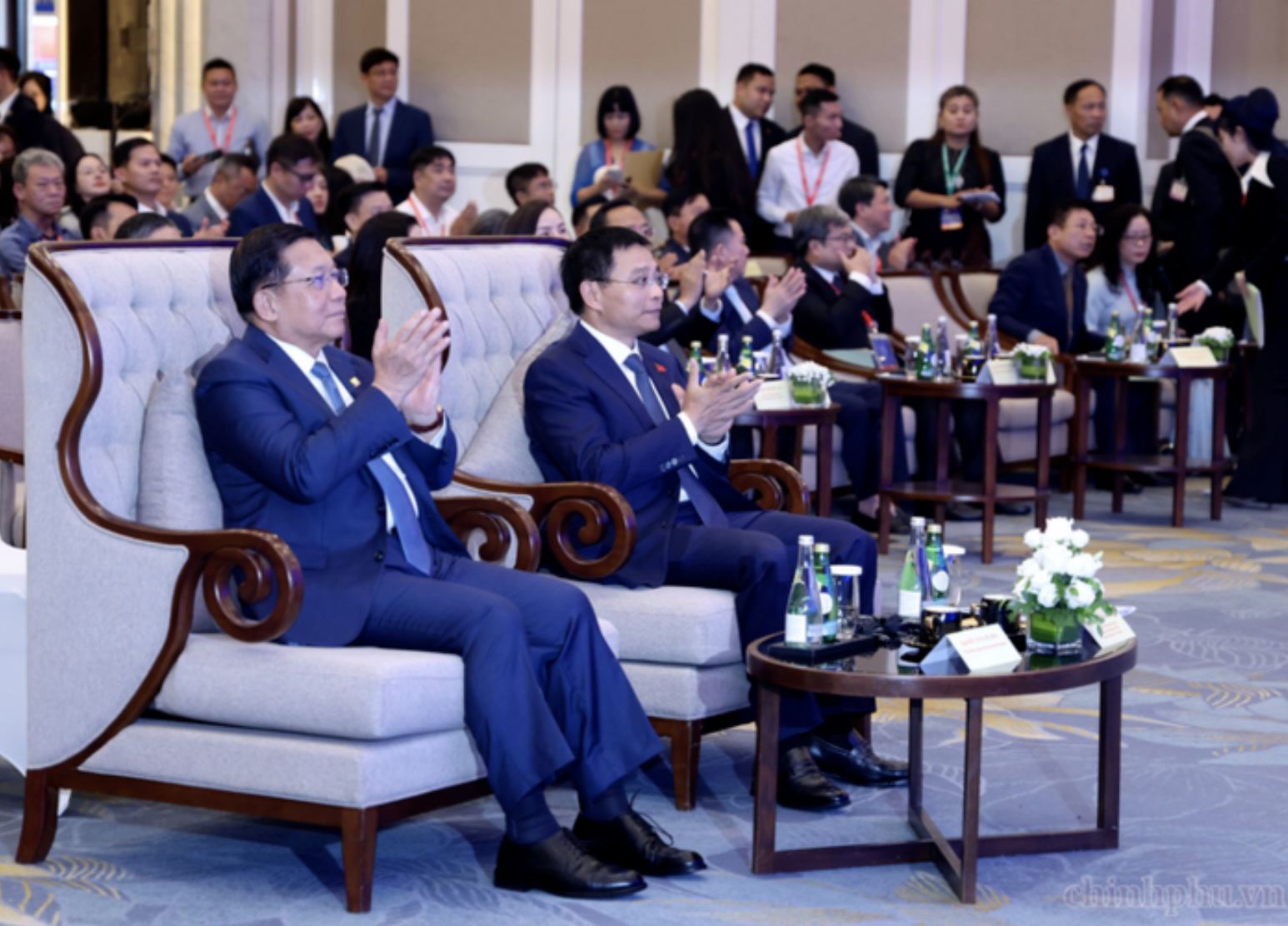
Addressing the Myanmar - Viet Nam Business Forum, Deputy Prime Minister Nguyen Van Thang said the two sides should expand the space for cooperation and leverage their respective resources to support the self-reliant and resilient development of each country, contributing to the implementation of agreements reached by the senior leaders of the two countries.
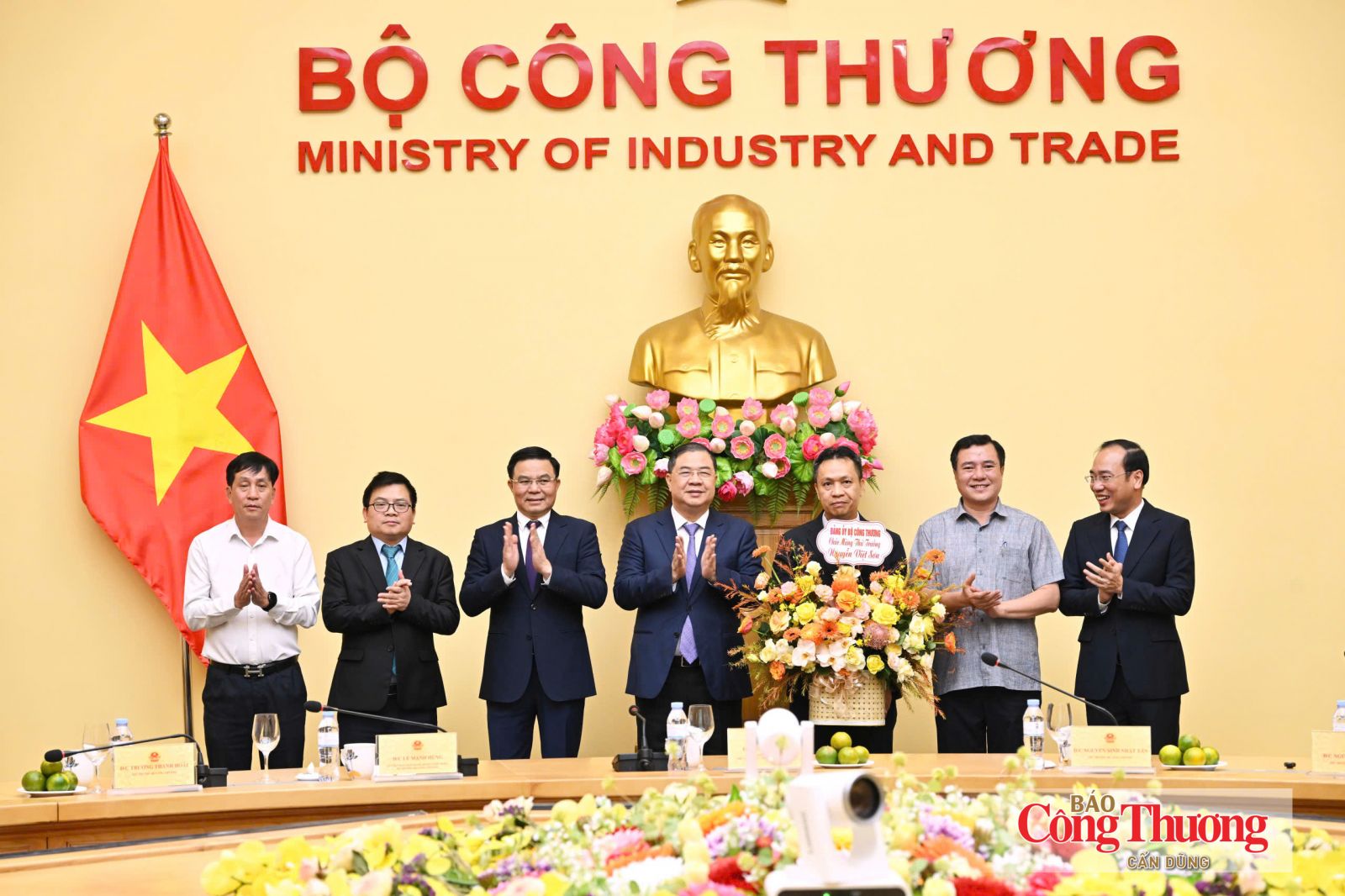
On the afternoon of September 6, at the headquarters of the Ministry of Industry and Trade (MoIT), Politburo member and Standing Deputy Prime Minister Pham Gia Tuc handed over the Prime Minister's decision appointing Nguyen Viet Son as Deputy Minister of Industry and Trade.
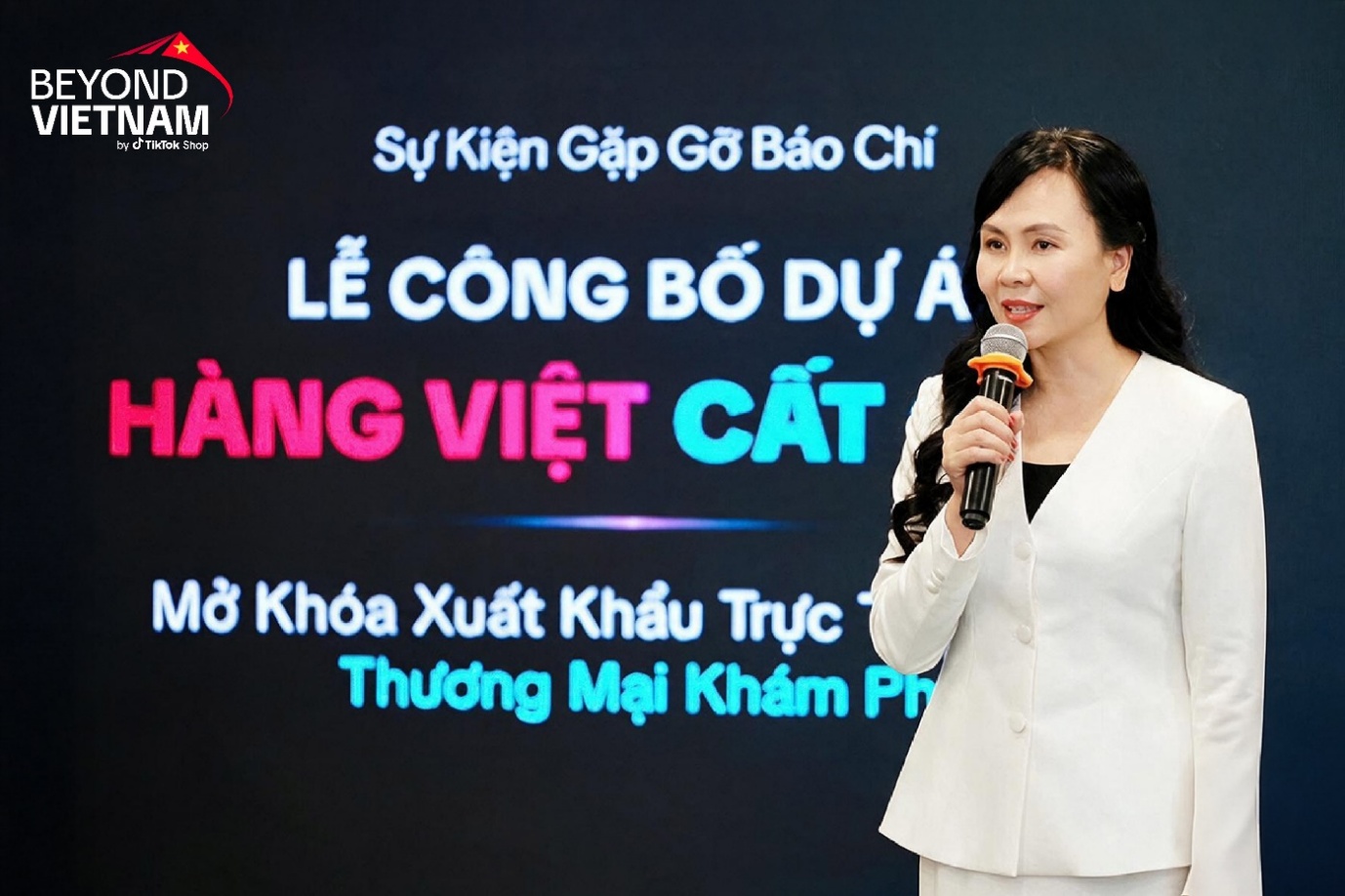
The iDEA and TikTok Shop launched the “Beyond Vietnam” initiative to help Vietnamese businesses build digital export capabilities and expand global market access.
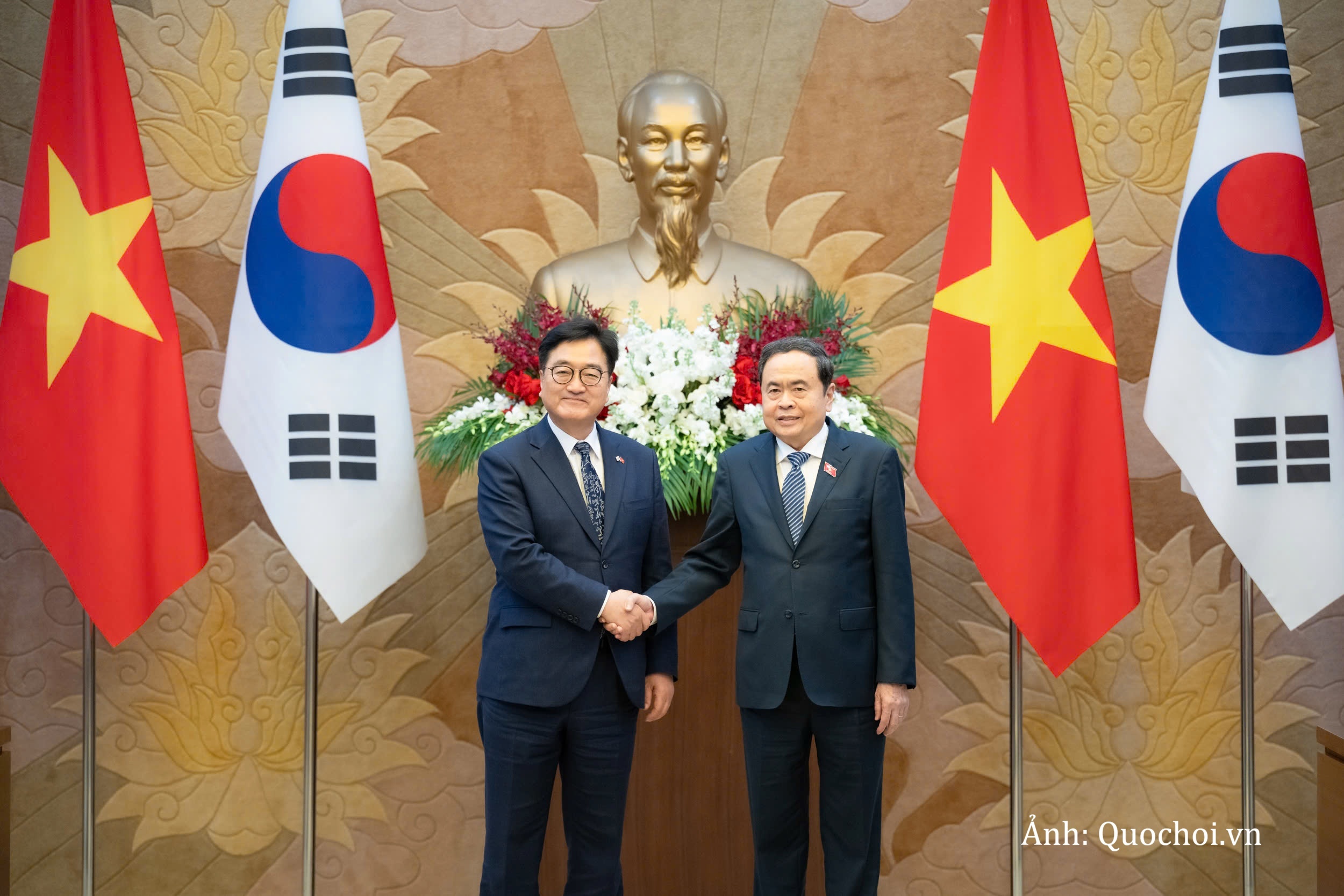
As Viet Nam and the Republic of Korea (RoK) work towards the goal of raising bilateral trade to USD 150 billion, the National Assemblies of the two countries have an important role to play in improving institutions and removing bottlenecks.
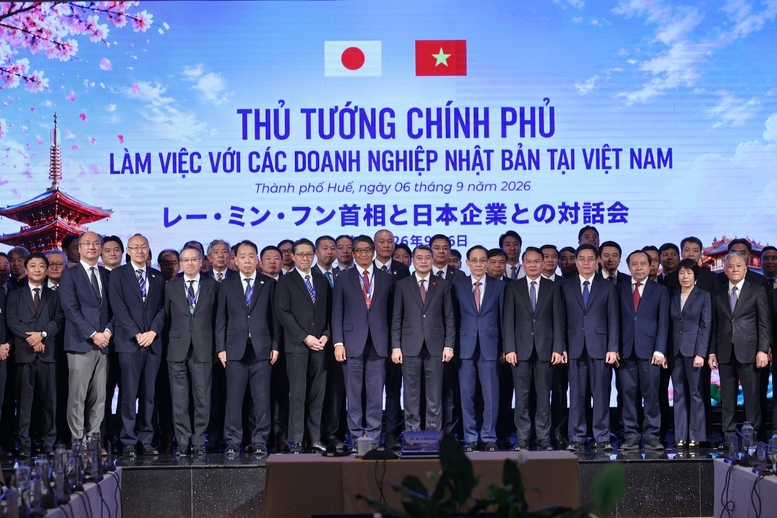
Chairing a meeting with Japanese businesses on the morning of September 6, Prime Minister Le Minh Hung called for Viet Nam - Japan investment ties to shift decisively from a relationship between “investors and investment destinations” toward a partnership for joint development and co-creation, involving joint research, innovation, production, and effective participation in and affirmation of their positions and roles in global value chains.
The iDEA and TikTok Shop launched the “Beyond Vietnam” initiative to help Vietnamese businesses build digital export capabilities and expand global market access.
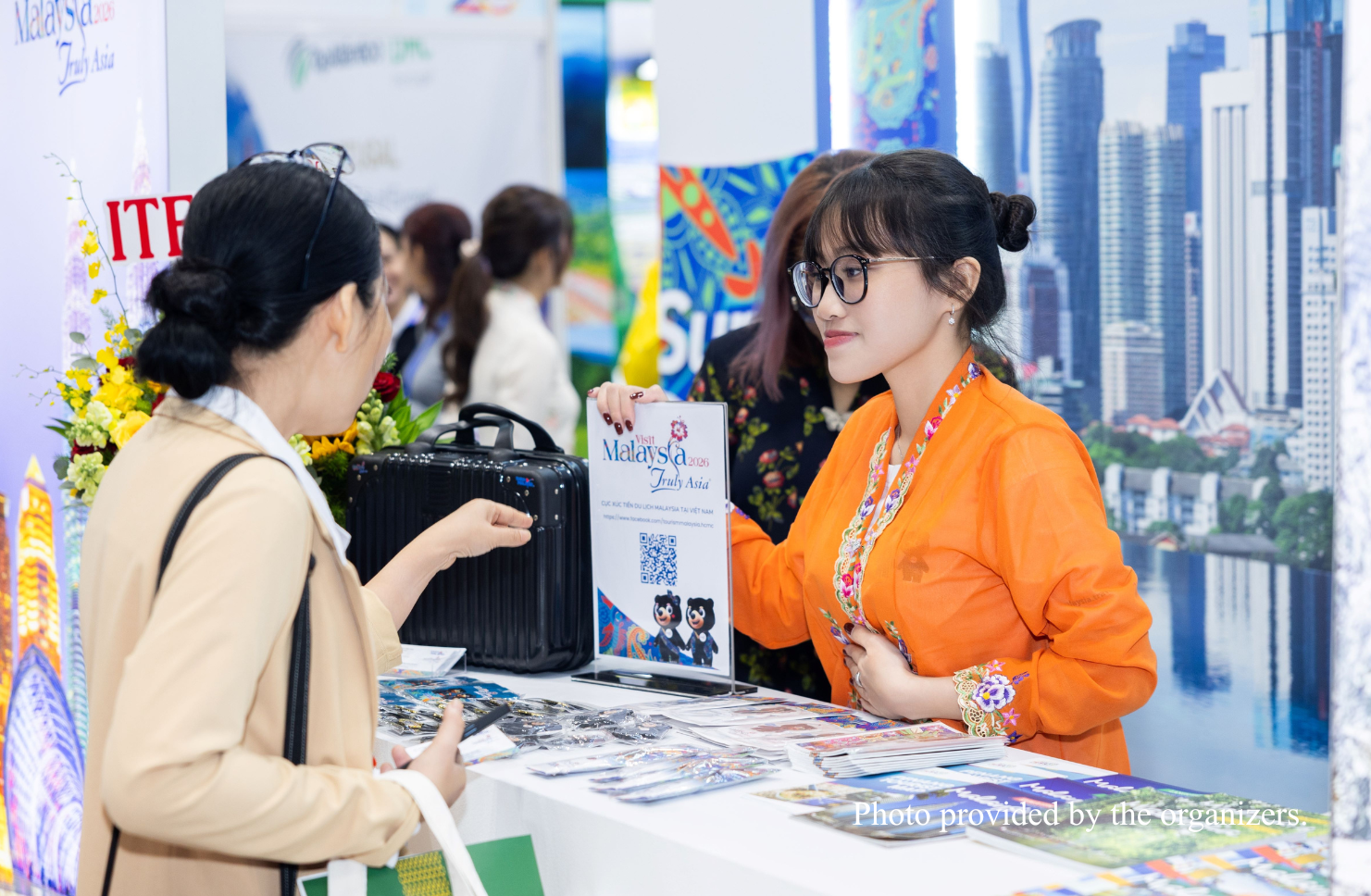
Tourism Malaysia reaffirmed its commitment to the Vietnamese market at ITE HCMC 2026, promoting the extended Visit Malaysia 2026 - 2027 campaign and expanding tourism cooperation.
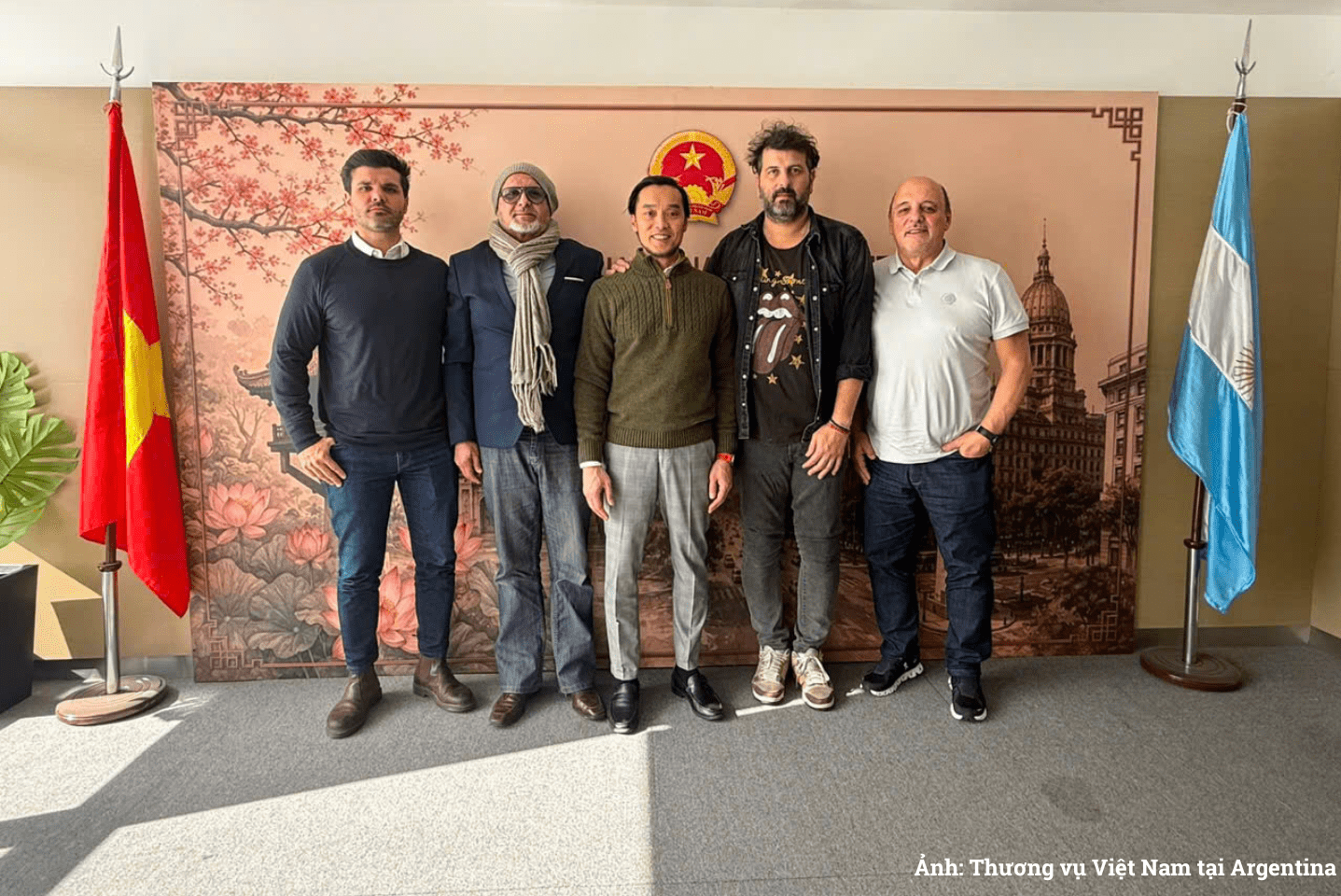
Viet Nam Trade Office in Argentina is boosting business links to expand cooperation in timber, minerals and investment, opening new opportunities for firms in both countries.
Vitafoods Asia 2026 in Thailand highlighted the growing presence of Vietnamese health and nutrition products, opening new opportunities for global market expansion.
Viet Nam is addressing key bottlenecks and improving durian quality to boost exports, with the sector targeting USD 4 billion in export turnover this year.