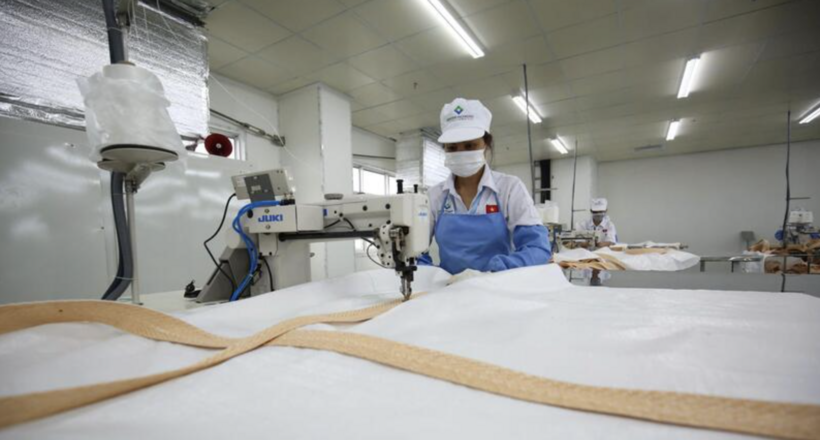
ASEAN, including Thailand and Singapore, has emerged as a major export market for Vietnam’s textile and garment industry, with export turnover maintaining steady growth momentum in recent years.
Stable export growth
ASEAN is widely regarded as a highly important market for Vietnamese textile and garment enterprises. Data from the Vietnam Textile and Apparel Association shows that over the past five years, Vietnam’s textile and garment exports to ASEAN countries have consistently increased, rising from USD 2.033 billion in 2020 to USD 3.1 billion in 2025, representing an average annual export growth rate of 8.8% during the period. Singapore and Thailand are among the bloc’s leading importers of Vietnamese textile and garment products. ASEAN currently accounts for 6.74% of the industry’s total export value.
Vietnam’s textile and garment exports to ASEAN continue to maintain stable growth, creating greater room for intra-regional supply chain cooperation.
Statistics released by the Vietnam Customs Department under the Ministry of Finance also indicate that during the first four months of 2026, Vietnam’s textile and garment exports to several ASEAN markets remained stable, including more than USD 30 million to the Philippines, over USD 26 million to Singapore, and more than USD 96 million to Thailand.
Domestic textile and garment enterprises are also actively tapping into regional markets as a relatively “safe haven” amid mounting uncertainties in major importing countries, where geopolitical tensions, rising inflation and weakening consumer demand continue to weigh on trade activities.
Commenting on the importance of the ASEAN market, Vu Duc Giang said ASEAN is not only a promising market but also home to many of Vietnam’s direct competitors. The region is playing an increasingly important role in global supply chains.
According to experts, ASEAN offers significant geographical advantages for Vietnamese textile and garment businesses, as lower logistics costs help improve the competitiveness of FOB (Free on Board) and EXW (Ex Works) orders.
Fast and cost-efficient transportation allows Vietnamese exporters to remain flexible in handling small- and medium-sized orders, particularly for basic product lines such as uniforms, casual wear and seasonal garments.
In addition, the rapid growth of e-commerce in countries such as Thailand and Singapore is opening up broader and faster access to consumers for Vietnamese businesses.
However, textile and garment exports to ASEAN in general, and to Thailand and Singapore in particular, still face considerable risks. One of the major challenges involves payment and debt recovery. Another issue is that several ASEAN countries are themselves garment manufacturing and exporting hubs, each possessing different competitive strengths.
Nevertheless, Vietnam still has substantial opportunities to expand its market share, especially in product categories such as sportswear, sleepwear, school uniforms, children’s clothing, knitted underwear and office shirts.
Expanding intra-regional supply chains to enhance competitiveness
Beyond being a key export destination, the ASEAN textile and garment sector also holds strong potential for developing intra-regional supply chains in order to maximize the benefits of bilateral and multilateral free trade agreements, while jointly attracting global production shifts from international investors.
In an interview with the Newspaper of Industry and Trade, Nguyen Anh Son said ASEAN is transforming into one of the world’s most dynamic economic blocs. As global supply chains continue to diversify and relocate under the “ASEAN+1” strategy, the region is becoming an increasingly important manufacturing and consumption hub.
Leveraging numerous advantages, ASEAN member states, including Thailand and Singapore, have been actively strengthening ties in trade, investment, diplomacy and politics, with import-export cooperation serving as a key strategic objective.
In particular, from May 27 to 29, General Secretary and State President To Lam and a high-ranking Vietnamese delegation are paying an official visit to Thailand at the invitation of Thai Prime Minister Anutin Charnvirakul. Experts have highly valued the visit, noting that Thailand and Vietnam share close economic ties and mutual dependence. The two countries’ economies and supply chains are closely interconnected, with both sides benefiting from each other’s growth.
Thailand is currently Vietnam’s largest trading partner within ASEAN and the eighth-largest foreign investor in Vietnam, while Vietnam is Thailand’s second-largest trading partner in the region.
The visit by General Secretary and State President To Lam once again reaffirms that the Comprehensive Strategic Partnership between Thailand and Vietnam not only benefits the two countries but also contributes to building ASEAN into a fast-growing and increasingly influential region on the global stage.
Similarly, the visit by General Secretary and State President To Lam and the high-ranking Vietnamese delegation to Singapore from May 29 to 31, 2026, alongside participation in the 23rd Shangri-La Dialogue, has also been viewed as a clear demonstration of Vietnam’s commitment to strengthening relations with regional partners, including Singapore.
Cooperation potential between Vietnam and Singapore extends beyond trade to areas such as logistics, technology transfer and workforce training.
ASEAN, including Thailand and Singapore, is becoming an increasingly important market for Vietnam. In addition to strong trade cooperation prospects, the region also presents significant opportunities for joint supply chain development, helping enhance added value and strengthen competitiveness in global markets.
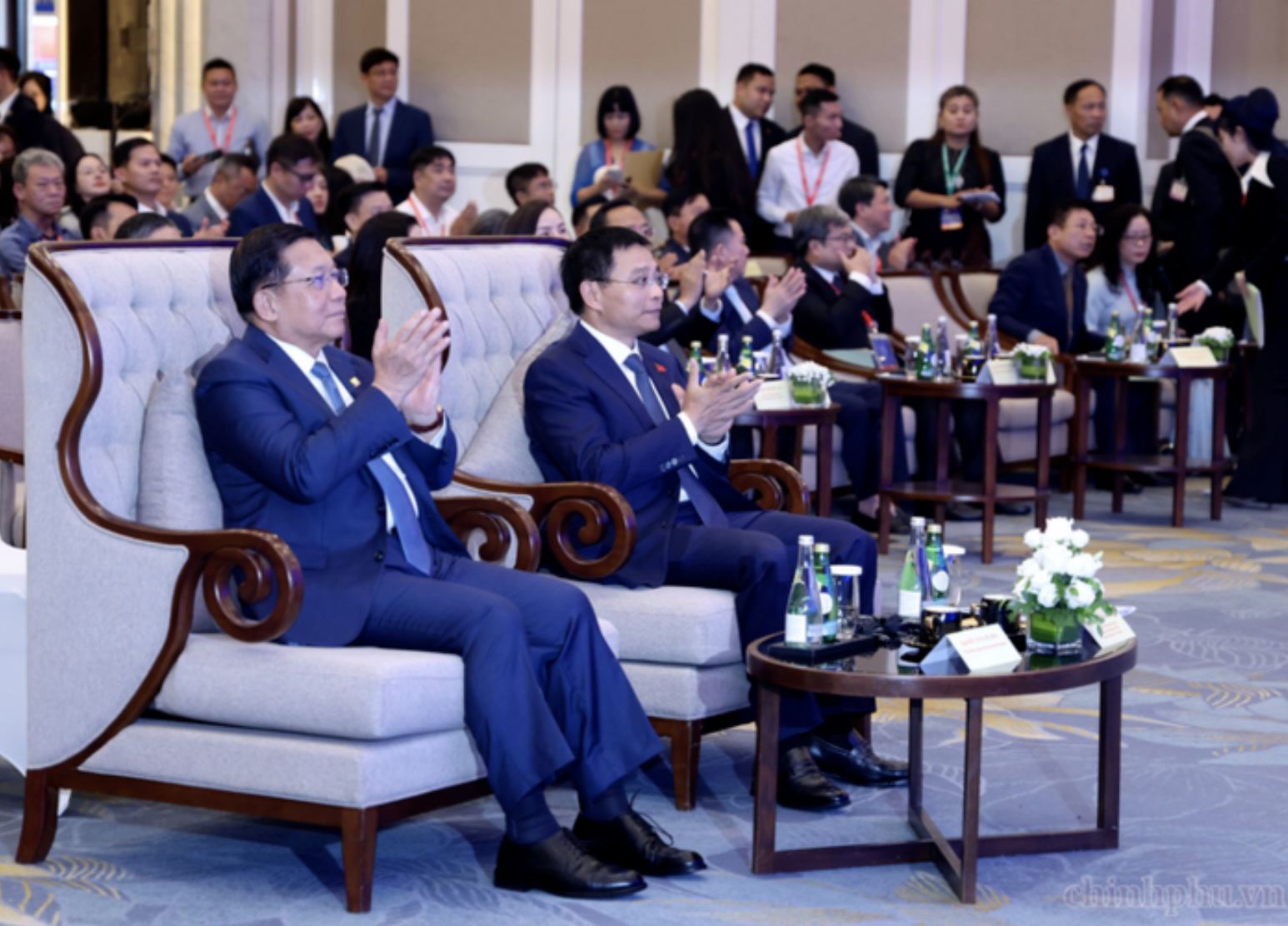
Addressing the Myanmar - Viet Nam Business Forum, Deputy Prime Minister Nguyen Van Thang said the two sides should expand the space for cooperation and leverage their respective resources to support the self-reliant and resilient development of each country, contributing to the implementation of agreements reached by the senior leaders of the two countries.
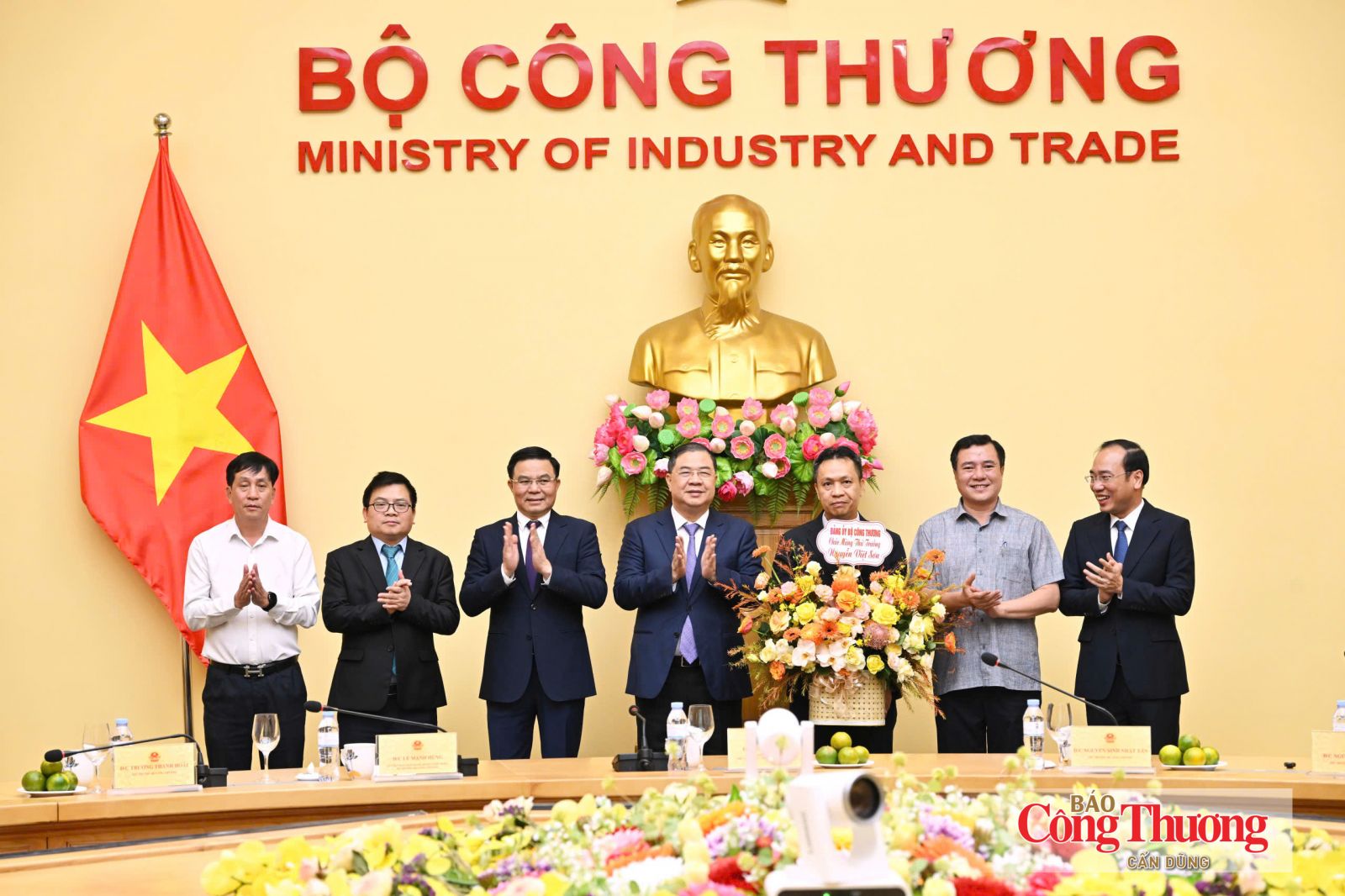
On the afternoon of September 6, at the headquarters of the Ministry of Industry and Trade (MoIT), Politburo member and Standing Deputy Prime Minister Pham Gia Tuc handed over the Prime Minister's decision appointing Nguyen Viet Son as Deputy Minister of Industry and Trade.
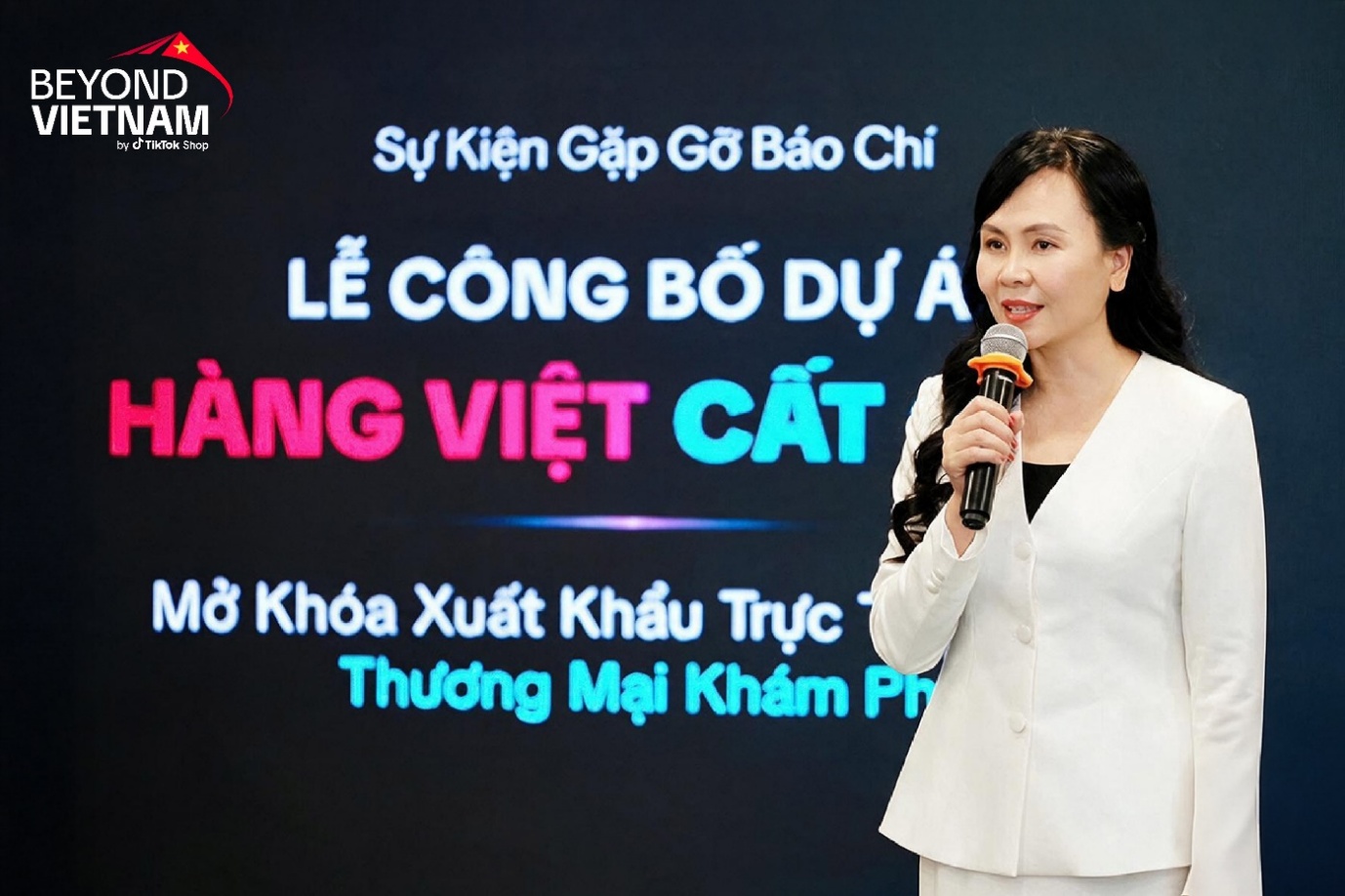
The iDEA and TikTok Shop launched the “Beyond Vietnam” initiative to help Vietnamese businesses build digital export capabilities and expand global market access.
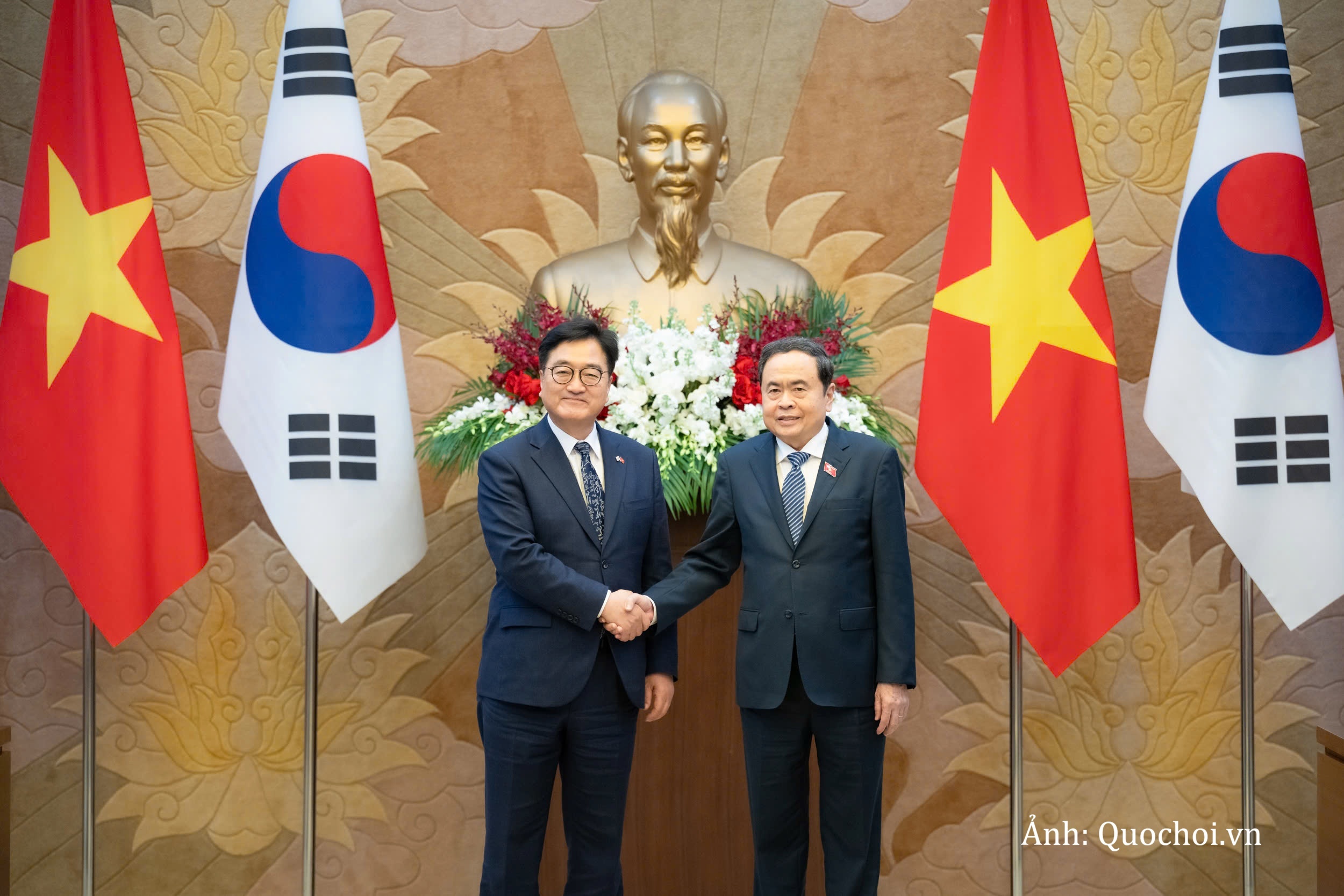
As Viet Nam and the Republic of Korea (RoK) work towards the goal of raising bilateral trade to USD 150 billion, the National Assemblies of the two countries have an important role to play in improving institutions and removing bottlenecks.
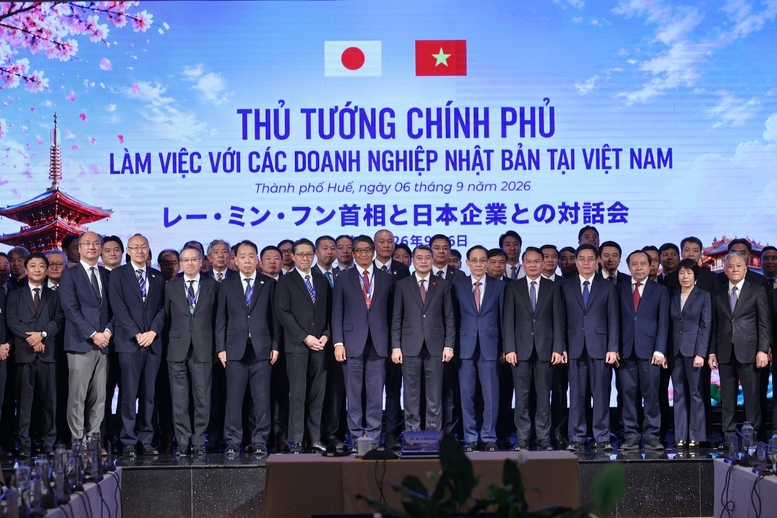
Chairing a meeting with Japanese businesses on the morning of September 6, Prime Minister Le Minh Hung called for Viet Nam - Japan investment ties to shift decisively from a relationship between “investors and investment destinations” toward a partnership for joint development and co-creation, involving joint research, innovation, production, and effective participation in and affirmation of their positions and roles in global value chains.
Addressing the Myanmar - Viet Nam Business Forum, Deputy Prime Minister Nguyen Van Thang said the two sides should expand the space for cooperation and leverage their respective resources to support the self-reliant and resilient development of each country, contributing to the implementation of agreements reached by the senior leaders of the two countries.
On the afternoon of September 6, at the headquarters of the Ministry of Industry and Trade (MoIT), Politburo member and Standing Deputy Prime Minister Pham Gia Tuc handed over the Prime Minister's decision appointing Nguyen Viet Son as Deputy Minister of Industry and Trade.
As Viet Nam and the Republic of Korea (RoK) work towards the goal of raising bilateral trade to USD 150 billion, the National Assemblies of the two countries have an important role to play in improving institutions and removing bottlenecks.
Chairing a meeting with Japanese businesses on the morning of September 6, Prime Minister Le Minh Hung called for Viet Nam - Japan investment ties to shift decisively from a relationship between “investors and investment destinations” toward a partnership for joint development and co-creation, involving joint research, innovation, production, and effective participation in and affirmation of their positions and roles in global value chains.
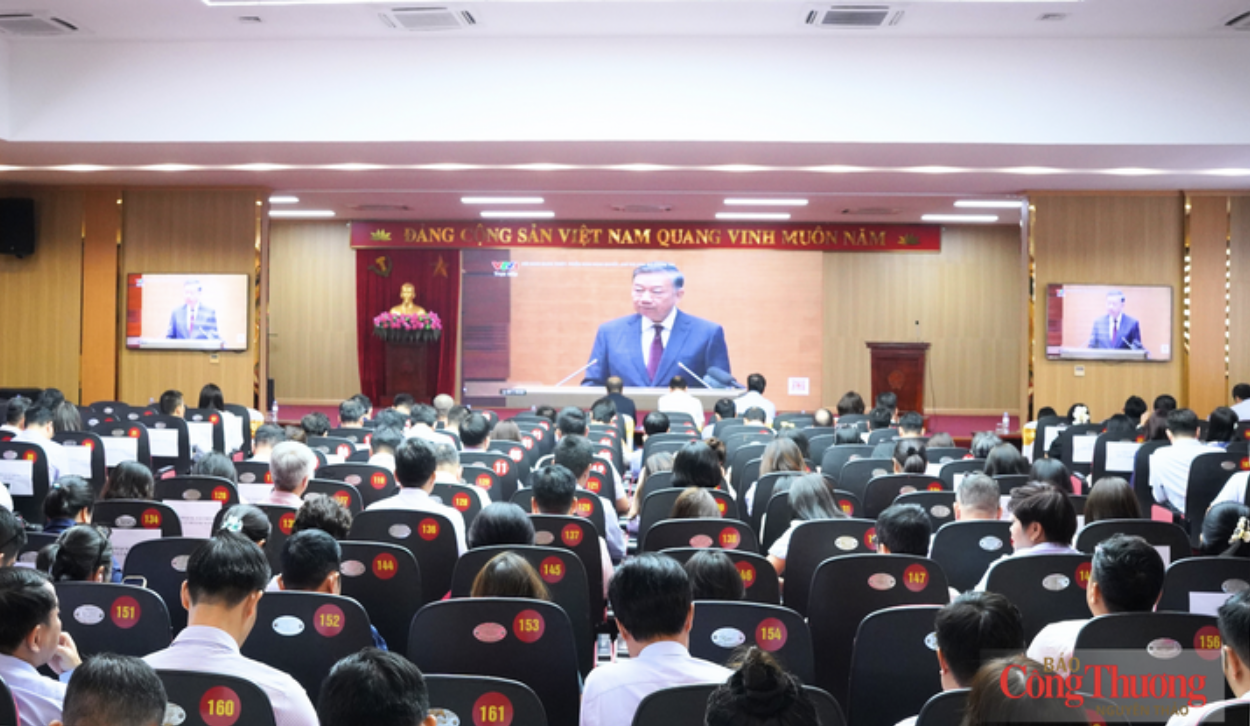
The Ministry of Industry and Trade Party Committee joined a nationwide conference to study and implement key resolutions and directives issued by the Politburo.