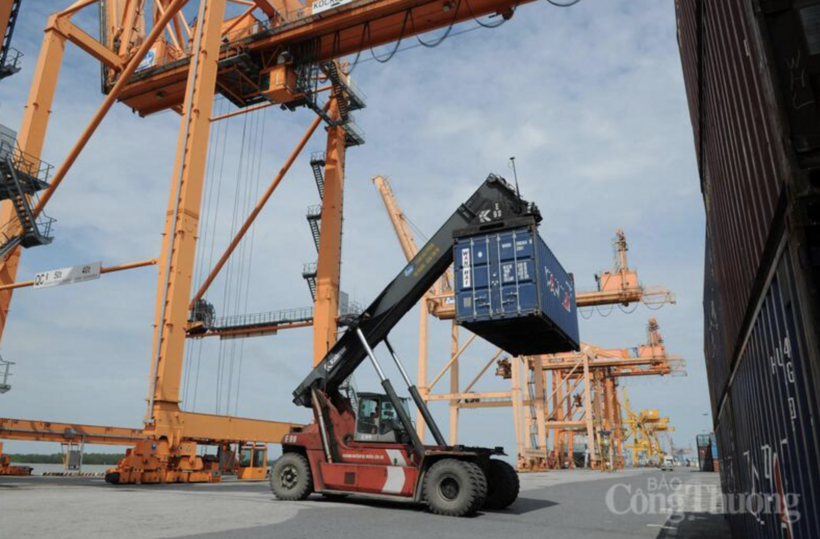
Vietnam’s exports rose 20% in the first four months of 2026, highlighting the resilience and adaptability of businesses amid mounting global uncertainty.
Maintaining growth despite headwinds
As the global economy continues to face uncertainty, prolonged geopolitical conflicts, elevated logistics costs, and increasing trade barriers, Vietnam’s import-export sector has still delivered several positive results in the opening months of 2026.
At a recent working session between Minister of Industry and Trade Le Manh Hung and Agency of Foreign Trade, Nguyen Anh Son, Director General of the agency said total exports in the first four months reached USD 169 billion, up 20% year-on-year, while imports totaled USD 176.7 billion, an increase of 29.4%.
Imports and exports recorded strong growth in the first four months of the year
Although Vietnam recorded a trade deficit during the period, the broader trade picture continued to reflect the economy’s resilience, particularly as demand weakened in many major markets and global supply chains remained under pressure from geopolitical instability.
Export growth was recorded across most major product categories. Processed and manufactured industrial goods rose 21.7%, while fuel and mineral exports increased 28.5%. Industrial products continued to dominate the export structure, accounting for 87.6% of total export turnover, while agricultural and seafood products made up 8.5%.
Among key export sectors, the Vietnam Fruit and Vegetable Association (Vinafruit) reported that fruit and vegetable exports generated nearly USD 2.06 billion in the first four months of 2026, up 22% compared with the same period last year. The strong performance underscored the improving quality and competitiveness of Vietnamese agricultural products in global markets.
Textiles and garments, another major export industry, also maintained growth momentum. According to the Statistics Office under the Ministry of Finance, textile and garment exports exceeded USD 14.5 billion during the January-April period, up 4.3% year-on-year. Yarn exports reached USD 2.62 billion, increasing 20.1%, while garment exports totaled USD 11.96 billion, up 1.3%.
In the US market, Vietnam maintained its position as the leading supplier with a 21.4% market share, significantly ahead of Bangladesh at 11.1% and China at 8.7%.
On the import side, goods serving production and consumption purposes accounted for 89.7% of total import value. The figures reflected rising demand for raw materials, machinery, and equipment to support domestic manufacturing, particularly as foreign direct investment disbursement remained strong from the beginning of the year.
Nguyen Anh Son noted that Vietnam’s import-export activities in 2026 are facing intertwined challenges. Conflict in the Middle East has pushed up global energy prices, leading to higher costs for chemicals, plastics, fertilizers, and steel products. At the same time, freight rates continue to climb and longer delivery times are adding further pressure on exporters.
In addition, major markets are increasingly applying technical barriers, trade remedies, and new commercial measures, posing growing challenges for Vietnamese exports in the coming period.
The target of maintaining average export growth of 15-16% while keeping import growth at 12-13% is also viewed as highly challenging. According to the Import-Export Agency, import demand tied to public investment, industrial production, and supporting industries is rising sharply, while domestic raw material production capacity remains insufficient.
Le Tien Truong, Chairman of Vietnam National Textile and Garment Group (Vinatex), said the industry is currently facing a paradox in which business results in the first half of the year remain positive despite weak macroeconomic indicators and sluggish consumption demand in major export markets. He warned that conditions in the second half of 2026 are expected to become more difficult.
Expanding markets and promoting sustainable exports
Against this backdrop, Nguyen Anh Son said institutional reform, market diversification, and effective utilization of free trade agreements (FTAs) remain key priorities.
In the first four months of 2026, the Import-Export Agency submitted seven circulars related to import-export activities for issuance by ministry leaders, while continuing work on four decrees, one prime ministerial decision, and eight additional circulars.
One of the Ministry of Industry and Trade’s major initiatives is the development of the Import-Export Strategy to 2030 with a vision to 2045. The ministry has requested ministries, sectors, and localities to review implementation results and propose content for the new strategy.
At the same time, logistics development is being accelerated. On March 13, 2026, the ministry issued an action plan to implement Vietnam’s Logistics Services Development Strategy for the 2025-2035 period with a vision toward 2050.
According to the Import-Export Agency, Vietnam’s logistics costs currently account for 16-18% of GDP, significantly higher than the global average of around 10-11% and above levels seen in many regional economies with more developed logistics systems. The issue is considered a major bottleneck affecting the competitiveness of Vietnamese exports.
Going forward, the agency will focus on drafting a new decree to replace Decree No. 163/2017/ND-CP on logistics service business operations, while implementing projects under the national logistics strategy, organizing the Vietnam Logistics Forum 2026, and promoting trade missions to expand international cooperation opportunities.
Alongside institutional improvements, market promotion and business support efforts will continue to intensify throughout 2026.
According to the agency’s report, officials have worked with numerous export industry associations to address difficulties facing businesses in support of the country’s double-digit growth target. The agency is also closely monitoring market developments and policy changes in importing countries to provide timely policy recommendations.
In the area of rules of origin, authorities and organizations authorized to issue certificates of origin (C/O) granted 811,773 C/O documents during the first four months of the year. To date, 32 out of 34 provincial and municipal Departments of Industry and Trade have implemented decentralized C/O issuance procedures.
The agency is also coordinating with local authorities to improve the efficiency of C/O issuance while expanding communication and training programs on rules of origin to help businesses make better use of FTA incentives.
In border trade, efforts to promote official trade channels with China remain a priority as the country tightens quality standards for imported goods. Authorities are also monitoring cargo flows to prevent congestion at border gates while advancing smart border gate models in frontier provinces.
For rice exports, the Import-Export Agency continues to implement export management in line with existing regulations and policy objectives, while organizing the 2026 Rice Export Promotion Conference and holding bilateral exchanges with traditional markets such as Malaysia, Indonesia, and the Philippines.
Toward the end of 2026, Vietnam’s import-export strategy will focus on promoting high value-added and innovation-driven products that meet green, environmental, social, and governance (ESG) standards, while enabling deeper participation in strategic global supply chains.
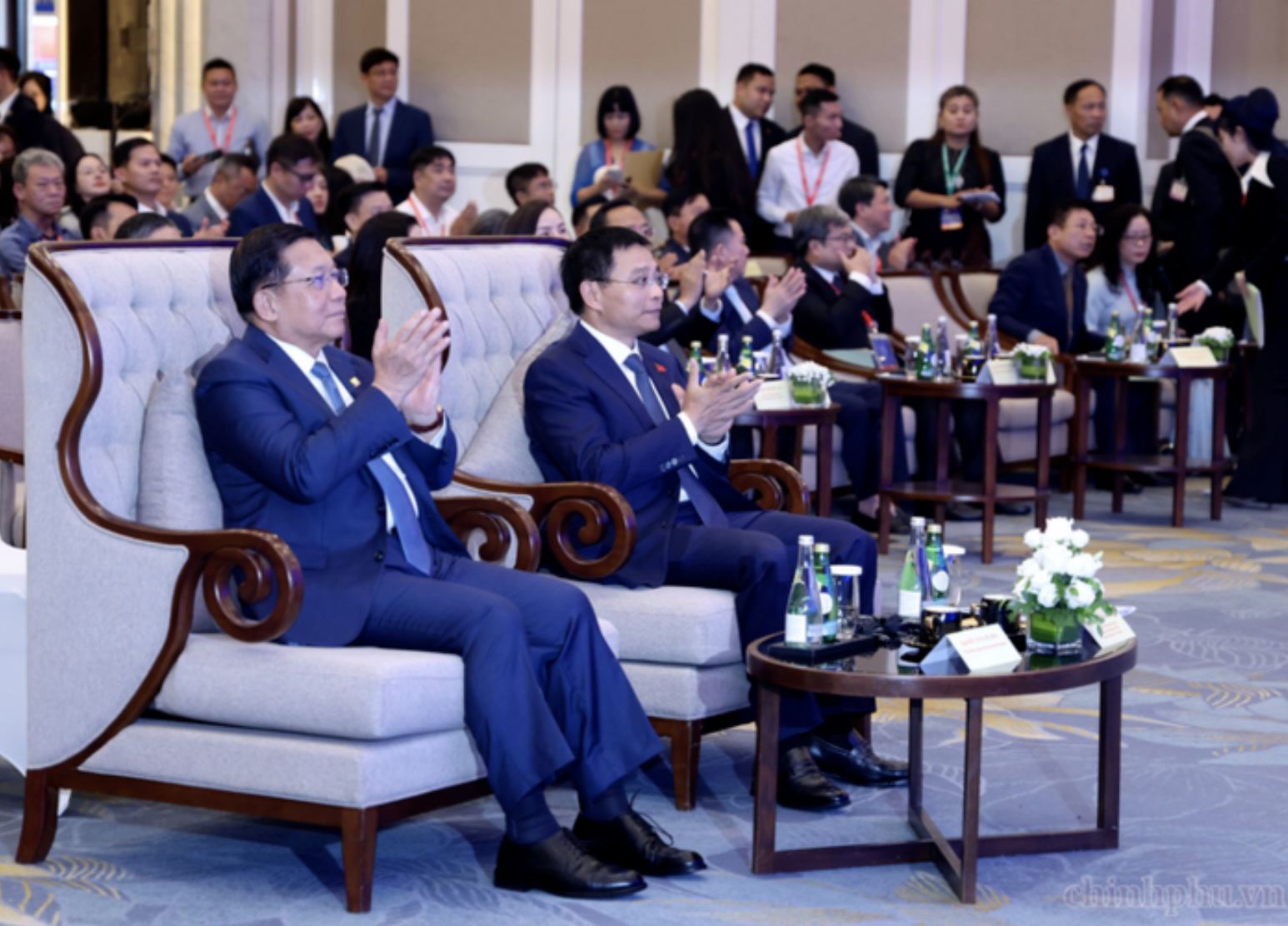
Addressing the Myanmar - Viet Nam Business Forum, Deputy Prime Minister Nguyen Van Thang said the two sides should expand the space for cooperation and leverage their respective resources to support the self-reliant and resilient development of each country, contributing to the implementation of agreements reached by the senior leaders of the two countries.
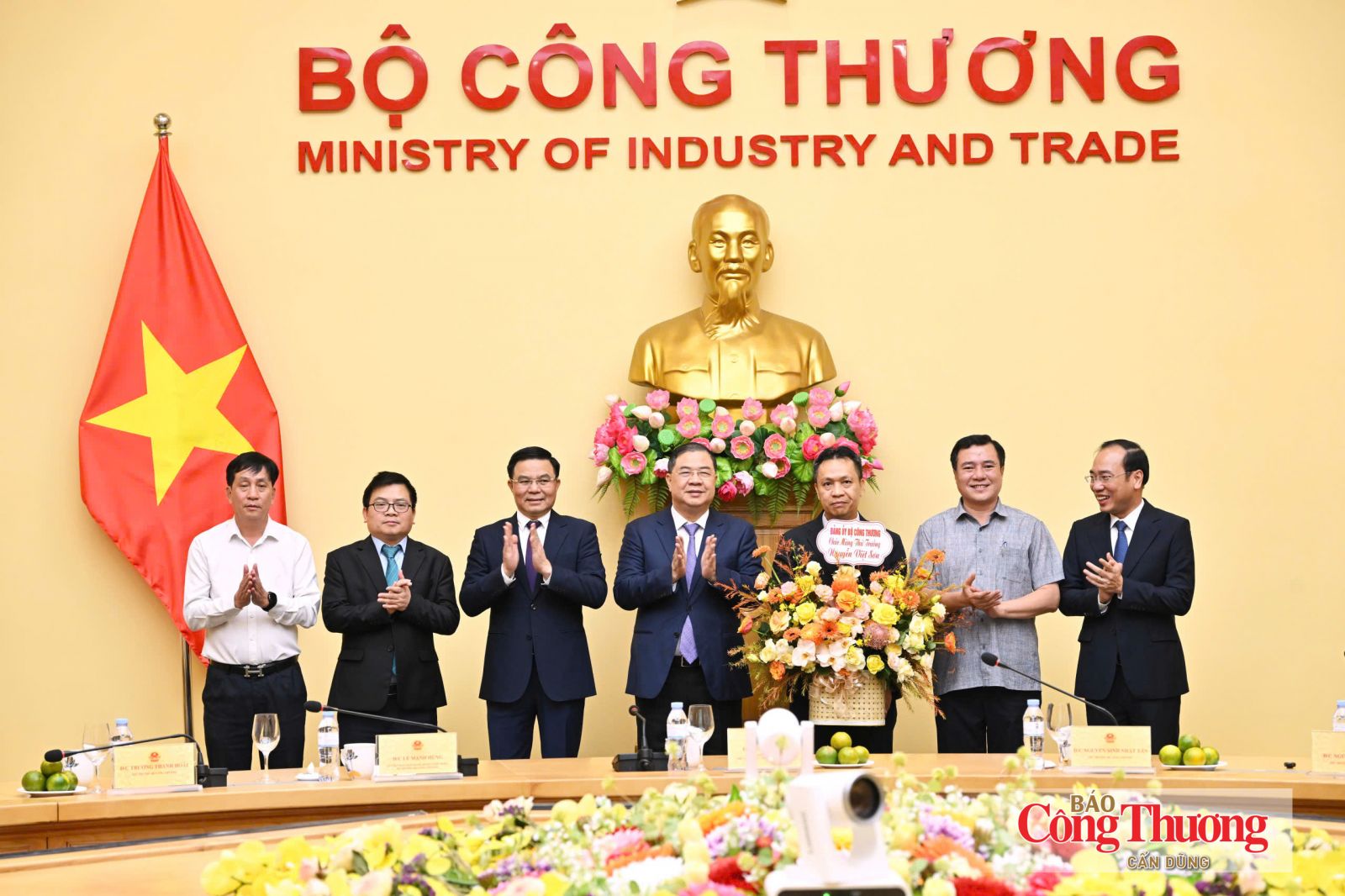
On the afternoon of September 6, at the headquarters of the Ministry of Industry and Trade (MoIT), Politburo member and Standing Deputy Prime Minister Pham Gia Tuc handed over the Prime Minister's decision appointing Nguyen Viet Son as Deputy Minister of Industry and Trade.
The iDEA and TikTok Shop launched the “Beyond Vietnam” initiative to help Vietnamese businesses build digital export capabilities and expand global market access.
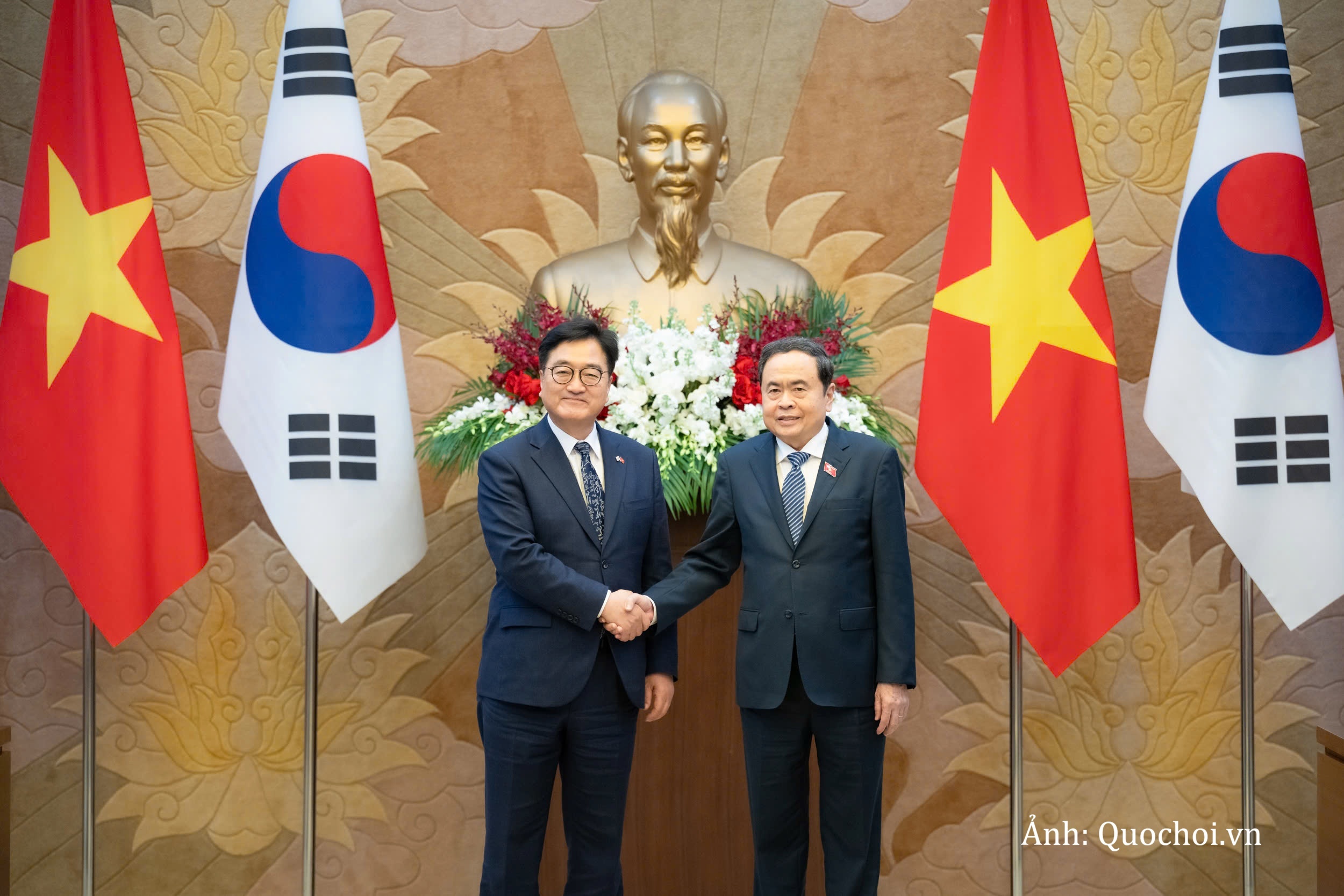
As Viet Nam and the Republic of Korea (RoK) work towards the goal of raising bilateral trade to USD 150 billion, the National Assemblies of the two countries have an important role to play in improving institutions and removing bottlenecks.
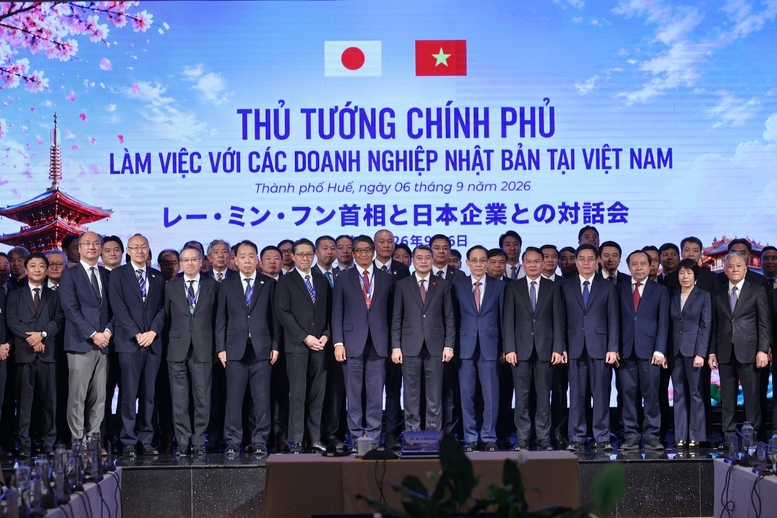
Chairing a meeting with Japanese businesses on the morning of September 6, Prime Minister Le Minh Hung called for Viet Nam - Japan investment ties to shift decisively from a relationship between “investors and investment destinations” toward a partnership for joint development and co-creation, involving joint research, innovation, production, and effective participation in and affirmation of their positions and roles in global value chains.
The iDEA and TikTok Shop launched the “Beyond Vietnam” initiative to help Vietnamese businesses build digital export capabilities and expand global market access.
Tourism Malaysia reaffirmed its commitment to the Vietnamese market at ITE HCMC 2026, promoting the extended Visit Malaysia 2026 - 2027 campaign and expanding tourism cooperation.
Viet Nam Trade Office in Argentina is boosting business links to expand cooperation in timber, minerals and investment, opening new opportunities for firms in both countries.
Vitafoods Asia 2026 in Thailand highlighted the growing presence of Vietnamese health and nutrition products, opening new opportunities for global market expansion.
Viet Nam is addressing key bottlenecks and improving durian quality to boost exports, with the sector targeting USD 4 billion in export turnover this year.