According to the Ministry of Industry and Trade, the rollout of E10 biofuel gasoline is not intended to impose or limit consumer choice, but to support energy security and promote green, sustainable development.
E10 adoption aimed at strengthening energy security and fulfilling international commitments
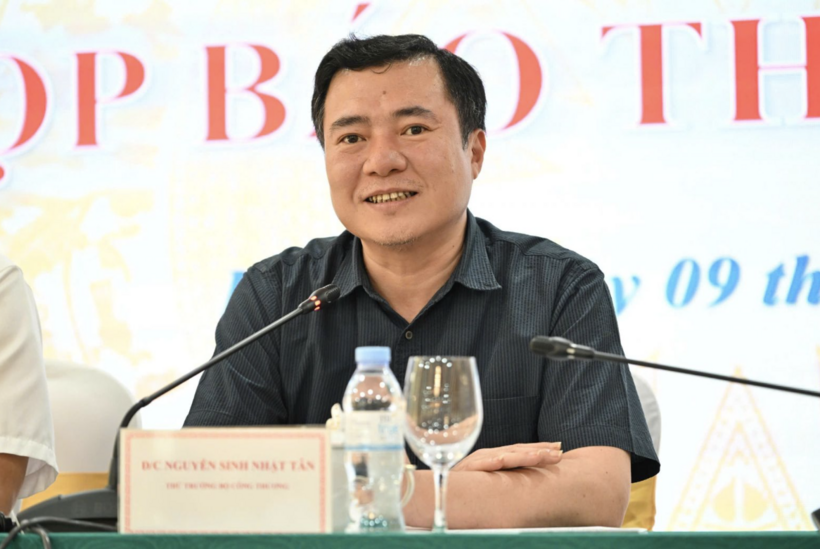
Speaking on the afternoon of May 27 about the roadmap for E10 gasoline, which will take effect from June 1, 2026, Deputy Minister of Industry and Trade Nguyen Sinh Nhat Tan said the ministry issued Circular No. 50/2025/TT-BCT on November 7, 2025, regulating the roadmap for blending biofuels with traditional fuels in Vietnam. Under the regulation, biofuel gasoline will be distributed nationwide starting June 1, 2026.
The roadmap is being implemented in line with major Party and State policies, including Politburo Resolution No. 55-NQ/TW on Vietnam’s national energy development strategy to 2030 with a vision to 2045, and Resolution No. 70-NQ/TW dated August 20, 2025 on ensuring national energy security through 2030 with a vision to 2045. These documents emphasize reducing dependence on fossil fuels, lowering emissions and protecting the environment.
Deputy Minister of Industry and Trade Nguyen Sinh Nhat Tan
At the same time, the Ministry of Industry and Trade is implementing several decisions issued by the Prime Minister, including Decision No. 1658/QD-TTg dated October 1, 2021 approving the national green growth strategy for 2021-2030 with a vision to 2040, and Decision No. 215/QD-TTg dated March 1, 2024 approving Vietnam’s national energy development strategy through 2030 with a vision to 2045. These policies set targets for renewable and green energy development as well as CO2 emissions reduction.
Decision No. 53/2012/QD-TTg dated November 22, 2012 on the roadmap for applying blending ratios of biofuels with traditional fuels stipulated that after a trial period, E5 gasoline would be distributed nationwide from December 1, 2015, while E10 gasoline would be introduced nationwide from December 1, 2017.
Following Decision 53, E5 gasoline was officially rolled out nationwide from January 1, 2018 after extensive testing. However, the E10 roadmap outlined in the decision had yet to be implemented. The Ministry of Industry and Trade therefore reported to the Prime Minister to continue implementing the roadmap in accordance with the spirit of Decision 53.
As a result, the nationwide transition to biofuel gasoline products E5RON92 and E10RON95 from June 1, 2026 is viewed as the next step in implementing Vietnam’s biofuel roadmap, in line with practical requirements, the legal framework, and the Party and Government’s policies on energy transition, green economic development and carbon emissions reduction.
“The implementation of the biofuel gasoline roadmap is not an imposed policy nor an attempt to restrict people’s freedom of choice. It stems from the need for sustainable development, energy security, environmental protection and Vietnam’s international commitments on greenhouse gas emissions reduction,” Deputy Minister Nguyen Sinh Nhat Tan stressed.
Tan added that in previous years, mineral gasoline and biofuel gasoline were distributed simultaneously to allow consumers time to adapt, while businesses gradually improved distribution infrastructure, technical systems and supply chains. However, international experience shows that maintaining too many fuel types over a prolonged period can create inefficiencies, including higher logistics, storage and distribution costs, difficulties for retailers, and reduced effectiveness of green energy transition policies.
He also emphasized that E10 gasoline has undergone research, testing and evaluation and is considered compatible with most vehicles currently in circulation. The use of E10 not only helps reduce emissions but also lowers dependence on imported fossil fuels, promotes domestic biofuel feedstock consumption, creates demand for agricultural products and enhances national energy self-reliance.
“We also want to emphasize that the transition roadmap is being implemented step by step with careful impact assessments, not abruptly. During the implementation process, the Ministry of Industry and Trade will continue coordinating with ministries, agencies and businesses to ensure stable supply, fuel quality and consumer rights, while also providing transparent information so people can confidently use the fuel,” Tan said.
Preparations underway for E10 rollout
Regarding preparations for E10 supply, Deputy Minister Nguyen Sinh Nhat Tan said that immediately after the issuance of Circular No. 50/2025/TT-BCT, the ministry coordinated with ministries, local authorities and businesses to implement a range of synchronized measures to ensure a stable transition without disrupting the market.
So far, preparations have largely been completed across three key areas: E100 ethanol supply, blending capacity and retail distribution systems.
Specifically, with Vietnam’s gasoline consumption estimated at around 1 million cubic meters per month, the country will require about 100,000 cubic meters of E100 ethanol monthly. Domestic production currently supplies around 25,000 cubic meters per month, while imports account for approximately 75,000 cubic meters. Businesses have proactively secured sufficient supplies to meet blending demand.
As of the end of May 2026, 13 out of 26 fuel wholesalers nationwide had invested in biofuel blending stations with a combined blending capacity exceeding 1 million cubic meters per month, surpassing total national fuel demand. Of these, three companies have already received blending licenses with combined capacity of around 890,000 cubic meters per month, while 10 others are awaiting approval for E10 blending operations with combined capacity of about 297,600 cubic meters per month.
Meanwhile, Binh Son Refining and Petrochemical is also capable of blending E5 and E10 gasoline with a capacity of around 20,000-40,000 cubic meters per month in May 2026 and 70,000-90,000 cubic meters per month from June 2026 if required.
The fuel distribution network, the final stage of the supply chain, plays a decisive role in bringing E10 gasoline to the market. Unlike production and blending, the current distribution infrastructure, including storage depots, wholesale terminals, retail stations and logistics systems, has already been developed nationwide. Therefore, switching from RON95 mineral gasoline to E10 mainly requires operational adjustments rather than major infrastructure investment. Overall, the distribution system is considered ready for the transition.
E10 expected to deliver multiple benefits
Deputy Minister Nguyen Sinh Nhat Tan said the development and use of biofuel gasoline is a global trend aimed at reducing dependence on fossil fuels, protecting the environment and promoting green energy transition. For Vietnam, the use of E5 and E10 gasoline is expected to bring several major benefits.
First are environmental benefits. Biofuel gasoline contains ethanol blended from biological feedstock, helping reduce CO2, CO and other pollutant emissions during combustion, thereby supporting Vietnam’s commitment to achieving net-zero emissions by 2050.
Second are energy security benefits. Increasing the use of biofuels will help reduce dependence on imported fossil fuels, diversify energy sources and strengthen national energy autonomy.
Third are socio-economic benefits. Biofuel development is expected to support agriculture, ethanol processing industries, job creation and domestic agricultural consumption, while reviving previously invested ethanol plants and improving the economic efficiency of related projects.
The Deputy Minister stressed that Vietnam’s transition to biofuel gasoline is not a sudden move but part of a long-term roadmap. Since 2018, E5RON92 gasoline has been distributed nationwide and has operated stably. The implementation of E10 represents the next phase in Vietnam’s energy transition strategy, aligned with international trends and sustainable development goals.
Addressing concerns about engine compatibility with E10 gasoline, Nguyen Sinh Nhat Tan said the Ministry of Industry and Trade has worked with technical agencies, universities, fuel and engine experts, automobile and motorcycle associations, and related businesses to assess compatibility levels.
“Reviews, assessments and international experience show that most cars and motorcycles currently in circulation in Vietnam can use E10 gasoline in accordance with manufacturers’ recommendations. In fact, E10 is already widely used in countries such as the United States, Brazil, Thailand and the Philippines,” Deputy Minister noted.
Vietnam has also conducted pilot programs and real-world E10 distribution trials through several major fuel distributors before the nationwide rollout. So far, there has been no scientifically grounded evidence or official technical conclusion indicating that E5 or E10 gasoline causes widespread engine problems.
However, for older vehicles, infrequently used vehicles or those with poorly maintained fuel systems, the ministry recommends regular maintenance and adherence to manufacturers’ fuel recommendations to ensure operational efficiency.
Deputy Minister Nguyen Sinh Nhat Tan said Circular 50 clearly stipulates that while E10 gasoline will be promoted, E5RON92 distribution will continue. The goal is to accommodate older vehicles or those not yet compatible with E10. According to current estimates, E5 gasoline will remain available for another five years, through 2030, ensuring compatibility for all vehicles currently in circulation.
“The ministry’s view is that biofuel development must go hand in hand with technical safety requirements, fuel quality assurance and consumer rights protection,” Deputy Minister emphasized.
Looking ahead, the Ministry of Industry and Trade plans to continue coordinating closely with ministries, local authorities and businesses to implement several groups of measures, including ensuring stable E5 and E10 supply, closely monitoring market developments and blending capacity, strengthening fuel quality inspections throughout the supply chain, improving policies supporting blending and storage infrastructure investment, and expanding public communication efforts to provide transparent, science-based information about biofuels.
The ministry is also studying mechanisms for receiving feedback and providing technical support to both consumers and businesses during the initial implementation period through fuel distributors and appropriate communication channels.
According to the ministry, the implementation of the biofuel roadmap must balance the goals of green energy transition, environmental protection, fuel market stability and the legitimate interests of both consumers and businesses.
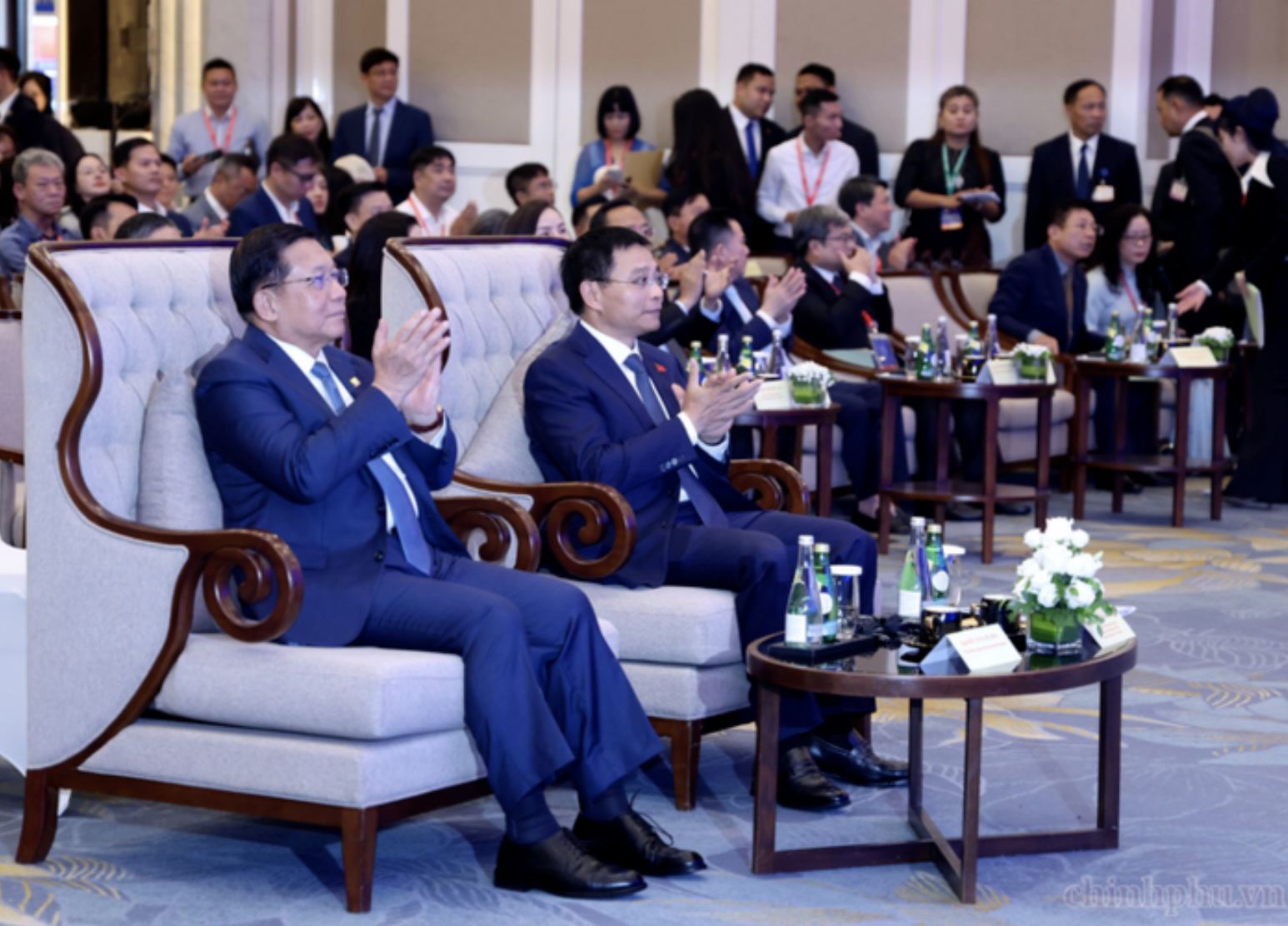
Addressing the Myanmar - Viet Nam Business Forum, Deputy Prime Minister Nguyen Van Thang said the two sides should expand the space for cooperation and leverage their respective resources to support the self-reliant and resilient development of each country, contributing to the implementation of agreements reached by the senior leaders of the two countries.
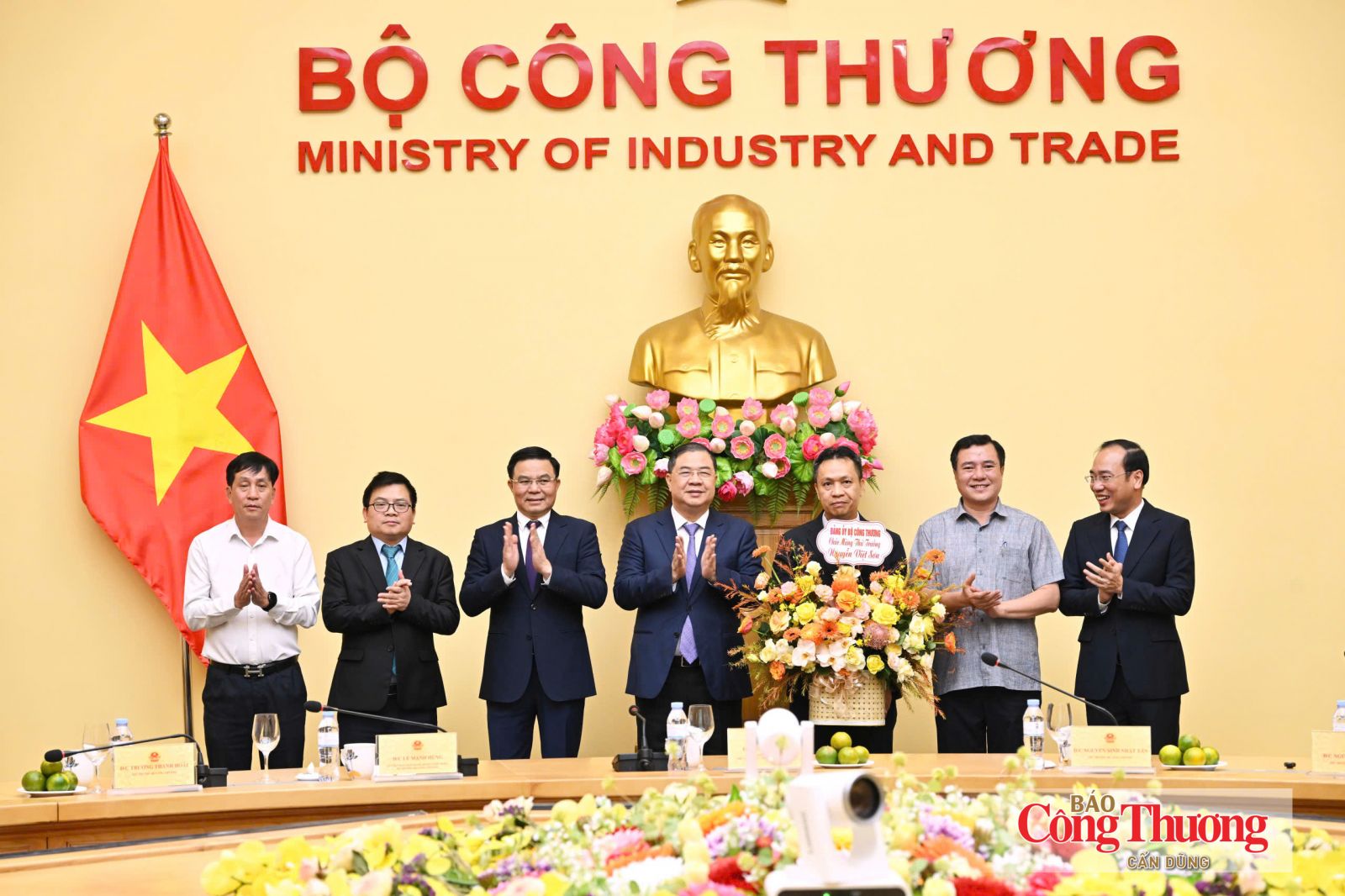
On the afternoon of September 6, at the headquarters of the Ministry of Industry and Trade (MoIT), Politburo member and Standing Deputy Prime Minister Pham Gia Tuc handed over the Prime Minister's decision appointing Nguyen Viet Son as Deputy Minister of Industry and Trade.
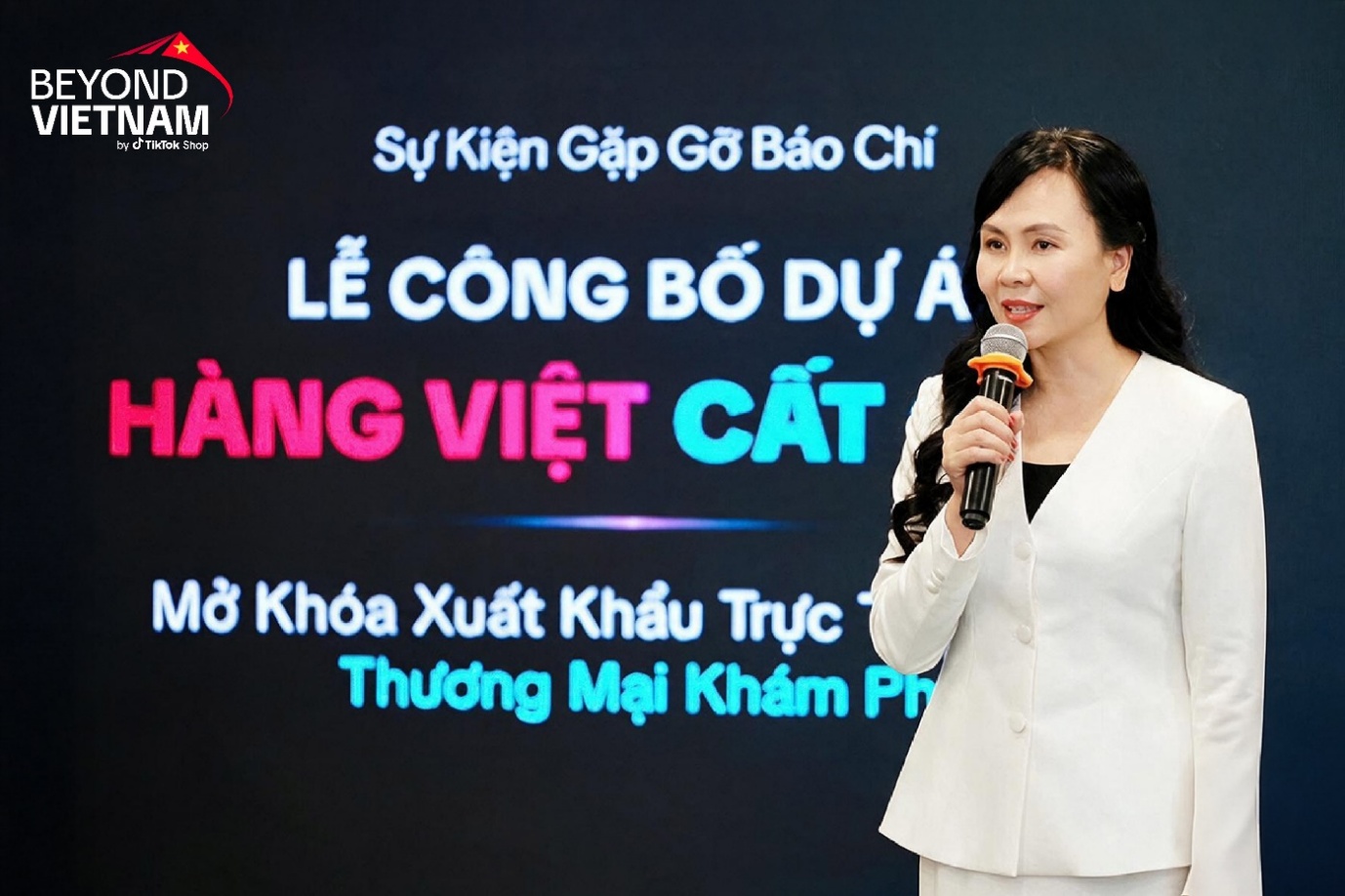
The iDEA and TikTok Shop launched the “Beyond Vietnam” initiative to help Vietnamese businesses build digital export capabilities and expand global market access.
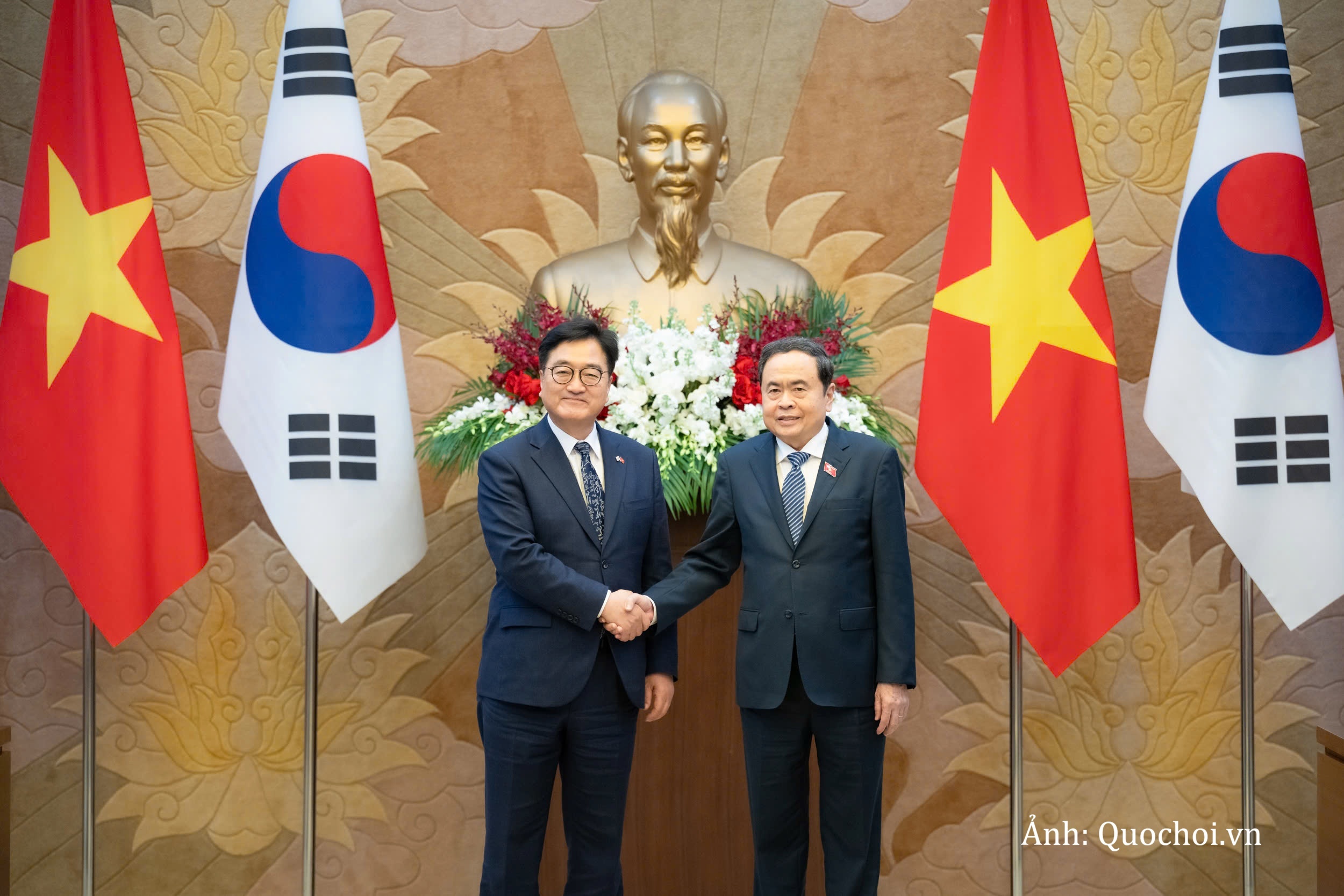
As Viet Nam and the Republic of Korea (RoK) work towards the goal of raising bilateral trade to USD 150 billion, the National Assemblies of the two countries have an important role to play in improving institutions and removing bottlenecks.
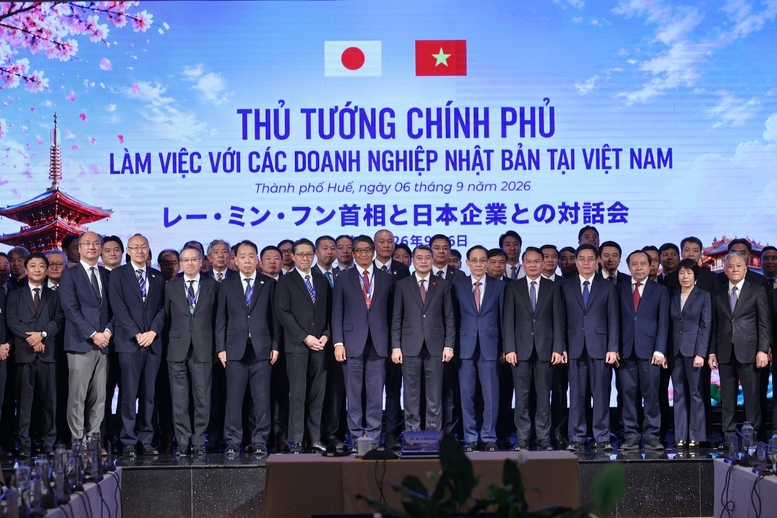
Chairing a meeting with Japanese businesses on the morning of September 6, Prime Minister Le Minh Hung called for Viet Nam - Japan investment ties to shift decisively from a relationship between “investors and investment destinations” toward a partnership for joint development and co-creation, involving joint research, innovation, production, and effective participation in and affirmation of their positions and roles in global value chains.
Addressing the Myanmar - Viet Nam Business Forum, Deputy Prime Minister Nguyen Van Thang said the two sides should expand the space for cooperation and leverage their respective resources to support the self-reliant and resilient development of each country, contributing to the implementation of agreements reached by the senior leaders of the two countries.
On the afternoon of September 6, at the headquarters of the Ministry of Industry and Trade (MoIT), Politburo member and Standing Deputy Prime Minister Pham Gia Tuc handed over the Prime Minister's decision appointing Nguyen Viet Son as Deputy Minister of Industry and Trade.
As Viet Nam and the Republic of Korea (RoK) work towards the goal of raising bilateral trade to USD 150 billion, the National Assemblies of the two countries have an important role to play in improving institutions and removing bottlenecks.
Chairing a meeting with Japanese businesses on the morning of September 6, Prime Minister Le Minh Hung called for Viet Nam - Japan investment ties to shift decisively from a relationship between “investors and investment destinations” toward a partnership for joint development and co-creation, involving joint research, innovation, production, and effective participation in and affirmation of their positions and roles in global value chains.
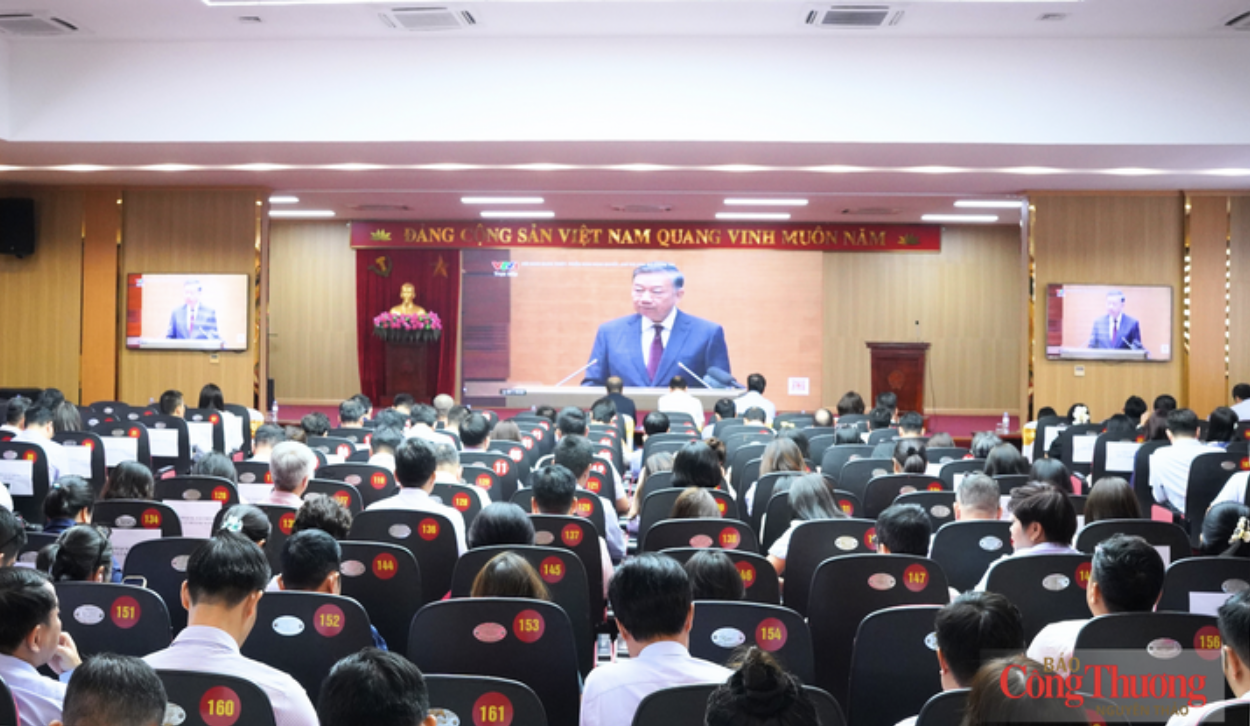
The Ministry of Industry and Trade Party Committee joined a nationwide conference to study and implement key resolutions and directives issued by the Politburo.