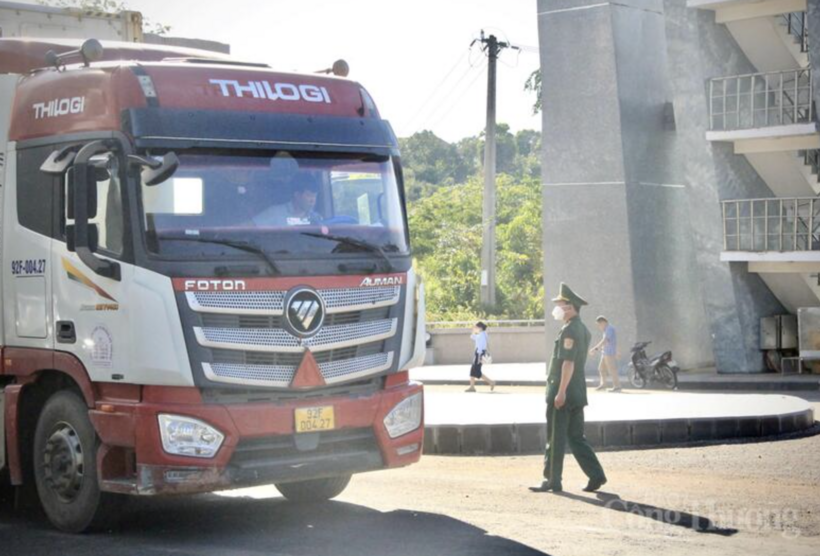
With its existing strengths in fisheries, logistics and renewable energy, Ca Mau is expected to become a key link in promoting Vietnam-Cambodia trade connectivity.
Vietnam and Cambodia are neighboring countries with a long-standing traditional friendship and a shared commitment to promoting cooperation across multiple sectors, with economic, trade and investment ties playing an important role. Vietnam’s Mekong Delta region, including Ca Mau province, and localities in Cambodia share many similarities in natural conditions, production practices, consumer demand and complementary economic development potential.
As regional integration continues to deepen, enhancing production and trade cooperation between the two countries not only opens up opportunities for market expansion but also contributes to stable and sustainable growth for both sides.
Vietnam-Cambodia trade cooperation still holds substantial room for strong and sustainable growth. Photo: Hien Mai.
Expanding room for agricultural and fisheries cooperation with Cambodia
At the 2026 Southern Region Trade Promotion and Import-Export Conference co-organized by the Ministry of Industry and Trade and the Dong Thap Provincial People’s Committee on the afternoon of May 15, To Minh Duong, Deputy Director of the Department of Industry and Trade of Ca Mau province, shared a number of notable orientations regarding production and trade cooperation potential between Vietnam and Cambodia.
According to him, with strengths in agriculture, fisheries, renewable energy and logistics, Ca Mau has favorable conditions to become an important link in the regional trade connectivity chain, contributing to stronger economic ties between the Mekong Delta and the Cambodian market.
At present, trade cooperation between Ca Mau province and the Cambodian market remains limited in terms of product diversity but has delivered positive results. Fertilizer exports to Cambodia alone generated turnover of more than USD 110 million in 2025, while export value in the first four months of 2026 reached USD 35 million.
According to To Minh Duong, production and trade cooperation between Vietnam and Cambodia in the coming period should focus on sectors with strong complementarities and aligned advantages, particularly agriculture, fisheries and food processing.
“Cambodia has strengths in rice, rubber, cassava, cashew nuts, fruits, timber materials and several production inputs. Vietnam has advantages in agricultural and seafood processing, preservation technology, logistics, distribution systems and export capacity,” Duong said.
For Ca Mau province, fisheries remain a spearhead economic sector with key products such as shrimp, crab, fish and various value-added processed products. This is considered an area with substantial cooperation potential with Cambodia through the supply of aquatic breeds, aquaculture feed, technology transfer, deep processing, quality control, traceability and market expansion.
“Cooperation between the two sides should not stop at simple commodity exchanges but should move toward forming an integrated ‘production-processing-distribution-export’ chain. Enterprises in Ca Mau can share experience in processing technology, quality standards, brand building, packaging, labeling and distribution systems. In return, Cambodia can become a supplier of agricultural raw materials and complementary goods for the Vietnamese market,” the Deputy Director of the Department of Industry and Trade of Ca Mau province suggested.
Promoting logistics and renewable energy for regional trade connectivity
Beyond agriculture and fisheries, cooperation in consumer goods, construction materials and industrial products also holds significant potential. The import-export structure between the two countries is highly complementary, with limited direct competition.
Vietnam can increase exports to Cambodia of products such as textiles and garments, steel, fertilizers, paper, animal feed, plastic products, machinery and equipment, chemicals, agro-forestry-fishery products, confectionery and cereal-based products. Meanwhile, Cambodia can supply Vietnam with raw materials including construction sand, timber, cashew nuts, rubber, cassava and fruits.
According to Duong, this presents an opportunity for Vietnamese enterprises in general and Ca Mau businesses in particular to expand the presence of Vietnamese goods in Cambodia through agent networks, distributors, transit warehouses, trade fairs and cross-border e-commerce.
A new sector considered to hold strong prospects is renewable energy, green economy and sustainable development. With three sides facing the sea and a coastline stretching approximately 310 kilometers, Ca Mau possesses substantial potential for wind power, solar power and offshore wind energy development.
Under Decision No. 1386/QD-TTg dated November 17, 2023 approving the Ca Mau Provincial Master Plan for the 2021-2030 period with a vision to 2050, the province is oriented to become a renewable energy center of the Mekong Delta region and a national renewable energy export hub.
“This is regarded as an important foundation for the province to study and propose energy cooperation mechanisms with regional partners, including Cambodia, such as cooperation in wind and solar power development, transmission infrastructure, technical workforce training and research into future electricity export markets,” Duong said.
Regarding logistics and border trade, Duong noted that sustainable Vietnam-Cambodia trade development must go hand in hand with the development of seaport infrastructure, border gates, cold storage systems, multimodal transport and digital transformation in trade management.
Although Ca Mau does not share a direct border with Cambodia, the province still holds a strategic position at the southern tip of Vietnam within the maritime economic space of the Mekong Delta, with advantages in fisheries, renewable energy, seaports and logistics services.
Through connectivity with localities such as An Giang, Tay Ninh, Can Tho, Ho Chi Minh City and southwestern coastal provinces, Ca Mau is positioned to participate more deeply in the logistics chain serving Vietnam-Cambodia trade.
The Hon Khoai Dual-Use General Port Project in Dat Mui commune is expected to become a major logistics hub at Vietnam’s southernmost point. Once synchronously connected with the Ca Mau-Dat Mui expressway, transport routes to Hon Khoai Island, Nam Can Economic Zone, cold storage systems, seafood processing centers and regional transport networks, Hon Khoai Port is expected to help goods from Ca Mau and the Mekong Delta gain more convenient access to the Cambodian market as well as international shipping routes.
Removing bottlenecks to improve trade cooperation efficiency
The leadership of the Department of Industry and Trade of Ca Mau province acknowledged that production and trade cooperation between Vietnam and Cambodia still faces several challenges, including the small scale of enterprises, limited market research and branding capacity, as well as unsynchronized logistics, cold storage and cross-border transport infrastructure.
Some Vietnamese products have yet to fully match consumer preferences, packaging standards, labeling requirements, language and distribution systems in Cambodia.
To strengthen cooperation, the Department of Industry and Trade of Ca Mau province proposed several key solutions, including enhancing market information sharing; encouraging enterprises from both countries to build production-processing-consumption linkage chains; promoting more substantive trade promotion activities; and developing logistics infrastructure, cold storage systems, seaports and cross-border e-commerce.
Greater focus should be placed on improving product quality, branding and standards, with attention to bilingual packaging, traceability, food safety and expanded cooperation in emerging sectors such as renewable energy, green economy and supporting industries.
To Minh Duong said that production and trade cooperation between Vietnam and Cambodia is supported by favorable political foundations, strong friendship ties and highly complementary economic structures. In the new phase, the priority is to shift from traditional trade cooperation to value chain-based cooperation; from standalone exports to brand building; and from short-term trade to long-term production linkages and sustainable development.
Although trade relations between Ca Mau and Cambodia are not yet diverse in terms of product categories, the province still holds significant potential for expanded cooperation thanks to its existing strengths in fisheries, marine economy, logistics and renewable energy. Strengthening value chain connectivity from production and processing to distribution will help enterprises from both countries expand markets while contributing to stronger and more sustainable Vietnam-Cambodia trade connectivity.
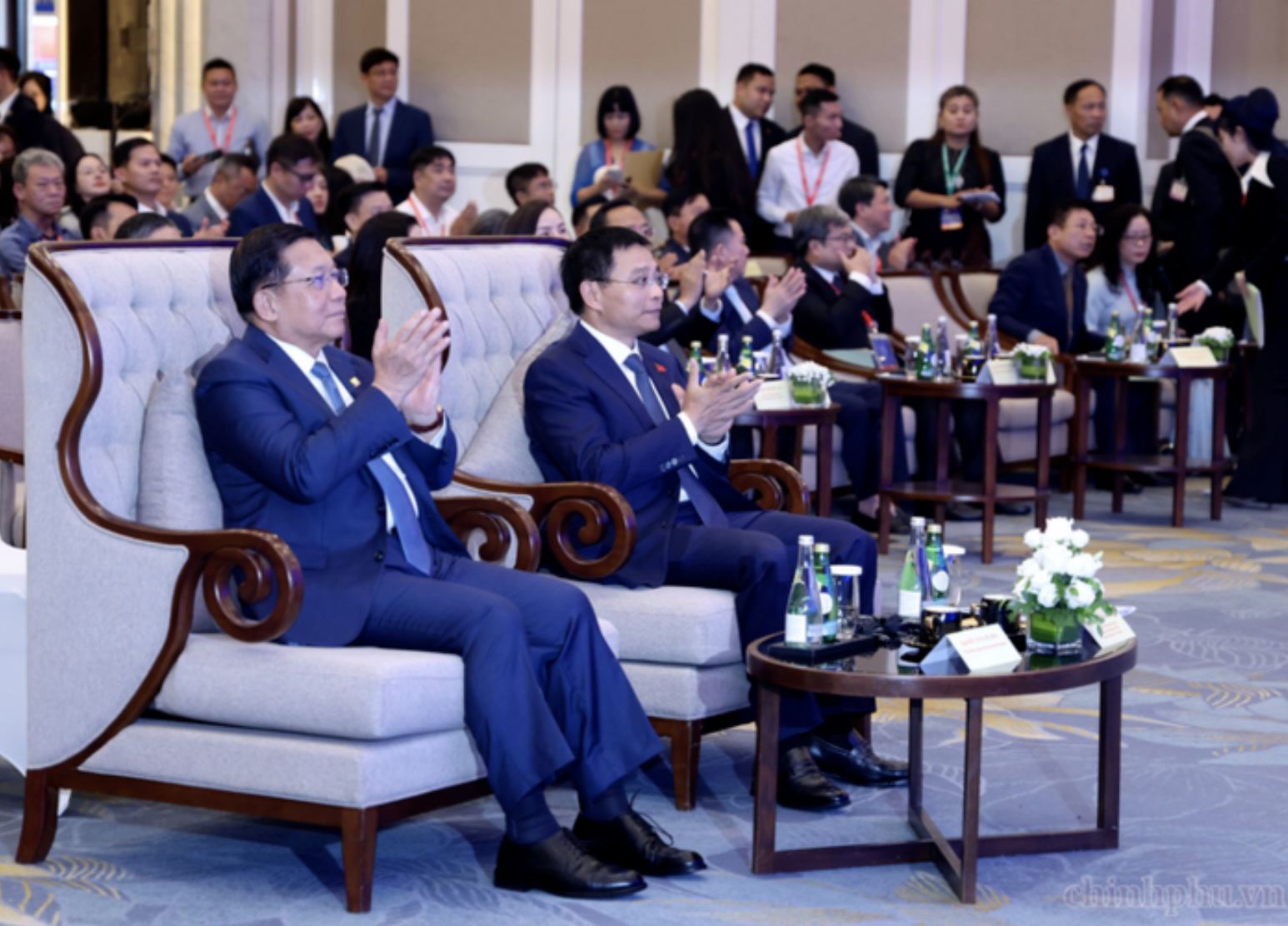
Addressing the Myanmar - Viet Nam Business Forum, Deputy Prime Minister Nguyen Van Thang said the two sides should expand the space for cooperation and leverage their respective resources to support the self-reliant and resilient development of each country, contributing to the implementation of agreements reached by the senior leaders of the two countries.
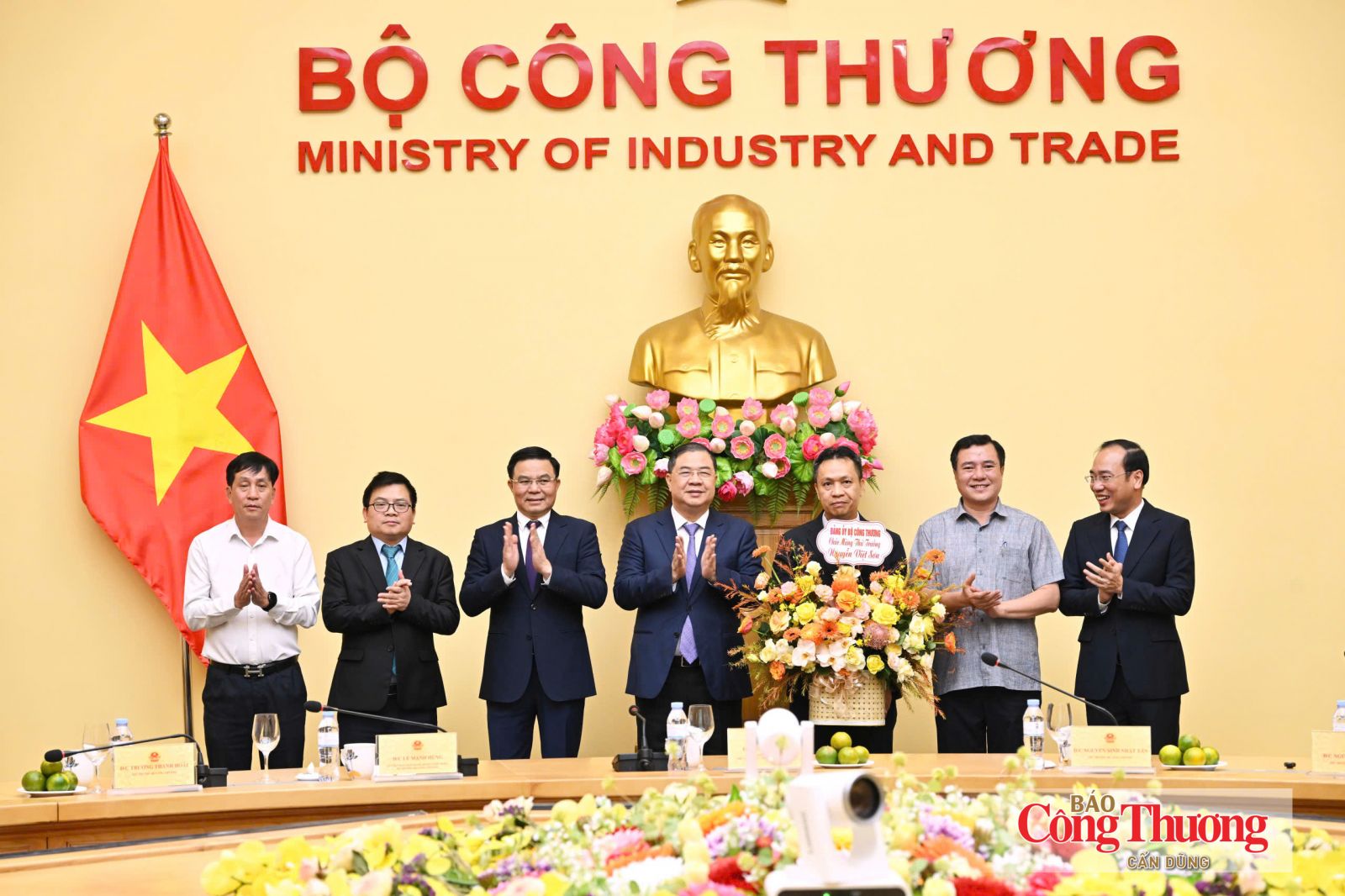
On the afternoon of September 6, at the headquarters of the Ministry of Industry and Trade (MoIT), Politburo member and Standing Deputy Prime Minister Pham Gia Tuc handed over the Prime Minister's decision appointing Nguyen Viet Son as Deputy Minister of Industry and Trade.
The iDEA and TikTok Shop launched the “Beyond Vietnam” initiative to help Vietnamese businesses build digital export capabilities and expand global market access.
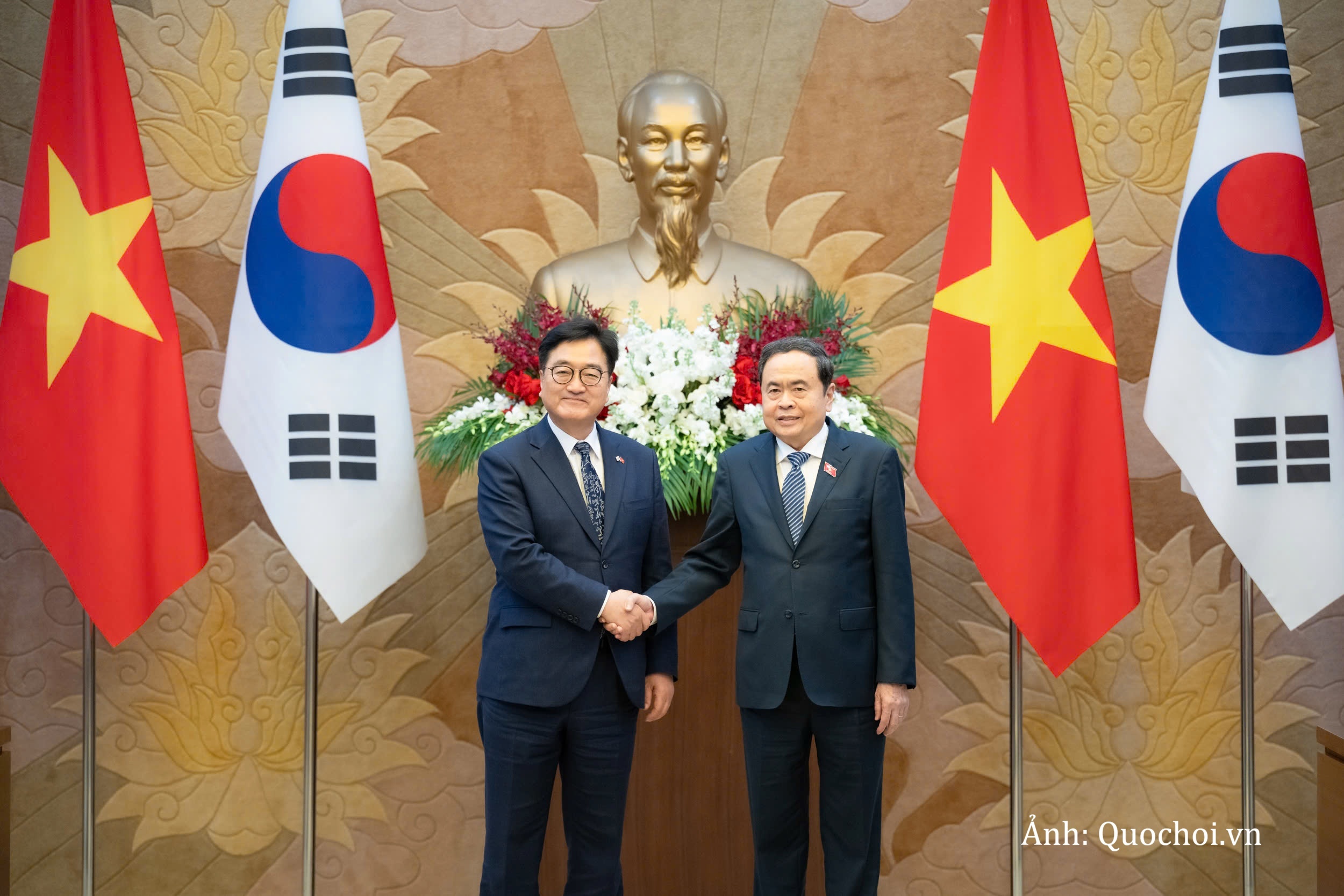
As Viet Nam and the Republic of Korea (RoK) work towards the goal of raising bilateral trade to USD 150 billion, the National Assemblies of the two countries have an important role to play in improving institutions and removing bottlenecks.
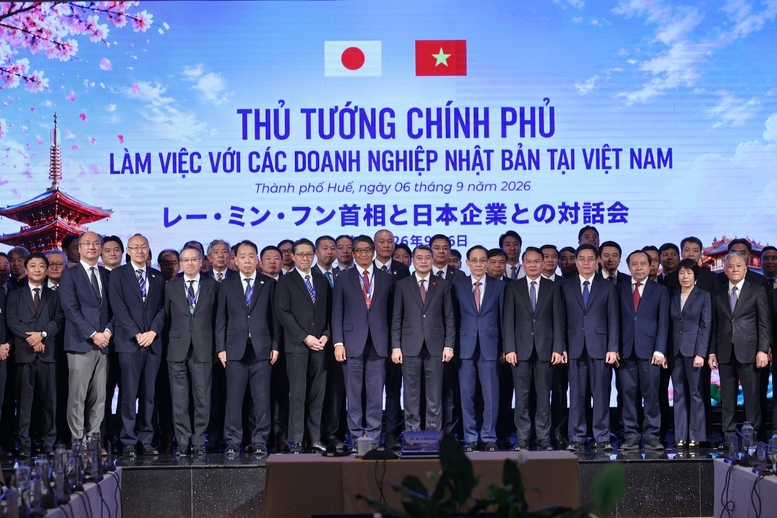
Chairing a meeting with Japanese businesses on the morning of September 6, Prime Minister Le Minh Hung called for Viet Nam - Japan investment ties to shift decisively from a relationship between “investors and investment destinations” toward a partnership for joint development and co-creation, involving joint research, innovation, production, and effective participation in and affirmation of their positions and roles in global value chains.
The iDEA and TikTok Shop launched the “Beyond Vietnam” initiative to help Vietnamese businesses build digital export capabilities and expand global market access.
Tourism Malaysia reaffirmed its commitment to the Vietnamese market at ITE HCMC 2026, promoting the extended Visit Malaysia 2026 - 2027 campaign and expanding tourism cooperation.
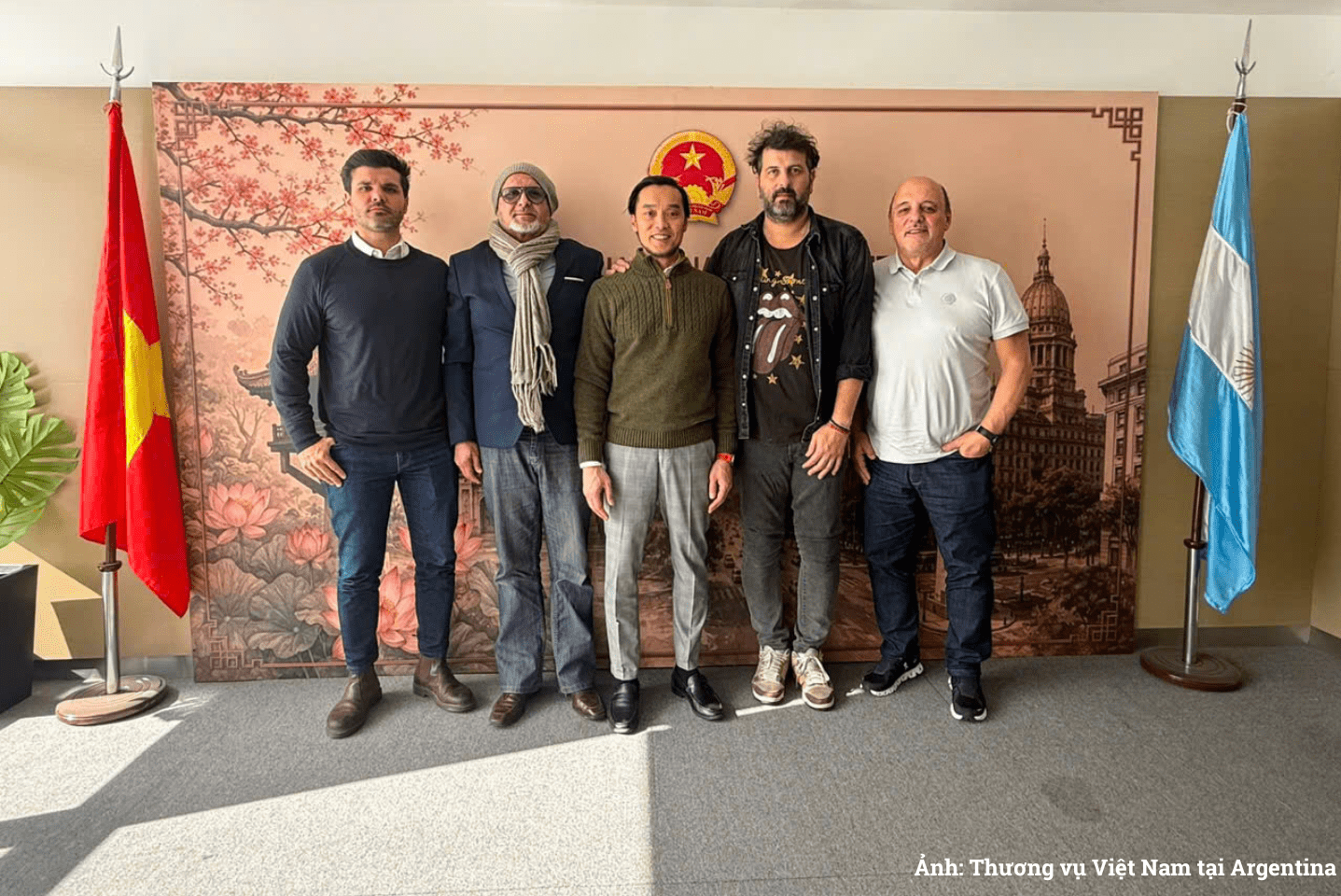
Viet Nam Trade Office in Argentina is boosting business links to expand cooperation in timber, minerals and investment, opening new opportunities for firms in both countries.
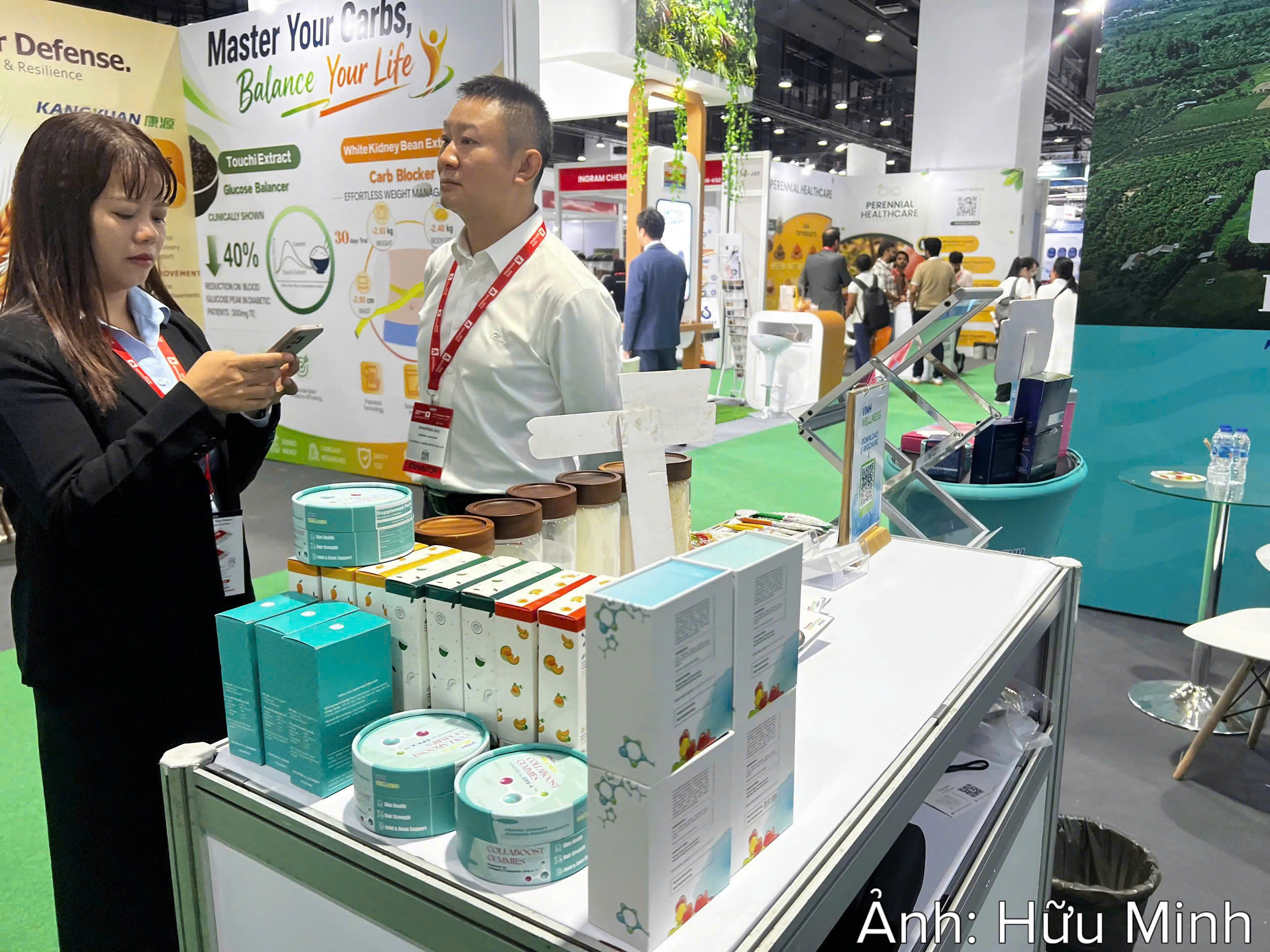
Vitafoods Asia 2026 in Thailand highlighted the growing presence of Vietnamese health and nutrition products, opening new opportunities for global market expansion.
Viet Nam is addressing key bottlenecks and improving durian quality to boost exports, with the sector targeting USD 4 billion in export turnover this year.