The United Kingdom (UK) offers strong export potential for Vietnam, but businesses must improve standards, traceability and supply capacity to secure long-term growth in the market.
The UK is a highly promising market, yet Vietnamese businesses need to improve product standards, traceability and supply capacity to effectively tap into its potential.
Large market with strong purchasing power
At the seminar titled “Opportunities and challenges in developing the UK market,” held by the Trade Promotion Agency on May 11, Vu Viet Thanh, representative of the Department of Foreign Market Development under the Ministry of Industry and Trade, said that as Vietnamese businesses continue to expand export markets, diversify partners and make more effective use of next-generation free trade agreements, correctly identifying the characteristics of the UK market is of significant importance.
According to Vu Viet Thanh, the UK is a familiar market for many Vietnamese enterprises, but it is also a market that requires a new approach. “Following Brexit, the Covid-19 pandemic and amid ongoing global economic volatility, the UK is gradually redefining its role in international trade, supply chains, financial services, the digital economy, clean energy and sustainable development standards,” he stressed.
From a macroeconomic perspective, the UK is a highly developed economy and a member of the G7, G20 and OECD, as well as one of the world’s leading financial, trade and service centres. The UK’s GDP in 2025 reached approximately USD 3.96 trillion and is projected to rise to around USD 4.23 trillion in 2026. GDP growth stood at 1.3% in 2025 and is forecast to remain around this level in 2026.
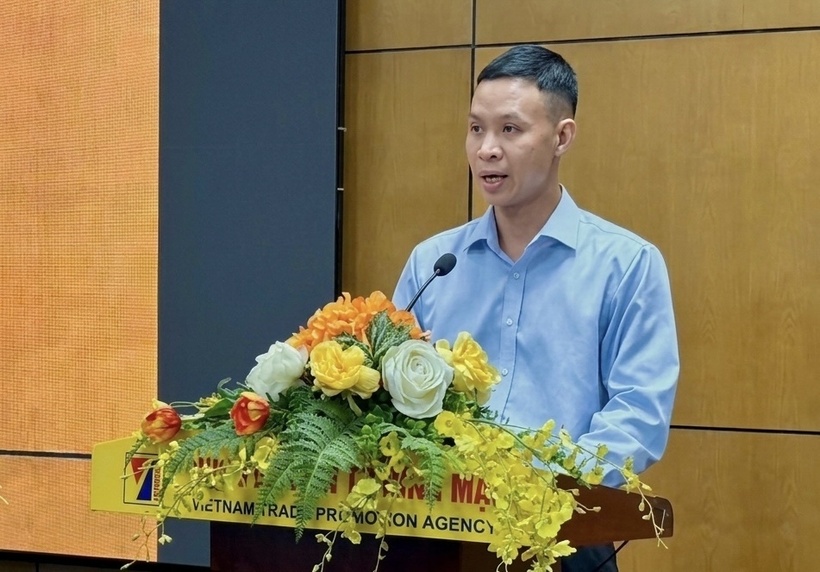
Vu Viet Thanh, representative of the Department of Foreign Market Development under the Ministry of Industry and Trade. Photo: Minh Huong
“These figures indicate that the UK is not a fast-growing market, but rather a market with large scale, strong purchasing power, robust financial capacity and deep integration into the global economy,” Vu Viet Thanh analysed.
After being affected by Brexit, the pandemic and inflation, the UK economy is recovering slowly but more steadily. Consumption remains under pressure from the rising cost of living, yet the country’s macroeconomic foundations and purchasing power continue to rank among the world’s highest. This provides Vietnamese enterprises with grounds to view the UK not merely as a consumption market, but also as a destination capable of generating long-term value if approached properly.
According to the representative of the Department of Foreign Market Development, a key feature of the UK economy is the dominance of the service sector, with major pillars including finance, professional services, information technology, education, logistics and business services. London remains one of the world’s largest financial centres. Meanwhile, the industrial sector continues to play an important role in such fields as automobiles, aerospace, pharmaceuticals, mechanical equipment, energy and high technology.
“From these characteristics, it can be seen that the UK is not only a market importing consumer goods, but also a centre for services, finance, standards, technology and distribution. Therefore, for Vietnamese businesses, entering the UK market is not simply about selling products, but also about meeting standards, building stable supply capacity and enhancing product value,” Thanh noted.
Trade grows while room for expansion remains substantial
In terms of foreign trade, the UK is an open economy with strong advantages in service exports, while demand for imported goods remains high. According to figures cited by Vu Viet Thanh at the seminar, the UK’s total exports of goods and services in 2025 reached around GBP 923.3 billion, up 3.5% year-on-year, while total imports stood at approximately GBP 945.1 billion, up 3.9%. In the export structure, services accounted for around 59%, while goods made up about 41%.
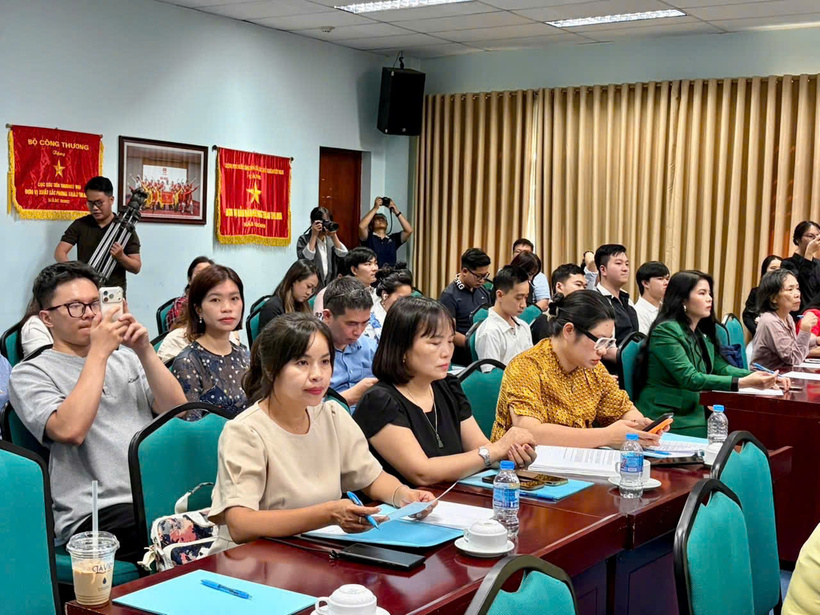
Delegates attend the seminar titled “Opportunities and challenges in developing the United Kingdom market”.
According to Vu Viet Thanh, this model clearly reflects the UK’s strengths in high value-added services such as finance, professional services, insurance, technology, education and business services. On the other hand, the economy has substantial import demand for goods ranging from machinery, equipment and pharmaceuticals to garments, footwear, food products, furniture and consumer goods.
“This is precisely the market space that many Vietnamese sectors can continue to explore,” Vu Viet Thanh stated.
From this structure, it can be seen that the UK market contains two parallel layers of demand. On one hand, it is a high-tech economy with significant demand for machinery, pharmaceuticals, equipment, technology and industrial products. On the other hand, the UK is also a developed consumer market with stable demand for everyday products such as garments, footwear, furniture, seafood, coffee, agricultural products, processed food and other consumer goods.
Regarding bilateral trade, according to Vietnam Customs data, total import-export turnover between Vietnam and the UK in 2025 reached around USD 9.38 billion, up 11.3% compared to 2024. Of the total, Vietnam’s exports to the UK amounted to approximately USD 8.39 billion, up 11.2%, while imports from the UK reached around USD 991 million, an increase of 12.2%. This trend shows that Vietnam-UK trade continues to record positive growth, with Vietnam maintaining a large trade surplus with the UK market.
From the UK side, total trade in goods and services between the two countries in the four quarters ending in the third quarter of 2025 reached GBP 10.4 billion, marking a 39.5% increase year-on-year. Although differences exist in statistical methods, currencies and calculation periods, both sets of figures indicate that bilateral trade is growing positively, with Vietnamese goods gaining an increasingly clear position in the UK’s import market.
Notably, Vietnam’s export structure to the UK no longer consists solely of traditional products such as garments, footwear, seafood, wood products, coffee, cashew nuts and pepper, but is also seeing a growing presence of industrial and technology-related products such as mobile phones, electronics, machinery and components. This reflects a shift in Vietnam’s export structure towards products with higher industrial and technological content and deeper integration into supply chains.
Raising standards key to long-term market access
Beyond trade in goods, cooperation between Vietnam and the UK is expanding into many high value-added sectors. The UK has strengths in finance, energy, technology, pharmaceuticals, education, aviation, professional services and the green economy. These are also areas where Vietnam has considerable demand as it seeks to transform its growth model and develop industry in a greener, more modern and higher value-added direction.
According to Vu Viet Thanh, frameworks such as the UKVFTA, CPTPP, JETCO and the Comprehensive Strategic Partnership are creating a favourable foundation for the two sides to expand cooperation not only in trade in goods, but also in services, investment, clean energy, green finance, technology and innovation.
However, the representative of the Department of Foreign Market Development stressed that tariff preferences are only part of the advantage. “For Vietnamese businesses, the ability to comply with rules of origin, technical standards, traceability requirements, environmental and labour regulations, packaging and labelling standards, stable delivery commitments and building credibility with importers will determine their ability to maintain a foothold in this market,” Vu Viet Thanh emphasised.
In other words, the UK market is not a place where businesses can rely solely on low-cost advantages or short-term approaches. It is a market defined by standards, trust and sustainable supply capacity. Enterprises seeking to effectively tap into this market must carefully prepare in terms of products, documentation, production processes, brand building and partner connections.
The UK is a large-scale market with strong purchasing power and stable import demand, particularly for Vietnam’s key export products such as garments, footwear, furniture, agricultural products, food and electronics. However, it is also a market with stringent requirements regarding quality, traceability, environmental standards and social responsibility.
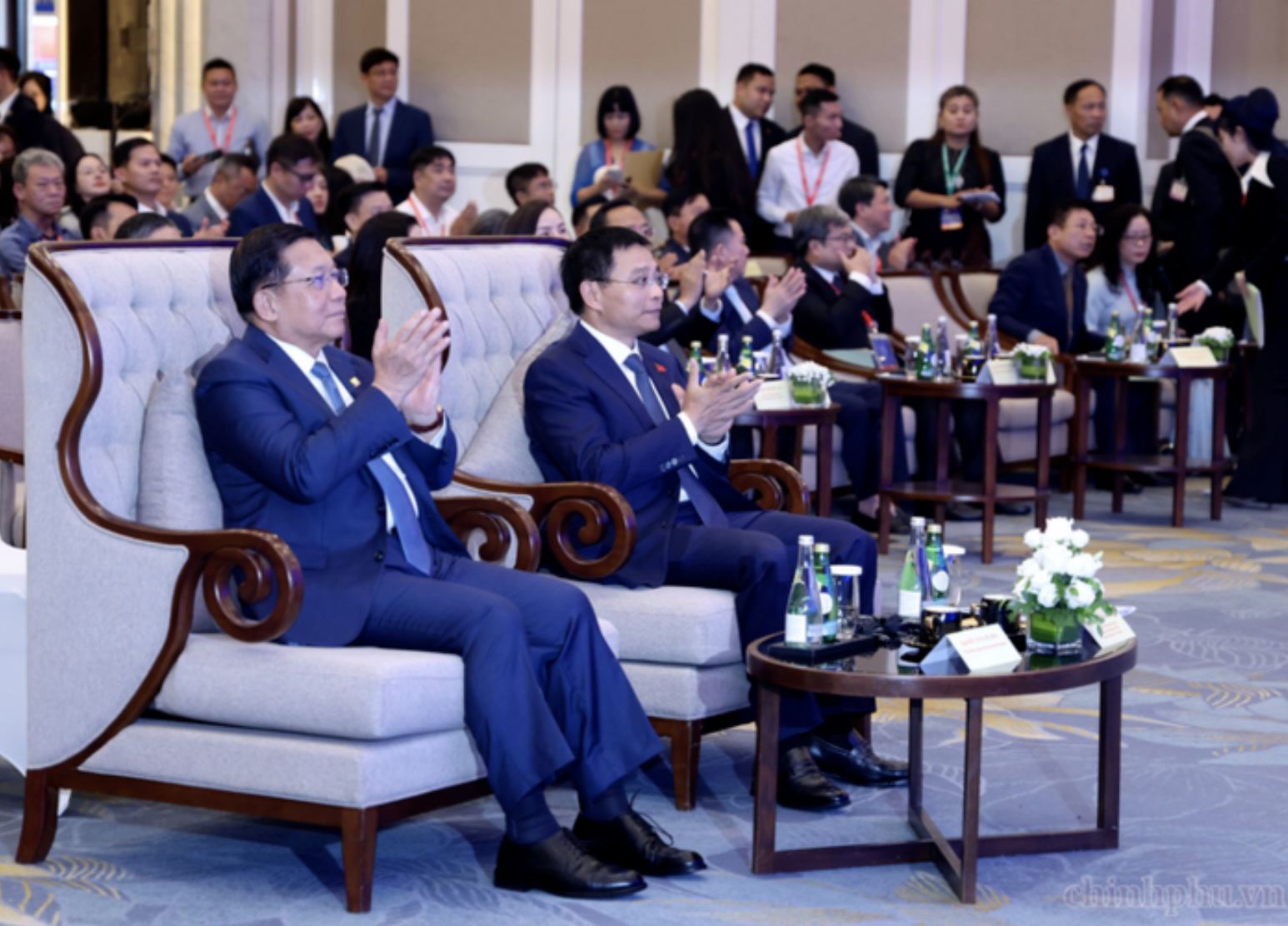
Addressing the Myanmar - Viet Nam Business Forum, Deputy Prime Minister Nguyen Van Thang said the two sides should expand the space for cooperation and leverage their respective resources to support the self-reliant and resilient development of each country, contributing to the implementation of agreements reached by the senior leaders of the two countries.
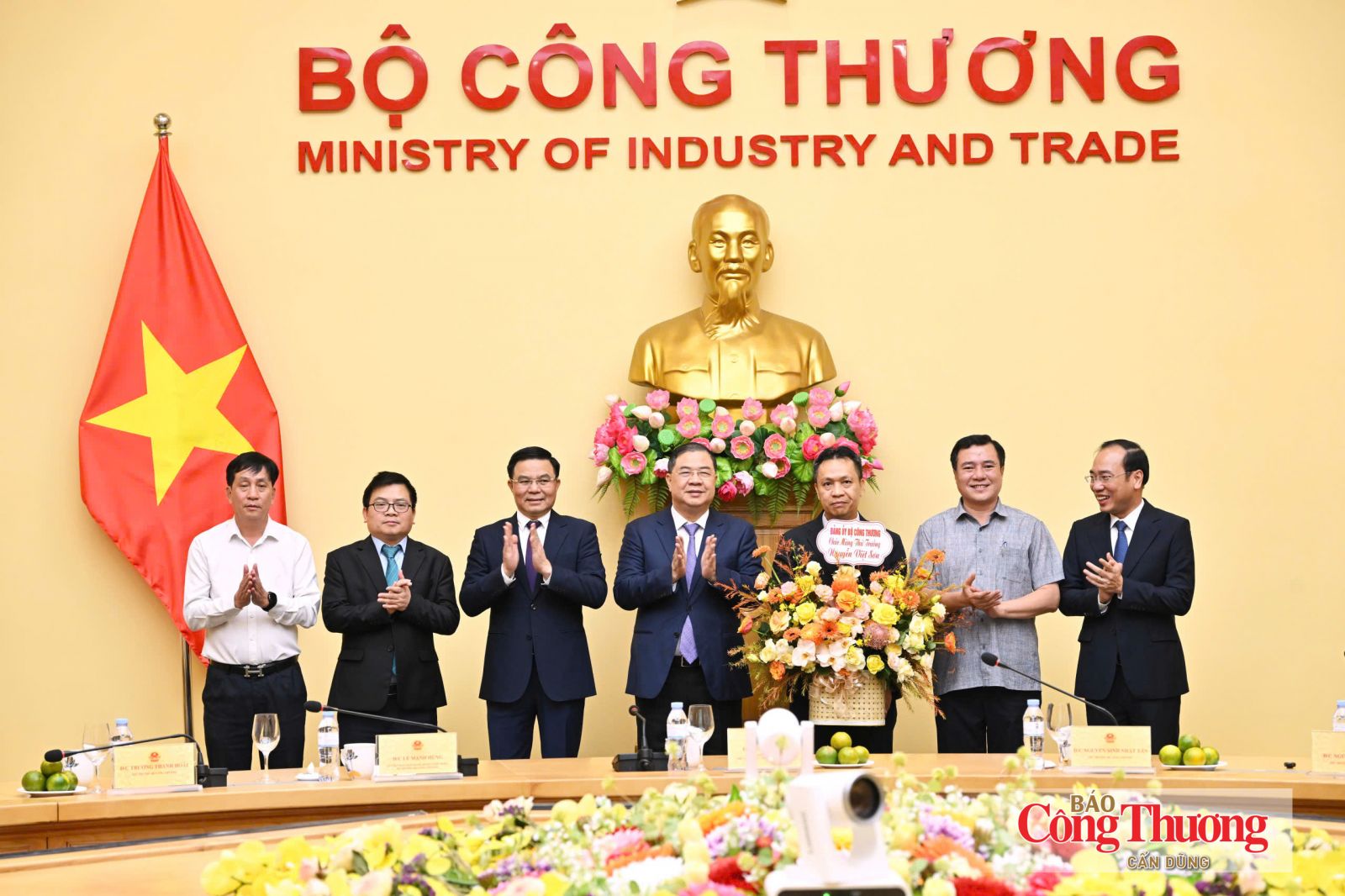
On the afternoon of September 6, at the headquarters of the Ministry of Industry and Trade (MoIT), Politburo member and Standing Deputy Prime Minister Pham Gia Tuc handed over the Prime Minister's decision appointing Nguyen Viet Son as Deputy Minister of Industry and Trade.
The iDEA and TikTok Shop launched the “Beyond Vietnam” initiative to help Vietnamese businesses build digital export capabilities and expand global market access.
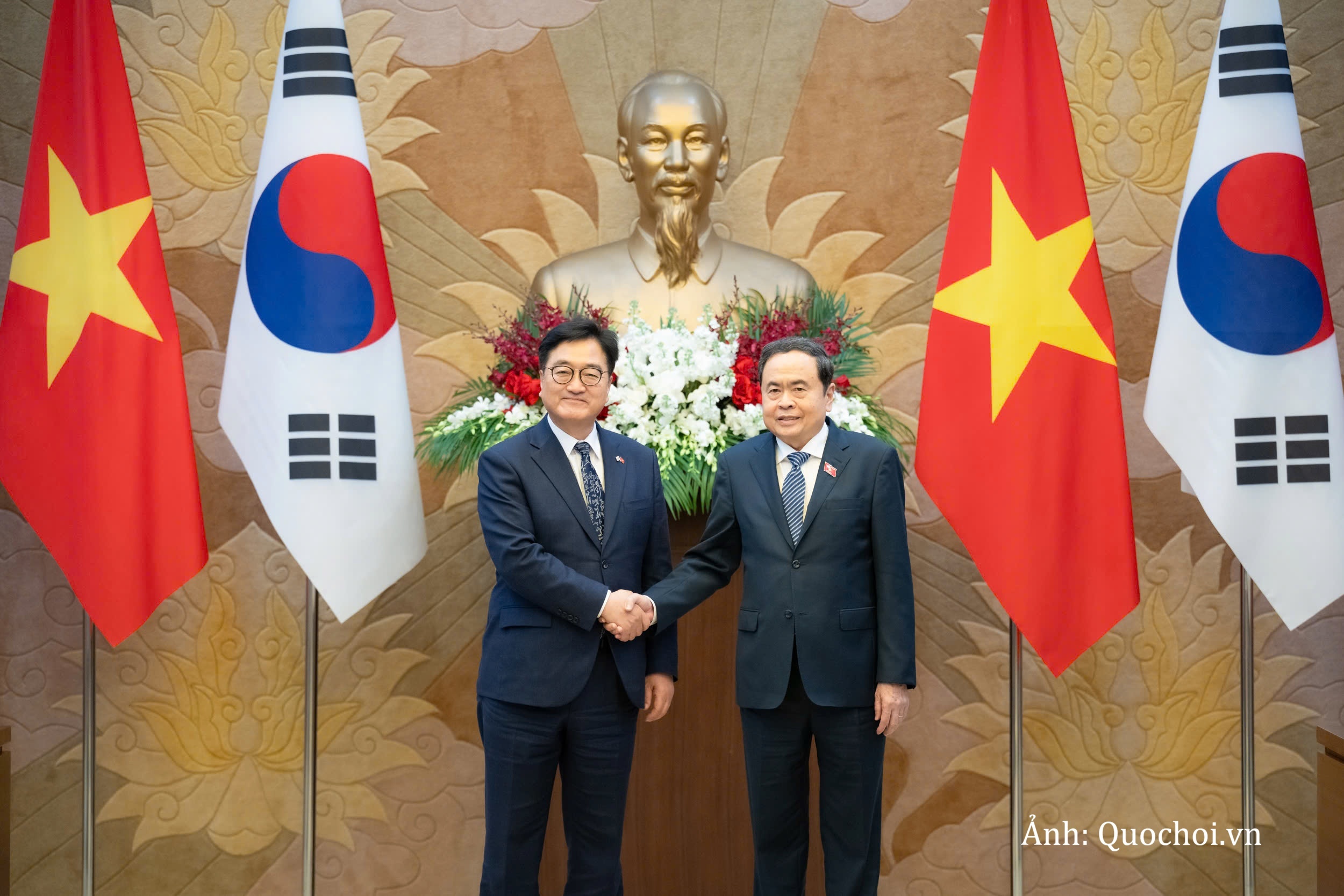
As Viet Nam and the Republic of Korea (RoK) work towards the goal of raising bilateral trade to USD 150 billion, the National Assemblies of the two countries have an important role to play in improving institutions and removing bottlenecks.
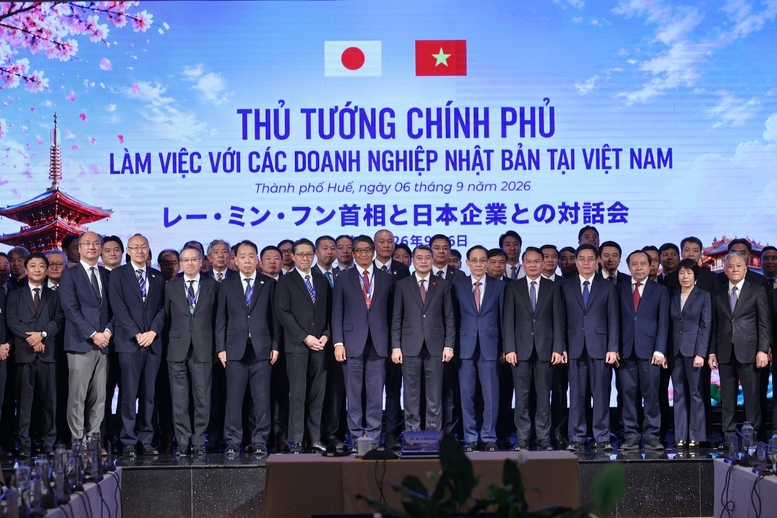
Chairing a meeting with Japanese businesses on the morning of September 6, Prime Minister Le Minh Hung called for Viet Nam - Japan investment ties to shift decisively from a relationship between “investors and investment destinations” toward a partnership for joint development and co-creation, involving joint research, innovation, production, and effective participation in and affirmation of their positions and roles in global value chains.
The iDEA and TikTok Shop launched the “Beyond Vietnam” initiative to help Vietnamese businesses build digital export capabilities and expand global market access.
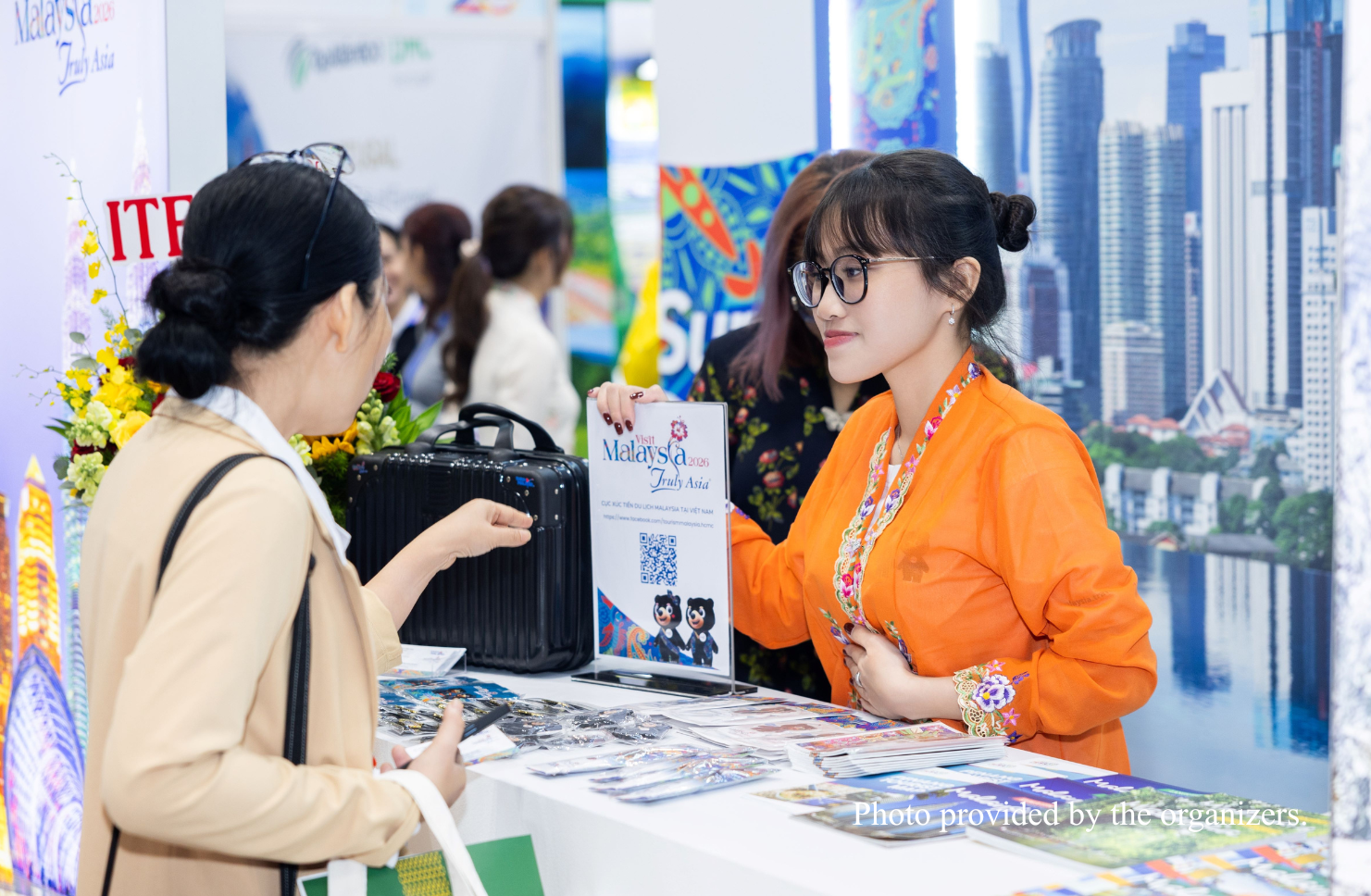
Tourism Malaysia reaffirmed its commitment to the Vietnamese market at ITE HCMC 2026, promoting the extended Visit Malaysia 2026 - 2027 campaign and expanding tourism cooperation.
Viet Nam Trade Office in Argentina is boosting business links to expand cooperation in timber, minerals and investment, opening new opportunities for firms in both countries.
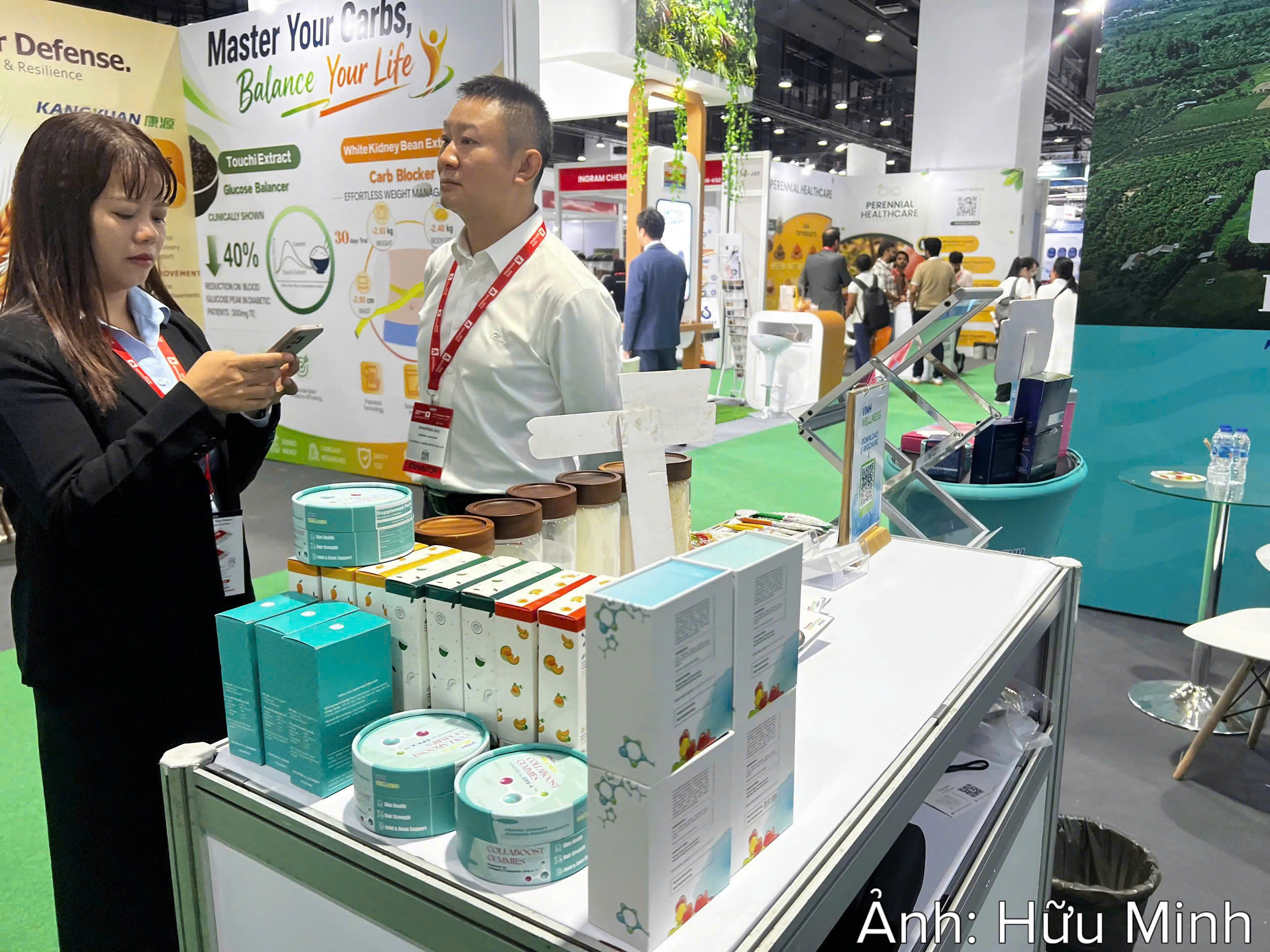
Vitafoods Asia 2026 in Thailand highlighted the growing presence of Vietnamese health and nutrition products, opening new opportunities for global market expansion.
Viet Nam is addressing key bottlenecks and improving durian quality to boost exports, with the sector targeting USD 4 billion in export turnover this year.