Rising tensions in the Middle East may drive up oil prices and freight costs, disrupting Vietnam’s import-export and supply chains the Import-Export Department warns
According to the Import-Export Department under the Ministry of Industry and Trade, from February 28, 2026, the United States and Israel launched large-scale airstrikes targeting Iran, marking a serious escalation of tensions in the Middle East.
Within 24-48 hours after the strikes, all parties signaled preparations for a prolonged military confrontation. The waves of attacks and counterattacks have triggered severe instability, creating a high-risk environment for transportation, international trade and global supply chains.
It is forecast that consumer goods prices, fuel prices and global oil prices may trend upward in the coming period, indirectly and multi-dimensionally affecting Vietnam’s production, import-export activities in general and trade with the Middle East in particular.
For logistics services, rising fuel prices are expected to further push up sea freight and air cargo rates, while also disrupting cargo routes to Gulf countries. Several Middle Eastern nations have restricted or closed their airspace due to security concerns, forcing cargo and freight flights to reroute, lengthening flight times and increasing logistics costs.
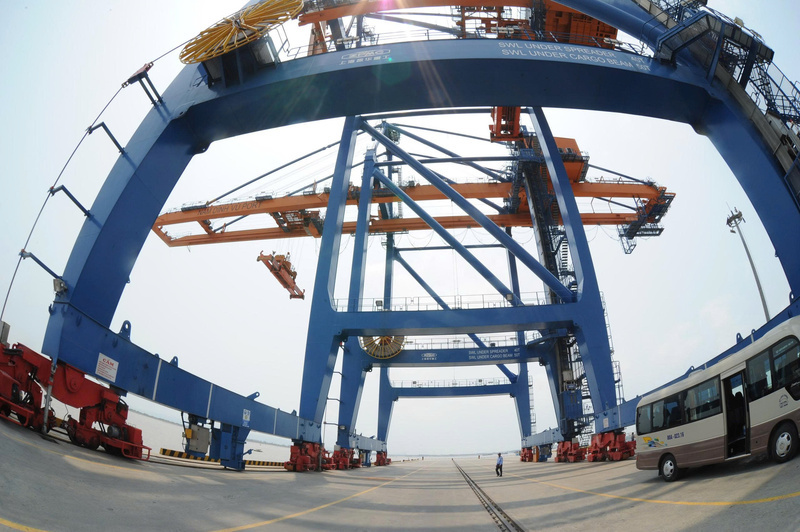
Shipping through the Strait of Hormuz has nearly come to a standstill following the airstrikes on Iran by the United States and Israel. Iran has warned vessels that transit through Hormuz is currently unsafe, compelling shipping lines to avoid the conflict zone or adjust routes, significantly increasing transit time and fuel costs.
Amid complex developments in the Middle East, the Import-Export Department issued Official Dispatch No. 229/XNK-TLH dated March 1, recommending that associations and enterprises take proactive measures to manage risks.
Specifically, the department urged import-export and logistics associations to closely monitor developments and maintain regular exchanges with management agencies to promptly update their members.
On that basis, enterprises are advised to proactively adjust production plans, organize import-export and transport activities to avoid congestion, minimize impacts from the Middle East situation, and enhance resilience to international volatility.
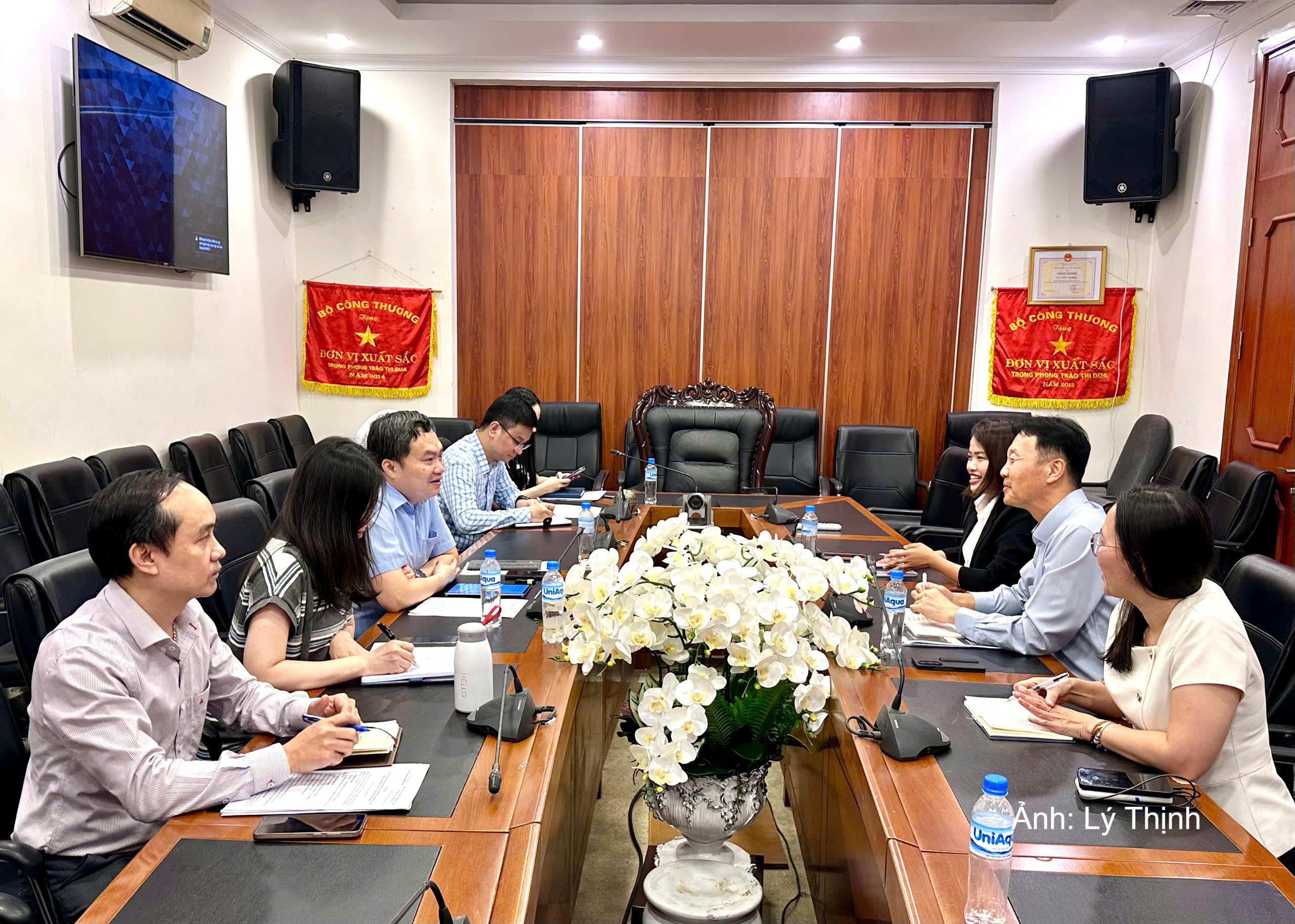
The Import-Export Department under the Ministry of Industry and Trade issued Official Dispatch No. 229/XNK-TLH on March 1, recommending proactive risk response. Photo: Can Dung
The Import-Export Department also provided several specific recommendations to help businesses proactively respond and mitigate risks:
First, diversify sources of supply and explore alternative markets with similar demand to reduce the impact of potential disruptions in exports to Israel, Iran and the Middle East. In the long term, enterprises should develop contingency plans for similar incidents.
Second, during contract negotiations and signing, enterprises should pay close attention to logistics, transportation, delivery and insurance clauses to safeguard against risks and losses. Contracts should include force majeure provisions, compensation mechanisms and cost-sharing arrangements in case of incidents. Adequate cargo insurance should also be secured to prevent and minimize losses in importing markets.
Third, regularly and proactively analyze data and coordinate with relevant ministries and agencies regarding import-export figures, geopolitical developments affecting production, trade and transportation, as well as freight rates, costs and surcharges, in order to timely agree on response measures for similar situations in the future.
Fourth, proactively develop prevention and adaptation plans to minimize risks and losses arising from incidents in international trade and transportation, and prepare timely response scenarios to limit disruptions to supply chains.
Fifth, maintain regular communication with relevant state management agencies such as the Import-Export Department, the Trade Promotion Agency, the Department of Foreign Market Development, and Vietnam Trade Offices and their branches abroad to seek new orders and potential markets, thereby formulating alternative or prioritized strategies to maximize emerging opportunities.
Units under the Ministry of Industry and Trade, within their assigned functions and duties, will closely monitor developments in the Middle East, promptly update associations, and explore enhanced cooperation with international organizations to strengthen readiness for similar situations in the future.
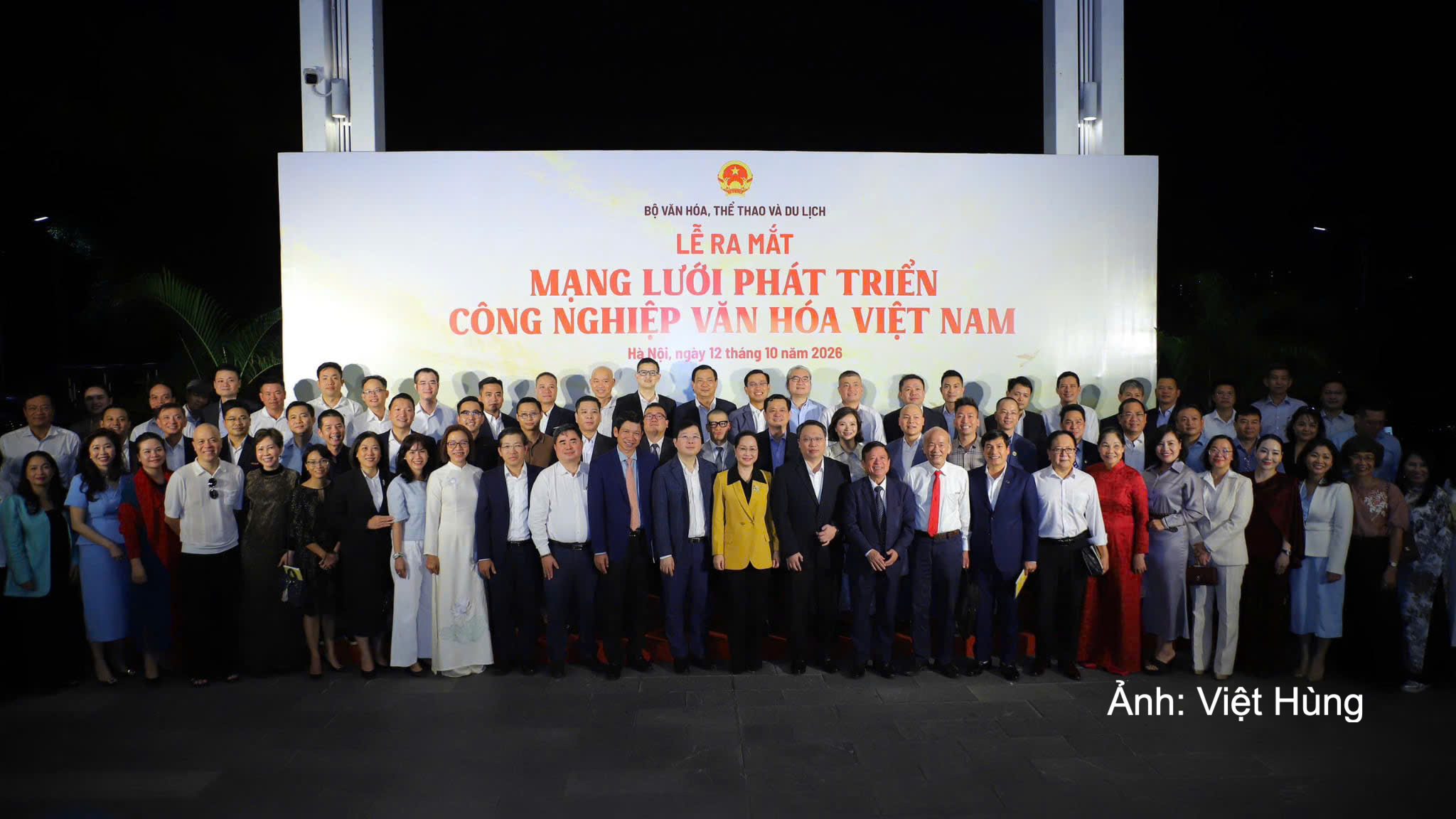
On October 12 , the Ministry of Culture, Sports and Tourism launched the Viet Nam Cultural Industries Development Network and announced a list of 16 key challenges for 2026.
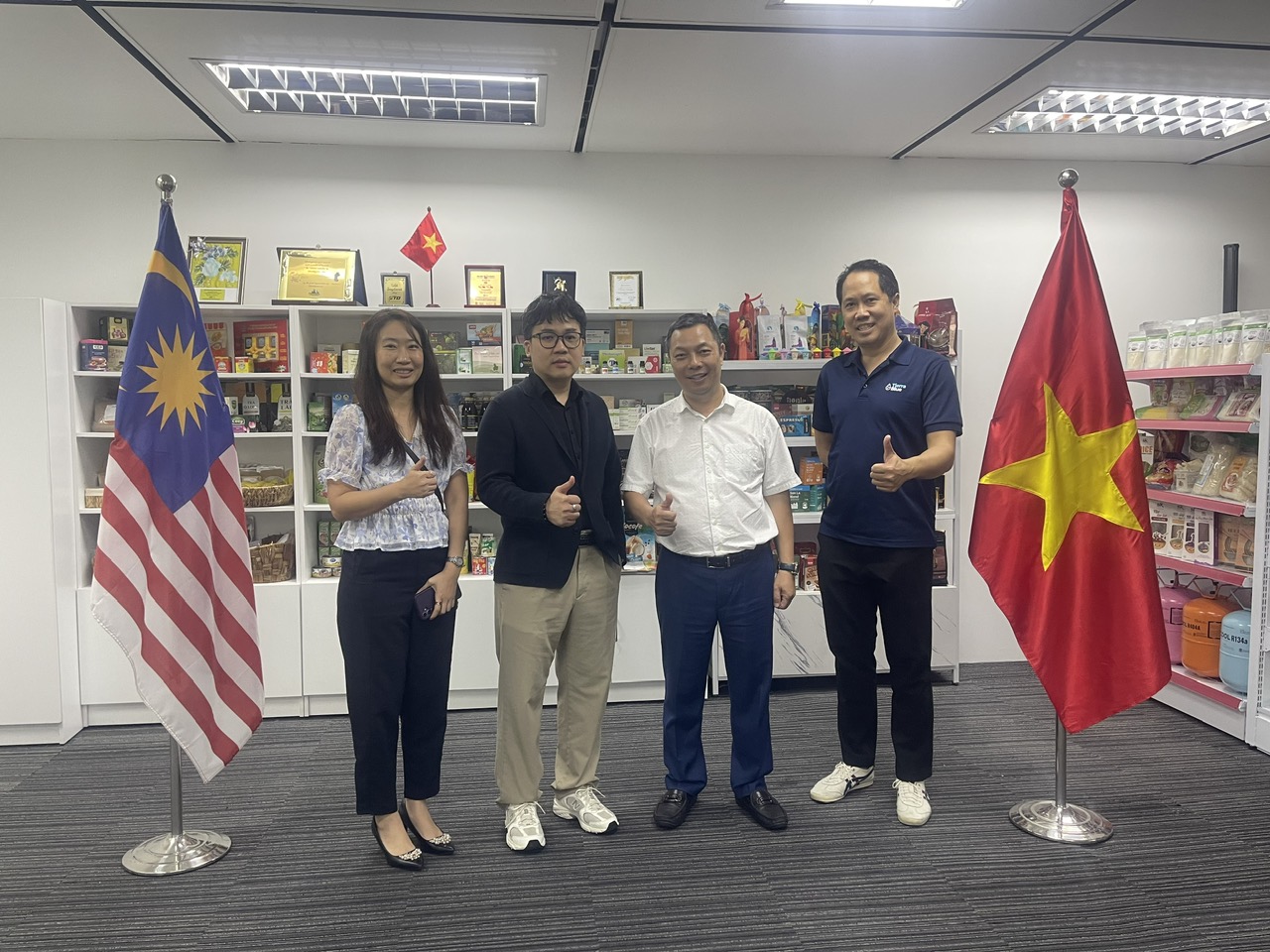
Viet Nam - Malaysia trade hit USD 17.4 billion in the first nine months of 2026, exceeding the 2025 full-year total and signaling a stronger-than-expected year.
The Vietnam Industry Agency under the Ministry of Industry and Trade and Samsung Vietnam continue to strengthen cooperation in developing supporting industries, enhancing the capabilities of domestic enterprises and expanding opportunities for their participation in global supply chains.
The Vietnamese National Assembly (NA) leader thanked the CPAFFC, the China-Viet Nam Friendship Association and Chinese friendship figures for their deep affection for Viet Nam and their sustained contributions to Viet Nam-China relations over the years.
Viet Nam - Malaysia trade hit USD 17.4 billion in the first nine months of 2026, exceeding the 2025 full-year total and signaling a stronger-than-expected year.
The official visit to Laos by Prime Minister Le Minh Hung is expected to inject fresh momentum into bilateral relations, with economic, trade and investment cooperation continuing to serve as a core pillar.
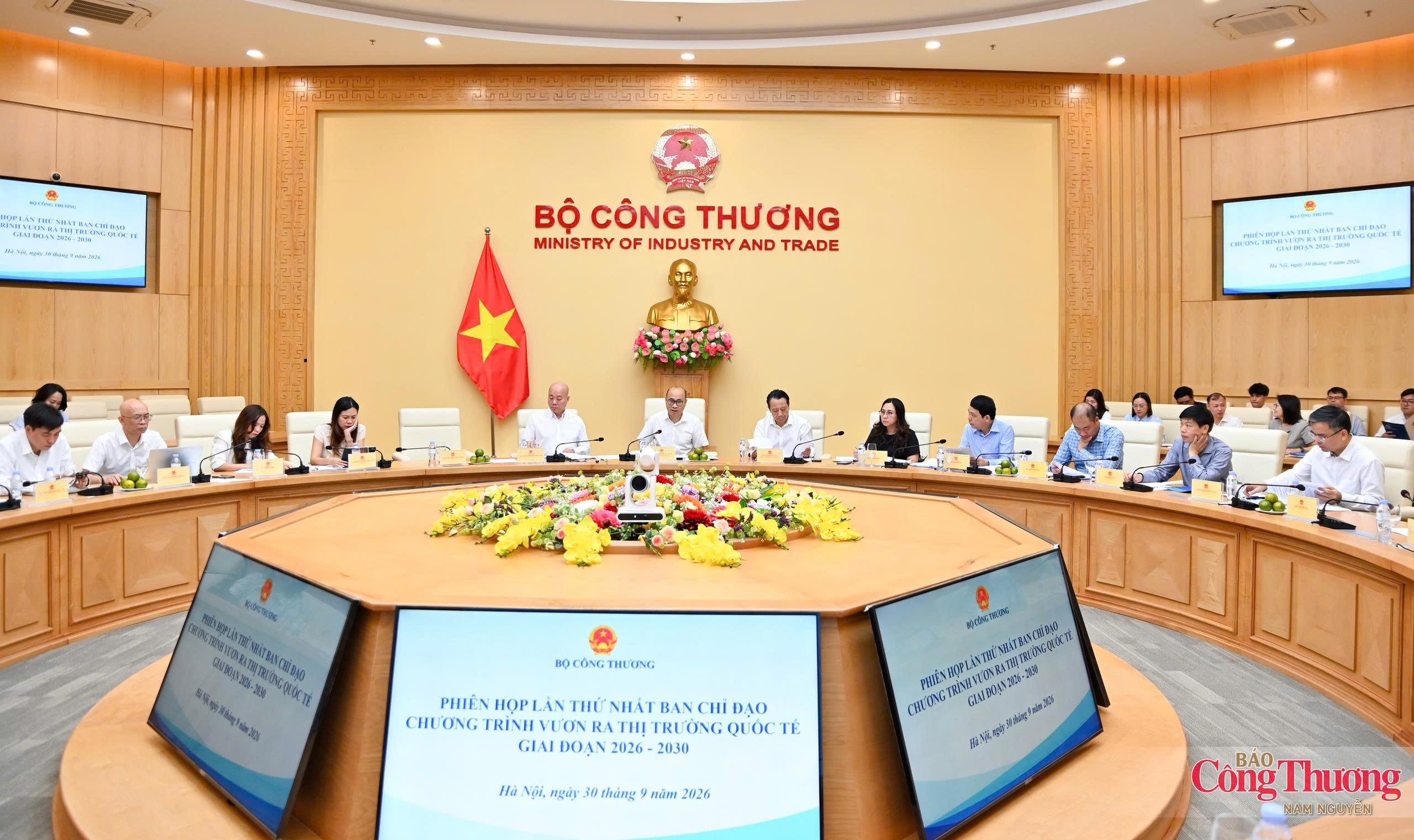
On September 30, the Ministry of Industry and Trade convened the first session of the Steering Committee for the GoGlobal Program for the 2026 - 2030 period.
On September 29, the Ministry of Industry and Trade (MoIT) held a meeting to introduce and provide information on the ceremony announcing products achieving Viet Nam Value recognition for the 10th edition in 2026. Deputy Minister of Industry and Trade Luong Hoang Thai chaired the event.
Trade promotion not only expands markets, but also connects Vietnamese technology businesses with buyers, partners and supply chains, helping increase the value of their products.