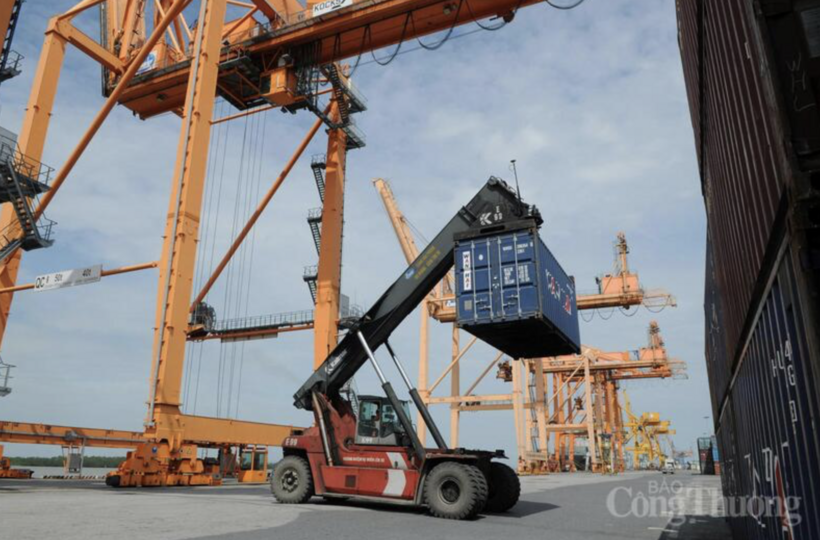
In the first quarter of 2026, Vietnam’s total merchandise trade reached USD 249,50 billion, marking a 23% increase compared to the same period last year.
Exports post strong growth
According to the latest data released by the General Statistics Office under the Ministry of Finance, total trade turnover in March stood at USD 93.55 billion, up 39.2% from the previous month and 23.9% year-on-year.
For the first quarter as a whole, total import-export turnover reached USD 249.50 billion, rising 23% compared to the same period in 2025. Of this, exports increased by 19.1% while imports surged by 27%, resulting in a trade deficit of USD 3.64 billion.
In Q1 2026, total merchandise trade reaches USD 249.5 billion, up 23% year-on-year.
In terms of structure, export turnover in March reached USD 46.44 billion, up 40.3% month-on-month. The domestic sector accounted for USD 8.96 billion, increasing by 39.2%, while the foreign-invested sector (including crude oil) recorded USD 37.48 billion, up 40.6%.
In the first quarter of 2026, total merchandise import-export turnover reached USD 249,5 billion, up 23% compared to the same period last year.
On a yearly basis, March exports rose 20.1%, with the domestic sector declining by 20.1% and the foreign-invested sector (including crude oil) growing by 36.5%.
Cumulatively in Q1-2026, export turnover reached USD 122.93 billion, up 19.1% year-on-year. The domestic sector contributed USD 24.47 billion, down 16.6%, accounting for 19.9% of total exports, while the foreign-invested sector (including crude oil) generated USD 98.46 billion, up 33.3%, representing 80.1%.
During the quarter, 20 export items recorded turnover exceeding USD 1 billion, accounting for 86.8% of total exports, including five items surpassing USD 5 billion, which made up 62.4%.
By commodity structure, processed industrial goods dominated with USD 110.52 billion, accounting for 89.9%. Agricultural and forestry products reached USD 9.34 billion (7.6%), seafood USD 2.64 billion (2.2%), and fuels and minerals USD 0.43 billion (0.3%).
Fruits and vegetables remained among key export categories. According to the Vietnam Fruit and Vegetable Association, export turnover for the sector reached nearly USD 1.48 billion in Q1 2026, up 27% year-on-year, reflecting a clear recovery and market expansion. This result underscores improved adaptability among enterprises, particularly as global demand gradually rebounds.
Dang Phuc Nguyen, General Secretary of the Vietnam Fruit and Vegetable Association, noted that China’s demand for imported fruits remains substantial, especially for tropical products. He emphasized that if quality control and traceability are ensured, Vietnam still has significant room for growth in this market.
Experts also highlighted that Vietnam’s emergence as a leading supplier to China, particularly for products such as durian, bananas, coconuts, and longan, provides a strong foundation for further market expansion.
In the textile and garment sector, export turnover exceeded USD 8.8 billion in Q1, up 1.9% year-on-year. The Vietnam Textile and Apparel Association (VITAS) stated that Vietnam’s competitive edge lies in its ability to meet environmental, social, and governance (ESG) standards, as well as its deep integration into global supply chains.
However, maintaining competitiveness will require businesses to proactively adjust strategies amid increasingly complex developments in the Middle East.
For 2026, the sector targets export turnover of USD 49 - 50 billion, representing growth of around 6% compared to 2025. VITAS believes this goal remains achievable if enterprises remain flexible in adapting to the evolving landscape. It also recommends that authorities enhance market information systems, update logistics conditions, and introduce timely support policies on credit and energy.
Imports focused on production inputs
Alongside export growth, import turnover in March reached USD 47.11 billion, up 38.2% month-on-month.
In Q1 2026, total imports amounted to USD 126.57 billion, increasing 27.0% year-on-year. The domestic sector recorded USD 35.2 billion, down 4.3%, while the foreign-invested sector reached USD 91.37 billion, up 45.3%.
There were 22 imported items exceeding USD 1 billion in value, accounting for 82.8% of total imports, including two items above USD 5 billion, making up 49.8%.
In terms of structure, production inputs dominated imports, totaling USD 118.84 billion and accounting for 93.9%. Within this, machinery, equipment, tools, and spare parts made up 55.3%, while raw materials and fuels accounted for 38.6%. Consumer goods represented USD 7.73 billion, or 6.1%.
Amid ongoing challenges, Associate Professor Ngo Tri Long emphasized that businesses should leverage free trade agreements (FTAs) to expand into emerging markets such as South Asia, Africa, Latin America, and Eastern Europe. He also stressed the need for the Ministry of Industry and Trade to strengthen market intelligence, particularly forecasting and early warning systems, noting that in an increasingly volatile global environment, timely and accurate information constitutes a critical competitive advantage.
Preliminary data showed a trade deficit of USD 2.97 billion in the first two months, and USD 0.67 billion in March alone. Overall, Q1-2026 recorded a trade deficit of USD 3.64 billion, compared to a surplus of USD 3.57 billion in the same period last year.
Regarding trade partners, the US remained Vietnam’s largest export market with turnover reaching USD 39.0 billion, while China continued to be its largest import market with USD 50.1 billion.
On October 13, the Agency of Foreign Trade under the Ministry of Industry and Trade (MoIT) held a conference in Dong Thap province to disseminate Government Decree No.365/2026/ND-CP dated September 23, 2026, on rice export and import business, and Circular No.65/2026/TT-BCT dated October 1, 2026, issued by the Minister of Industry and Trade, detailing certain provisions and measures for implementing Decree No.365/2026/ND-CP.
On October 13, Deputy Minister of Industry and Trade Luong Hoang Thai held a working session with MEDEF International, a French business organization, and representatives of French corporations operating in various sectors, including energy, industry, transport, construction and infrastructure development, food and beverages, and services, at the Ministry of Industry and Trade's headquarters.
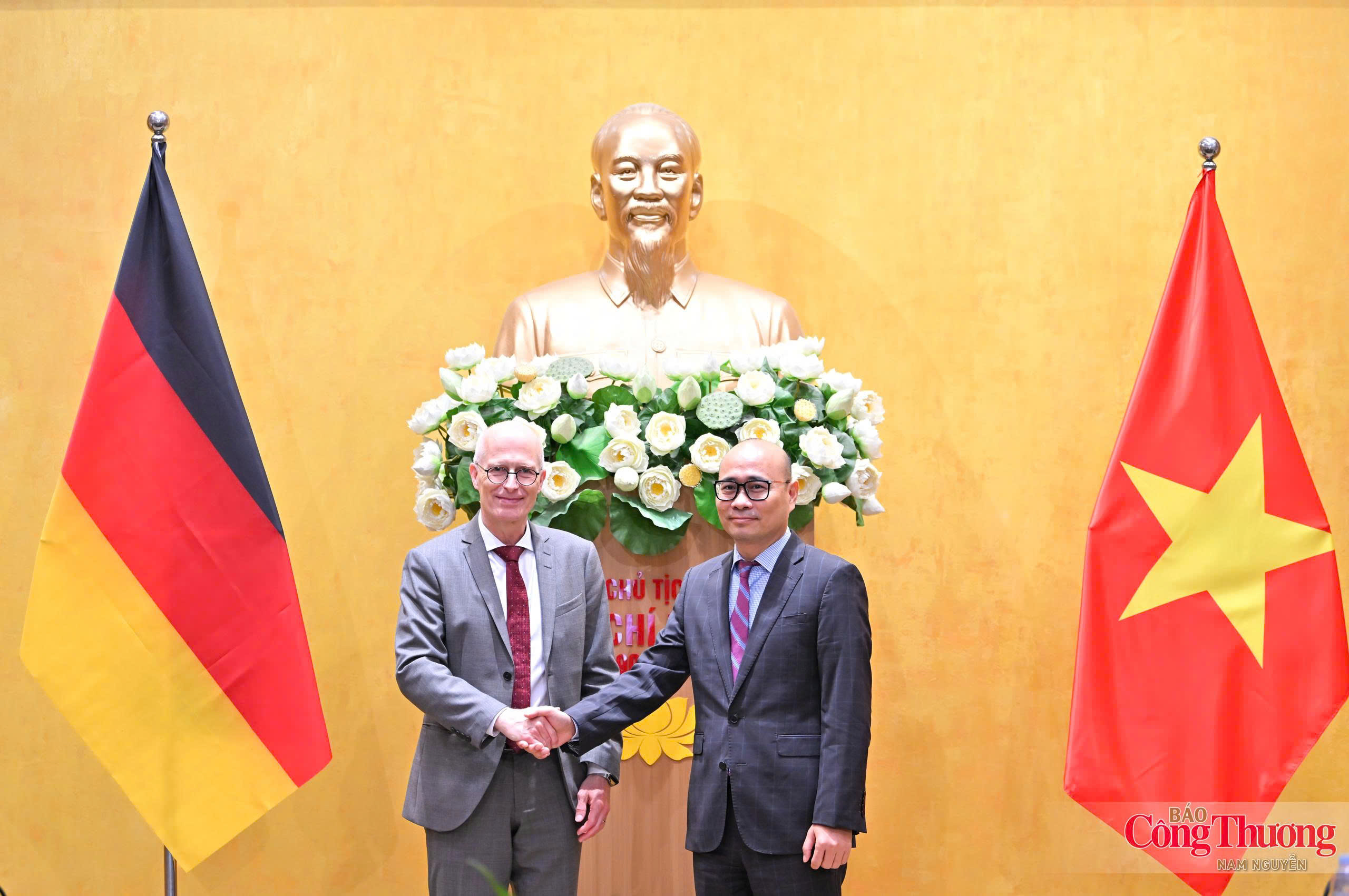
On October 14, Deputy Minister of Industry and Trade Luong Hoang Thai received and held a working session with a delegation from Hamburg, Germany, led by the city's First Mayor Peter Tschentscher at the Ministry of Industry and Trade's headquarters.
The Copyright Office is working closely with relevant agencies to develop plans for inspections and enforcement action against copyright and related rights infringements in the digital environment.
Viet Nam’s cultural industries are poised for growth as development targets become clearer, the digital content market expands and technology creates new ways.
Viet Nam - Malaysia trade hit USD 17.4 billion in the first nine months of 2026, exceeding the 2025 full-year total and signaling a stronger-than-expected year.
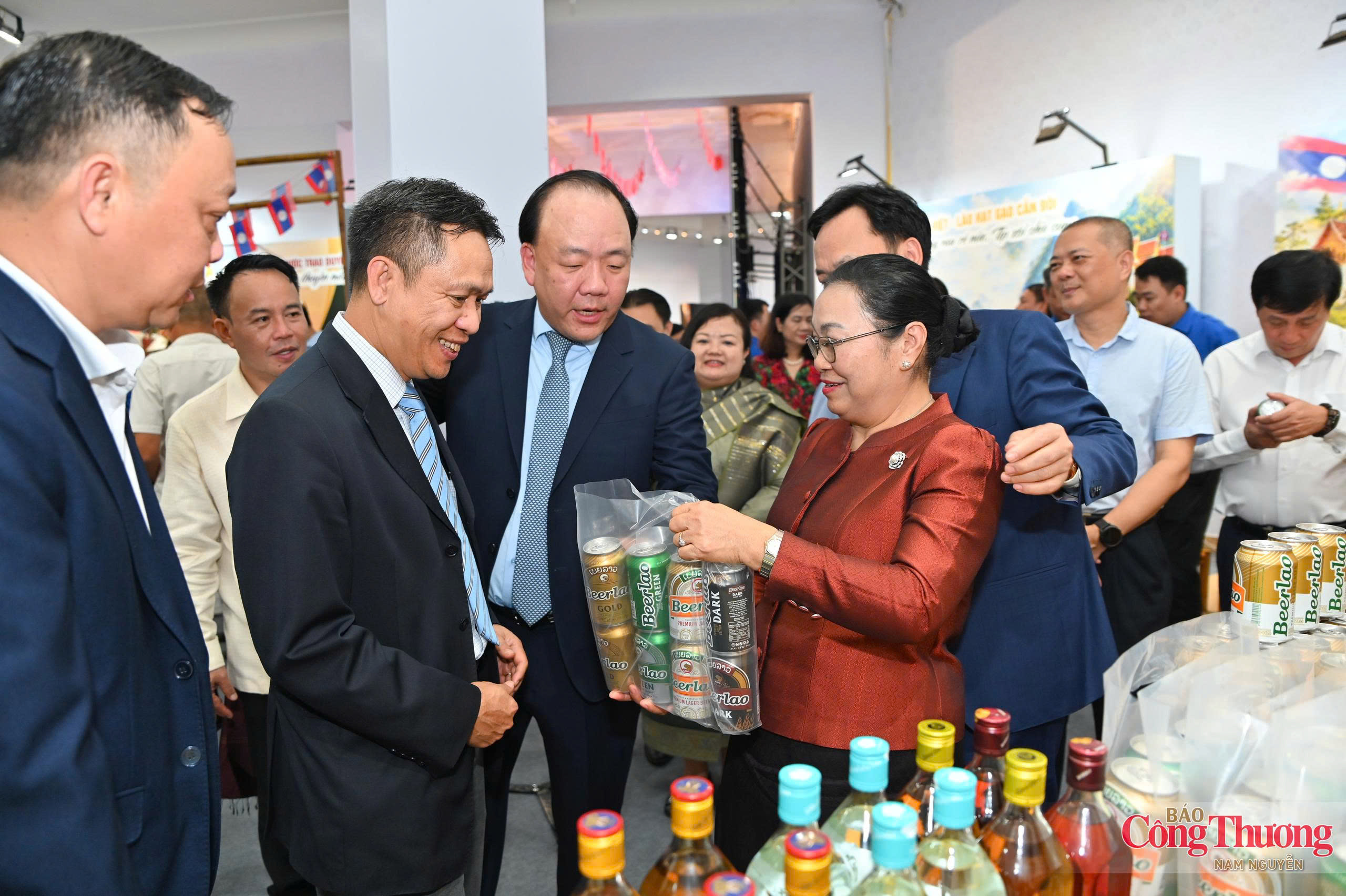
The official visit to Laos by Prime Minister Le Minh Hung is expected to inject fresh momentum into bilateral relations, with economic, trade and investment cooperation continuing to serve as a core pillar.
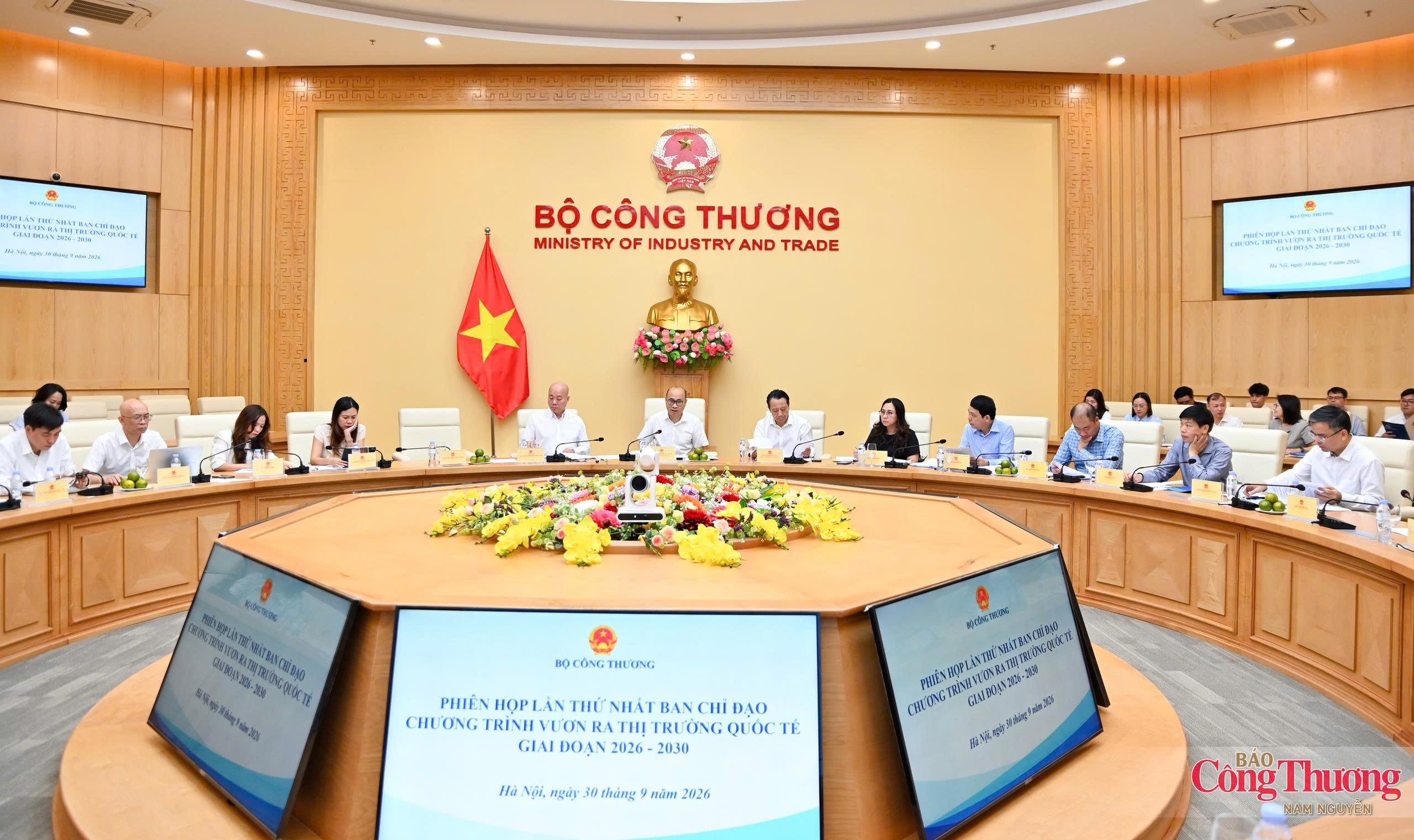
On September 30, the Ministry of Industry and Trade convened the first session of the Steering Committee for the GoGlobal Program for the 2026 - 2030 period.
On September 29, the Ministry of Industry and Trade (MoIT) held a meeting to introduce and provide information on the ceremony announcing products achieving Viet Nam Value recognition for the 10th edition in 2026. Deputy Minister of Industry and Trade Luong Hoang Thai chaired the event.
Trade promotion not only expands markets, but also connects Vietnamese technology businesses with buyers, partners and supply chains, helping increase the value of their products.