Vietnam’s retail market enters deep restructuring as short-term pressure rises, forcing SMEs to transform business models to survive in a more competitive market.
Vietnam’s retail market is entering a phase of profound restructuring, in which long-term opportunities remain substantial while short-term pressures are intensifying. In this context, small and medium-sized enterprises (SMEs) are facing a defining question of survival adapt and grow, or be eliminated in a new game that is increasingly transparent, professional and competitive.
Long-term potential alongside short-term pressure
According to Nguyen Tuan Minh from Vietnam Institute of Strategy and Policy for Industry and Trade under the Ministry of Industry and Trade (MoIT), the period from 2022 to 2025 clearly reflects the “dual nature” of Vietnam’s retail market. While short-term growth has slowed due to the lingering impacts of the pandemic and global economic instability, long-term fundamentals continue to underpin the market’s rare appeal in the region.
The retail market is forecast to remain intensely competitive over the long term.
In the short term, consumer purchasing power has recovered cautiously. Shoppers tend to tighten spending, prioritising essential goods and products and services related to health. Non-essential categories are under evident pressure. The Government’s decision to extend the 2% VAT reduction until mid-2025 underscores the persistent challenges facing demand stimulation.
From a medium to long-term perspective, however, the outlook remains highly promising. With a population approaching 100 million, rising per capita income and the rapid expansion of the middle class, domestic consumption is expected to become a key growth driver. By 2030, tens of millions of people are forecast to join the middle-income group, generating strong demand for goods, services and more sophisticated shopping experiences. Against this backdrop, Vietnam’s retail sector continues to be regarded as one of the fastest-growing markets in Asia.
Notably, slower growth does not signal an overall market downturn, but rather reflects increasing differentiation. Certain segments and business models that adapt quickly are recovering and expanding, while many traditional models are gradually revealing their limitations.
The period of 2024 - 2025 is widely seen as a turning point for the sector. Fast-moving consumer goods have witnessed the return of modern retail chains following restructuring, with some recording profits for the first time and entering a new expansion cycle. Electronics and information technology are rebounding in line with replacement demand. Pharmaceuticals are emerging as a growth area, driven by chain-based expansion and digitalisation, especially as regulatory frameworks allowing online sales of over-the-counter medicines open up new space for development. By contrast, sectors heavily reliant on discretionary spending continue to struggle.
Alongside market dynamics, the legal framework is also undergoing significant change. The roadmap to abolish presumptive taxation, the mandatory use of e-invoices, and tighter management of temporary and informal markets are gradually shaping a more transparent playing field. In the long run, this is a necessary direction, but in the short term it erodes the informal cost advantages that many small retailers and household businesses have long relied on.
Transformation as a condition for SME survival
Nguyen Tuan Minh noted that placing SMEs at the centre of today’s retail landscape highlights their vulnerability. The number of enterprises exiting the market over the past two years has remained high, predominantly among small firms with limited capital and short operating histories.
At the same time, digital retail and e-commerce continue to expand, accounting for a growing share of total retail sales. This trend presents both opportunities and challenges for SMEs. On the one hand, online platforms offer broader market access with relatively low initial costs. On the other, mounting challenges are emerging as major platforms adjust fee structures, commissions and advertising policies. With already thin profit margins, many small businesses are realising that channels once seen as a “lifeline” are becoming a heavy cost burden.
In traditional retail, pressures have not eased. SMEs must compete directly with modern retail chains that have achieved scale and operational efficiency, while also meeting increasingly stringent regulatory compliance requirements. As informal cost advantages disappear, small, fragmented retail models are forced to confront fundamental questions about their viability.
In reality, competition in retail is shifting from price wars to battles over business models and value propositions. Mass-market, low-price segments are becoming increasingly difficult terrain for SMEs unless they can offer clear differentiation.
In this context, SMEs have limited choices. The decisive factor lies in genuine transformation rather than superficial adjustments. First and foremost is internal transformation, encompassing governance, operations and the application of technology. Digital transformation is not merely about opening storefronts on e-commerce platforms or using fragmented software tools; it must be integrated into a coherent business strategy that enables better customer understanding, supply chain optimisation and enhanced shopping experiences.
Equally important is transformation in market positioning and branding. As consumers place growing emphasis on quality, traceability, sustainability and product stories, SMEs need to move away from the mindset of “selling what we have” towards “selling what the market needs”. Niche products, personalised services, strong ties to local communities or the embodiment of indigenous cultural values can become competitive advantages that large chains struggle to replicate at scale.
One pathway increasingly highlighted by experts is the hybrid direct-to-consumer (D2C) model. Rather than relying entirely on intermediary platforms, SMEs need to build their own direct sales channels to cultivate customer loyalty and retain ownership of data. E-commerce platforms should be viewed as tools for expanding reach, not as the sole foundation of the business.
Vietnam’s retail market is undergoing a shakeout of historical significance. For SMEs, this is a period fraught with challenges, but also a necessary trial to forge a new generation of retailers that are more transparent, professional and sustainable.
From a policy perspective, businesses require not only tighter management but also meaningful support in the transformation process, including practical digital skills training, the development of technological infrastructure, and measures that facilitate deeper participation of Vietnamese goods in modern retail systems.
For enterprises themselves, reliance on old advantages is no longer an option. Embracing change and investing in governance, technology and branding is a difficult but unavoidable path. Vietnam’s retail sector remains rich in potential, but that potential will be realised only by SMEs with the resilience to navigate the shakeout and secure a new position within a rapidly reshaped order.
From the perspective of distributors, to help SMEs overcome competitive barriers and establish a foothold in the retail market, a representative of the WinMart distribution system pointed to lessons from Thailand. In that market, modern retail accounts for around 40%, of which approximately 15% is controlled by Japanese enterprises with deep market penetration. This highlights the importance of designing appropriate technical barriers that both protect domestic enterprises and remain consistent with World Trade Organization commitments. Such criteria could be embedded in initiatives like the campaign “Vietnamese people prioritise Vietnamese goods,” implemented in a lawful and well-calibrated manner.
In practice, many Vietnamese retail enterprises, including WinMart and Bach Hoa Xanh, already maintain a high proportion of domestically produced goods. If the retail market continues to grow while the bulk of benefits accrue to foreign conglomerates, the long-term development of Vietnamese enterprises will face significant challenges.
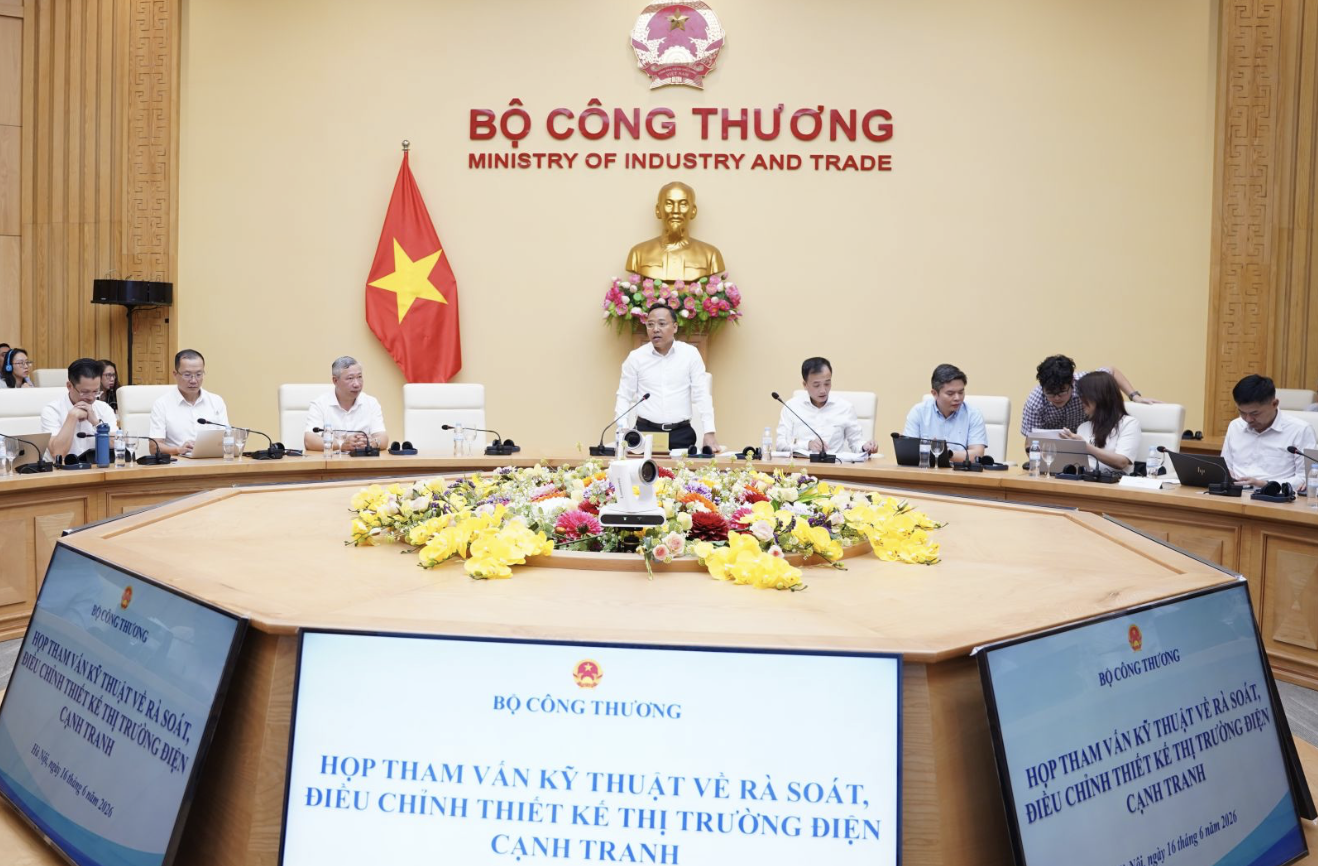
Ministry of Industry and Trade (MoIT) held a technical consultation in Hanoi on reviewing and adjusting the design of Vietnam’s competitive electricity market.
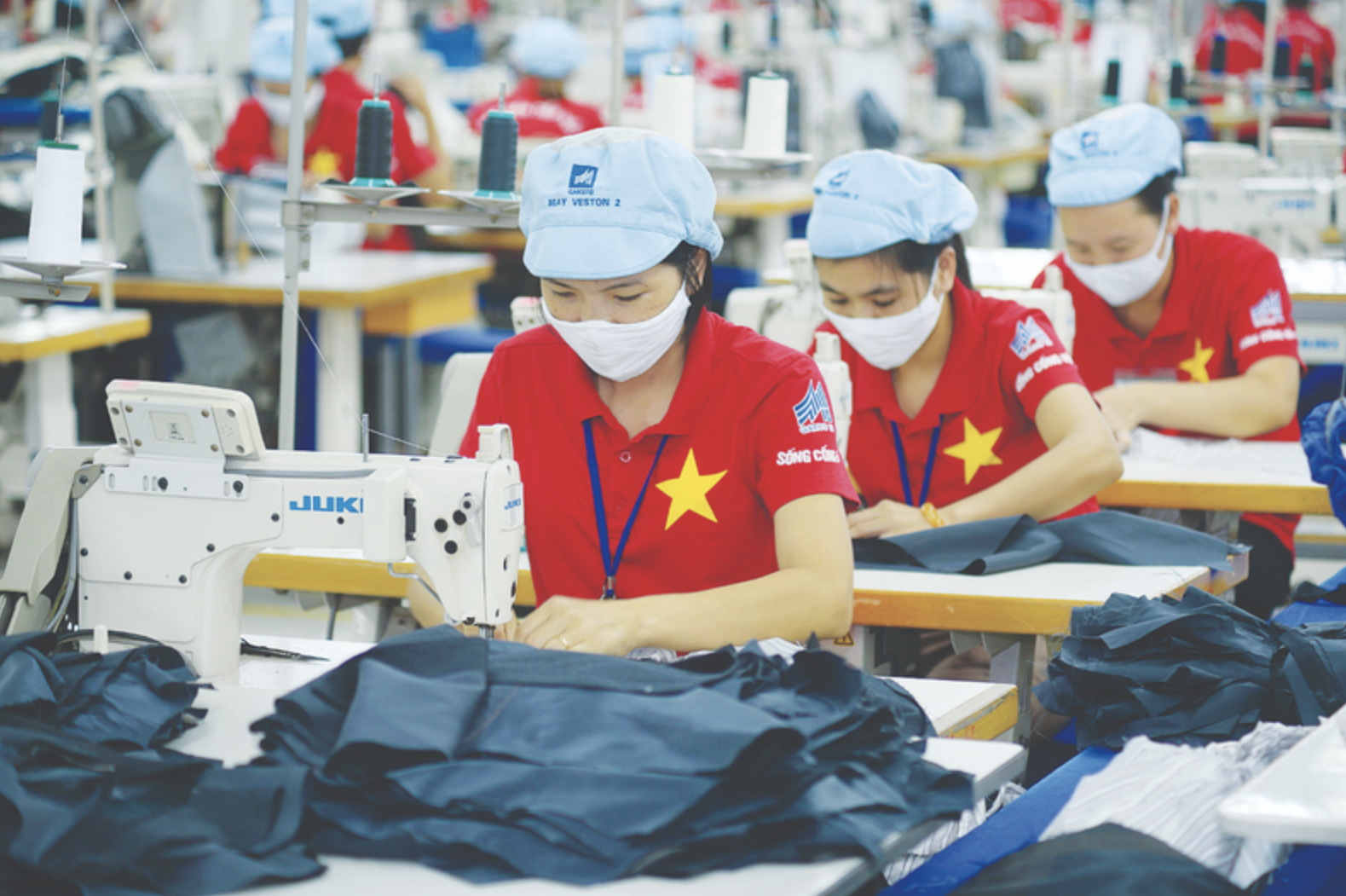
Textiles and garments continued to be one of Vietnam’s leading export categories to the Russian market in the first five months of 2026, generating export revenue of more than USD 106.99 million.
Siemens and Pacific Land will transform Silverlake Bio Hi-Tech Park into a smart, sustainable innovation hub supporting Vietnam’s high-tech growth ambitions.
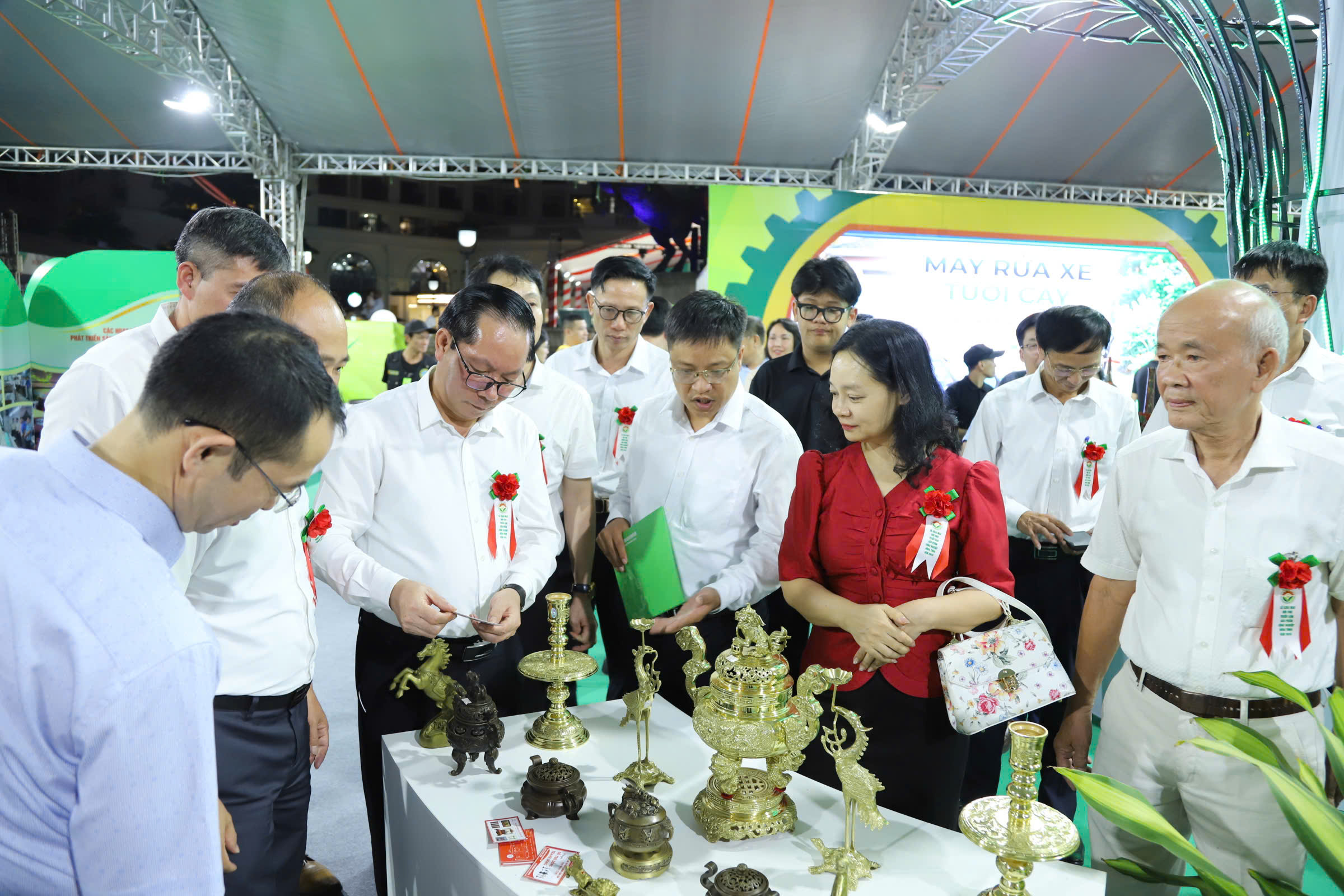
The Rural Industrial Products Fair and Exhibition 2026 has attracted more than 300 booths from provinces and cities across the country, helping promote outstanding rural industrial products, strengthen business connections, and expand consumer markets.
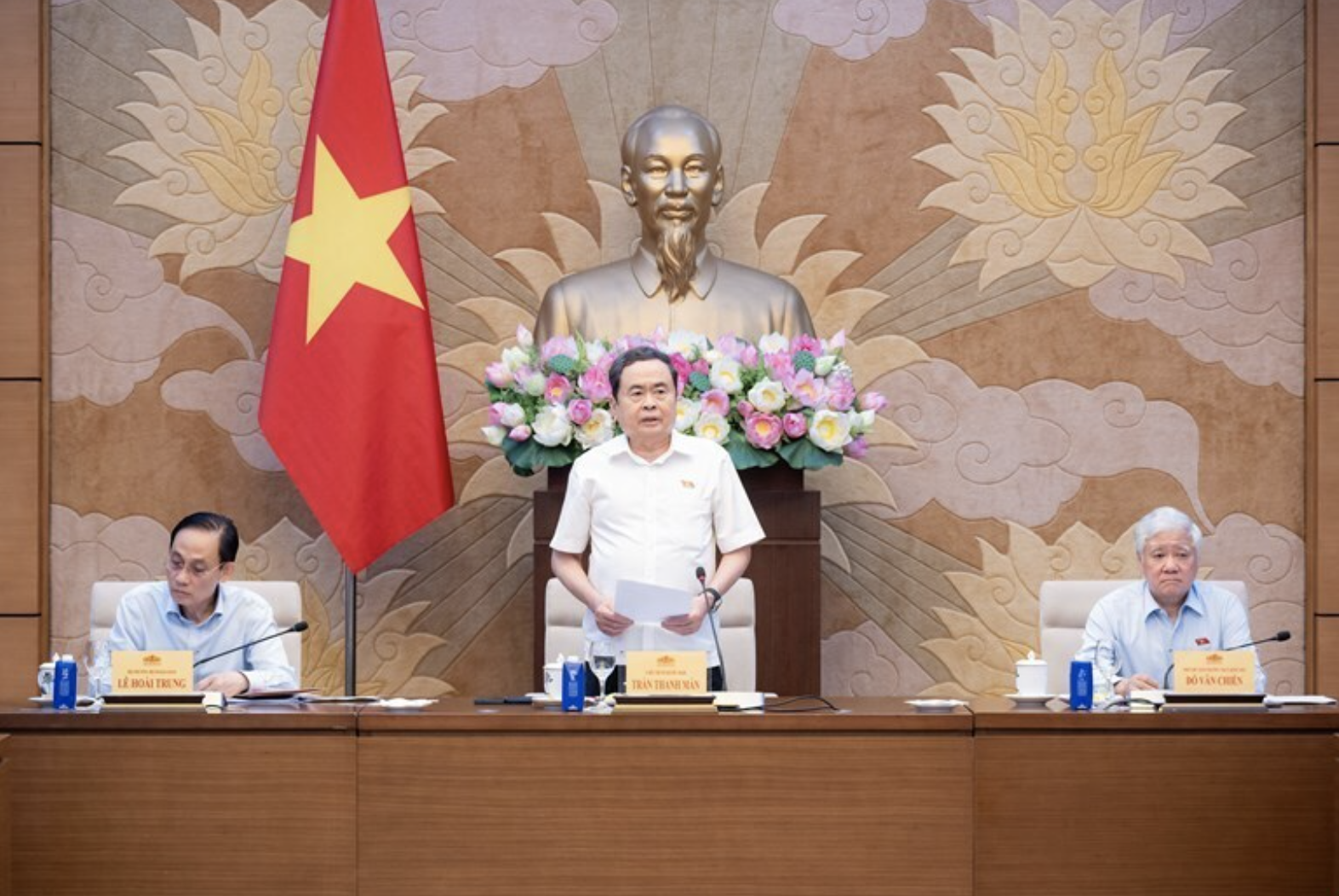
National Assembly Chairman Tran Thanh Man stressed that in the country's new stage of development, foreign affairs must not only contribute to safeguarding the nation from an early stage and from afar, but also serve as a key driver of development.
The Rural Industrial Products Fair and Exhibition 2026 has attracted more than 300 booths from provinces and cities across the country, helping promote outstanding rural industrial products, strengthen business connections, and expand consumer markets.
To further enhance the effectiveness of the national industrial promotion program, representatives from provincial Departments of Industry and Trade have proposed increasing support expenditures during the 2026-2030 period to align with the growing demands of digital transformation, green transition, and technological innovation at production facilities.
The Ministry of Industry and Trade (MoIT) delegation inspected TKV Minerals Corporation JSC (Vimico)’s 2026 storm-season preparations, highlighting AI-based monitoring and early warning systems to strengthen mine safety efforts