Vietnam’s January PMI stays above 50, signaling manufacturing growth as output, new orders and jobs rise, while firms face rising costs and mounting price pressures.
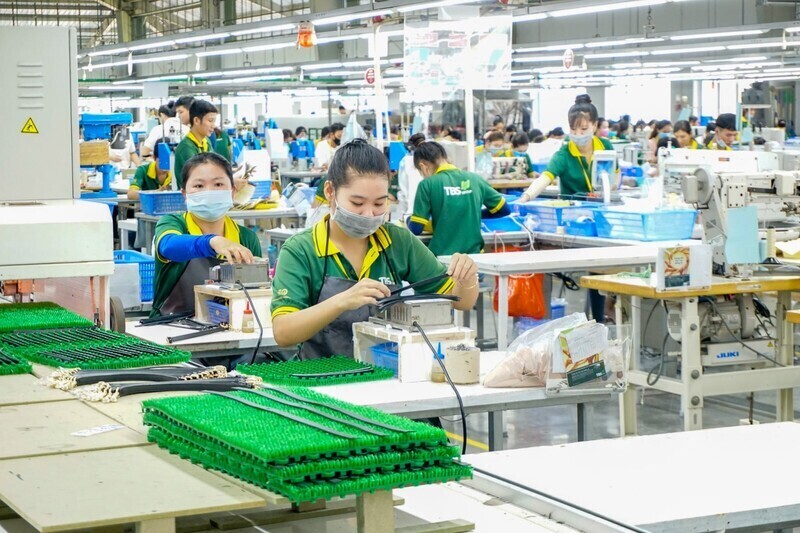
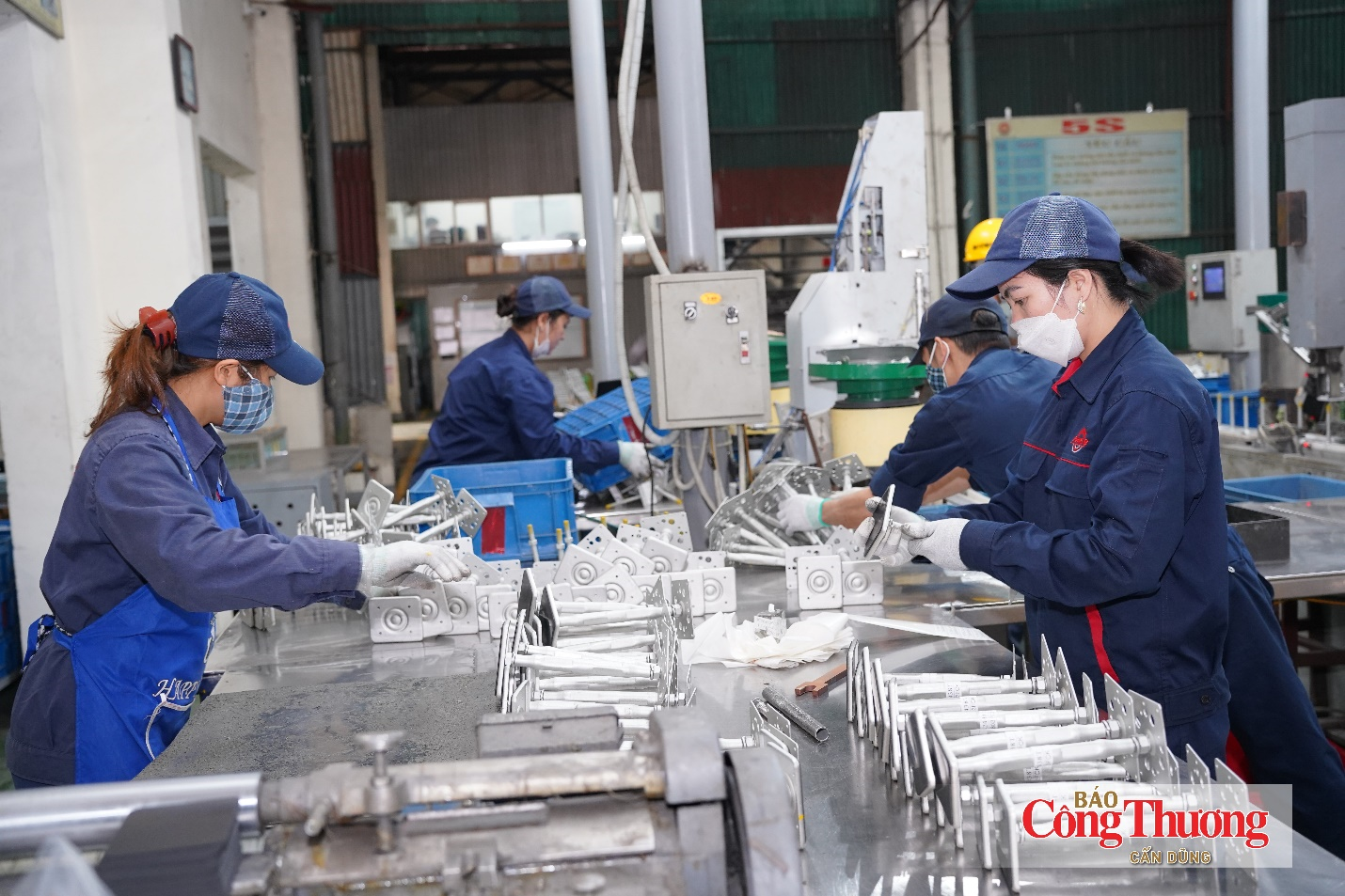
Vietnam’s manufacturing purchasing managers’ index (PMI) stood at 52.5 in January 2026, pointing to a continued improvement in industrial activity as output, new orders and employment expanded, reinforcing market confidence.
Output, orders and jobs all rise
According to the Vietnam Manufacturing PMI report released by S&P Global on February 2, the index edged down slightly from 53.0 in December 2025 but remained firmly above the 50-point threshold, signaling a solid improvement in business conditions at the start of the year. This also marked the seventh consecutive month of growth in the manufacturing sector.
Notably, output growth strengthened compared to the previous month despite the marginal dip in the headline PMI figure. Surveyed firms attributed the expansion mainly to an increase in new orders amid improving market demand. The pace of new order growth in January was faster than in December, indicating that demand for industrial products continued to expand.
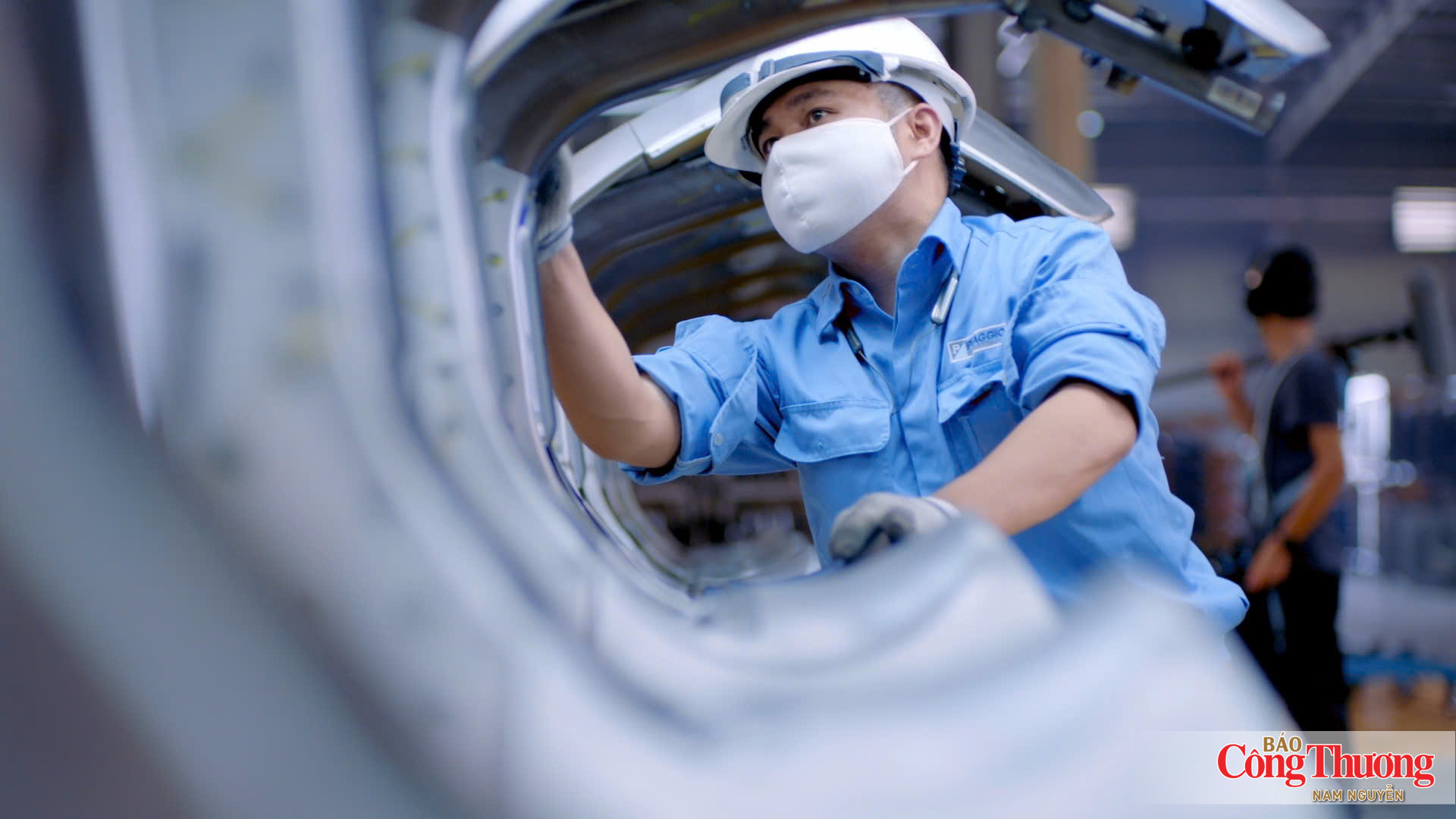
Vietnam’s manufacturing purchasing managers’ index (PMI) stood at 52.5 in January 2026.
New export orders also returned to growth, albeit modestly. Companies reported receiving orders from several Asian markets, including India, which supported production growth at a time when global trade conditions remain subject to uncertainties.
Stronger production demand led to further employment gains. Manufacturing employment increased for the fourth consecutive month, with the fastest pace of job creation since June 2024. Although the rise remained moderate and some firms preferred temporary contracts, the trend suggests growing confidence among businesses in future output and order prospects.
Firms also expanded their purchasing activity to meet higher production needs, extending the current sequence of growth in input buying to seven months. However, input inventories fell for the first time since September 2025 as materials were used to support rising output. Stocks of finished goods also declined at the fastest pace in four months, indicating solid sales performance.
Supplier delivery times continued to lengthen, though the extent of delays was the weakest in eight months. Meanwhile, backlogs of work fell for the second month running, albeit only slightly, reflecting improved capacity to process incoming orders.
Business confidence strengthens
Alongside rising output and orders, business confidence in the manufacturing sector continued to improve. Optimism regarding output prospects over the next 12 months rose for the fourth straight month, reaching the highest level since March 2024. Around 55% of surveyed firms expect output to increase over the coming year, supported by expectations of further order growth and more favorable market conditions.
Sharing his assessment with reporters, Nguyen Thuong Lang, a senior lecturer at the Institute of International Trade and Economics under National Economics University, said that the PMI’s continued presence above the neutral mark highlights the resilience of Vietnam’s manufacturing capacity and the stability of its industrial supply chains.
“Production activity is being maintained at least at a stable level, with room for market expansion. Input factors such as labor, capital and raw materials are experiencing mild growth, laying a foundation for stronger acceleration in the second and third quarters,” he noted.
According to Nguyen Thuong Lang, even a 1 - 2 point rise in the PMI would signal a more positive outlook for the following period, while also demonstrating the adaptability and competitiveness of Vietnamese goods amid market fluctuations.
However, the S&P Global report also underscored notable challenges. Input costs continued to rise sharply in January, easing only slightly from the highest level in more than three and a half years recorded in December 2025. The increase was linked to higher demand for inputs and ongoing shortages of certain raw materials.
Rising cost pressures forced firms to raise selling prices further. Output prices in January increased at the fastest pace since April 2022, reflecting persistent inflationary pressures within the manufacturing sector. Nevertheless, demand has so far shown no clear signs of weakening in response to higher prices.
Andrew Harker, Economics Director at S&P Global Market Intelligence, commented that Vietnam’s manufacturing sector made a solid start to 2026 as firms ramped up production to meet rising new orders. Building on momentum accumulated at the end of 2025, the sector is expected to post a relatively positive performance this year. However, he cautioned that inflationary pressures and raw material supply shortages remain potential headwinds, requiring close monitoring of order trends in the coming months.
From a longer-term perspective, Nguyen Thuong Lang emphasized that early positive signals should not lead to complacency, as the broader economic outlook for the year depends on various unpredictable factors such as geopolitical developments, trade policies, technological advances and intensifying international competition.
For a highly open economy like Vietnam, reliance on several key markets carries risks if tariff shocks or trade barriers arise. Therefore, alongside maintaining production growth, businesses should proactively diversify markets, seek new orders, develop risk response scenarios and strengthen internal capacity. These are seen as essential conditions for Vietnam’s industrial production not only to improve in the short term but also to sustain stable growth throughout 2026.
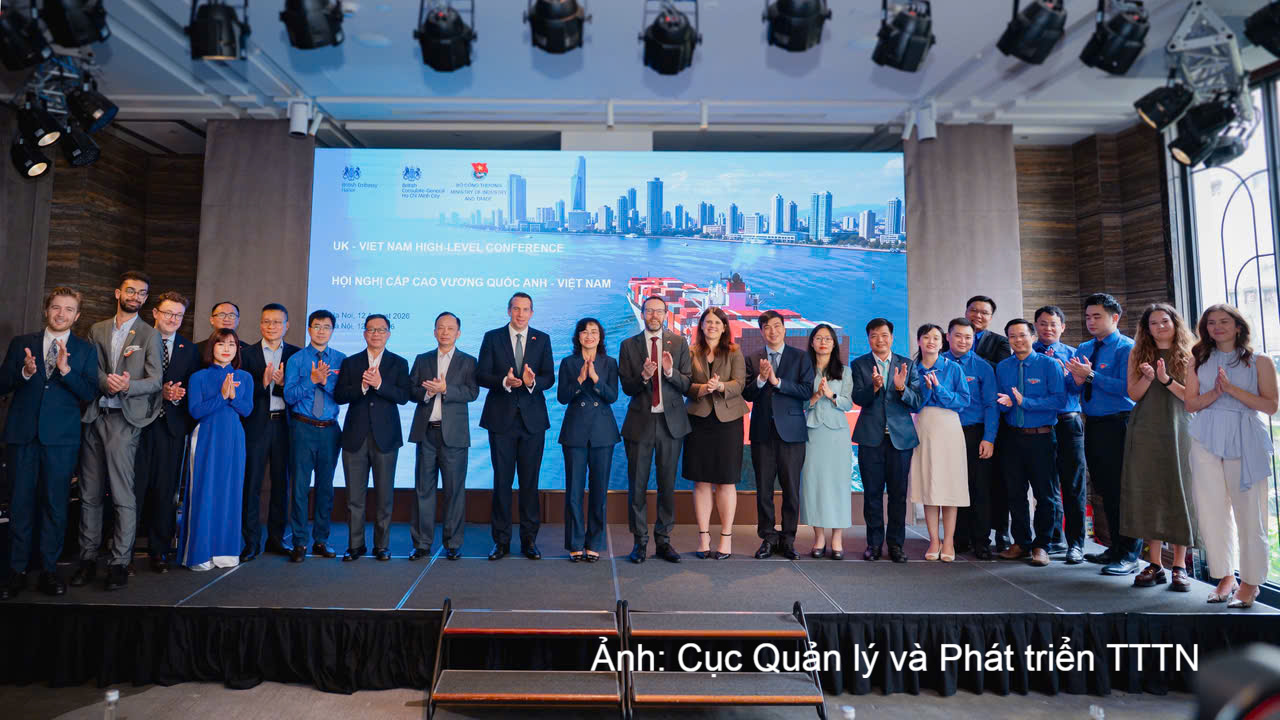
The 2026 UK - Viet Nam Summit was held in Ha Noi on August 12, focusing on fields that are creating new momentum for growth, including artificial intelligence (AI), financial technology, crypto assets, commodity derivatives markets and logistics.
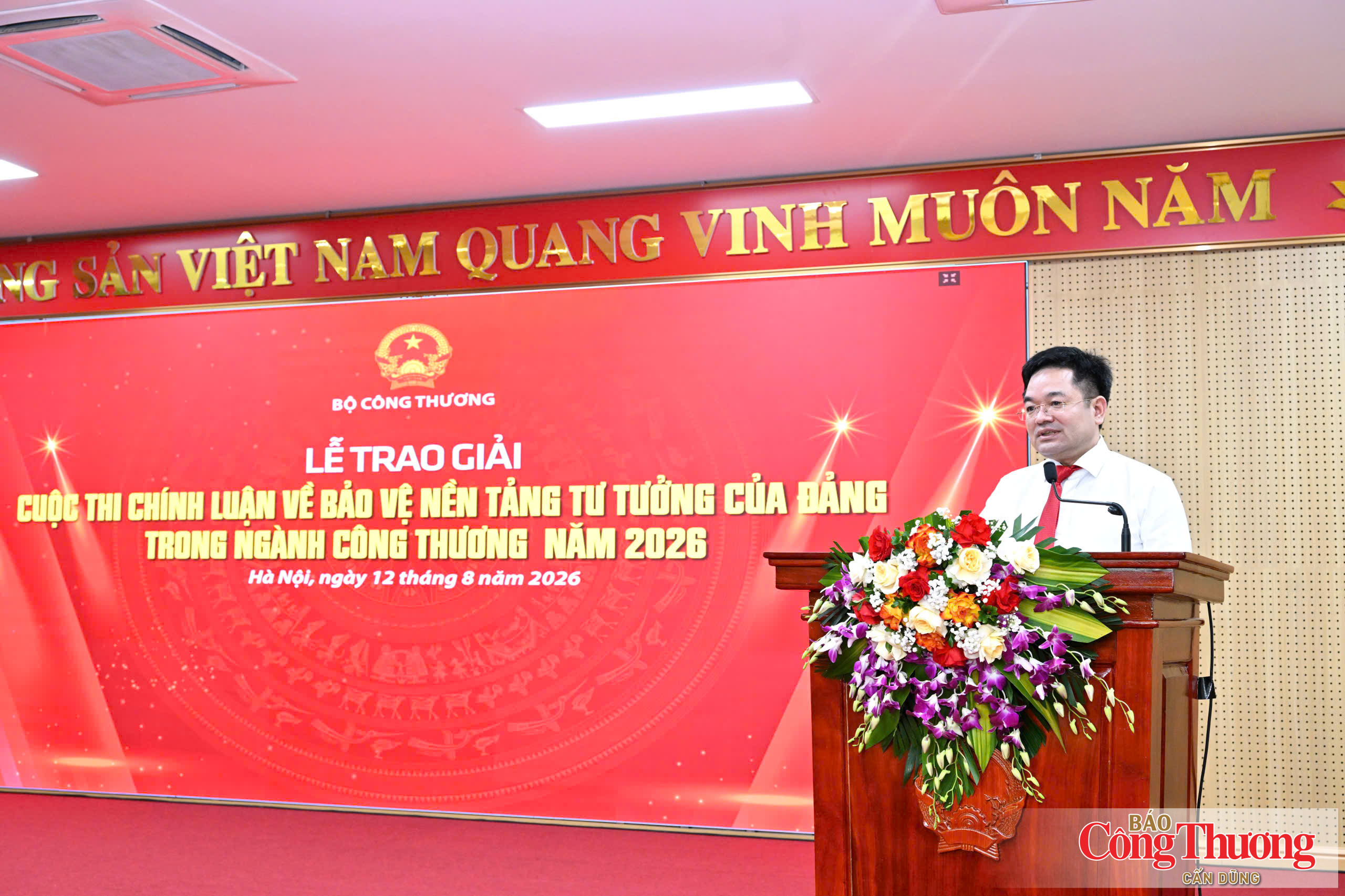
Editor-in-Chief of the Industry and Trade Newspaper Nguyen Van Minh said distorted narratives are defeated by counterarguments and undeniable realities when Party members perform their duties well too.
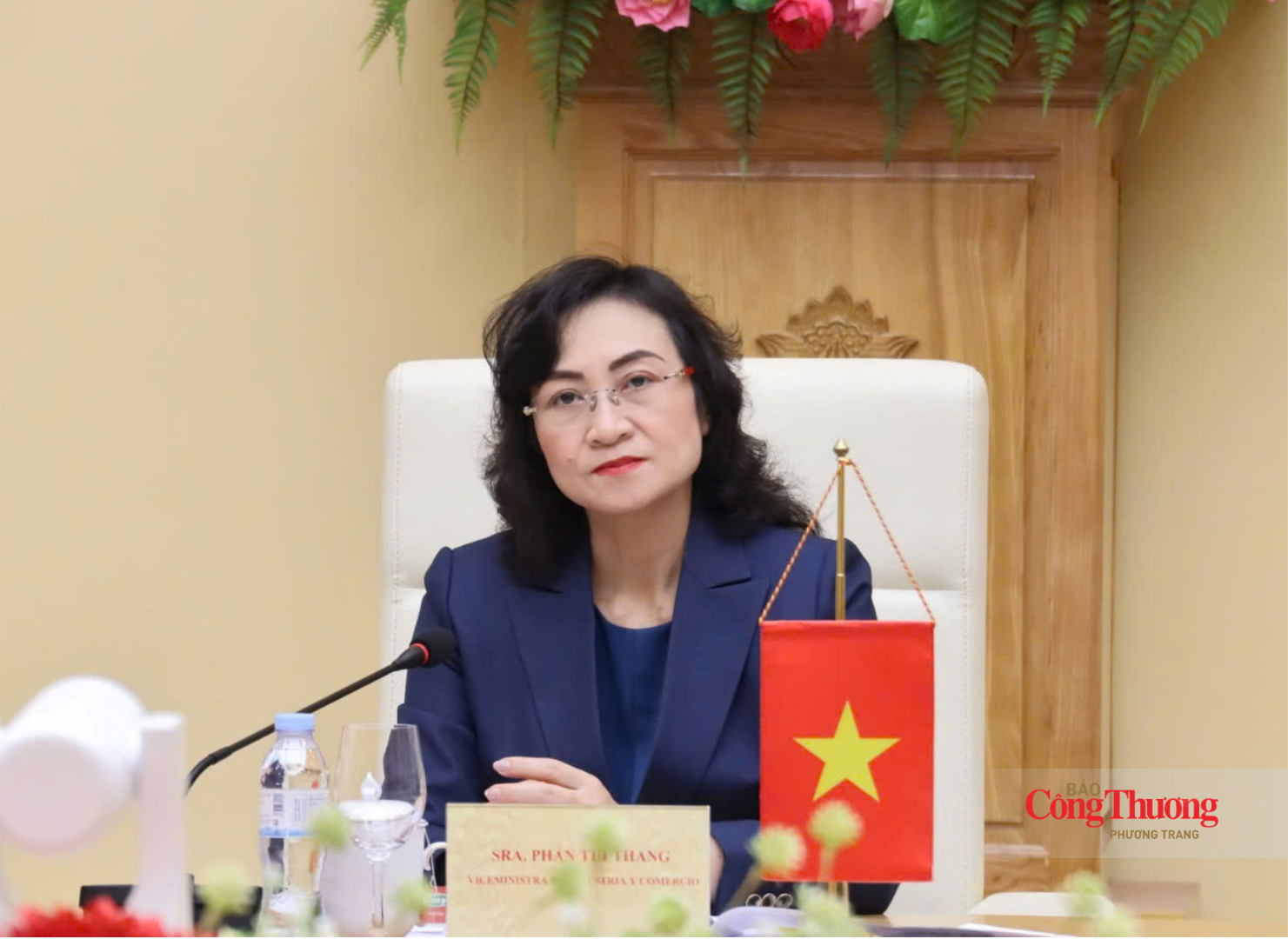
On August 12, Deputy Minister of Industry and Trade Phan Thi Thang held an online working session with Andrea Corao Faria, Venezuela's Deputy Minister for Asia, the Middle East and Oceania at the Ministry of Foreign Affairs and Foreign Trade.
Viet Nam and Australia are deepening energy and minerals cooperation strengthening supply chains, investment and support for the energy transition in both countries.
During his working trip accompanying Party General Secretary and State President To Lam on a State visit to Australia, Minister of Industry and Trade Le Manh Hung held a bilateral meeting with Australian Minister for Trade and Tourism Don Farrell in Canberra on August 11 (local time), to discuss measures to promote economic and trade relations between the two countries.
Viet Nam’s manufacturing industry must move beyond processing and assembly, master technology, raise localization and generate higher value across production chains.
KCN Vietnam has broken ground on its 21.9-hectare Song Than 3 project in Ho Chi Minh City, adding over 130,000 sqm of LEED-standard industrial space to the market.
MoIT leader Le Manh Hung clarified major issues in the revised Petroleum Law, including decentralisation, investment incentives, CCS and offshore energy development.
The Netherlands offers strong opportunities for Vietnamese firms to enter manufacturing supply chains, but meeting strict market standards remains a major challenge.
As Vietnam advances its energy transition, battery energy storage systems (BESS) are emerging as a key solution for enhancing grid flexibility, increasing the integration of renewable energy and strengthening energy security.