Vietnam is emerging as a regional automobile manufacturing hub, backed by structured factory projects and long-term commitments from global brands.
From a consumption market to a key production link
Amid a profound restructuring of the global automobile supply chain following prolonged disruptions, Vietnam is increasingly positioning itself as a new destination for large-scale manufacturing projects. Investment capital is no longer driven solely by cost advantages, but is also seeking countries with political stability, rapidly improving industrial infrastructure and a long-term development vision. Within this wave of relocation, Vietnam’s automobile industry is entering a new phase, a cycle marked by rising manufacturing investment, featuring projects of greater depth, scale and long-term commitment.
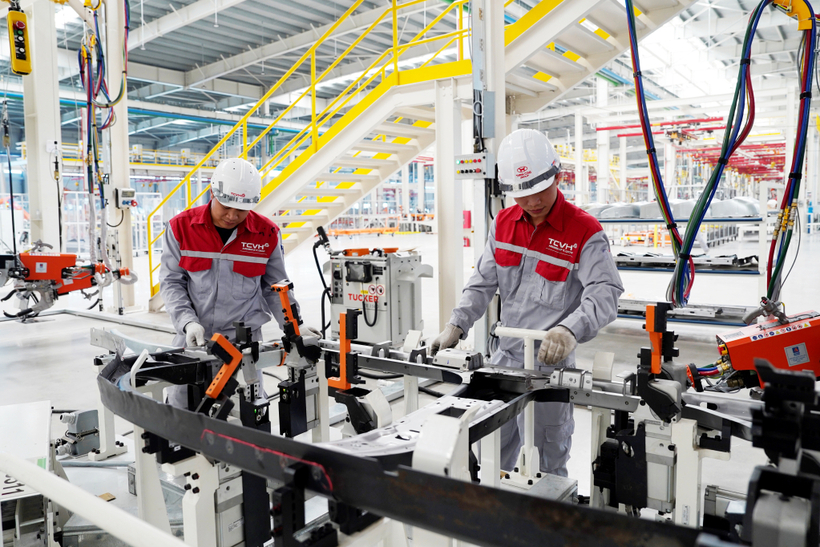
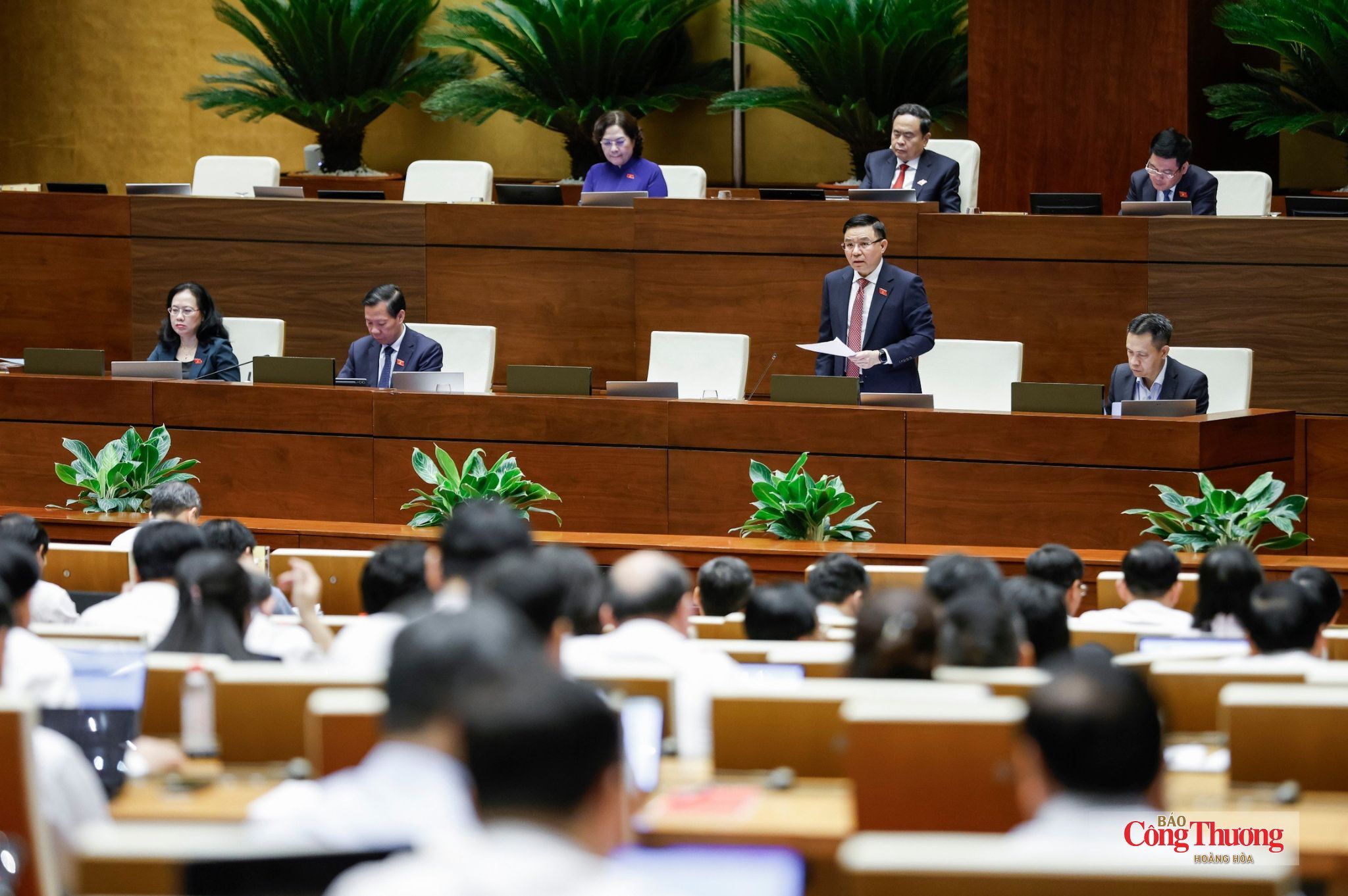
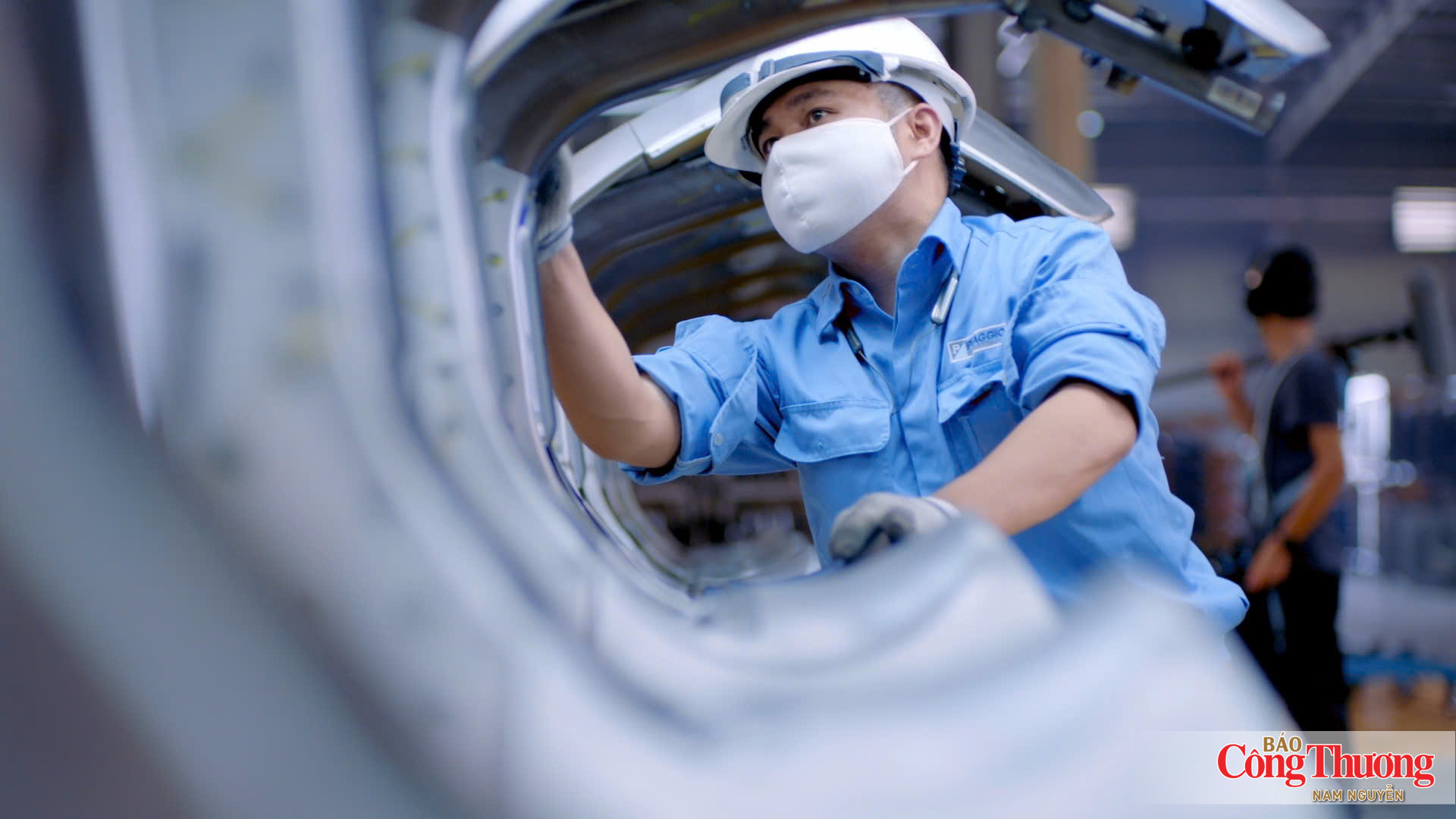
Recent developments indicate that instead of remaining at the stage of import and distribution, many international automakers have opted to invest directly in production, gradually establishing assembly and manufacturing hubs in Vietnam. This trend is widely seen as a signal that Vietnam’s role in the regional automobile value chain is being elevated, from a consumption-oriented market to an increasingly important production link.
Recent developments indicate that instead of remaining at the stage of import and distribution, many international automakers have opted to invest directly in production, gradually establishing assembly and manufacturing hubs in Vietnam. Photo: Can Dung
Within this broader context, the automobile manufacturing plant project of Omoda & Jaecoo in Hung Phu Industrial Park, Hung Yen province, has emerged as a notable highlight. At a time when competition in the automobile market is intensifying, both in terms of products and long-term strategies, the company’s persistence in pursuing a manufacturing investment underscores a methodical approach and a long-term vision for the Vietnamese market.
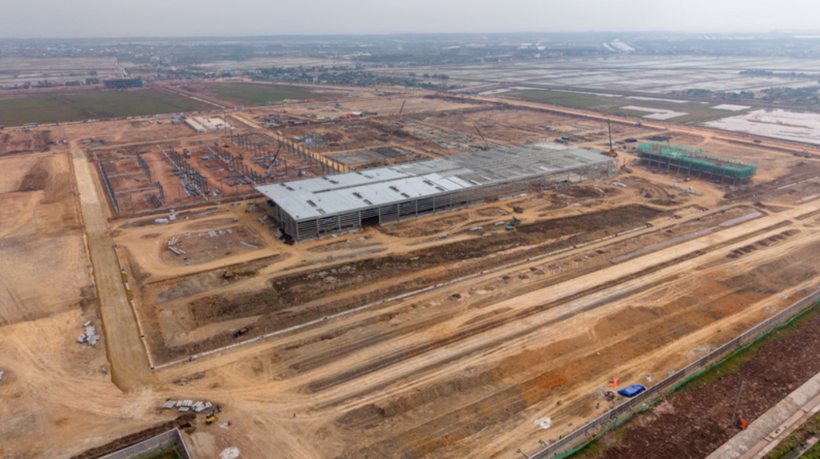
According to the latest updates, the Omoda & Jaecoo plant project has entered an accelerated construction phase for key infrastructure components. In January 2026, the entire main steel frame of the assembly workshop was completed, gradually shaping a high-tech automobile manufacturing complex that is scheduled to begin operations in 2026.
A representative of Omoda & Jaecoo Vietnam said that since the groundbreaking ceremony in October 2025, construction has been carried out strictly in line with the approved schedule. The foundation system, steel structures, auxiliary facilities and internal traffic routes within the factory premises have been progressively completed, laying the groundwork for subsequent stages, including the installation of production lines and technological systems.
“Ensuring progress is not only a technical requirement, but also a decisive factor in bringing the project into operation at an early stage, in line with our long-term development strategy in Vietnam,” Simon Liu, General Director of Omoda & Jaecoo Vietnam, said. The plant is expected to become one of the brand’s key manufacturing bases in Southeast Asia.
Overview of the current status of the Omoda & Jaecoo Vietnam manufacturing plant, scheduled to begin operations in 2026. Photo: Huong Ngo
Long-term commitment to vietnam
A notable feature of the Omoda & Jaecoo factory project is its development model based on a “green factory - clean ecosystem” approach. Accordingly, the plant is designed not only to focus on production capacity, but also to meet increasingly stringent sustainability standards of the global automobile industry.
Environmentally friendly solutions have been integrated from the design stage, including open architecture to maximize natural lighting and ventilation, rooftop solar power systems to save energy and reduce emissions, closed-loop wastewater treatment combined with rainwater reuse, and the use of construction materials that reduce heat absorption and electricity consumption. In addition, an intelligent energy management system is being deployed in a synchronized manner, enabling the monitoring and optimization of energy consumption across the entire facility.
According to company representatives, developing the factory in line with ESG standards not only meets the group’s internal requirements, but also aligns with Vietnam’s sustainable development orientation in the coming period. This is regarded as a foundation for the plant’s stable, efficient and environmentally friendly operation over the long term.
Once operational, the project is expected to create thousands of high-quality jobs for local workers, while stimulating the development of supporting industries, logistics and related services. More importantly, the plant’s operation will contribute to technology transfer, enhance workforce skills and gradually help form a modern automobile manufacturing ecosystem in the region.
Leaders of Omoda & Jaecoo Vietnam affirmed that investing in the factory in Hung Yen is not merely a business decision, but also reflects the company’s responsibility and long-term commitment to accompany Vietnam’s development, in line with the spirit of “coming to Vietnam - for Vietnam” that the brand upholds.
In fact, the Omoda & Jaecoo project is not an isolated case. Earlier, upon officially entering the Vietnamese market in 2023, Skoda signed a cooperation agreement with Thanh Cong Group to build a manufacturing plant in Quang Ninh province. On March 26, 2025, the Thanh Cong Viet Hung Automobile Plant was officially inaugurated and put into operation, marking the production of the first Skoda vehicles in Vietnam.
The Thanh Cong Viet Hung plant was completed within 25 months, with a total area of 36.5 hectares. Its welding, painting and final assembly lines are equipped with modern technologies and a high level of automation, meeting Skoda Auto’s stringent global standards. Intelligent robotic systems are integrated throughout the production process, helping to optimize precision, improve efficiency and ensure product quality, while also targeting energy savings and environmental friendliness.
The growing presence of large-scale automobile manufacturing projects demonstrates that Vietnam is increasingly becoming an attractive destination in the global automobile industry’s supply chain restructuring strategies. Beyond the rising number of projects, the more significant factor lies in the quality of investment, the level of commitment and the long-term vision that international manufacturers are bringing to the Vietnamese market.
Vietnam’s automobile industry entering a new cycle of investment inflows not only opens up opportunities for domestic manufacturing, but also places higher demands on infrastructure, human resources and supporting policies. If these opportunities are effectively leveraged, Vietnam can gradually enhance its position in the regional automobile value chain, moving toward a sustainable and in-depth automobile industry.
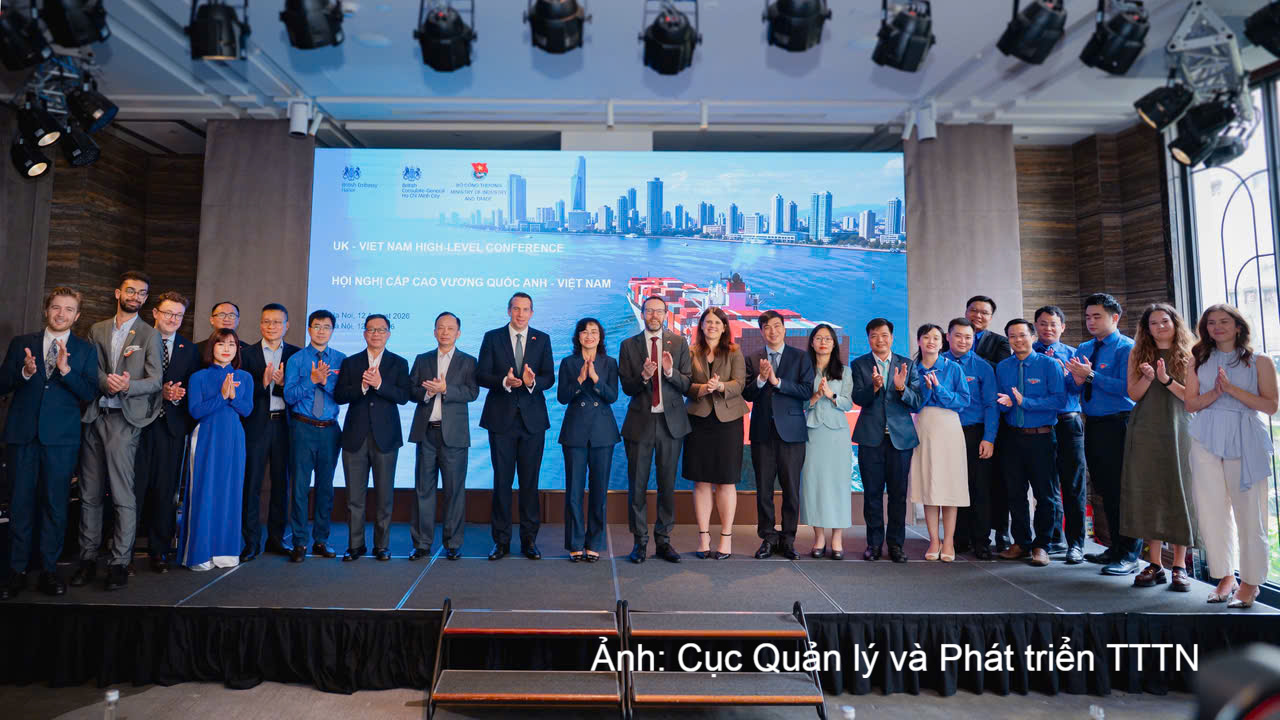
The 2026 UK - Viet Nam Summit was held in Ha Noi on August 12, focusing on fields that are creating new momentum for growth, including artificial intelligence (AI), financial technology, crypto assets, commodity derivatives markets and logistics.
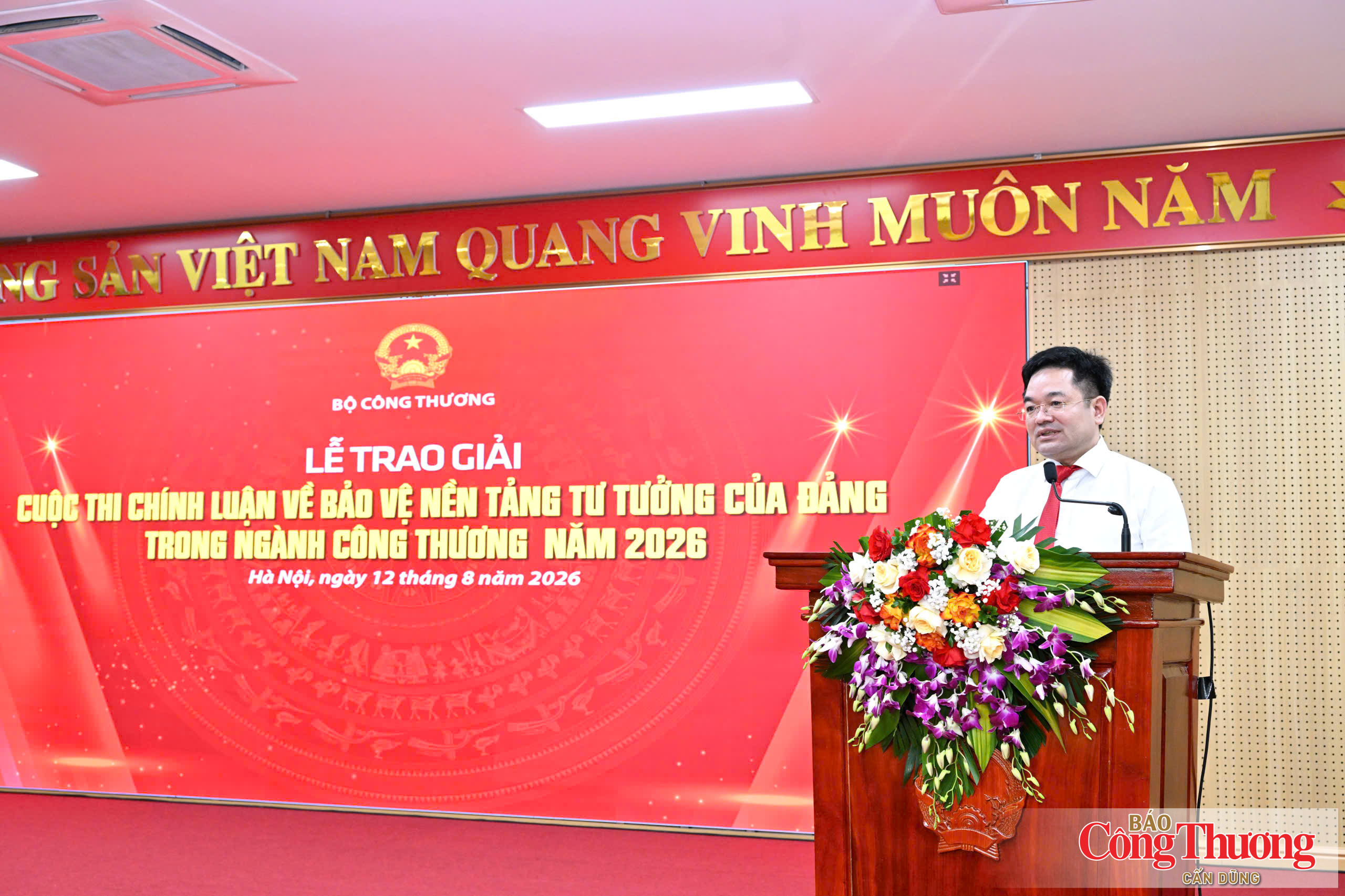
Editor-in-Chief of the Industry and Trade Newspaper Nguyen Van Minh said distorted narratives are defeated by counterarguments and undeniable realities when Party members perform their duties well too.
On August 12, Deputy Minister of Industry and Trade Phan Thi Thang held an online working session with Andrea Corao Faria, Venezuela's Deputy Minister for Asia, the Middle East and Oceania at the Ministry of Foreign Affairs and Foreign Trade.
Viet Nam and Australia are deepening energy and minerals cooperation strengthening supply chains, investment and support for the energy transition in both countries.
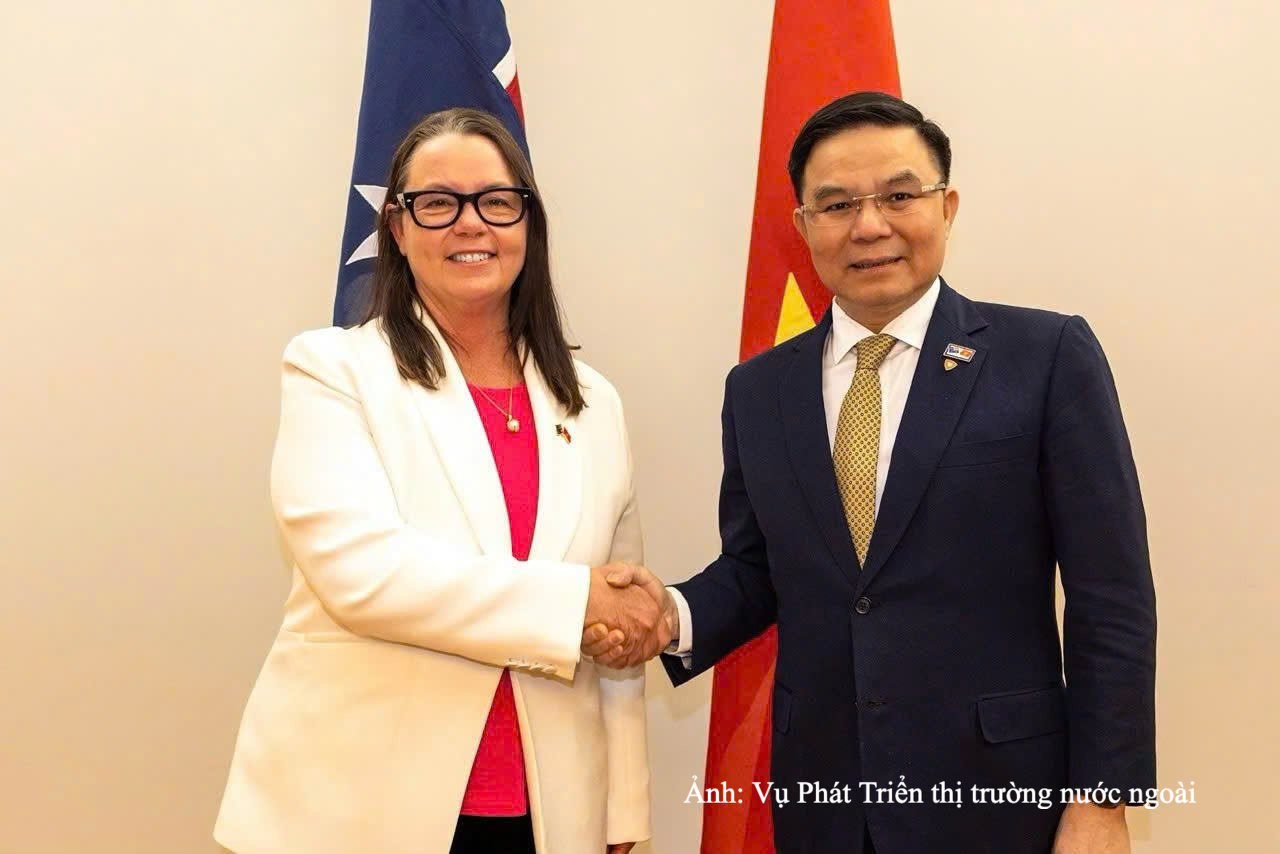
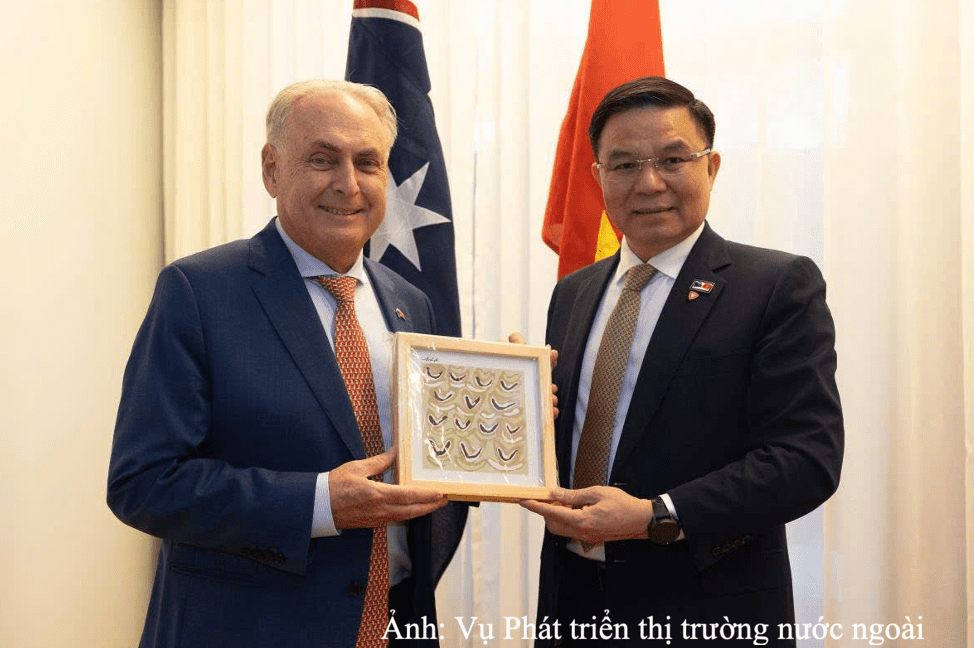
During his working trip accompanying Party General Secretary and State President To Lam on a State visit to Australia, Minister of Industry and Trade Le Manh Hung held a bilateral meeting with Australian Minister for Trade and Tourism Don Farrell in Canberra on August 11 (local time), to discuss measures to promote economic and trade relations between the two countries.
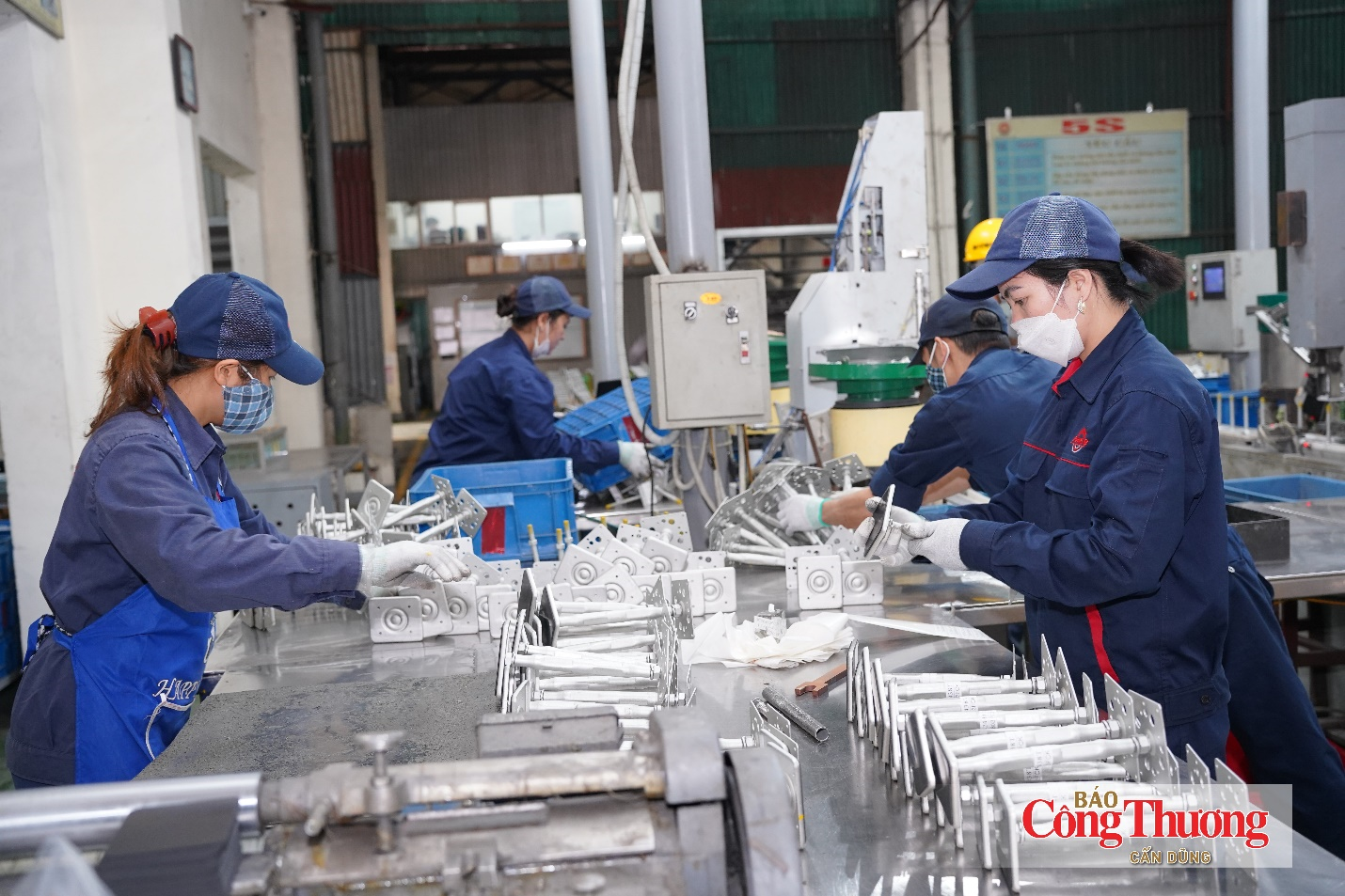
Viet Nam’s manufacturing industry must move beyond processing and assembly, master technology, raise localization and generate higher value across production chains.
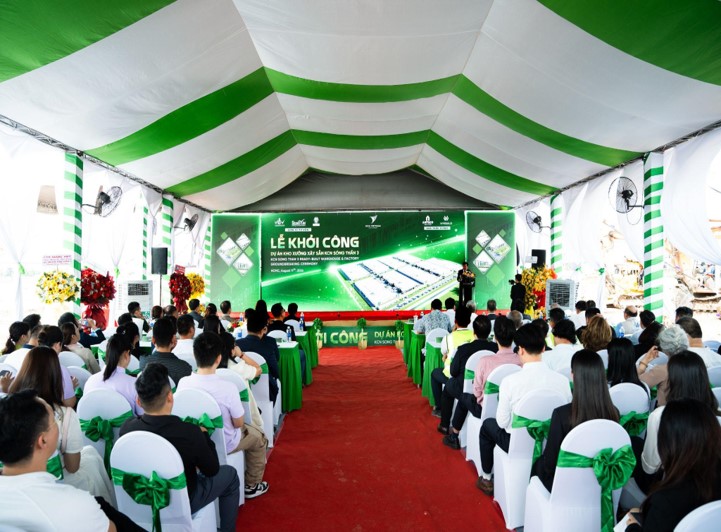
KCN Vietnam has broken ground on its 21.9-hectare Song Than 3 project in Ho Chi Minh City, adding over 130,000 sqm of LEED-standard industrial space to the market.
MoIT leader Le Manh Hung clarified major issues in the revised Petroleum Law, including decentralisation, investment incentives, CCS and offshore energy development.
The Netherlands offers strong opportunities for Vietnamese firms to enter manufacturing supply chains, but meeting strict market standards remains a major challenge.
As Vietnam advances its energy transition, battery energy storage systems (BESS) are emerging as a key solution for enhancing grid flexibility, increasing the integration of renewable energy and strengthening energy security.