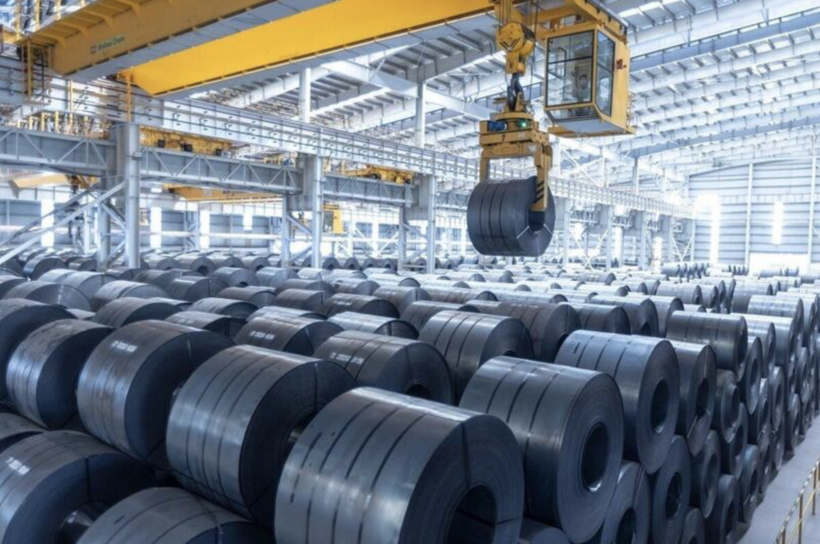
Vietnam approved a steel strategy to boost high-value output, meet energy and rail infrastructure needs, and deepen global supply chain integration.
Producing a wider range of high value-added steel products
Deputy Prime Minister Bui Thanh Son has signed Decision No. 261/QD-TTg, dated February 9, 2026, approving the Strategy for the Development of the Steel Industry to 2030, with a vision to 2050.
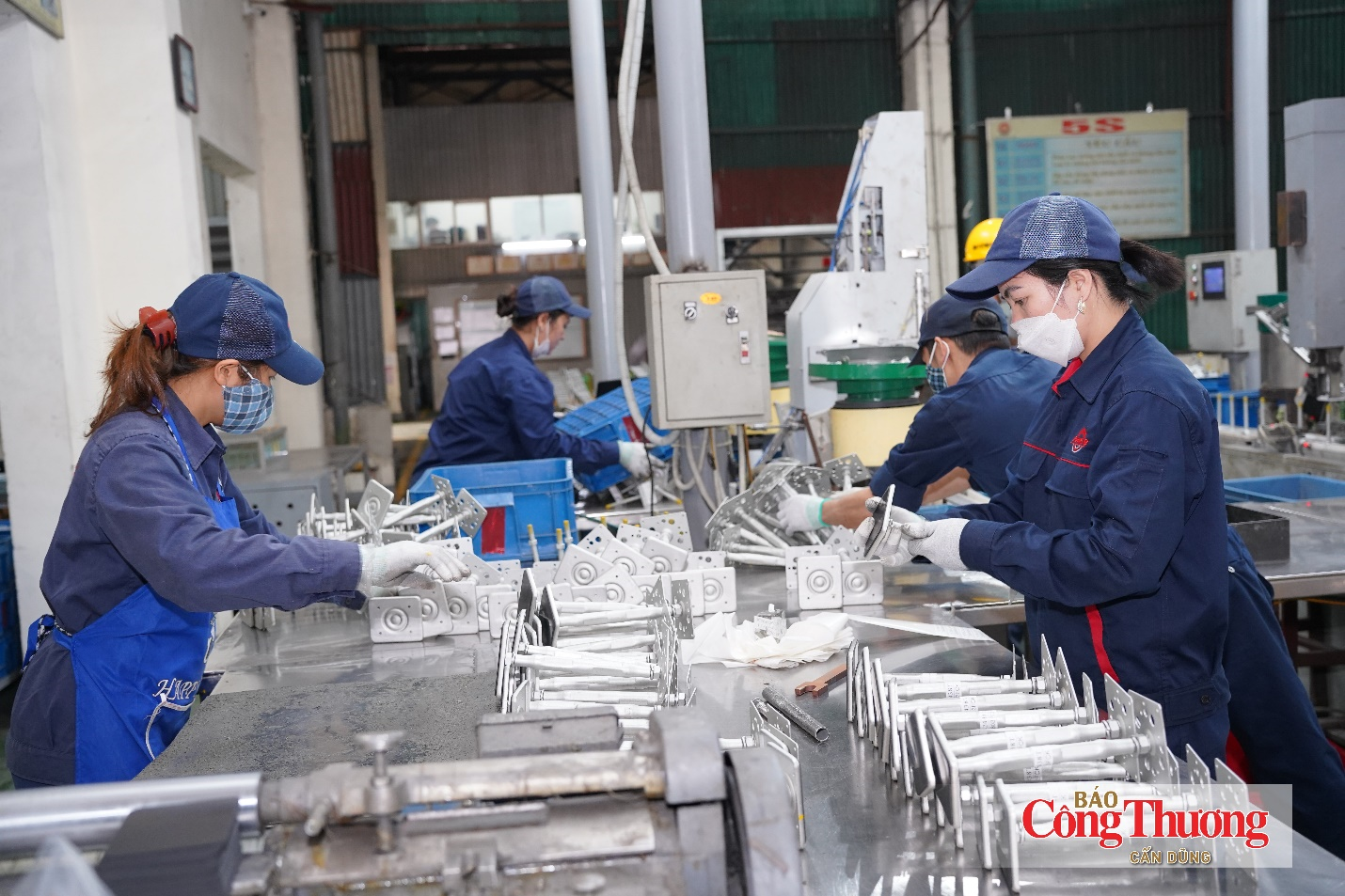
The Strategy aims to develop the steel industry with a focus on high-quality products that meet national and international standards, diversify product lines, and gradually shift toward higher value-added, environmentally friendly steel, while maximizing the use of fuel resources.
The sector is expected to meet domestic demand, rapidly expand exports, enhance competitiveness, and participate more deeply in global value chains. A key objective is to restructure the product mix to progressively substitute imported steel particularly alloy steel, tool steel, and special steel products for domestic manufacturing industries.
By 2030, products of the steel industry are expected to meet around 80 - 85% of domestic demand.
By 2030, crude steel production is projected to grow at an average rate of 7 - 8% per year, reaching 25 - 26 million tonnes annually. Finished steel output is expected to increase by 5.5 - 6.5% per year, reaching 32–33 million tonnes. Per capita steel consumption is projected at 270 - 280 kg per year. Domestically produced steel will basically meet 80 - 85% of domestic demand, while the share of exports will gradually increase.
The proportion of high value-added steel products, such as alloy steel, stainless steel, and high-quality steel serving manufacturing, transport, and energy sectors will continue to rise.
By 2035, crude steel production is targeted to grow at an average rate of 6 - 7% per year, reaching 33 - 36 million tonnes. Finished steel output is projected to grow by 4.5 - 5.5% per year, reaching 40 - 43 million tonnes. Per capita steel consumption is expected to reach 340 - 360 kg per year. Steel products will meet 85 - 90% of domestic demand, with exports continuing to expand. The share of high value-added steel, such as alloy steel, stainless steel, and high-quality steel for manufacturing, industrial production, transport vehicles (automobiles, shipbuilding, railways), energy, and defense and security manufacturing will continue to increase.
Looking ahead to 2050, the Strategy sets a target for crude steel production to grow at an average rate of 4.0 - 4.5% per year, reaching 65 - 70 million tonnes. Finished steel output is expected to grow by 3.5 - 4.0% per year, reaching 75 - 80 million tonnes. Per capita steel consumption is projected at 570 - 650 kg per year. The steel industry will largely meet domestic demand while steadily increasing exports and participating more deeply in global steel supply chains.
Strong investment in technology
In terms of development orientation, the Strategy focuses on steel products in which Vietnam has advantages and strong demand but which are not yet produced domestically. Priority will be given to projects using advanced and modern technologies, producing green steel, alloy steel, and steel for manufacturing industries, with a view to developing highly competitive products capable of integrating into global value chains. Enhancing the application of science and technology in production is emphasized to improve productivity and product quality in line with international standards.
The spatial distribution of steel production will be planned rationally based on geographical advantages, with large-scale projects concentrated in localities that have deep-water ports, favorable infrastructure conditions, renewable energy resources, and suitable production inputs. Linkages across the value chain, from research and raw material supply to production and consumption will continue to be strengthened.
The Strategy also sets out specific orientations for priority products, raw material sources, energy supply, enterprise development in the steel sector, domestic and export markets, technology, and spatial planning of production.
To achieve these objectives, the Strategy proposes a range of tasks and solutions covering policy mechanisms, market development, science and technology, human resources, environmental protection, and targeted measures for specific steel product groups. These include developing domestic technologies to produce high-strength steel plates, prestressed steel, steel for prestressed reinforced concrete, corrosion-resistant stainless steel for maritime and island infrastructure, and ultra-light steel for transport equipment; as well as cold-rolled light steel and steel for shipbuilding.
Research will also focus on producing steel materials for energy infrastructure, rail steel for high-speed railway development, seamless steel pipes for liquefied gas transportation, seamless pipes for shipbuilding, wind power towers, and steel products for defense and security manufacturing.
In recent years, Vietnam’s steel industry has achieved significant progress, ranking among the top 15 steel-exporting countries worldwide. According to the Vietnam Steel Association (VSA), construction demand is forecast to grow strongly, supported by an improving real estate market and accelerated public investment. In 2026, the steel industry is projected to grow by 8 - 10%, with domestic steel consumption estimated at around 26 million tonnes.
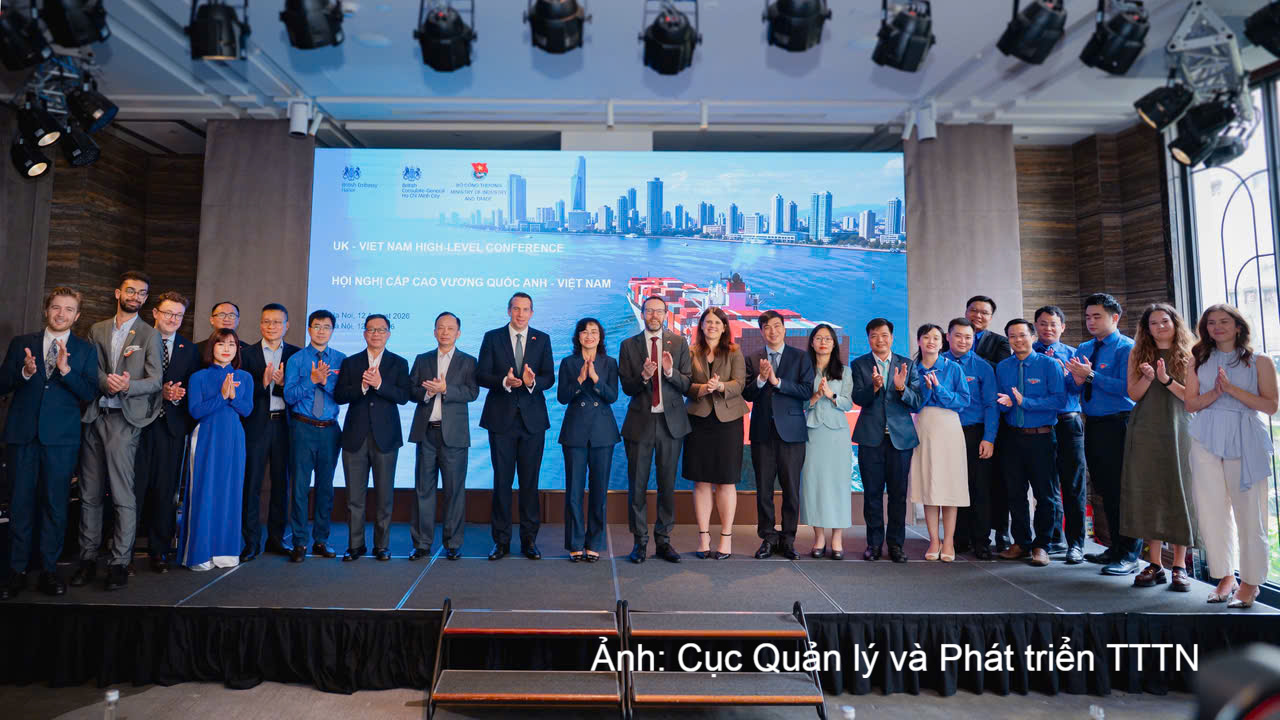
The 2026 UK - Viet Nam Summit was held in Ha Noi on August 12, focusing on fields that are creating new momentum for growth, including artificial intelligence (AI), financial technology, crypto assets, commodity derivatives markets and logistics.
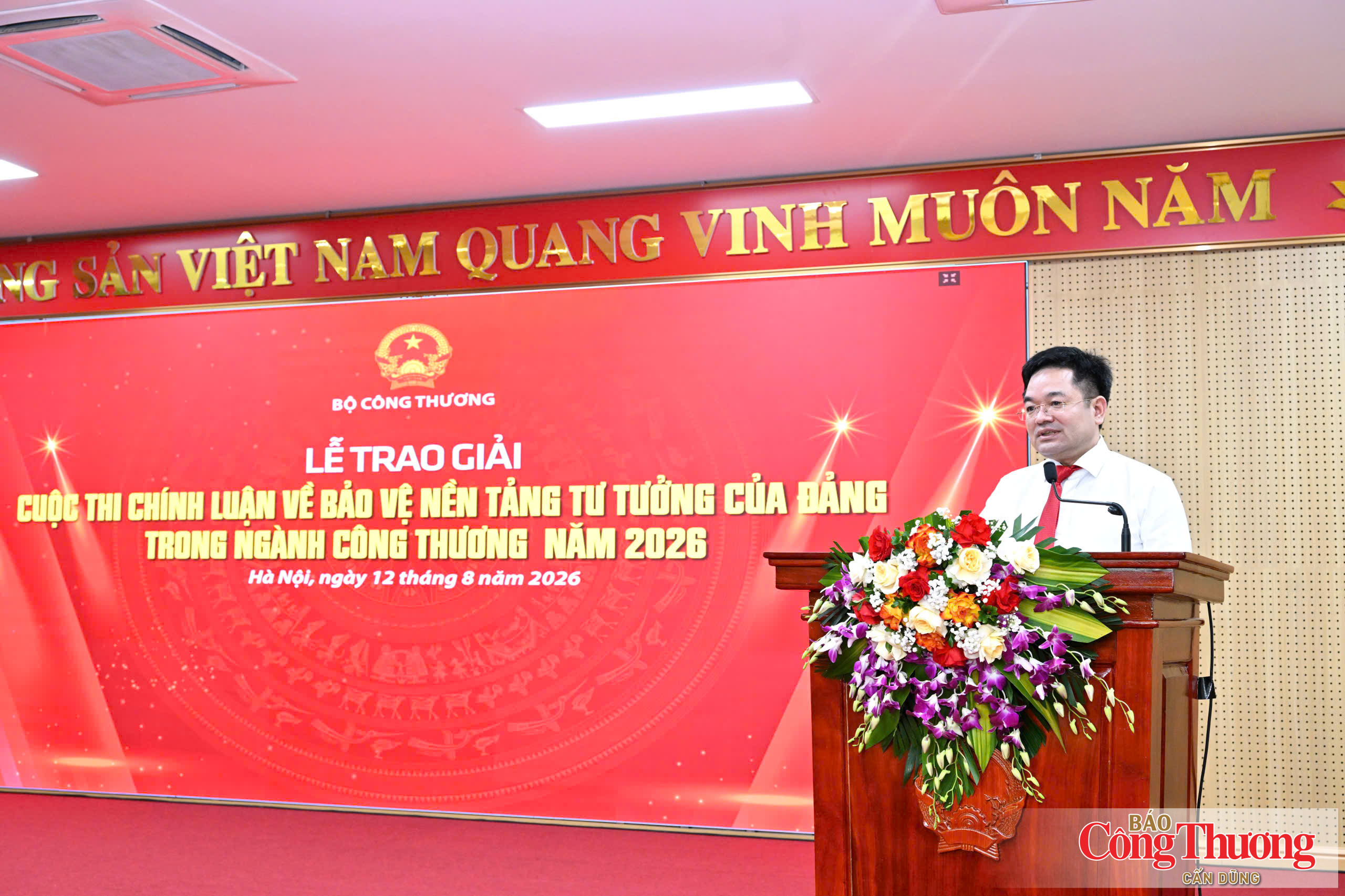
Editor-in-Chief of the Industry and Trade Newspaper Nguyen Van Minh said distorted narratives are defeated by counterarguments and undeniable realities when Party members perform their duties well too.
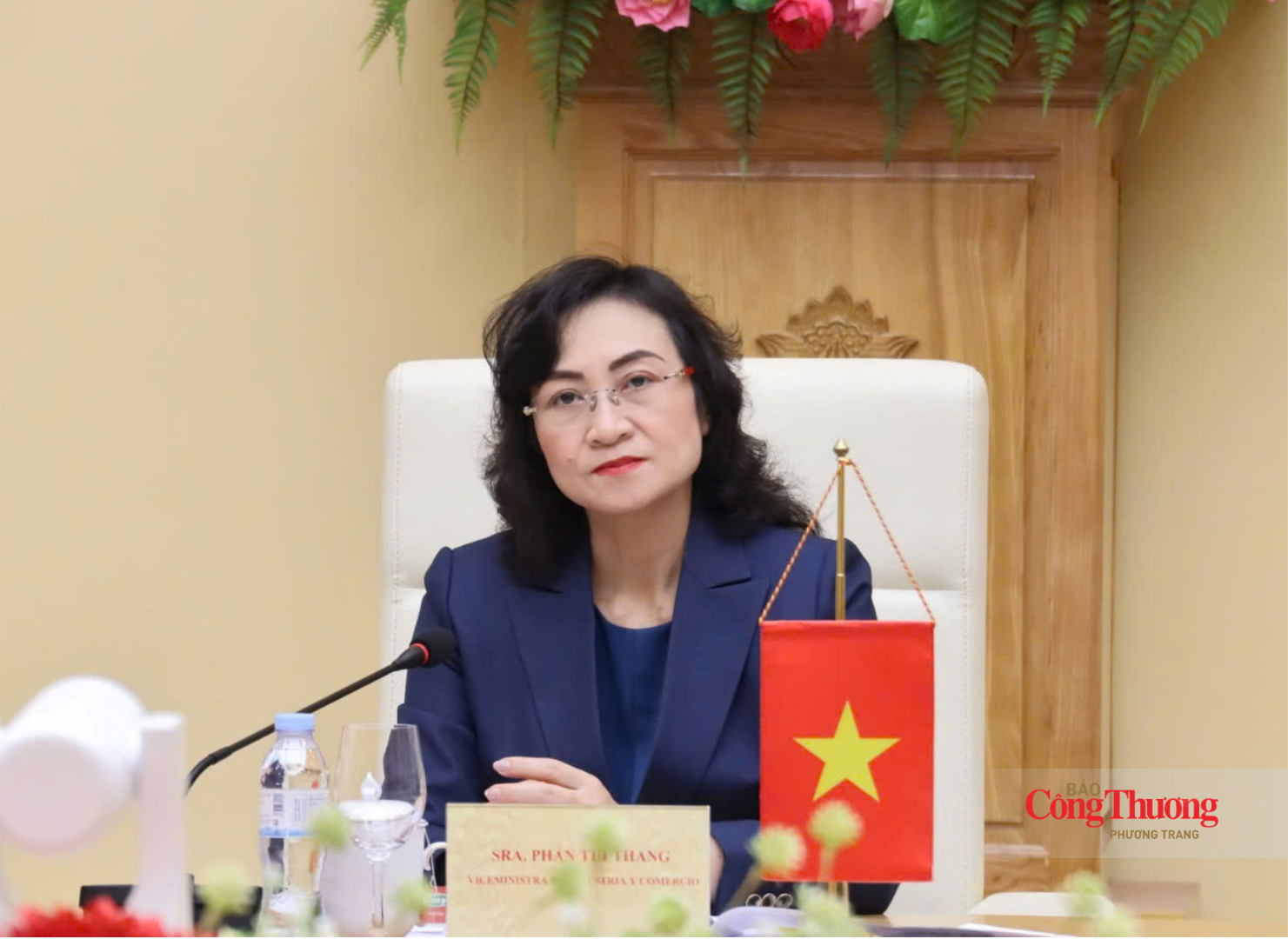
On August 12, Deputy Minister of Industry and Trade Phan Thi Thang held an online working session with Andrea Corao Faria, Venezuela's Deputy Minister for Asia, the Middle East and Oceania at the Ministry of Foreign Affairs and Foreign Trade.
Viet Nam and Australia are deepening energy and minerals cooperation strengthening supply chains, investment and support for the energy transition in both countries.
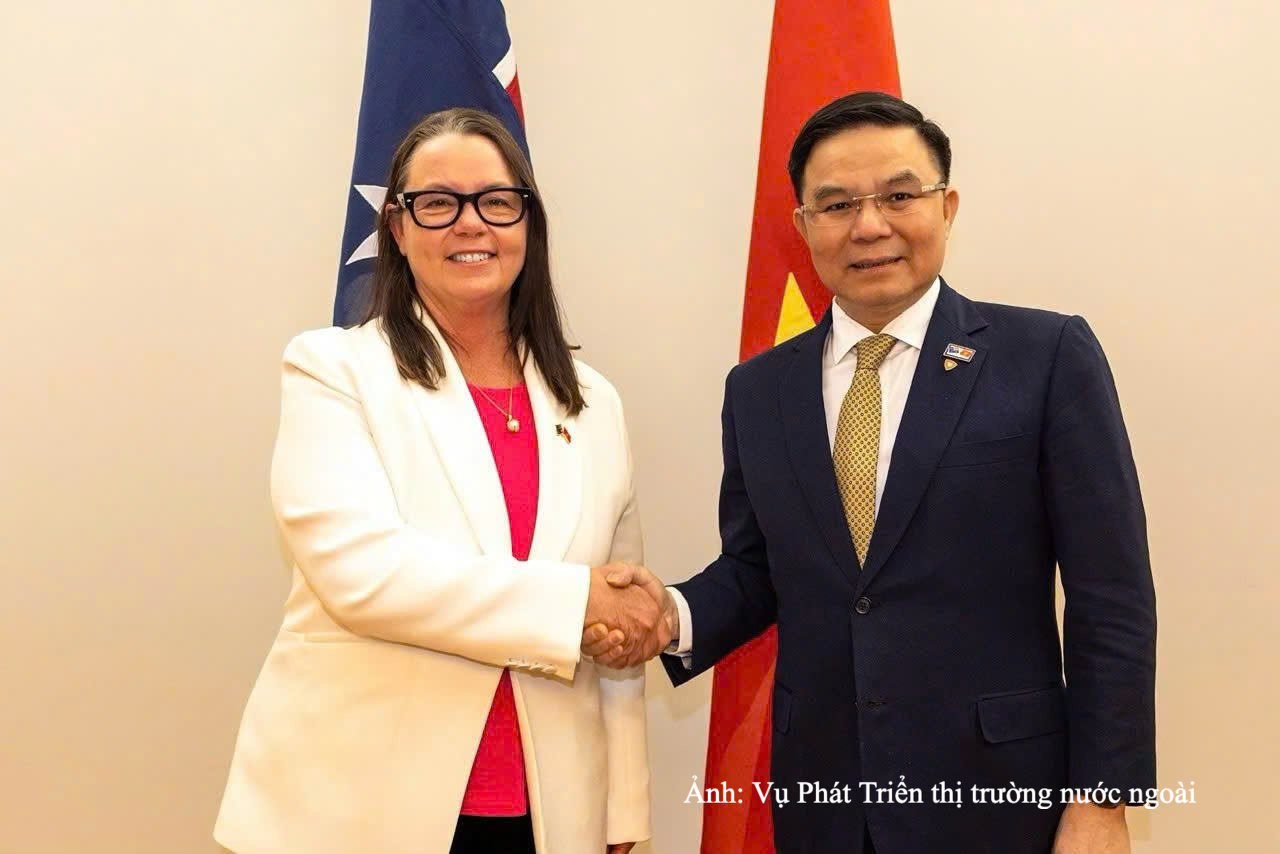
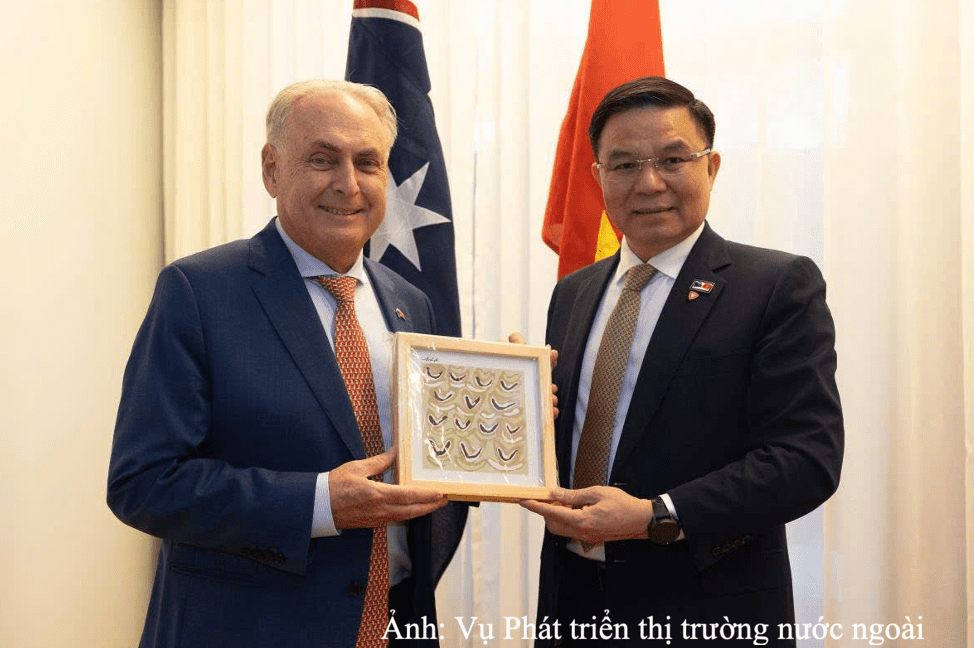
During his working trip accompanying Party General Secretary and State President To Lam on a State visit to Australia, Minister of Industry and Trade Le Manh Hung held a bilateral meeting with Australian Minister for Trade and Tourism Don Farrell in Canberra on August 11 (local time), to discuss measures to promote economic and trade relations between the two countries.
Viet Nam’s manufacturing industry must move beyond processing and assembly, master technology, raise localization and generate higher value across production chains.
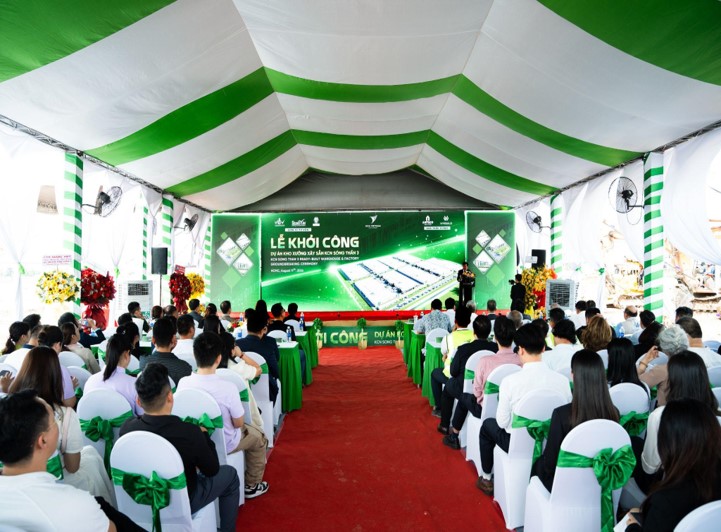
KCN Vietnam has broken ground on its 21.9-hectare Song Than 3 project in Ho Chi Minh City, adding over 130,000 sqm of LEED-standard industrial space to the market.
MoIT leader Le Manh Hung clarified major issues in the revised Petroleum Law, including decentralisation, investment incentives, CCS and offshore energy development.
The Netherlands offers strong opportunities for Vietnamese firms to enter manufacturing supply chains, but meeting strict market standards remains a major challenge.
As Vietnam advances its energy transition, battery energy storage systems (BESS) are emerging as a key solution for enhancing grid flexibility, increasing the integration of renewable energy and strengthening energy security.