Lunar New Year begins on February 17, 2026, marking a season defined by renewal, ritual, and reunion.
Across Asia, families gather to honor ancestors, share stories, and prepare symbolic dishes believed to usher in prosperity and good fortune.
For many travelers, food is not simply part of the journey, it is the journey itself. According to Booking.com research, 58 percent of Vietnamese travelers explore new destinations specifically to experience local culinary traditions. As the Year of the Horse approaches, the platform highlights five destinations where visitors can quite literally “bite into good fortune.
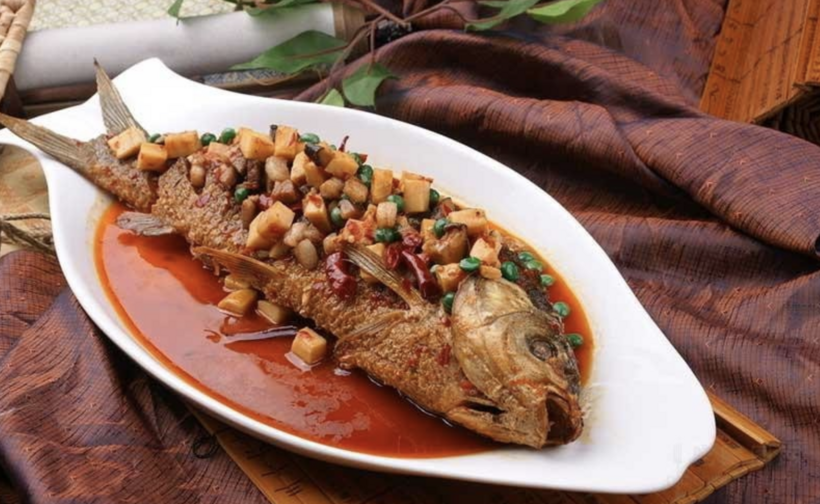
Lucky dishes for the Lunar New Year in China.
In Yangshuo, dramatic karst mountains rise above the Li River, creating a landscape where natural beauty and cultural tradition intertwine. During the Lunar New Year, family tables prominently feature yu, or whole fish, whose pronunciation in Mandarin echoes the word for “surplus.”
The dish symbolizes abundance and wealth in the year ahead. Traditionally served intact to represent unity and completeness, the fish is often left partially uneaten to signify that prosperity will continue into the coming year. Riverside restaurants prepare steamed fish delicately flavored with ginger, scallions, and soy sauce, while some cooking schools offer hands-on classes for visitors eager to master the dish.
Lantern-lined streets and energetic lion dances add to the festive atmosphere, while bamboo rafting and rural hikes provide a deeper look at local life. Travelers seeking a tranquil retreat can stay at Yangshuo Zen Garden Resort, which combines panoramic mountain views with traditional cultural experiences.
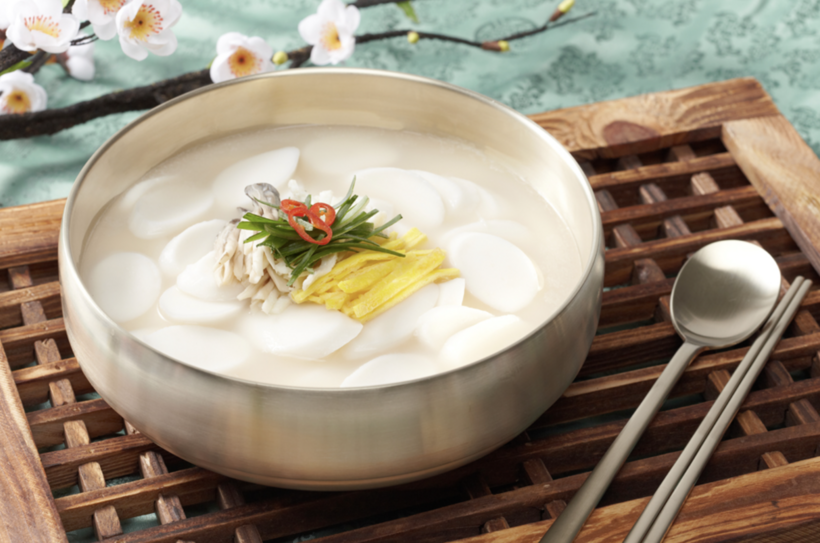
Further northeast, Jeonju takes center stage during the holiday as South Korea’s culinary capital. The highlight of the celebration is tteokguk, a clear beef broth filled with oval rice cakes. Eating the soup symbolizes renewal and longevity, marking the addition of another year of life.
Lucky dishes for the Lunar New Year in the Republic of Korea.
The rice cakes resemble ancient coins, reinforcing wishes for wealth and good fortune. In Jeonju, generations-old family recipes guide preparation, with egg ribbons, seaweed, and sliced beef layered carefully into the broth. Visitors can stroll through Jeonju Hanok Village, where hundreds of traditional wooden homes host cultural performances and ancestral rituals. The city’s bustling food alleys and artisan workshops further underscore its reputation as a year-round culinary destination. For an immersive stay, Hanok Story Guesthouse offers classic architecture paired with modern comforts.
In Ipoh, Lunar New Year reflects a vibrant fusion of Chinese heritage and Malaysia’s diverse food culture. The seasonal centerpiece is yu sheng, a colorful raw fish salad tossed high into the air in a ritual known as lo hei. Each ingredient carries symbolic meaning, shredded vegetables represent growth, sweet sauces signal harmony, and fresh fish conveys abundance. Participating in a communal prosperity toss at a bustling restaurant is a festive highlight. Beyond the table, visitors can explore lively night markets such as Ipoh Night Market or admire limestone cave temples including Perak Tong. Those looking to unwind can retreat to The Banjaran Hotsprings Retreat, a luxury wellness escape surrounded by jungle and geothermal hot springs.
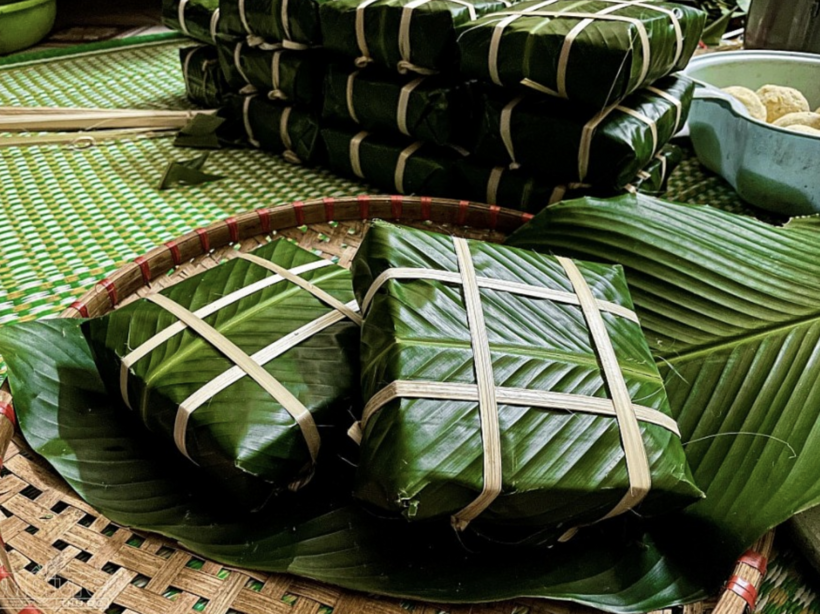
Along Vietnam’s central coast, Hue celebrates Lunar Newyear with rituals deeply rooted in royal heritage and family tradition. Central to the holiday is banh chung, a square rice cake filled with mung beans and pork, wrapped in banana leaves. The square shape represents the earth, while its round variation symbolizes the sky. Preparing bánh chưng is a multigenerational ritual that often unfolds overnight, with storytelling and shared anticipation. Visitors can witness these traditions while exploring temples, flower markets, and the UNESCO-listed Imperial City of Hue. A stay at Senna Hue Hotel provides convenient access to both cultural landmarks and culinary hotspots.
Chung cake, a traditional Vietnamese square sticky rice cake made of glutinous rice, mung beans and pork, wrapped in banana leaves.
In Taipei, Lunar New Year blends vibrant street markets with elegant reunion banquets. Dumplings, shaped like ancient gold ingots known as yuanbao, symbolize wealth and prosperity. Legend suggests that the more dumplings one eats, the more fortune will follow. Families also serve Zhu Jiao Mian Xian, pig knuckles paired with longevity noodles, representing both the grasping of opportunity and enduring health. The festive energy is especially palpable along Dihua Street, where historic shopfronts transform into a bustling New Year’s market. Travelers can experience refined comfort at Mandarin Oriental, Taipei, which offers a blend of heritage charm and contemporary luxury.
From China’s river valleys to Taiwan’s city streets, the Lunar New Year traditions demonstrate how food carries meaning far beyond flavor. Through these destinations, Booking.com invites travelers to celebrate renewal not only through sightseeing, but through shared meals that symbolize abundance, unity, and hope for the year ahead.
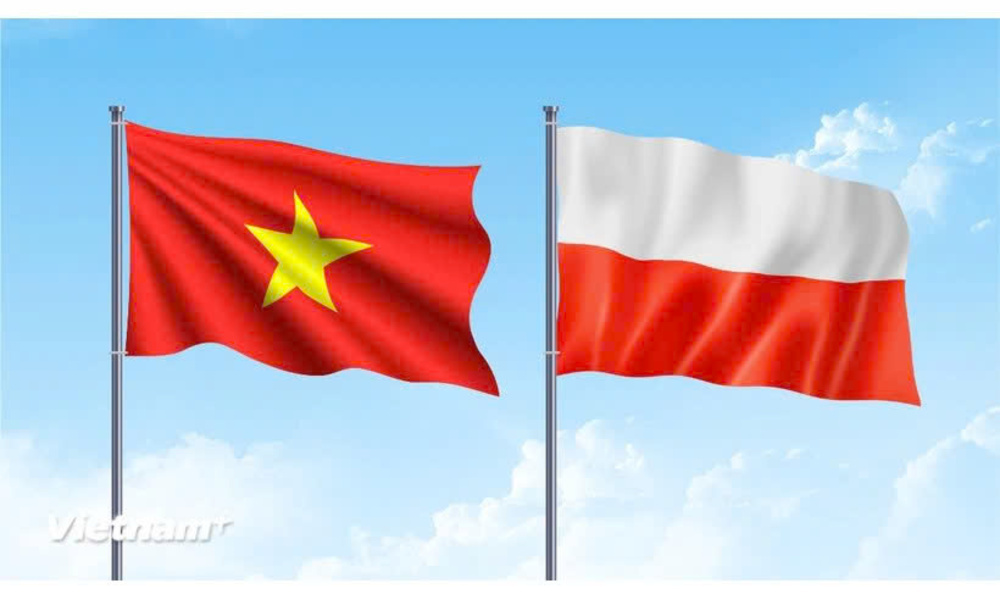
Polish Prime Minister Donald Tusk will pay an official visit to Viet Nam from October 24 to 26 as the bilateral trade continues to grow, creating opportunities for deeper cooperation.
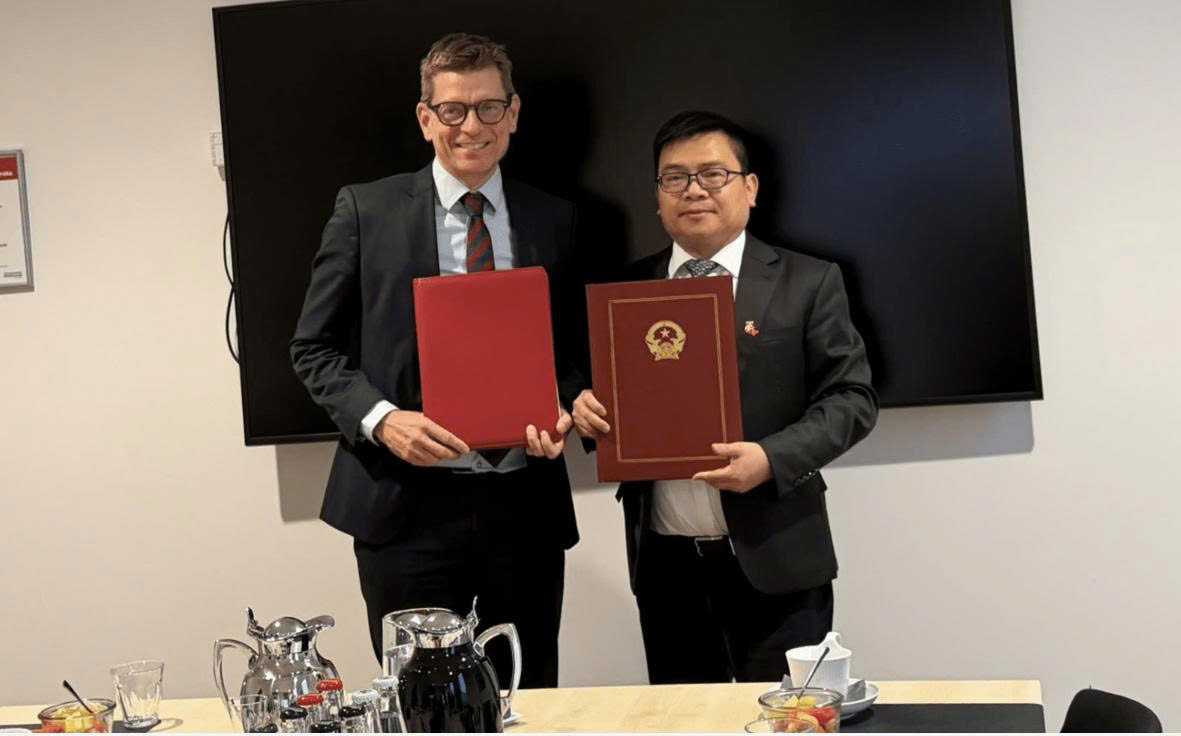
Deputy Minister Truong Thanh Hoai met with LEGO and Carlsberg in Denmark on October 20 to discuss green investment and sustainable manufacturing in Viet Nam.
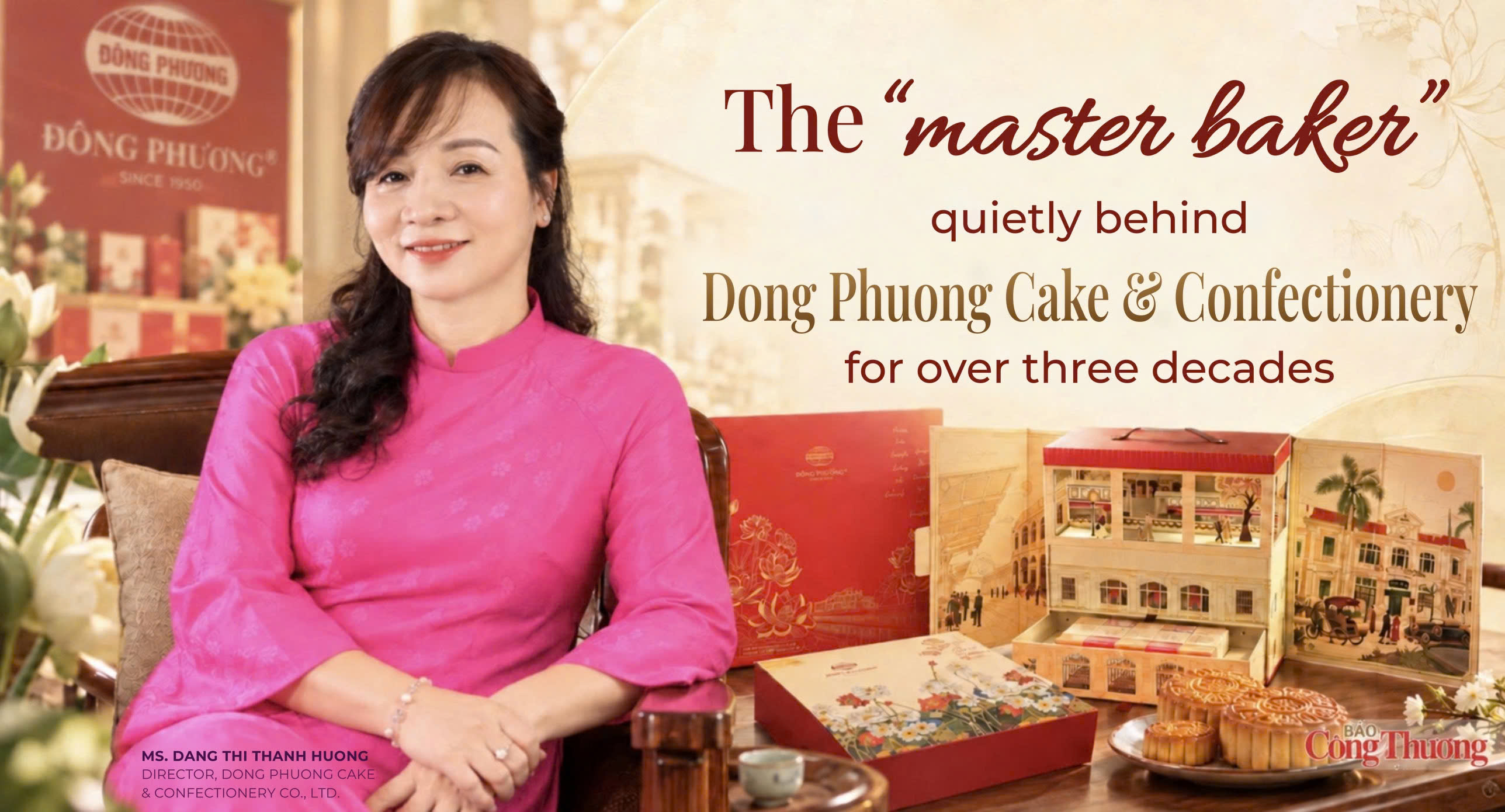
For more than three decades, Ms. Dang Thi Thanh Huong has quietly shaped the legacy of Dong Phuong Cake & Confectionery, a brand rooted in tradition, craftsmanship.
Viet Nam and Denmark have signed an MoU on energy cooperation to strengthen bilateral ties and advance collaboration in renewable energy and the green transition.
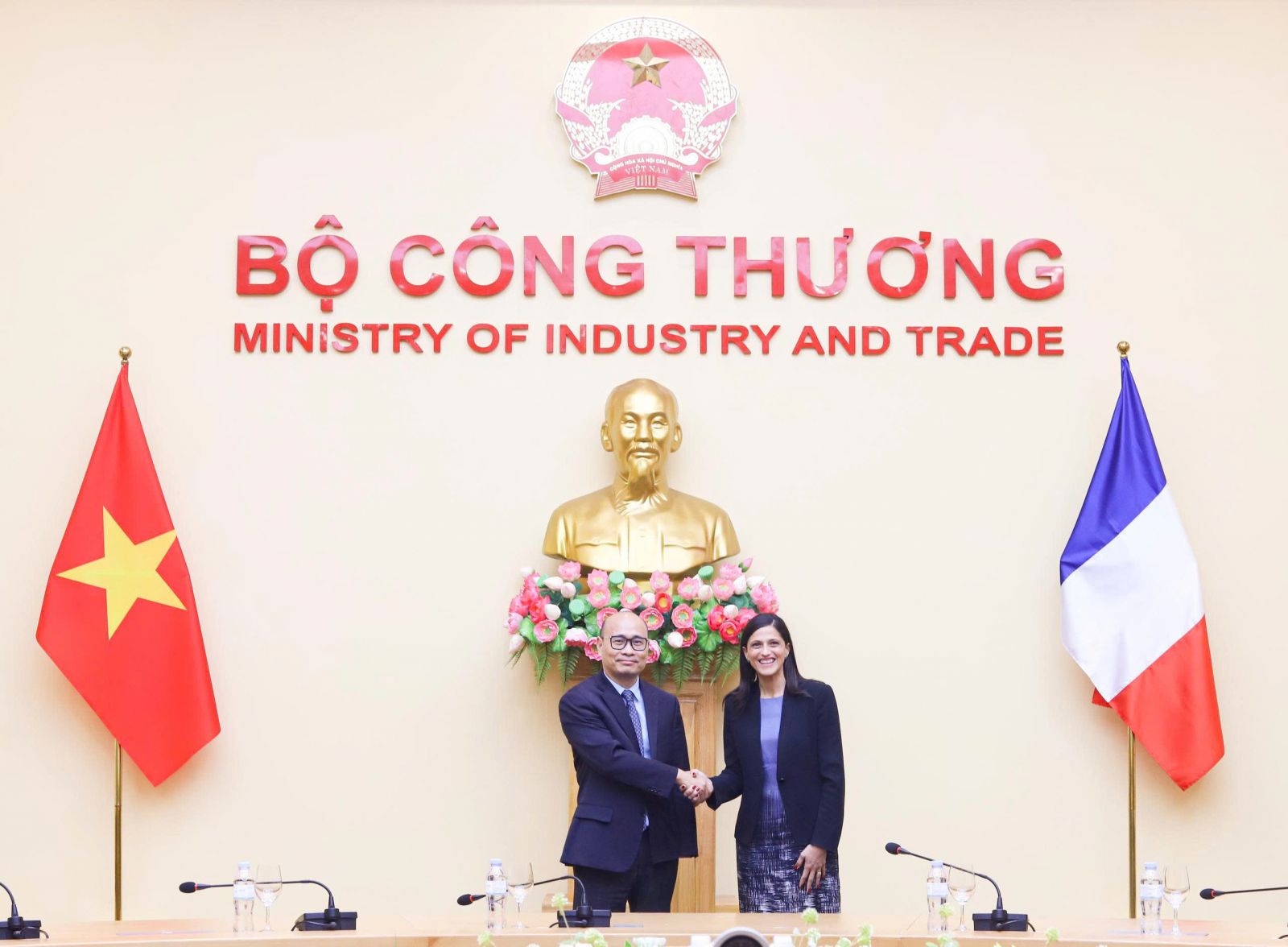
Deputy Minister Luong Hoang Thai met French Minister Delegate Eleonore Caroit on October 19 to discuss ways to strengthen Viet Nam - France cooperation.
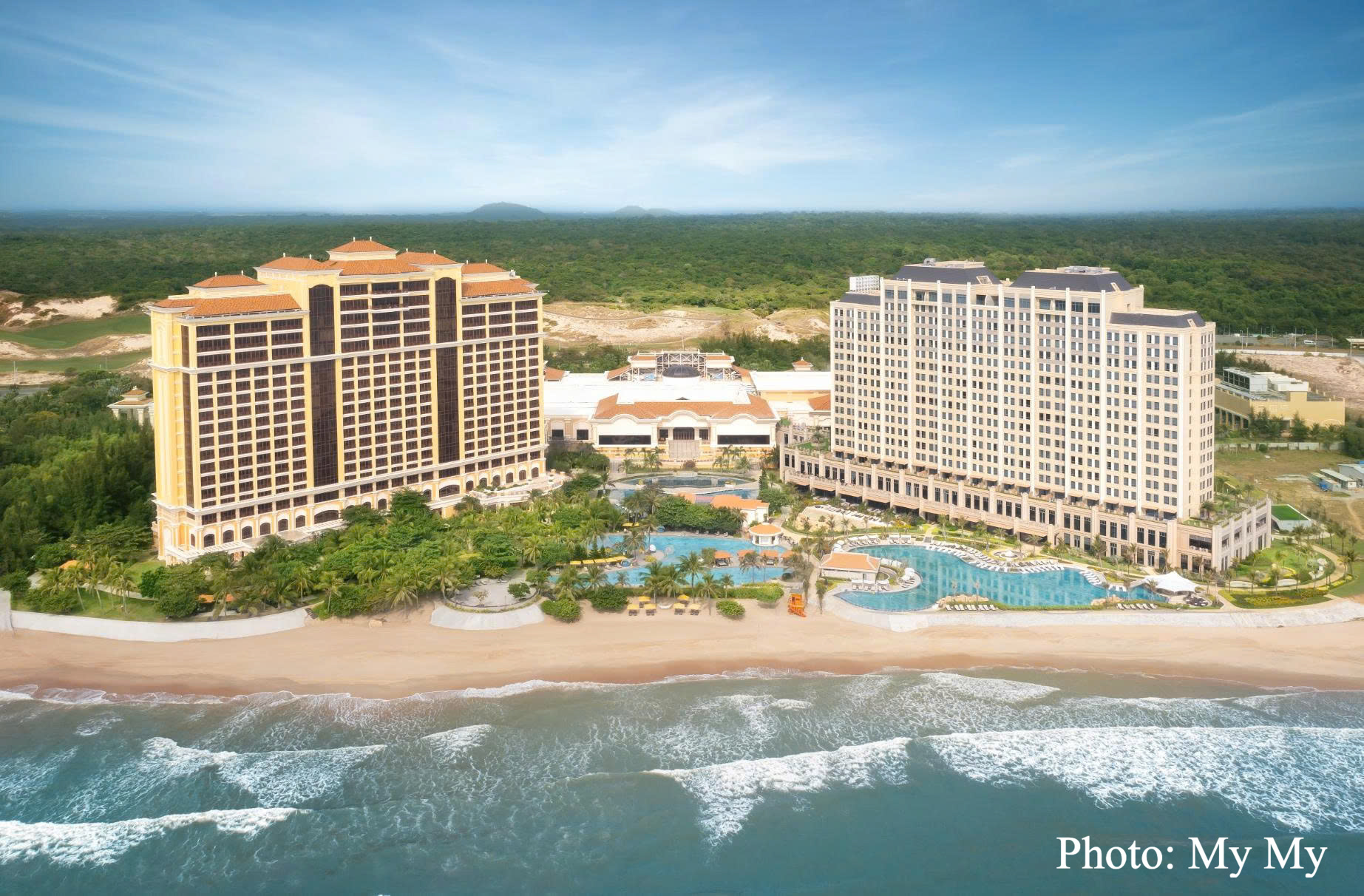
The Grand Ho Tram has been named “Best Integrated Resort” at the 35th TTG Travel Awards 2026, marking its second consecutive win at the Asia-Pacific travel and hospitality awards.
Phu Quoc is awash in red and yellow as flags, flowers, fireworks and lights create a vibrant atmosphere ahead of Vietnam’s National Day on September 2.
A new report from Booking.com shows that Vietnamese travelers are placing increasing importance on sustainable tourism, with many seeking to reduce their environmental impact while supporting local communities.