Entering 2026, manufacturers are speeding up restructuring, expanding markets and tackling cost pressures to pursue double-digit growth across the sector in Vietnam.
Pivoting markets to maintain production momentum
In an interview with the Newspaper of Industry and Trade, Pham Van Viet, chairman of the members’ council of Viet Thang Jean Co. Ltd., said that from the beginning of 2026, the company’s production activities have remained broadly stable, although visibility for new orders is only clear in the short term.
“Orders at the start of the year are basically stable, but certainty is largely limited to the first quarter. Moving into the second quarter, customers are still taking a wait-and-see approach and are not yet ready to place long-term orders,” Pham Van Viet said.
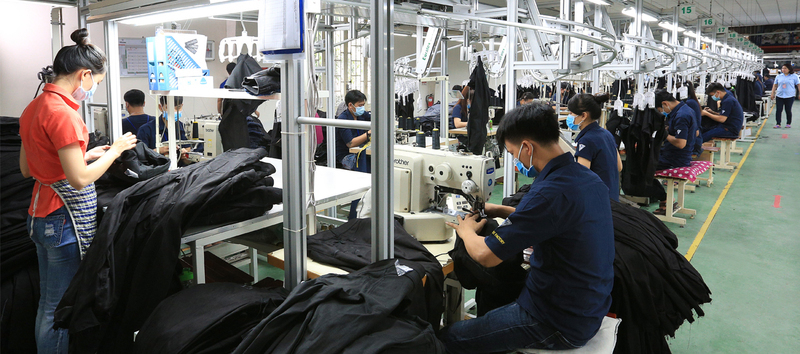
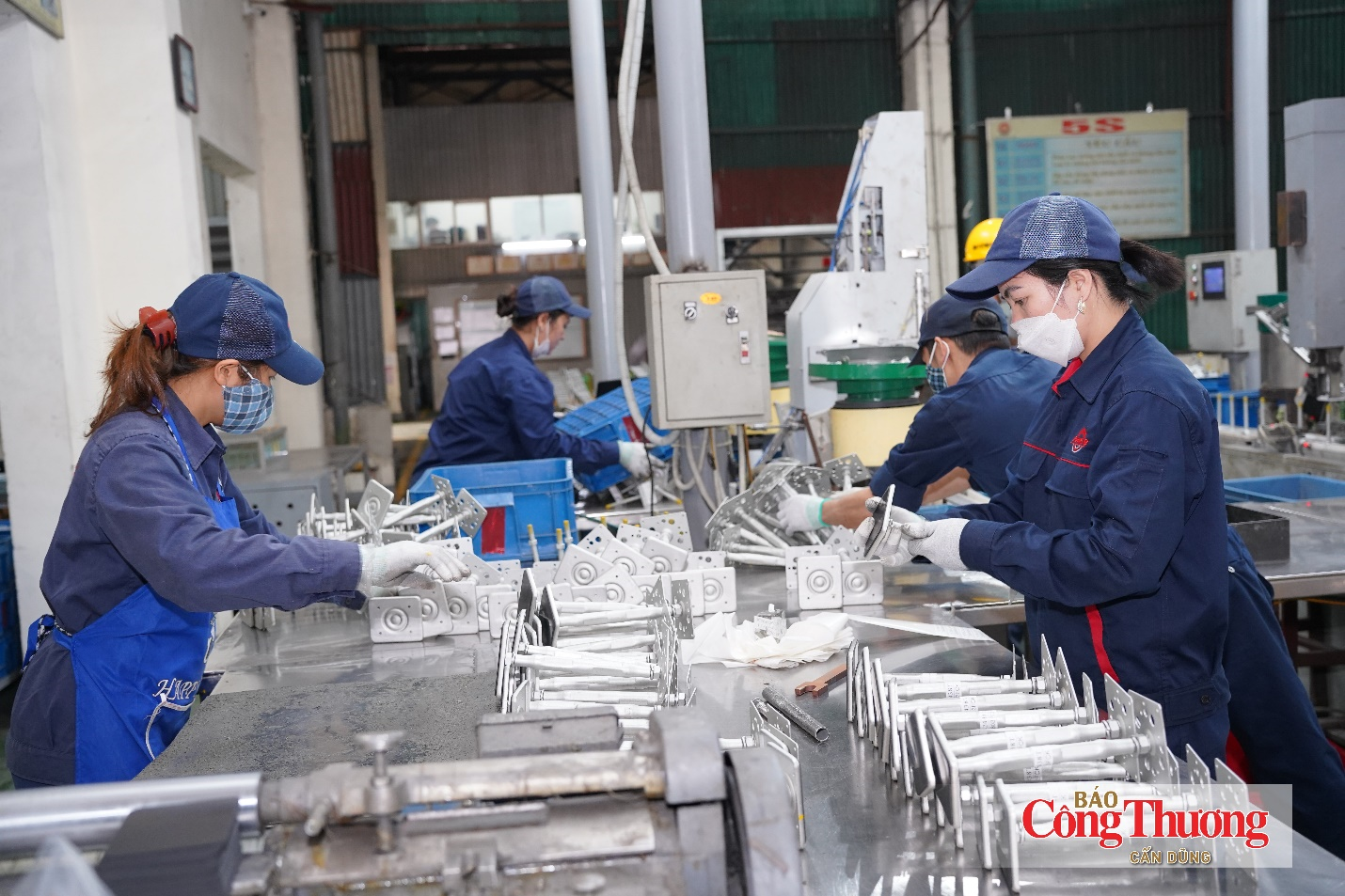
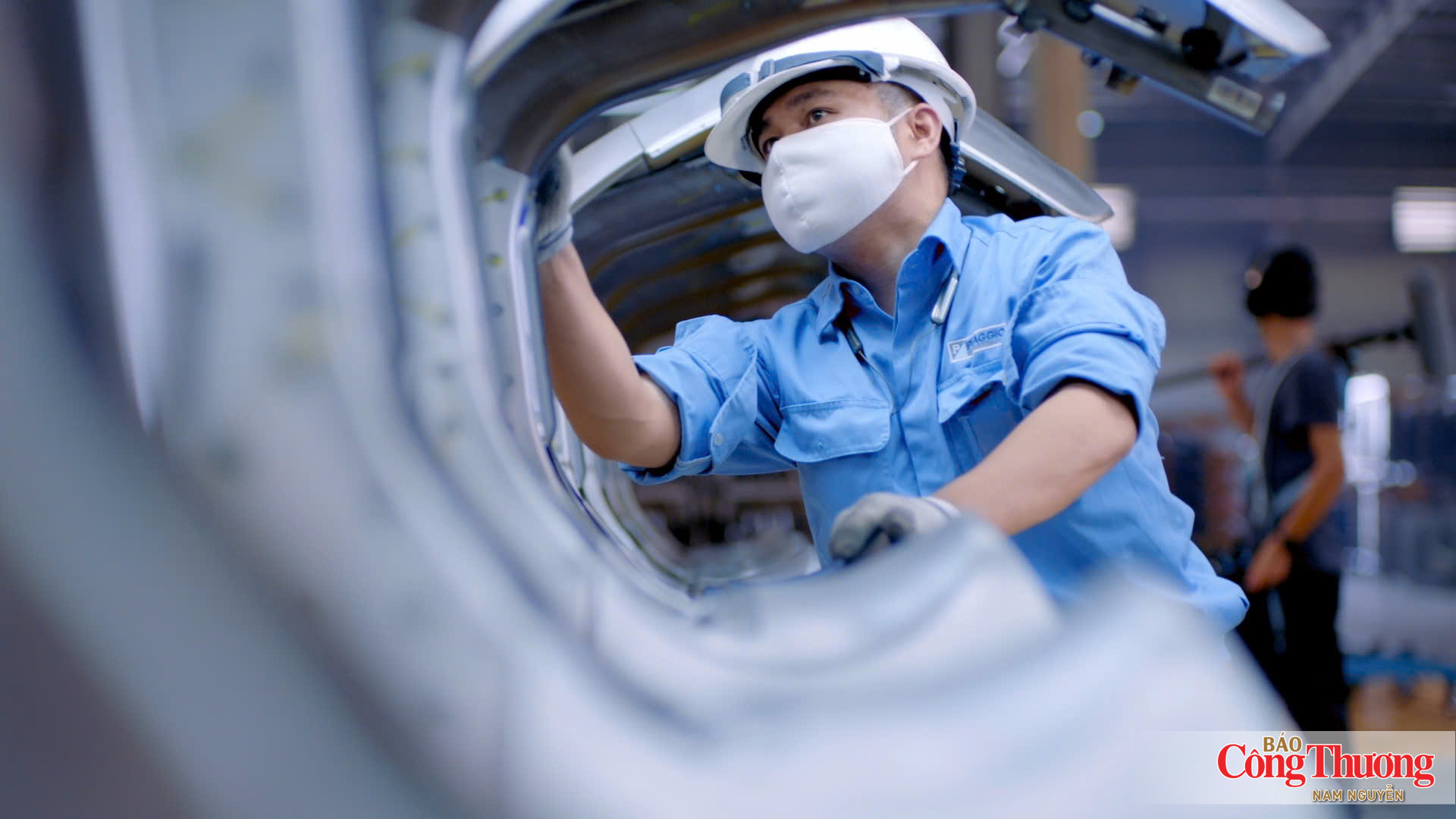
Workers at Viet Thang Jean Co. Ltd. Photo: vitajeans.com
Against a backdrop of persistent global uncertainties and weak demand recovery in major markets, international buyers are increasingly shifting to short-term, step-by-step orders instead of long-term contracts, according to Viet. This trend has forced manufacturers to adopt greater flexibility in production planning, inventory management and cash flow operations.
As a garment and textile producer with key export markets in the US and Europe, Viet Thang Jean was heavily affected in 2025. Pham Van Viet said the company recorded almost no growth last year as demand fell sharply, while competition from Chinese products intensified.
“Chinese goods entering the European market are cheaper than ours by up to USD 3 per item. With thin profit margins and high financial costs, Vietnamese firms find it extremely difficult to compete,” Pham Van Viet said.
Beyond price pressures, manufacturers are also grappling with high borrowing costs, increasingly stringent technical standards and traceability requirements in export markets. As a result, many firms were forced to scale back production and accept lower profits to retain customers.
Entering 2026, however, enterprises are making efforts to recalibrate their strategies to unlock new growth potential. Viet Thang Jean aims to maintain stable production in the first quarter while expanding its domestic market presence and online sales channels to safeguard employment. Viet noted that although the domestic market cannot fully offset export losses, it helps firms stay proactive, maintain production and stabilise the workforce.
In the early months of the year, the company is focusing on fulfilling post-Lunar New Year orders, taking advantage of the peak production period to compensate for the extended holiday break.
From a macro perspective, Vietnam’s industrial production in 2025 showed encouraging signals, laying a solid foundation for faster growth in 2026. According to the Ministry of Industry and Trade (MoIT), the industrial production index rose 9.2% in 2025, the highest level since the Covid-19 pandemic. Manufacturing and processing expanded 10.5%, continuing to serve as the main driver of economic growth. The sector now accounts for around 24.7% of GDP, reflecting a structural shift away from resource extraction toward higher value-added and technology-intensive activities.
Notably, several leading enterprises have played a clear role in driving the supply chain. VinFast has achieved a localisation rate of about 60% for electric vehicles and aims to raise it to 84% by 2026. Hoa Phat Group, currently Southeast Asia’s largest steel producer with an annual capacity of 16 million tonnes, saw crude steel output surpass 10 million tonnes for the first time after the Dung Quat 2 project came into operation, up about 25% from 2024. These firms are considered “leading geese” that should be prioritised for targeted investment under Resolution No. 79-NQ/TW on developing the state-owned economy.
According to S&P Global, Vietnam’s manufacturing PMI reached 53.0 points in December 2025, remaining in expansion territory. Business confidence climbed to its highest level since March 2024, with nearly 50% of surveyed firms expecting output to continue rising in 2026.
Policy support to propel manufacturing growth
Despite positive prospects, experts warn that manufacturers will continue to face major challenges in 2026, particularly rising input costs and risks of localised supply chain disruptions. The lingering impacts of natural disasters and floods in late 2025 have prolonged delivery times and tightened raw material supplies, pushing production costs to their highest level since mid-2022.
In this context, policy support is seen as a decisive factor in enabling firms to achieve double-digit growth. According to the Vietnam Industry Agency, under the MoIT, there remains substantial room for localisation, as 65% of import turnover consists of input materials, while 25% is machinery, equipment and technology for production.
The agency has outlined three strategic pillars for the coming period: improving institutions; boosting localisation and participation in global supply chains; and promoting digital and green transformation. Key measures include developing procurement and designated bidding mechanisms to create domestic markets for locally made products, while encouraging foreign direct investment tied to technology transfer.
At the Vietnam Supplier Forum - Journey to Excellence, Nguyen Duc Hien, Deputy Head of the Party Central Committee’s Policy and Strategy Commission, said authorities are finalising strategic solutions to support business restructuring and competitiveness upgrades. The “Go Global” program developed by the MoIT is expected to serve as a launchpad for Vietnamese enterprises to integrate more deeply into global value chains.
Experts note that 2026 presents both opportunities and challenges for the manufacturing sector. Building on the solid recovery momentum of 2025 and supported by policy alignment, many firms are accelerating efforts not only to overcome difficulties but also to pursue double-digit growth, establish a more resilient growth model and enhance economic self-reliance.
For 2026, the MoIT has called for more efficient production organisation, cost reductions and competitiveness improvements, while accelerating key infrastructure and flagship projects to expand production capacity, particularly for exports. The industrial sector will continue to be restructured toward smart manufacturing, greater adoption of new technologies and the creation of a foundation for rapid and sustainable growth.
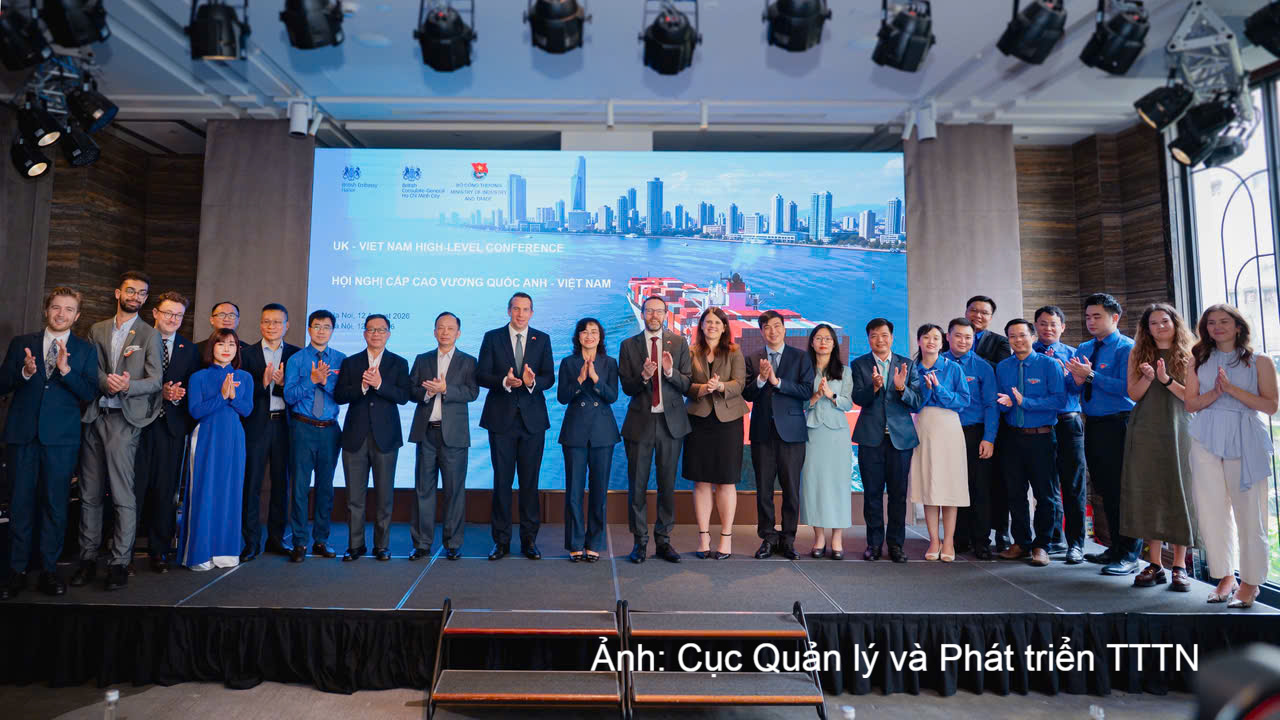
The 2026 UK - Viet Nam Summit was held in Ha Noi on August 12, focusing on fields that are creating new momentum for growth, including artificial intelligence (AI), financial technology, crypto assets, commodity derivatives markets and logistics.
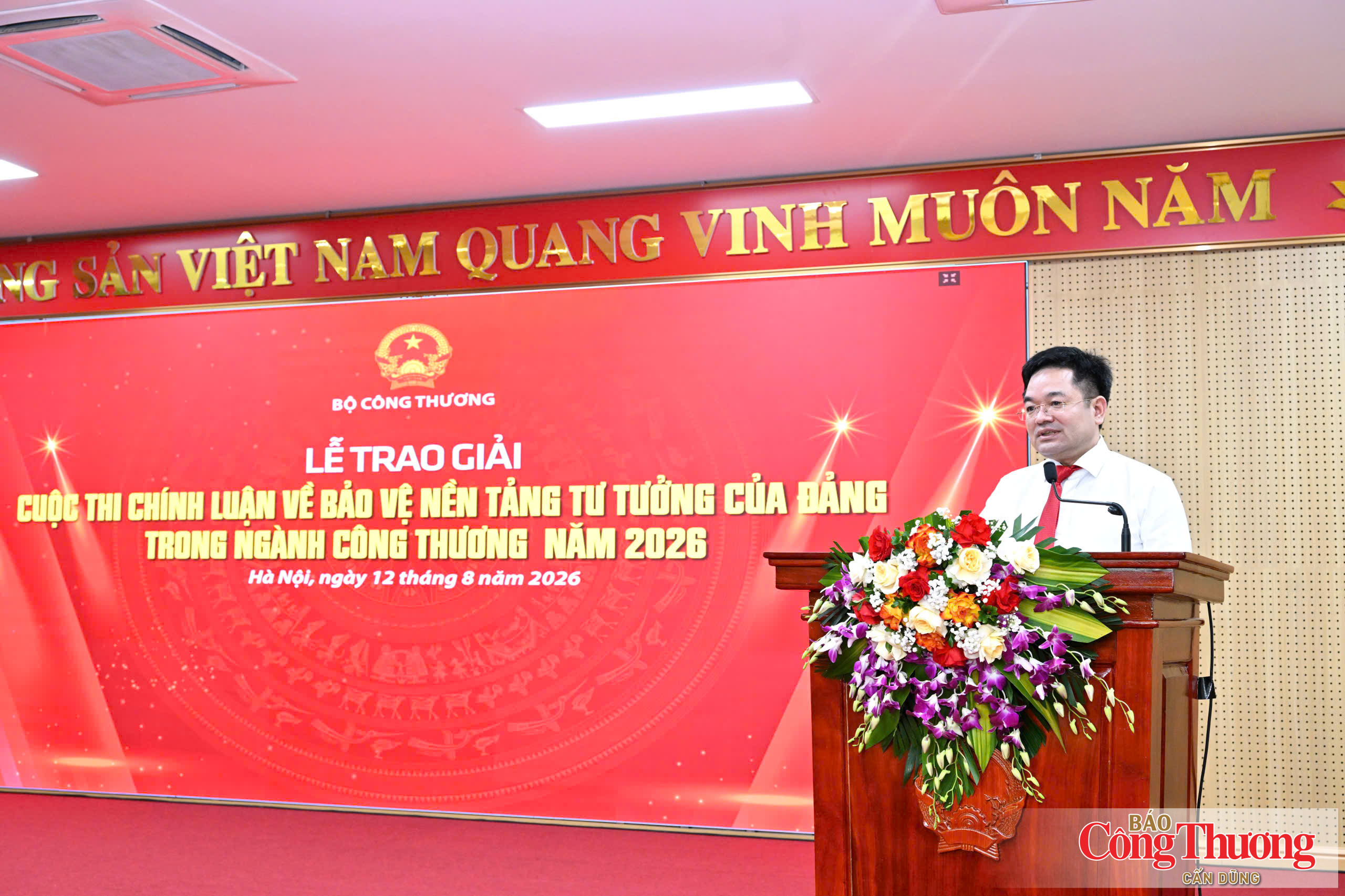
Editor-in-Chief of the Industry and Trade Newspaper Nguyen Van Minh said distorted narratives are defeated by counterarguments and undeniable realities when Party members perform their duties well too.
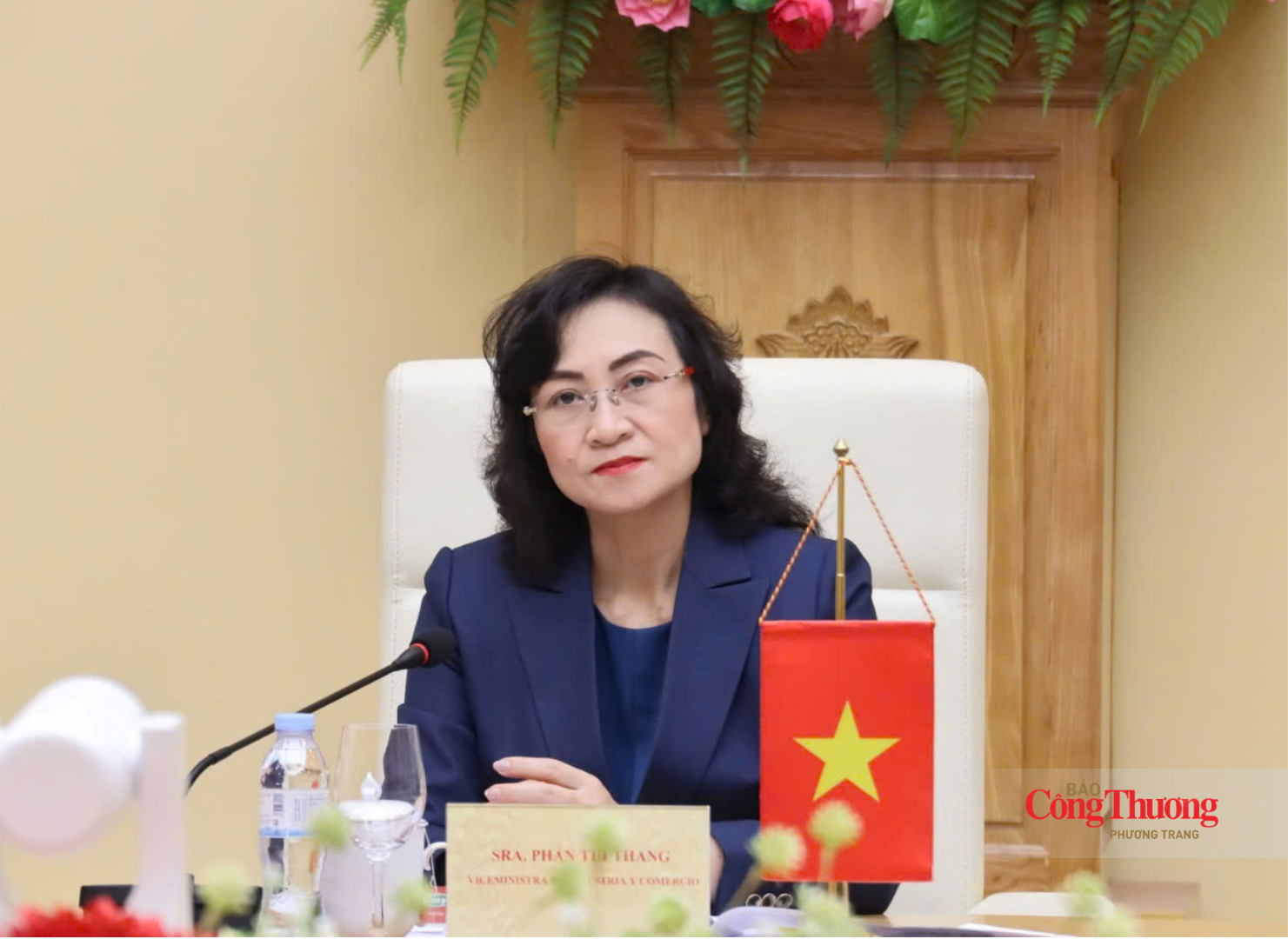
On August 12, Deputy Minister of Industry and Trade Phan Thi Thang held an online working session with Andrea Corao Faria, Venezuela's Deputy Minister for Asia, the Middle East and Oceania at the Ministry of Foreign Affairs and Foreign Trade.
Viet Nam and Australia are deepening energy and minerals cooperation strengthening supply chains, investment and support for the energy transition in both countries.
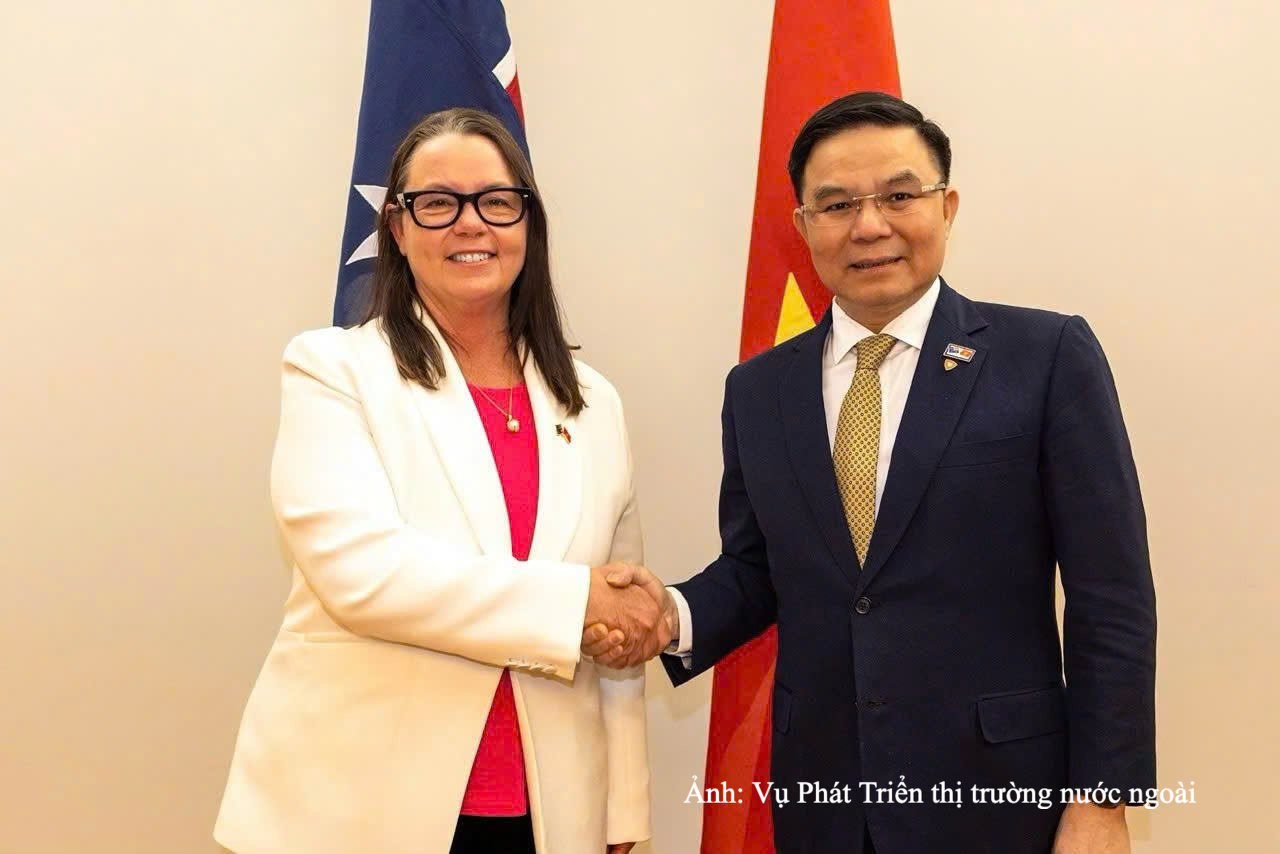
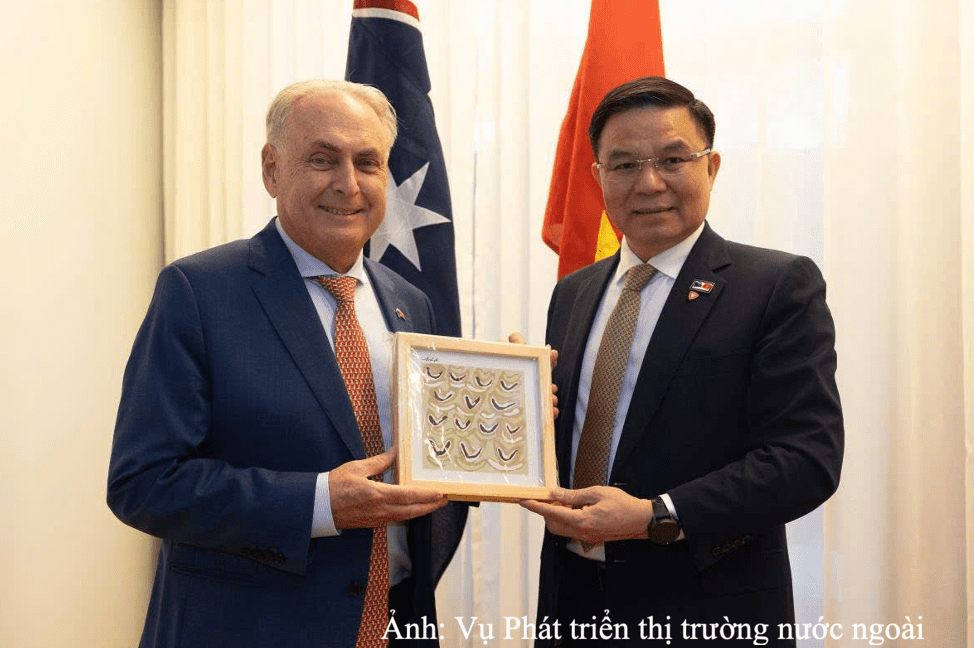
During his working trip accompanying Party General Secretary and State President To Lam on a State visit to Australia, Minister of Industry and Trade Le Manh Hung held a bilateral meeting with Australian Minister for Trade and Tourism Don Farrell in Canberra on August 11 (local time), to discuss measures to promote economic and trade relations between the two countries.
Viet Nam’s manufacturing industry must move beyond processing and assembly, master technology, raise localization and generate higher value across production chains.
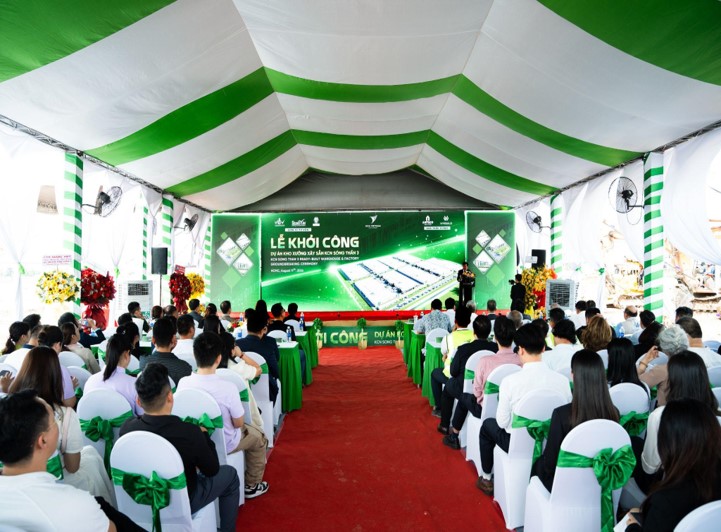
KCN Vietnam has broken ground on its 21.9-hectare Song Than 3 project in Ho Chi Minh City, adding over 130,000 sqm of LEED-standard industrial space to the market.
MoIT leader Le Manh Hung clarified major issues in the revised Petroleum Law, including decentralisation, investment incentives, CCS and offshore energy development.
The Netherlands offers strong opportunities for Vietnamese firms to enter manufacturing supply chains, but meeting strict market standards remains a major challenge.
As Vietnam advances its energy transition, battery energy storage systems (BESS) are emerging as a key solution for enhancing grid flexibility, increasing the integration of renewable energy and strengthening energy security.