Fuel hoarding has eased after Vietnam adjusted retail prices in line with global trends, helping stabilize supply and reduce panic buying across the market.
According to the Ministry of Industry and Trade, reports from provincial Departments of Industry and Trade indicate that since March 8, 2026, following the adjustment of domestic fuel prices, the situation of hoarding and stockpiling gasoline and oil has declined.
Prompt adjustment of domestic fuel prices in line with global developments
In its latest report, the Ministry of Industry and Trade said retail fuel prices in several countries have surged in recent days due to the impact of escalating tensions in the Middle East.
In the US, gasoline prices rose by USD 0.88 - 1 per liter, equivalent to an increase of about 11%, while diesel prices climbed USD 1.14 per liter, or 15%. In Laos, gasoline prices increased by 3,150 - 3,810 kip per liter, equivalent to 11 - 15% depending on the grade, while diesel jumped 7,380 kip per liter, or 33%. In Thailand, gasoline prices rose by about 1.5 baht per liter (around 4 - 8% depending on the type), while diesel increased 4.2 baht per liter, equivalent to 14%. Meanwhile, prices in China rose 8 - 12%, and in France by 8 - 15%, depending on the product.
Fuel prices were promptly adjusted on March 7 in line with global market movements, helping ease difficulties for businesses. Photo: Can Dung
Regarding domestic supply, the country’s two oil refineries, Dung Quat Oil Refinery and Nghi Son Refinery and Petrochemical Complex currently meet around 70% of Vietnam’s fuel consumption.
Dung Quat Refinery’s crude oil supply has not been directly affected and is sufficient to sustain operations through the end of April 2026. Meanwhile, the Nghi Son Refinery faces certain risks due to its reliance on crude oil imported from Kuwait. However, existing inventories and shipments already en route are expected to maintain production in the near term, while the refinery is actively seeking additional supply sources.
As for imports, Vietnam relies on overseas supply for about 30% of domestic fuel demand. In March 2026, major fuel traders reported that import volumes remain broadly sufficient. However, imports of refined fuel products in Aprilare expected to face difficulties as prices rise and several countries limit exports to safeguard their own energy security.
Strengthening market supervision
Alongside the timely price adjustment in line with global trends, market inspection and supervision have also been intensified.
According to the Ministry of Industry and Trade, following the price adjustment at 3 p.m. on March 7, 2026, major fuel suppliers in Hanoi, including Petrolimex, PVOIL and Military Petroleum Corporation reported stable supply conditions for the coming days. Daily sales between March 4 and March 8 rose 50% compared with the January average.
At the retail level, 17 gasoline stations in Hanoi temporarily suspended sales of certain products on March 7, but by the afternoon of the same day they had resumed full operations after receiving additional supplies. Authorities also noted cases of residents stockpiling fuel in bottles and containers near retail stations. The Hanoi Market Surveillance Sub-Department is coordinating with local authorities to inspect and address these cases.
In Ho Chi Minh City, the fuel market has remained relatively stable. Gas stations continue normal operations to serve production and consumer demand, with no signs of hoarding, speculation or unreasonable price increases.
In Can Tho, fuel retail operations are also functioning normally, with supply broadly meeting demand for production, business activities and transportation. Due to the Middle East conflict, wholesalers are working to maintain supply, while retailers have limited sales to customers bringing large containers in order to prevent fire risks and fuel stockpiling. No cases of speculation or hoarding have been recorded, and most retailers are complying with regulations.
In Hai Phong, the city currently has 10 fuel storage depots with a total capacity of nearly 467,700 cubic meters and nearly 498 fuel retail outlets, involving two primary wholesalers, five authorized wholesalers, 16 distributors and nearly 250 retailers. Businesses continue to maintain adequate supply for the city.
Market monitoring in Da Nang shows that the fuel market remains generally stable, with sufficient supply at retail stations and no signs of disruptions, speculation, hoarding or illegal price hikes. Operations by wholesalers, distributors and retailers are proceeding normally, and price listings are being implemented in accordance with regulations.
In Hue, there are currently 128 operating retail fuel outlets, most of which continue to operate normally. No station has requested a temporary suspension, and supply remains sufficient to meet local demand.
In Nghe An province, wholesalers and distributors continue supplying fuel to retail outlets within their networks, ensuring timely deliveries to meet consumption and production needs without any localized supply disruptions.
In Thanh Hoa province, fuel supply is currently being maintained by wholesalers and distributors and is expected to meet demand through the end of March. However, there is not yet information on supply orders for April. Recently, sales volumes at retail outlets have surged 80 - 100% compared with previous levels, with the Petrolimex distribution system reporting increases of over 100%.
In An Giang province, distributors are supplying fuel to retail outlets according to their regular schedules, with inventories sufficient for seven to ten days, according to distributors.
Market stabilizing as panic buying subsides
In recent days, concerns over rising fuel prices and potential supply disruptions prompted many consumers to rush to purchase and stockpile gasoline and diesel through various means, leading to a short-term spike in demand. The phenomenon occurred mainly in northern provinces, particularly around Hanoi, while it was less pronounced in the central and southern regions.
To encourage fuel importers and curb hoarding in anticipation of higher prices, domestic fuel prices were adjusted to closely follow global refined fuel price movements. According to information from local Departments of Industry and Trade, since March 8, 2026, after the joint adjustment of fuel prices by the Ministry of Industry and Trade and the Ministry of Finance, the situation of hoarding, speculative holding and long queues for stockpiling has eased.
Regulatory authorities are implementing a range of coordinated measures to ensure supply and stabilize the fuel market. Under Resolution No. 36/NQ-CP, solutions are being introduced to diversify crude oil sources for domestic refineries. The Ministry of Industry and Trade will also continue inspecting wholesalers to ensure they meet their minimum supply obligations for 2026, maintain adequate reserves and supply the distribution system, while coordinating with relevant forces to monitor the market and prevent speculation and hoarding.
At the same time, the ministry is working with the Ministry of Finance to develop price stabilization measures, including the potential use of the Petroleum Price Stabilization Fund and proposals to reduce certain taxes and fees.
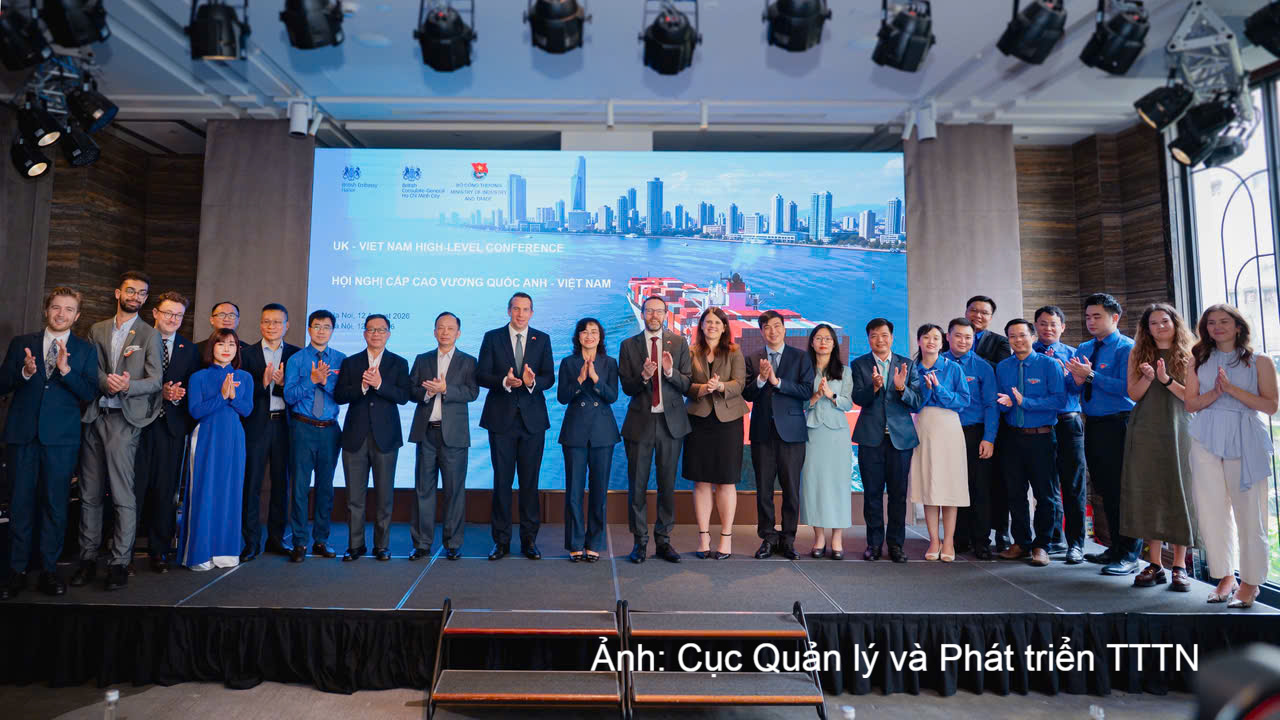
The 2026 UK - Viet Nam Summit was held in Ha Noi on August 12, focusing on fields that are creating new momentum for growth, including artificial intelligence (AI), financial technology, crypto assets, commodity derivatives markets and logistics.
Editor-in-Chief of the Industry and Trade Newspaper Nguyen Van Minh said distorted narratives are defeated by counterarguments and undeniable realities when Party members perform their duties well too.
On August 12, Deputy Minister of Industry and Trade Phan Thi Thang held an online working session with Andrea Corao Faria, Venezuela's Deputy Minister for Asia, the Middle East and Oceania at the Ministry of Foreign Affairs and Foreign Trade.
Viet Nam and Australia are deepening energy and minerals cooperation strengthening supply chains, investment and support for the energy transition in both countries.
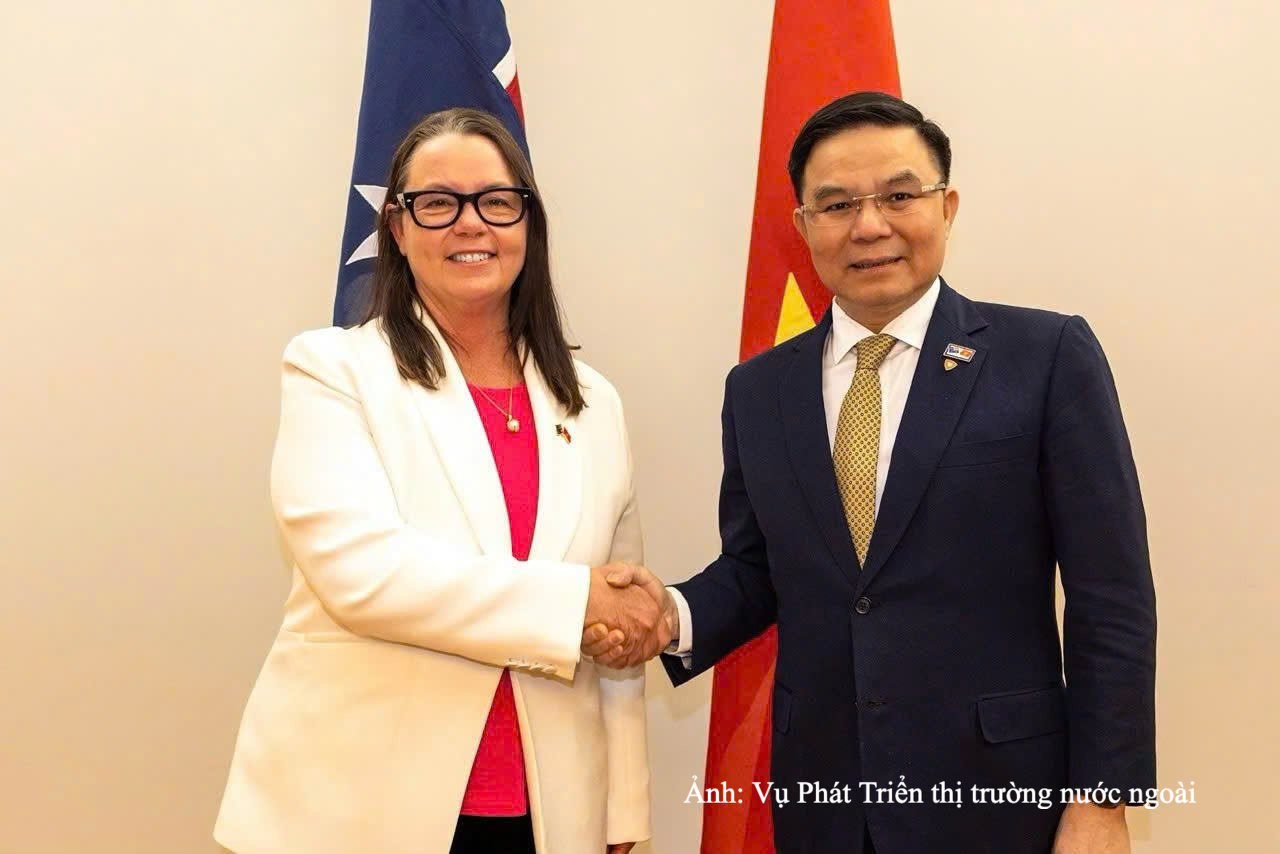
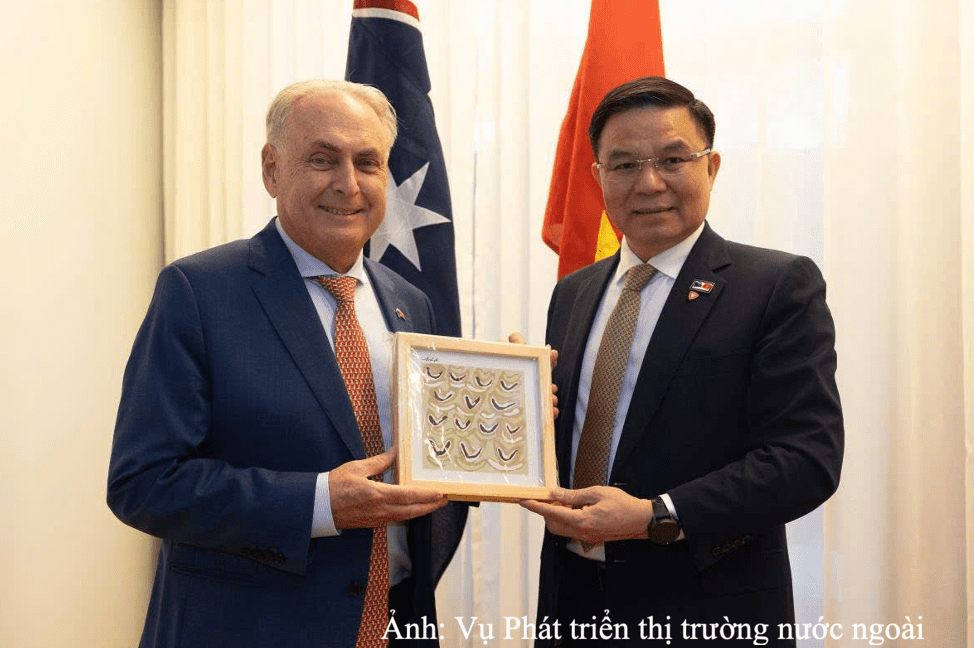
During his working trip accompanying Party General Secretary and State President To Lam on a State visit to Australia, Minister of Industry and Trade Le Manh Hung held a bilateral meeting with Australian Minister for Trade and Tourism Don Farrell in Canberra on August 11 (local time), to discuss measures to promote economic and trade relations between the two countries.
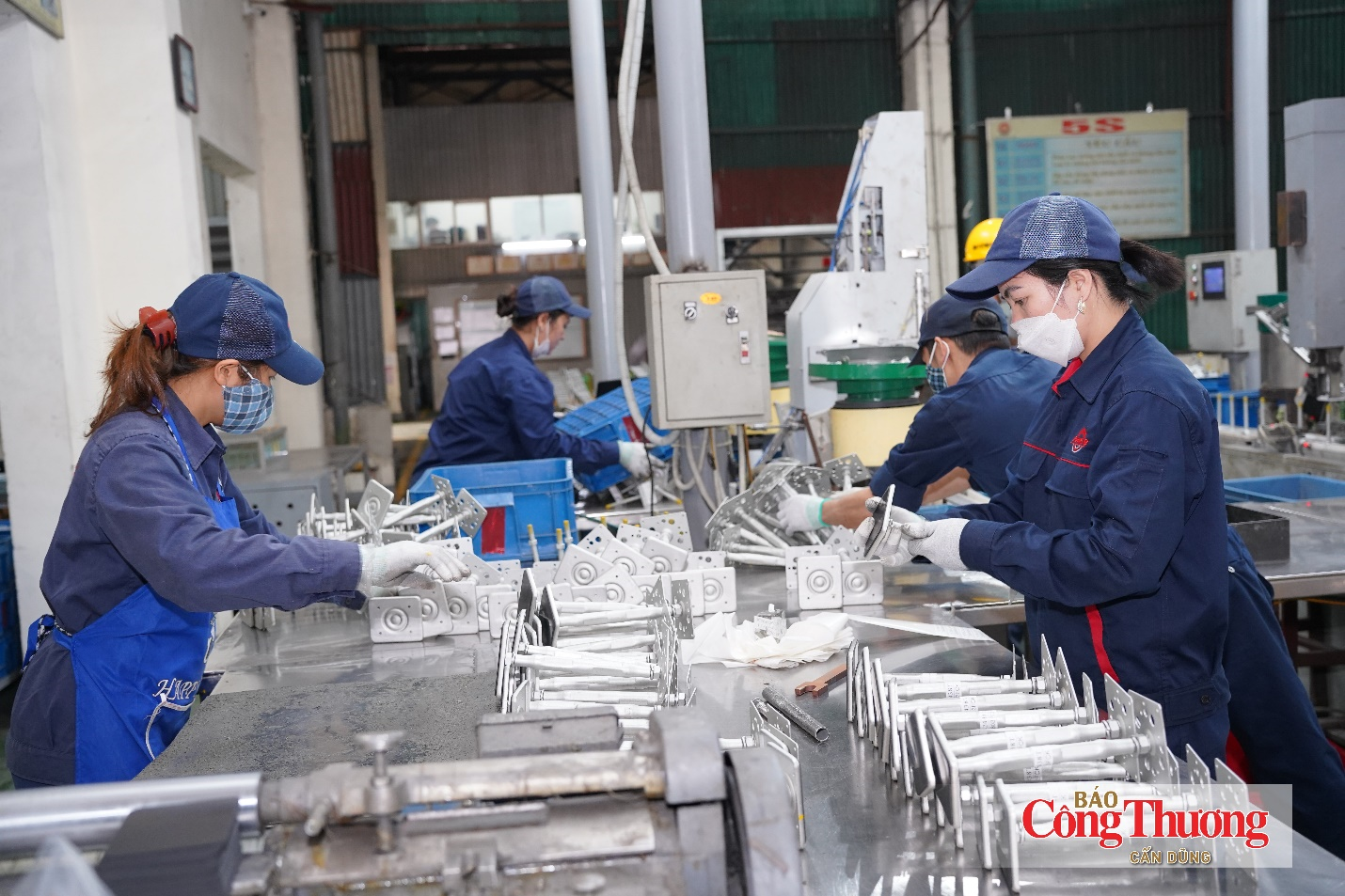
Viet Nam’s manufacturing industry must move beyond processing and assembly, master technology, raise localization and generate higher value across production chains.
KCN Vietnam has broken ground on its 21.9-hectare Song Than 3 project in Ho Chi Minh City, adding over 130,000 sqm of LEED-standard industrial space to the market.
MoIT leader Le Manh Hung clarified major issues in the revised Petroleum Law, including decentralisation, investment incentives, CCS and offshore energy development.
The Netherlands offers strong opportunities for Vietnamese firms to enter manufacturing supply chains, but meeting strict market standards remains a major challenge.
As Vietnam advances its energy transition, battery energy storage systems (BESS) are emerging as a key solution for enhancing grid flexibility, increasing the integration of renewable energy and strengthening energy security.